Miller's Merry Manor II

7440 North County Road 825 E, Hope, IN 47246

For more information about senior living options: (844) 490-3973

4.2 from 11 reviews
5 stars
8
4 stars
1
3 stars
0
2 stars
0
1 stars
2

Assisted Living Skilled Nursing Facility

Overall Review of Miller's Merry Manor II

Pros

  • pro The place is beautiful with nice scenery.
  • pro The staff are amazing people who care for residents and treat them with respect.
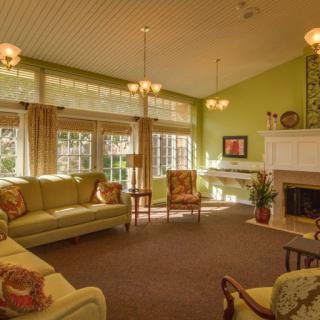
  • pro The environment is loving and feels like home.
  • pro The atmosphere at Millers Merry Manor feels like a home rather than a nursing home.
  • pro The staff do a wonderful job of taking care of residents.
  • pro The staff handle situations professionally and with caution.

Cons

  • pro A nurse tried to administer the wrong medication on the first day.
  • pro The patient deteriorated within weeks.
  • pro Every day was described as a disaster.
  • pro Staff did not keep the patient clean and failed to communicate changes to each shift.
  • pro Food was left on the bedside tray table even though the patient could not reach it.
  • pro Bedsores developed due to inadequate cleaning and care.
  • pro It could take 45 to 50 minutes for someone to respond after the nurse button was pressed.

Review

The collective impressions about Miller's Merry Manor in Hope reveal a facility that many families view as a comforting home away from home for their loved ones, while also carrying a cautionary note from at least one deeply troubling experience. Across several entries, the setting is described as welcoming, with an atmosphere that feels more like a supportive home than a traditional nursing facility. Families repeatedly emphasize that the staff are not only capable but genuinely caring, treating residents with respect and warmth. For some, Miller's Merry Manor becomes a sanctuary where their loved ones are surrounded by kindness, especially during challenging health journeys.

Several reviewers highlight how the place stands out because of its people. One commenter notes that the staff are "amazing people who care about our loved ones and treat them all with respect." Another expresses gratitude for how the team handles a mother's condition with obvious admiration for the care provided, describing the environment as loving and the staff as wonderful caretakers. The sentiment extends beyond day-to-day kindness - they portray the team as attentive to individual needs, and there is appreciation for how the staff managed health concerns with a thoughtful, cautious approach during the pandemic. In these voices, the facility's character is defined by compassionate, conscientious care that feels personal and attentive.

The sense of reassurance is reinforced by praise for the facility's ability to create a home-like ambience. One review remarked that their mom seems to be living in a home rather than a nursing home, underscoring the importance of atmosphere and relationships in the overall experience. The positive narratives emphasize continuity of care, staff availability, and a culture of respect. For families navigating complex medical needs, such as Alzheimer's disease or multiple chronic conditions, Miller's Merry Manor is depicted as a stabilizing presence where residents can look forward to a supportive daily routine and a welcoming environment. The positive experiences hinge on trust in the staff's dedication and the facility's overall approach to care.

Against these affirmations, one highly detailed and painful account presents a starkly different picture. In this narrative, the family describes a troubling sequence of events surrounding admission and end-of-life care. They recount the first day as marked by a medication error, followed by rapid deterioration and a failure to maintain basic caregiving standards - specifically, persistent cleanliness issues and bed soiling. The account emphasizes a breakdown in communication across shifts: crucial information about the patient's condition and needs was not relayed, leaving the family to observe and manage problems that should have been addressed by the care team. The reviewer stresses that the patient, who was in the last weeks of life, did not receive timely assistance and consistent attention to essential needs, including dignity-preserving tasks like keeping the patient clean.

That experience also highlights a troubling reliance on family presence to compensate for gaps in professional care. The writer notes that only when their sister was present did certain issues get addressed proactively, and they describe waiting 45 to 50 minutes for nurse calls. The bottom line they convey is one of profound dissatisfaction with communication, accountability, and the overall quality of daily care, culminating in a final recommendation to visit daily, take notes, and document names and events to ensure accountability. Despite acknowledging that hospice staff brought comfort during the process and expressing relief that their loved one could pass peacefully, the reviewer places substantial blame on the facility's internal coordination and staffing practices.

In discussing consequences and guidance, the account is explicit about what families should do in similar situations. The writer urges others to be vigilant, to advocate relentlessly, and to insist on clear communication among shifts and departments. They stress the importance of naming staff, tracking changes, and not hesitating to escalate concerns to higher authorities within the facility. The overarching message is that a resident's well-being depends on the family's ability to be a steady, informed advocate, especially when a patient is in their final weeks and vulnerable to lapses in care. The sentiment here is not merely criticism but a call to action for better systems, better communication, and greater accountability.

Taken together, the reviews paint a nuanced portrait of Miller's Merry Manor in Hope. On one side, there are numerous expressions of gratitude and affection for a place that many families deem supportive, warm, and professionally managed, especially in handling sensitive health challenges and during the pandemic. On the other side stands a stark warning from a family whose experience reveals serious shortcomings in care, cleanliness, and communication, with lasting emotional impact and an insistence on vigilant oversight. This contrast underscores the complexity of long-term care experiences: the same facility can be a safe, comforting home for some residents while proving distressing and unacceptable for others, depending on the specifics of day-to-day care, staffing consistency, and how responsive the team is to concerns.

Ultimately, what emerges is a community narrative that centers on care, communication, and accountability. The positive testimonials celebrate compassionate staff, a home-like atmosphere, and careful handling of health needs and pandemic precautions, illustrating how such environments can profoundly support residents and their families. The negative account serves as a powerful counterpoint, highlighting how critical timely, respectful, and coordinated care is - and how quickly gaps can erode trust when expectations aren't met. For families and caregivers, the message is clear: personalize advocacy, stay engaged, and prioritize open dialogue with the facility to ensure that their loved ones are treated with the dignity and consistency they deserve.

Features

Housing

  • 75 resident community capacity 75 resident community capacity

Types of Care

  • Assisted Living Assisted LivingAssisted living facilities provide crucial support and care for seniors who may need help with daily tasks such as medication management, bathing, and meal preparation. These communities offer a safe and comfortable environment where seniors can maintain their independence while receiving the assistance they need to thrive in their golden years.
  • Skilled Nursing Facility Skilled Nursing FacilitySkilled Nursing Facilities are crucial for seniors as they provide round-the-clock medical care, rehabilitation services, and assistance with daily activities. These facilities ensure that seniors receive the specialized care they need to maintain their health and well-being as they age.

Amenities

  • Air-conditioning Air-conditioningAir conditioning is important for seniors as they are more vulnerable to heat-related illnesses and may have underlying health conditions that make it difficult for them to regulate their body temperature. It helps to keep them comfortable, safe, and healthy in hot weather.
  • Beauty salon Beauty salonBeauty salons are important for seniors because they provide a space for them to feel pampered, socialize, and maintain their personal grooming and hygiene. Regular visits to a beauty salon can help boost seniors' self-esteem and overall well-being.
  • Cable or satellite TV Cable or satellite TVCable or satellite TV is important for seniors because it provides entertainment, news, and companionship, helping to combat loneliness and boredom. It also offers a wide range of programming options tailored to different interests and preferences.
  • Computer center Computer centerA computer center is essential for seniors as it provides access to technology, communication tools, and resources that can enhance their daily lives. It allows them to stay connected with loved ones, engage in online activities, and learn new skills, ultimately promoting socialization and mental stimulation.
  • Dining room Dining roomDining rooms are important for seniors as they provide a space for socialization, connection, and nutritious meals. They offer opportunities for residents to bond over shared meals, foster a sense of community, and promote healthy eating habits. Dining rooms also ensure that seniors have access to well-balanced meals tailored to their dietary needs and preferences.
  • Fitness room Fitness roomHaving a fitness room in a senior living community is essential for seniors to stay active, maintain their physical health, and improve their overall well-being. Regular exercise can help prevent falls, reduce the risk of chronic diseases, and promote mental sharpness. It also provides social opportunities for residents to connect with others and enjoy a sense of community.
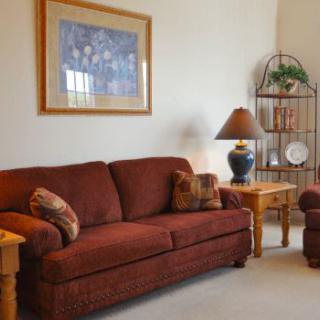
  • Fully furnished Fully furnishedFully furnished senior living communities are important for seniors because they provide convenience, comfort, and a hassle-free moving experience. Seniors can easily settle into their new living space without the stress of having to buy and move furniture. This allows them to focus on enjoying their new home and community.
  • Gaming room Gaming roomGaming rooms are important for seniors as they provide a fun and engaging environment for socializing, cognitive stimulation, and physical activity. Games can improve memory, problem-solving skills, and overall mental well-being while fostering friendships and reducing feelings of isolation.
  • Garden GardenGardens are important for seniors as they provide a peaceful and therapeutic environment for relaxation, physical activity, and socialization. Being in nature has been shown to reduce stress, improve mood, and promote overall well-being. Gardens also offer opportunities for seniors to engage in gardening activities, which can improve mobility, flexibility, and cognitive function. Additionally, gardens create a sense of community and connection with others who share a passion for plants and outdoor spaces.
  • Housekeeping services Housekeeping servicesHousekeeping services are important for seniors because they help maintain a clean and safe living environment, promote independence, and reduce the risk of accidents or illnesses. Additionally, having assistance with household chores can alleviate physical strain and allow seniors to focus on other aspects of their well-being.
  • Kitchenette KitchenetteKitchenettes are important for seniors living in senior living communities because they provide the convenience and independence of being able to prepare simple meals and snacks in the comfort of their own living space. This can help promote a sense of autonomy and well-being for seniors, allowing them to maintain some level of control over their dietary choices and daily routines.
  • Move-in coordination Move-in coordinationMove-in coordination is important for seniors because it helps ease the transition into their new living environment. It ensures that all logistics, such as packing, organizing movers, and setting up utilities are taken care of, allowing seniors to focus on settling in and adjusting to their new home. Having a smooth move-in process can alleviate stress and anxiety, making the transition smoother and more enjoyable for seniors.
  • Outdoor space Outdoor spaceOutdoor spaces are important for seniors as they provide opportunities for physical activity, social interaction, exposure to natural light and fresh air, and a sense of connection to nature. Having access to outdoor spaces can improve overall well-being and quality of life for older adults living in senior communities.
  • Private bathrooms Private bathroomsPrivate bathrooms are important for seniors in senior living communities because they provide independence, dignity, and comfort. Having a private bathroom allows seniors to maintain their personal hygiene routines without the need for assistance, promoting a sense of autonomy and privacy. Additionally, private bathrooms help prevent the spread of infections and provide a safe and clean environment for seniors to navigate safely.
  • Restaurant-style dining Restaurant-style diningRestaurant-style dining is important for seniors because it allows them to enjoy delicious, nutritious meals in a social and upscale setting. This enhances their dining experience, promotes healthy eating habits, and fosters socialization with fellow residents, ultimately contributing to their overall well-being and quality of life.
  • Small library Small librarySmall libraries are important for seniors as they provide access to a variety of reading materials, including books, newspapers, and magazines. This can help stimulate their minds, keep them engaged, and provide a sense of community through book clubs and other social activities. Additionally, reading has been shown to improve cognitive function and overall mental well-being in older adults.
  • Telephone TelephoneTelephones are important for seniors as they provide a lifeline for communication with loved ones, emergency services, and healthcare providers. They offer a sense of security and independence, enabling seniors to stay connected and access assistance when needed.
  • Wellness center Wellness centerWellness centers are important for seniors because they offer a variety of programs and services that promote physical, mental, and emotional well-being. These centers provide opportunities for exercise, socialization, education, and relaxation, helping seniors maintain their overall health and quality of life.
  • Wi-Fi/high-speed internet available Wi-Fi/high-speed internet availableWi-Fi/high-speed internet is important for seniors to stay connected with loved ones, access online resources, and participate in virtual activities to combat feelings of loneliness and isolation. It also allows them to easily manage healthcare needs, access entertainment, and engage in lifelong learning opportunities.

Transportation

  • Community operated transportation Community operated transportationCommunity operated transportation is crucial for seniors as it provides them with the means to access essential services, social activities, and medical appointments. It allows seniors to maintain their independence and quality of life by ensuring they can participate in activities outside of their homes. Additionally, community-operated transportation services offer a safe and reliable way for seniors to travel without having to rely on family or friends for assistance.
  • Transportation arrangement Transportation arrangementTransportation arrangements are crucial for seniors as they may face challenges with driving, mobility, or access to public transportation. Having reliable transportation services ensures that seniors can easily attend appointments, social activities, and maintain their independence and quality of life.

Care Services

  • 24-hour call system 24-hour call system24-hour call systems are important for seniors because they provide peace of mind and immediate assistance in case of emergencies. This technology ensures that help is always available, promoting safety and security for elderly individuals living alone or in assisted living facilities.
  • 24-hour supervision 24-hour supervision24-hour supervision is important for seniors to ensure their safety, well-being, and access to immediate assistance in case of emergencies or health issues. This constant support provides peace of mind for both seniors and their loved ones, allowing them to age in place with dignity and security.
  • Activities of daily living assistance Activities of daily living assistanceActivities of daily living assistance are important for seniors because they provide essential support with tasks such as eating, bathing, dressing, and mobility. This assistance helps seniors maintain their independence, dignity, and overall quality of life as they age.
  • Assistance with bathing Assistance with bathingAssistance with bathing is crucial for seniors as it helps maintain personal hygiene, prevents infections, and ensures their overall well-being and comfort. It also provides a sense of dignity and independence for seniors who may struggle with this task on their own.
  • Assistance with dressing Assistance with dressingAssistance with dressing is important for seniors because it helps maintain their independence, promotes personal hygiene, prevents accidents and injuries, and improves overall quality of life. This service ensures that seniors can continue to dress comfortably and confidently, despite any physical limitations they may have.
  • Assistance with transfers Assistance with transfersAssistance with transfers is crucial for seniors as it helps prevent falls and injuries, maintains their independence, and ensures they can safely navigate their living environment. It also provides peace of mind for both seniors and their loved ones.
  • Diabetes diet Diabetes dietA diabetes diet is crucial for seniors as it helps manage blood sugar levels, reduce risks of complications, and improve overall health and well-being. By following a balanced and nutritious diet tailored to their specific needs, seniors can better control their diabetes and enhance their quality of life.
  • Meal preparation and service Meal preparation and serviceMeal preparation and service are crucial for seniors as they may have limited mobility or energy to cook nutritious meals. Having access to healthy and convenient food options can ensure they are getting the proper nutrition needed to maintain their overall health and well-being.
  • Medication management Medication managementMedication management is crucial for seniors to ensure they are taking the right medications at the correct dosages and times. This helps prevent adverse drug interactions, reduces the risk of medication errors, and promotes overall health and well-being. Proactive management also allows for adjustments as needed based on changing health conditions or new prescriptions.
  • Special dietary restrictions Special dietary restrictionsSpecial dietary restrictions are important for seniors because age-related changes in metabolism and health conditions can make it difficult for their bodies to process certain foods. By following a diet tailored to their specific needs, seniors can maintain their overall health and well-being, manage chronic conditions, and reduce the risk of complications such as malnutrition or food interactions with medications.

Dining

  • Diabetes diet Diabetes dietA diabetes diet is crucial for seniors as it helps manage blood sugar levels, reduce risks of complications, and improve overall health and well-being. By following a balanced and nutritious diet tailored to their specific needs, seniors can better control their diabetes and enhance their quality of life.
  • Special dietary restrictions Special dietary restrictionsSpecial dietary restrictions are important for seniors because age-related changes in metabolism and health conditions can make it difficult for their bodies to process certain foods. By following a diet tailored to their specific needs, seniors can maintain their overall health and well-being, manage chronic conditions, and reduce the risk of complications such as malnutrition or food interactions with medications.

Activities

  • Community-sponsored activities Community-sponsored activitiesCommunity-sponsored activities are important for seniors as they provide opportunities for social interaction, mental stimulation, and physical activity. These activities can help improve overall well-being, combat loneliness and isolation, and promote a sense of belonging and purpose among older adults.
  • Concierge services Concierge servicesConcierge services are essential for seniors as they provide assistance with daily tasks and errands, enhance their quality of life by offering convenience and personalized care, and promote a sense of safety and security.
  • Fitness programs Fitness programsFitness programs are crucial for seniors as they help improve strength, flexibility, balance, and overall well-being. Staying active can reduce the risk of chronic diseases, improve mental health, and enhance quality of life in older adults.
  • Planned day trips Planned day tripsPlanned day trips are important for seniors because they offer opportunities for socialization, mental stimulation, and physical activity. They provide a change of scenery and help seniors stay engaged and connected to their community, promoting overall well-being and quality of life.
  • Resident-run activities Resident-run activitiesResident-run activities are important for seniors as they encourage social interaction, creativity, and a sense of autonomy. These activities empower seniors to stay engaged and active in their community while fostering meaningful connections with their peers.
  • Scheduled daily activities Scheduled daily activitiesScheduled daily activities are important for seniors because they provide structure, socialization, mental stimulation, and physical activity. Engaging in regular activities can improve overall well-being and quality of life for seniors living in a community setting.

Description

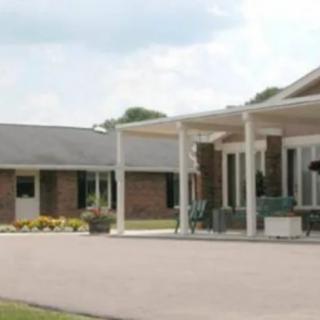
Miller's Merry Manor II in Hope, IN, is a premier skilled nursing facility dedicated to providing compassionate care and a vibrant lifestyle for its residents. With a focus on enhancing quality of life, the community offers an array of amenities designed to meet the diverse needs and preferences of its residents.

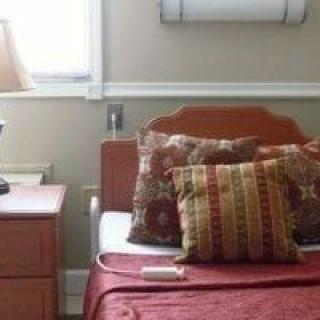
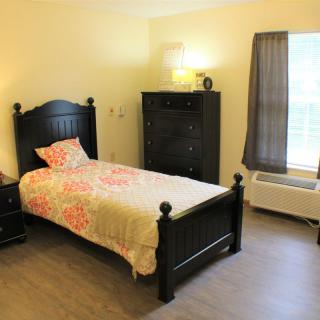
Residents can enjoy comfortable living in fully furnished accommodations complete with private bathrooms and kitchenettes. The inviting dining room serves restaurant-style meals tailored to special dietary restrictions, ensuring that nutritional needs are met without sacrificing flavor or variety. Additionally, the facility features several communal spaces such as a gaming room, small library, fitness room, and wellness center, promoting social interaction and active engagement.

The staff at Miller's Merry Manor II is committed to delivering 24-hour supervision and personalized care services. Residents receive assistance with activities of daily living, including bathing and dressing, medication management, and specialized support for diabetes diets. Transportation arrangements are also available for planned day trips or local excursions.

A comprehensive schedule of activities fosters a sense of community among residents. Programs range from fitness initiatives to resident-run activities, ensuring there is something for everyone to enjoy. The concierge services enhance convenience by addressing individual requests and facilitating connections within the community.

With nearby pharmacies, restaurants, and places of worship, Miller's Merry Manor II is conveniently situated to offer both comfort within its walls and access to essential services outside. Emphasizing dignity and independence in a supportive environment, this community truly reflects a commitment to holistic well-being for all its residents.

Nearby Places of Interest

Pharmacies

  • Health Mart Pharmacy (1.9 miles)
  • Hope Wellness Pharmacy (1.9 miles)
  • Walmart Pharmacy (7.4 miles)
  • Pharmacy Care Solutions (7.8 miles)
  • Walgreens (8 miles)
  • CVS Pharmacy (8 miles)
  • Kroger Pharmacy (8.4 miles)

Places of Worship

  • Hartsville Church of Christ (3.2 miles)
  • Rockyford Free Methodist Church (6.4 miles)
  • Church Of Christ (6.5 miles)
  • Four Seasons Chapel (7.4 miles)
  • Jerry K Day Rev (7.5 miles)
  • Jehovah's Witnesses (7.6 miles)
  • Sandy Hook United Methodist Church (7.7 miles)

Restaurants

  • 450 North Brewing Co. (4 miles)
  • Cozy Lounge (7.3 miles)
  • E Sushi (7.3 miles)
  • Hangar 5 Restaurant (7.6 miles)
  • Angottis (7.7 miles)
  • Tapatio (7.7 miles)
  • Chili's Grill & Bar (7.8 miles)

Physicians

  • Columbus Physicians Associates (6.9 miles)
  • Dr Neiters (6.9 miles)
  • Douglas R Wilson MD (7.3 miles)
  • Skin Solutions (7.4 miles)
  • Family Allergy & Asthma (7.8 miles)
  • Southern Indiana Ob/Gyn (8 miles)
  • Sandcrest Family Medicine (8 miles)

Cafes

  • Yoyo Boba Teahouse (7.3 miles)
  • Starbucks (7.9 miles)
  • Starbucks (7.9 miles)
  • Panera Bread (7.9 miles)
  • Starbucks (8.4 miles)
  • C.A.T. Coffee (9.4 miles)

Parks

  • Moose Park (7.5 miles)
  • Lincoln Park (8.4 miles)
  • Ceraland Park & Campground (8.5 miles)
  • Clifty Park Baseball Diamonds (8.7 miles)
  • Donner Park (9.4 miles)

Transportation

  • Hertz Rent A Car (7.6 miles)
  • Budget Rent A Car (8.1 miles)
  • National Car Rental (8.8 miles)

Theaters

  • AMC Showplace Columbus 12 (8.3 miles)

Hospitals

  • Columbus Regional Health-ER (8.4 miles)
  • Columbus Regional Hospital (8.4 miles)
  • St Helena Hospitals (8.5 miles)
  • Columbus Regional Hospital (9.6 miles)

Frequently Asked Questions

Where is Miller's Merry Manor II?

Nearby Communities

Related Resources

  • assisted living vs memory careUnderstanding the Distinctions: Assisted Living and Memory Care Explained

    The article differentiates between assisted living and memory care, explaining that assisted living supports seniors with daily activities while promoting independence, whereas memory care provides specialized services for individuals with dementia, focusing on secure environments and cognitive support. It also addresses staff training, safety considerations, costs, family involvement, and transition strategies for families navigating these care options.

  • elderly parent refuses assisted livingGuiding Elderly Parents Who Refuse Assisted Living: 6 Practical Steps

    Family caregivers face emotional, legal, and practical challenges when elderly parents refuse assisted living, often due to fears of losing autonomy. Open conversations and professional assessments can help address these concerns while exploring alternatives and ensuring safety, potentially leading to legal guardianship if necessary.

  • luxury assisted livingYour Comprehensive Guide to Luxury Assisted Living: Elevated Facilities, Amenities, and Costs

    Luxury assisted living offers high-quality senior care in a resort-like environment that combines essential medical support, gourmet dining, and personalized services to enhance residents' independence and well-being. These upscale facilities emphasize holistic health and community-building through customized care plans and social activities, catering to the growing demand for enriched senior living experiences despite higher costs.