Friendship Village of Schaumburg, a CCRC Costs & Pricing
Friendship Village of Schaumburg, a Continuing Care Retirement Community (CCRC), offers an attractive range of monthly costs that are generally more affordable compared to the broader market in Cook County and the state of Illinois. For studio apartments, residents can expect to pay $1,205, significantly lower than the county's average of $3,762 and the state's average of $4,028. One-bedroom units range from $2,030 to $2,875, which again stands in contrast to the county's average of $3,256 and Illinois' average of $3,527. Lastly, for those seeking more space with two-bedroom apartments, prices vary from $2,768 to $3,725 - substantially less than both Cook County's average of $4,412 and the state's average cost of $4,208. Overall, Friendship Village presents a cost-effective option for seniors considering a supportive community environment while maintaining reasonable monthly living expenses.
Floor plans
Friendship Village of Schaumburg, a CCRC
Cook County
Illinois
Studio
$1,205
$3,762
$4,028
1 Bedroom
$2,030 to $2,875
$3,256
$3,527
2 Bedrooms
$2,768 to $3,725
$4,412
$4,208
Memory care communities with a similar price nearby
Overall Review of Friendship Village of Schaumburg, a CCRC
common28 reviews mention this
Friendly staff and attentive care
Residents and families consistently describe staff as kind and responsive to needs.
Many reviews focus on the day-to-day interactions, saying staff members are polite, helpful, and compassionate. Several comments mention nurses and CNAs visiting regularly and providing support for both health and emotional needs as required. A few reviewers also call out specific rehab therapists or social work support, describing professional communication and follow-through. There are also a handful of reports where staffing or call-bell response is slower than expected, but the overall tone in the reviews is that staff aim to help.
common22 reviews mention this
Food and dining are a mixed point
Dining is a frequent highlight, though some residents report problems with temperature and variety.
A substantial number of reviewers say meals are delicious, with restaurant-style dining and multiple dining options on site. Others describe specific meal experiences like lunch in the Mosaic room and brunch service, and mention that families enjoy the food during visits. At the same time, some reviews complain that food is cold or not hot enough, with occasional dissatisfaction about help during mealtimes. The community also offers special diet options like low/no sodium and gluten-free, which matches several diet-related inclusions in the offering list.
common18 reviews mention this
Large campus activities keep residents engaged
Reviews repeatedly mention on-site activities and events that make it easy to stay involved.
Residents and families describe a steady calendar of activities, from classes and educational speakers to live performances and social events. Several reviews highlight entertainment and engagement opportunities that happen on campus, including things like movie nights, celebrations, and group activities such as prayer sing-alongs. The community is also described as having multiple spaces for gathering, including areas to eat, socialize, and participate in events. A minority of reviews say the community can feel too large or that certain activity support is limited for specific care needs, but most comments emphasize frequent options.
caveat10 reviews mention this
Pricing and contract refunds raise concerns
Some families report the cost and contract terms can be hard to navigate.
Cost comes up repeatedly, with multiple reviews describing the community as expensive and cautioning future residents to review what is promised versus what the contract states. Several negative reviews focus on refund timing for entrance fees or earnest money, describing extended waits and uncertainty about when money would be returned. A few reviewers also mention that the pricing quoted during sales discussions later changed based on accommodations. While others say the overall value is good, the recurring theme in the less favorable reviews is that financial expectations did not match the outcome.
caveat14 reviews mention this
Care responsiveness varies by unit
Some reviews describe delays or gaps in day-to-day assistance for care needs.
Alongside praise for nurses and CNAs, several reviews describe situations where help was delayed, including slow response to call buttons and longer waits for basic assistance. Some reviewers mention concerns around bathing, dressing, or meeting care needs within a reasonable timeframe, particularly in rehab or nursing-related circumstances. There are also complaints that staffing levels during certain periods can be insufficient for dining or resident needs. Other reviews counter with accounts of quick recovery, regular visits, and attentive rehab staff, so the overall feedback suggests experiences can differ depending on care setting and staffing at the time.
How we summarize
Counts show how many written reviews mention each theme; a review can touch several themes, and only frequently mentioned themes are displayed.
Features
Types of Care
Assisted Living
Independent Living
Memory Care
Amenities
Activities off-site
Activities on-site
Air-conditioning
Bath tubs
Beautician on-site
Cable or satellite TV
Devotional services off-site
Devotional services on-site
Fireplaces
Full kitchen
Ground floor units
Handicap accessible
Indoor common areas
Kitchenette
Outdoor common areas
Respite or short term stays offered
Swimming pool / hot tub
Wheelchair accessible showers
Transportation
Chicago O'Hare International (10 miles away)
Chicago Midway (24 miles away)
Care Services
Ambulatory care
Diabetic care
Incontinence care
Medication management
Dining
Gluten-free
Guest meals
International cuisine
Low / no sodium
Meals provided
No Sugar
Professional chef
Restaurant style dining
Room service
Special dining programs
Vegan
Vegetarian
Activities
Art classes
Cooking classes
Day trips and outings
Devotional activities offsite
Devotional activities on-site
Educational speakers / life long learning
Happy hour
Live dance or theater performances
Live musical performances
Live well programs
Wine tasting
Nearby Places of Interest
Located in Schaumburg, Illinois, this part of town offers a variety of amenities and services that cater to seniors looking for a comfortable and convenient lifestyle. With several places of worship nearby, including St Hubert Church and Calvary Community Church, residents have easy access to spiritual support and community engagement. The abundance of parks like Abrahamsen Park and Olympic Park provide opportunities for outdoor recreation and leisurely strolls. Additionally, there are numerous pharmacies, restaurants, cafes, theaters, hospitals, and transportation options in the vicinity, ensuring that seniors have access to essential goods and services. With healthcare facilities such as Ascension Alexian Brothers Hospital and NCH Northwest Community Hospital nearby, residents can feel confident about their medical needs being met promptly. Overall, this area of Schaumburg offers a well-rounded environment for seniors seeking a safe and vibrant place to call home.
Places of Worship
St Hubert Church (0.7 miles)
Calvary Community Church (2.3 miles)
Willow Creek Community Church (5 miles)
St Thomas Of Villanova (7.1 miles)
Parks
Abrahamsen Park (0.9 miles)
Sheffield Park (2.4 miles)
Fabbrini Park (2.4 miles)
Olympic Park (2.6 miles)
Ned Brown Preserve (3.5 miles)
Goose Lake Park (4.1 miles)
Mallard Lake County Forest Preserve (5.1 miles)
Pharmacies
Walgreens (1.2 miles)
Walgreens (1.3 miles)
Walgreens (1.6 miles)
Walgreens (2.6 miles)
CVS Pharmacy (2.8 miles)
Walmart Pharmacy (3.2 miles)
Walgreens (3.2 miles)
Restaurants
Portillo's Hot Dogs (1.8 miles)
Chick-Fil-A (2.1 miles)
Wildfire (2.1 miles)
McDonald's (2.1 miles)
Stonewood Alehouse (2.6 miles)
Hooters (2.7 miles)
Kura Revolving Sushi Bar (2.8 miles)
Theaters
AMC Streets of Woodfield 20 (2.8 miles)
AMC South Barrington 24 (4.3 miles)
Addison Cinema Addison, Il (6.5 miles)
Cafes
Starbucks (3.1 miles)
Starbucks (5.6 miles)
Starbucks (6 miles)
Starbucks (6.4 miles)
Starbucks (8.2 miles)
Starbucks (8.8 miles)
Starbucks (8.9 miles)
Hospitals
Ascension Alexian Brothers - Behavioral Health Hospital (3.1 miles)
Alexian Brothers Women and Children's Hospital (3.2 miles)
Friendship Village of Schaumburg, a Continuing Care Retirement Community (CCRC), offers an attractive range of monthly costs that are generally more affordable compared to the broader market in Cook County and the state of Illinois. For studio apartments, residents can expect to pay $1,205, significantly lower than the county's average of $3,762 and the state's average of $4,028. One-bedroom units range from $2,030 to $2,875, which again stands in contrast to the county's average of $3,256 and Illinois' average of $3,527. Lastly, for those seeking more space with two-bedroom apartments, prices vary from $2,768 to $3,725 - substantially less than both Cook County's average of $4,412 and the state's average cost of $4,208. Overall, Friendship Village presents a cost-effective option for seniors considering a supportive community environment while maintaining reasonable monthly living expenses.
Friendship Village of Schaumburg implements comprehensive medication management to ensure residents receive timely and accurate dosages of prescribed medications, which is crucial for maintaining their health and stability as cognitive decline may impair their ability to manage such details independently. Additionally, the facility provides specialized incontinence care tailored to individual needs, allowing residents to maintain dignity and comfort while addressing a common challenge associated with dementia. This dual approach not only enhances the quality of life for residents but also alleviates caregivers' concerns, fostering an environment that prioritizes holistic well-being through personalized support and attentive care.
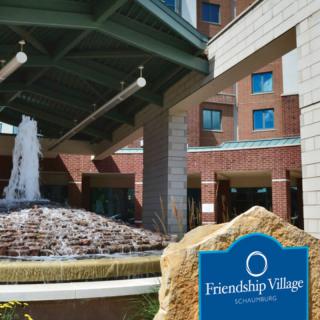
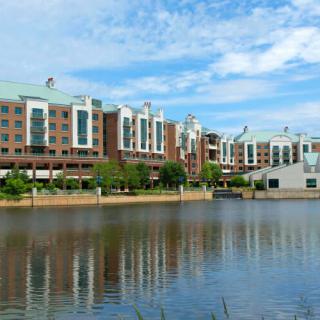
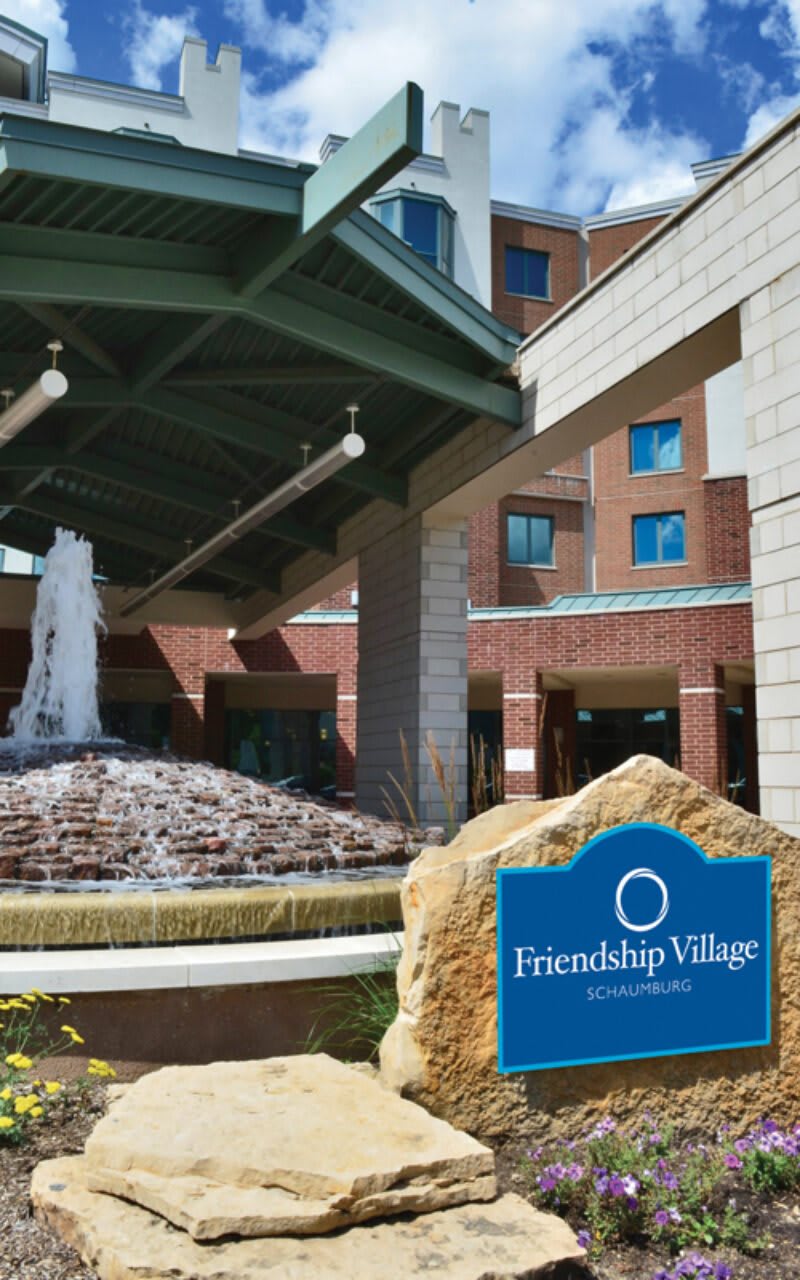
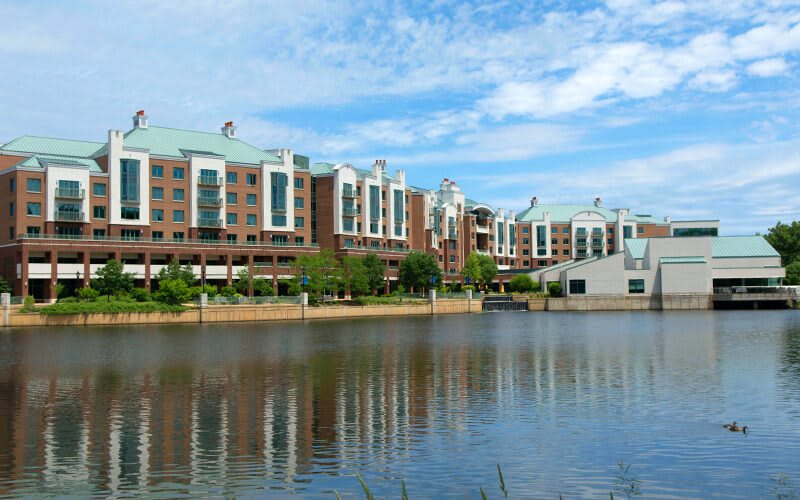
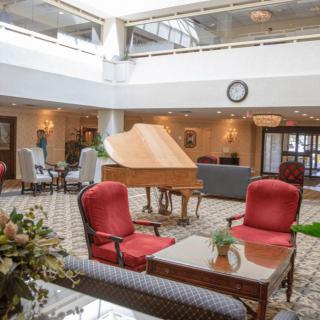
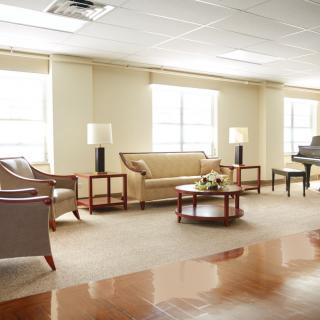
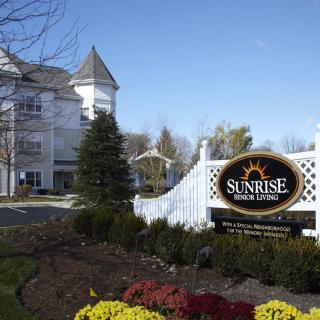
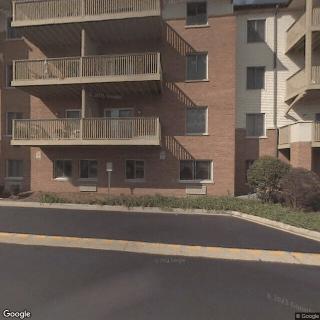
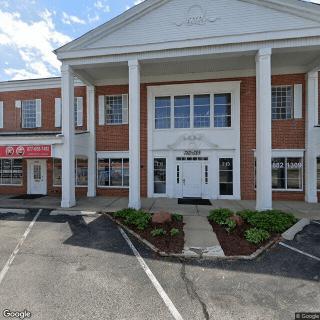
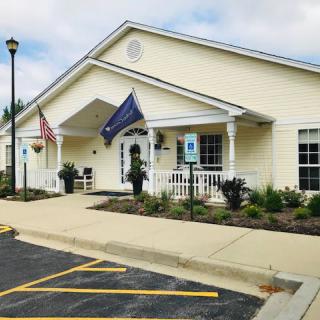
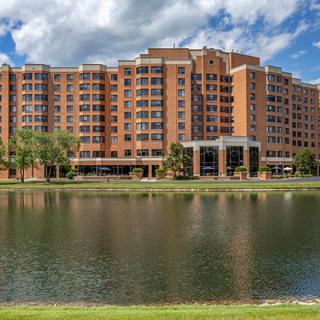
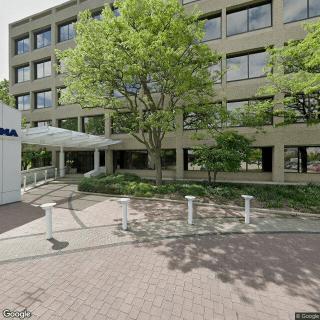
Friendship Village of Schaumburg, a CCRC on seniors.fyi includes 3 photos including images showing building, architecture, fountain, exterior, water, urban, pond, landscaping, and more.
Nearby Communities
Bella Terra of Schaumburg
Schaumburg, IL
4.3 from 97 reviews
$7,290 to $8,280 / month
Compassionate staff with strong rehab services in a bright, welcoming setting.
Lexington Of Schaumburg
Schaumburg, IL
4.4 from 105 reviews
Extensive amenities and around-the-clock supervision and care.
Synergy HomeCare - Schaumburg
Schaumburg, IL
4.7 from 41 reviews
Competent, friendly staff with good caregiver matching and reliable, respectful in-home care.
Sunrise of Schaumburg
Schaumburg, IL
4.4 from 83 reviews
$5,550 to $7,920 / month
Clean, welcoming environment with compassionate staff and engaging activities.
Emerald Village
Schaumburg, IL
4.2 from 24 reviews
$1,100 to $1,300 / month
Clean, well-maintained community with friendly staff and affordable pricing.
Complete Care
Schaumburg, IL
4 from 1 review
Exceptional in-home care that enables aging in place.
Arden Courts of Elk Grove
Elk Grove Village, IL
4.9 from 88 reviews
$7,425 to $8,150 / month
Attentive, personalized memory-care with engaging activities and quality dining in a clean, welcoming setting.
Brookdale Hoffman Estates
Hoffman Estates, IL
4.7 from 111 reviews
$2,950 to $4,250 / month
Caring staff, clean and safe environment, with engaging dining and activities.
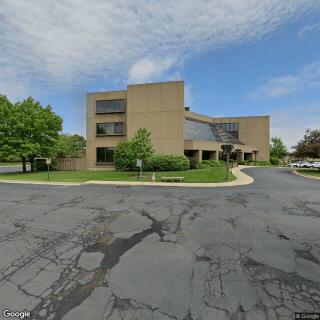
Transitioning from assisted living to memory care is driven by an individual's cognitive decline and specific needs, requiring careful evaluation of indicators like increased confusion and wandering. The process involves consulting medical professionals, researching suitable communities, considering financial and legal aspects, and ensuring effective communication for personalized care plans.
The article differentiates between assisted living and memory care, explaining that assisted living supports seniors with daily activities while promoting independence, whereas memory care provides specialized services for individuals with dementia, focusing on secure environments and cognitive support. It also addresses staff training, safety considerations, costs, family involvement, and transition strategies for families navigating these care options.
The article outlines effective communication strategies for interacting with loved ones with dementia, highlighting the need for empathy, patience, and understanding while emphasizing supportive approaches like using simple language, minimizing distractions, and focusing on feelings over facts to maintain dignity and foster connection. It also suggests seeking professional guidance when needed as communication challenges evolve.
Get PricingAsk A QuestionSchedule A TourContact Senior Advisor
By clicking submit, you agree to our Partner's Terms of Use. You
also consent to receive calls and texts, which may be autodialed, from our Partner. Your consent is not a condition to
using our Partner's service. Please visit our Partner's Privacy Policy for information about their privacy practices.



 Assisted Living
 Independent Living
 Memory Care
 Activities off-site
 Air-conditioning
 Bath tubs
 Beautician on-site
 Cable or satellite TV
 Devotional services off-site
 Fireplaces
 Full kitchen
 Ground floor units
 Handicap accessible
 Indoor common areas
 Outdoor common areas
 Respite or short term stays offered
 Swimming pool / hot tub
 Wheelchair accessible showers
 Chicago O'Hare International (10 miles away)
 Ambulatory care
 Diabetic care
 Incontinence care
 Medication management
 Gluten-free
 Art classes
 Cooking classes
 Day trips and outings
 Educational speakers / life long learning
 Happy hour
 Live dance or theater performances
 Live musical performances
 Live well programs
 Wine tasting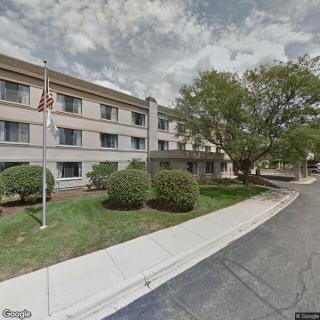
 Compassionate staff with strong rehab services in a bright, welcoming setting.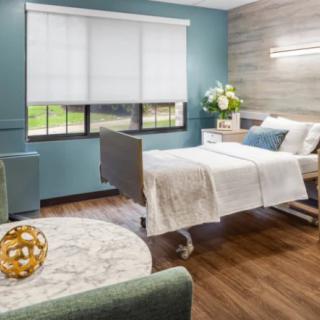
 When to Transition from Assisted Living to Memory Care: Key Indicators, Steps, and Finding the Right Community
 Understanding the Distinctions: Assisted Living and Memory Care Explained
 How to Communicate with a Loved One Living with Dementia: 10 Supportive Strategies