Sunrise of Park Ridge offers a range of living options with monthly costs that reflect both the premium services it provides and the local market dynamics. For a semi-private room, residents pay $5,760, which is notably higher than the average for Cook County at $5,192 and Illinois at $5,146. The one-bedroom units are priced at $6,000, significantly above both county and state averages of $3,256 and $3,527 respectively. For studio accommodations, the cost stands at $6,330, again surpassing the surrounding averages of $3,762 in Cook County and $4,028 statewide. Finally, private rooms are available for $7,000 - substantially exceeding the average costs in both Cook County ($5,168) and across Illinois ($5,049). These figures suggest that while Sunrise of Park Ridge may be on the higher end compared to its peers in terms of pricing, it likely offers enhanced amenities and care options that justify these costs.
Floor plans
Sunrise of Park Ridge
Cook County
Illinois
Semi-Private
$5,760
$5,192
$5,146
1 Bedroom
$6,000
$3,256
$3,527
Studio
$6,330
$3,762
$4,028
Private
$7,000
$5,168
$5,049
Memory care communities with a similar price nearby
Residents and families consistently describe attentive, caring, and responsive staff.
Across reviews, families describe staff as kind, patient, and responsive to questions and concerns. Multiple residents’ families mention ongoing check-ins and medication support, along with clear communication about wellbeing. Several reviews also tie the experience to feeling respected and treated with dignity, including in memory care.
common9 reviews mention this
Food quality gets frequent mentions
Residents often describe meals as tasty and well presented, with staff supporting dining needs.
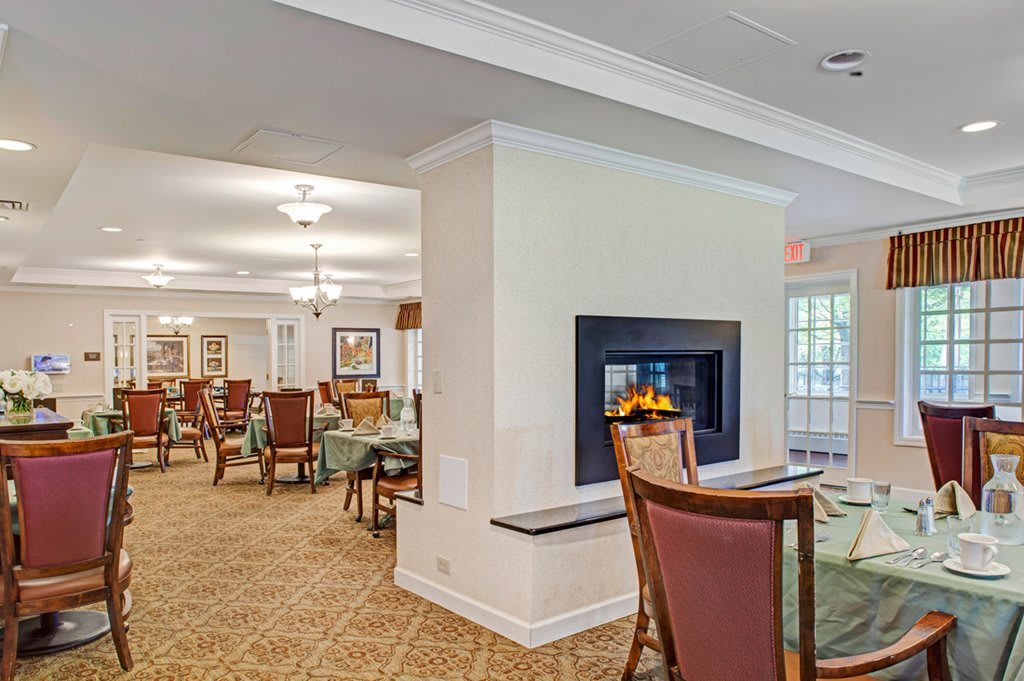
Many reviews include praise for meal quality, describing food as tasty, good, or more like home-cooked meals. Others mention options at mealtimes and the dining experience feeling more like restaurant-style dining than a cafeteria setup. A few families also flag areas to improve, such as variety or overall quality consistency.
common14 reviews mention this
Clean, homelike facility feel
Residents and families frequently mention the community feels clean and home-like.
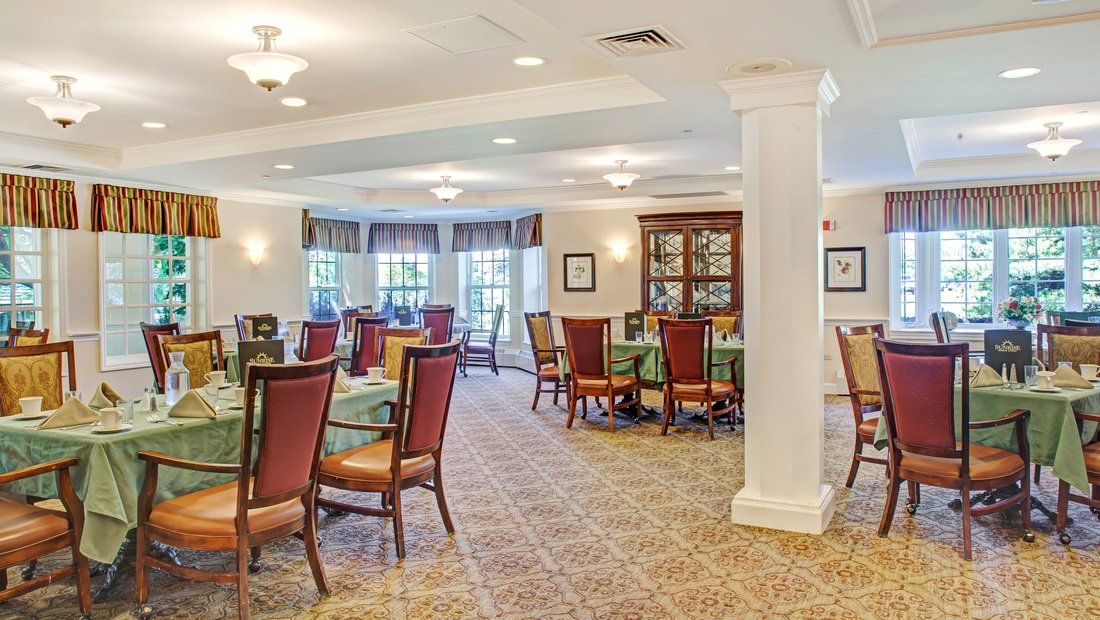
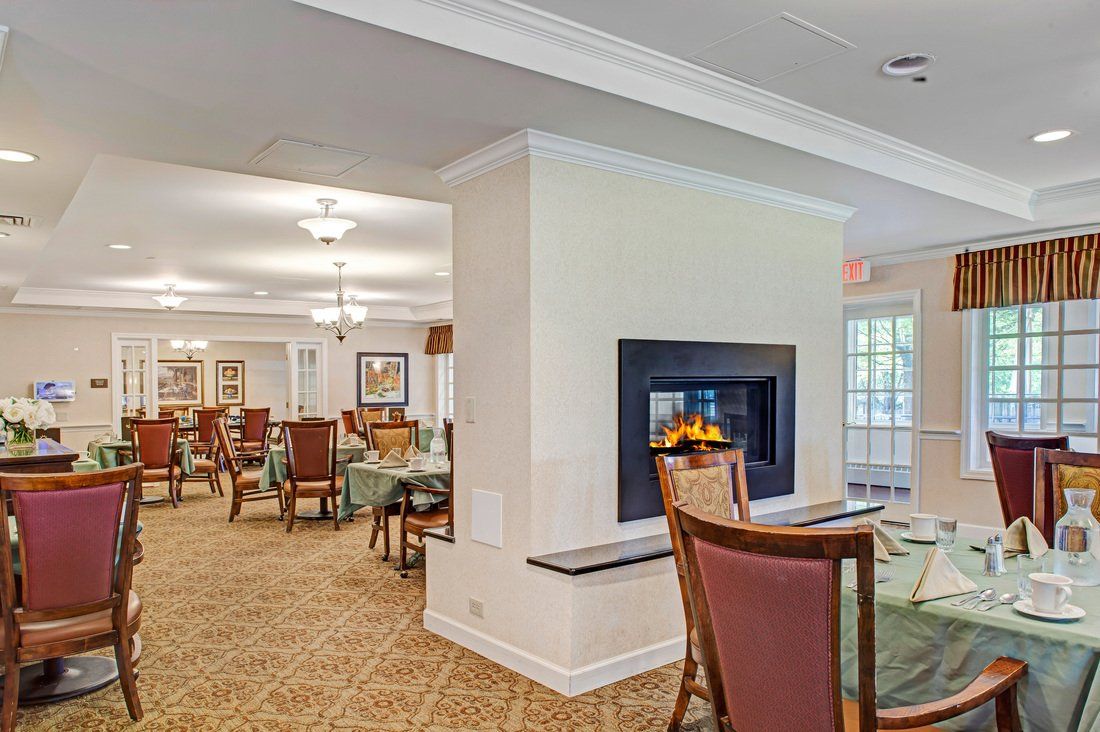
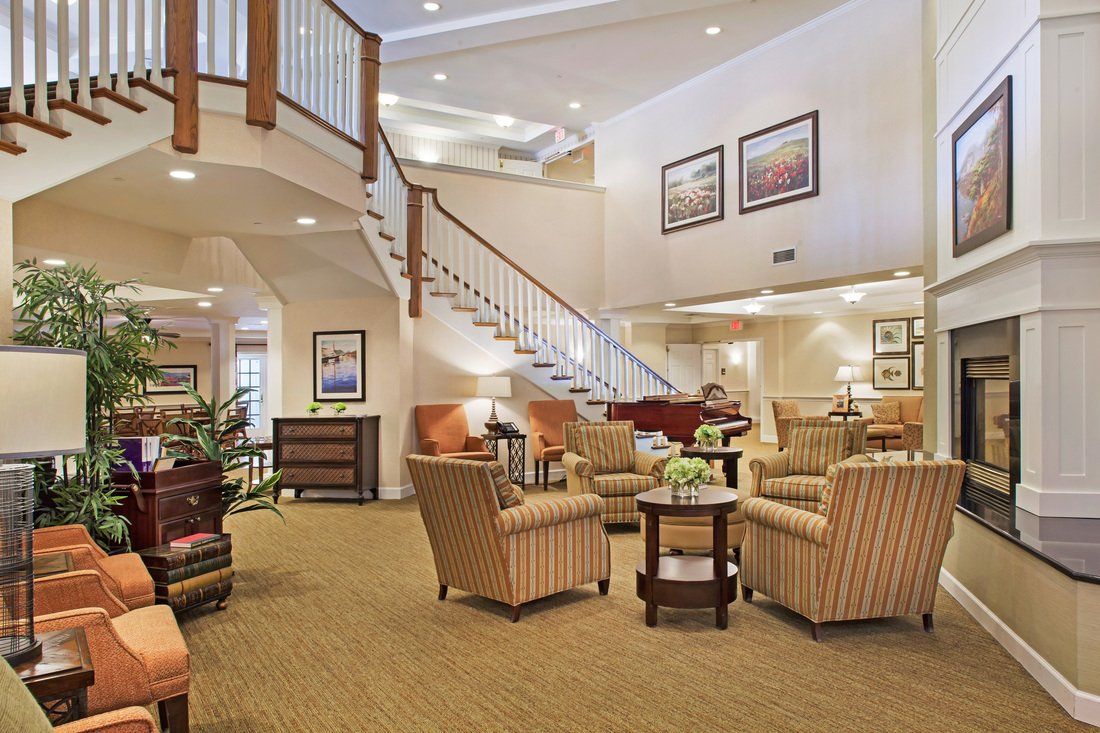
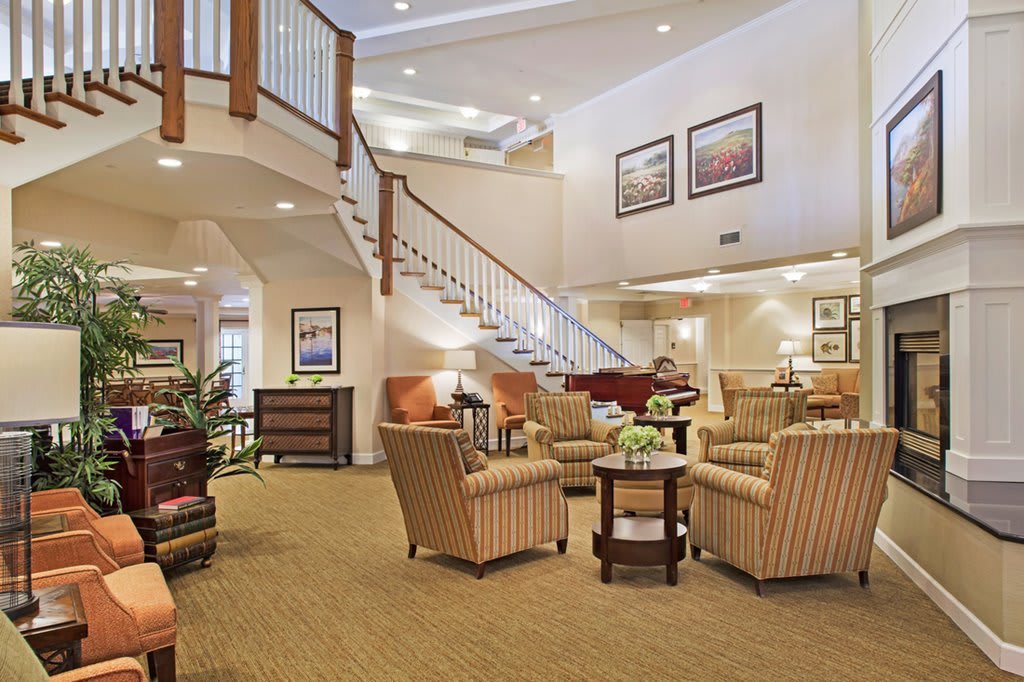
Reviews commonly describe the building as clean, well maintained, and comfortable—often using home-like language rather than an institutional feel. Several families mention cleanliness of rooms and common areas, and that the environment helps them feel at ease. A small number of comments note the facility can feel dated in certain areas.
common10 reviews mention this
Activities help residents stay engaged
Families describe a steady schedule of activities, including live entertainment and outings.
Reviews frequently cite resident engagement, mentioning daily activities, community-sponsored events, and entertainment such as live music. Families also describe residents being encouraged to participate and that posted schedules or planned outings help keep things moving. A few comments suggest there could be more activity variety for individual preferences.
caveat4 reviews mention this
Cost is a recurring concern
Pricing comes up often, and some families feel the cost is too high for them.
Several reviews call out that Sunrise can be expensive, including situations where a family couldn’t keep a loved one due to cost. Other families contrast that it felt worth it for the care they experienced, so value depends on expectations and fit. Pricing-related comments also connect to the broader decision of whether the community’s care level is affordable long term.
differentiator6 reviews mention this
Memory care receives targeted attention
Memory care families describe a unit designed around comfort and involvement.
Multiple reviews specifically mention the memory care unit or Alzheimer’s/dementia care, describing residents as comfortable and well supported. Families also talk about tailored engagement—such as activities residents enjoy—and staff providing ongoing help as needs change. One review includes a negative safety concern in memory care, which stands out against the overall experience described by other families.
How we summarize
Counts show how many written reviews mention each theme; a review can touch several themes, and only frequently mentioned themes are displayed.
Features
Housing
110 resident community capacity
1-bedroom apartments
2-bedroom apartments
Studio apartments
Types of Care
Assisted Living
Memory Care
Pets
Cats allowed
Dogs allowed
Amenities
Activities off-site
Activities on-site
Air-conditioning
Beautician on-site
Beauty salon
Cable or satellite TV
Cafe
Computer center
Devotional services off-site
Devotional services on-site
Dining room
Family private dining rooms
Fitness room
Fully furnished
Gaming room
Garden
Ground floor units
Handicap accessible
Housekeeping services
Indoor common areas
Kitchenette
Laundry
Located close to restaurants
Located close to shopping centers
Move-in coordination
Organic food and ingredients
Outdoor common areas
Outdoor patio
Outdoor space
Private bathrooms
Religious/meditation center
Resident parking
Respite or short term stays offered
Restaurant-style dining
Security gate
Small library
Telephone
Wellness center
Wheelchair accessible showers
Wi-Fi/high-speed internet available
Transportation
Chicago O'Hare International (5 miles away)
Chicago Midway (18 miles away)
Community operated transportation
Transportation arrangement
Transportation arrangement (non-medical)
Care Services
12-16 hour nursing
24-hour call system
24-hour supervision
Activities of daily living assistance
Ambulatory care
Assistance with bathing
Assistance with dressing
Assistance with transfers
Coordination with health care providers
Dementia waiver
Diabetes diet
Diabetic care
Hospice waiver
Incontinence care
Meal preparation and service
Medication management
Mental wellness program
Mild cognitive impairment
Special dietary restrictions
Specialized memory care programming
Transportation arrangement (medical)
Transportation to doctors appointments
Dining
Diabetes diet
Guest meals
Low / no sodium
Meals provided
No Sugar
Professional chef
Restaurant style dining
Room service
Special dietary restrictions
Special dining programs
Activities
Activities off-site
Art classes
Brain fitness
Community-sponsored activities
Concierge services
Day trips and outings
Devotional activities offsite
Devotional activities on-site
Educational speakers / life long learning
Fitness programs
Happy hour
Live musical performances
Live well programs
Planned day trips
Religious services
Resident-run activities
Scheduled daily activities
Sensory-based programs
Trivia games
Languages Spoken
English
Nearby Places of Interest
This part of Park Ridge, Illinois offers a convenient and accessible location with a variety of amenities nearby. There are several dining options including Portillo's Hot Dogs and Panda Express within a short distance. Multiple pharmacies such as Walgreens and CVS Pharmacy are also easily accessible for any medical needs. In terms of healthcare, Glenbrook Hospital is located just 3.4 miles away. For entertainment, there are theaters like AMC Rosemont 18 nearby as well as beautiful parks like Clarkson Park and Lake Arlington for leisurely walks or outdoor activities. Transportation options include the O'Hare Multi-Modal Facility and CTA for easy access to travel. Overall, this area provides a mix of convenience, healthcare facilities, entertainment options, and natural surroundings, making it a suitable choice for senior living.
Restaurants
Portillo's Hot Dogs (0.2 miles)
Panda Express (0.9 miles)
Beacon Tap (2.6 miles)
Raising Cane's Chicken Fingers (2.6 miles)
Wildfire (3 miles)
Glenview Dairy Bar (3 miles)
McDonald's (3.6 miles)
Pharmacies
Rise Dispensaries Niles (1 miles)
Walgreens (2 miles)
Walgreens (2.1 miles)
Walgreens (2.1 miles)
Walgreens (3.2 miles)
CVS Pharmacy (3.3 miles)
Walgreens (3.7 miles)
Hospitals
Glenbrook Hospital (3.4 miles)
NCH Northwest Community Hospital (7.6 miles)
Physicians
Physicians Cosmetic Institute (3.6 miles)
Resurrection Medical Center Professional Building (4.1 miles)
North Shore Physicians Group (5.7 miles)
Northwestern Memorial Physicians Group (7.2 miles)
Sunrise of Park Ridge offers a range of living options with monthly costs that reflect both the premium services it provides and the local market dynamics. For a semi-private room, residents pay $5,760, which is notably higher than the average for Cook County at $5,192 and Illinois at $5,146. The one-bedroom units are priced at $6,000, significantly above both county and state averages of $3,256 and $3,527 respectively. For studio accommodations, the cost stands at $6,330, again surpassing the surrounding averages of $3,762 in Cook County and $4,028 statewide. Finally, private rooms are available for $7,000 - substantially exceeding the average costs in both Cook County ($5,168) and across Illinois ($5,049). These figures suggest that while Sunrise of Park Ridge may be on the higher end compared to its peers in terms of pricing, it likely offers enhanced amenities and care options that justify these costs.
The comprehensive features offered at Sunrise of Park Ridge are meticulously designed to support residents with dementia or Alzheimer's disease, addressing their unique needs while promoting dignity and quality of life. The 24-hour supervision ensures a safe environment where trained staff can respond immediately to emergencies or behavioral changes. Activities of daily living assistance, including help with bathing, dressing, and transfers, fosters independence while providing necessary support. Brain fitness programs and specialized memory care programming stimulate cognitive engagement, helping to maintain mental acuity. Coordination with healthcare providers ensures that each resident receives tailored medical attention, enhanced by medication management that mitigates the risks associated with polypharmacy. Incontinence care is handled discreetly to maintain comfort and respect, while meal preparation and service cater to nutritional needs and preferences. Furthermore, transportation arrangements for medical appointments facilitate continuity of care, and sensory-based programs enrich the emotional and psychological well-being of residents through engaging activities designed to evoke positive memories and experiences. This holistic approach addresses both the practical and emotional aspects of memory care, ensuring that residents feel valued and understood throughout their journey.
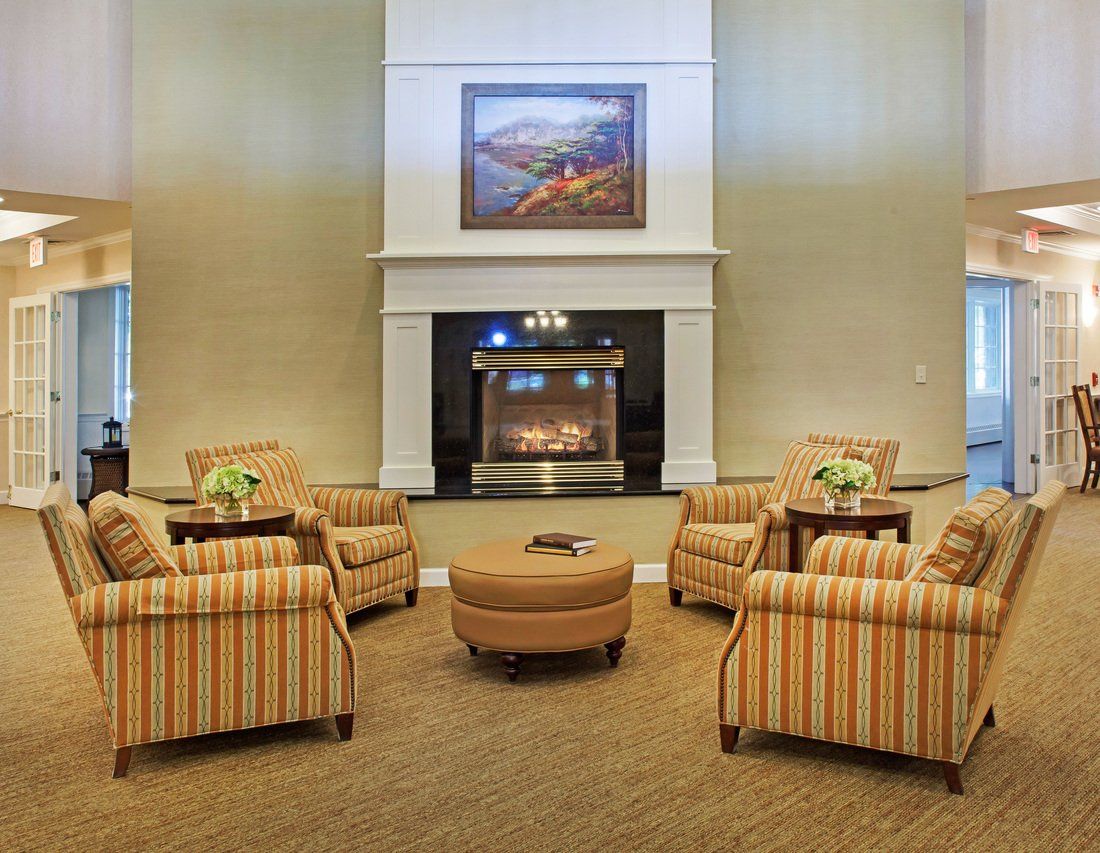
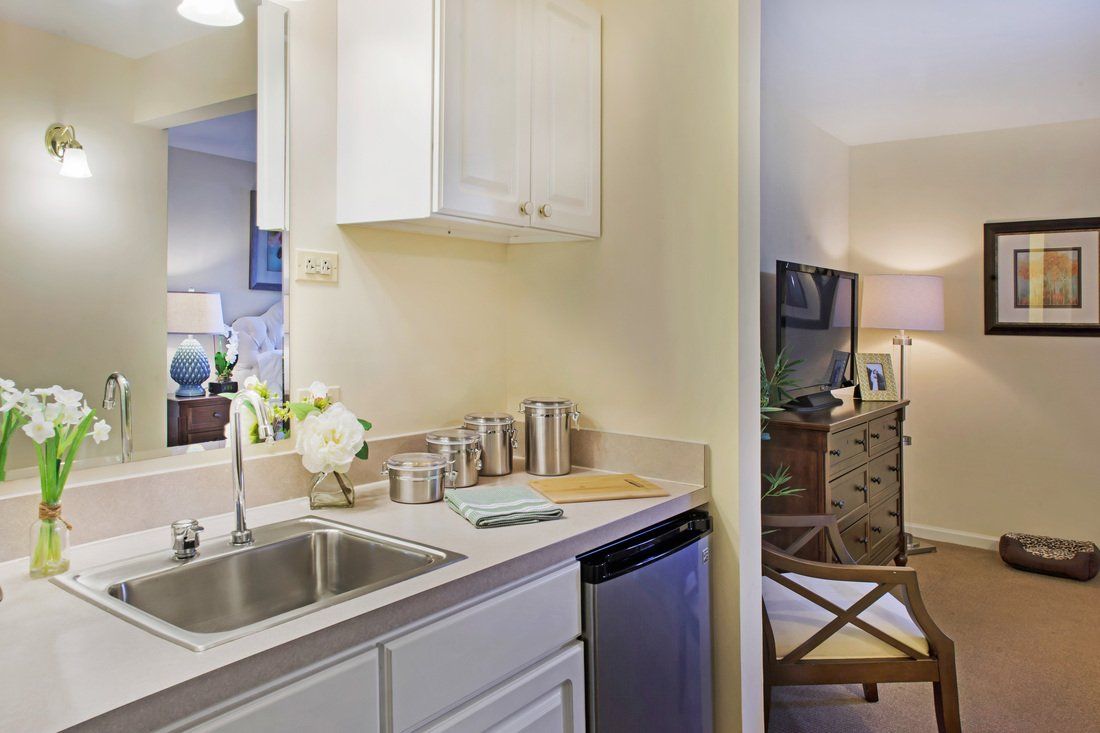
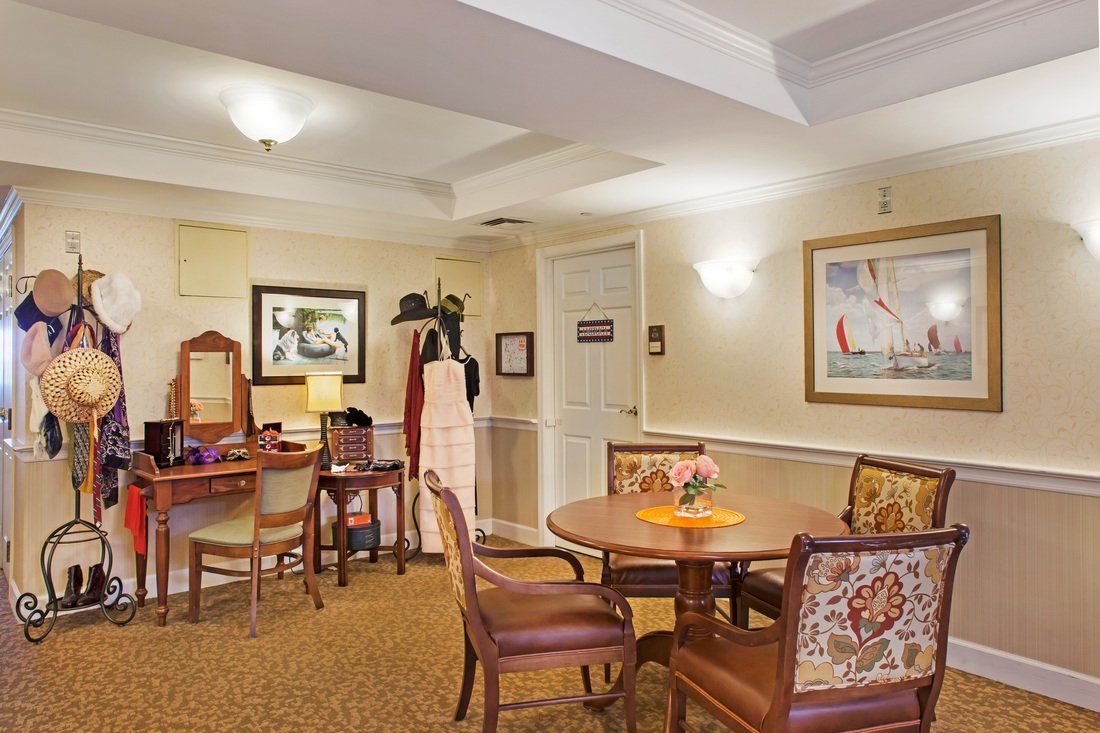
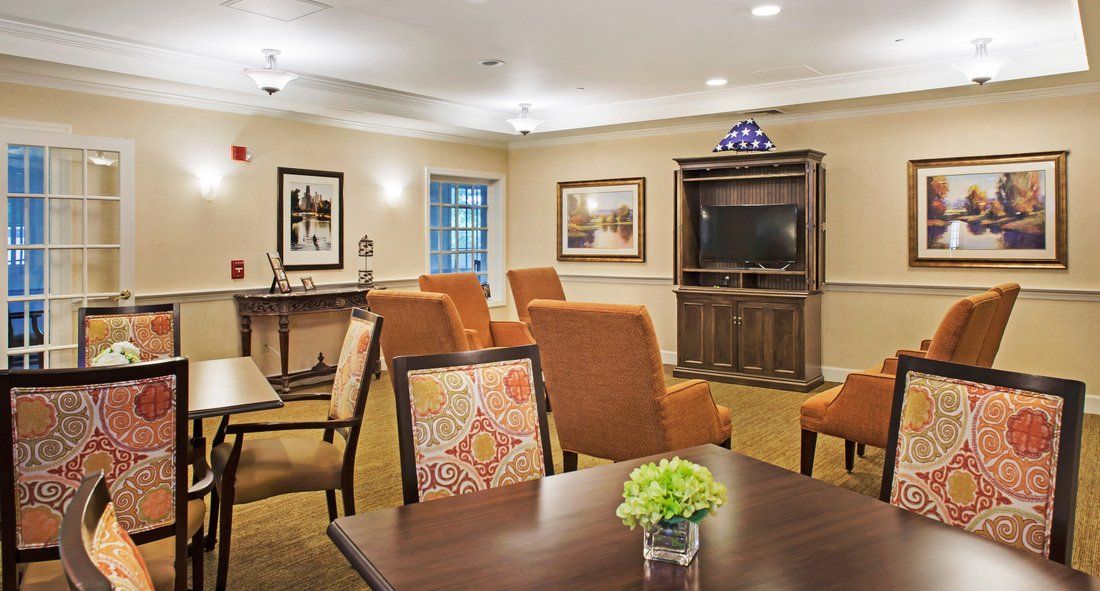
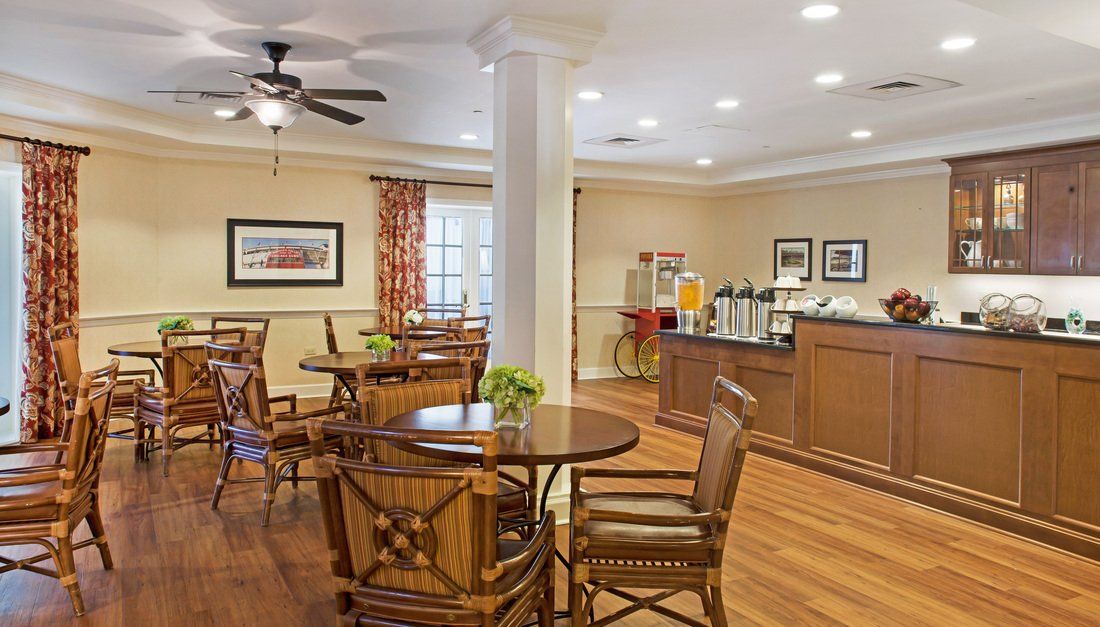
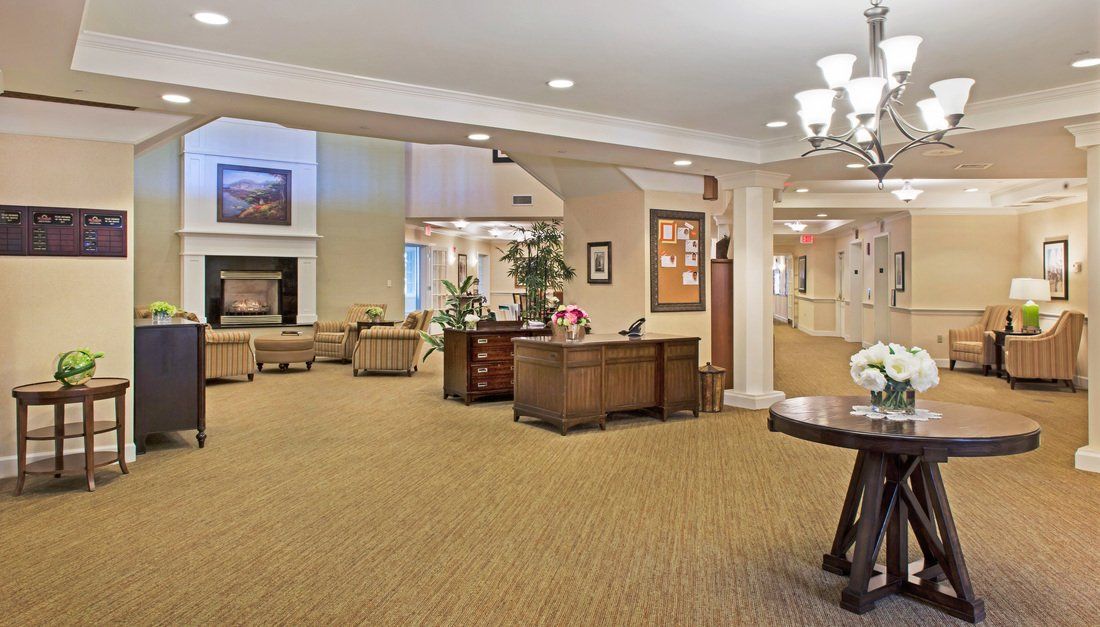
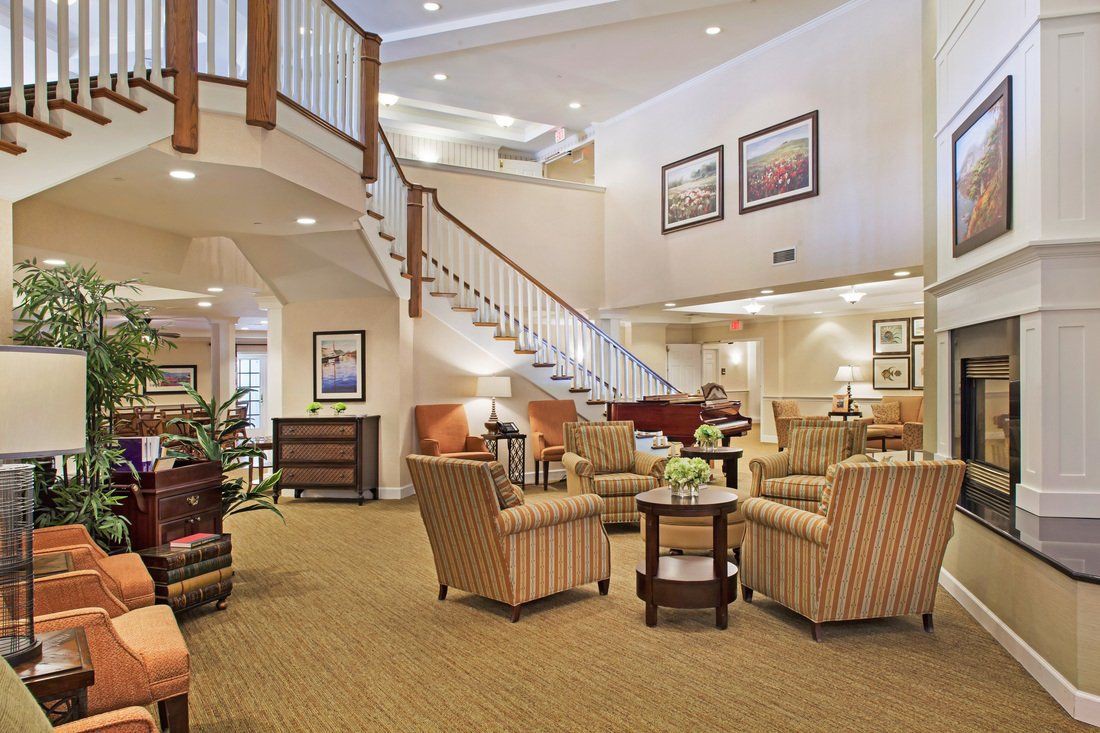
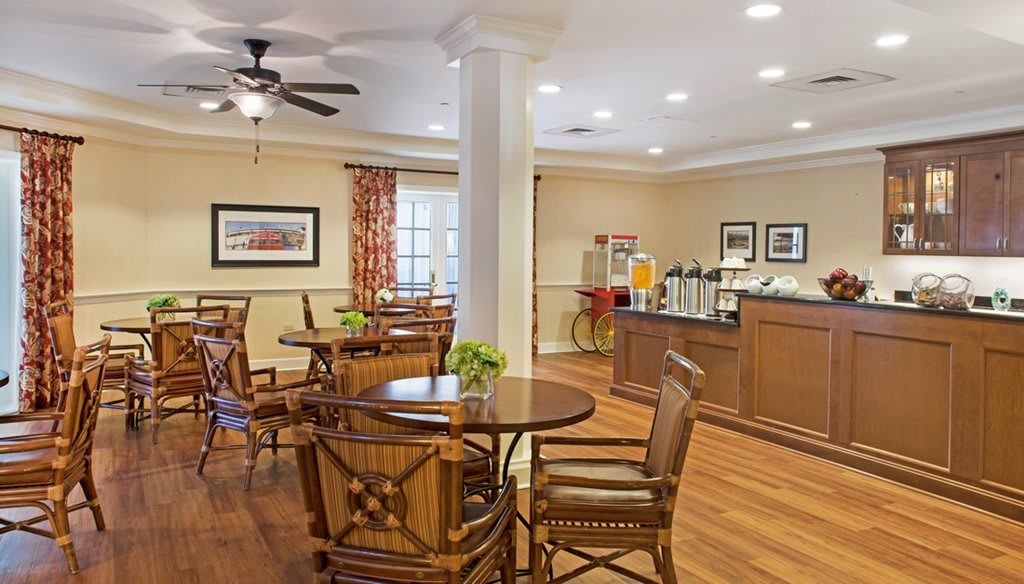
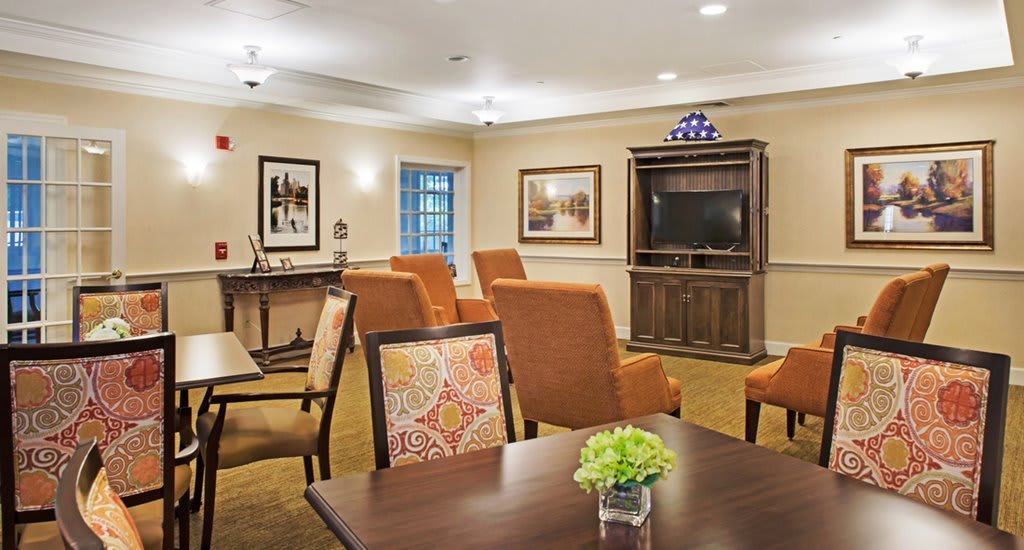
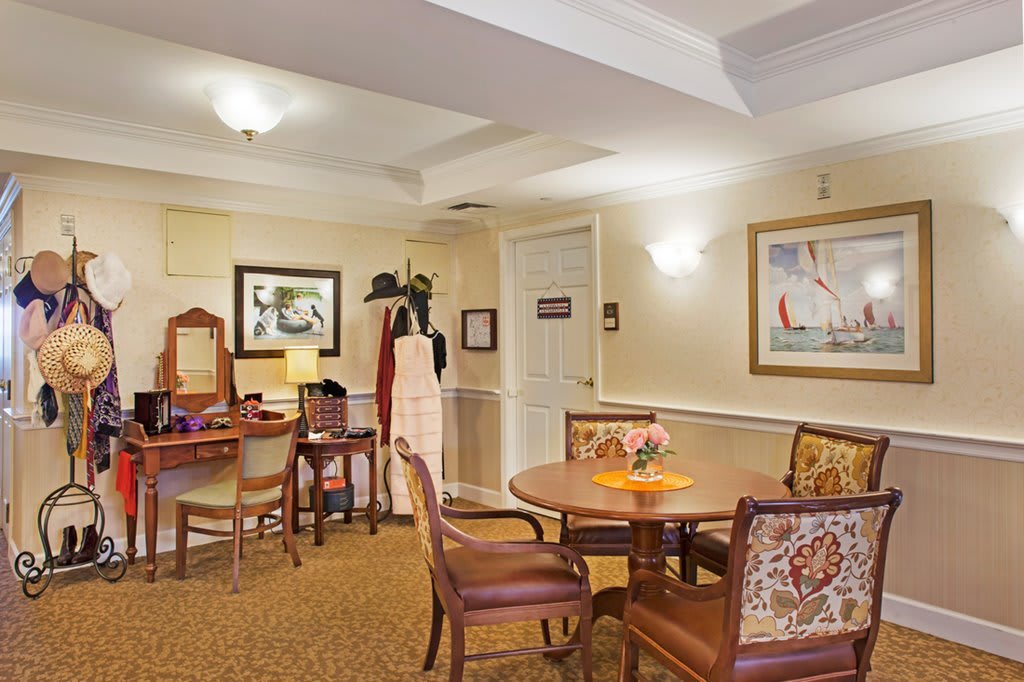
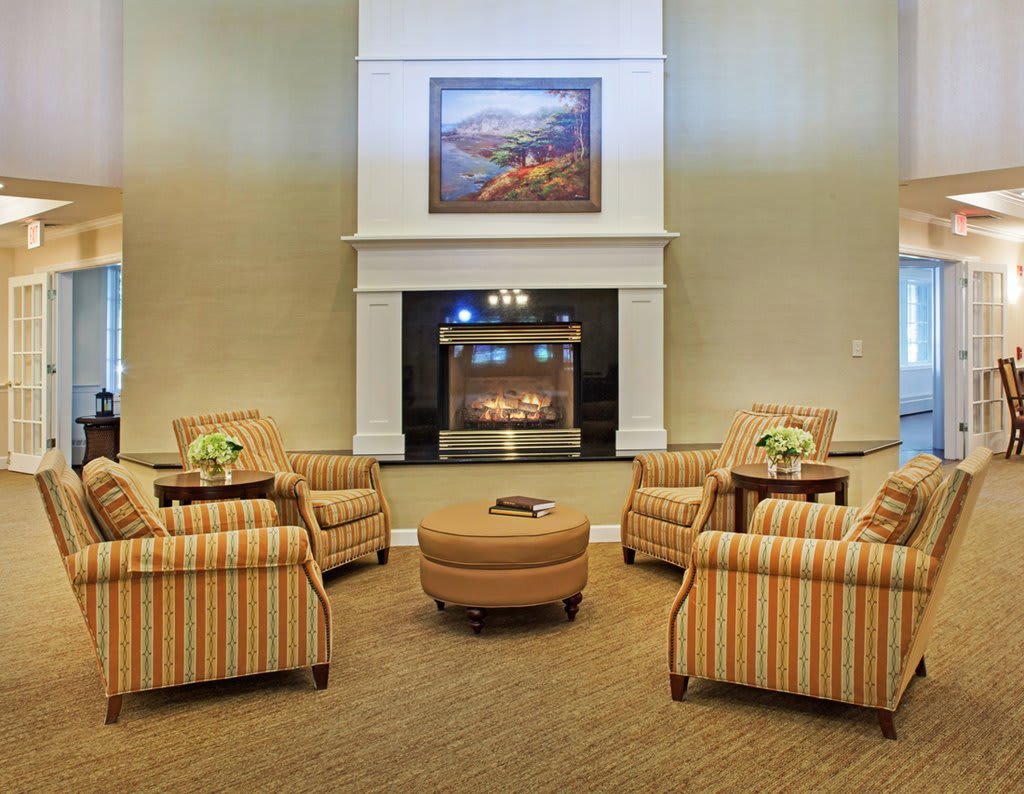
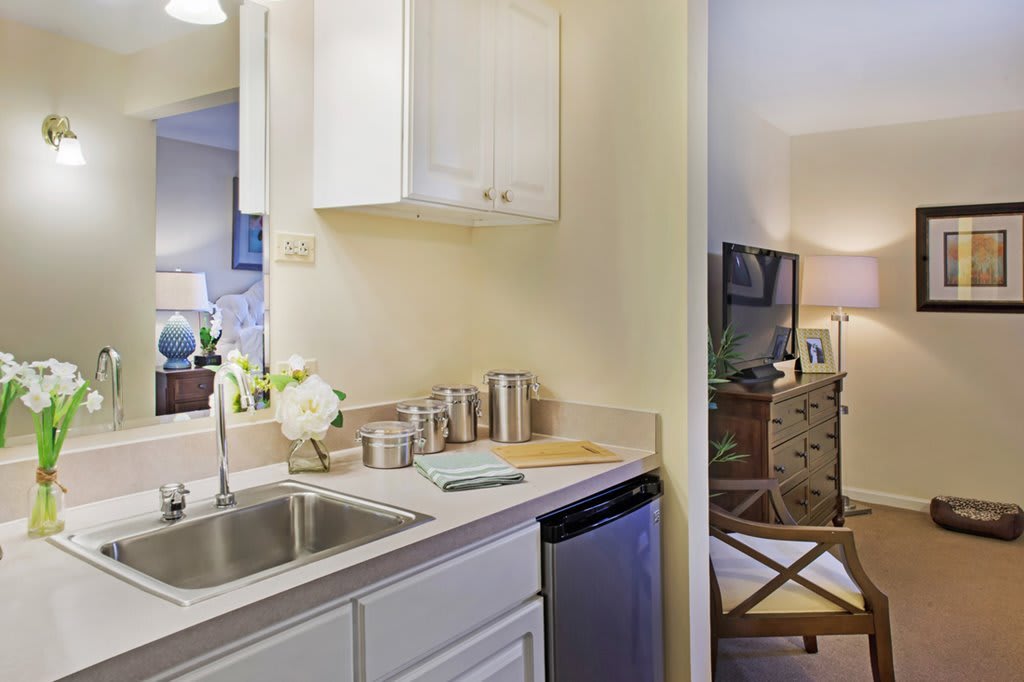
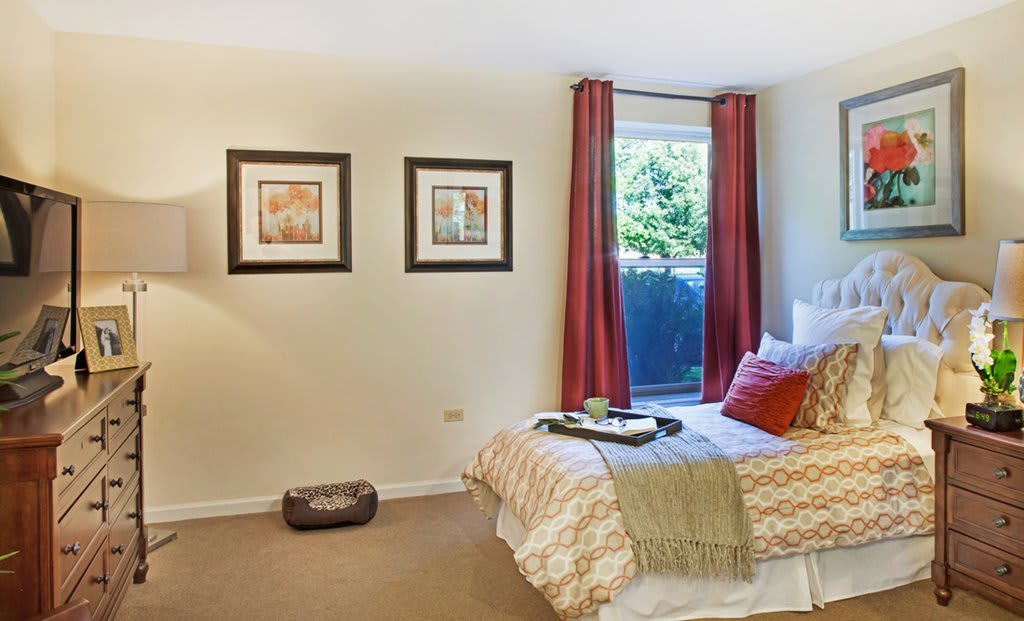
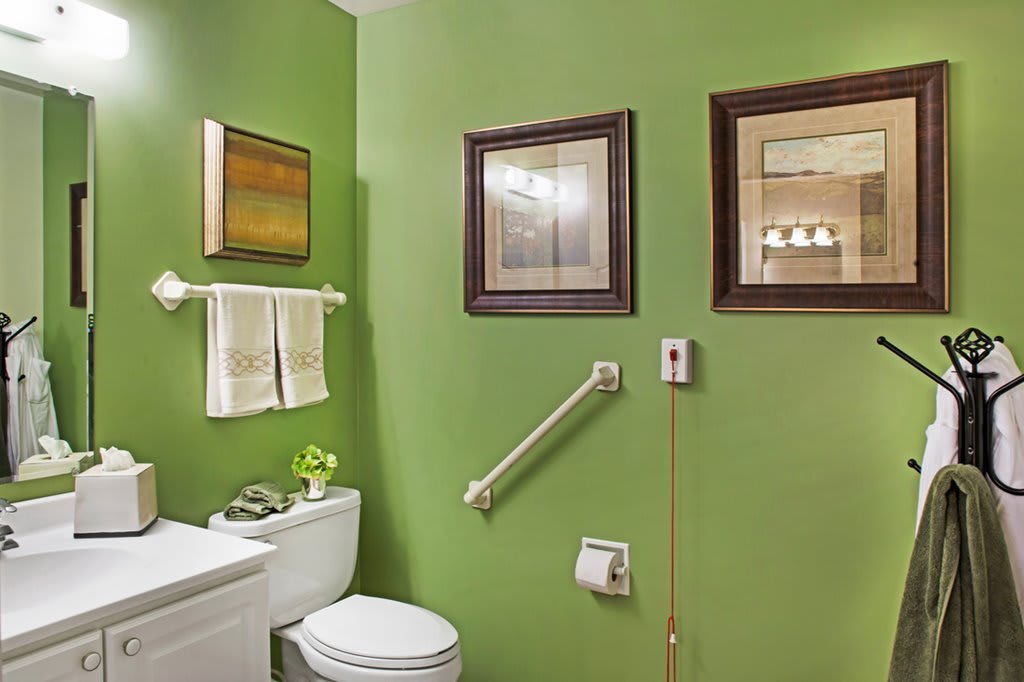
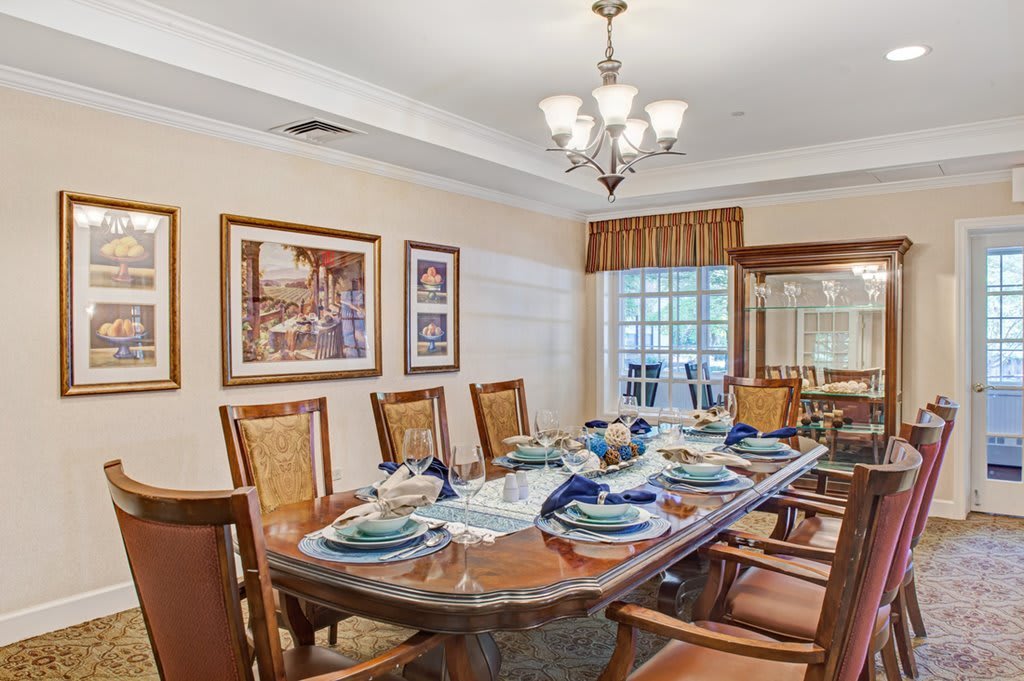
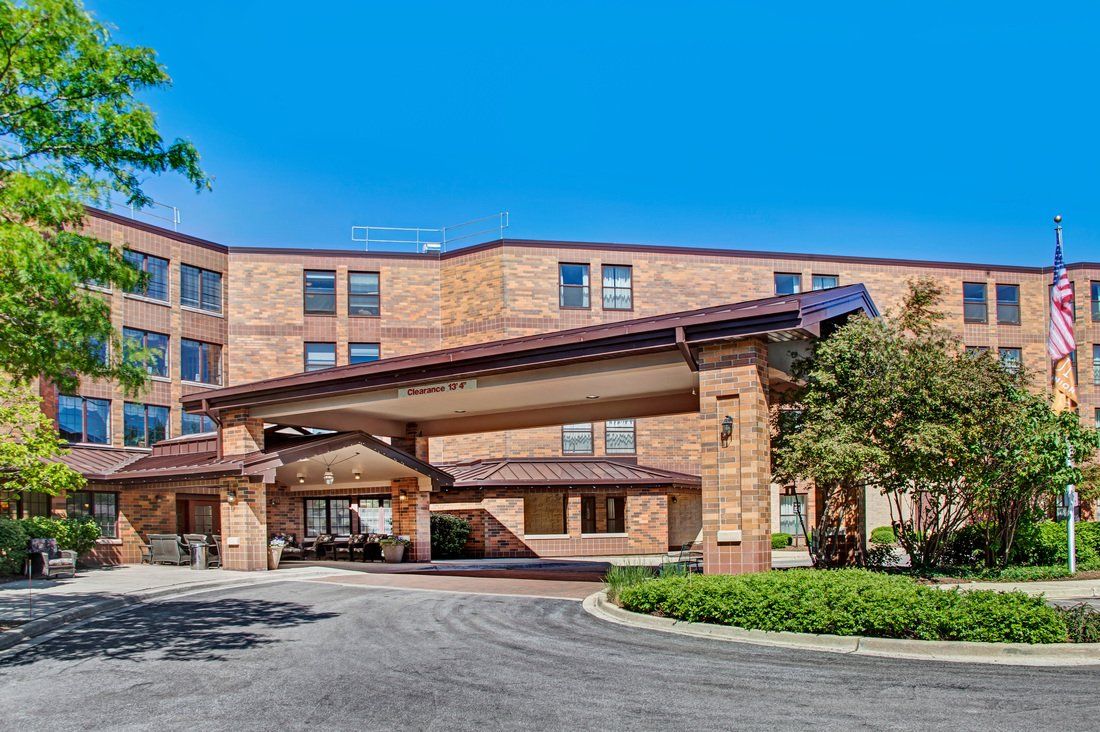
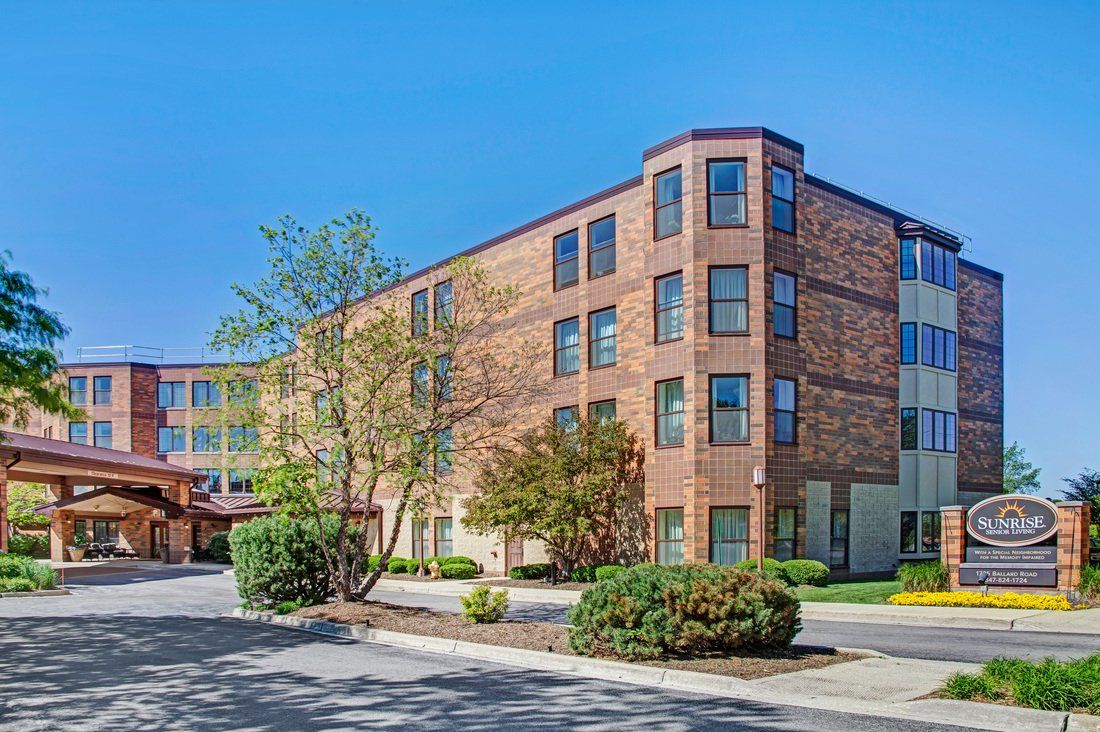
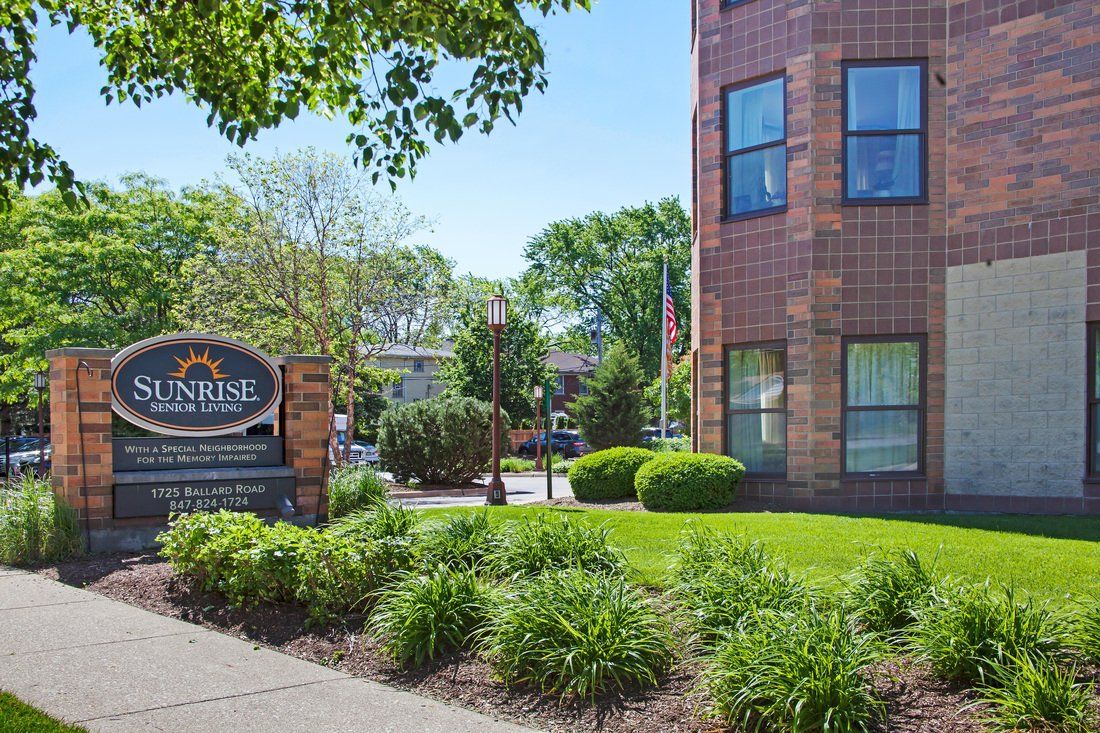
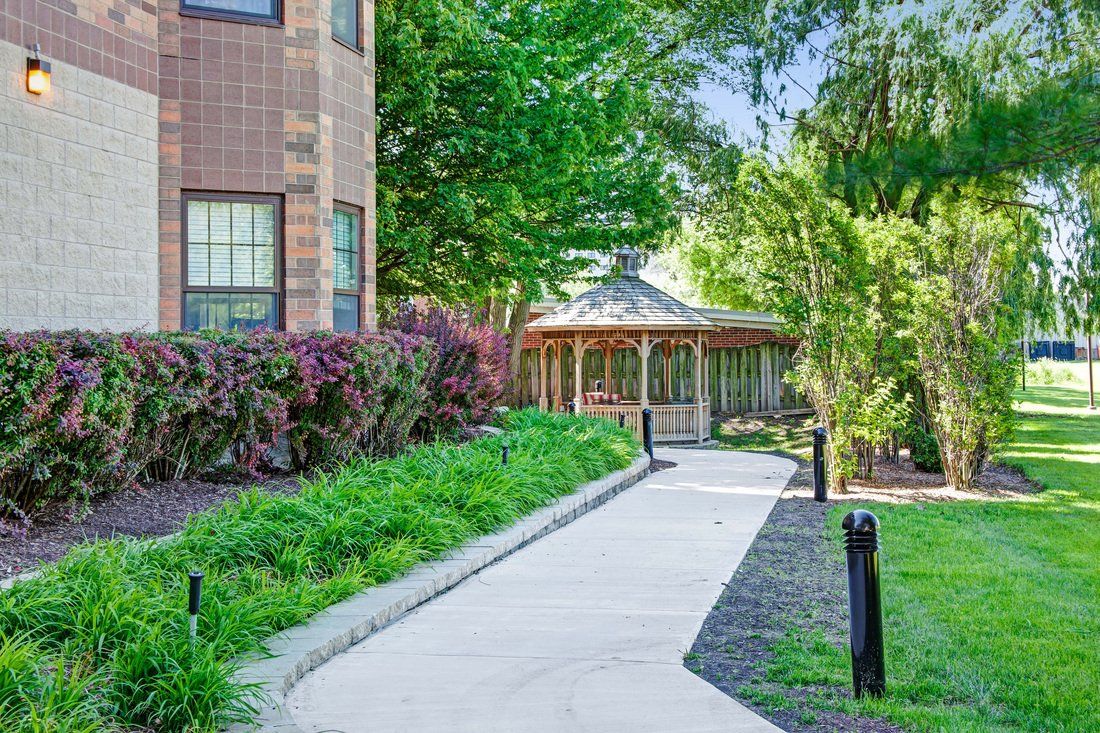
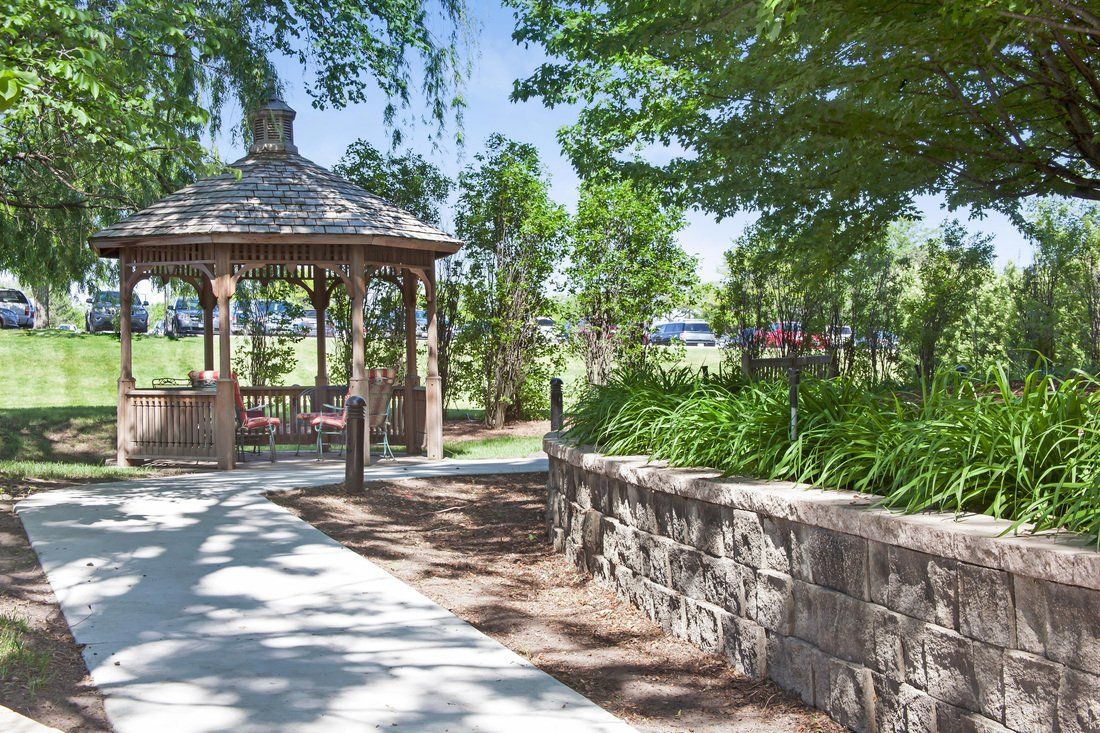
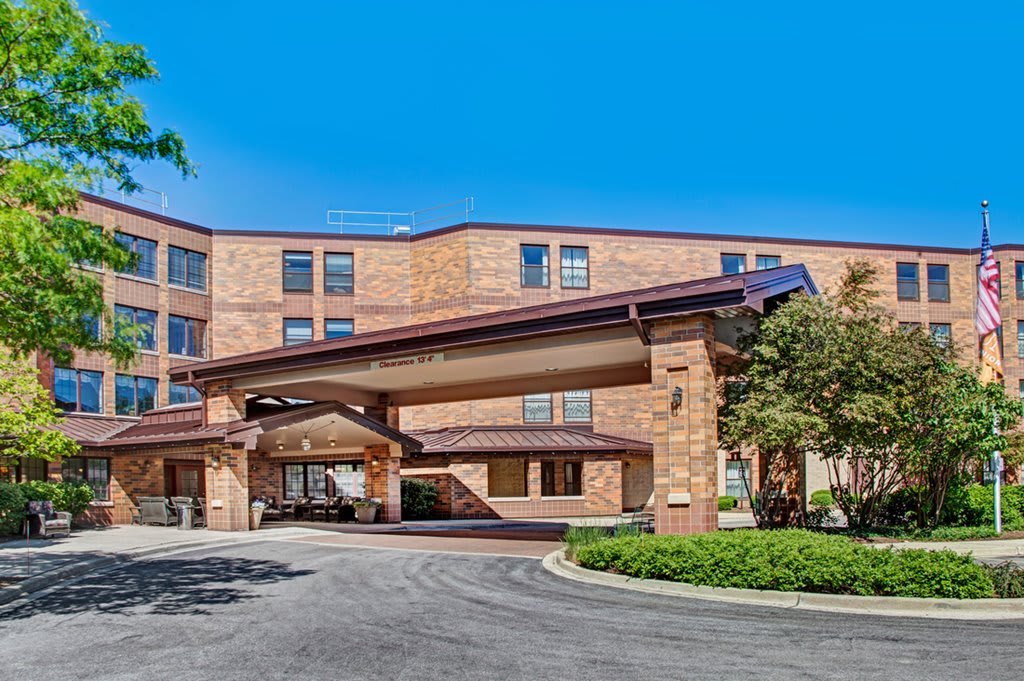
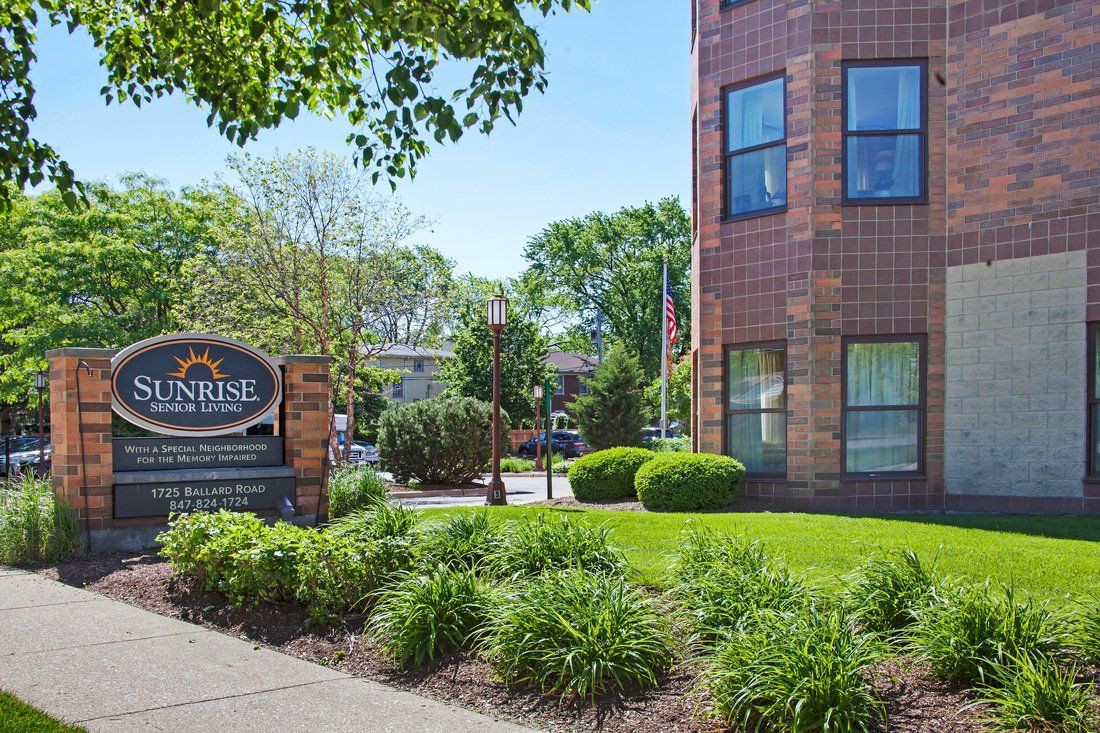
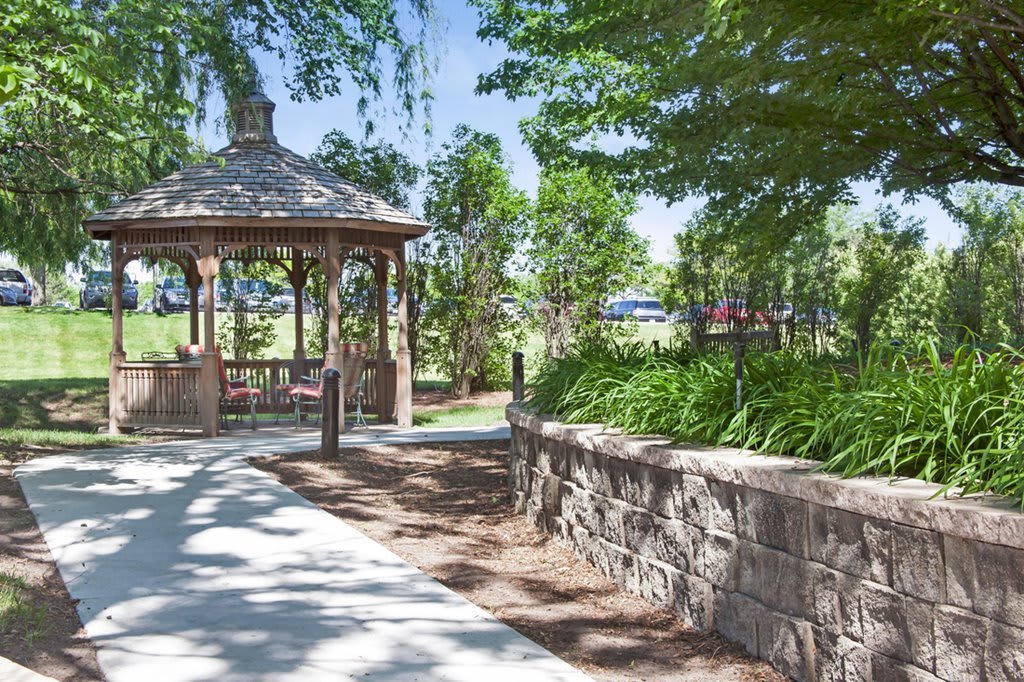
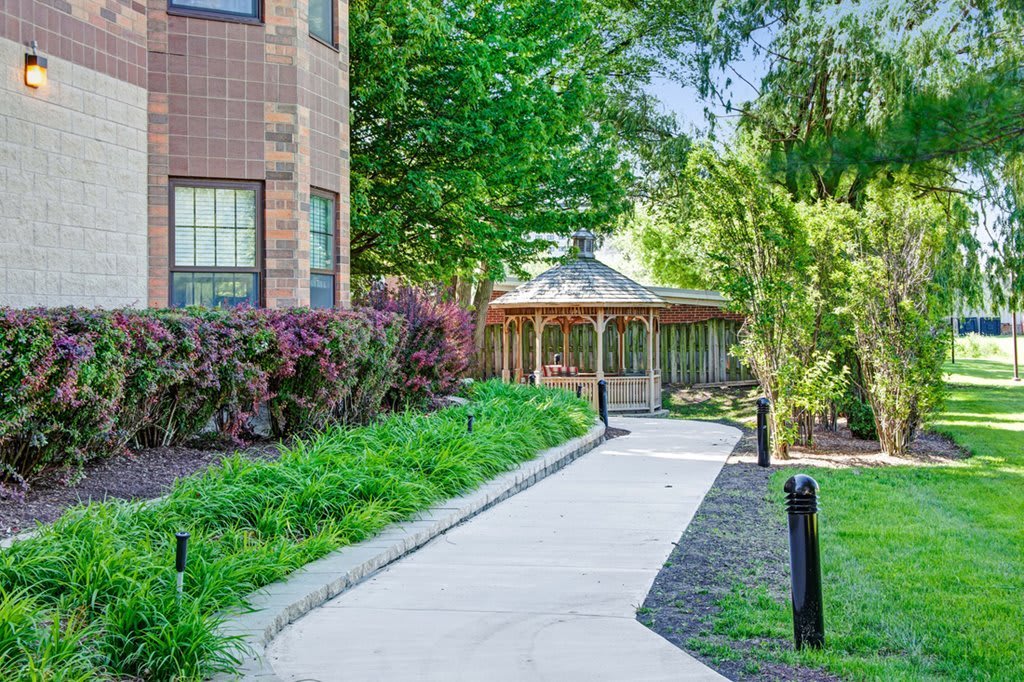
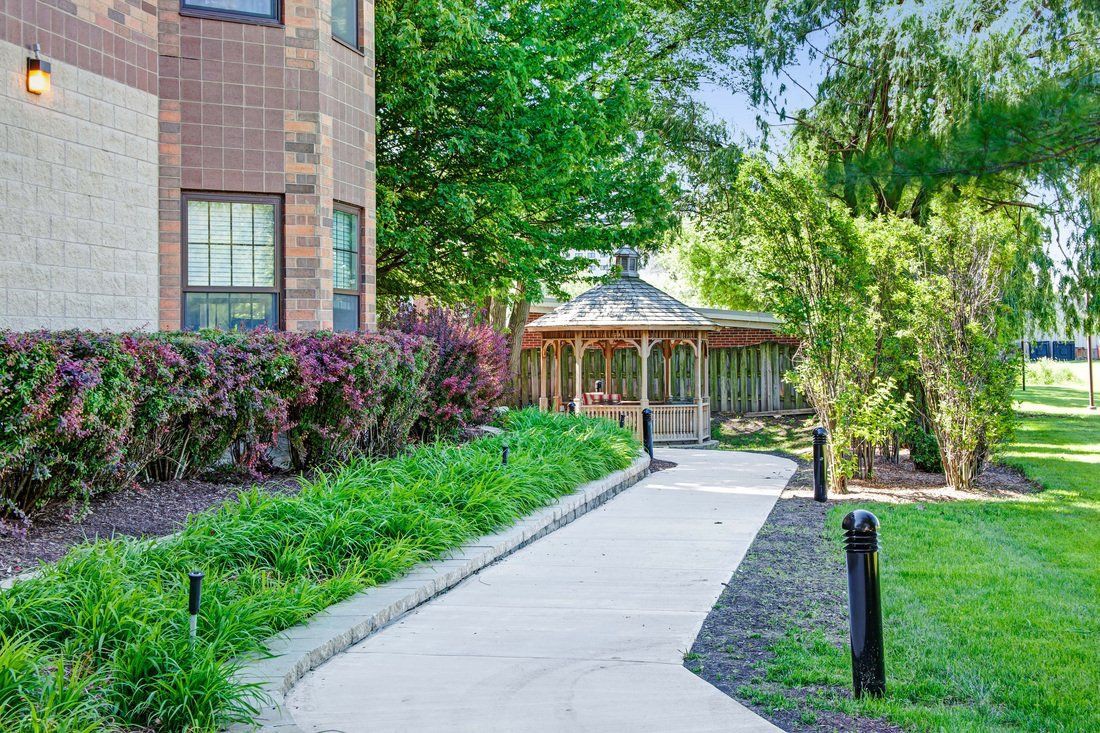
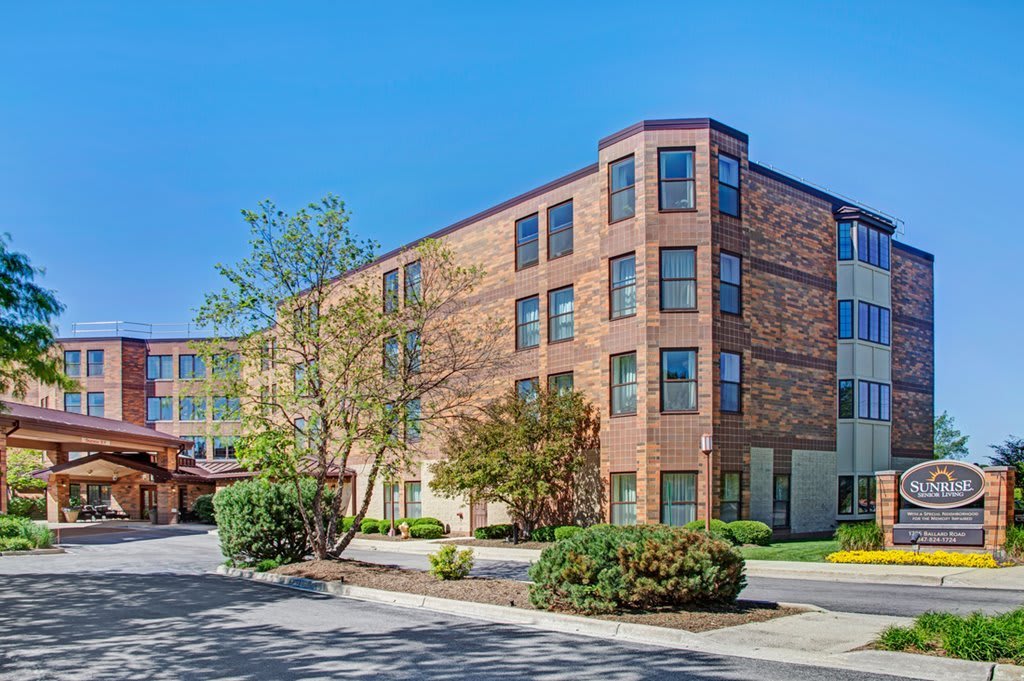
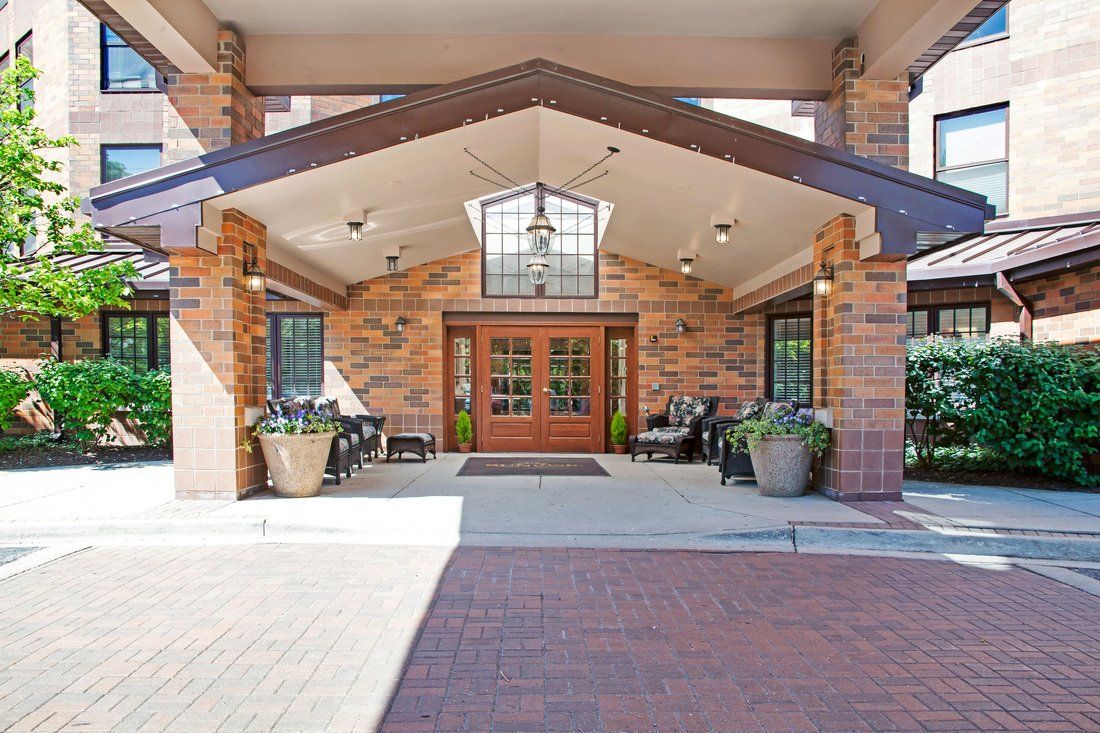
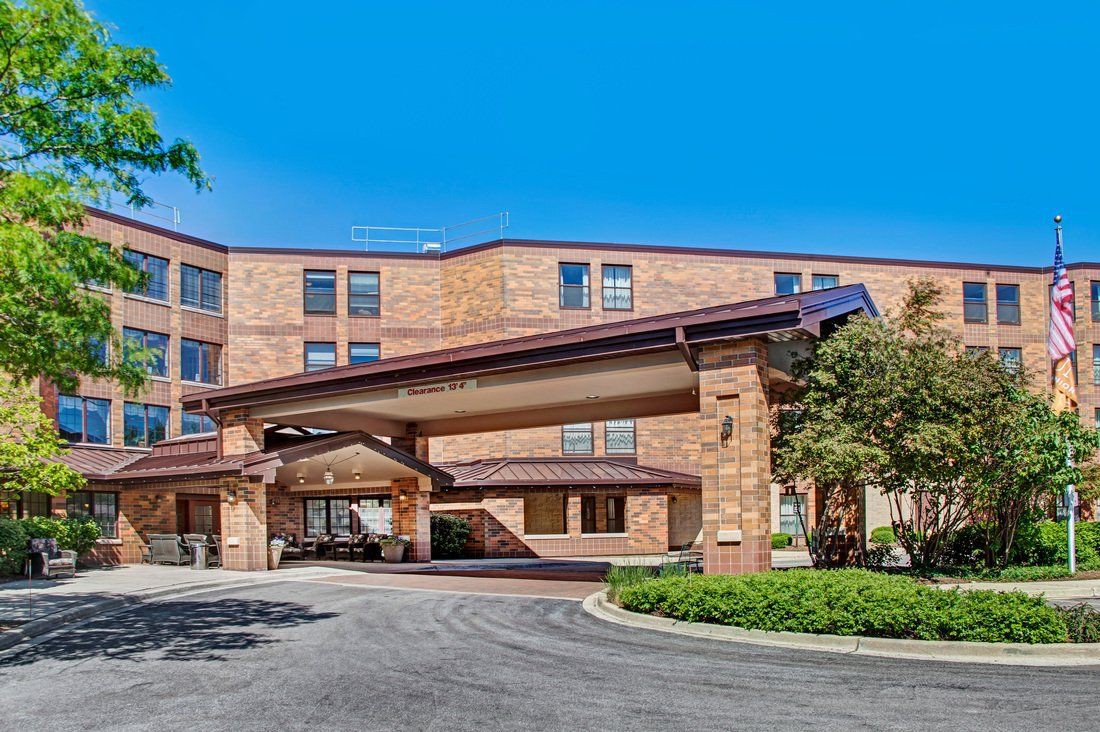
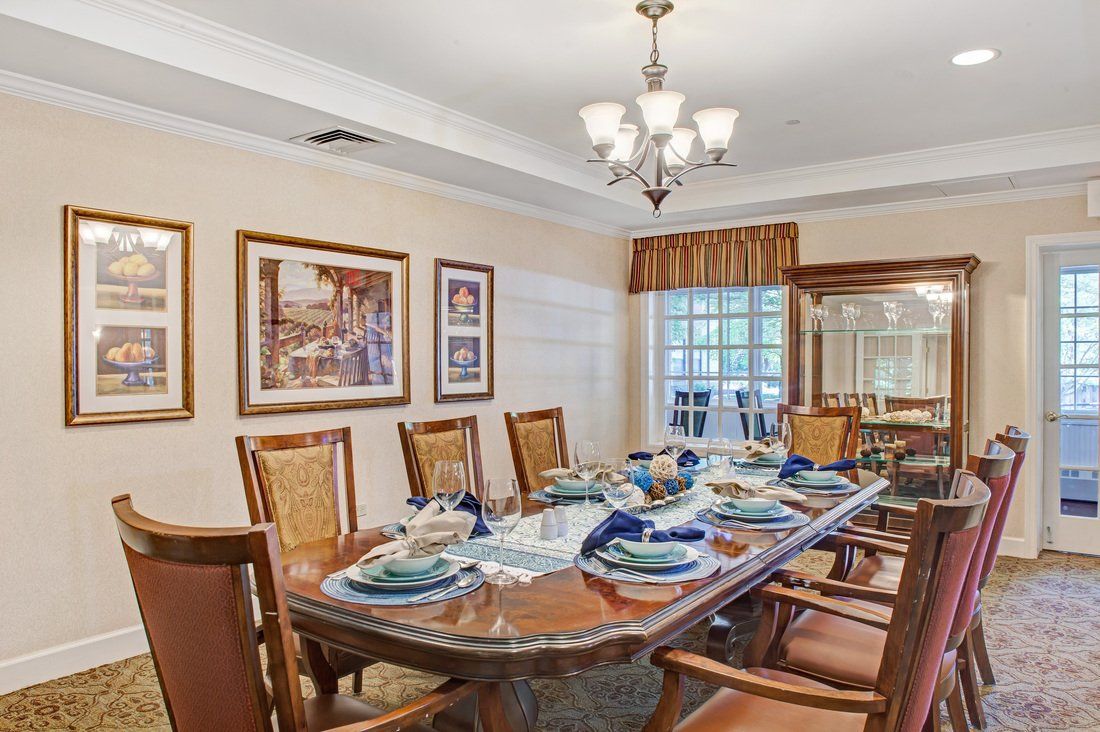
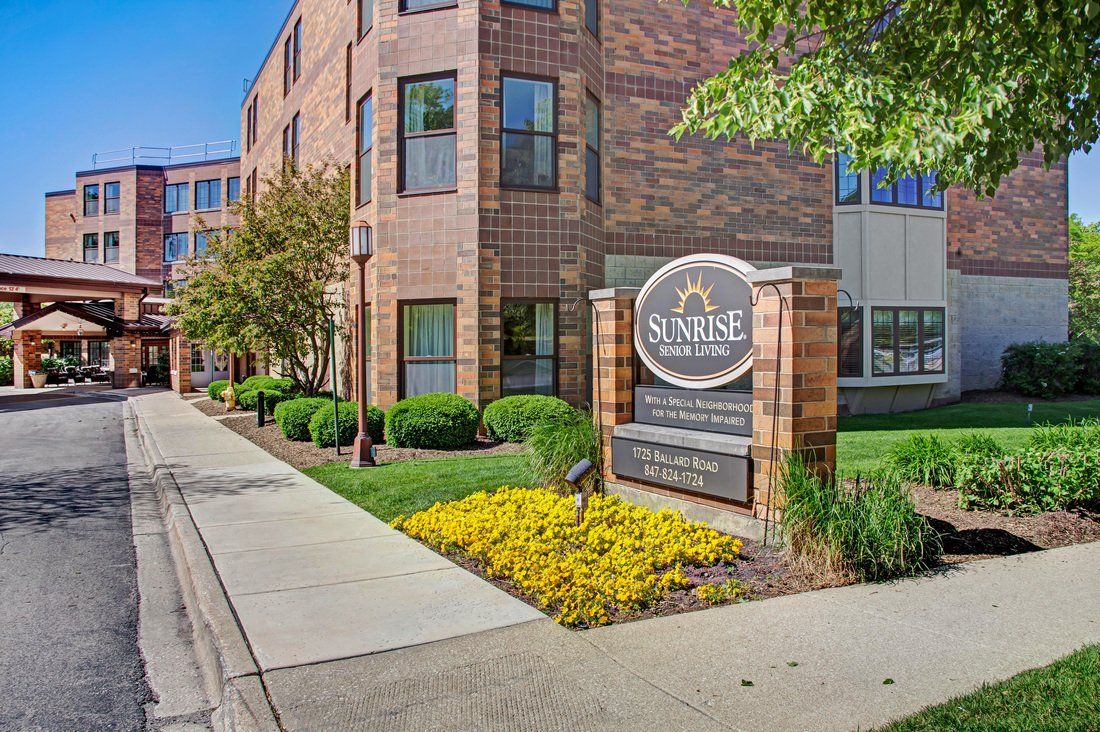
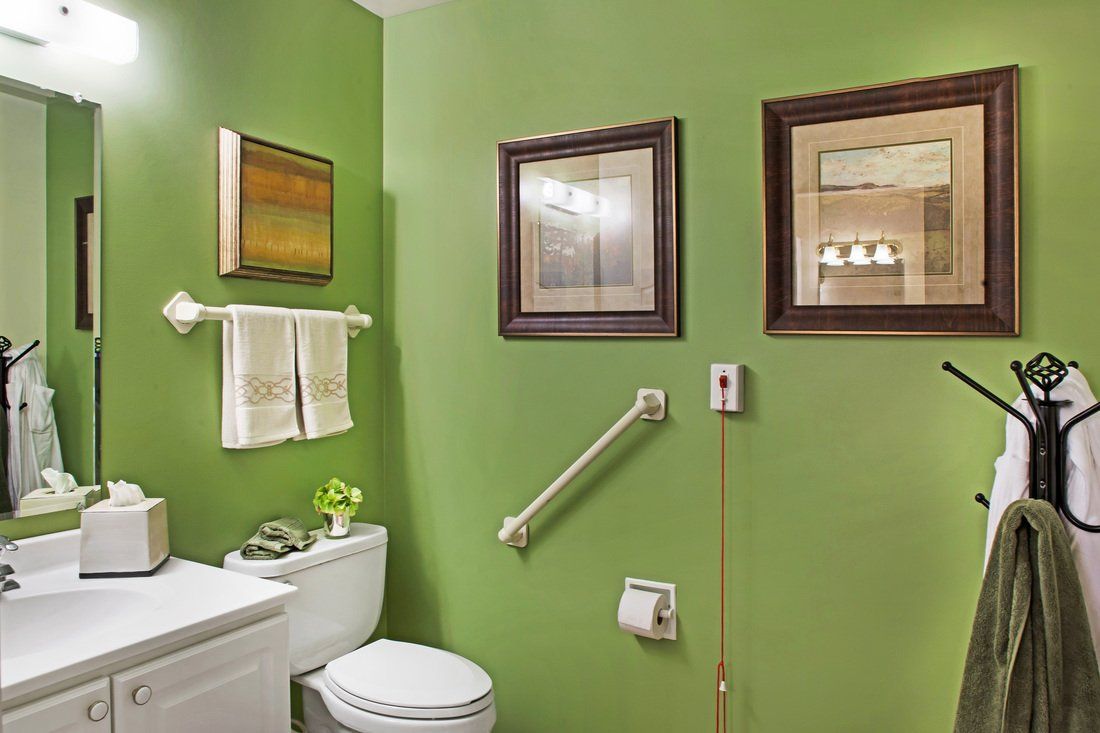
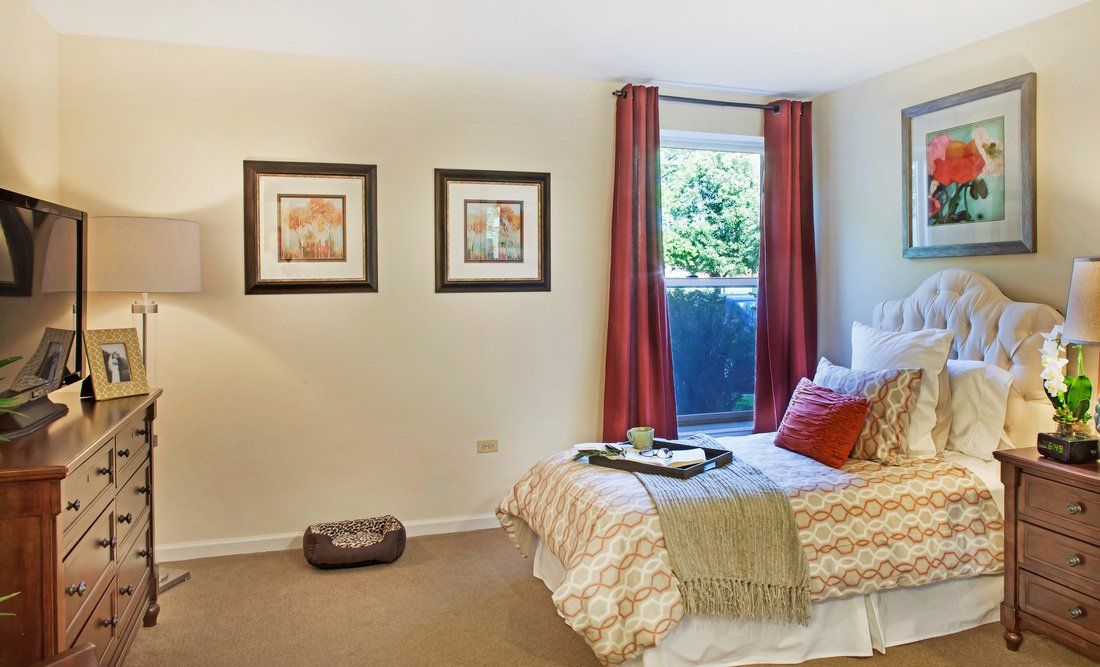
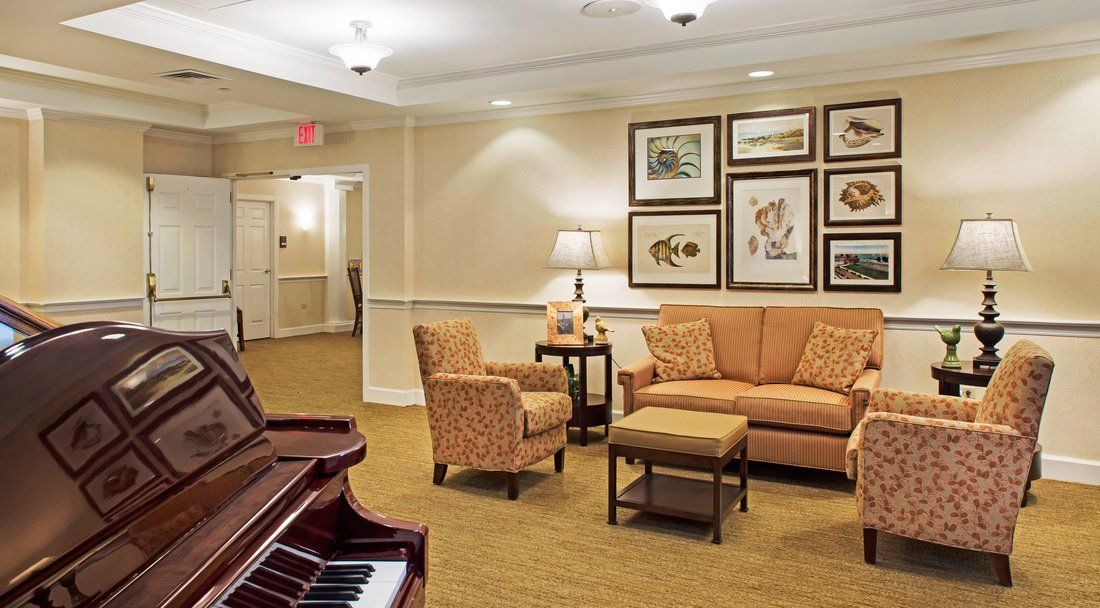
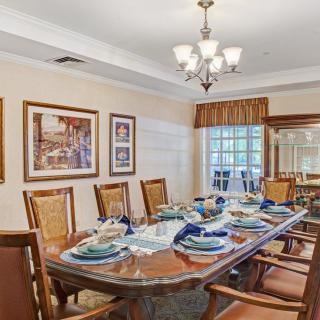
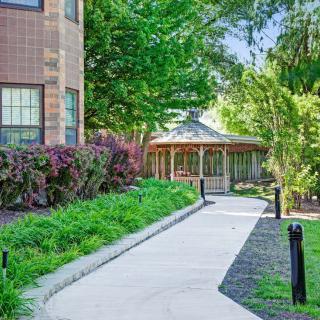
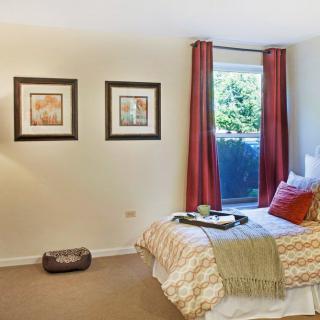
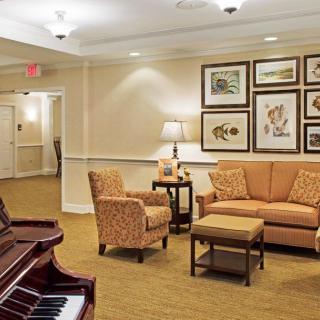
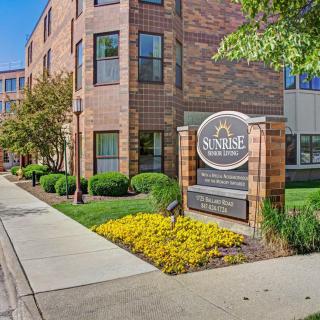
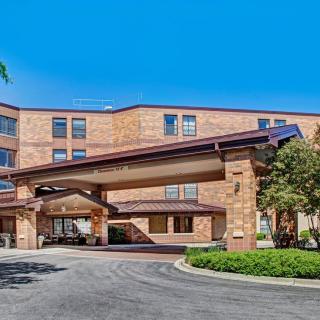
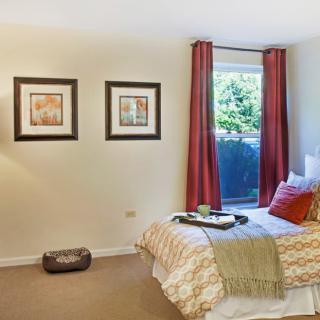
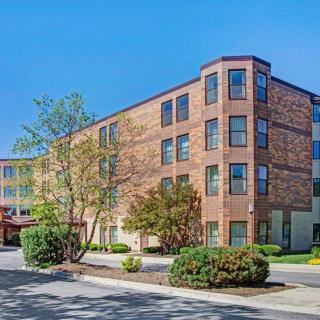
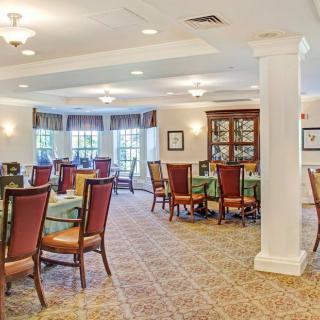
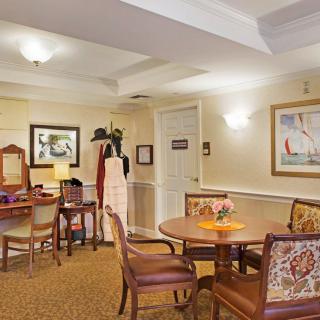
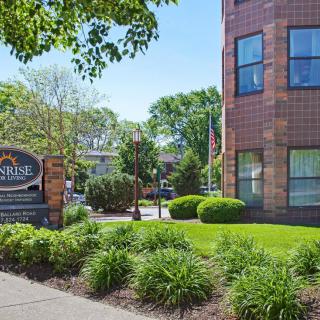
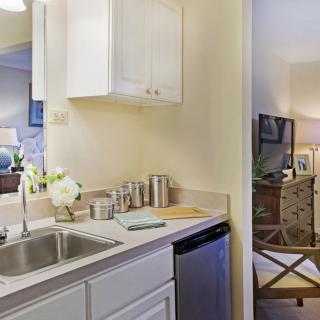
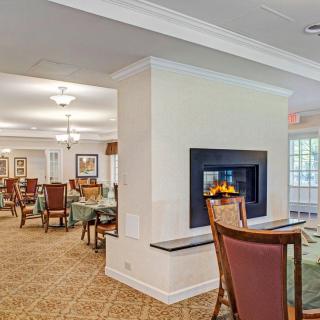
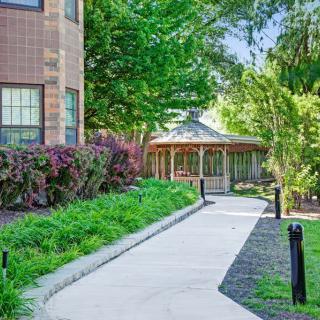
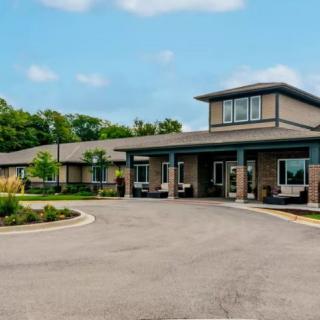
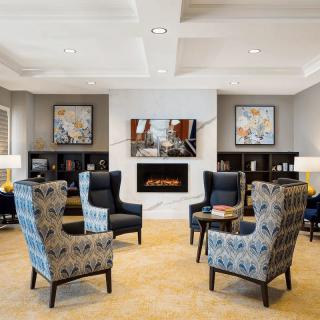
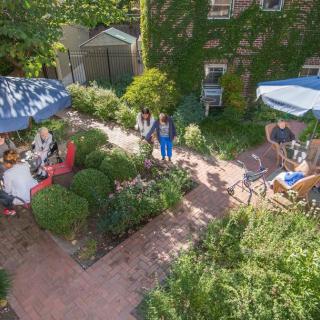
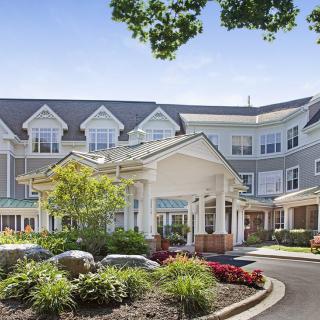
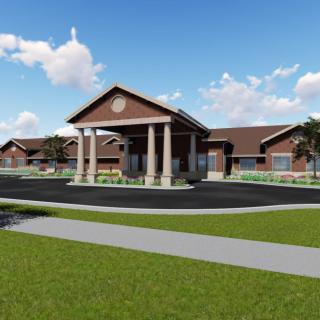
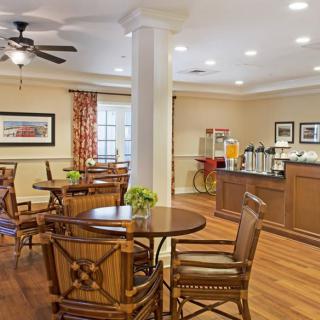
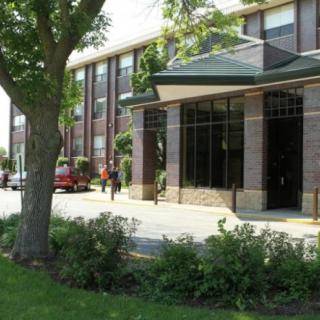
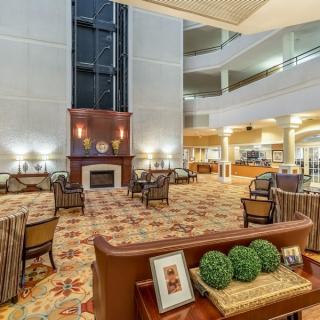
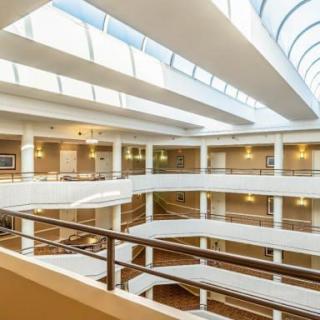
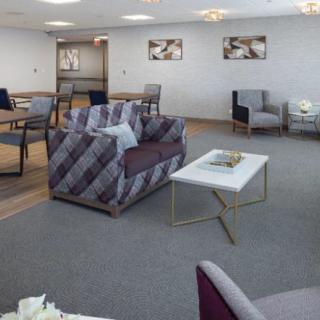
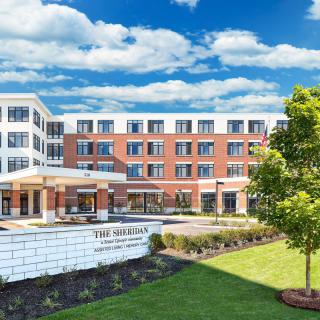
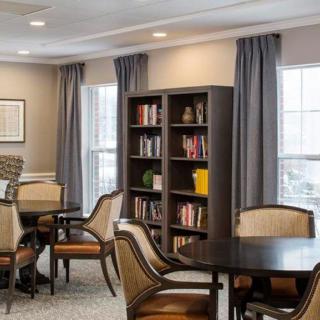
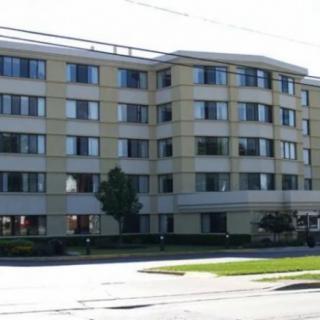
Sunrise of Park Ridge on seniors.fyi includes 42 photos including images showing interior, landscaping, decor, building, trees, dining, architecture, lobby, and more.
Nearby Communities
Avantara Park Ridge
Park Ridge, IL
4.6 from 122 reviews
Clean, well-maintained facility with attentive staff and home-like accommodations.
Avantara of Park Ridge
Park Ridge, IL
4.5 from 105 reviews
$5,250 to $5,880 / month
Very caring, attentive staff (Olivia) who go above and beyond.
Landmark Of Des Plaines Rehab
Des Plaines, IL
3.7 from 116 reviews
Extensive on-site amenities and care services.
Elison of Niles
Niles, IL
4.5 from 107 reviews
$2,434 to $3,723 / month
Friendly staff, spacious units, and solid value with attractive on-site amenities (indoor pool, patio).
Elison Independent Living Of Niles
Niles, IL
4.5 from 71 reviews
Friendly staff, clean facilities, restaurant-style dining, and an active activity calendar.
Glen Bridge N & Rehab Centre
Niles, IL
Extensive on-site amenities and comprehensive care services.
VA nursing homes, or Community Living Centers (CLCs), offer tailored long-term care for veterans, featuring medical attention and rehabilitation in a supportive environment. The guide covers facility types, eligibility criteria, financial assistance options, quality of care standards, and alternatives to full-time nursing home placement.
At-home dementia care expenses vary widely based on care levels, location, and caregiver expertise, with monthly costs for home health aides exceeding $4,500 and specialized care potentially surpassing $100,000 annually. While families favor in-home care for its comfort and personalized attention, they must consider financial planning and the challenges of caregiver fatigue.
The article discusses the late stages of dementia, detailing the progression from mild to severe impairment and highlighting key characteristics such as profound cognitive decline and dependency in daily activities. It emphasizes care strategies focused on comfort and dignity, the importance of advance directives, and the emotional support needed for family caregivers facing this challenging journey.
Get PricingAsk A QuestionSchedule A TourContact Senior Advisor
By clicking submit, you agree to our Partner's Terms of Use. You
also consent to receive calls and texts, which may be autodialed, from our Partner. Your consent is not a condition to
using our Partner's service. Please visit our Partner's Privacy Policy for information about their privacy practices.

 110 resident community capacity
 1-bedroom apartments
 Assisted Living
 Memory Care
 Cats allowed
 Dogs allowed
 Activities off-site
 Air-conditioning
 Beautician on-site
 Cable or satellite TV
 Cafe
Cafe Computer center
 Devotional services off-site
 Dining room
 Fitness room
 Fully furnished
 Gaming room
 Garden
 Ground floor units
 Handicap accessible
 Housekeeping services
 Indoor common areas
 Kitchenette
 Laundry
 Located close to restaurants
 Located close to shopping centers
 Move-in coordination
 Organic food and ingredients
 Outdoor common areas
 Outdoor patio
 Private bathrooms
 Resident parking
 Respite or short term stays offered
 Security gate
 Small library
 Telephone
 Wellness center
 Wheelchair accessible showers
 Wi-Fi/high-speed internet available
 Chicago O'Hare International (5 miles away)
 Community operated transportation
 12-16 hour nursing
 24-hour call system
 Ambulatory care
 Assistance with bathing
 Assistance with dressing
 Assistance with transfers
 Diabetes diet
 Diabetic care
 Hospice waiver
 Incontinence care
 Medication management
 Mental wellness program
 Special dietary restrictions
 Transportation arrangement (medical)
 Art classes
 Brain fitness
 Concierge services
 Day trips and outings
 Educational speakers / life long learning
 Happy hour
 Live musical performances
 Trivia games
 English
 Clean, well-maintained facility with attentive staff and home-like accommodations.
 Comprehensive Guide to VA Nursing Homes: A Crucial Long-Term Care Resource for Veterans
 Estimating the Expenses of At-Home Dementia Care: A Detailed Exploration
 Comprehensive Insights on the Late Stages of Dementia: What to Expect and How to Provide Care