At Asbury Gardens, the monthly cost for a studio apartment is set at $4,500, positioning it competitively within the broader context of Kane County and Illinois. When compared to the county average of $4,991, Asbury Gardens offers a more affordable option for residents seeking quality care and community engagement. Additionally, when looking at the state average of $4,028, it becomes clear that while Asbury Gardens is slightly above this benchmark, it reflects the value and amenities provided within its offerings. This pricing not only underscores Asbury Gardens' commitment to delivering exceptional services but also highlights its strategic positioning in a competitive market.
Floor plans
Asbury Gardens
Kane County
Illinois
Studio
$4,500
$4,991
$4,028
Memory care communities with a similar price nearby
Residents and families frequently describe the staff as caring, professional, and responsive.
Many reviews say the staff treats residents kindly and takes an active role in day-to-day support. In memory care and other care areas, families mention nurses and caregivers helping with changing needs and staying engaged with residents. Some reviewers also point to timely help during moves, admissions, and therapy-related needs, while others describe frustration when they feel care is inconsistent or communication breaks down.
common18 reviews mention this
Facilities are described as clean
Multiple residents and families note that the building feels clean and well maintained.
Several reviews highlight cleanliness and tidiness, including spotless rooms, a well-kept environment, and a generally maintained feel. Some reviewers contrast that with more serious concerns, including reports of poor sanitation or cleanliness lapses. Renovation and upkeep also come up, with families saying updates and maintenance contribute to how welcoming the community feels.
caveat8 reviews mention this
Dining quality is mixed
Food draws both praise and complaints about menu variety and diet support.
A number of reviewers describe the meals positively, including enjoying breakfasts, soups, and the food in general. Others say the menu could be better, with limited variety or insufficient attention to medical diets. This theme shows up alongside comments about special dining offerings and professional chef support, but also concerns that diabetic meal planning and diet options may not feel fully addressed.
caveat4 reviews mention this
Memory care limits outside access
Memory care reviews describe strict access and limited outdoor freedom.
Some memory care families note locked-in access, including having to be let in by staff, and they mention waiting when staff are busy. A few also describe residents having no access to being outside and wanting more stimulation and engagement. Others still describe adequate care and activities, creating a split between what families say memory care provides and what feels missing for daily quality of life.
caveat2 reviews mention this
Pricing is positioned above nearby baselines
Pricing is described as expensive by some families, while availability of Medicaid acceptance comes up for others.
One family review explicitly calls the assisted living cost high among options toured and also mentions added charges on top of the community fee. Other reviews discuss the financial pressure of running out of money and the importance of finding an option that could fit Medicaid needs, which suggests cost becomes a deciding factor for placement.
How we summarize
Counts show how many written reviews mention each theme; a review can touch several themes, and only frequently mentioned themes are displayed.
Features
Types of Care
Assisted Living
Memory Care
Pets
Cats allowed
Dogs allowed
Amenities
Activities on-site
Air-conditioning
Beautician on-site
Cable or satellite TV
Devotional services off-site
Garden view
Ground floor units
Handicap accessible
Indoor common areas
Kitchenette
Outdoor common areas
Wi-Fi/high-speed internet available
Care Services
Ambulatory care
Diabetic care
Incontinence care
Medication management
Dining
Guest meals
Low / no sodium
Meals provided
No Sugar
Professional chef
Restaurant style dining
Special dining programs
Activities
Art classes
Bible study group
Catholic services
Cooking classes
Day trips and outings
Devotional activities offsite
Happy hour
Live dance or theater performances
Live musical performances
Other religious services
Stretching classes
Visiting chaplain or priest
Nearby Places of Interest
This part of North Aurora, Illinois offers a variety of amenities and services that cater to the needs of seniors looking for a convenient and comfortable living environment. With nearby theaters such as Cinemark Tinseltown USA and AMC Showplace Naperville 16, residents have access to entertainment options. Additionally, there are several cafes like Moka North Aurora and Panera Bread within close proximity for socializing or enjoying a meal. For medical needs, hospitals such as Provena Mercy Medical Center and physicians' offices like Fox Valley Pain Management are easily accessible. There are also pharmacies like Walgreens nearby for medication needs. Places of worship such as Blessed Sacrament and Holy Cross Church provide spiritual support, while parks like Batavia Riverwalk and Memorial Park offer scenic outdoor spaces for leisurely walks or relaxation. Overall, this part of North Aurora provides a well-rounded living experience with amenities tailored to seniors' preferences.
Theaters
Cinemark Tinseltown USA (0.4 miles)
AMC Showplace Naperville 16 (8.4 miles)
Cafes
Moka North Aurora (0.5 miles)
Starbucks (2.7 miles)
Panera Bread (2.7 miles)
Panera Bread (2.8 miles)
Panera Bread (5.4 miles)
Graham's 318 (6.1 miles)
Starbucks (6.3 miles)
Hospitals
Provena Mercy Medical Center (0.8 miles)
Kendall Pointe Surgery Center (5.6 miles)
Physicians
Fox Valley Pain Management (0.8 miles)
Advocate Medical Dryer (1 miles)
Indian Trail Medical Center (1.1 miles)
Animal House (1.6 miles)
Dreyer Medical Clinic (4.8 miles)
Rush-Copley Center for Reproductive Health (5.5 miles)
Rush Copley Physicians Office (5.5 miles)
Pharmacies
Walgreens (1.1 miles)
Walgreens (1.5 miles)
Walgreens (1.6 miles)
Walgreens (2.5 miles)
Walgreens (2.7 miles)
Walgreens (3.3 miles)
Walgreens (3.7 miles)
Places of Worship
Blessed Sacrament (1.3 miles)
Holy Cross Church (3.5 miles)
Our Lady of Mercy (5.5 miles)
St Peter Catholic Church (6.2 miles)
Restaurants
Hardware Sustainable Gastropub and Brewery (2.5 miles)
At Asbury Gardens, the monthly cost for a studio apartment is set at $4,500, positioning it competitively within the broader context of Kane County and Illinois. When compared to the county average of $4,991, Asbury Gardens offers a more affordable option for residents seeking quality care and community engagement. Additionally, when looking at the state average of $4,028, it becomes clear that while Asbury Gardens is slightly above this benchmark, it reflects the value and amenities provided within its offerings. This pricing not only underscores Asbury Gardens' commitment to delivering exceptional services but also highlights its strategic positioning in a competitive market.
Asbury Gardens offers comprehensive medication management, ensuring that residents receive their prescribed medications on time and in the correct dosages, which is crucial for maintaining cognitive function and overall health in individuals with dementia or Alzheimer's disease. This structured approach minimizes the risk of missed doses or potential drug interactions, providing peace of mind for both residents and their families. Additionally, incontinence care is thoughtfully integrated into the facility's services to promote dignity and comfort among residents experiencing this common issue associated with advanced stages of dementia. By addressing personal hygiene needs discreetly and compassionately, Asbury Gardens fosters a supportive environment that respects each individual's dignity while also preventing discomfort or distress that can arise from incontinence, ultimately enhancing quality of life for all residents.
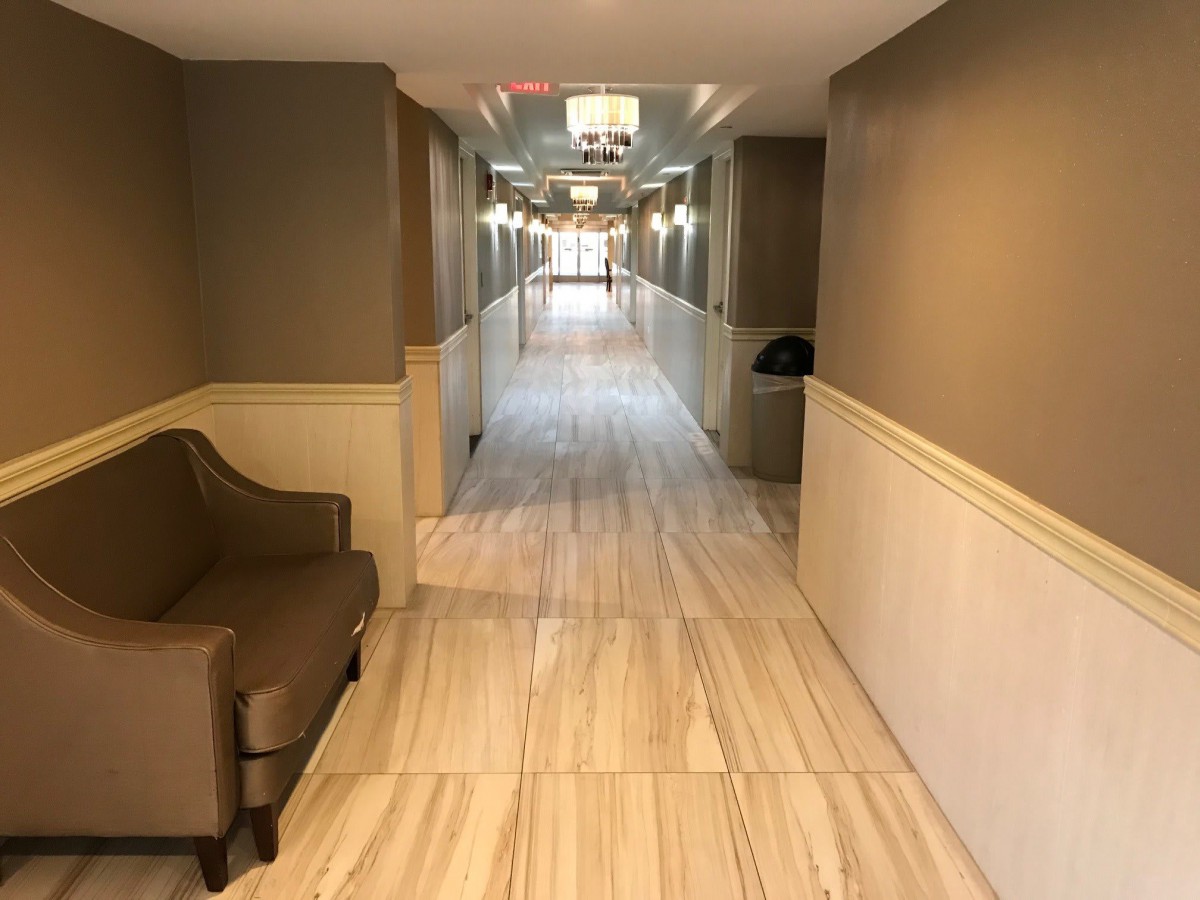
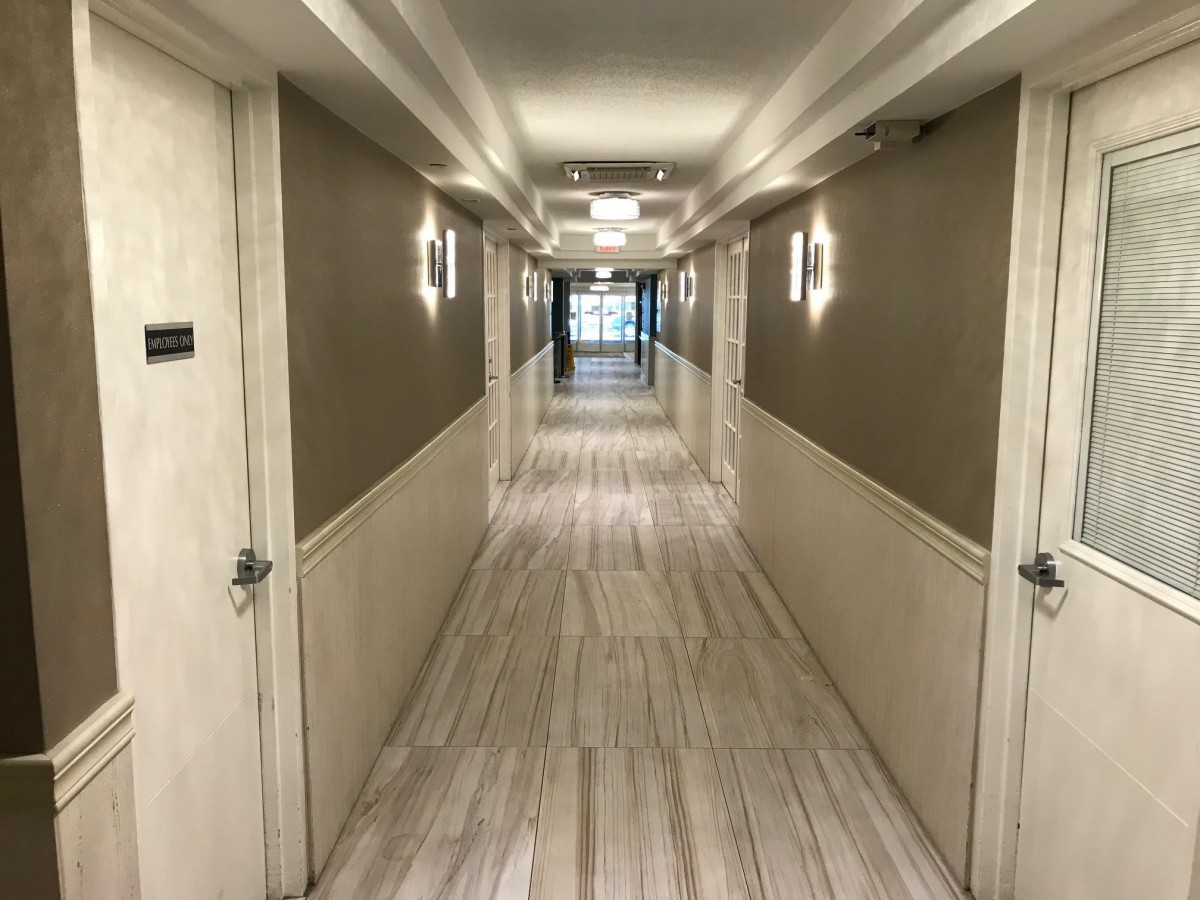
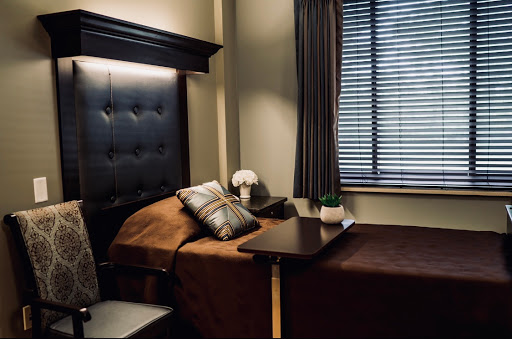
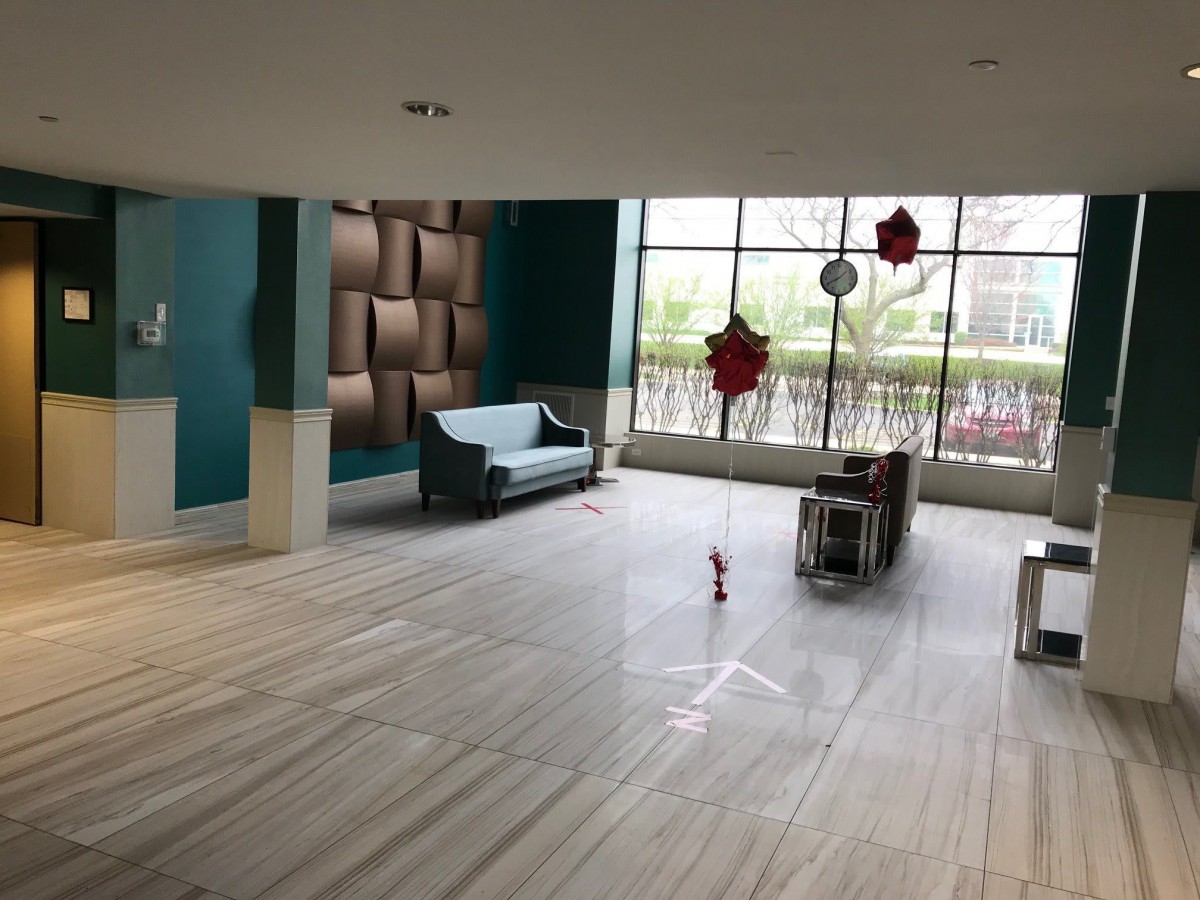
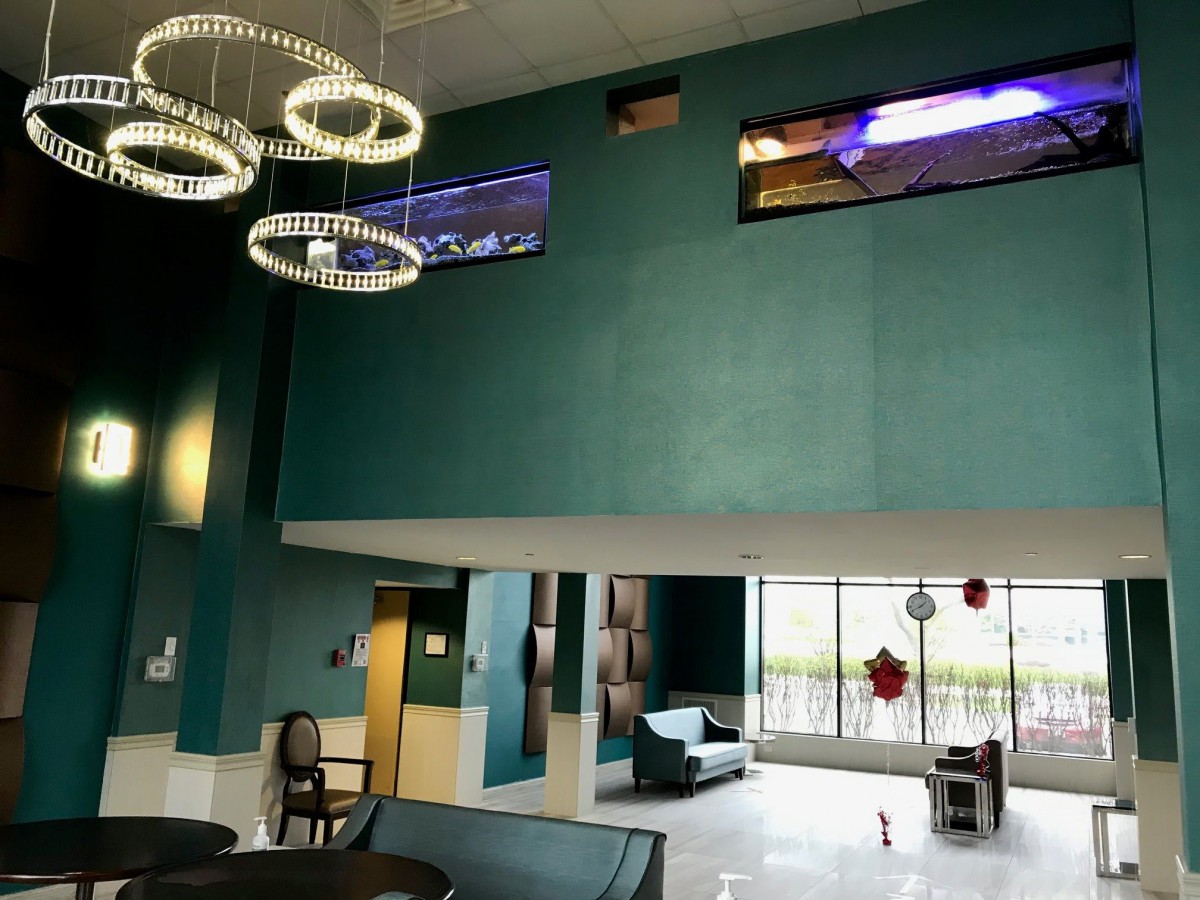
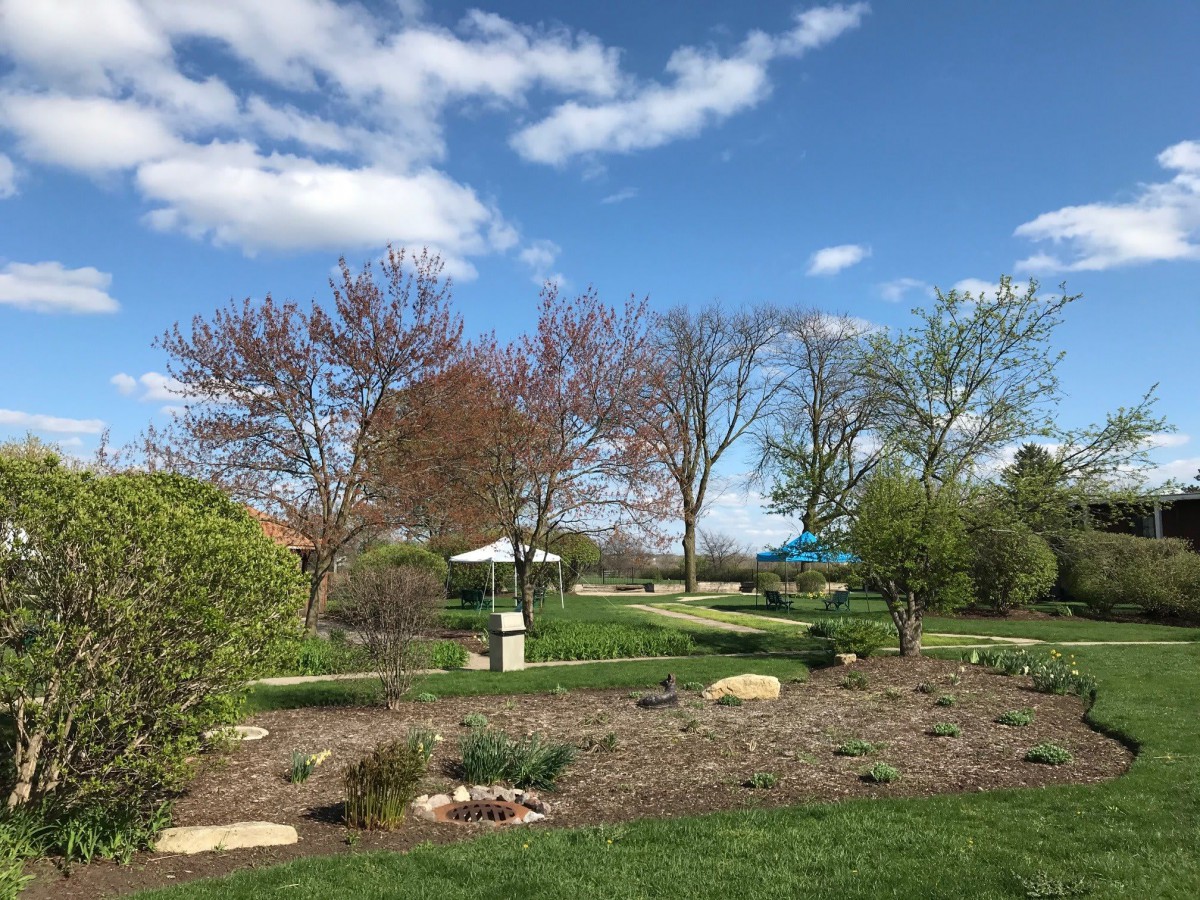
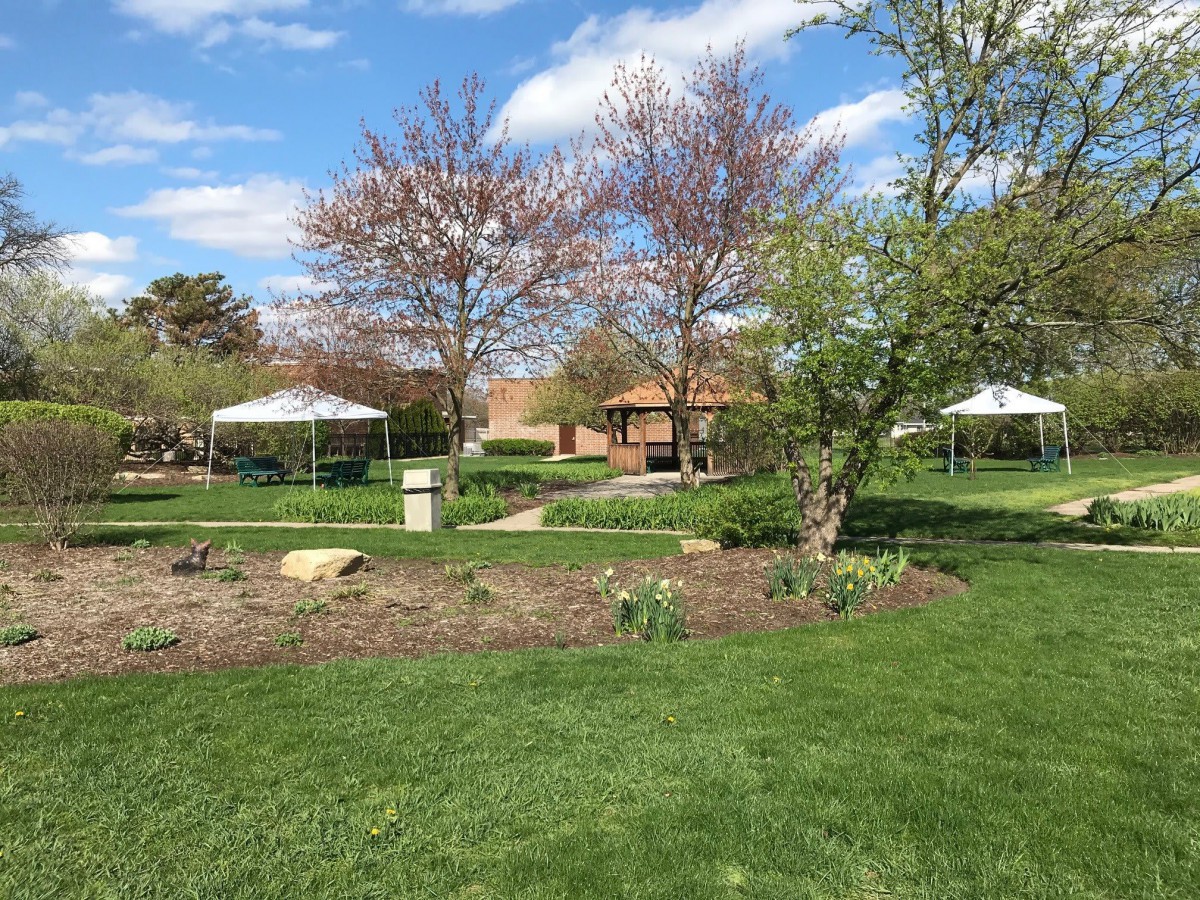
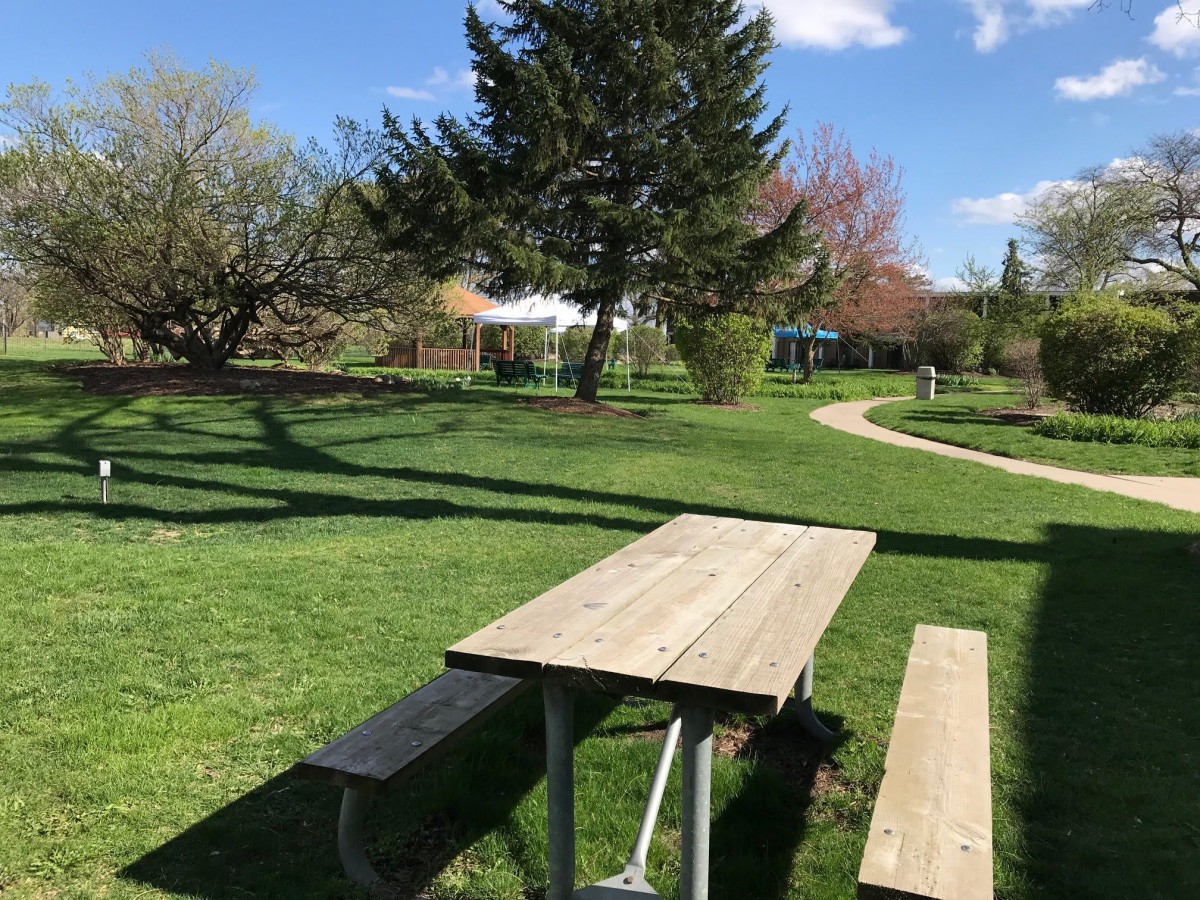
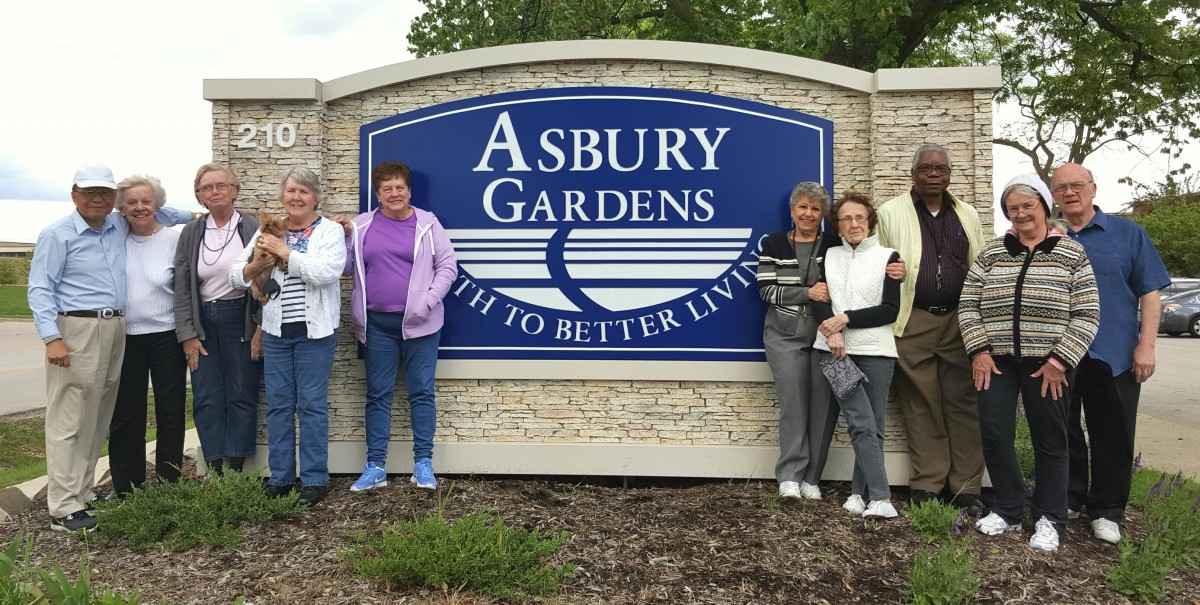
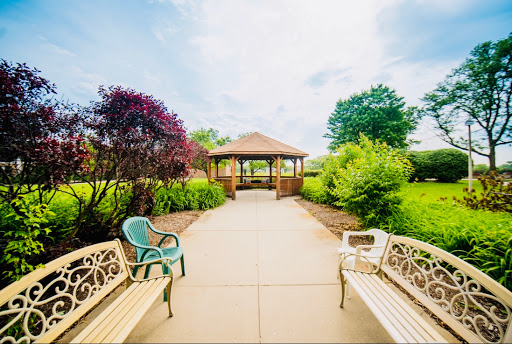
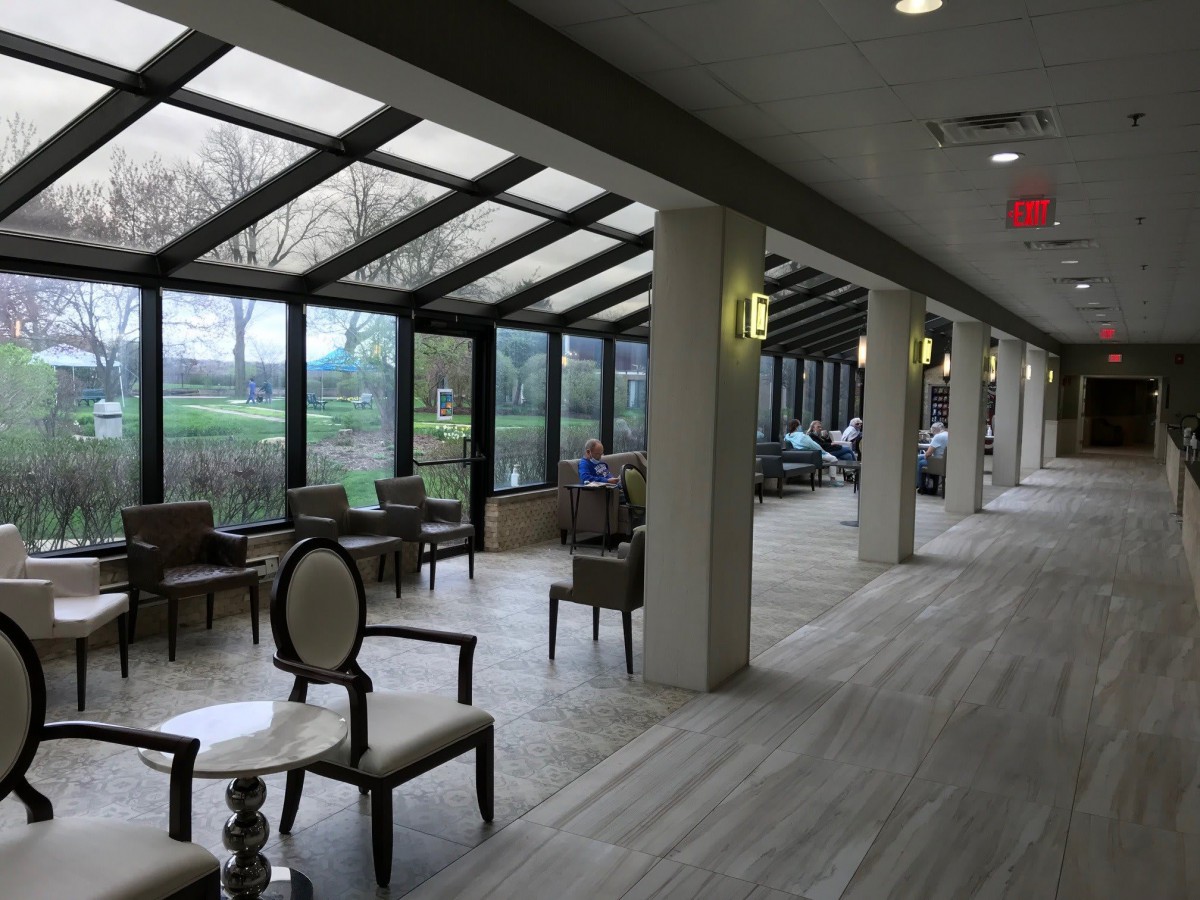
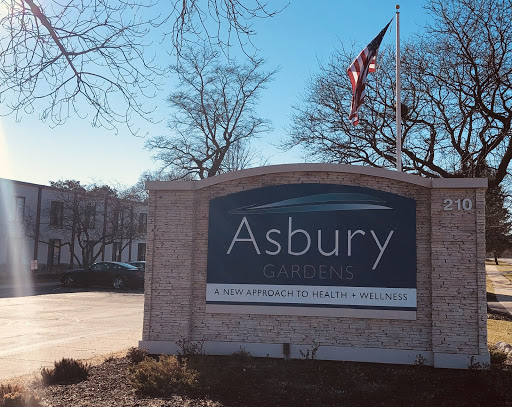
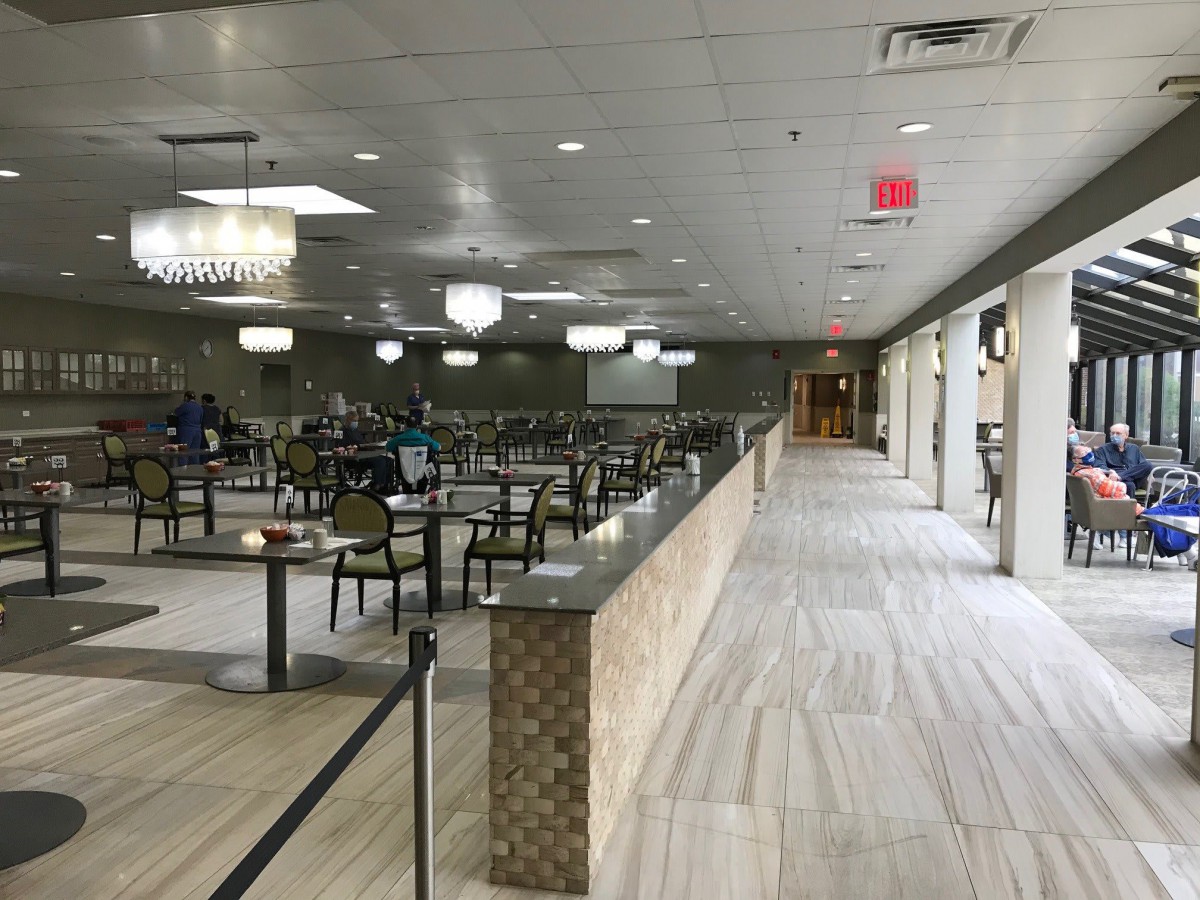
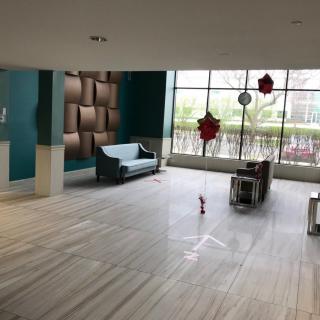
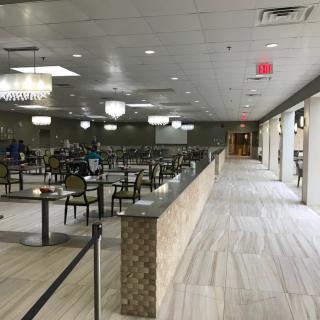
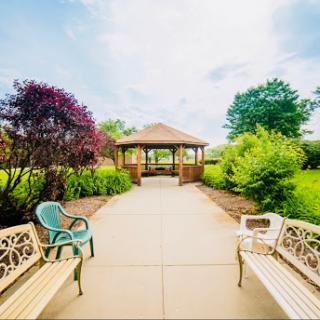
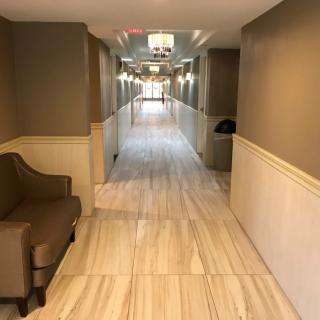
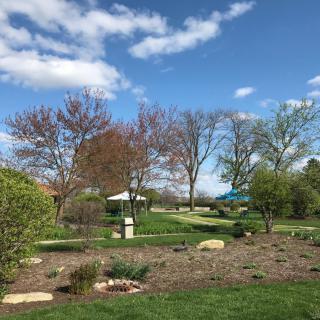
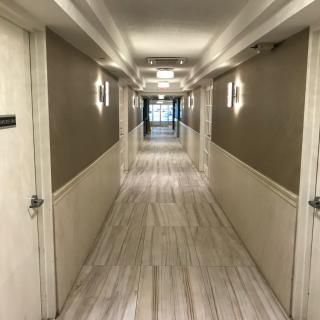
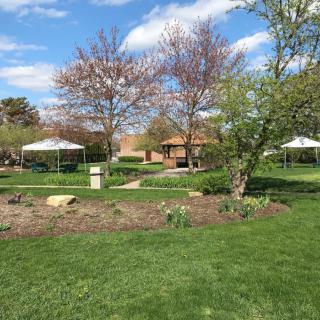
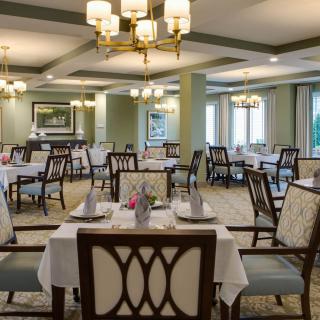
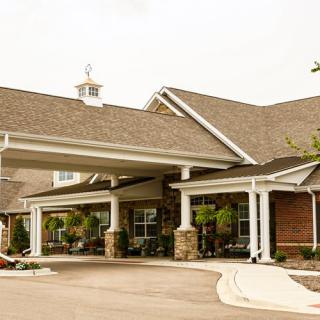
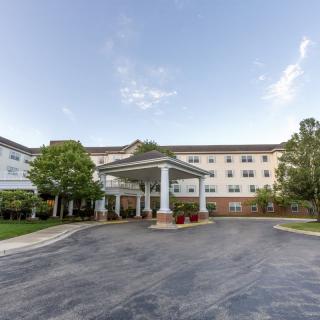
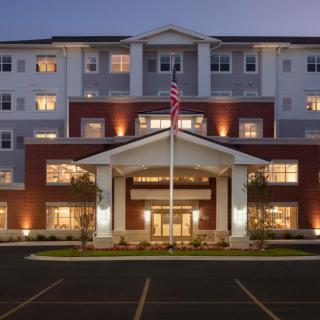
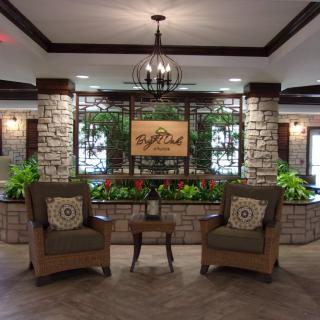
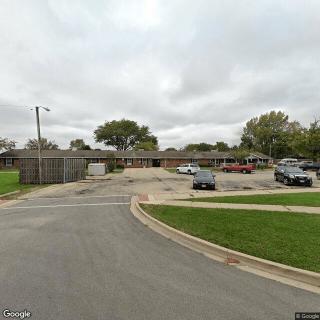
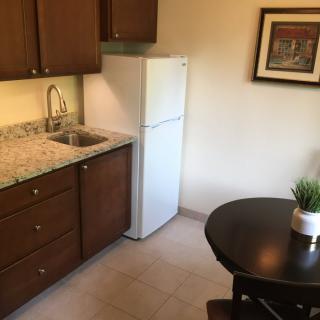
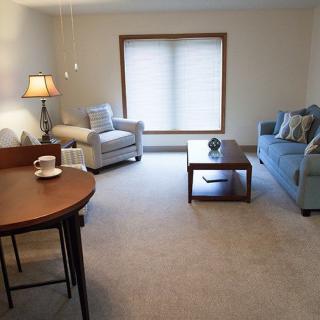
Asbury Gardens on seniors.fyi includes 17 photos including images showing interior, outdoors, trees, landscaping, windows, lighting, lobby, decor, and more.
Nearby Communities
Asbury Gardens Nursing & Rehab
North Aurora, IL
4.1 from 53 reviews
Extensive on-site amenities with 24/7 nursing care and restaurant-style dining
Eden Supportive Living
North Aurora, IL
4.8 from 103 reviews
Assisted living with on-site activities and diabetic care, plus easy access to nearby amenities.
Presence Mcauley Manor
Aurora, IL
4 from 64 reviews
Extensive on-site amenities and comprehensive care services
Bright Oaks Of Aurora
Aurora, IL
4.1 from 52 reviews
Comprehensive memory care with 24/7 supervision and full amenities.
Bright Oaks of Aurora
Aurora, IL
4.2 from 86 reviews
$3,800 to $5,400 / month
Compassionate staff in a bright, clean facility with engaging activities.
North Aurora Care Center
North Aurora, IL
3.5 from 20 reviews
Extensive on-site amenities and 24/7 care options.
Plum Landing Retirement Community
Aurora, IL
4.6 from 67 reviews
$2,080 to $2,600 / month
Friendly, attentive staff with a strong sense of community, plus varied activities and river views.
Presence Fox Knoll
Aurora, IL
4.5 from 101 reviews
$1,797 to $3,669 / month
Friendly, attentive staff in a clean, welcoming community with spacious apartments and engaging activities.
Constitution House
Aurora, IL
4.6 from 17 reviews
$540 to $3,270 / month
Friendly, courteous staff and a rent structure tied to social security income.
Vibrant Senior Living emphasizes active senior living communities that promote independence and engagement through diverse amenities and activities, fostering wellness and social interaction among older adults. These communities range from independent to assisted living, with a focus on personal growth, family involvement, financial planning, and leveraging technology to enhance residents' experiences.
Assisted living provides moderate support for seniors seeking independence, while memory care offers specialized support for individuals with dementia or cognitive impairments through structured routines and trained staff. Key differences include care approaches, environment security measures, staff training levels, activity types, and cost considerations.
Choosing between assisted living and nursing homes involves evaluating emotional and financial factors, with assisted living offering independence and support for daily activities at a lower cost, while nursing homes provide intensive medical care for individuals with significant health needs. The decision is influenced by personal preferences, health status, cognitive function, and varying Medicaid coverage across states.
Get PricingAsk A QuestionSchedule A TourContact Senior Advisor
By clicking submit, you agree to our Partner's Terms of Use. You
also consent to receive calls and texts, which may be autodialed, from our Partner. Your consent is not a condition to
using our Partner's service. Please visit our Partner's Privacy Policy for information about their privacy practices.









 Assisted Living
 Memory Care
 Cats allowed
 Dogs allowed
 Activities on-site
 Air-conditioning
 Beautician on-site
 Cable or satellite TV
 Devotional services off-site
 Garden view
 Ground floor units
 Handicap accessible
 Indoor common areas
 Kitchenette
 Outdoor common areas
 Wi-Fi/high-speed internet available
 Ambulatory care
 Diabetic care
 Incontinence care
 Medication management
 Guest meals
 Art classes
 Bible study group
 Cooking classes
 Day trips and outings
 Happy hour
 Live dance or theater performances
 Live musical performances
 Stretching classes
 Extensive on-site amenities with 24/7 nursing care and restaurant-style dining



 Vibrant Senior Living: A Comprehensive Guide for Active Older Adults
 Assisted Living and Memory Care: Understanding Their Core Differences
 Choosing the Right Senior Care: A Detailed Exploration of Assisted Living and Nursing Homes