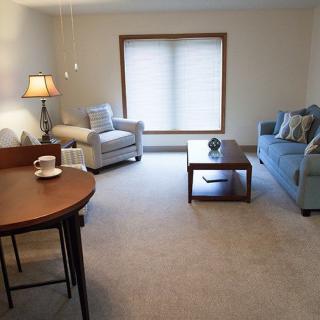
Bright Oaks Of Aurora

Save
Bright Oaks Of Aurora Bright Oaks Of Aurora Bright Oaks Of Aurora

Bright Oaks Of Aurora

1340 River Street, Aurora, IL 60506

For more information about senior living options: (844) 490-3973

4 from 43 reviews
5 stars
31
4 stars
1
3 stars
0
2 stars
0
1 stars
11

Assisted Living Memory Care Respite Care

Overall Review of Bright Oaks Of Aurora

Pros

  • pro The Whitley of Aurora is an amazing community with caring, hardworking, and compassionate employees.
  • pro The community is warm and homelike, with a clean, welcoming environment.
  • pro The Whitley is described as awesome, caring, and kind for residents and workers, a safe place to entrust loved ones with activities and outings.
  • pro Lauren and the team create a warm and welcoming environment for residents and their families.
  • pro The staff's love and care for residents, including the grandmother, are unmatched and deeply appreciated.
  • pro The staff are caring and respectful, providing a wonderful place for loved ones to be in good hands.
  • pro The receptionist was welcoming and knowledgeable, and Jennifer was an amazing tour guide.
  • pro Bright Oaks is described as a beautiful place near the river with spacious apartments, and Alex is a joy to work with.
  • pro The family is thankful for Bright Oaks' staff and the care and compassion shown to their dad.
  • pro Bright Oaks recognizes staff with Employees of the Month, a well-deserved gesture.
  • pro A Bright Oaks resident picnic was described as awesome.

Cons

  • pro The reviewers describe the place as horrible and say memory care residents are mistreated, overcharged, not given full cups of juice, fed with improper utensils, and subjected to theft and a constant odor, with residents wandering around like zombies.
  • pro One reviewer says the Whitley provided little to no care for four days, with a 45-minute delay before anyone responded to emergencies, and a hospice placement after expensive fees.
  • pro It is claimed that there is no night nurse from 10 p.m. to 6 a.m., and that doors are not locked, allowing residents to enter others' rooms and take belongings.
  • pro At Bright Oaks, meals were cold and served on plastic plates, doors didn't lock, and fellow residents entered rooms and took possessions, creating safety concerns.
  • pro There are concerns about safety when a resident breached memory care and exited through a gate; management reportedly zip-tied the exterior gate for days, raising risk in emergencies.
  • pro A commenter alleges severe understaffing (as few as two CNAs for 20+ residents on a floor and only one nurse), resulting in bare-minimum care.
  • pro Complaints to leadership were not adequately addressed, with red flags raised due to management changes and poor communication.
  • pro One review explicitly warns against sending a loved one there, describing unethical practices and safety hazards.

Review

In Aurora, families describe a wide spectrum of experiences at two well-known senior living communities, The Whitley and Bright Oaks of Aurora. The feedback covers both the most troubling concerns and the most heartwarming moments, revealing how care quality, staffing, safety, and leadership can influence daily life for residents and their loved ones. Across the reviews, several themes recur: the importance of adequate staffing, transparent communication, safe and respectful treatment of residents, and the meaningful differences that small changes in policy or management can make in a memory care and assisted living setting.

At The Whitley, the sentiment ranges from deeply critical to moderately positive, depending largely on individual experiences and perhaps on shifts or management changes. A number of reviewers recount highly alarming problems in memory care: residents treated poorly, basic needs unmet, and care processes inconsistently carried out. One family characterized memory care as "horrible," noting that residents sometimes did not receive full cups of juice, dined with improper utensils, and were treated with disdain. There are even more troubling claims that staff allegedly steal products from residents to help others who don't have them, painting a picture of a facility where dignity and personal property are at risk. There are accounts of slow response to emergencies - one uncle pressing a help button for 45 minutes before anyone arrived - and concerns about the lack of night staffing, with explicit statements that there is no night nurse from 10 p.m. to 6 a.m. and that medications sometimes go undelivered during those hours. A stark image emerges of doors that may not be properly secured, allowing residents to roam, and of incidents in which a resident with a mechanical diet was found eating a roast beef sandwich and fries in his room, suggesting dietary oversights or mismanagement. Critics also point to steep costs, noting that hospice placement and related charges were billed aggressively, such as a claim of $9,400 for four days even as the facility was only partially full, raising questions about billing practices and financial transparency. A recurring warning in these reviews is to avoid sending a loved one to The Whitley unless prospective families can vet staffing, safety protocols, and billing very carefully.

Despite these severe criticisms, The Whitley also appears in a number of positive voices that emphasize warmth, cleanliness, and community spirit. Several reviewers describe The Whitley as a small, welcoming community with friendly, caring staff and a homelike atmosphere. Tour experiences are highlighted positively, with remarks about welcoming receptionists, knowledgeable guides like Jennifer who explain options from studio to one-bedroom layouts, and staff who create a stress-reducing environment for families relocating loved ones. Other comments celebrate staff members who are described as caring, hardworking, and compassionate, and some reviewers praise activities and outings that foster a sense of community. In short, for every troubling account there are other families who felt the staff were kind and the environment "nice and clean," underscoring how experiences can vary widely by individual circumstances and perhaps by leadership or shift.

Bright Oaks of Aurora surfaces a parallel pattern of highly mixed reviews. On the negative side, families recount leadership and safety concerns that deeply affected their trust. Reported issues include cold meals served on plastic plates, doors that do not lock properly, and instances where other residents entered a family member's room. A major worry is the absence of consistent night staffing in memory care, with claims of no night nurse and delays in medication administration between late night and early morning. One family describes finding a loved one on the floor in a pool of blood, which led them to hire a private CNA for overnight supervision. There are also dramatic episodes of safety risk, such as a resident breaching the memory care area, escaping through gates, and the exterior gate being zip-tied for days, a solution viewed as dangerously inadequate in case of fire or other emergencies. Complaints about delayed care plans and a lack of communication about leadership changes - specifically noting the absence of a Director of Nursing in memory care - further erode confidence. Some reviewers do not hesitate to say they would not recommend Bright Oaks based on these red flags and the perceived priority given to money over resident safety.

Yet Bright Oaks of Aurora is not uniformly criticized. Several families underscore genuine warmth and appreciation for the staff who do provide compassionate, engaging care. One family member notes daily gratitude for the staff's dedication and describes seeing caregivers hold hands and offer comforting support to residents, indicating a culture of care and personal connection despite systemic challenges. The facility has also recognized its employees publicly, with "Employees of the Month" programs and ongoing appreciation from families, suggesting that leadership does celebrate and reward those who go above and beyond. Positive experiences are reinforced by social events such as family picnics, which reviewers say were well-organized and enjoyed by residents and families alike. Personal anecdotes also highlight individual staff members who stood out for their kindness and reliability, such as a staff member named Alex who helped families navigate the moving process and remained involved with residents beyond the basics. There are even stories of families who moved forward with Bright Oaks feeling reassured by specific caregivers and by the supportive, friendly atmosphere observed during visits.

In sum, the reviews portray two facilities that are simultaneously capable of high warmth and substantial risk, depending on numerous variables including staffing levels, management practices, and transparency. The Whitley is depicted as a place where some residents thrive under attentive, compassionate care and engaging programming, yet also as a setting where critical safety gaps, inconsistent monitoring, and questionable billing practices have caused significant harm and distress for families. Bright Oaks of Aurora similarly presents a dual reality: moments of genuine human connection and thoughtful engagement that illuminate what good care can look like, paired with troubling reports of insufficient night coverage, safety lapses, and leadership gaps that left families anxious and compelled to seek alternatives.

For families considering these communities, the reviews collectively underscore the importance of due diligence, thorough touring, and candid conversations about staffing models, shift coverage, safety protocols, meal quality, and billing practices. Prospective residents and their loved ones should ask pointed questions about night staffing, medication administration schedules, door locks and security, incident reporting, and how care plans are developed and updated. Observing care during meals and activities, speaking with current residents, and requesting to meet with administration and the leadership team can help illuminate which facility - and which shifts - are aligned with a family's standards for dignity, safety, and engagement. Ultimately, the stories caution against assuming uniform quality across a single building and encourage a careful, visit-based assessment to determine whether a community can truly meet a loved one's needs.

Features

Housing

  • 60 resident community capacity 60 resident community capacity
  • 1-bedroom apartments 1-bedroom apartments1-bedroom apartments are important for seniors because they provide a sense of independence, privacy, and autonomy while still offering the necessary space for comfortable living. These apartments allow seniors to maintain their own personal space and lifestyle preferences in a supportive community setting.
  • 2-bedroom apartments 2-bedroom apartments2-bedroom apartments are important for seniors because they provide extra space for guests, hobbies, and caregivers, as well as potential for additional income through roommates or rental.
  • Studio apartments Studio apartmentsStudio apartments are important for seniors because they offer a smaller, more manageable living space that is easier to navigate and maintain as physical abilities decline. Additionally, studio apartments provide seniors with independence and privacy while still being part of a community that offers support and social opportunities.

Types of Care

  • Assisted Living Assisted LivingAssisted living facilities provide crucial support and care for seniors who may need help with daily tasks such as medication management, bathing, and meal preparation. These communities offer a safe and comfortable environment where seniors can maintain their independence while receiving the assistance they need to thrive in their golden years.
  • Memory Care Memory CareMemory care is crucial for seniors as it provides specialized support and services for individuals with dementia or Alzheimer's disease. These programs offer a safe and secure environment where residents receive personalized care, cognitive stimulation, and help with daily activities. Memory care helps seniors maintain their independence, quality of life, and dignity while also providing peace of mind for their families.
  • Respite Care Respite CareRespite care provides temporary relief for caregivers, allowing them to recharge and attend to their own needs. It also gives seniors the opportunity to socialize, receive professional care, and experience a change of scenery, promoting overall well-being and reducing feelings of isolation.

Amenities

  • Air-conditioning Air-conditioningAir conditioning is important for seniors as they are more vulnerable to heat-related illnesses and may have underlying health conditions that make it difficult for them to regulate their body temperature. It helps to keep them comfortable, safe, and healthy in hot weather.
  • Beauty salon Beauty salonBeauty salons are important for seniors because they provide a space for them to feel pampered, socialize, and maintain their personal grooming and hygiene. Regular visits to a beauty salon can help boost seniors' self-esteem and overall well-being.
  • Cable or satellite TV Cable or satellite TVCable or satellite TV is important for seniors because it provides entertainment, news, and companionship, helping to combat loneliness and boredom. It also offers a wide range of programming options tailored to different interests and preferences.
  • Computer center Computer centerA computer center is essential for seniors as it provides access to technology, communication tools, and resources that can enhance their daily lives. It allows them to stay connected with loved ones, engage in online activities, and learn new skills, ultimately promoting socialization and mental stimulation.
  • Dining room Dining roomDining rooms are important for seniors as they provide a space for socialization, connection, and nutritious meals. They offer opportunities for residents to bond over shared meals, foster a sense of community, and promote healthy eating habits. Dining rooms also ensure that seniors have access to well-balanced meals tailored to their dietary needs and preferences.
  • Fitness room Fitness roomHaving a fitness room in a senior living community is essential for seniors to stay active, maintain their physical health, and improve their overall well-being. Regular exercise can help prevent falls, reduce the risk of chronic diseases, and promote mental sharpness. It also provides social opportunities for residents to connect with others and enjoy a sense of community.
  • Fully furnished Fully furnishedFully furnished senior living communities are important for seniors because they provide convenience, comfort, and a hassle-free moving experience. Seniors can easily settle into their new living space without the stress of having to buy and move furniture. This allows them to focus on enjoying their new home and community.
  • Gaming room Gaming roomGaming rooms are important for seniors as they provide a fun and engaging environment for socializing, cognitive stimulation, and physical activity. Games can improve memory, problem-solving skills, and overall mental well-being while fostering friendships and reducing feelings of isolation.
  • Garden GardenGardens are important for seniors as they provide a peaceful and therapeutic environment for relaxation, physical activity, and socialization. Being in nature has been shown to reduce stress, improve mood, and promote overall well-being. Gardens also offer opportunities for seniors to engage in gardening activities, which can improve mobility, flexibility, and cognitive function. Additionally, gardens create a sense of community and connection with others who share a passion for plants and outdoor spaces.
  • Housekeeping services Housekeeping servicesHousekeeping services are important for seniors because they help maintain a clean and safe living environment, promote independence, and reduce the risk of accidents or illnesses. Additionally, having assistance with household chores can alleviate physical strain and allow seniors to focus on other aspects of their well-being.
  • Kitchenette KitchenetteKitchenettes are important for seniors living in senior living communities because they provide the convenience and independence of being able to prepare simple meals and snacks in the comfort of their own living space. This can help promote a sense of autonomy and well-being for seniors, allowing them to maintain some level of control over their dietary choices and daily routines.
  • Move-in coordination Move-in coordinationMove-in coordination is important for seniors because it helps ease the transition into their new living environment. It ensures that all logistics, such as packing, organizing movers, and setting up utilities are taken care of, allowing seniors to focus on settling in and adjusting to their new home. Having a smooth move-in process can alleviate stress and anxiety, making the transition smoother and more enjoyable for seniors.
  • Outdoor space Outdoor spaceOutdoor spaces are important for seniors as they provide opportunities for physical activity, social interaction, exposure to natural light and fresh air, and a sense of connection to nature. Having access to outdoor spaces can improve overall well-being and quality of life for older adults living in senior communities.
  • Private bathrooms Private bathroomsPrivate bathrooms are important for seniors in senior living communities because they provide independence, dignity, and comfort. Having a private bathroom allows seniors to maintain their personal hygiene routines without the need for assistance, promoting a sense of autonomy and privacy. Additionally, private bathrooms help prevent the spread of infections and provide a safe and clean environment for seniors to navigate safely.
  • Respite or short term stays offered Respite or short term stays offeredRespite or short term stays provide seniors with a temporary solution when their regular caregiver is unavailable, offering them the opportunity to receive additional care and support during times of need, while also giving caregivers a chance to rest and recharge.
  • Restaurant-style dining Restaurant-style diningRestaurant-style dining is important for seniors because it allows them to enjoy delicious, nutritious meals in a social and upscale setting. This enhances their dining experience, promotes healthy eating habits, and fosters socialization with fellow residents, ultimately contributing to their overall well-being and quality of life.
  • Small library Small librarySmall libraries are important for seniors as they provide access to a variety of reading materials, including books, newspapers, and magazines. This can help stimulate their minds, keep them engaged, and provide a sense of community through book clubs and other social activities. Additionally, reading has been shown to improve cognitive function and overall mental well-being in older adults.
  • Spa SpaSpas are important for seniors because they provide relaxation, stress relief, and therapeutic benefits which can improve their overall well-being and quality of life. Additionally, spa treatments such as massages, hydrotherapy, and aromatherapy can help alleviate common age-related ailments such as arthritis, joint pain, and circulation issues. Seniors deserve to enjoy a pampering experience that promotes physical and emotional wellness.
  • Telephone TelephoneTelephones are important for seniors as they provide a lifeline for communication with loved ones, emergency services, and healthcare providers. They offer a sense of security and independence, enabling seniors to stay connected and access assistance when needed.
  • Wellness center Wellness centerWellness centers are important for seniors because they offer a variety of programs and services that promote physical, mental, and emotional well-being. These centers provide opportunities for exercise, socialization, education, and relaxation, helping seniors maintain their overall health and quality of life.
  • Wi-Fi/high-speed internet available Wi-Fi/high-speed internet availableWi-Fi/high-speed internet is important for seniors to stay connected with loved ones, access online resources, and participate in virtual activities to combat feelings of loneliness and isolation. It also allows them to easily manage healthcare needs, access entertainment, and engage in lifelong learning opportunities.

Transportation

  • Community operated transportation Community operated transportationCommunity operated transportation is crucial for seniors as it provides them with the means to access essential services, social activities, and medical appointments. It allows seniors to maintain their independence and quality of life by ensuring they can participate in activities outside of their homes. Additionally, community-operated transportation services offer a safe and reliable way for seniors to travel without having to rely on family or friends for assistance.
  • Transportation arrangement Transportation arrangementTransportation arrangements are crucial for seniors as they may face challenges with driving, mobility, or access to public transportation. Having reliable transportation services ensures that seniors can easily attend appointments, social activities, and maintain their independence and quality of life.
  • Transportation arrangement (non-medical) Transportation arrangement (non-medical)Transportation arrangements are essential for seniors as they provide access to essential services, activities, and social interactions outside the home. This service helps maintain independence, mobility, and overall well-being for seniors who may have limited transportation options.
  • Transportation to doctors appointments Transportation to doctors appointmentsTransportation to doctors appointments is crucial for seniors as it ensures they have access to necessary medical care and support, promoting their health and well-being. It allows them to receive timely treatment, monitor existing conditions, and address any new health concerns efficiently. Additionally, transportation services can help seniors maintain their independence and quality of life by enabling them to stay connected with their healthcare providers.

Care Services

  • 12-16 hour nursing 12-16 hour nursing12-16 hour nursing care is crucial for seniors in order to ensure around-the-clock monitoring, timely medication administration, and prompt response to any health concerns or emergencies. This level of care helps to promote the overall well-being and safety of seniors living in senior living communities.
  • 24-hour call system 24-hour call system24-hour call systems are important for seniors because they provide peace of mind and immediate assistance in case of emergencies. This technology ensures that help is always available, promoting safety and security for elderly individuals living alone or in assisted living facilities.
  • 24-hour supervision 24-hour supervision24-hour supervision is important for seniors to ensure their safety, well-being, and access to immediate assistance in case of emergencies or health issues. This constant support provides peace of mind for both seniors and their loved ones, allowing them to age in place with dignity and security.
  • Activities of daily living assistance Activities of daily living assistanceActivities of daily living assistance are important for seniors because they provide essential support with tasks such as eating, bathing, dressing, and mobility. This assistance helps seniors maintain their independence, dignity, and overall quality of life as they age.
  • Assistance with bathing Assistance with bathingAssistance with bathing is crucial for seniors as it helps maintain personal hygiene, prevents infections, and ensures their overall well-being and comfort. It also provides a sense of dignity and independence for seniors who may struggle with this task on their own.
  • Assistance with dressing Assistance with dressingAssistance with dressing is important for seniors because it helps maintain their independence, promotes personal hygiene, prevents accidents and injuries, and improves overall quality of life. This service ensures that seniors can continue to dress comfortably and confidently, despite any physical limitations they may have.
  • Assistance with transfers Assistance with transfersAssistance with transfers is crucial for seniors as it helps prevent falls and injuries, maintains their independence, and ensures they can safely navigate their living environment. It also provides peace of mind for both seniors and their loved ones.
  • Coordination with health care providers Coordination with health care providersCoordination with health care providers is crucial for seniors to ensure proper medical care, medication management, and overall well-being. This collaboration helps prevent overlapping treatments, track progress more effectively, and provide comprehensive support tailored to individual needs.
  • Dementia waiver Dementia waiverDementia waivers are essential for seniors as they provide critical protections and accommodations for those experiencing cognitive decline. These waivers ensure individuals with dementia receive appropriate care, support, and resources to maintain their quality of life and dignity as they navigate the challenges of this progressive condition.
  • Diabetes diet Diabetes dietA diabetes diet is crucial for seniors as it helps manage blood sugar levels, reduce risks of complications, and improve overall health and well-being. By following a balanced and nutritious diet tailored to their specific needs, seniors can better control their diabetes and enhance their quality of life.
  • Hospice waiver Hospice waiverHospice waivers are important for seniors because they allow individuals to receive specialized end-of-life care and support at home or in a hospice facility. This waiver ensures that seniors can access the necessary resources and services to maintain comfort and dignity during their final days.
  • Meal preparation and service Meal preparation and serviceMeal preparation and service are crucial for seniors as they may have limited mobility or energy to cook nutritious meals. Having access to healthy and convenient food options can ensure they are getting the proper nutrition needed to maintain their overall health and well-being.
  • Medication management Medication managementMedication management is crucial for seniors to ensure they are taking the right medications at the correct dosages and times. This helps prevent adverse drug interactions, reduces the risk of medication errors, and promotes overall health and well-being. Proactive management also allows for adjustments as needed based on changing health conditions or new prescriptions.
  • Mental wellness program Mental wellness programMental wellness programs are essential for seniors as they promote cognitive stimulation, emotional support, and social engagement. These programs help prevent isolation, depression, and cognitive decline, ultimately enhancing the overall quality of life for older adults.
  • Mild cognitive impairment Mild cognitive impairment"Mild cognitive impairment" is important for seniors because it is an early stage of cognitive decline that can potentially progress to more severe conditions such as dementia. Recognizing and addressing mild cognitive impairment can help seniors receive appropriate care and support to maintain their quality of life and independence for as long as possible.
  • Special dietary restrictions Special dietary restrictionsSpecial dietary restrictions are important for seniors because age-related changes in metabolism and health conditions can make it difficult for their bodies to process certain foods. By following a diet tailored to their specific needs, seniors can maintain their overall health and well-being, manage chronic conditions, and reduce the risk of complications such as malnutrition or food interactions with medications.
  • Specialized memory care programming Specialized memory care programmingSpecialized memory care programming is crucial for seniors with cognitive impairments such as dementia or Alzheimer's disease. These programs provide a safe and supportive environment tailored to the unique needs of individuals with memory loss, helping them maintain their independence, dignity, and quality of life.
  • Transportation arrangement (medical) Transportation arrangement (medical)Transportation arrangements for medical purposes are essential for seniors as they may have difficulty driving themselves to appointments or accessing public transportation. Having reliable and safe transportation options ensures that seniors can receive timely medical care and maintain their health and well-being.
  • Transportation to doctors appointments Transportation to doctors appointmentsTransportation to doctors appointments is crucial for seniors as it ensures they have access to necessary medical care and support, promoting their health and well-being. It allows them to receive timely treatment, monitor existing conditions, and address any new health concerns efficiently. Additionally, transportation services can help seniors maintain their independence and quality of life by enabling them to stay connected with their healthcare providers.

Dining

  • Diabetes diet Diabetes dietA diabetes diet is crucial for seniors as it helps manage blood sugar levels, reduce risks of complications, and improve overall health and well-being. By following a balanced and nutritious diet tailored to their specific needs, seniors can better control their diabetes and enhance their quality of life.
  • Special dietary restrictions Special dietary restrictionsSpecial dietary restrictions are important for seniors because age-related changes in metabolism and health conditions can make it difficult for their bodies to process certain foods. By following a diet tailored to their specific needs, seniors can maintain their overall health and well-being, manage chronic conditions, and reduce the risk of complications such as malnutrition or food interactions with medications.

Activities

  • Community-sponsored activities Community-sponsored activitiesCommunity-sponsored activities are important for seniors as they provide opportunities for social interaction, mental stimulation, and physical activity. These activities can help improve overall well-being, combat loneliness and isolation, and promote a sense of belonging and purpose among older adults.
  • Concierge services Concierge servicesConcierge services are essential for seniors as they provide assistance with daily tasks and errands, enhance their quality of life by offering convenience and personalized care, and promote a sense of safety and security.
  • Fitness programs Fitness programsFitness programs are crucial for seniors as they help improve strength, flexibility, balance, and overall well-being. Staying active can reduce the risk of chronic diseases, improve mental health, and enhance quality of life in older adults.
  • Planned day trips Planned day tripsPlanned day trips are important for seniors because they offer opportunities for socialization, mental stimulation, and physical activity. They provide a change of scenery and help seniors stay engaged and connected to their community, promoting overall well-being and quality of life.
  • Resident-run activities Resident-run activitiesResident-run activities are important for seniors as they encourage social interaction, creativity, and a sense of autonomy. These activities empower seniors to stay engaged and active in their community while fostering meaningful connections with their peers.
  • Scheduled daily activities Scheduled daily activitiesScheduled daily activities are important for seniors because they provide structure, socialization, mental stimulation, and physical activity. Engaging in regular activities can improve overall well-being and quality of life for seniors living in a community setting.

Description

Bright Oaks of Aurora is an assisted living community located in Aurora, IL. We offer comfortable and spacious 2-bedroom apartments as well as cozy studio apartments for our residents. Our community is specifically designed to provide memory care and respite care services.

We strive to create a welcoming and engaging environment for our residents, offering a wide range of amenities to meet their needs. Our community features a beauty salon where residents can pamper themselves, a fully furnished dining room where they can enjoy restaurant-style meals, and a fitness room to help them stay active and healthy. We also have a gaming room, small library, and spa for relaxation and entertainment.

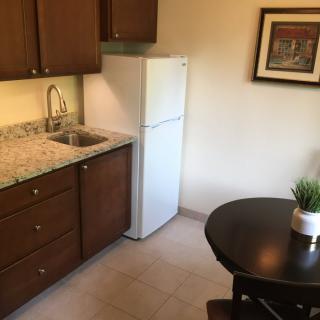
At Bright Oaks of Aurora, we prioritize the well-being and comfort of our residents. We provide housekeeping services to ensure a clean living space, offer move-in coordination assistance, and have outdoor spaces for residents to enjoy fresh air and nature. Each apartment has private bathrooms, kitchenettes, cable or satellite TV access, telephone service, and Wi-Fi/high-speed internet connectivity.

Our dedicated staff is available 24/7 to provide assistance with activities of daily living such as bathing, dressing, and transfers. We also offer medication management services to ensure that our residents receive their medications on time. Our team coordinates with healthcare providers to ensure comprehensive care for each resident.

We understand the importance of maintaining a healthy lifestyle and cater to special dietary restrictions by providing diabetes diets and specialized memory care programming. Additionally, we offer transportation arrangements (both medical and non-medical) including transportation to doctors' appointments.

To enrich the lives of our residents further, we organize various activities throughout the day such as fitness programs, planned day trips to nearby parks or attractions, resident-run activities, and scheduled daily activities. Our concierge services are available whenever needed.

Bright Oaks of Aurora benefits from its convenient location within close proximity to various amenities including cafes, parks, pharmacies, restaurants, places of worship, theaters,and hospitals. Transportation is easily accessible, making it convenient for residents to explore the surrounding area as well as attend medical appointments.

At Bright Oaks of Aurora, we strive to provide a comfortable and engaging environment for our residents, ensuring they receive the care and support they need while enjoying an active and fulfilling lifestyle.

Nearby Places of Interest

Hospitals

  • Provena Mercy Medical Center (0.3 miles)
  • Kendall Pointe Surgery Center (4.9 miles)

Pharmacies

  • Walgreens (0.4 miles)
  • Walgreens (1.6 miles)
  • Walgreens (1.9 miles)
  • Walgreens (2.2 miles)
  • Walgreens (2.6 miles)
  • Walgreens (2.8 miles)
  • Walgreens (4.3 miles)

Theaters

  • Cinemark Tinseltown USA (0.4 miles)
  • AMC Showplace Naperville 16 (7.7 miles)

Physicians

  • Fox Valley Pain Management (0.5 miles)
  • Advocate Medical Dryer (0.5 miles)
  • Indian Trail Medical Center (0.7 miles)
  • Animal House (2.3 miles)
  • Rush-Copley Center for Reproductive Health (4.8 miles)
  • Rush Copley Physicians Office (4.8 miles)
  • Dreyer Medical Clinic (5.5 miles)

Cafes

  • Moka North Aurora (1.2 miles)
  • Starbucks (2.7 miles)
  • Panera Bread (2.9 miles)
  • Panera Bread (3 miles)
  • Starbucks (6 miles)
  • Panera Bread (6.1 miles)
  • Graham's 318 (6.7 miles)

Transportation

  • Aurora Transportation Center (1.9 miles)
  • Metra - Geneva Station (6.5 miles)

Restaurants

  • Two Brothers Roundhouse (1.9 miles)
  • Stolp Island Social (2.1 miles)
  • Tavern On Broadway (2.1 miles)
  • Spartan House (2.7 miles)
  • Wendy's (3 miles)
  • Hardware Sustainable Gastropub and Brewery (3.1 miles)
  • McDonald's (4.4 miles)

Places of Worship

  • Blessed Sacrament (2 miles)
  • Holy Cross Church (4.3 miles)
  • Our Lady of Mercy (4.7 miles)
  • St Peter Catholic Church (6.8 miles)

Parks

  • Phillips Park (3.8 miles)
  • Batavia Riverwalk (4.5 miles)
  • Waubonsie Lake Park (4.6 miles)
  • Memorial Park (4.7 miles)
  • Jericho Lake Dog Park (5.8 miles)
  • Wheatland Park (6.1 miles)
  • Wil-O-Way Park (7.1 miles)

Frequently Asked Questions

What floor plans and room types does Bright Oaks Of Aurora offer?
Where is Bright Oaks Of Aurora?
Does Bright Oaks Of Aurora provide care for residents with dementia or Alzheimer's disease?
What photos are available for Bright Oaks Of Aurora in Aurora, Illinois?

Nearby Communities

  • Presence Mcauley Manor

    Presence Mcauley Manor

    Aurora, IL

    4 from 53 reviews
     

    pro Extensive on-site amenities and comprehensive care services
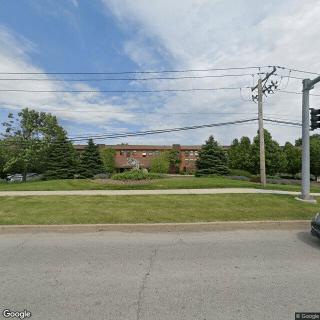
  • Eden Supportive Living

    Eden Supportive Living

    North Aurora, IL

    4.8 from 100 reviews
     

    pro Assisted living with on-site activities and diabetic care, plus easy access to nearby amenities.

  • Asbury Gardens

    Asbury Gardens

    North Aurora, IL

    4.1 from 116 reviews
    $4,500 / month

    pro Friendly, communicative staff; well-maintained, easy-to-navigate facility with engaging activities.

  • Asbury Gardens Nursing & Rehab

    Asbury Gardens Nursing & Rehab

    North Aurora, IL

    4.1 from 48 reviews
     

    pro Extensive on-site amenities with 24/7 nursing care and restaurant-style dining

  • Fox Valley Senior Home

    Fox Valley Senior Home

    Aurora, IL

    4.3 from 18 reviews
    $4,000 / month

    pro Competitive pricing for semi-private rooms compared to Kane County and Illinois averages.

  • Neighbors Next Door Audrey

    Neighbors Next Door Audrey

    Aurora, IL

    4 from 1 review
    $4,000 / month

    pro Intimate four-resident home with 24/7 staff and a proactive director, plus homemade meals.

  • Plum Landing Retirement Community

    Plum Landing Retirement Community

    Aurora, IL

    4.6 from 65 reviews
    $2,080 to $2,600 / month

    pro Friendly, attentive staff with a strong sense of community, plus varied activities and river views.

  • Presence Fox Knoll

    Presence Fox Knoll

    Aurora, IL

    4.5 from 101 reviews
    $1,797 to $3,669 / month

    pro Friendly, attentive staff in a clean, welcoming community with spacious apartments and engaging activities.

  • Jennings Terrace

    Jennings Terrace

    Aurora, IL

    4.2 from 93 reviews
    $1,517 to $1,903 / month

    pro Kind, attentive staff; clean environment; engaging activities.

Related Resources

  • how to talk to someone with dementiaHow to Communicate with a Loved One Living with Dementia: 10 Supportive Strategies
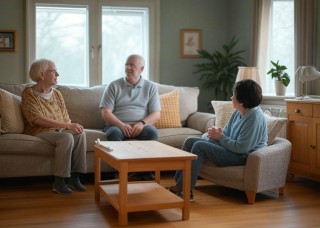
    The article outlines effective communication strategies for interacting with loved ones with dementia, highlighting the need for empathy, patience, and understanding while emphasizing supportive approaches like using simple language, minimizing distractions, and focusing on feelings over facts to maintain dignity and foster connection. It also suggests seeking professional guidance when needed as communication challenges evolve.

  • va nursing homeComprehensive Guide to VA Nursing Homes: A Crucial Long-Term Care Resource for Veterans

    VA nursing homes, or Community Living Centers (CLCs), offer tailored long-term care for veterans, featuring medical attention and rehabilitation in a supportive environment. The guide covers facility types, eligibility criteria, financial assistance options, quality of care standards, and alternatives to full-time nursing home placement.

  • in home dementia care costsEstimating the Expenses of At-Home Dementia Care: A Detailed Exploration


    At-home dementia care expenses vary widely based on care levels, location, and caregiver expertise, with monthly costs for home health aides exceeding $4,500 and specialized care potentially surpassing $100,000 annually. While families favor in-home care for its comfort and personalized attention, they must consider financial planning and the challenges of caregiver fatigue.