
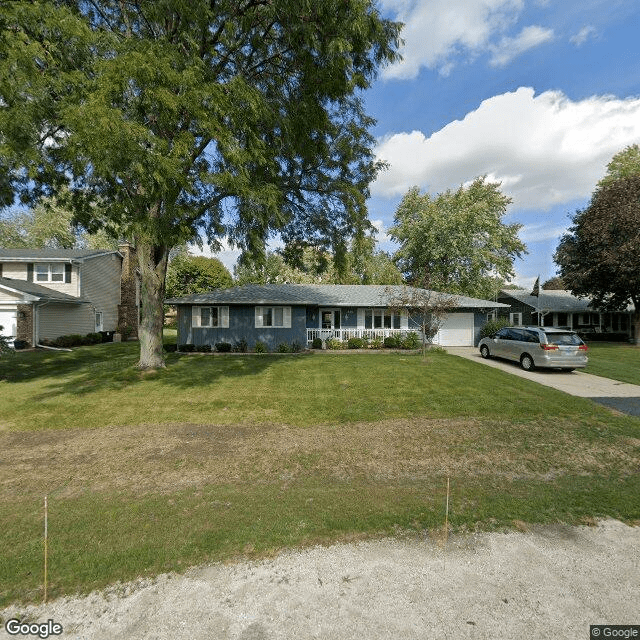
680 Audrey Avenue, Aurora, IL 60505
For more information about senior living options: (866) 208-4318
Neighbors Next Door Audrey Costs & Pricing
Neighbors Next Door Audrey offers competitive pricing for its services, with both private and semi-private room options priced at $4,000 per month. This rate not only aligns closely with the average costs in Kane County - where private rooms average $4,124 and semi-private rooms are around $4,418 - but is also significantly lower than the overall state averages in Illinois, which stand at $5,049 for private rooms and $5,146 for semi-private accommodations. This makes Neighbors Next Door Audrey an appealing choice for individuals seeking quality care at a more accessible price point within the region.
| Floor plans | Neighbors Next Door Audrey | Kane County | Illinois |
|---|---|---|---|
| Private | $4,000 | $4,124 | $5,049 |
| Semi-Private | $4,000 | $4,418 | $5,146 |
Assisted Living communities with a similar price nearby
-
from -$500 / mo
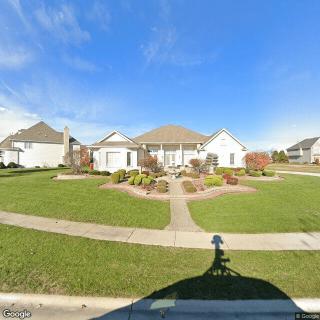
Ignite Christian Health Care Bolingbrook
$3,500 to $4,000 / month13.5 miles away -
from +$125 / mo
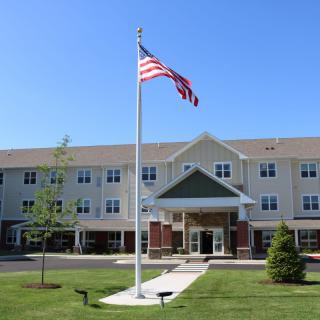
Heritage Woods of Minooka
$4,125 to $4,400 / month19.7 miles away -
About the same
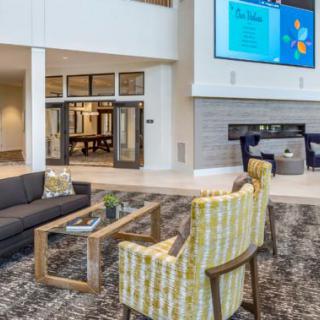
The Landings
$4,000 to $5,000 / month5.6 miles away -
from +$563 / mo
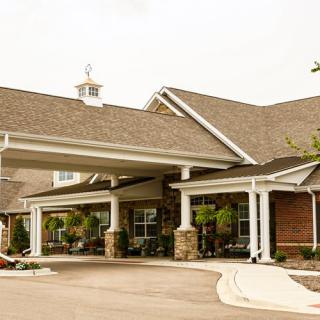
Bickford of Aurora
$4,563 to $5,170 / month4.4 miles away -
About the same
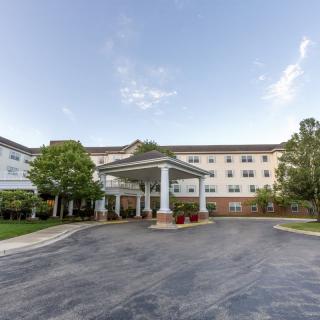
StoryPoint Naperville
$3,884 to $4,643 / month6.3 miles away
Overall Review of Neighbors Next Door Audrey
Pros
 The Neighbors Next Door was excellent.
- It accommodates only four patients, offering a lot of individual care.
- The director was right on top of everything, willing to provide extra services.
- There was a full-time caregiver at the house, so residents were never alone.
- Sanitation was excellent.
- The food was very good, homemade, and not frozen.
Review
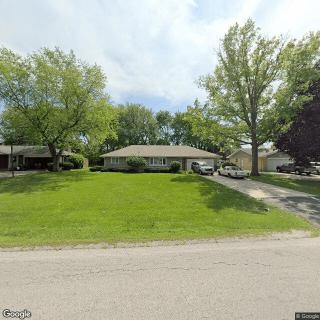
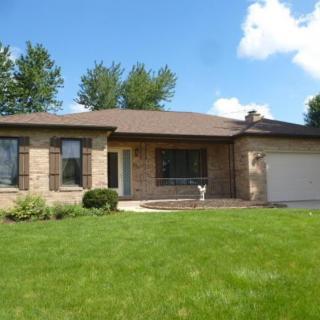
Neighbors Next Door Audrey in Aurora, IL is best suited for seniors who want an exceptionally intimate, home-like setting where care is highly personalized and oversight is visible. With a capacity of just four residents, the community delivers a level of attention larger facilities cannot match. This is not a place for someone who thrives in a bustling campus; it works best for a resident who values consistent routines, direct access to a proactive director, and a caregiver-present environment that feels more like a private home than a traditional facility.
Families weighing alternatives should consider options that offer broader medical support and more extensive social programming. Those needing ongoing skilled nursing, rehab services, or memory care with structured activities may be better served by mid- to large-size communities. If a resident desires expansive on-site amenities, group outings, or a full calendar of programming, the four-resident model can feel sparse. For anyone with complex medical needs requiring 24/7 nursing supervision, a setting with deeper clinical resources is a prudent comparison.
On the upside, the standout strengths center on delivery of care and the environment. A four-resident home guarantees near-total supervision and quick responsiveness. The director’s hands-on approach translates into real flexibility, staff readily accommodates special requests, such as sourcing a specific wheelchair or other adaptive equipment. There is a full-time caregiver on site, ensuring no one is left unattended, and sanitation is reported as excellent. Meals are homemade, delivering comforting nutrition and avoiding the monotony of frozen options.
Every decision has to reckon with the limitations that come with such compact staffing. The obvious trade-off is scale: social opportunities hinge on a small group, which can be limiting for residents who crave a broader peer network or more varied programming. If nights and weekends require coverage beyond daytime hours, families should verify what remains available after regular hours, and whether on-call staff can manage urgent needs promptly. With only four residents, there is less redundancy if illness or vacations reduce the on-site team.
Yet the advantages largely mute these concerns. The intimate setting accelerates health observation, allowing quick tweaks to care plans and consistent communication with families. A director who stays on top of details reduces the risk of missed equipment or delayed services, while the home atmosphere reduces stress and fosters dignity. Meticulous sanitation and fresh, home-cooked meals combine to create a sense of security that is difficult to replicate in larger facilities.
Decision-makers should target this community if the priority is a tailor-made, low-stress care experience built around four residents. Prospective renters should confirm the exact staffing model, night-time coverage, and the process for care-plan updates, as well as ongoing access to medical professionals. Practical steps include touring the home, reviewing licensing and caregiver credentials, asking for sample menus and dietary accommodations, and discussing pricing and what it includes. For families prioritizing warmth, cleanliness, and a director who acts as a true partner, Neighbors Next Door Audrey stands out as a pragmatic, high-trust option.
 4 resident community capacity
 Assisted Living
 Board and Care Home
 Activities on-site
 Beautician on-site
 Cable or satellite TV
 Devotional services on-site
 Dining room
 Fully furnished
 Garden
 Housekeeping services
 Move-in coordination
 Outdoor common areas
 Private
 Respite or short term stays offered
 Telephone
 Wheelchair accessible showers
 Wi-Fi/high-speed internet available
 Chicago O'Hare International (24 miles away)
 24-hour supervision
 Assistance with bathing
 Assistance with dressing
 Assistance with transfers
 Diabetes diet
 Diabetic care
 High acuity care
 Meal preparation and service
 Medication management
 Special dietary restrictions
 Transportation arrangement (medical)
 Transportation to doctors appointments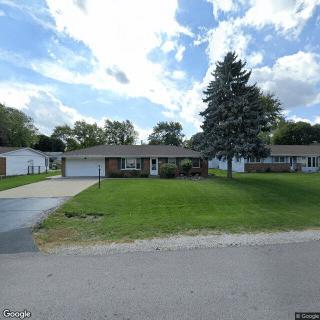


 When to Transition from Assisted Living to Memory Care: Key Indicators, Steps, and Finding the Right Community
 Assisted Living and Memory Care: Understanding Their Core Differences
 Beyond the Bingo Hall: 50+ Enriching Activities for Seniors in Assisted Living