
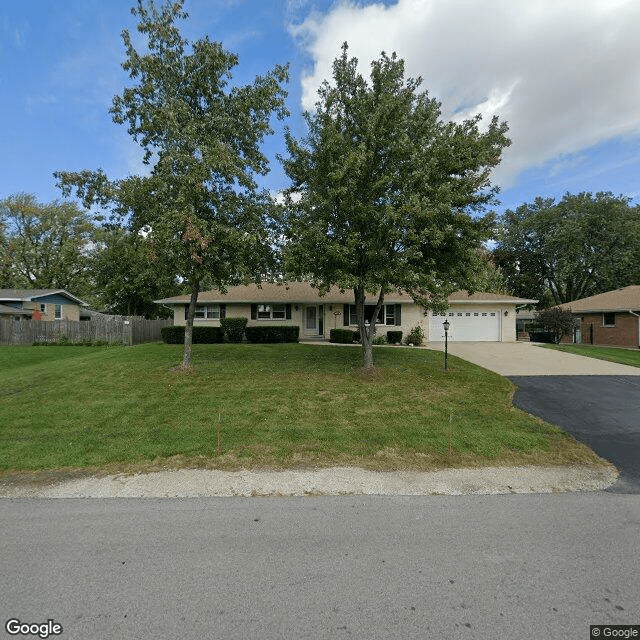
700 Gerten Ave, Aurora, IL 60505
To contact a resident: (630) 859-0425
For more information about senior living options: (866) 208-4318
The Neighbors Next Door - Gerten 1 Costs & Pricing
The Neighbors Next Door - Gerten 1 offers competitive pricing for its accommodations, with both private and semi-private rooms available at a monthly rate of $4,000. This cost is notably lower than the average rates in Kane County, which stand at approximately $4,124 for private rooms and $4,418 for semi-private options. When compared to the broader Illinois state averages of $5,049 for private and $5,146 for semi-private rooms, Gerten 1 presents a more economical choice without compromising on quality care and community engagement. Overall, it stands out as an appealing option for those seeking value in their housing decisions while ensuring quality support services are readily accessible.
| Floor plans | The Neighbors Next Door - Gerten 1 | Kane County | Illinois |
|---|---|---|---|
| Private | $4,000 | $4,124 | $5,049 |
| Semi-Private | $4,000 | $4,418 | $5,146 |
Senior living communities with a similar price nearby
-
from -$190 / mo

24/7 BrightStar
$3,810 to $5,970 / month23.0 miles away -
from -$500 / mo
Pheasant Branch
$3,500 to $4,000 / month7.7 miles away -
from -$500 / mo
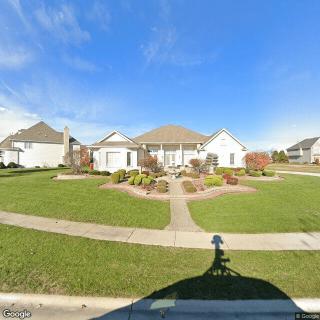
Ignite Christian Health Care Bolingbrook
$3,500 to $4,000 / month13.5 miles away -
from +$125 / mo
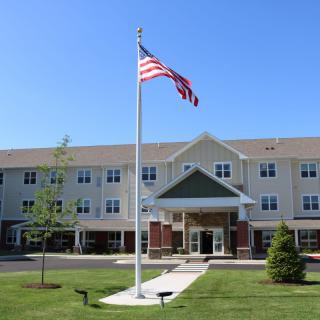
Heritage Woods of Minooka
$4,125 to $4,400 / month19.8 miles away -
About the same
The Landings
$4,000 to $5,000 / month5.6 miles away
Overall Review of The Neighbors Next Door - Gerten 1
Pros
 Sheila is an angel.
- Sheila and her staff provided compassionate care for the reviewers’ parents.
- They are exceptional, and it’s hard to imagine a better place for a loved one.
- The homes are small, private, and intimate, with exemplary attention to compassionate care.
- Tina and the owner, Mrs. White, show a special love for residents and treat them with affection.
- The homes maintain a clean environment and a favorable staff-to-resident ratio.
- The community is quiet, friendly, and highly recommendable.
Cons
 One CNA could have as many as 8–10 residents to care for.
- The reviewer was shocked by the price at the beginning.
- The reviewer moved their mom from a really excellent facility to The Neighbor's Next Door because of cost.
- Mom's agitation level was high because of the number of residents at her former Memory Care Facility.
Review
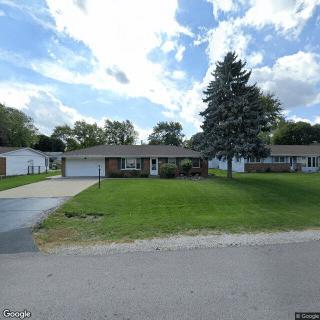
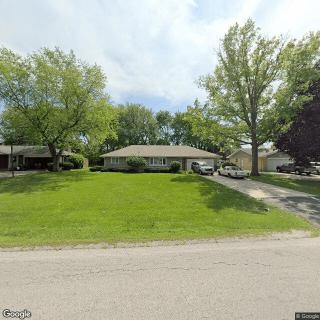
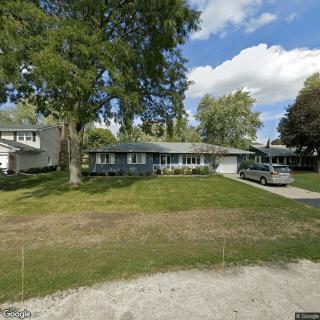
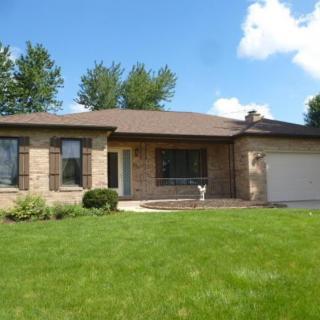
This community is best suited for families seeking an exceptionally intimate, home-like setting for a loved one who thrives on personal attention, quiet surroundings, and a small-scale living arrangement. The Neighbors Next Door - Gerten 1 operates four residential ranch homes in a quiet Aurora neighborhood, with a maximum of five residents per house and a generous caregiver ratio (two CNAs per home). The overarching vibe is warm, consistent, and deeply affectionate, driven by hands-on ownership and the staff’s demonstrated commitment to treating residents as cherished individuals. For families prioritizing dignity, routine, and private, tidy living space over large campuses and formal programming, this is a standout option.
Where this community diverges from larger, activity-heavy facilities, it becomes important to identify who may want alternatives. Families seeking a robust daily activities calendar, frequent outings, or highly structured programming may find the small footprint limiting. Similarly, those with higher medical or specialized memory-care needs may want to compare options with more on-site clinical support or formal dementia programming. A few reviewers noted the cost upfront, and prospective buyers should weigh that cost against perceived value, especially when comparing the level of individualized attention and private, home-like ambiance with that of larger, more resource-rich communities.
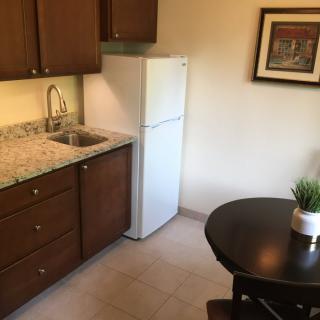
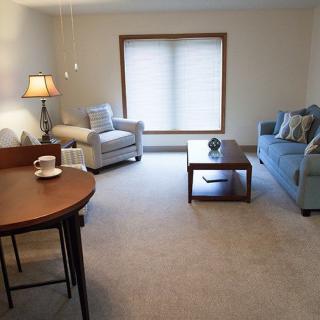
The strongest positives here are concrete and meaningful: exceptional caregiver relationships, meticulous cleanliness, and a truly home-centric environment. Sheila White and her staff are repeatedly described as compassionate and attentive, with stories of personal touches, nails done weekly, affectionate nicknames, and a sense that residents are genuinely pampered. The small house model, with a low resident tally and a high caregiver presence, translates into consistent routines, fewer transitions, and less agitation for residents with dementia or anxiety. Families report that their loved ones feel seen and cherished, which in practice often translates into better mood, steadier days, and a clear sense of belonging.
That same small-scale, home-first model also helps offset some potential drawbacks. While there may be fewer planned activities than in larger communities, the intimate setting fosters predictability, safety, and individualized care plans. For a dementia diagnosis or advanced aging needs, the close caregiver-to-resident ratio means more hands-on support, more eye contact, and quicker responsiveness. The trade-off, less emphasis on on-site programming, pays off in a calmer daily rhythm, fewer residents competing for attention, and stronger personal bonds with caregivers who remember routines, preferences, and life stories.
However, practical planning should account for limits inherent to this model. For families navigating long-term memory-care needs, it’s essential to confirm that the level of medical oversight and cognitive-stimulation opportunities will persist as needs evolve. Residents benefit from close relationships and home-like comforts, but those requiring frequent clinical intervention, hospital-type monitoring, or intensive memory-care activities may outgrow the facility’s offerings. Cost is another factor to monitor: several reviewers acknowledged sticker shock at first, tempered by the sense that what is delivered, high-quality care in a congenial setting, justifies the price for many families.
Ultimately, the decision hinges on what a family prioritizes most. If the objective is a serene, dignified, highly individualized living arrangement where staff know residents by name, where care feels personal and consistent, and where a sense of “home” is tangible, The Neighbors Next Door - Gerten 1 should be near the top of the short list. The model works best for seniors who do not need a bustling activities calendar or heavy clinical infrastructure, and for families who want transparent, compassionate care in a small, home-like footprint. For those who require more social programming, broader activity options, or robust, on-site medical resources, it pays to explore larger assisted living communities or specialized memory-care facilities as competitive alternatives.
 Board and Care Home
 Cats allowed
 Dogs allowed
 Activities off-site
 Beautician on-site
 Devotional services off-site
 Indoor common areas
 Outdoor common areas
 Private
 Respite or short term stays offered
 Wheelchair accessible showers
 Chicago O'Hare International (24 miles away)
 Ambulatory care
 High acuity care
 Medication management
 Meals provided

 Exploring Nonmedical Home Care: Understanding Services, Costs, and Financial Approaches
 Engaging Brain Games and Innovative Apps to Keep Senior Minds Active
 Effective Strategies for Keeping Seniors' Minds Active: A Deep Dive into Brain Games and Apps