Bright Oaks of Aurora

Save

  • Interior

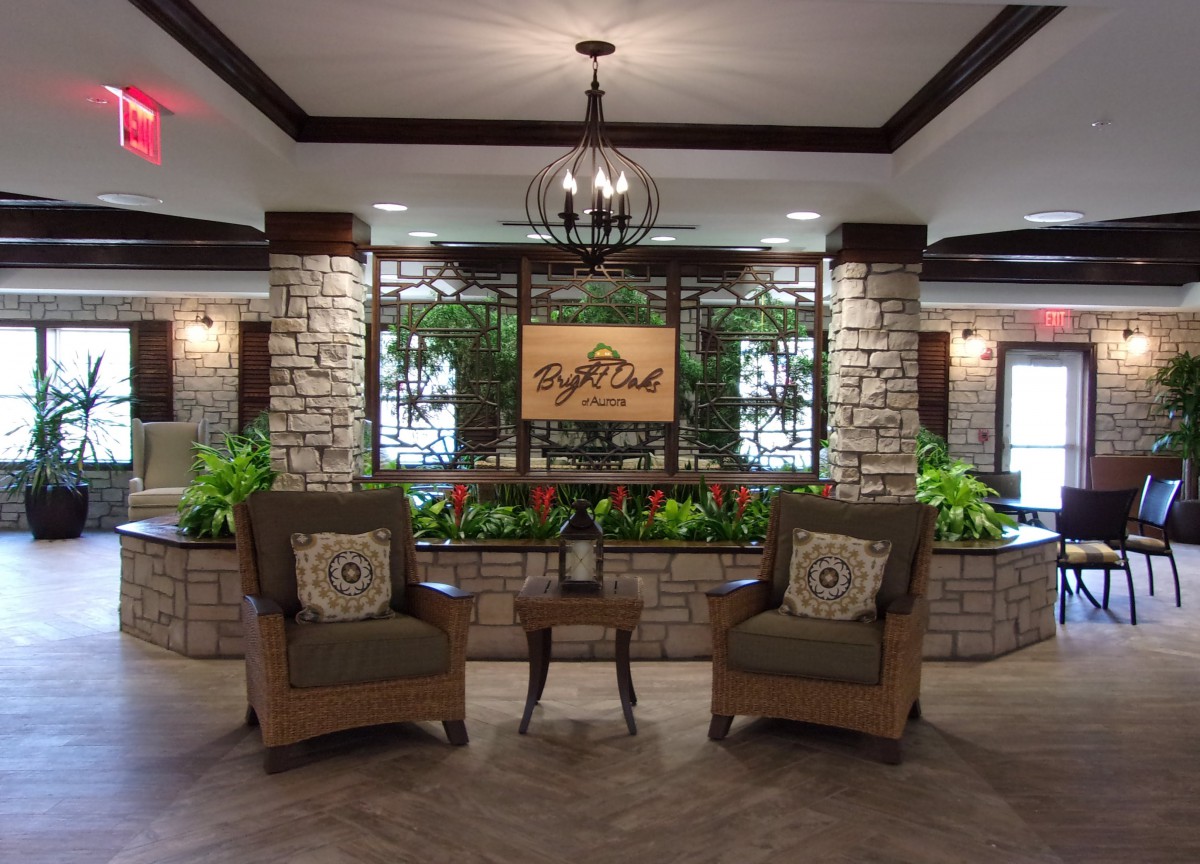
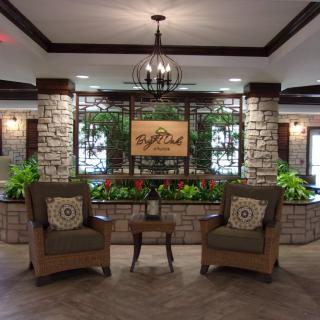
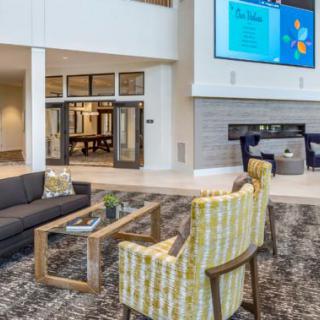
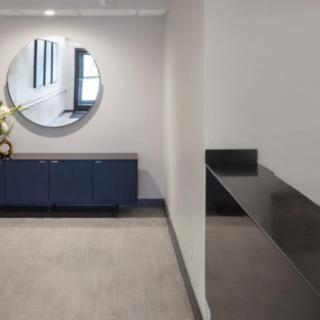
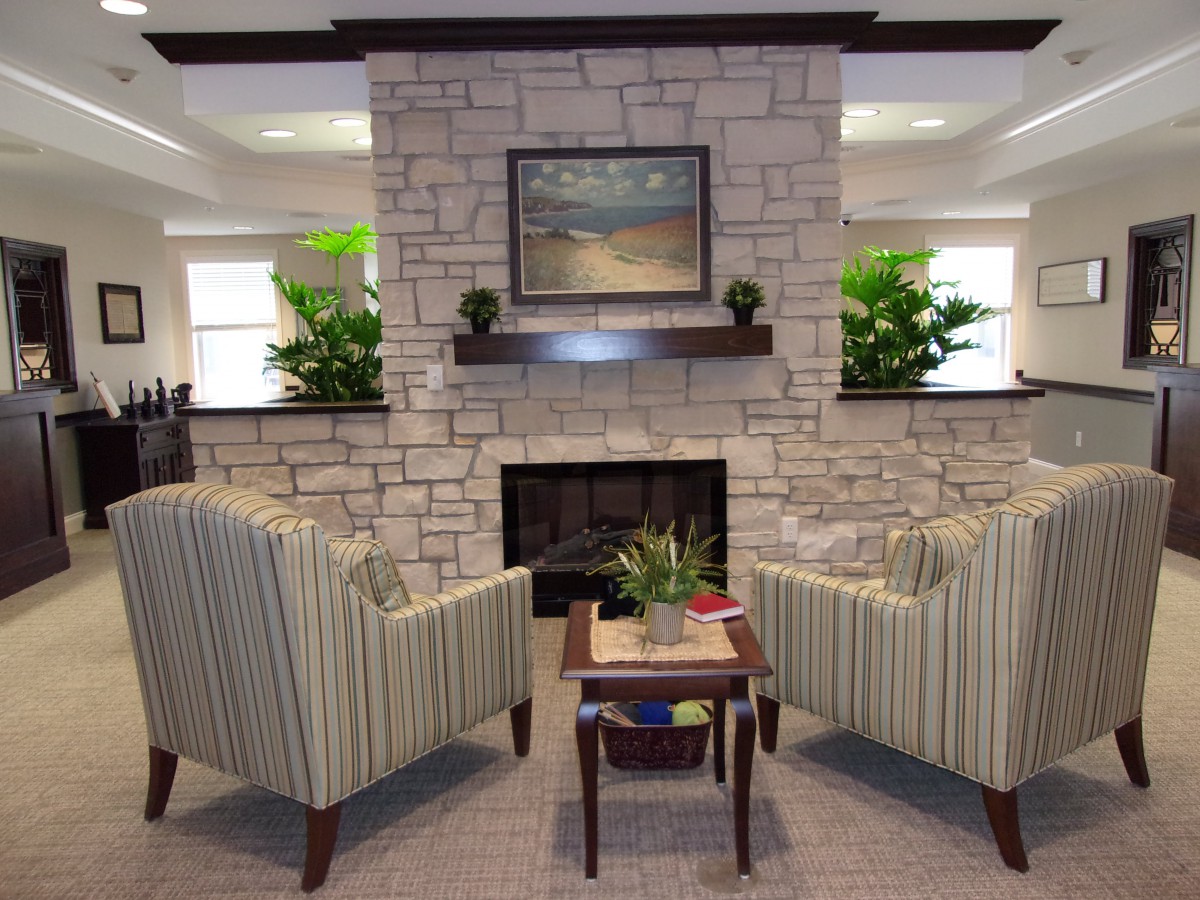
    A cozy lobby area with two chairs, decorative plants, and ambient lighting.
  • Decor

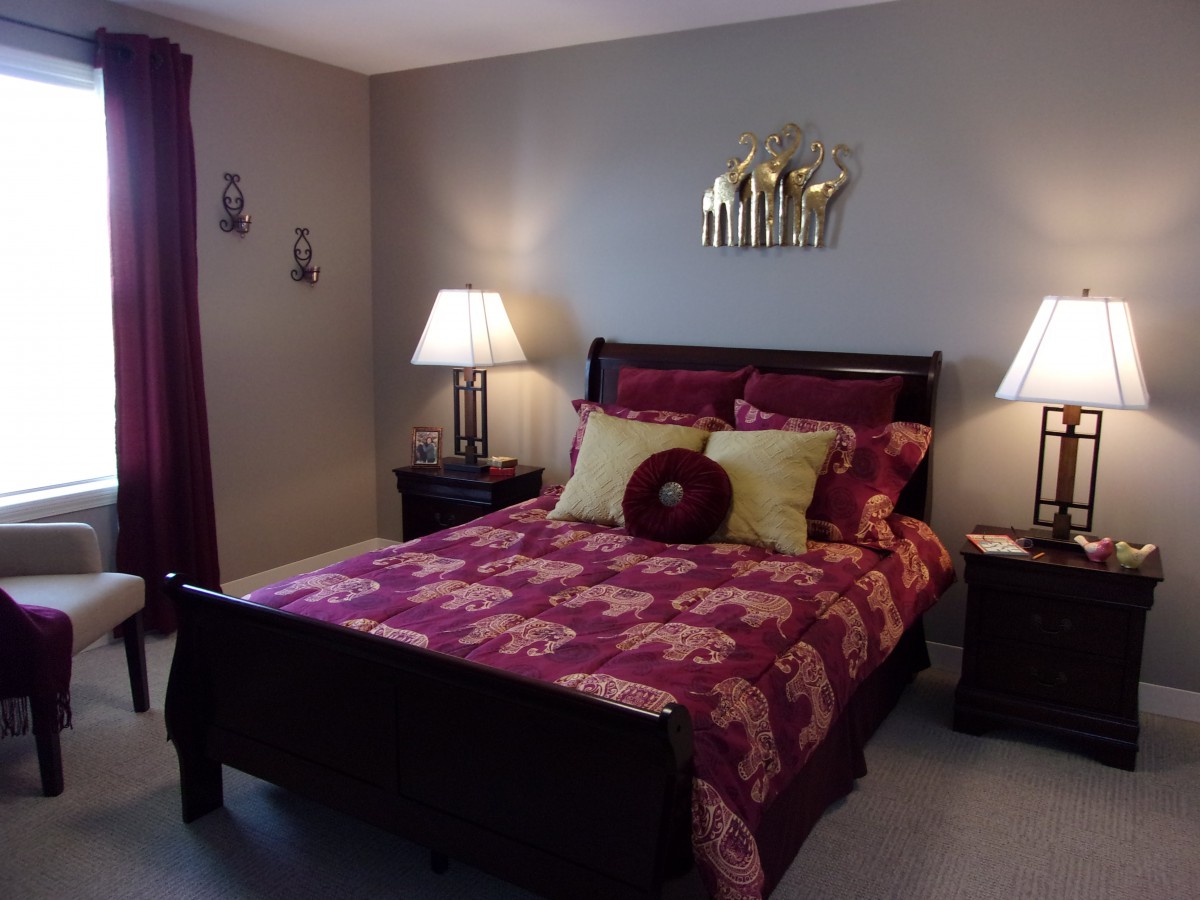
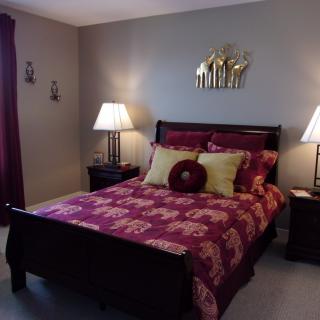
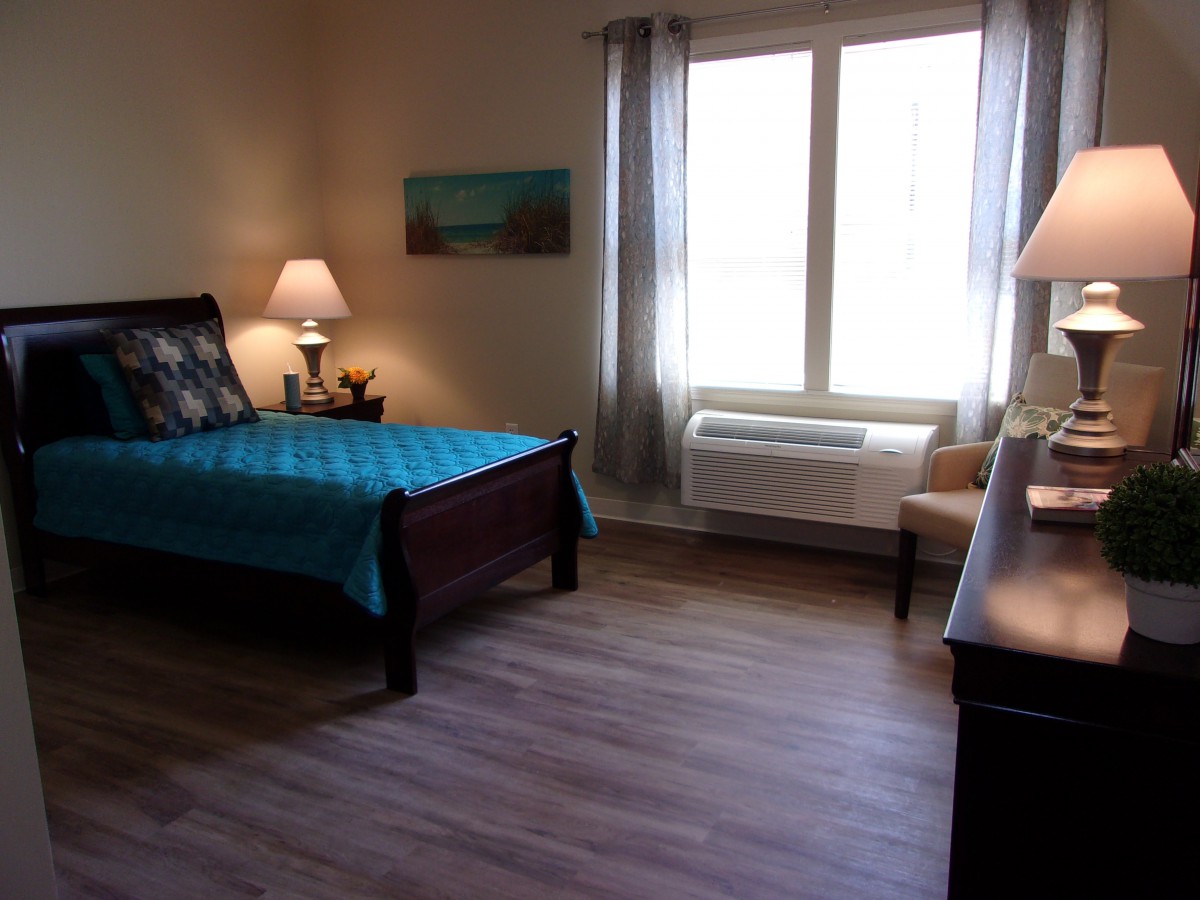
    A cozy bedroom with elegant decor and lighting.
  • Living Room

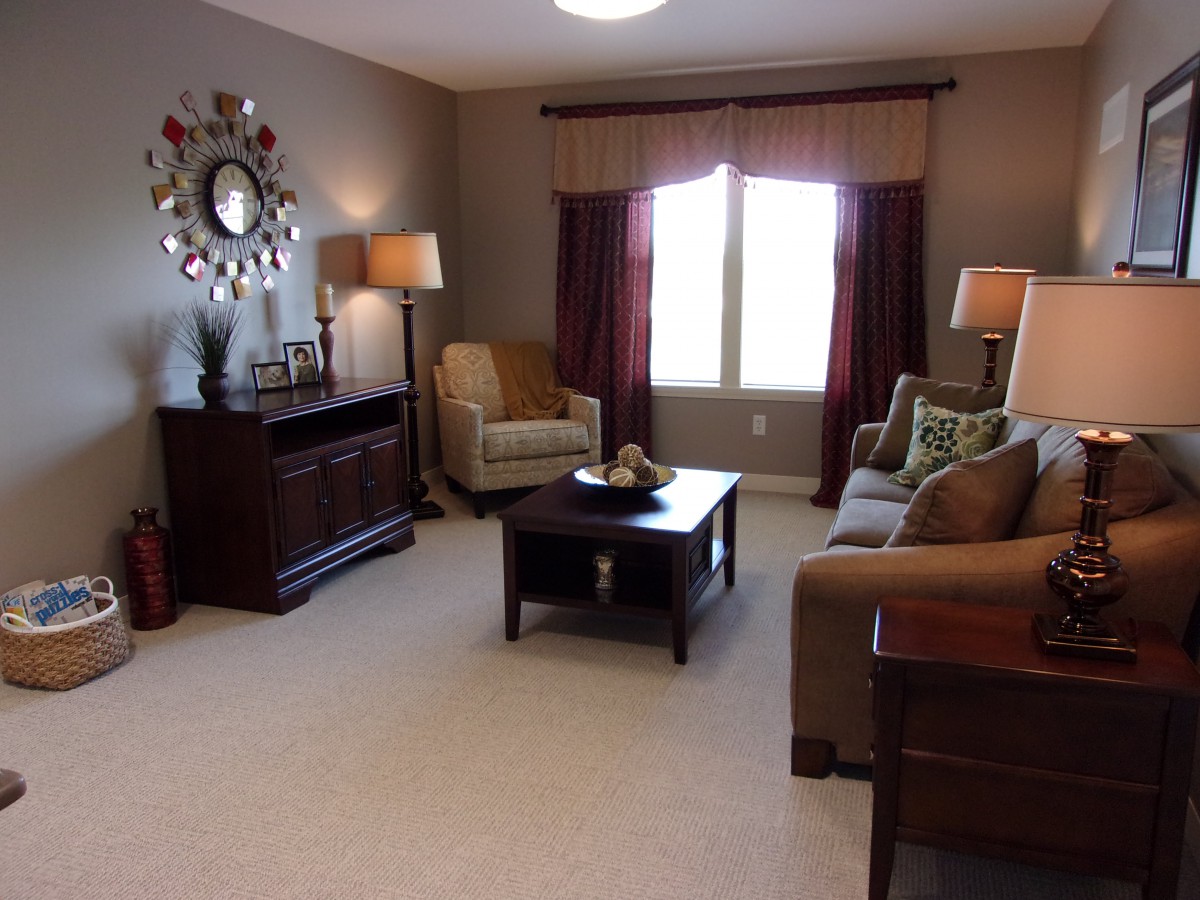
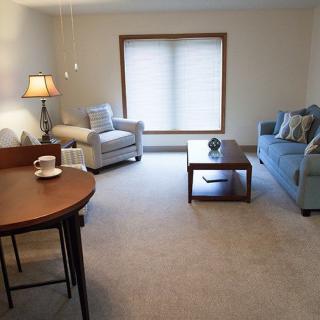
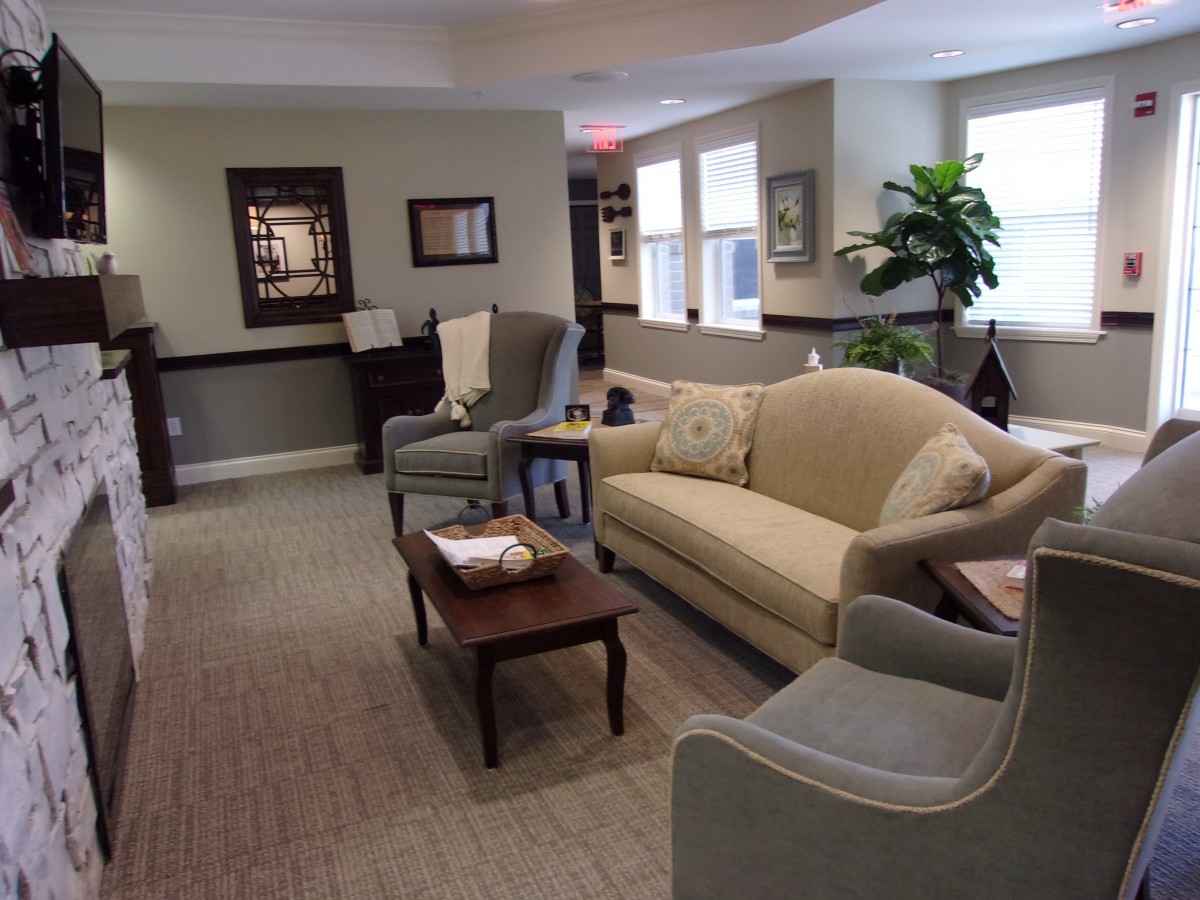
    Cozy living room with comfortable seating and stylish decor.
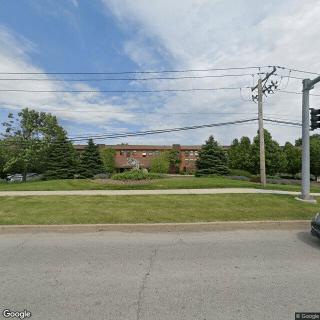
  • Building

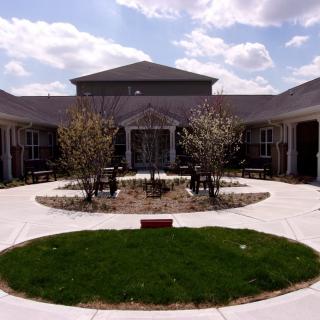
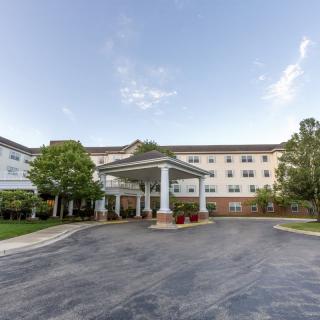
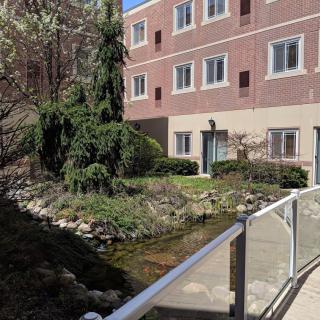
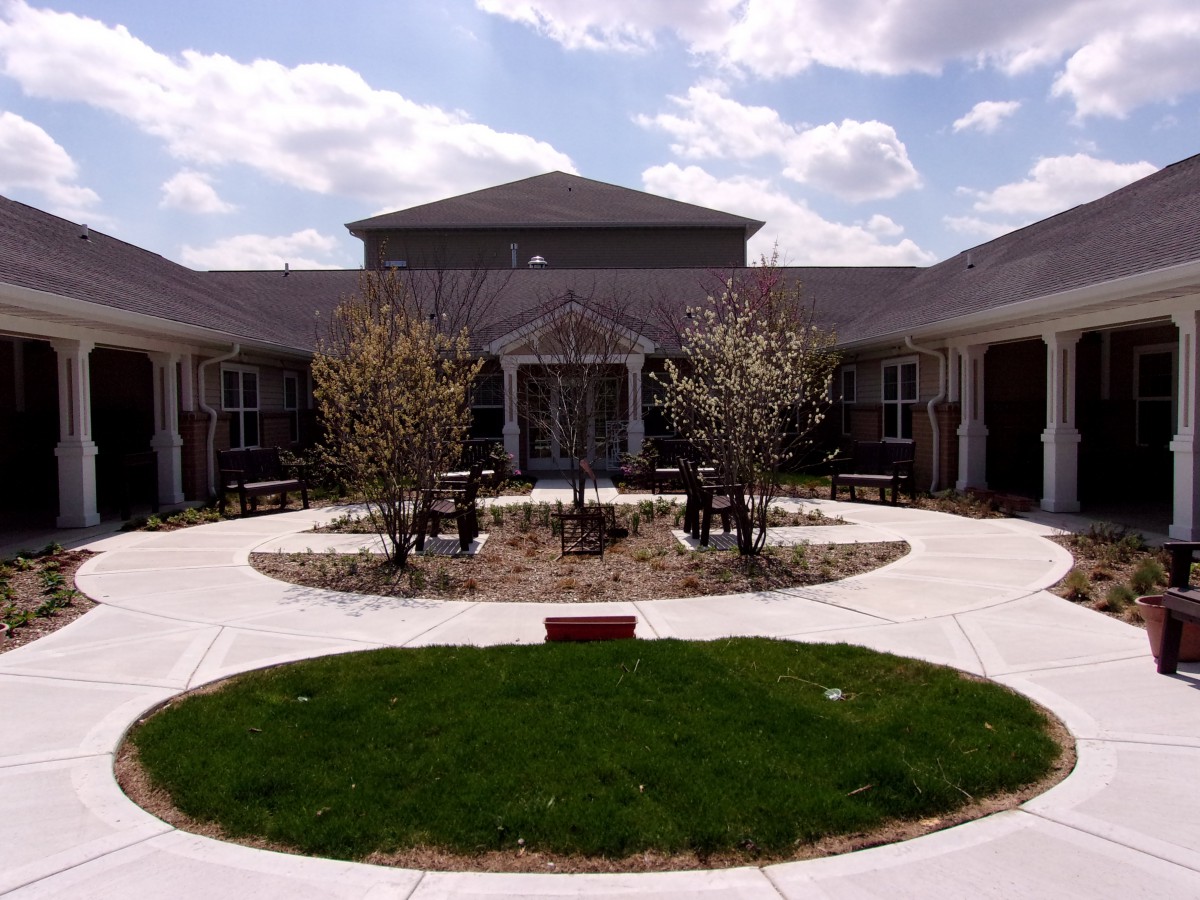
    A courtyard featuring a central lawn area with young trees, surrounded by a building under a cloudy sky.
  • Architecture

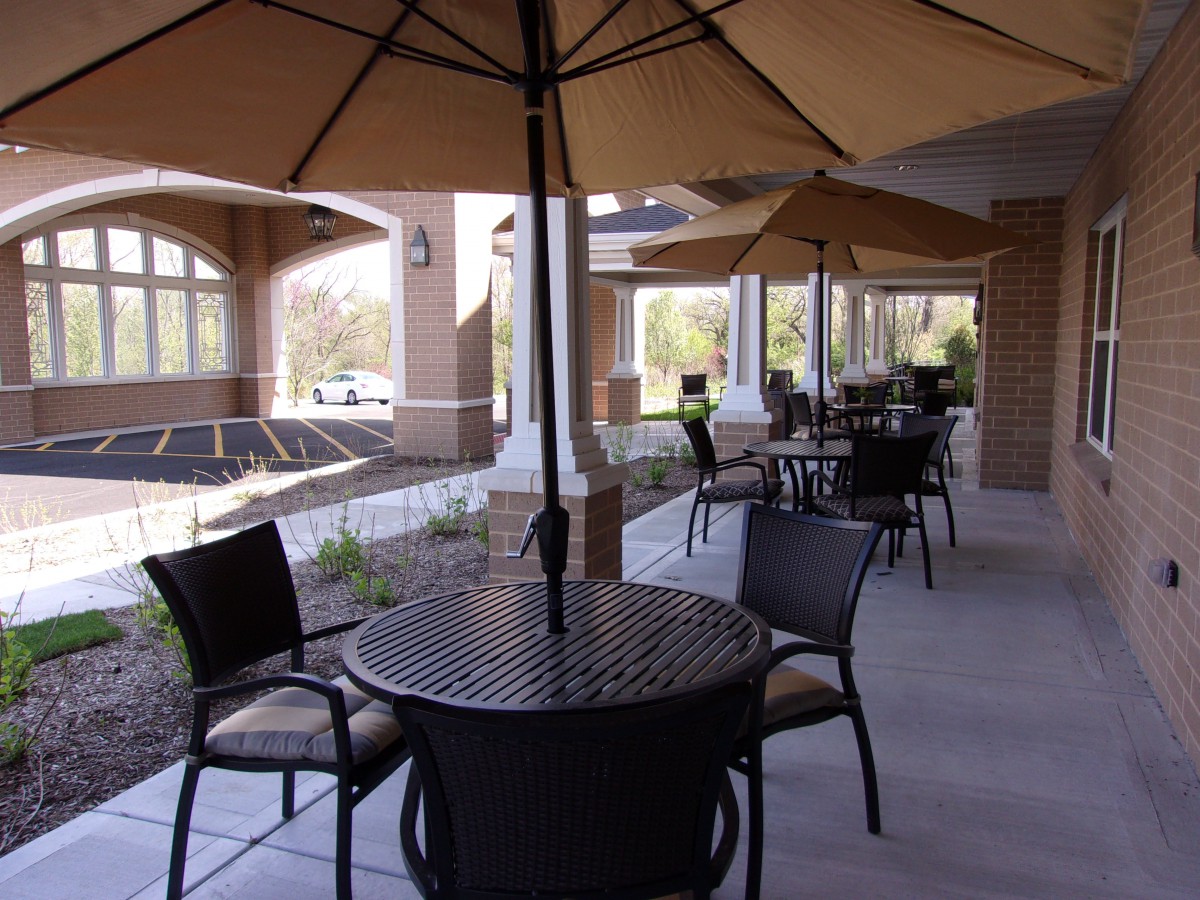
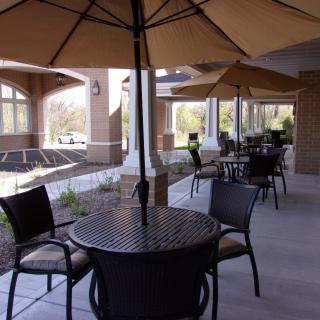
    A spacious outdoor patio with tables, chairs, and umbrellas for shade.
  • Bedroom

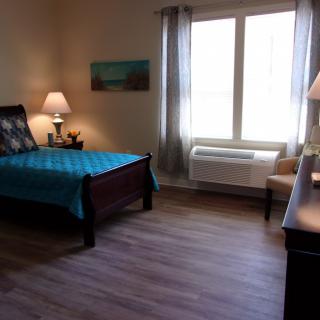
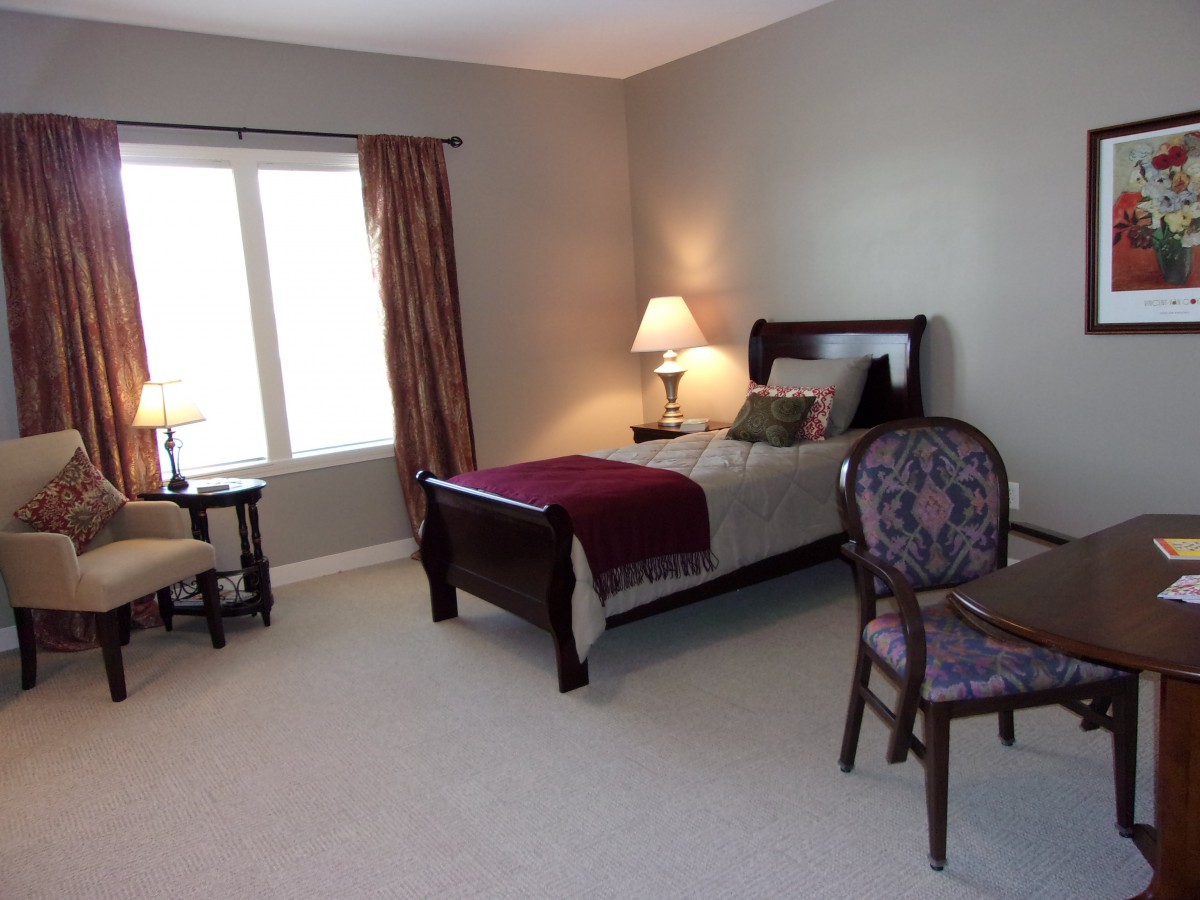
    A cozy bedroom with a large window, comfortable bed, and tasteful decor.
  • Windows

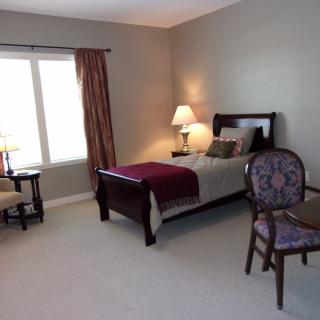
    A cozy bedroom with a single bed, lamp, and window with curtains.
  • Dining

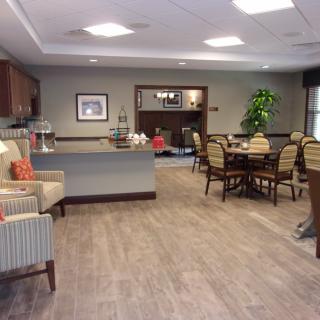
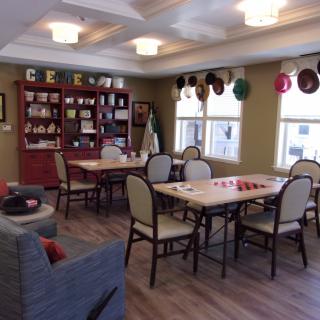
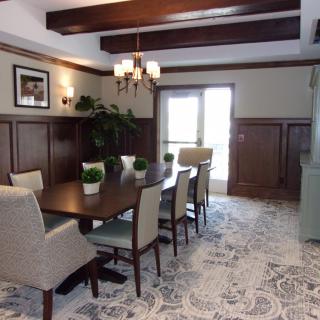
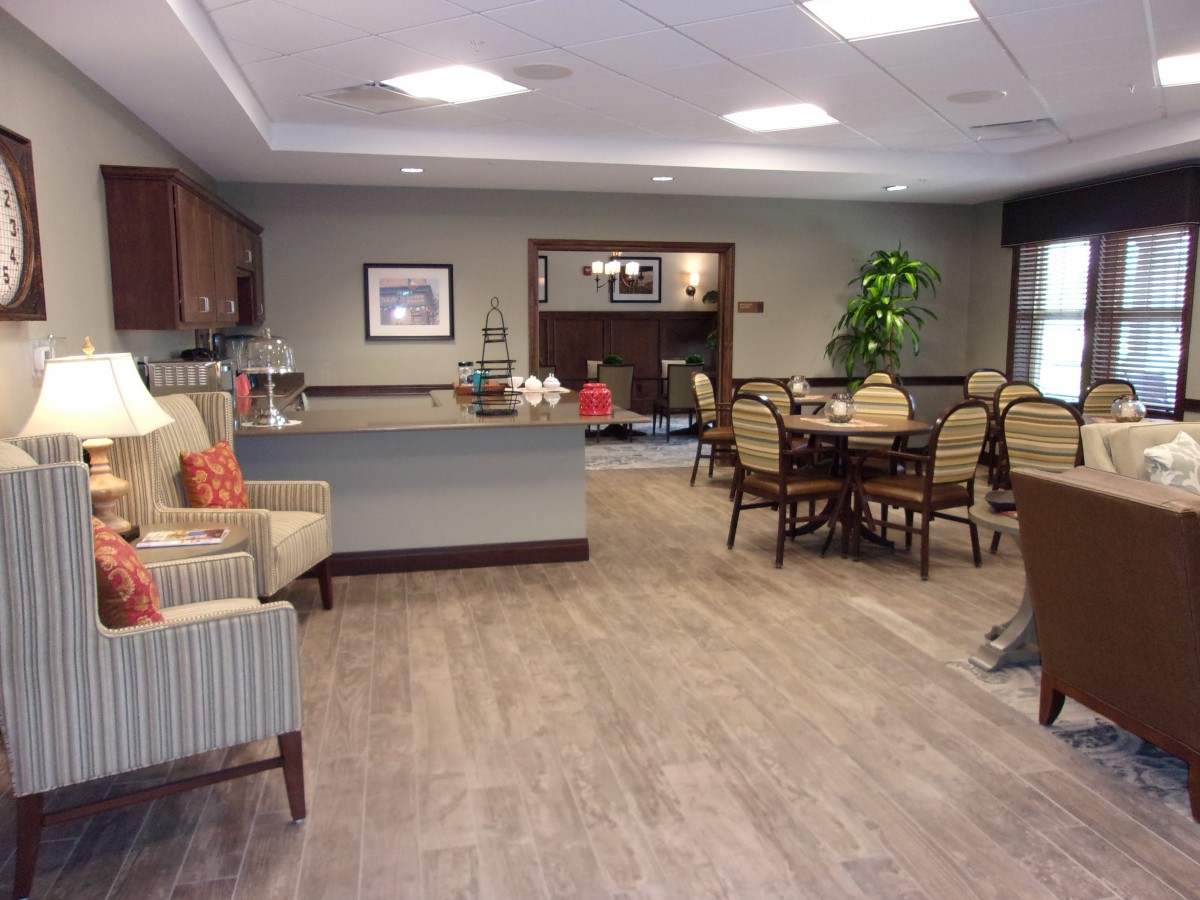
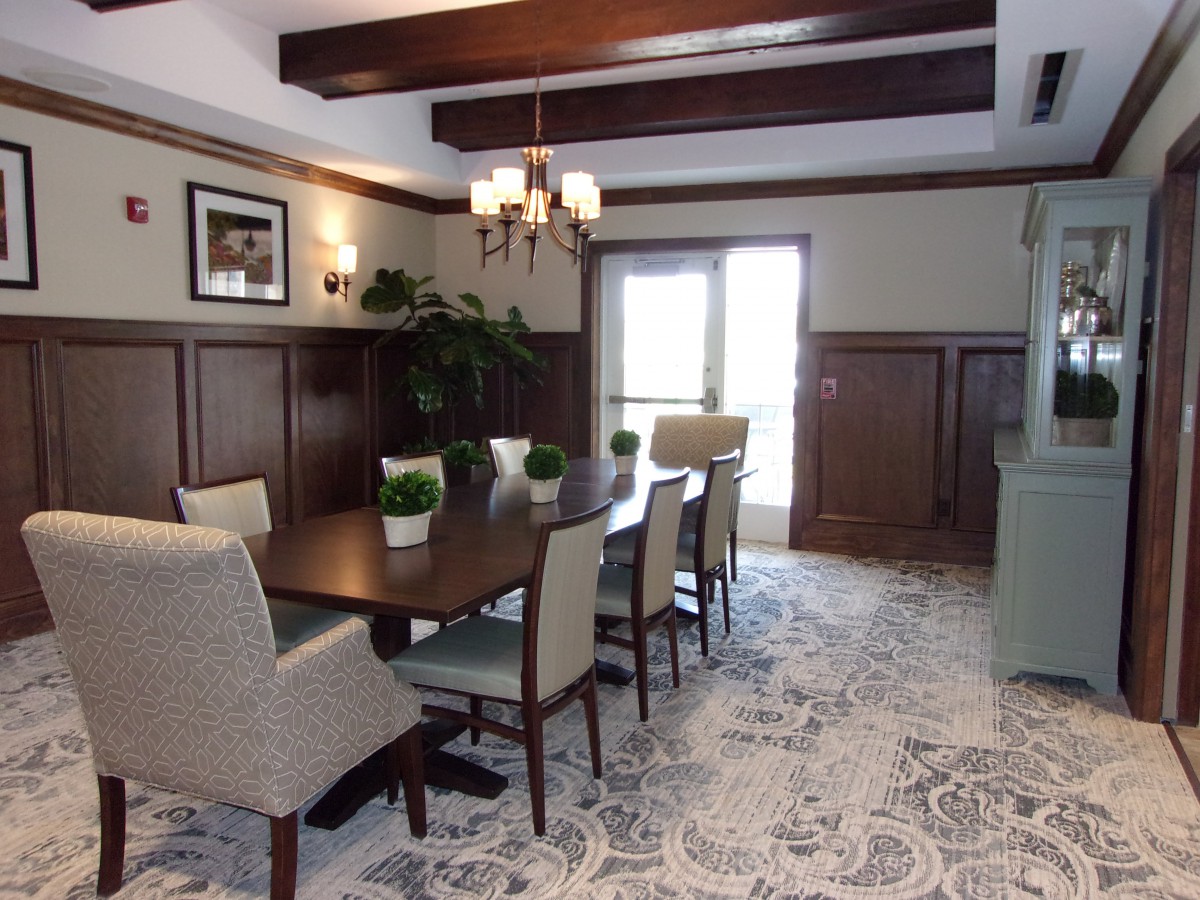
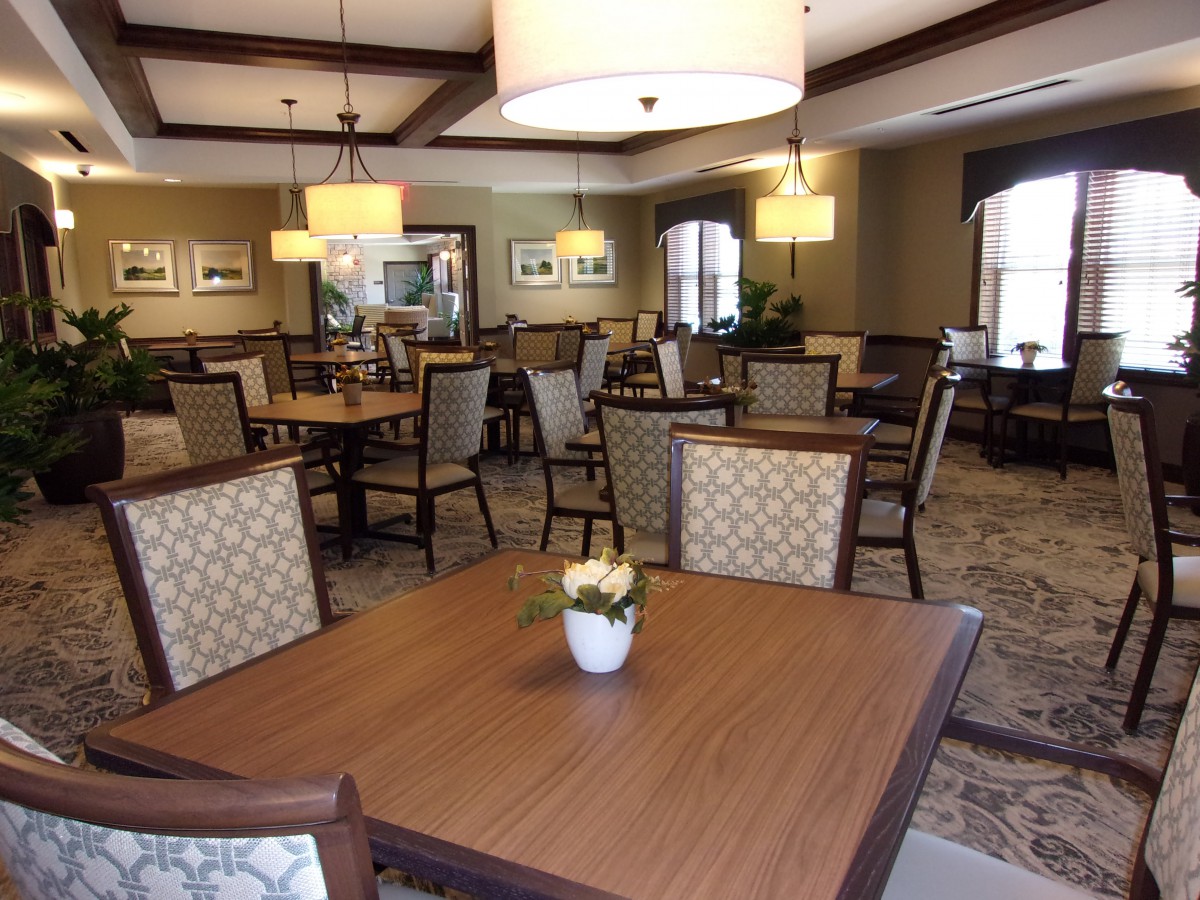
    A modern lounge and dining area with comfortable seating and contemporary decor.
  • Kitchen

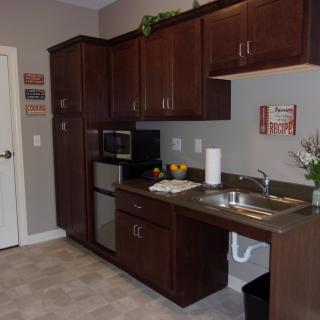
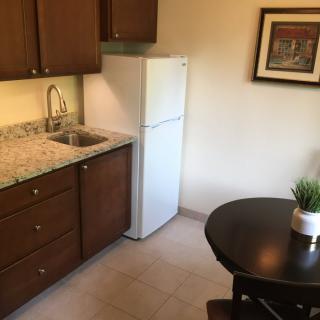
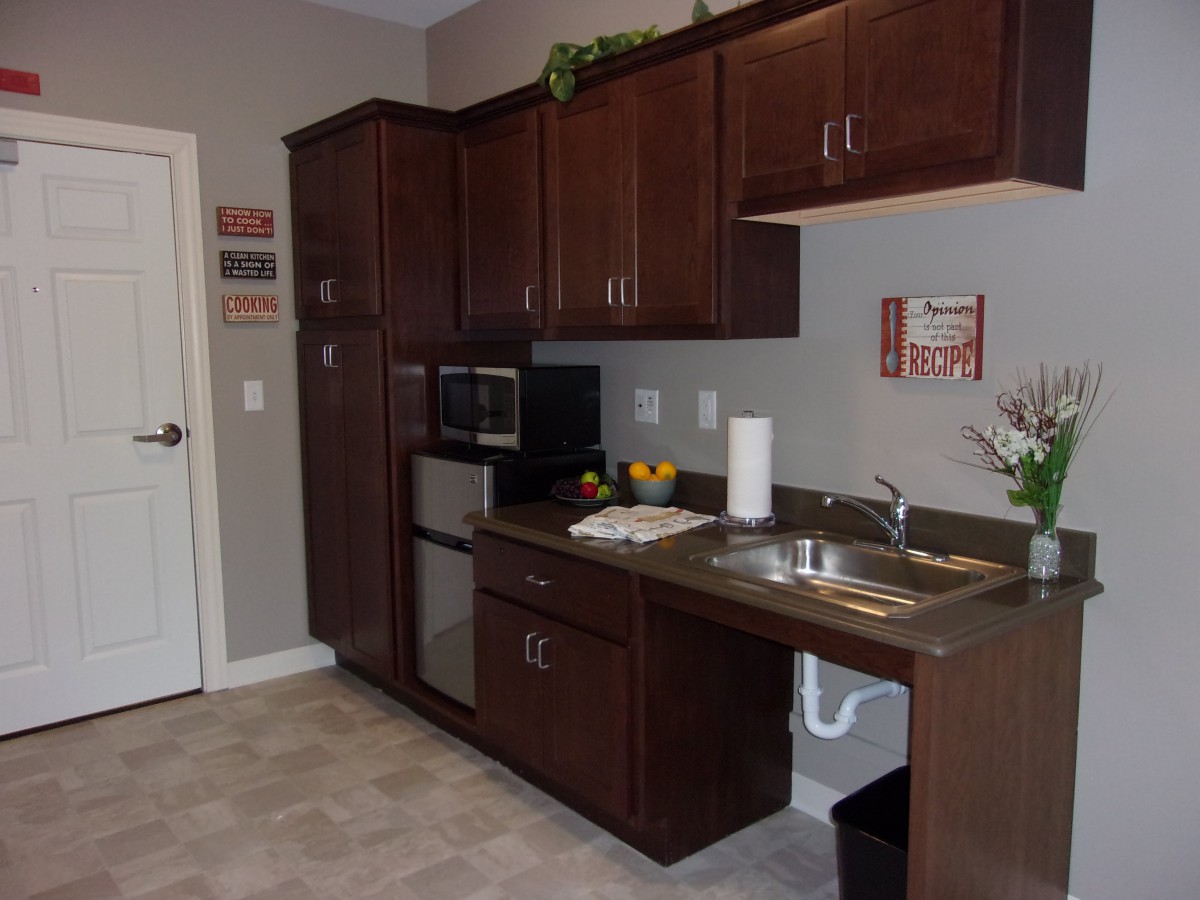
    A compact kitchen area featuring dark wood cabinets, a microwave, and a small sink.
  • Lighting

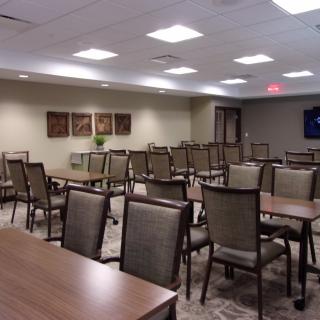
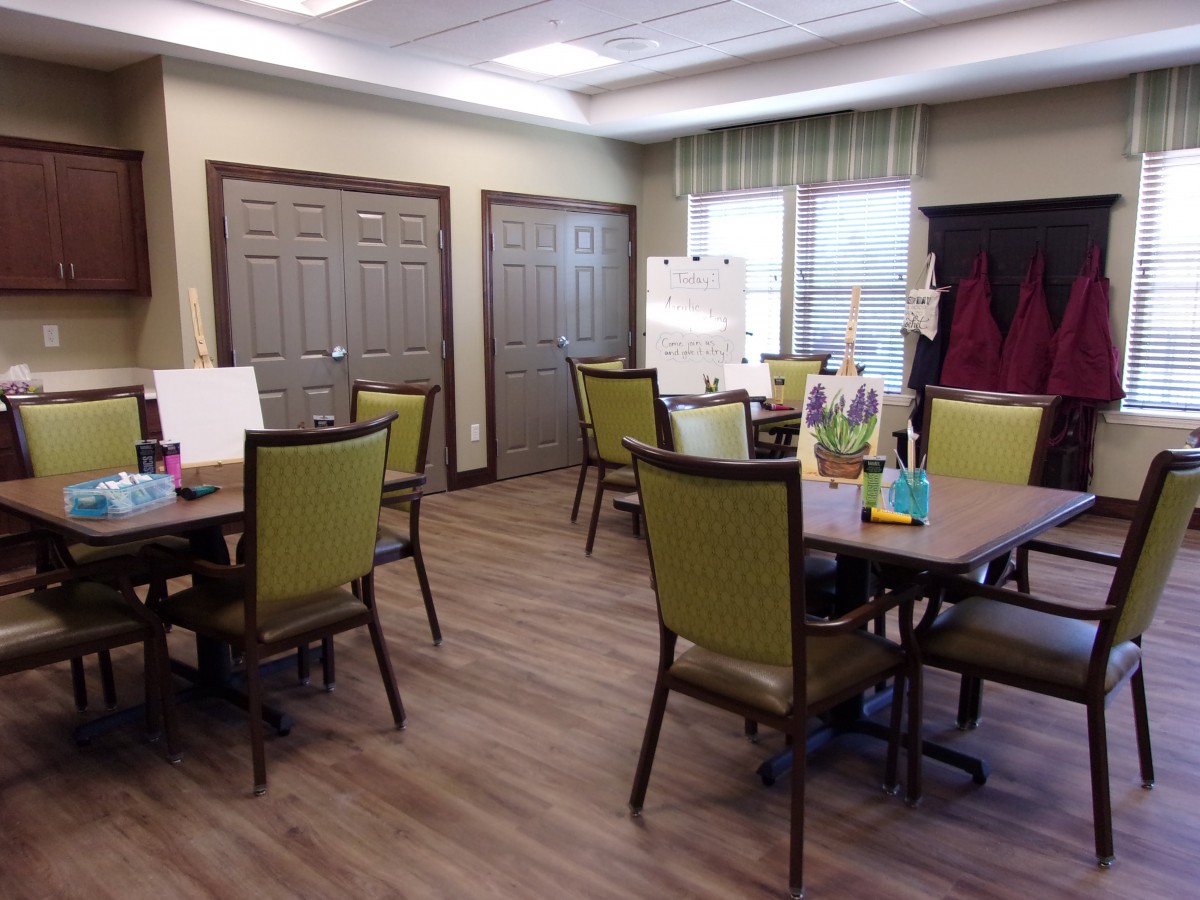
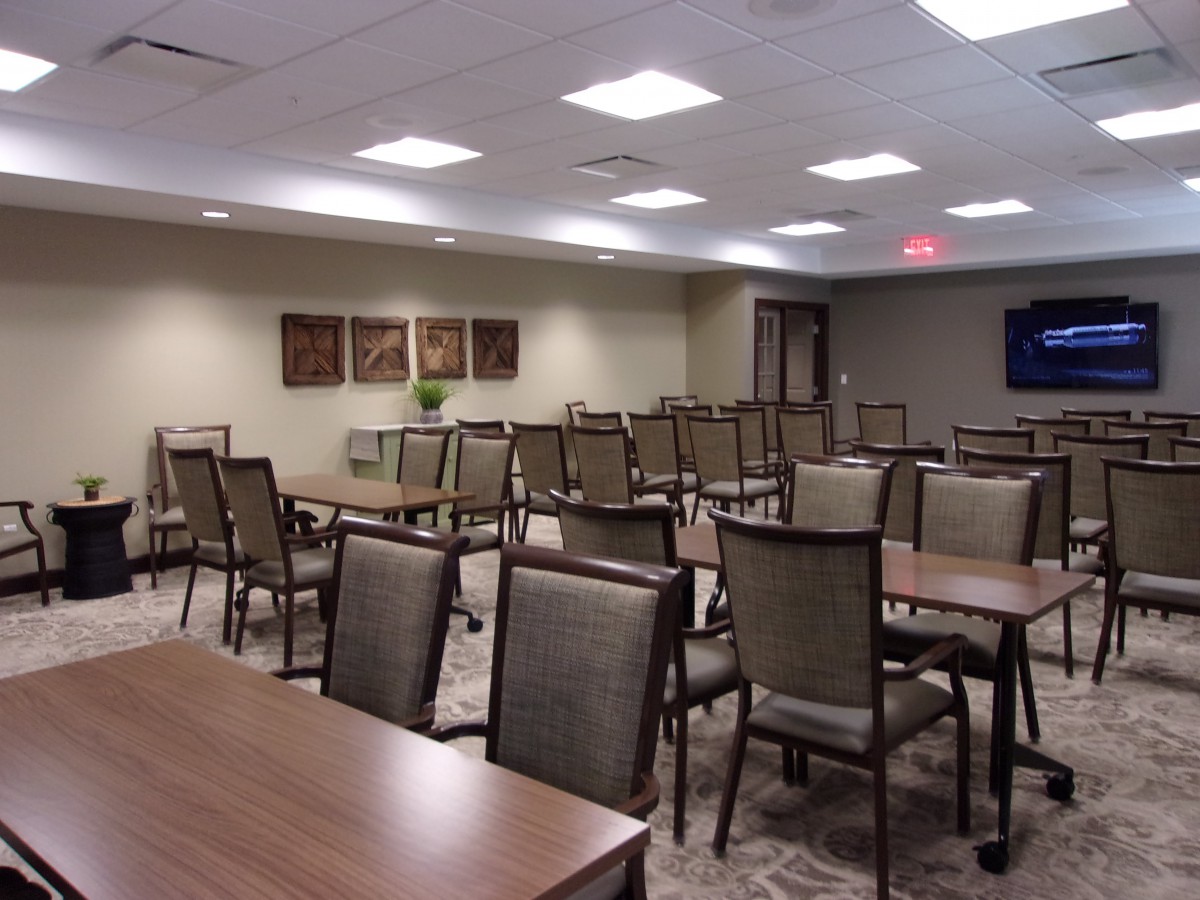
    An empty conference room with neatly arranged tables and chairs.
  • Seating Area

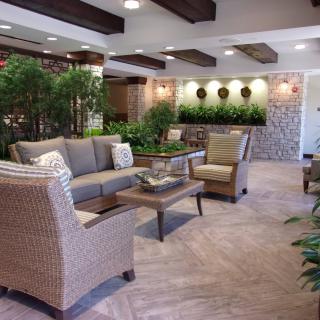
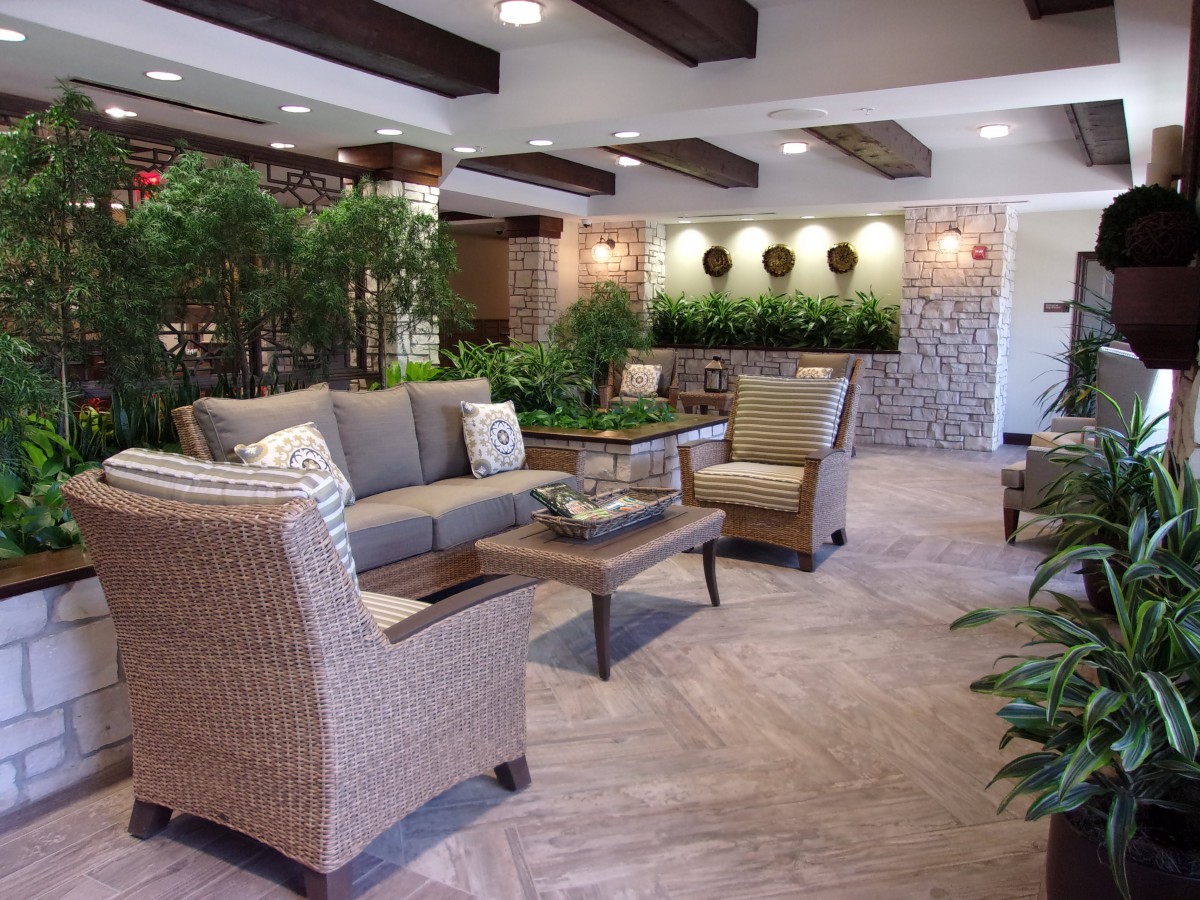
    A cozy living room with modern decor features a seating area surrounded by lush indoor plants.
  • Fireplace

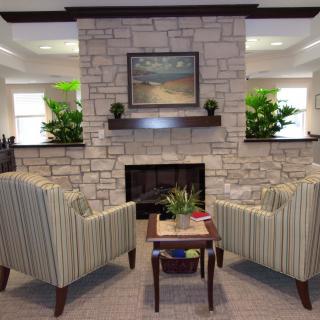
    A cozy living room setup featuring a stone fireplace flanked by two striped armchairs and decorated with lush green plants.
  • Outdoor

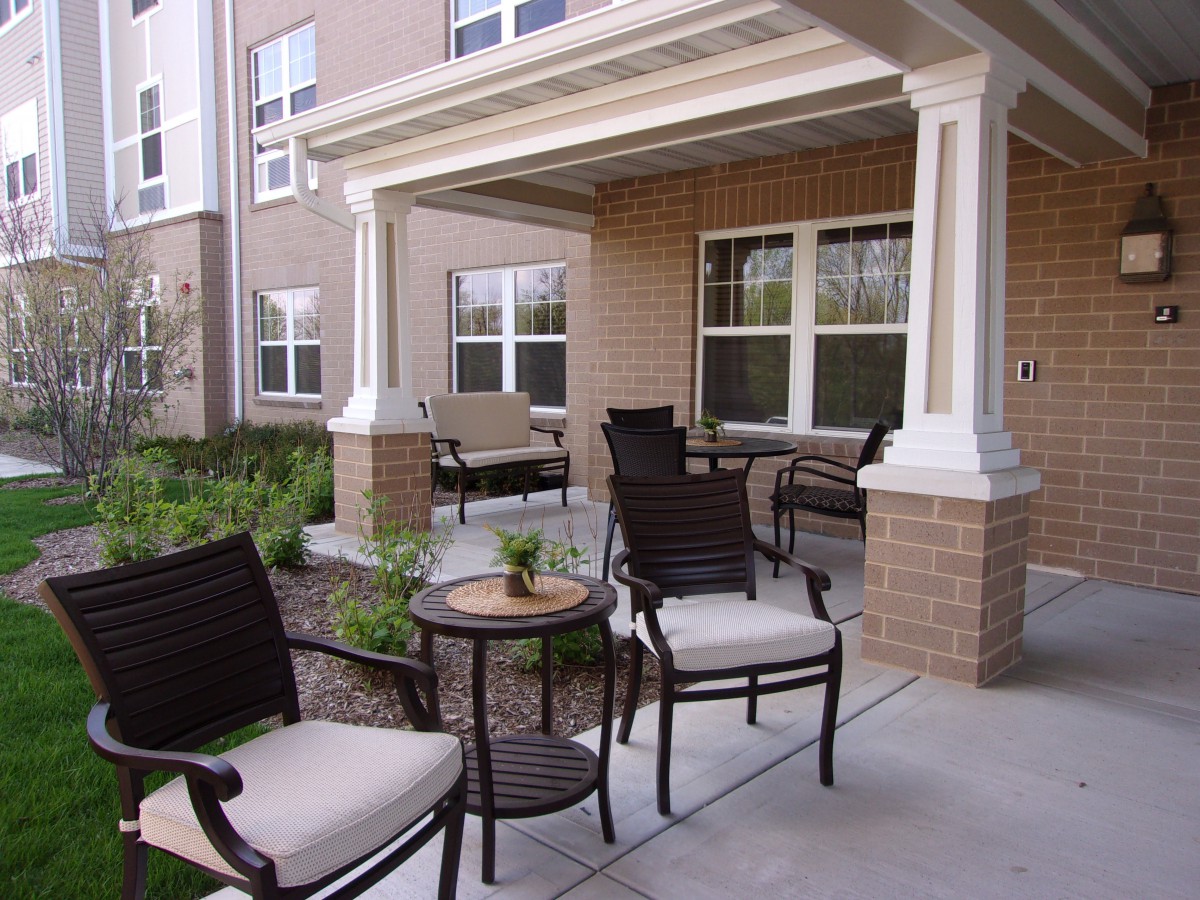
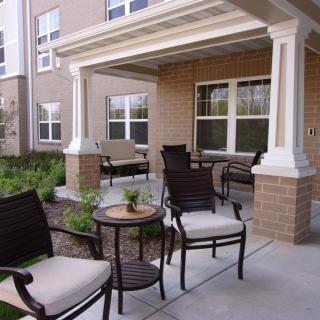
    A cozy outdoor patio with seating and a small table, set against a building with large windows.
  • Bathroom

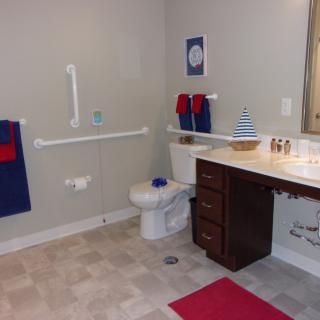
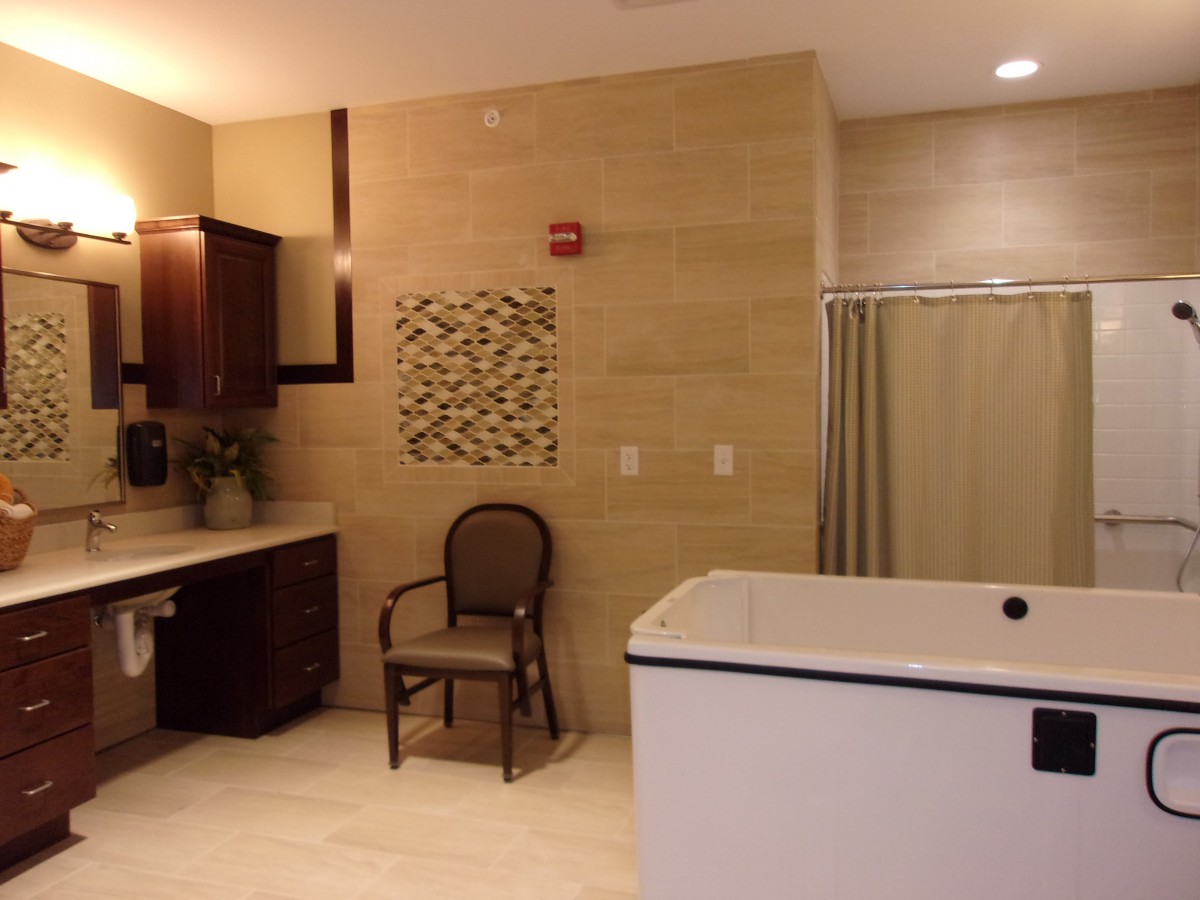
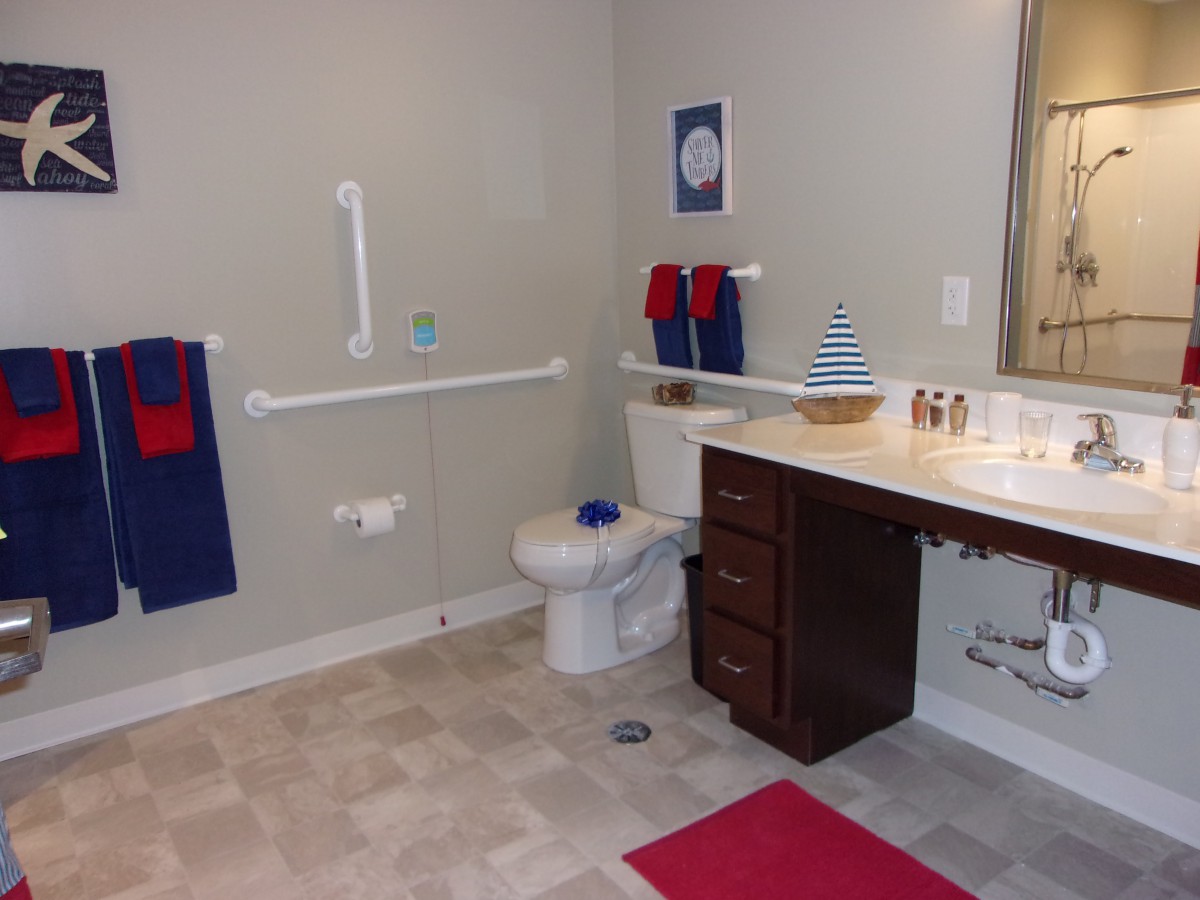
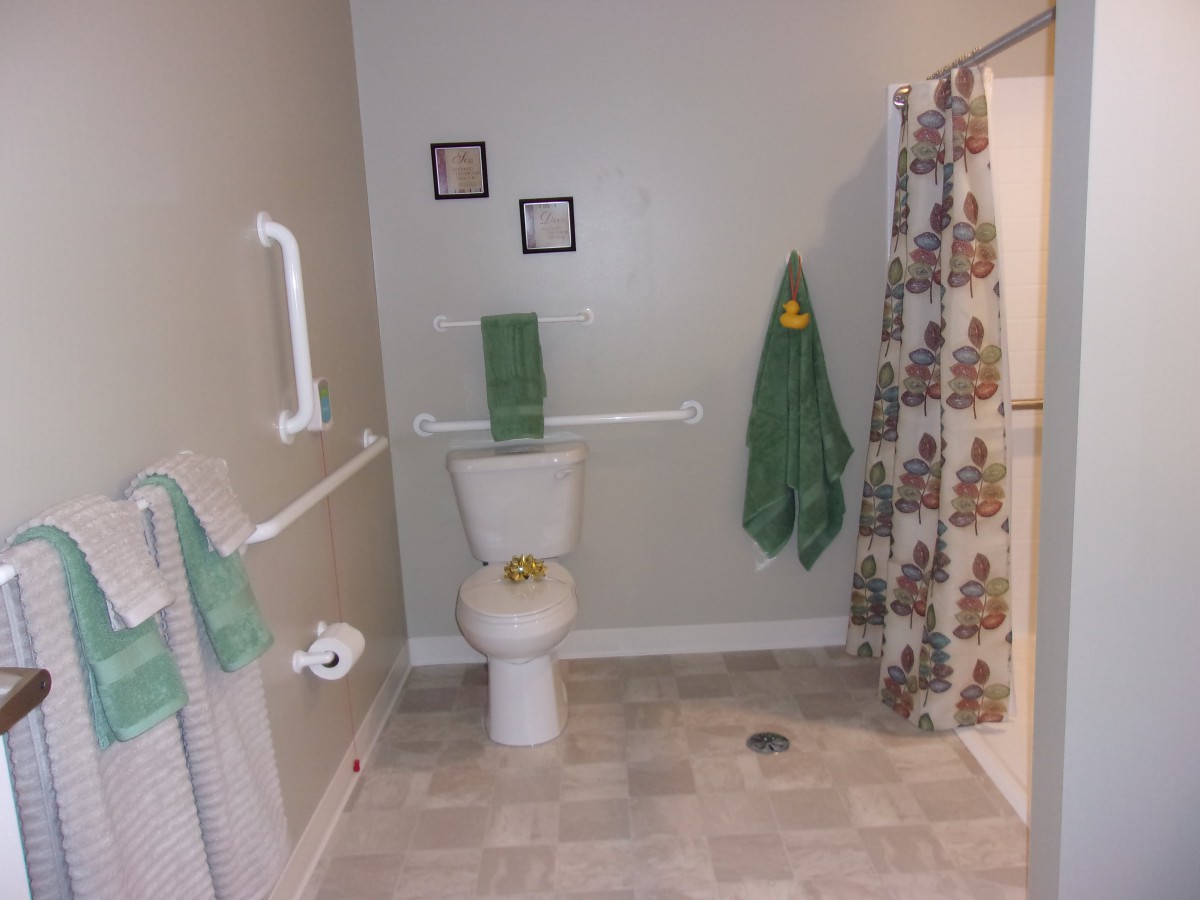
    An accessible bathroom with grab bars, a toilet, sink, and red and blue accents.

Bright Oaks of Aurora

1340 River St, Aurora, IL 60506

For more information about senior living options: (844) 490-3973

4.2 from 86 reviews
5 stars
58
4 stars
13
3 stars
3
2 stars
1
1 stars
11

Assisted Living Memory Care

Bright Oaks of Aurora Costs & Pricing

Bright Oaks of Aurora offers competitive pricing for its residents compared to both Kane County and the state of Illinois. For a studio room, the monthly cost is $3,800, which is substantially lower than the county average of $4,991 and the state average of $4,028. Interestingly, the 1-bedroom options at Bright Oaks are priced at $4,500, which exceeds both the county and state averages of $3,512 and $3,527, respectively. The semi-private rooms also come in at $4,500 - again higher than Kane County's average of $4,418 but more affordable than Illinois' state average of $5,146. Lastly, for those seeking more space with a two-bedroom layout at Bright Oaks priced at $5,400 reflects a notable difference when compared to Kane County's average of $3,926 and Illinois' statewide average of $4,208. Overall, Bright Oaks presents a diverse range of pricing that balances affordability with quality care in an appealing community environment.

Floor plansBright Oaks of AuroraKane CountyIllinois
Studio$3,800$4,991$4,028
Semi-Private$4,500$4,418$5,146
1 Bedroom$4,500$3,512$3,527
2 Bedrooms$5,400$3,926$4,208

Overall Review of Bright Oaks of Aurora

Pros

  • pro The staff are caring, compassionate, and attentive.
  • pro The facility is bright, clean, and welcoming with a homelike atmosphere.
  • pro Residents and families feel safe and well cared for.
  • pro The management is responsive, supportive, and accessible.
  • pro The activities program is varied and engaging, with frequent events and outings.
  • pro The dining area is restaurant-style with good meals and a pleasant dining experience.
  • pro The community feels like a close-knit family where residents are treated with respect.
  • pro The environment is modern and well maintained, with comfortable, well-appointed rooms.

Cons

  • pro The Whitley is described as a horrible facility where memory care residents are treated poorly, overcharged, and denied basic needs like a full cup of juice, with staff even stealing residents' products.
  • pro The Whitley is said to provide little to no care, with emergencies going unanswered for long periods and hospice-level fees billed afterward.
  • pro The reviews warn not to send a loved one to The Whitley, citing persistent understaffing, neglect, and unsafe conditions.
  • pro Bright Oaks of Aurora is portrayed as severely understaffed and poorly managed, with as few as two CNAs for 20+ residents and only one nurse.
  • pro Bright Oaks is criticized for safety issues, including doors that don't lock and residents wandering into others' rooms or having possessions taken.
  • pro The facility is described as dishonest, with claims of telling families what they want to hear and photos to prove the actual care provided.

Review

Bright Oaks of Aurora is best suited for families seeking a newer, clean campus with a river-facing setting, a warm, home-like culture, and an active calendar of social and enrichment programs. It works well for residents who thrive on interaction and hands-on activities and who can rely on attentive staff to know them by name. The community is especially appealing to those who want a smaller, intimate environment rather than a large, impersonal campus, where care is personalized and staff can form relationships with residents and families. It suits memory care and assisted living alike when the emphasis is on engagement, meaningful routines, and a sense of belonging. It is less ideal for cases requiring constant, highly vigilant overnight monitoring without robust family involvement.

Those who may want to consider alternatives include families prioritizing airtight night coverage, consistent safety protocols, and unambiguous trust in everyday operations. Reviews highlight gaps such as no night nurse on duty after 10 p.m. and doors that don't always lock, which pose real safety concerns for memory-impaired residents. Management turnover and uneven staffing levels contribute to inconsistent care quality, particularly in the memory care wing. The price point is another factor; for some, the cost may outpace the perceived value when frontline reliability seems variable. For residents needing steady, 24/7 nursing supervision, or a facility with tightly controlled access and governance, a different community may be more suitable.

On the upside, Bright Oaks shines as a modern, well-maintained space with bright interiors, restaurant-style dining, and a robust slate of activities. Families repeatedly praise caregivers who greet residents by name and the sense that staff genuinely cares, contributing to a welcoming atmosphere. The memory care unit can feel secure and supportive when staffing aligns, with options for respite-to-permanent placement and in-house clinicians contributing to proactive care. These strengths help offset some concerns, especially in a setting that prioritizes engagement and a less clinical vibe. Still, the most persistent challenges - understaffing, intermittent overnight coverage, and occasional safety lapses - continue to test the overall value proposition.

To separate risk from reward during due diligence, inquire about overnight coverage and nurse presence in memory care, request recent incident reports, and ask how safety is maintained (locks, controlled access, wander management). Probe leadership stability and the plan for staffing continuity, plus how care plans are executed and communicated to families. Scrutinize billing practices, including refunds and adjustments, and whether transportation, meals, and activities are bundled or charged separately. Observe the dining room, common areas, and resident rooms for cleanliness, noise levels, and the consistency of service. These tangible checks reveal much about how the community actually operates when residents are most vulnerable.

Resident experiences do converge on several reliable themes: when leadership is responsive and the care team remains engaged, Bright Oaks can feel like a true extended family, with frequent updates and hands-on interaction. The riverfront campus, modern rooms, and the dedicated activities staff contribute to a vibrant daily rhythm and meaningful connections. Yet there are cautions about staff turnover and variability in frontline care that can dilute the sense of continuity families expect. Food quality and housekeeping quality receive mixed mentions, and some contracts or financial practices require careful review to avoid surprises. The best path is a layered, repeatable tour process - watch for consistency in staffing, ask hard questions, and verify that programming and safety measures align with the level of care required.

Bottom line: Bright Oaks of Aurora is a compelling choice for families who want a fresh, aesthetically pleasing, activity-rich environment and who can actively monitor staffing and cost dynamics. It is less ideal for those needing unwavering overnight nursing, strict security, and consistently uniform care without ongoing family involvement. The right fit depends on diligent, ongoing conversations with leadership, site visits that span different days and times, and a clear picture of how care plans are executed and adjusted. When these elements align, Bright Oaks delivers a high-quality, homelike setting with genuine engagement; when they do not, exploring other nearby communities with stronger overnight coverage and more predictable governance is prudent.

Features

Housing

  • 1-bedroom apartments 1-bedroom apartments1-bedroom apartments are important for seniors because they provide a sense of independence, privacy, and autonomy while still offering the necessary space for comfortable living. These apartments allow seniors to maintain their own personal space and lifestyle preferences in a supportive community setting.
  • 2-bedroom apartments 2-bedroom apartments2-bedroom apartments are important for seniors because they provide extra space for guests, hobbies, and caregivers, as well as potential for additional income through roommates or rental.
  • Studio apartments Studio apartmentsStudio apartments are important for seniors because they offer a smaller, more manageable living space that is easier to navigate and maintain as physical abilities decline. Additionally, studio apartments provide seniors with independence and privacy while still being part of a community that offers support and social opportunities.

Types of Care

  • Assisted Living Assisted LivingAssisted living facilities provide crucial support and care for seniors who may need help with daily tasks such as medication management, bathing, and meal preparation. These communities offer a safe and comfortable environment where seniors can maintain their independence while receiving the assistance they need to thrive in their golden years.
  • Memory Care Memory CareMemory care is crucial for seniors as it provides specialized support and services for individuals with dementia or Alzheimer's disease. These programs offer a safe and secure environment where residents receive personalized care, cognitive stimulation, and help with daily activities. Memory care helps seniors maintain their independence, quality of life, and dignity while also providing peace of mind for their families.

Amenities

  • Activities off-site Activities off-siteEngaging in off-site activities is crucial for seniors to maintain social connections, stay active, and stimulate their minds. It promotes overall well-being and helps combat feelings of isolation and loneliness.
  • Activities on-site Activities on-siteActivities on-site are important for seniors because they provide opportunities for socialization, mental stimulation, physical activity, and overall well-being. Engaging in activities can help seniors stay active, maintain their independence, and improve their quality of life.
  • Air-conditioning Air-conditioningAir conditioning is important for seniors as they are more vulnerable to heat-related illnesses and may have underlying health conditions that make it difficult for them to regulate their body temperature. It helps to keep them comfortable, safe, and healthy in hot weather.
  • Bath tubs Bath tubsBath tubs are important for seniors because they provide a safe and relaxing way to bathe, helping to prevent slips and falls while promoting independence and overall well-being.
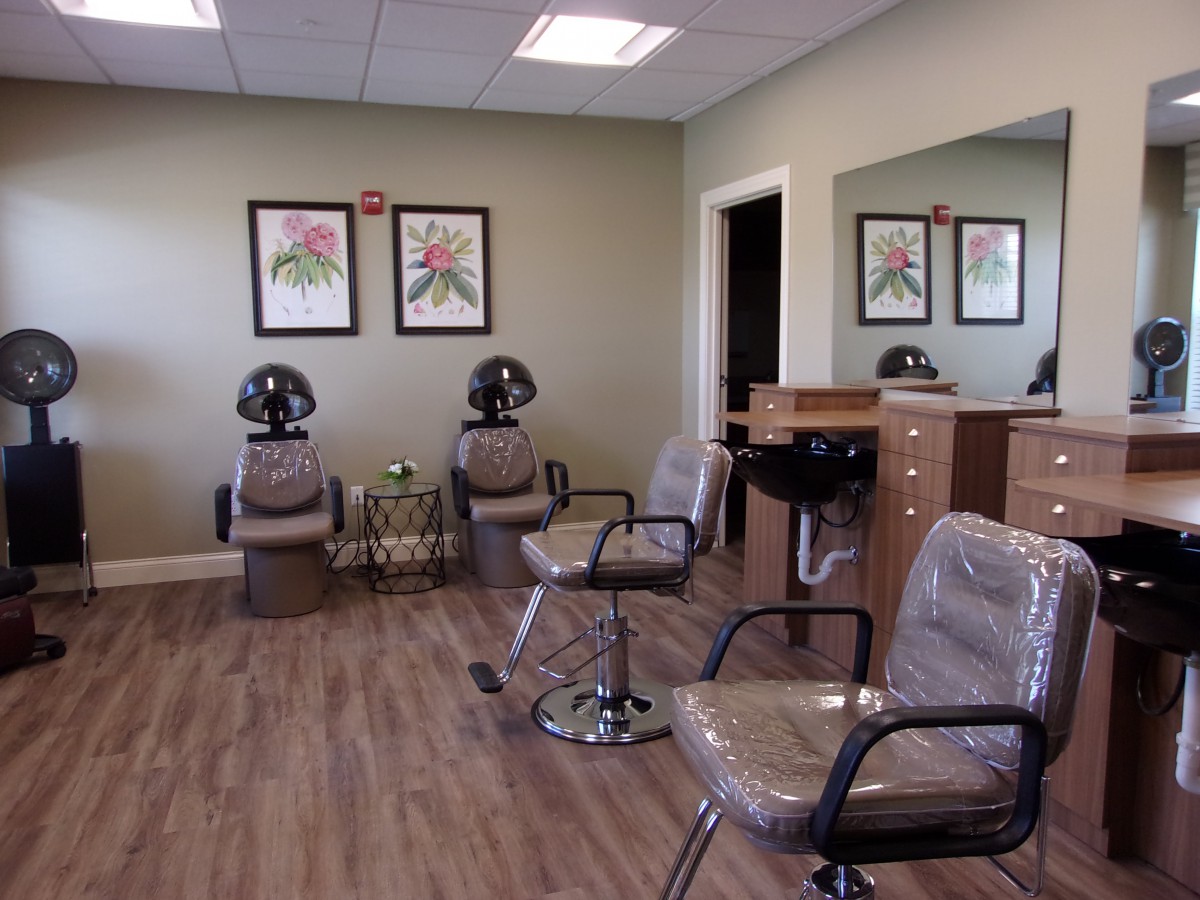
  • Beautician on-site Beautician on-siteHaving a beautician on-site at a senior living community is important for seniors as it allows them to easily access grooming and personal care services, boosting their self-esteem and overall well-being. It also provides convenience and helps seniors maintain their sense of independence and personal style.
  • Cable or satellite TV Cable or satellite TVCable or satellite TV is important for seniors because it provides entertainment, news, and companionship, helping to combat loneliness and boredom. It also offers a wide range of programming options tailored to different interests and preferences.
  • Devotional services on-site Devotional services on-siteDevotional services on-site provide seniors with spiritual support and a sense of community, as well as an opportunity for reflection and guidance during their senior living experience. This can promote emotional well-being and connection to others, leading to a more fulfilling and enriching lifestyle in their later years.
  • Ground floor units Ground floor unitsGround floor units are important for seniors because they provide easy accessibility, reduced risk of falls and injuries, and convenience for those with mobility issues. Seniors can avoid climbing stairs or using elevators, making daily tasks and activities more manageable and enjoyable.
  • Handicap accessible Handicap accessible"Handicap accessible" amenities are crucial for seniors to ensure they can easily navigate and access facilities, services, and activities without barriers or limitations due to physical impairments. This promotes independence, safety, and inclusivity for seniors in senior living communities.
  • Indoor common areas Indoor common areasIndoor common areas are crucial for seniors as they provide a space for socialization, recreation, and community engagement, promoting overall well-being and reducing feelings of isolation and loneliness.
  • Kitchenette KitchenetteKitchenettes are important for seniors living in senior living communities because they provide the convenience and independence of being able to prepare simple meals and snacks in the comfort of their own living space. This can help promote a sense of autonomy and well-being for seniors, allowing them to maintain some level of control over their dietary choices and daily routines.
  • Outdoor common areas Outdoor common areasOutdoor common areas are important for seniors as they provide a space for socialization, physical activity, and relaxation. Being outside in nature can improve mood and overall well-being, while also encouraging movement and engagement with others. These spaces can help combat feelings of isolation and promote a sense of community among residents.
  • Respite or short term stays offered Respite or short term stays offeredRespite or short term stays provide seniors with a temporary solution when their regular caregiver is unavailable, offering them the opportunity to receive additional care and support during times of need, while also giving caregivers a chance to rest and recharge.
  • Wheelchair accessible showers Wheelchair accessible showersWheelchair accessible showers are crucial for seniors as they provide a safe and independent bathing option for those with mobility challenges. These showers help prevent falls and allow seniors to maintain their dignity and autonomy while ensuring they can bathe comfortably.
  • Wi-Fi/high-speed internet available Wi-Fi/high-speed internet availableWi-Fi/high-speed internet is important for seniors to stay connected with loved ones, access online resources, and participate in virtual activities to combat feelings of loneliness and isolation. It also allows them to easily manage healthcare needs, access entertainment, and engage in lifelong learning opportunities.

Transportation

  • Chicago O'Hare International (25 miles away) Chicago O'Hare International (25 miles away)

Care Services

  • Ambulatory care Ambulatory care"Ambulatory care services provide essential medical support and treatment to seniors without requiring hospitalization, allowing them to maintain their independence and quality of life while managing chronic conditions or receiving routine medical care."
  • Diabetic care Diabetic careDiabetic care is crucial for seniors as they are more susceptible to developing diabetes due to aging and other health conditions. Proper management of diabetes can help prevent complications such as heart disease, vision loss, and nerve damage, improving the overall quality of life for seniors in senior living communities.
  • Incontinence care Incontinence careIncontinence care is essential for seniors to maintain their dignity, hygiene, and overall quality of life. By addressing incontinence issues promptly and effectively, seniors can enjoy a sense of independence and comfort in their daily activities.
  • Medication management Medication managementMedication management is crucial for seniors to ensure they are taking the right medications at the correct dosages and times. This helps prevent adverse drug interactions, reduces the risk of medication errors, and promotes overall health and well-being. Proactive management also allows for adjustments as needed based on changing health conditions or new prescriptions.

Dining

  • Gluten-free Gluten-freeGluten-free options are important for seniors as they are more prone to digestive issues and dietary sensitivities. Offering gluten-free meal choices in senior living communities can help improve their overall health and well-being.
  • Guest meals Guest mealsGuest meals are important for seniors living in senior living communities because they provide an opportunity for socialization and companionship. Sharing a meal with friends, family, or new acquaintances can help combat feelings of loneliness and isolation, promote a sense of community, and enhance overall well-being. Additionally, guest meals allow seniors to enjoy delicious food in a comfortable setting without the hassle of cooking or cleaning up, making dining a pleasurable and stress-free experience.
  • International cuisine International cuisineInternational cuisine is important for seniors because it offers a variety of flavors, ingredients, and cultural experiences that can help keep their meals interesting and enjoyable. Trying new dishes can also stimulate the senses and provide different nutrients that contribute to overall health and well-being. Additionally, exploring international cuisine can bring back fond memories of travels or childhood experiences, making mealtime more nostalgic and fulfilling for seniors.
  • Kosher KosherKosher options are important for seniors because they adhere to dietary laws that are significant to many Jewish individuals, providing them with peace of mind and an opportunity to maintain their cultural traditions and beliefs while living in a senior living community.
  • Low / no sodium Low / no sodiumLow/no sodium options are important for seniors because excessive sodium intake can lead to high blood pressure, heart disease, and other health issues commonly experienced by older adults. By choosing low/no sodium foods, seniors can better manage their health and reduce their risk of developing these conditions.
  • Meals provided Meals provided"Meals provided" are crucial for seniors in assisted living communities as it ensures they have access to nutritious, balanced meals without the stress of meal planning and preparation. This can help promote overall health and well-being for seniors who may have limited mobility or cognitive abilities.
  • No Sugar No SugarNo sugar diets are important for seniors because they can help prevent or manage chronic conditions such as diabetes, heart disease, and obesity. Sugar can also contribute to cognitive decline and inflammation in the body, so reducing sugar intake can lead to overall improved health and well-being in older adults.
  • Organic OrganicOrganic foods are important for seniors because they contain fewer chemicals and pesticides, which can be harmful to aging bodies. Additionally, organic foods often have higher nutrient levels, making them a healthier choice for maintaining overall well-being in older adults.
  • Professional chef Professional chefProfessional chefs are important for seniors living in senior living communities because they provide nutritious and delicious meals that cater to their dietary needs and preferences. A professional chef can ensure that seniors are receiving balanced, flavorful meals that support their overall health and well-being.
  • Restaurant style dining Restaurant style diningRestaurant style dining is important for seniors as it offers them a social and enjoyable dining experience, promotes healthy eating habits, and provides personalized menu options to cater to their dietary needs and preferences. This type of dining setting can enhance their overall quality of life and create a sense of community within the senior living facility.
  • Room service Room serviceRoom service is important for seniors in a senior living community because it provides convenience and allows them to have their meals delivered directly to their room. This can be especially beneficial for seniors who may have mobility issues or difficulty accessing the dining area. Room service ensures that seniors are able to receive nutritious meals without having to navigate through the facility, allowing them to maintain their independence and overall well-being.
  • Special dining programs Special dining programsSpecial dining programs are important for seniors because they provide nutritious meals tailored to their dietary needs and preferences. These programs also offer socialization opportunities, promote overall health and well-being, and can help prevent malnutrition.
  • Vegan VeganVegan diets can provide numerous health benefits for seniors, including lower risk of chronic diseases, improved digestion, and increased energy levels. Additionally, plant-based diets are often rich in essential nutrients that can support overall well-being and longevity in older adults.
  • Vegetarian VegetarianA vegetarian diet is important for seniors because it can help lower the risk of chronic diseases, maintain a healthy weight, and provide essential nutrients needed for aging bodies. Additionally, plant-based diets are often easier on digestive systems and can contribute to overall well-being in older adults.

Activities

  • Art classes Art classesArt classes are important for seniors because they provide a creative outlet, improve cognitive function, reduce stress and anxiety, promote socialization, and enhance overall well-being and quality of life.
  • Catholic services Catholic servicesCatholic services are important for seniors because they provide spiritual support, a sense of community, and opportunities for social interaction that can enhance overall well-being and quality of life in their later years.
  • Cooking classes Cooking classesCooking classes are important for seniors as they provide opportunities for social interaction, enhance cognitive skills, promote healthy eating habits, and boost confidence in the kitchen.
  • Devotional activities on-site Devotional activities on-siteDevotional activities on-site provide seniors with a sense of community, spiritual fulfillment, and emotional support, promoting overall well-being and a positive sense of purpose in their lives.
  • Educational speakers / life long learning Educational speakers / life long learningEducational speakers and lifelong learning opportunities are crucial for seniors as they provide mental stimulation, promote social engagement, and contribute to overall well-being. Continuous learning helps seniors stay mentally sharp, build new skills, and maintain a sense of purpose and fulfillment in their lives. It also allows them to stay connected to the world around them and fosters a sense of community within senior living facilities.
  • Happy hour Happy hourHappy hour is important for seniors as it provides a social activity that promotes camaraderie and reduces feelings of loneliness or isolation. It also offers an opportunity for older adults to relax, unwind, and enjoy some drinks or snacks in a fun and welcoming atmosphere.
  • Karaoke KaraokeKaraoke provides seniors with a fun and social activity that can boost mood, confidence, and cognitive function. It encourages social interaction, physical movement, and creative expression, making it an important form of entertainment for senior living communities.
  • Live musical performances Live musical performancesLive musical performances can provide seniors with a sense of joy, nostalgia, and connection. Music has the power to evoke emotions and memories, improve mood and cognitive function, and foster social interaction among seniors. It can also serve as a form of therapy and stress relief for older adults, making it an important activity to include in senior living communities.
  • Live well programs Live well programs"Live well programs are essential for seniors as they provide opportunities for physical activity, social engagement, and mental stimulation, ultimately promoting overall health and well-being in later years."
  • Other religious services Other religious servicesOther religious services are important for seniors as they provide a sense of community, spiritual comfort, and opportunities for socializing. These services can help seniors feel connected to their faith and maintain a sense of purpose and belonging in their later years.
  • Protestant services Protestant servicesProtestant services are important for seniors because they provide spiritual nourishment, community support, and a sense of belonging. These services can help seniors connect with others who share their faith, find comfort and guidance in times of need, and maintain a sense of purpose and fulfillment in their later years.
  • Visiting chaplain or priest Visiting chaplain or priestHaving a visiting chaplain or priest at a senior living community is important for seniors because it provides spiritual support, comfort, and guidance during a time of life that can be challenging and uncertain. Their presence can help seniors feel connected to their faith, find peace of mind, and cope with the emotional and mental struggles they may face in their later years.
  • Wine tasting Wine tastingWine tasting can be a fun and social activity for seniors, allowing them to engage their senses, learn about different varieties of wine, and potentially meet new friends. It also offers health benefits such as improved cognitive function and reduced risk of heart disease when consumed in moderation.

Description

Bright Oaks of Aurora is an assisted living community in Aurora, IL. Our community offers comfortable and spacious 2-bedroom apartments as well as studio apartments for our residents. We specialize in providing memory care for those with Alzheimer's or other forms of dementia.

At Bright Oaks of Aurora, we strive to create a vibrant and engaging environment for our residents. Our on-site activities include various social, recreational, and educational programs that cater to each individual's needs and interests. Residents can enjoy their time participating in cooking classes, happy hours, karaoke nights, live musical performances, and other enriching experiences.

We understand the importance of creating a comfortable living space for our residents. All our units are air-conditioned with ground floor access and wheelchair accessible showers. Each unit also features cable or satellite TV and Wi-Fi/high-speed internet for entertainment and connectivity.

Our community provides excellent care services including diabetic care, medication management, and incontinence care. Our trained staff members are dedicated to meeting the unique needs of each resident with compassion and understanding.

Residents at Bright Oaks of Aurora can indulge in delicious meals prepared by our professional chef. We offer a variety of dining options including international cuisine, kosher meals, low/no sodium dishes, organic choices, vegan and vegetarian options. With restaurant-style dining available, residents can enjoy their meals in a relaxed setting or have room service if preferred.

In addition to our outstanding amenities and care services, Bright Oaks of Aurora is conveniently located near various amenities such as cafes, parks, pharmacies, physicians' offices, restaurants, places of worship, theaters, hospitals and transportation options There are plenty of opportunities for residents to explore the surrounding area or stay connected with their community.

Bright Oaks of Aurora is committed to creating a welcoming home-like atmosphere where our residents can live comfortably while receiving exceptional care. With our range of amenities and personalized services designed for memory care needs along with convenient location nearby local amenities make us an ideal choice for individuals seeking assisted living options in Aurora, IL.

Nearby Places of Interest

This part of Aurora, Illinois offers a variety of amenities and services that cater to senior living needs. With several cafes, restaurants, pharmacies, and medical facilities in close proximity, residents have easy access to daily essentials and healthcare services. There are also places of worship nearby for spiritual fulfillment. For recreational activities, there are parks with walking trails and green spaces where one can enjoy the outdoors. Additionally, transportation options such as the Aurora Transportation Center and Metra station provide convenient travel options for seniors looking to explore the surrounding areas. Overall, this area provides a well-rounded community environment that offers convenience, healthcare access, recreational opportunities, and transportation accessibility for senior residents.

Cafes

  • Moka North Aurora (0.3 miles)
  • Starbucks (2.4 miles)
  • Panera Bread (2.5 miles)
  • Panera Bread (3.1 miles)
  • Panera Bread (4.6 miles)
  • Graham's 318 (5.3 miles)
  • Starbucks (6.3 miles)

Places of Worship

  • Blessed Sacrament (1 miles)
  • Holy Cross Church (2.8 miles)
  • St Peter Catholic Church (5.4 miles)
  • Our Lady of Mercy (6 miles)
  • St John Neumann Catholic Church (8.3 miles)

Theaters

  • Cinemark Tinseltown USA (1.1 miles)

Physicians

  • Animal House (1.2 miles)
  • Fox Valley Pain Management (1.6 miles)
  • Advocate Medical Dryer (1.7 miles)
  • Indian Trail Medical Center (1.9 miles)
  • Dreyer Medical Clinic (4.1 miles)
  • Fox Valley Family Physicians (4.8 miles)
  • Fox Valley Orthopedics- Geneva South (4.9 miles)

Pharmacies

  • Walgreens (1.3 miles)
  • Walgreens (1.9 miles)
  • Walgreens (2.2 miles)
  • Walgreens (2.4 miles)
  • Walgreens (2.9 miles)
  • Walgreens (3 miles)
  • Walgreens (3.9 miles)

Hospitals

  • Provena Mercy Medical Center (1.6 miles)
  • Kendall Pointe Surgery Center (6.3 miles)

Restaurants

  • Hardware Sustainable Gastropub and Brewery (2.3 miles)
  • Wendy's (3 miles)
  • McDonald's (3.1 miles)
  • Wendy's (3.1 miles)
  • Two Brothers Roundhouse (3.4 miles)
  • Stolp Island Social (3.5 miles)
  • Tavern On Broadway (3.6 miles)

Parks

  • Batavia Riverwalk (3.2 miles)
  • Memorial Park (3.3 miles)
  • Phillips Park (5.2 miles)
  • Waubonsie Lake Park (5.9 miles)
  • Jericho Lake Dog Park (6.7 miles)
  • Wheatland Park (7.5 miles)
  • Pottawatomie Park (7.8 miles)

Transportation

  • Aurora Transportation Center (3.4 miles)
  • Metra - Geneva Station (5.1 miles)

Frequently Asked Questions

How much does it cost to live at Bright Oaks of Aurora in Aurora, IL?
What floor plans and room types does Bright Oaks of Aurora offer?
Where is Bright Oaks of Aurora?
Does Bright Oaks of Aurora provide care for residents with dementia or Alzheimer's disease?
What photos are available for Bright Oaks of Aurora in Aurora, Illinois?

Nearby Communities

  • Asbury Gardens Nursing & Rehab

    Asbury Gardens Nursing & Rehab

    North Aurora, IL

    4.1 from 48 reviews
     

    pro Extensive on-site amenities with 24/7 nursing care and restaurant-style dining
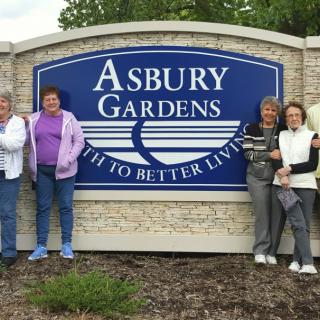
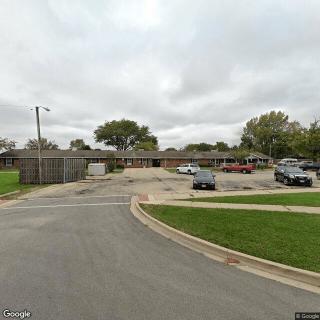
  • Asbury Gardens

    Asbury Gardens

    North Aurora, IL

    4.1 from 116 reviews
    $4,500 / month

    pro Friendly, communicative staff; well-maintained, easy-to-navigate facility with engaging activities.

  • North Aurora Care Center

    North Aurora Care Center

    North Aurora, IL


    pro Extensive on-site amenities and 24/7 care options.

  • Eden Supportive Living

    Eden Supportive Living

    North Aurora, IL

    4.8 from 100 reviews
     

    pro Assisted living with on-site activities and diabetic care, plus easy access to nearby amenities.

  • Greencastle of North Aurora

    Greencastle of North Aurora

    North Aurora, IL


    pro Independent living in a vibrant area with many nearby amenities.

  • Presence Mcauley Manor

    Presence Mcauley Manor

    Aurora, IL


    pro Extensive on-site amenities and comprehensive care services

  • Plum Landing Retirement Community

    Plum Landing Retirement Community

    Aurora, IL

    4.6 from 65 reviews
    $2,080 to $2,600 / month

    pro Friendly, attentive staff with a strong sense of community, plus varied activities and river views.

  • Presence Fox Knoll

    Presence Fox Knoll

    Aurora, IL

    4.5 from 101 reviews
    $1,797 to $3,669 / month

    pro Friendly, attentive staff in a clean, welcoming community with spacious apartments and engaging activities.

  • Constitution House

    Constitution House

    Aurora, IL

    4.8 from 16 reviews
    $540 to $3,270 / month

    pro Friendly, courteous staff and a rent structure tied to social security income.

Related Resources

  • dementia behaviorsUnderstanding Dementia Behaviors: Practical Insights and Strategies for Caregivers

    Dementia affects memory and cognitive function in older adults, presenting challenges for caregivers due to behavioral changes such as confusion and mood swings. Compassionate, person-centered care that considers individual history and preferences, along with effective communication and environmental modifications, is essential for supporting both patients and their caregivers.

  • dementia and angerWhen Dementia Sparks Anger and Aggression: Understanding the Connection and Ways to Cope

    Dementia leads to cognitive impairment and can cause emotional and behavioral changes, including aggression that arises from frustration, confusion, or fear. Effective coping strategies for caregivers include understanding dementia's nature, recognizing triggers, using empathetic communication, and employing non-pharmacological interventions like music and art therapy.

  • dementia behaviorsDementia Behaviors: In-Depth Understanding and Effective Coping Strategies
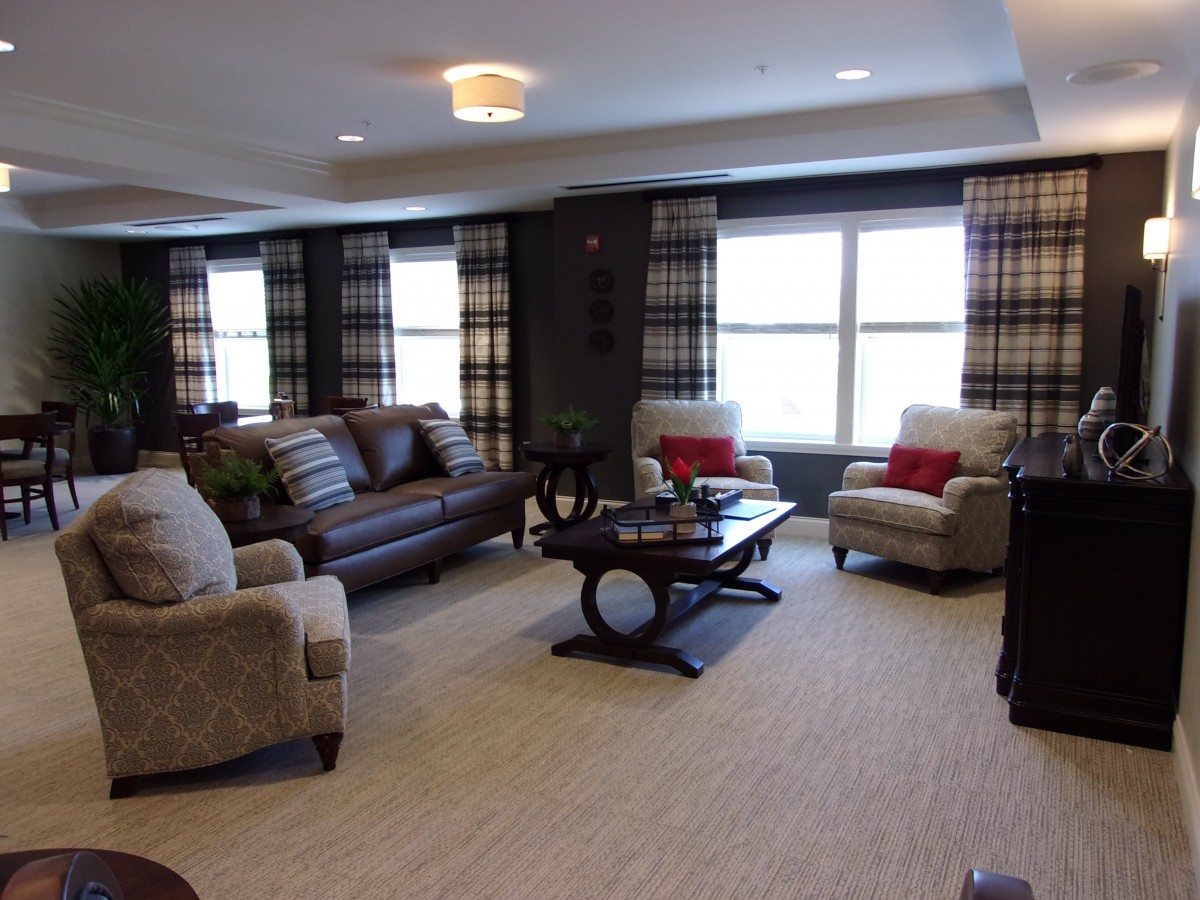
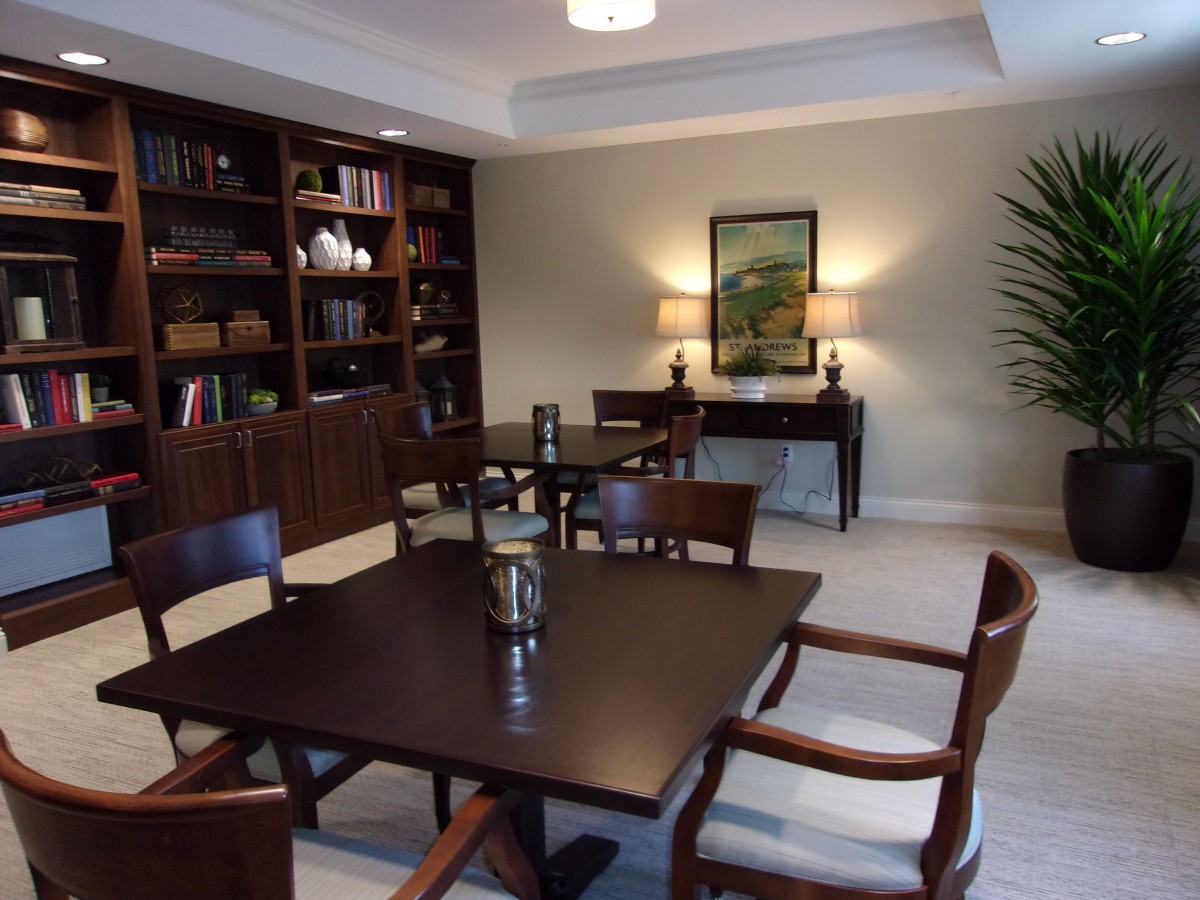
    Dementia causes cognitive decline and challenging behaviors that caregivers must manage, necessitating an understanding of the neurological basis of these issues. Effective strategies and self-care for caregivers can enhance support for those with dementia and improve their daily lives.