Charles Court

Save
Charles Court

Charles Court

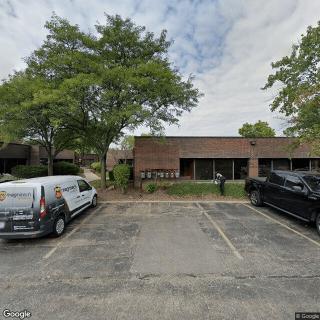
300 N Charles St, Naperville, IL 60450

For more information about senior living options: (844) 490-3973

3.3 from 8 reviews
5 stars
3
4 stars
1
3 stars
1
2 stars
1
1 stars
2

Active Adult Communities (55+)

Overall Review of Charles Court

Pros

  • pro The apartment is described as very good with great value.
  • pro The high-floor units offer views of fireworks when lucky.
  • pro The maintenance men are the best.
  • pro The former manager genuinely cared about residents, especially seniors.
  • pro The reviewer is thankful to have a roof over their head.
  • pro Charles Court is noted to offer better rent depending on the situation.
  • pro The rent can align with social security income, providing good value.

Cons

  • pro The reviewer notes that smoking is allowed in units, making the building unsuitable for non-smokers.
  • pro The reviewer states they never received a handbook when moving in.
  • pro The reviewer mentions unbearable chemicals entering apartment 516.
  • pro The reviewer calls the experience horrific and says they can't bring their kids there.
  • pro The reviewer claims the management is unpredictable and often unhelpful, describing the current manager as the worst they've known.
  • pro The reviewer says tenants are restricted from getting their problems heard or acted on.
  • pro The reviewer alleges the manager prioritizes personal and political interests over the job, with staff appearing unhappy.
  • pro The reviewer complains that during business hours no one answers the phone and callers must deal with an answering service.

Review

The overall impression from these notes is a long, complicated mix of upside and downside. On the plus side, there are tangible perks that draw people to this Naperville setting: high-floor apartments offer great views, and if you're lucky you might catch fireworks lighting up the sky. There's also talk of rental value relative to fixed incomes, with mentions of Social Security and the idea of getting "great value" for the money in a market where many other Naperville listings feel overpriced. The author even hints that Charles Court may offer comparatively better rent in certain situations, suggesting that price competition exists within the same area and that a resident on a limited income might find some relief there. The sense of long-term appeal is tempered, however, by the realities described in later passages.

Affordability and location are framed as a mixed bag. The writer compares multiple Naperville apartments, noting that many options leave little room for a comfortable budget, yet still identifies Charles Court as potentially more affordable depending on circumstances. The reviewer frames the building as a possible option for seniors looking to cover their rent with Social Security income, framing the situation as a "great value" choice in a market with steep prices elsewhere. Still, the sense remains that even with favorable rent in some cases, the overall cost of living in the area can be high, and the writer's optimism about affordability is tempered by ongoing concerns about the environment and management.

A striking and persistent fear running through the reviews is the smoking situation. The writer issues a blunt caveat: "If You can't be around Smoke, don't move here." They also reveal a surprising tension: this is described as a senior apartment building that apparently allows smoking in units, something the reviewer did not anticipate or desire. The juxtaposition of "let ppl smoke in their Units" with the expectation of a smoke-restricted senior community creates a pervasive sense of disappointment and unease. The health-related alarm is palpable, as the writer mentions unbearable chemicals entering the living space, specifically referencing a unit described as 516, and acknowledges a serious underlying health condition. In short, the living environment is emotionally and physically taxing, with smoke and chemical exposure amplifying stress and fear.

Personal experience upon moving in adds another layer of distress. The reviewer notes arriving on the day of signing and immediately moving in, without ever receiving a handbook or any formal onboarding. This lack of guidance compounds the sense of vulnerability and insecurity. The health scare - unbearable chemicals in the unit - becomes a defining feature of daily life, prompting reflections about faith and fate ("I just have to leave it in God's hands") and a determination to stay alive despite the odds. The personal narrative here is less about luxuries or accommodations and more about surviving in an environment that feels unsafe and unsupportive.

Family, future plans, and emotional distance emerge as equally significant themes. The writer alludes to an anticipated inheritance that would help stabilize their situation, hoping for a sum of money that might take years to finalize. There is a strong desire not to trouble anyone or burden loved ones, underscoring a sense of isolation and self-reliance. The sentiment of separation from family is poignant: "I miss the kids a lot!" and the admission that the move was not the dream they envisioned. The outcome, from the writer's perspective, is heartbreak and disappointment - a place that was expected to be a blessing instead reveals itself as a barrier to family connection and the hoped-for sense of a better life.

Maintenance and management form a distinct, often conflicting thread in these notes. The writer praises the maintenance staff as "the best," highlighting that the physical upkeep and responsiveness can be excellent in certain respects. Yet there is a stark contrast when it comes to management. They recall a former manager, Gretchen, who cared deeply about residents, especially because they are seniors and deserve respectful treatment. Since Gretchen's era, the sentiment shifts dramatically: management has deteriorated, and the current manager is described as the worst they've known in six years. Complaints focus on a lack of responsiveness during business hours, reliance on an answering service for basic questions, and a sense of impersonal, bureaucratic rigidity. They note restrictive rules after the current manager's arrival, with the manager's promotion described as evidence that personal politics rather than professional commitment drive decisions. It's portrayed as a workplace where the needs of elderly residents are deprioritized, and anger and frustration become a persistent undercurrent.

In the closing reflections, the tone remains heavy with mixed emotions, evident gratitude tangled with deep disappointment. The reviewer acknowledges the appeals of apartment life - the roof over their head, the security of having a place to live - but frames it within a broader context of fear, discomfort, and disillusionment. The phrase "HORRFFIC experience of my LIFE" underscores the intensity of their distress and their sense that the dream of senior living in a peaceful community has crumbled. The emotional core is not simply about property or rent; it's about safety, autonomy, family, and dignity. The reviewer ends with a clear sense of longing - for better treatment, for a more supportive environment, and for the possibility of a future where they can reconnect with children and feel at ease in their own home.

Taken together, these notes paint a portrait of a residence that can offer undeniable advantages to some residents - views, potential cost savings for fixed incomes, and functional maintenance staff - while also presenting serious challenges that can overwhelm the positives. Smoke exposure, inconsistent management, and a sense of being unheard or undervalued by those in charge create a climate of anxiety and regret. For anyone considering this place, the lessons are clear: the upside may be meaningful for some, but the downside can be severe enough to redefine what "home" means, especially for seniors dealing with health concerns, family distance, and the unpredictability of building management.

Features

Types of Care

  • Active Adult Communities (55+) Active Adult Communities (55+)Active Adult Communities provide seniors with opportunities for socialization, activities, and wellness programs tailored to their needs. These communities offer a sense of belonging and security while promoting an active and independent lifestyle for those aged 55 and older.

Transportation

  • Chicago O'Hare International (18 miles away) Chicago O'Hare International (18 miles away)

  • Chicago Midway (19 miles away) Chicago Midway (19 miles away)

Description

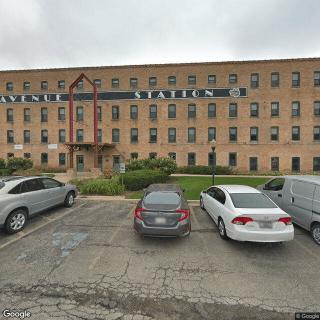
The Charles Court assisted living community in Naperville, IL is ideally located with a variety of amenities and services available nearby. Situated in a convenient location, residents have easy access to numerous cafes, parks, pharmacies, physicians, restaurants, transportation options, theaters, and hospitals.

For those seeking a cozy atmosphere to relax or catch up with friends over a cup of coffee or a light meal, there are four cafes nearby offering a range of beverages and snacks. Nature enthusiasts will appreciate the six parks in the vicinity where they can enjoy walking trails, green spaces, and maybe even organize picnics or social gatherings.

Residents' healthcare needs are well catered for with 13 pharmacies and five physicians located nearby. This ensures that obtaining medications and scheduling doctor appointments are hassle-free processes. In case of emergencies or more specialized medical attention requirements, there is also a hospital within close proximity.

Additionally, food lovers will find themselves spoiled for choice with 20 restaurants situated conveniently nearby. Whether craving local cuisine or international delights, residents can easily indulge their taste buds without traveling too far from home. For entertainment purposes, there is also one theater close by where residents can enjoy movies or live performances.

Furthermore, transportation options are readily available near Charles Court. Residents can conveniently access public transportation services or private taxis to facilitate their commuting needs.

Overall, the Charles Court assisted living community offers its residents an ideal balance of convenience and accessibility to essential amenities and services.

Nearby Places of Interest

This part of Naperville, Illinois offers a variety of amenities and services that cater to the needs of seniors looking for convenience and accessibility. With several cafes, pharmacies, restaurants, parks, physicians, theaters, hospitals, transportation options, and places of worship within a few miles radius, residents in this area have easy access to essential resources. The presence of reputable healthcare facilities such as Northwestern Medicine Proton Center and Marianjoy Rehabilitation Hospital ensures quality medical care nearby. Additionally, the proximity to public transportation hubs like Metra stations provides convenient travel options for seniors without their own vehicles. Overall, this neighborhood presents a well-rounded community with plenty of opportunities for social engagement and healthcare support for aging individuals.

Cafes

  • Peet's Coffee and Tea (0.6 miles)
  • Starbucks (1.2 miles)
  • Starbucks (3.1 miles)
  • Starbucks (4.1 miles)
  • Panera Bread (6 miles)
  • Starbucks (6.1 miles)

Pharmacies

  • Walgreens (0.7 miles)
  • Walgreens (1.2 miles)
  • CVS Pharmacy (1.2 miles)
  • Oswald's Pharmacy (1.8 miles)
  • Walgreens (2.5 miles)
  • Walgreens (2.8 miles)
  • Walgreens (3 miles)

Restaurants

  • Portillo's Hot Dogs (0.7 miles)
  • Vasili's (1.2 miles)
  • Culver's (1.3 miles)
  • Chipotle Mexican Grill (1.4 miles)
  • McDonald's (1.4 miles)
  • Cooper's Hawk Winery & Restaurant (1.6 miles)
  • Meson Sabika (2 miles)

Parks

  • Surrey Ridge Park (1.4 miles)
  • Burlington Park (1.8 miles)
  • Cress Creek Park (2 miles)
  • Wil-O-Way Park (2.9 miles)
  • Seven Gables Park (4.3 miles)
  • Briar Knoll Park (4.9 miles)
  • Champions Park (5.5 miles)

Physicians

  • Northwestern Medicine Proton Center (2.3 miles)
  • Northwestern Medicine Orthopaedics Warrenville (2.9 miles)
  • The Dermatology Institute (4.2 miles)
  • Dupage Medical Group (4.5 miles)
  • Dreyer Medical Clinic-Fox Valley Villages (4.8 miles)
  • Edward Medical Group (5.6 miles)

Theaters

  • Cinemark (3.1 miles)
  • AMC Showplace Naperville 16 (6.2 miles)

Hospitals

  • DuPage Medical Center (4.2 miles)
  • Marianjoy Rehabilitation Hospital and Clinics (5.2 miles)
  • Northwestern Medicine Central DuPage Hospital Sleep Health Center (6.7 miles)
  • Central Dupage Hospital (6.7 miles)

Transportation

  • Metra (4.8 miles)
  • Metra - Downers Grove Main Street (6.2 miles)

Places of Worship

  • St Andrews Episcopal Church (6.1 miles)
  • College Church (6.3 miles)
  • Our Lady of Mercy (6.7 miles)

Frequently Asked Questions

Where is Charles Court?

Nearby Communities

Related Resources

  • palliative care vs hospiceUnderstanding the Nuances of Palliative Care and Hospice: A Comprehensive Exploration

    Palliative care focuses on alleviating distress at any stage of a serious illness and can accompany curative treatments, while hospice care is for those nearing the end of life with a prognosis of six months or less, emphasizing comfort over curative measures. Both prioritize holistic care for patients and families but differ in timing, goals, and scope.

  • fecal incontinenceFecal Incontinence in Older Adults: A Comprehensive Guide

    Fecal incontinence, prevalent among older adults, arises from factors like weakened pelvic muscles and nerve damage, significantly affecting well-being and social interactions. Diagnosis involves clinical evaluation and tests to inform tailored treatments, while caregivers and preventive measures can aid in managing the condition effectively.

  • anticipatory griefRecognizing the Journey: Understanding and Navigating Anticipatory Grief

    Anticipatory grief is an emotional response to the impending loss of a loved one, characterized by complex emotions such as sadness and anger, and involves navigating stages similar to those identified by Kübler-Ross. Coping strategies are vital for managing this process, emphasizing compassionate communication, self-care, and support groups while recognizing the cultural influences on grieving.