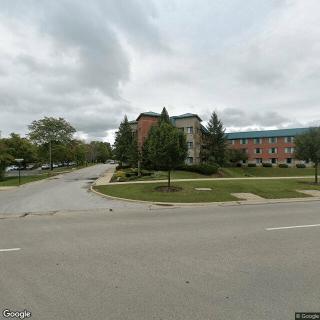
12631 W 187th St, Mokena, IL 60448
To contact a resident: (815) 485-5860
For more information about senior living options: (866) 208-4318
Marley Oaks Costs & Pricing
Marley Oaks offers a competitive pricing structure for its private rooms, set at $3,750 per month. This rate is notably lower than the average costs in Will County, which stand at $4,387, and significantly below the state average of $5,049 for Illinois. By positioning itself as an affordable option within the local market, Marley Oaks provides residents with quality accommodations while ensuring that financial considerations are kept within reach. This strategic pricing not only highlights Marley Oaks' commitment to accessibility but also underscores its value proposition in comparison to both county and state averages.
| Floor plans | Marley Oaks | Will County | Illinois |
|---|---|---|---|
| Private | $3,750 | $4,387 | $5,049 |
Senior living communities with a similar price nearby
-
from -$250 / mo
Ignite Christian Health Care Bolingbrook
$3,500 to $4,000 / month12.8 miles away -
from +$250 / mo
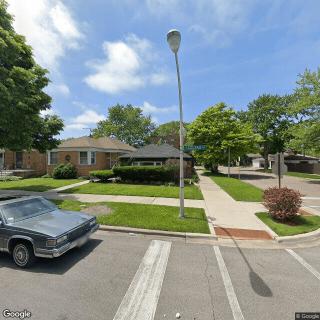
Colfax Manor Assisted Living
$4,000 to $6,000 / month23.1 miles away -
from +$375 / mo
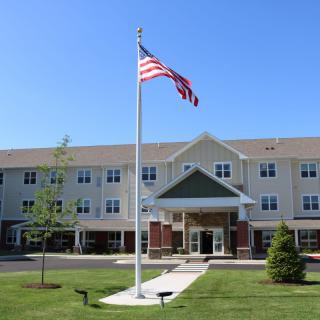
Heritage Woods of Minooka
$4,125 to $4,400 / month21.4 miles away -
from -$475 / mo
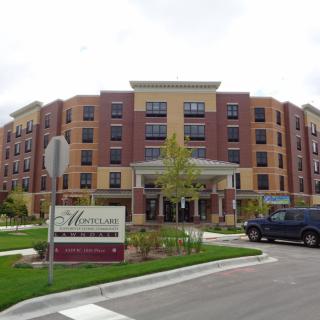
Montclare Supportive Living
$3,275 to $3,605 / month23.4 miles away -
from +$134 / mo
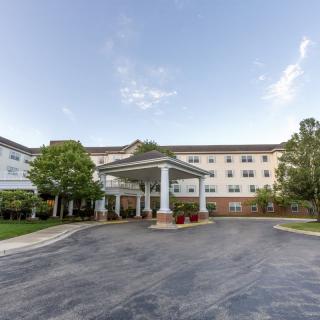
StoryPoint Naperville
$3,884 to $4,643 / month20.8 miles away
Overall Review of Marley Oaks
Pros
 Marley Oaks is described as perfect: home-like, small in size, church-sponsored, with about 10 residents, ensuring attentive care.
 - The staff, especially administrator Dawn, are warm and wonderful, becoming a second family to the residents and their families.
- The facility is safe, secure, and happy, with residents forming lasting friendships and celebrating milestones.
- The cost is reasonable and all-inclusive, with no hidden charges.
- The rooms are spacious and comfortable, giving residents a feel of living in a cozy home.
- CNAs are on staff and the staff-to-resident ratio is strong, ensuring excellent care.
- The meals are delicious and home-cooked, with fresh vegetables.
- Marley Oaks offers ongoing activities, field trips, weekly church services, and on-site professionals, making it a true home away from home.
- Families report peace of mind knowing their loved ones are well cared for and never left alone.
- The community believes Marley Oaks has outstanding staff and wishes every town had a place like it.
Cons
 The reviewer criticized larger facilities for being flashy and full of “bling,” implying they are not truly better for residents.
- They described those places as “eye candy” meant for visual appeal rather than real care.
- They stated that some facilities nickel-and-dimed residents with hidden charges.
- They argued that the opulent features of big centers, like chandeliers and marble countertops, were unnecessary.
- They indicated a preference for a warm, home-like environment and implied that larger centers are less personal.
Review
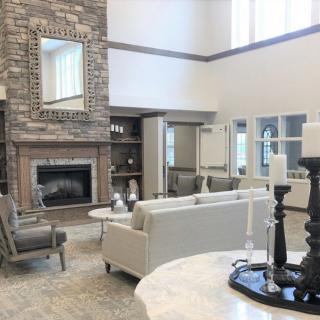
Marley Oaks in Mokena is best suited for families seeking a genuinely homelike, intimate setting where an elder’s care feels personal, not procedural. This community operates with a small, house-like footprint, about 10 residents in a converted ranch-style residence, where residents are known by name and staff-to-resident attention is meaningful, not transactional. It is ideal for someone who values warmth, consistency, and a sense of “extended family” over spectacle or signage. The combination of a church-backed sponsor, a quiet campus behind Marley Church, and a hands-on administrator creates a predictable, low-stress environment. For families who want a straightforward, all-inclusive monthly rate and prefer a setting where rooms feel like private homes rather than hotel suites, Marley Oaks delivers staying power and peace of mind.
Those who may want to consider alternatives include families prioritizing larger peer networks, broader programming, or more robust dementia- or memory-care options. Marley Oaks is not a large campus; it keeps the group small by design, and that means fewer on-site activities compared to bigger centers, fewer simultaneous social events, and less variety in amenities. For residents who require 24/7 skilled nursing, intensive memory-care programs, or high-acuity medical support, a bigger facility with dedicated memory-care wings and broader medical staffing may be a better fit. Likewise, families seeking secular branding or a more commercial atmosphere may want to look elsewhere. Still, for those who want highly personalized care in a tranquil setting, Marley Oaks stands out.
The strongest pros revolve around care that feels deliberate and affirming. The staff-to-resident ratio is exceptional, aided by CNAs on site, which translates into prompt assistance, fewer missed needs, and a sense that help is always near. Residents and families repeatedly emphasize how the team, culminating in Administrator Dawn Senesac, knows the residents well, attends to details, and treats families as partners. The all-inclusive monthly fee eliminates the sticker shock of add-ons, and families regularly praise the absence of “nickel-and-diming.” Beyond basic care, Marley Oaks delivers home-cooked meals, cleanliness, comfortable rooms with ample space, and daily routines like purposeful activities, field trips, and weekly church services that reinforce a lived-in, cared-for atmosphere. The resident community itself, quiet, cohesive, with shared memories, becomes a stabilizing force for families.
The way these strengths offset potential drawbacks is clear. The small scale inherently trades breadth for depth: a ten-resident home allows staff to customize routines, monitor medications with diligence, and maintain relationships that feel sincere rather than transactional. That level of attentiveness often translates into a residing elder appearing less anonymous than in larger facilities. The predictable, all-inclusive pricing and the sense that the community is managed by people who genuinely care about individuals, rather than per-visit charges, counters any discomfort about limited social events or fewer high-profile amenities. The presence of visiting professionals, regular family-involved celebrations (such as milestone birthdays), and a welcoming, “we’re family here” culture further demonstrates how the pros create resilience in daily life that’s hard to replicate in bigger settings.
Of course, the most notable trade‑off is the facility’s size and scope. A ten-resident home may not satisfy those who expect daily mass-market programming, broadening social calendars, or a wide array of on-site services. Waiting lists can be lengthy, with openings occurring only when a spot becomes available, an important practical consideration for families planning ahead. Location matters too: while the setting offers quiet charm and easy access to a local community, it may require more driving for regular errands or visits if a family is balancing work and travel across the region. Yet the credibility built by the administrator, the quality of meals, the cleanliness, and the visible happiness of residents often mitigate these concerns for families prioritizing comfort and consistency over scale.
Bottom line: Marley Oaks is a standout choice for families seeking a trusted, home-like environment where residents are cherished as part of a small, close-knit community. It excels for elders who thrive on personal attention, predictable routines, and transparent pricing, and who value a setting that emphasizes dignity, comfort, and family-like connections. It is less suited for those needing broad specialty services, extensive social programming, or large, high-traffic campuses. For the right person, someone who wants to live well in a modest, well-staffed home with genuine care, Marley Oaks delivers rare accessibility to true, involved caregiving, strong meals, and a lasting sense of belonging. Prospective families should arrange a visit with Dawn to assess room options, confirm current rates, and gauge fit against anticipated care needs and desired social engagement.
 Board and Care Home
 Activities off-site
 Air-conditioning
 Beautician on-site
 Cable or satellite TV
 Indoor common areas
 Outdoor common areas
 Private
 Wheelchair accessible showers
 Wi-Fi/high-speed internet available
 Chicago Midway (19 miles away)
 Ambulatory care
 Diabetic care
 High acuity care
 Incontinence care
 Medication management
 Anytime dining
 BBQs or picnics
 Birthday parties
 Educational speakers / life long learning
 Forever fit
 Gardening club
 Live dance or theater performances
 Live musical performances
 Live well programs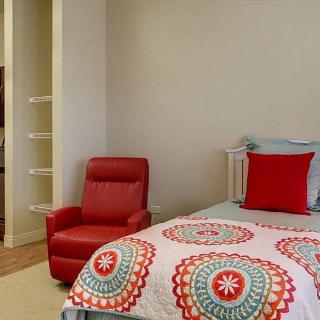



 Comprehensive Insights and Practical Strategies to Help Older Adults Avoid Falls
 6 Crucial Ways an Elder Law Attorney Assists Families
 Navigating the Tax Landscape of Caregiving: Credits, Deductions, and Beyond