

2200 Stonington Ave Ste 260, Hoffman Estates, IL 60169
To contact a resident: (847) 679-2500
For more information about senior living options: (866) 208-4318
FirstLight Home Care-Hoffman Estates Costs & Pricing
FirstLight Home Care in Hoffman Estates offers private care services at a competitive rate of $4,000 per month. This cost is significantly lower than the average rates in Cook County, which stands at approximately $5,168, and the broader Illinois state average of around $5,049. By choosing FirstLight, clients can benefit from quality care while enjoying substantial savings compared to other options in the region. Such pricing not only underscores FirstLight's commitment to providing affordable home care solutions but also highlights its dedication to accessibility for families seeking supportive services for their loved ones.
| Floor plans | FirstLight Home Care-Hoffman Estates | Cook County | Illinois |
|---|---|---|---|
| Private | $4,000 | $5,168 | $5,049 |
Senior living communities with a similar price nearby
-
from -$190 / mo

24/7 BrightStar
$3,810 to $5,970 / month13.9 miles away -
from -$500 / mo
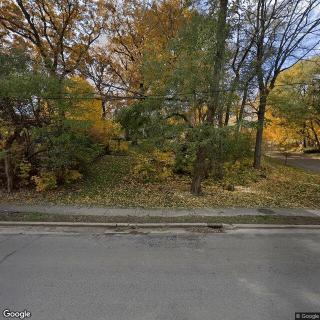
Pheasant Branch
$3,500 to $4,000 / month9.5 miles away -
About the same
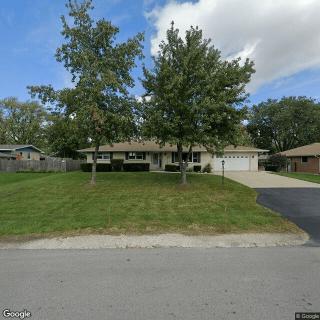
The Neighbors Next Door - Gerten 1
$4,000 / month17.2 miles away -
from -$505 / mo
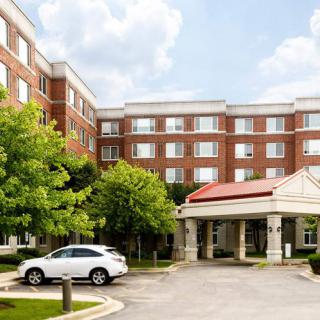
Brookdale Northbrook
$3,495 to $5,600 / month22.9 miles away -
from +$645 / mo

Barbara's Home Care Svc
$4,645 to $6,038 / month14.4 miles away
Overall Review of FirstLight Home Care-Hoffman Estates
Pros
 The service is responsive, flexible, and supportive.
- They assisted a family three days a week to support a loved one with dementia.
- They performed medication distribution, light cleaning, and light cooking.
- The intake and initial consultation were excellent.
- The agency provided a very fine aide for six weeks of care.
Review
FirstLight Home Care-Hoffman Estates is best suited for families seeking reliable, part-time in-home support for a loved one who can live at home but needs help with routine tasks and dementia-related needs. The service model demonstrated in the reviews centers on three recurring strengths: responsive scheduling, flexibility, and hands-on assistance in daily living activities. Caregivers perform medication distribution, light cleaning, and light cooking, which can reduce family burden without requiring a move to a facility. The intake process appears strong, setting expectations clearly and matching an aide to the client's needs for at least a few weeks. This makes it a practical choice for families looking to bridge gaps during transitions, weekends, or temporary limits on family hands-on caregiving.
However, potential clients should be aware this provider may not be suitable for those with high-acuity needs requiring 24/7 supervision, skilled nursing, or a structured memory-care environment. The reviews imply a service that works best when care needs can be met with a part-time schedule and straightforward tasks. With only three reviews and one low rating, there is an inherent variability risk, turnover, consistency of aides, and ongoing reliability can influence outcomes. Families should probe how shifts are covered, what happens if a caregiver is unavailable, and how continuity is maintained over time before committing to a long-term plan.
On the upside, the most meaningful pros are the onboarding quality and the immediate competence of the care team. An excellent intake and initial consultation reduce drift between expectations and service, while a six-week assignment of a capable aide demonstrates the agency’s ability to deliver steady, person-centered support for a defined period. The practical tasks, medication distribution, light housekeeping, and meal preparation, directly address common caregiver burdens and help preserve a loved one’s independence at home. For families navigating dementia care transitions, these capabilities translate into tangible, day-to-day relief and safer routines.
Yet the core constraint is hours and the scope of service. If a plan calls for more than three days per week, evenings, weekends, or overnight support, the model may stretch beyond what the agency regularly provides. The absence of stated on-site nursing oversight means medical monitoring rests on the caregiver’s training and the family’s own arrangement, which matters for dementia progression or complex medication regimens. The positive onboarding and task-focused care offset some of these gaps, but families should have a clear contingency in place for escalation, and a plan for continuity when a preferred aide is unavailable or when the client’s needs evolve.
Decision-makers should follow a disciplined assessment path: define exact care hours, level of cognitive support required, and whether any nursing or specialized dementia programming will be necessary down the line. If three days per week with light chores and medication assistance aligns with the loved one’s current reality, FirstLight may feel like a strong fit, especially with an emphasis on a thorough intake and responsive scheduling. If not, compare with providers offering 24/7 live-in options, memory-care-equipped facilities, or agencies with a track record of more extensive dementia programming and higher continuity of caregivers.
In practice, this agency offers practical, respite-friendly in-home support that can meaningfully reduce family stress and allow a loved one to remain at home longer. The experience points to a combination of responsive planning and capable, task-focused care. The key is aligning expectations with hours, caregiver continuity, and a need for escalation pathways. For families anchored in Hoffman Estates and seeking modest, reliable help rather than full-time care, FirstLight stands as a sensible step, but only after confirming coverage, caregiver training specifics, and a concrete plan should the care needs grow beyond the current scope.
 Chicago O'Hare International (21 miles away)



 6 Crucial Ways an Elder Law Attorney Assists Families
 Navigating the Tax Landscape of Caregiving: Credits, Deductions, and Beyond
 Highly Beneficial Low-Impact Exercises for Senior Living Residents