
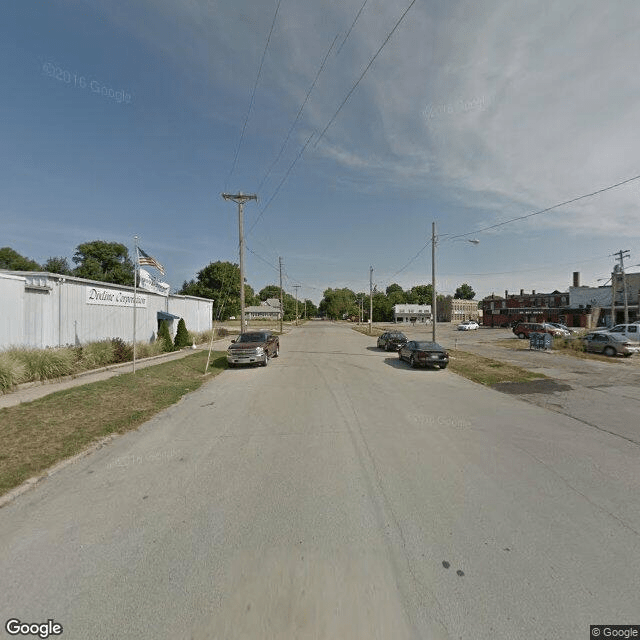
19 SW 4th Ave, Galva, IL 61434
To contact a resident: (309) 932-2175
For more information about senior living options: (866) 208-4318
Overall Review of Henry County Housing Authority
Pros
 It is wonderful.
- The reviewer finds it wonderful.
Cons
 He was served a police bar notice the next day.
- The place is garbage.
- The place has cockroaches.
Review
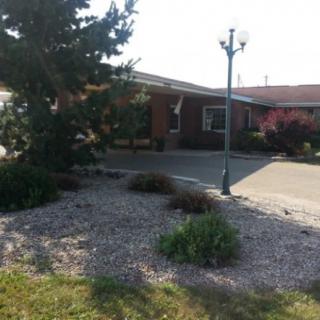
Henry County Housing Authority in Galva, IL is best suited for budget-conscious seniors or adults with limited income who need a straightforward, no-frills living arrangement. This community can work for residents who want predictable rent and a basic housing environment without the expectations of high-end amenities or extensive on-site services. It appeals to those who value stability in cost and a modest footprint of support, provided independence remains feasible and incidents requiring substantial attention are rare.
Those considering alternatives should look at options that promise stronger safety assurances, more dependable maintenance, and clearer pest control. If reliable cleanliness, proactive management, and minimal disruption are non-negotiables, this site warrants comparison with nearby communities that emphasize resident safety, timely issue resolution, and consistent expectations about what services are included. Families should also weigh whether a higher level of assisted living support is anticipated in the near term and seek environments designed with stronger resident advocacy and oversight.
Two contrasting impressions emerge from the available feedback. One reviewer paints a stark picture of trouble: a visit followed by a police notice and the presence of cockroaches, described as “garbage.” That red flag suggests potential operational or security gaps that can destabilize daily life and erode trust in the ability to maintain a safe, clean living environment. In direct contrast, another visitor labels the place “Wonderful,” signaling that when circumstances align, perhaps in quieter times, with responsive staff, or in a well-maintained period, the community can feel welcoming and functional. The divergent notes indicate a reality that is inconsistent enough to matter deeply for decision-making.
The core tension rests on how the positives can offset the clear negatives. Affordability and a simple, unpretentious setting can be meaningful for households choosing to stretch limited resources, especially when there is reliable personal autonomy and a minimal service footprint. Yet pest concerns and the specter of police involvement are nontrivial barriers to peace of mind. In a setting intended for assisted living-adjacent needs, ongoing pest control, cleanliness standards, and predictable enforcement culture are foundational. When those elements falter, they tend to overshadow any perception of warmth or neighborly friendliness, because daily life becomes dominated by health, safety, and security considerations rather than community cohesion or comfort.
Prospective residents should approach with a practical checklist. Inspect a unit for cleanliness and pest signage, request a recent maintenance history, and ask how quickly repairs are completed and what the escalation path looks like. Inquire about current pest control schedules, the responsiveness of on-site staff, and the frequency of safety or security patrols. Speak with current residents about their experiences with management, upkeep, and communication. Clarify what services are included in the rent, what counts as a maintenance emergency, and what supports are available if independence wanes. These questions separate a momentary rough patch from a persistent pattern that would drive a change in housing strategy.
In the end, Henry County Housing Authority’s Galva site presents a bifurcated value proposition. For a household prioritizing maximum affordability and able to tolerate a basic, low-service environment, there can be a fit, so long as pest and safety concerns are actively monitored and addressed. For families where cleanliness, predictable safety, and consistent administrative responsiveness are essential, this community warrants thorough comparison with higher-performing options. The decision hinges on risk tolerance: willingness to endure potential days of disruption in exchange for lower housing costs, or preference for a moving-forward option that promises steadier maintenance, stronger pest control, and a more consistently positive resident experience.

 A Detailed Examination of Nursing Home Costs Across the U.S.
 Exploring Nonmedical Home Care: Understanding Services, Costs, and Financial Approaches
 Engaging Brain Games and Innovative Apps to Keep Senior Minds Active