Courtyard Estates of Kewanee offers competitive pricing for its residents, with monthly costs that reflect the quality of services and amenities provided. For a studio apartment, the cost is $3,129, which is notably higher than Stark County's average of $2,291 but lower than Illinois' overall average of $4,028. When it comes to one-bedroom apartments, Courtyard Estates charges $4,075 - again exceeding Stark County's average of $2,856 while still being more economical compared to the broader state average of $3,527. These figures suggest that while Courtyard Estates may be positioned at a premium compared to local county rates, it presents a balanced value against statewide averages by delivering a tailored living experience in an inviting environment.
Floor plans
Courtyard Estates Of Kewanee
Stark County
Illinois
Studio
$3,129
$2,291
$4,028
1 Bedroom
$4,075
$2,856
$3,527
Assisted Living communities with a similar price nearby
Residents and families consistently describe staff who feel caring and responsive.
Across the reviews, families repeatedly say the staff treats residents with respect and helps them feel safe and supported. Several reviewers also highlight communication—describing the team as informative about concerns and attentive to changing needs. A few reviews specifically call out staff going out of their way for families, including support during recovery and staying engaged with residents day to day.
common2 reviews mention this
Medication help is emphasized
Residents’ medication routines are described as handled carefully.
Some reviewers mention that the staff ensures medications are given as prescribed. Others describe attention to medication accuracy as part of the care they’re receiving. This lines up with the community listing meal preparation and medication management among its care services.
common6 reviews mention this
Dining receives repeated praise
Food quality and meal choice come up often in reviews.
Multiple families describe the meals as good, with options and room for different preferences. One reviewer mentions menu choices for every meal, while another credits the cook with standout food. A couple of reviews also connect dining with an overall quality-of-life experience, including how residents who are picky still enjoyed the food.
common7 reviews mention this
Activities keep residents engaged
Reviews frequently mention daily activities and resident engagement.
Several reviewers say the community organizes daily activities that residents participate in. Families also describe social opportunities that help residents make connections and stay involved. There is also a single critical review focused on the activity director, which is the main negative note tied to programming.
common5 reviews mention this
Clean, well-kept spaces matter
Many reviews highlight cleanliness and a well-presented building.
A number of reviewers describe the building as clean and comfortable, and they note the apartments and common areas as well maintained. Some mention the overall appearance as beautiful, including the grounds. One review also specifically calls out the facility as extremely clean and staffed, reinforcing that residents see upkeep as part of the experience.
How we summarize
Counts show how many written reviews mention each theme; a review can touch several themes, and only frequently mentioned themes are displayed.
Features
Housing
35 resident community capacity
Types of Care
Assisted Living
Pets
Cats allowed
Dogs allowed
Amenities
Activities off-site
Activities on-site
Air-conditioning
Beautician on-site
Beauty salon
Cable or satellite TV
Devotional services off-site
Devotional services on-site
Dining room
Fully furnished
Garden
Ground floor units
Handicap accessible
Housekeeping services
Indoor common areas
Kitchenette
Move-in coordination
Outdoor common areas
Outdoor space
Respite or short term stays offered
Restaurant-style dining
Small library
Telephone
Wheelchair accessible showers
Wi-Fi/high-speed internet available
Care Services
24-hour call system
24-hour supervision
Activities of daily living assistance
Ambulatory care
Assistance with bathing
Assistance with dressing
Assistance with transfers
Diabetes diet
Diabetic care
Incontinence care
Meal preparation and service
Medication management
Mental wellness program
Special dietary restrictions
Dining
Diabetes diet
Guest meals
Meals provided
Restaurant style dining
Special dietary restrictions
Activities
Catholic services
Community-sponsored activities
Cooking classes
Day trips and outings
Devotional activities offsite
Devotional activities on-site
Live dance or theater performances
Live musical performances
Mormon/LDS services
Protestant services
Resident-run activities
Scheduled daily activities
Visiting chaplain or priest
Wine tasting
Nearby Places of Interest
This area of Kewanee, Illinois offers a variety of amenities suitable for senior living. There are several places of worship nearby, providing spiritual support and community engagement. Parks such as Windmont Park and Veterans Park offer opportunities for outdoor recreation and relaxation. Access to healthcare is convenient with physicians and hospitals in close proximity. A selection of restaurants catering to different tastes ensures easy access to dining options. Pharmacies are also readily available for medication needs. Transportation services like U-Haul and Amtrak provide convenience for traveling or running errands. Additionally, cafes offer a cozy atmosphere for socializing or enjoying a cup of coffee. Overall, this area provides a mix of services and recreational opportunities that cater to the needs and preferences of seniors looking for a comfortable living environment in Kewanee.
Places of Worship
Bethel Church of God In Christ (0.4 miles)
Assembly Of God Church (0.9 miles)
Encounter Church (1 miles)
First Congregational Church (1 miles)
Second Baptist Church (1.1 miles)
Saint John Paul II Parish (1.1 miles)
St Marys Parish (1.1 miles)
Parks
Windmont Park (0.5 miles)
Kewanee Park District (1.6 miles)
Veterans Park (1.6 miles)
McKinley Park (1.7 miles)
Northeast Park (2.2 miles)
Francis Park and Woodland Palace (5.5 miles)
La Fayette Park District (8.6 miles)
Physicians
Illinois Cancer Care (0.6 miles)
OSF Medical Group: Kewanee (0.6 miles)
Regional Family Health Center - Crystal Snider MD (0.7 miles)
Courtyard Estates of Kewanee offers competitive pricing for its residents, with monthly costs that reflect the quality of services and amenities provided. For a studio apartment, the cost is $3,129, which is notably higher than Stark County's average of $2,291 but lower than Illinois' overall average of $4,028. When it comes to one-bedroom apartments, Courtyard Estates charges $4,075 - again exceeding Stark County's average of $2,856 while still being more economical compared to the broader state average of $3,527. These figures suggest that while Courtyard Estates may be positioned at a premium compared to local county rates, it presents a balanced value against statewide averages by delivering a tailored living experience in an inviting environment.
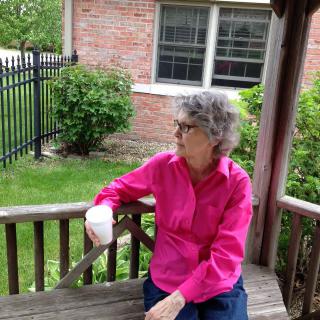
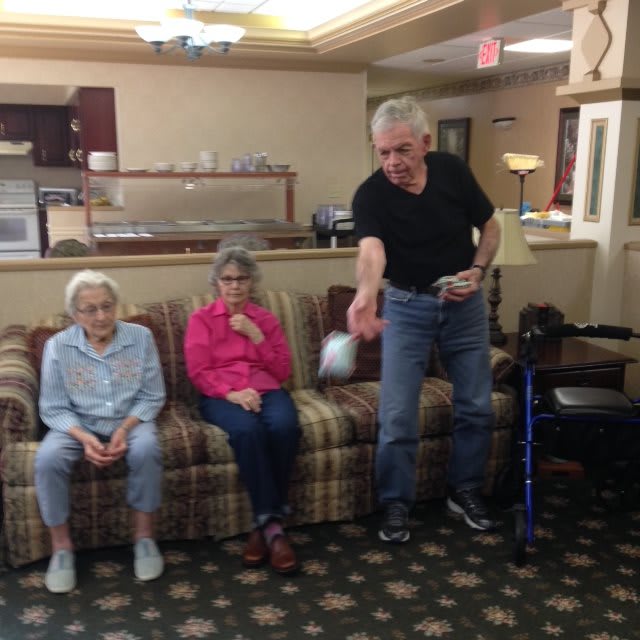
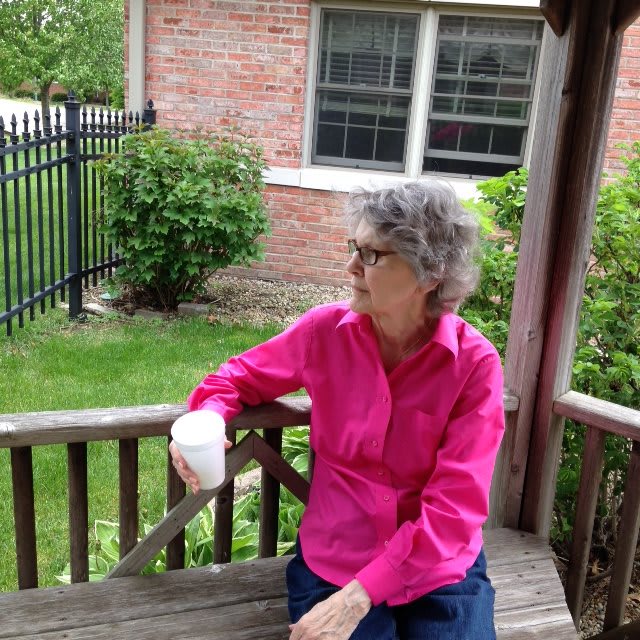
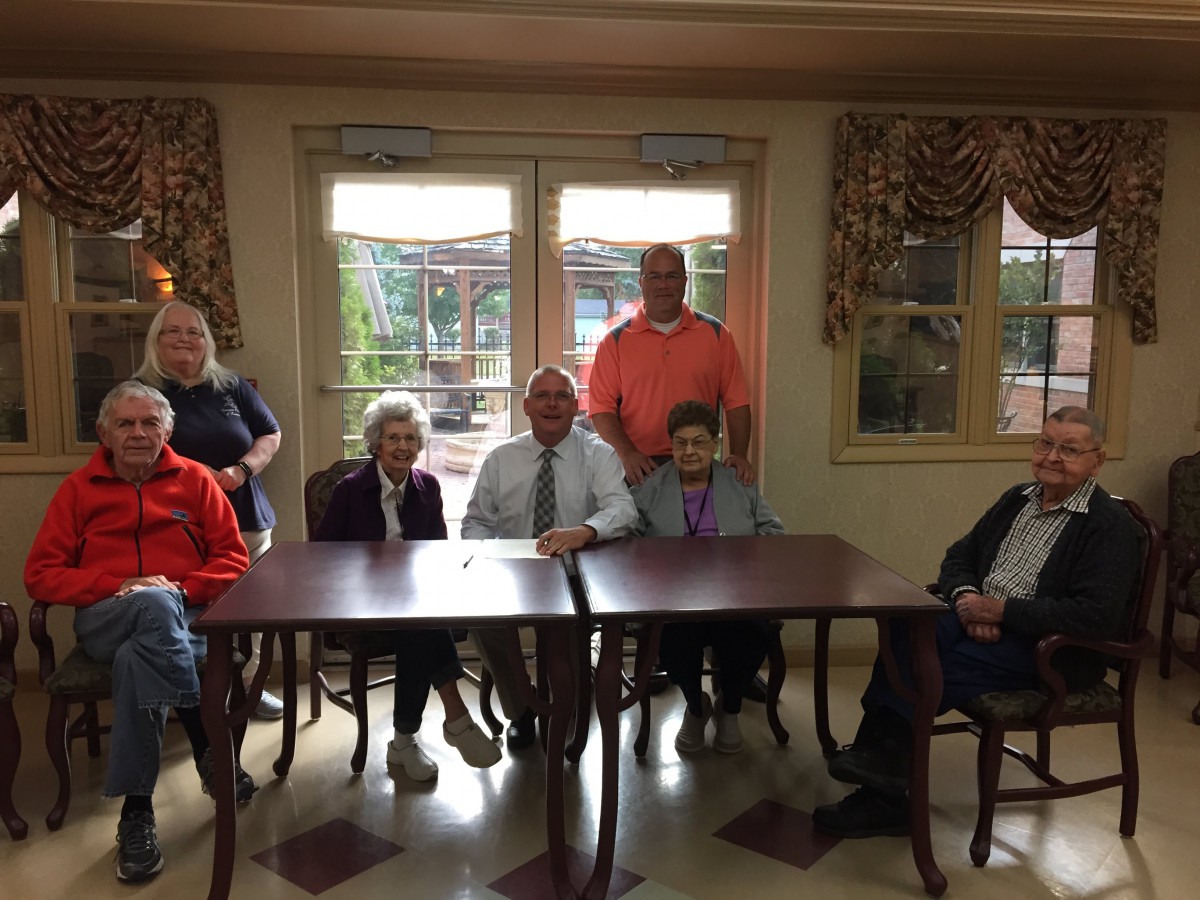
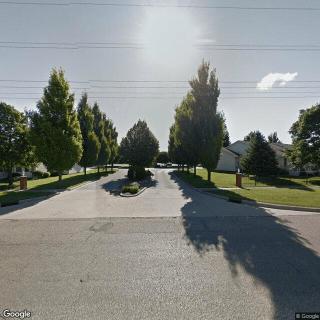
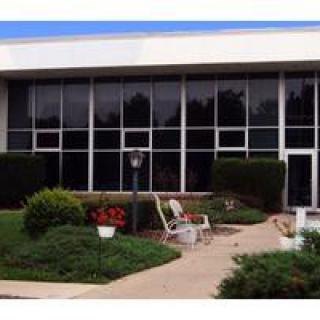
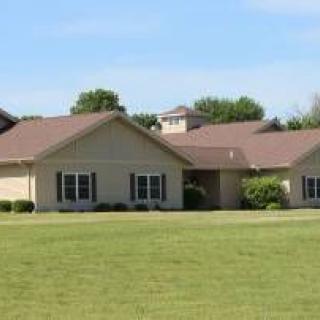
Courtyard Estates Of Kewanee on seniors.fyi includes 7 photos including images showing interior, outdoors, living room, landscaping, seating, and more.
Nearby Communities
Courtyard Village Of Kewanee
Kewanee, IL
4.9 from 31 reviews
$1,750 to $2,530 / month
Affordable area pricing with memory care options and on-site amenities.
Betty's Garden Memory Care
Kewanee, IL
4.3 from 21 reviews
Specialized memory care with 24-hour supervision.
Kewanee Care Home
Kewanee, IL
3.7 from 23 reviews
Onsite beauty salon, restaurant-style dining, transportation services, and robust wellness/activities.
Hollis House
Kewanee, IL
5 from 7 reviews
Comprehensive care (diabetes support) with on-site activities and extensive nearby amenities.
Royal Oaks Care Center
Kewanee, IL
4.3 from 67 reviews
Clean facility with compassionate staff, good meals, engaging activities, and reliable transportation.
Courtyard Estates Of Galva
Galva, IL
4.9 from 8 reviews
$2,100 to $2,700 / month
Competitive pricing with independent and assisted living options and extensive on-site amenities.
Seminary Estates & Villas
Galesburg, IL
2 from 4 reviews
Abundant nearby amenities (parks, dining, healthcare, worship) for a convenient senior lifestyle.
Kensington of Galesburg
Galesburg, IL
3.8 from 5 reviews
Independent living with on-site activities and meals provided.
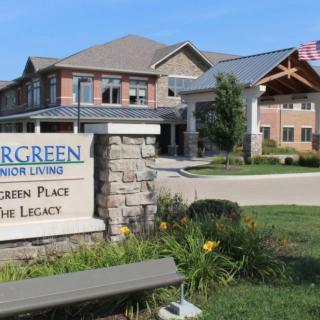
Evergreen Place and The Legacy Memory Care
Chillicothe, IL
4.6 from 29 reviews
$3,850 to $5,610 / month
Compassionate staff with good family communication and engaging activities.
Assisted living facilities offer crucial support for older adults needing help with daily activities but come with varying and significant costs, which can be financed through personal savings, government assistance programs, long-term care insurance, and home equity options. Professional guidance from experts can aid families in navigating these financial complexities to establish a sustainable budgeting approach for assisted living services.
Assisted living costs often exceed Social Security benefits, necessitating a combination of funding sources like state aid and Medicaid. Understanding the interaction between Social Security programs and available financial support is essential for affording such care.
The VA Aid and Attendance benefit provides financial support to veterans needing assistance with daily living due to medical conditions or disabilities, augmenting standard VA pensions for services like in-home care. Eligibility is based on service duration, wartime status, income, and medical needs, with a detailed application process required to access funds for caregiving and home modifications.
Get PricingAsk A QuestionSchedule A TourContact Senior Advisor
By clicking submit, you agree to our Partner's Terms of Use. You
also consent to receive calls and texts, which may be autodialed, from our Partner. Your consent is not a condition to
using our Partner's service. Please visit our Partner's Privacy Policy for information about their privacy practices.




 35 resident community capacity
 Assisted Living
 Cats allowed
 Dogs allowed
 Activities off-site
 Air-conditioning
 Beautician on-site
 Cable or satellite TV
 Devotional services off-site
 Dining room
 Fully furnished
 Garden
 Ground floor units
 Handicap accessible
 Housekeeping services
 Indoor common areas
 Kitchenette
 Move-in coordination
 Outdoor common areas
 Respite or short term stays offered
 Restaurant-style dining
 Small library
 Telephone
 Wheelchair accessible showers
 Wi-Fi/high-speed internet available
 24-hour call system
 Ambulatory care
 Assistance with bathing
 Assistance with dressing
 Assistance with transfers
 Diabetes diet
 Diabetic care
 Incontinence care
 Medication management
 Mental wellness program
 Special dietary restrictions
 Catholic services
 Cooking classes
 Day trips and outings
 Live dance or theater performances
 Live musical performances
 Wine tasting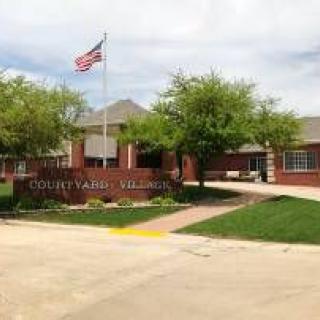
 Affordable area pricing with memory care options and on-site amenities.
 Securing Financial Support for Assisted Living: A Comprehensive Overview
 Social Security Benefits and Assisted Living: Navigating Options Across the U.S.
 An Extensive Exploration of the VA Aid and Attendance Benefit