





1000 Courtyard Estates, Galva, IL 61434
For more information about senior living options: (866) 208-4318
Courtyard Estates Of Galva Costs & Pricing
Courtyard Estates of Galva offers competitive pricing for its care services, particularly when compared to both Stark County and the broader state of Illinois. For a studio unit, residents can expect to pay $2,100 per month, which is significantly lower than the county average of $2,291 and the state average of $4,028. Similarly, the 1-bedroom option at Courtyard Estates is priced at $2,700, again more affordable than the Stark County average of $2,856 and notably lower than the Illinois average of $3,527. This makes Courtyard Estates an appealing choice for those seeking quality assisted living accommodations without the financial burden typically associated with similar facilities in the area.
| Floor plans | Courtyard Estates Of Galva | Stark County | Illinois |
|---|---|---|---|
| Studio | $2,100 | $2,291 | $4,028 |
| 1 Bedroom | $2,700 | $2,856 | $3,527 |
Assisted Living communities with a similar price nearby
-
from -$350 / mo

Courtyard Village Of Kewanee
$1,750 to $2,530 / month6.5 miles away -
from +$85 / mo
Courtyard Estates of Bradford
$2,185 to $2,650 / month20.0 miles away
Overall Review of Courtyard Estates Of Galva
Pros
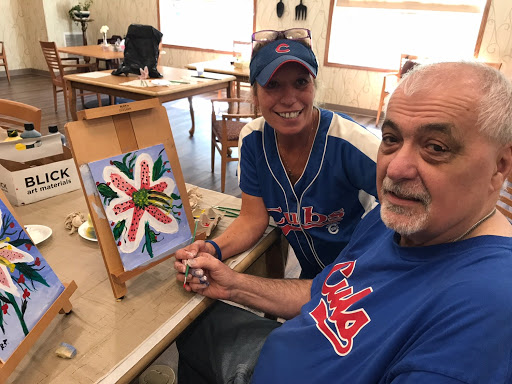
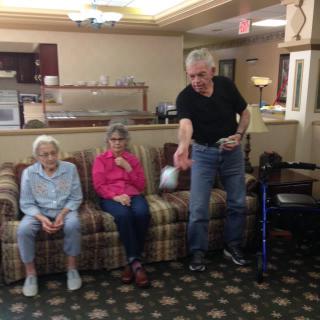
 Courtyard Estates in Galva is a clean, family-friendly community where residents thrive, enjoy activities, and connect with friendly staff and neighbors.
- The residence is very nice and clean, and the staff are great.
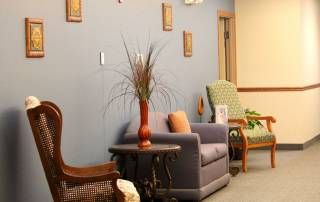
- The environment is welcoming and inviting.
- The place is wonderful, with pleasant staff and a beautiful facility.
- The building is wonderful, with a caring staff and amazing tenants.
Review
Courtyard Estates of Galva is best suited for active seniors who want a social, accessible assisted-living environment in a small-town setting. It shines for residents who value a full calendar of activities, regular group outings, and a family-like atmosphere where meals are enjoyed together and staff relationships feel personal. The combination of cleanliness, a warm welcome, and a tangible sense of community makes it ideal for those who thrive on interaction and who want reassurance that daily routines, medication administration and social engagement, are well supported. Families seeking visible staff accessibility and a secure, well-maintained home base will find this community a strong fit.
Those needing higher-level medical care, memory support, or more clinical oversight may want to consider alternatives. The reviews emphasize social programming, meals, and a supportive staff, but there is no mention of specialized nursing services or memory-care programming within the building. For seniors who require 24/7 skilled nursing, complex therapies, or a campus with more intensive medical resources, broader options nearby may be more appropriate. Similarly, anyone prioritizing a very modern, luxury-leaning setting or a larger, busier campus might find this community’s smaller-town feel too intimate.
The strongest positives, the friendly staff, the clean, inviting environment, and the active, engaged resident population, create a compelling offset to any potential drawbacks. A thriving social calendar and field trips keep residents connected and purposeful, which in turn eases family concerns about isolation and neglect. Nutritious meals and a welcoming dining atmosphere reinforce overall well-being, while the patient, attentive approach to medications and daily routines reduces daily stress for families. In short, the human touch, the staff warmth and residents’ engagement, transforms this into a practical solution for lifelong independence with a dependable safety net.
Cleanliness and a family-like vibe matter here, and they are repeatedly highlighted as differentiators. The environment feels intimate but well-equipped, with staff who know residents by name and understand preferences. Those qualities translate into reliable supervision, timely activity participation, and a genuine sense of belonging. The downside that emerges only in contrast with more clinical settings is the absence of explicit advanced clinical services on-site; however, for many, that is precisely the point: a comfortable, less institutional feel with dependable daily support. The trade-off is a smaller footprint that prioritizes connection over breadth of medical programs.
Prospective residents should use a practical checklist as they evaluate Courtyard Estates: confirm the level of care available beyond basic medication management, review the activity calendar for alignment with personal interests, tour the dining area to assess meal quality, and ask about transportation for planned outings. Discuss how emergencies are handled, how on-call medical support works, and how often staff-to-resident ratios shift during the day. Evaluate whether the small-community atmosphere aligns with personal preferences and whether family involvement is welcomed in ongoing care planning. Compare total costs and verify what is included in monthly fees to avoid surprises.
In sum, Courtyard Estates of Galva stands out for its people-first approach, its clean, inviting setting, and its proven ability to keep residents socially engaged and well-fed. For seniors who prize daily interaction, structured activities, and a reassuring sense of community, this is a practical, dependable choice. Those requiring high-acuity medical care, specialized memory services, or a campus with expansive medical infrastructure should consider alternatives. For the target group, active, social seniors and their families, Courtyard Estates offers a compelling balance of dignity, independence, and support that makes it a strong recommendation.
 32 resident community capacity
 Assisted Living
 Independent Living
 Activities on-site
 Beauty salon
 Cable or satellite TV
 Devotional services off-site
 Dining room
 Fully furnished
 Garden
 Housekeeping services
 Indoor common areas
 Kitchenette
 Move-in coordination
 Outdoor space
 Restaurant-style dining
 Small library
 Telephone
 Wi-Fi/high-speed internet available
 24-hour call system
 Ambulatory care
 Assistance with bathing
 Assistance with dressing
 Assistance with transfers
 Diabetes diet
 Diabetic care
 Incontinence care
 Medication management
 Mental wellness program
 Special dietary restrictions



 Vibrant Senior Living: A Comprehensive Guide for Active Older Adults
 When to Transition from Assisted Living to Memory Care: Key Indicators, Steps, and Finding the Right Community
 Assisted Living and Memory Care: Understanding Their Core Differences