











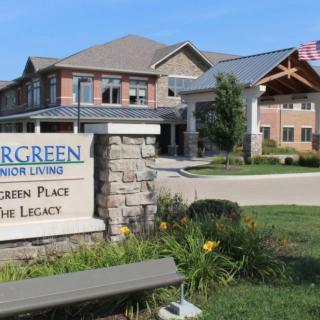
144 Junior Avenue, Kewanee, IL 61443
For more information about senior living options: (866) 208-4318
Overall Review of Kewanee Care Home
Pros
 The restaurant is very good.
- The staff are nice, caring, and listen to residents' needs.
- They treat families like their own.
- The staff enjoy helping residents and cooking for them.
- The staff are very friendly, and the environment is clean and welcoming.
- The team at Kewanee Care showed love and patience during their mother’s stay.
- The laundry department does a great job, especially when something needs to be washed quickly.
- Kewanee is a home with a big heart.
- The staff are wonderful.
Cons
 After Arcadia purchased this facility, the assisted living residents were told to be more independent; transportation was removed, housekeeping hours were cut, and assistance for the elderly who need it has been reduced. Not one resident is at all happy.
- If it doesn’t improve, legal action must be taken.
- The reviewer would not recommend moving into this place until things improve.
- It treats the family like they are better than anybody.
- It is an awful place and it is understaffed.
- Most of the comments are from staff members’ family or friends, and the place is pathetic.
- The state needs to go in and clean house.
- Staff lie in incident reports; they lie to family members of residents.
Review
Kewanee Care Home is best suited for seniors who prize a warm, family-centered environment and staff who treat residents like members of an extended family. The community rewards daily social connection, personal attention, and meals prepared on site, delivering a home-like cadence that can feel deeply comforting for residents who value relational care over clinical polish. It appeals to families seeking warmth, responsiveness, and a tangible sense that caregivers view each resident as a person first. Those who require steady transportation, consistently robust housekeeping hours, or tightly controlled governance may find this setting less compatible. In short, the strong suit is emotional and practical companionship, not institutional rigidity.
Those weighing alternatives should anchor their inquiry in expectations around transportation, daily assistance, and transparent governance. Several reviewers describe a notable shift in services after a corporate change, including reduced transportation, shortened housekeeping hours, and a perceived erosion of the level of assistance. For families relying on dependable mobility support or regular help with activities of daily living, these changes can be disruptive and riskier for a loved one’s routine and safety. A subset of comments describe understaffing and concerns about incident reporting and family communication. These signals demand thorough on-site verification, current care plans, and a clear explanation of staffing ratios before making a move. If such reliability matters, exploring options with steadier governance and documented service levels is prudent.
On balance, the strongest positives revolve around staff warmth, attentiveness, and the sense of a second family surrounding residents. Multiple accounts highlight caregivers who listen, engage, and treat residents with genuine kindness, often accompanied by a welcoming, home-like atmosphere. When staff genuinely cook for residents and stay accessible to families, the daily experience feels intimate and reassuring. Cleanliness and laundry support also emerge as consistent strengths, reinforcing a practical sense of care that residents and families can trust day to day. For those who value heartfelt interaction and the comfort of a familiar, domestic rhythm, these elements can compensate for some service gaps and create a stabilizing core to life in the community.
From a decision-making perspective, those benefits must be weighed against the potential downsides tied to staffing and service consistency. The personal attention, social engagement, and on-site meal program can offset limited transportation and fluctuating housekeeping hours for residents who prioritize meaningful daily interactions and a comfortable, homelike routine. Yet the same gaps can become material barriers for residents who depend on reliable mobility assistance, predictable housekeeping support, and transparent, proactive communication about care needs and changes. Prospective families should insist on a current, detailed care plan that spells out daily assistance levels, transportation eligibility, and response times, then verify those claims with frontline staff during a live tour. A candid conversation with a resident or family about the realities of night staffing, incident follow-ups, and how concerns are escalated proves essential to avoid surprises after move-in.
Interpreting the rating mix is essential in this context. A 3.7 average from 22 reviews, with a noticeable split between positive five-star testimonials and several one-star criticisms, signals uneven experiences rather than a uniformly strong program. The warmth and homelike feel resonate powerfully with some families, yet others encounter service variability or governance concerns that undermine confidence. The practical implication is clear: this community can deliver a restorative, people-centered living experience for residents who thrive on close rapport with staff and a familial atmosphere, but it carries risk for those who demand unambiguous consistency in transportation, daily assistance, and administrative oversight. The decision, therefore, hinges on the resident’s top priorities: familial connection and emotional support or unwavering reliability and governance.
The recommended course is a disciplined due-diligence plan anchored in lived experience. Schedule multiple visits at different times, including conversations with the administrator, direct questions about daily routines, and unfiltered input from current residents and their families about both successes and frustrations. Request a signed, up-to-date care plan that details the specific levels of daily assistance, transportation eligibility, and typical response times. If alignment exists between the resident’s needs and the community’s strengths, empathy, home-style meals, and a truly caring staff environment, it can be a compelling match. If not, pursue alternatives with clearer governance, steadier staffing, and proven consistency in service delivery. The objective is a decision rooted in concrete expectations, measurable routines, and a transparent assessment of whether the home can sustain the level of daily assistance and social warmth that a loved one requires.
 84 resident community capacity
 Skilled Nursing Facility
 Air-conditioning
 Beauty salon
 Cable or satellite TV
 Computer center
 Dining room
 Fitness room
 Fully furnished
 Gaming room
 Garden
 Housekeeping services
 Kitchenette
 Move-in coordination
 Outdoor space
 Private bathrooms
 Restaurant-style dining
 Small library
 Telephone
 Wellness center
 Wi-Fi/high-speed internet available
 Community operated transportation
 12-16 hour nursing
 24-hour call system
 Activities of daily living assistance
 Assistance with bathing
 Assistance with dressing
 Assistance with transfers
 Diabetes diet
 Medication management
 Mental wellness program
 Special dietary restrictions
 Concierge services
 Planned day trips







 Navigating Medicare Coverage for In-Home Care Services
 In-Home Care Costs in 2025: A Detailed State-by-State Exploration
 Understanding Home Health Care: A Comprehensive Guide