
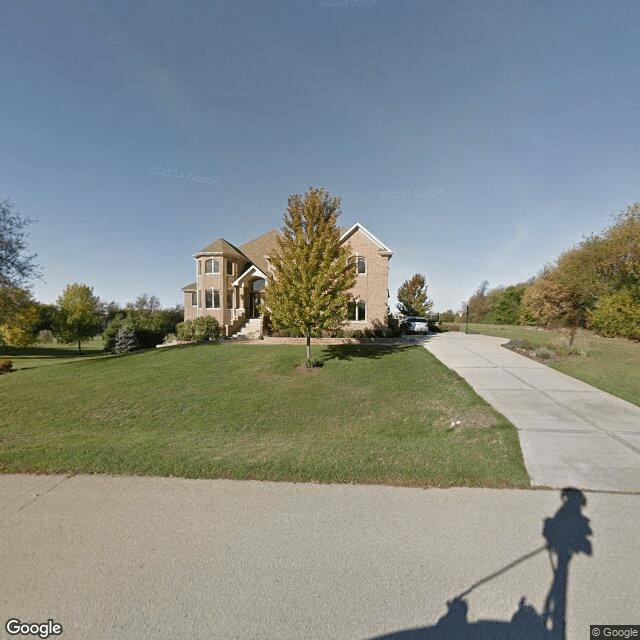
10N062 Muir Head Lane, Plato Center, IL 60124
To contact a resident: (847) 414-1709
For more information about senior living options: (866) 208-4318
Dream Care Assisted Living Costs & Pricing
Dream Care Assisted Living offers competitive pricing for its residents, particularly when compared to the costs in Kane County and the broader state of Illinois. The monthly rate for a semi-private room at Dream Care is $3,400, which is significantly lower than the average cost of $4,418 in Kane County and $5,146 statewide. For those seeking more privacy, a private room at Dream Care is priced at $3,600 - again, more affordable than the county's average of $4,124 and the state's average of $5,049. This makes Dream Care an attractive option for families looking for quality assisted living facilities without breaking the bank.
| Floor plans | Dream Care Assisted Living | Kane County | Illinois |
|---|---|---|---|
| Semi-Private | $3,400 | $4,418 | $5,146 |
| Private | $3,600 | $4,124 | $5,049 |
Senior living communities with a similar price nearby
-
from +$410 / mo

24/7 BrightStar
$3,810 to $5,970 / month19.9 miles away -
About the same
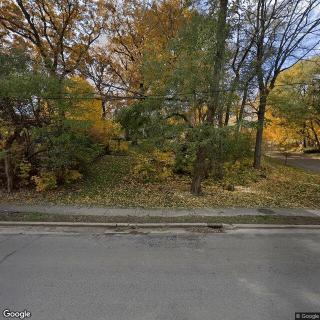
Pheasant Branch
$3,500 to $4,000 / month9.7 miles away -
from +$600 / mo
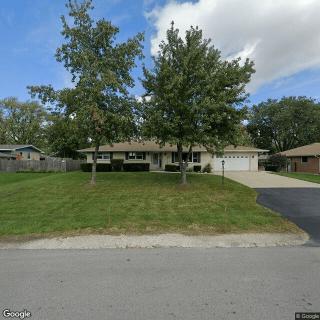
The Neighbors Next Door - Gerten 1
$4,000 / month16.6 miles away -
from -$400 / mo

Robin's Nest Assisted Living
$3,000 to $5,100 / month10.4 miles away -
from +$600 / mo
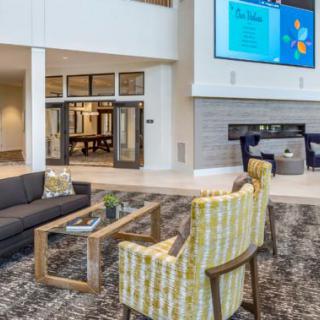
The Landings
$4,000 to $5,000 / month11.0 miles away
Overall Review of Dream Care Assisted Living
Pros
 He is compassionate and incredibly posh.
- Gramps is spending the rest of his days in luxury.
Review
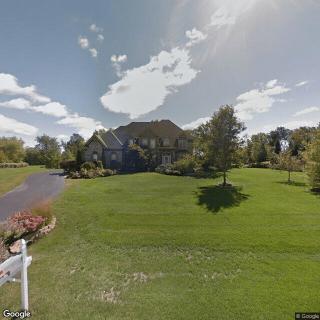
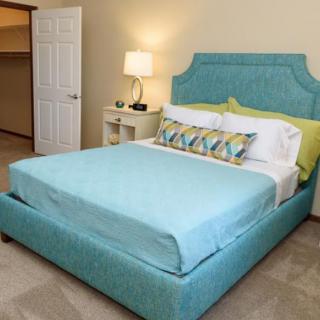
Dream Care Assisted Living in Plato Center, IL is best suited for families seeking a premium living experience for a loved one who values dignity, social engagement, and a polished, high-touch environment. This community appears designed for residents who want more than basic care, a setting where daily life blends comfort, aesthetics, and attentive support. It serves seniors who are comfortable with a higher price point in exchange for luxury amenities and a refined care approach. For families where quality of life, graceful surroundings, and a strong sense of personal respect are the primary criteria, Dream Care offers a compelling fit. It is less about budget-conscious, utilitarian care and more about a resort-like home atmosphere that supports aging in comfort.
Those with tighter budgets or more intensive medical needs may want to consider alternatives. The luxury overtones, while deeply appealing, come with trade-offs that matter in practical planning. For residents whose priorities center on robust, around-the-clock clinical oversight, highly structured medical programming, or specialized memory-care services, touring other options could protect against later mismatches. Similarly, families seeking a more homey, less formal vibe, where daily life feels like a private residence rather than a refined, boutique setting, may prefer smaller communities or facilities with a plainer aesthetic and simpler service models. Dream Care’s strengths can become a misfit for those who require highly utilitarian environments or more discreet medical infrastructure.
The strongest pros center on genuine warmth and an ambiance that honors residents’ dignity. Descriptions of care suggest a staff that is compassionate and attentive, pairing human connection with an upscale, thoughtfully designed space. The environment likely features elegant common areas, well-appointed private rooms, and dining that emphasizes quality and presentation. For families, this combination translates into reassurance: a loved one not only receives assistance but also engages in a socially vibrant setting where comfort, safety, and personal expression are prioritized. In practical terms, the premium ambiance and attentive interpersonal care tend to produce steadier mood, enhanced social participation, and a greater sense of belonging, factors that often reduce caregiver stress for families as well.
Yet the main drawbacks orbit around cost and the potential mismatch between luxury and practical care needs. The high-end presentation can imply a higher monthly price, and without explicit details, questions remain about all-inclusive pricing, add-ons, and the value one actually receives for the premium. Some residents may find the environment a touch formal, which can feel less home-like for those who prefer a more relaxed, casual daily routine. Availability of certain medical supports, specialized therapies, or rapid responsiveness to acute changes may not be as transparent as expected in a setting marketed on refinement. These potential gaps should be weighed against the expected emotional benefit and the level of interpersonal attention described.
The key argument, however, is how the positives offset the drawbacks for the right resident. For families prioritizing dignity, elegance, and a consistently respectful atmosphere, the upscale setting amplifies daily quality of life and social vitality in ways that are hard to match in more utilitarian communities. The peace of mind from knowing a loved one is treated with personal warmth while living in a refined space can justify a higher price for many families. When medical intensity is not the central criterion, the combination of compassionate care and an aesthetically pleasing, secure environment often yields a superior overall experience, one that translates into fewer disruptive transitions and steadier emotional health.
In sum, Dream Care Assisted Living is a strong fit for seniors who want luxury coupled with heartfelt care and for families who value conspicuous attention to comfort and dignity. It stands out as an option worth pursuing for those who can align budget with lifestyle goals and who want a setting that feels like a premium home rather than a clinical facility. For anyone with tighter finances or urgent, high-neverity medical needs, it makes sense to compare alternative communities that foreground affordability or medical infrastructure. Prospective families should schedule a visit, request a detailed service plan, and probe for practical details, staff ratios, care programming, emergency protocols, and dietary options, before making a commitment. A careful assessment of cost against the anticipated quality of life will reveal whether this luxury-oriented environment is the decisive factor in choosing the right next chapter.
 Board and Care Home
 Activities off-site
 Bath tubs
 Beautician on-site
 Indoor common areas
 Outdoor common areas
 Private
 Private bathrooms
 Respite or short term stays offered
 Wheelchair accessible showers
 Ambulatory care
 Kosher

 Comprehensive Insights into Palliative Home Care: What It Is and What to Expect
 Skilled Nursing Facilities vs. Nursing Homes: Making Sense of the Differences
 A Detailed Examination of Nursing Home Costs Across the U.S.