

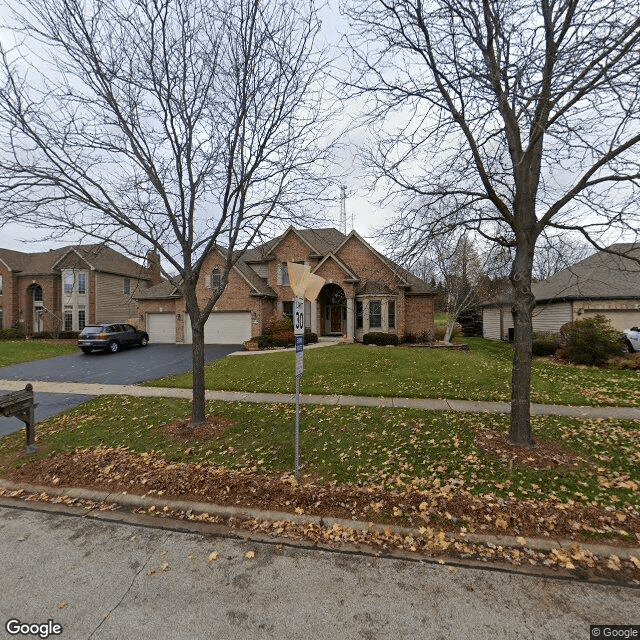
1819 Fargo Blvd, Geneva, IL 60134
To contact a resident: (630) 400-0288
For more information about senior living options: (866) 208-4318
Robin's Nest Assisted Living Costs & Pricing
At Robin's Nest Assisted Living, the monthly costs for accommodations are notably competitive compared to both Kane County and the broader state of Illinois. For a semi-private room, residents can expect to pay $3,000 per month, which is significantly lower than the county average of $4,418 and the state average of $5,146. Those opting for a private room will find that at $5,100 per month, it remains slightly above the Kane County rate of $4,124 but is still in line with the Illinois state average of $5,049. This pricing structure makes Robin's Nest an appealing option for families seeking quality care without exceeding their budget.
| Floor plans | Robin's Nest Assisted Living | Kane County | Illinois |
|---|---|---|---|
| Semi-Private | $3,000 | $4,418 | $5,146 |
| Private | $5,100 | $4,124 | $5,049 |
Senior living communities with a similar price nearby
-
from +$500 / mo
Pheasant Branch
$3,500 to $4,000 / month2.0 miles away -
from +$500 / mo
Ignite Christian Health Care Bolingbrook
$3,500 to $4,000 / month18.4 miles away -
from +$500 / mo
Halina's Home Care
$3,500 to $4,000 / month3.0 miles away -
About the same

Brookdale Hoffman Estates
$2,950 to $4,250 / month15.2 miles away -
from +$286 / mo

The Garlands of Barrington
$3,286 to $9,430 / month21.9 miles away
Overall Review of Robin's Nest Assisted Living
Pros
 Robin's Nest provides a safe, homelike environment where residents feel cared for and at ease.
- The staff are welcoming, attentive, professional, and knowledgeable.
- Families have peace of mind knowing their loved ones are well cared for at Robin's Nest.
- Meals are home-cooked and personalized to each resident’s preferences.
- The setting offers a family-style atmosphere with a close-knit community.
- The nurse-to-patient ratio supports individual attention and high-quality care.
- The facility is clean, well-maintained, and pleasantly welcoming.
- Caregivers communicate clearly about residents’ needs and medical information.
- The environment is secure, with staff promptly addressing safety concerns.
- Residents enjoy meaningful activities, such as music sessions and hair services, that enhance well-being.
Cons
 Covid made the last 2 years difficult for visiting at times.
Review
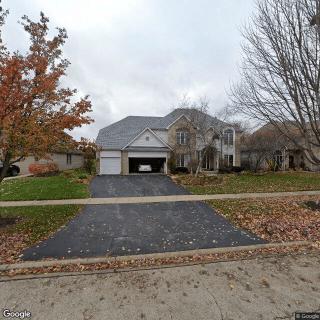
Robin’s Nest Assisted Living in Geneva, IL is best suited for families seeking a truly home-like, intimate setting where a senior can receive high-touch, personalized care in a small community. The eight-to-nine resident footprint, residential single-family home design, and a stable caregiver team create a sense of daily life that feels almost like a private home. For a senior who values predictable routines, familiar surroundings, and a strong sense of belonging, this setting delivers peace of mind through genuine relationships with caregivers who know residents by name and preferences.
Contrast that with alternatives, and the fit becomes clearer. For older adults needing robust on-site medical services, a broader activity calendar, or lower-cost options, a larger campus or conventional institutional facility may be more appropriate. Residents requiring intensive medical management, frequent therapy, or extensive transportation networks could find a bigger operation better aligned with those needs. Those who prize a bustling social calendar or a wide range of on-site amenities may want to evaluate other models that can offer more variety.
The strongest pros, home-like atmosphere, small, attentive staff, and highly personalized care, tend to offset potential drawbacks in meaningful ways. Families repeatedly note the comfort of a setting where meals feel like home, residents can keep personal touches from their own living spaces, and daily routines can be tailored to individual preferences. A nursing presence, described in reviews as a favorable nurse-to-resident ratio in practice, supports quicker response times and more consistent oversight. The emphasis on direct communication, visible warmth, and the possibility of doctors making house calls further strengthens the sense that residents are safeguarded and well-supported, all within a secure, low-stress environment.
That said, the very strengths can temper expectations in other areas. The smaller scale means fewer distinct activities and fewer on-site options compared with larger facilities, which may matter to residents who want a broad social program or frequent outings. Several reviewers mention that only a small number of staff act as the primary points of contact, which can lead to variability in communications, especially for families living far away. While many families judge the value as excellent, the trade-off is clear: intimate care and home ambiance come with a more focused staff milieu and higher perceived costs relative to large campuses.
For families weighing a visit, concrete questions and observations will drive confidence. Look for a genuine, ongoing rhythm of caregiver engagement, watch how staff interact with residents, and whether personal routines are respected and supported. Confirm the presence of consistent medical oversight, ideally including regular house calls, and assess security features and door controls, especially for residents with memory challenges. Probe the transparency of updates and the ease of communication with caregivers, including how meal planning and daily schedules are managed. Clarify costs beyond base rates and ask how care is adjusted as needs evolve, since a small home can offer flexibility but may require more careful budgeting as health status changes.
In the final analysis, Robin’s Nest is a strong match for families prioritizing a warm, home-like environment with highly attentive caregivers and a predictable, family-centered atmosphere. It delivers meaningful peace of mind through personalized routines, strong resident–caregiver connections, and a secure setting that supports dignity and comfort. If the objective is a large, activity-rich campus with broad medical services at a lower price point, alternatives should be pursued. For everyone else, this small, well-kept residence offers practical advantages that closely align with the values of care within a home rather than a building.
 Board and Care Home
 Cats allowed
 Dogs allowed
 Activities on-site
 Air-conditioning
 Bath tubs
 Beautician on-site
 Cable or satellite TV
 Devotional services off-site
 Fireplaces
 Handicap accessible
 Indoor common areas
 Outdoor common areas
 Private
 Private bathrooms
 Respite or short term stays offered
 Wheelchair accessible showers
 Wi-Fi/high-speed internet available
 Chicago O'Hare International (23 miles away)
 Diabetic care
 High acuity care
 Incontinence care
 Medication management
 Anytime dining
 Art classes
 BBQs or picnics
 Birthday parties
 Educational speakers / life long learning
 Live dance or theater performances
 Live musical performances
 Trivia games
 Visiting chaplain or priest
 Wii bowling



 Ten Vital Duties of a Senior Caregiver: A Comprehensive Guide
 9 Stimulating Memory Activities for Seniors: Puzzles, Cards, and Much More
 Managing Nursing Home Expenses After Medicare Coverage Ends