The Reserve of Geneva

Save

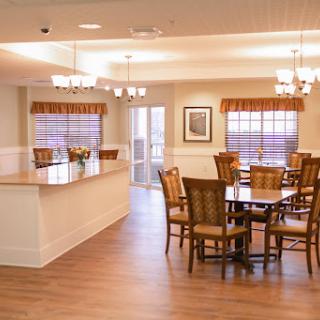
  • Interior

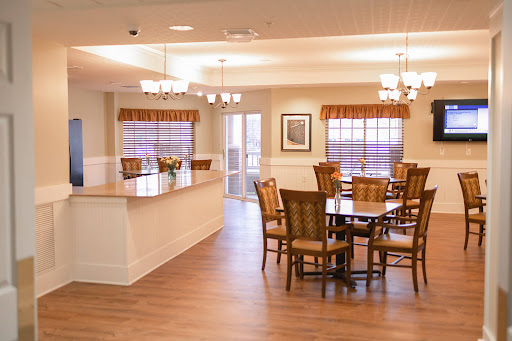
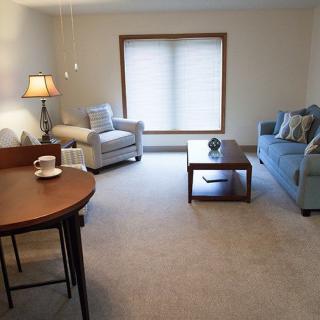
    A bright and welcoming dining area featuring wooden furniture and large windows.
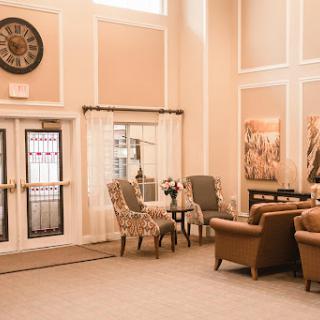
  • Decor

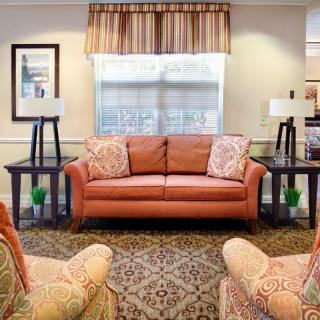
    A cozy and elegant lounge area featuring comfortable seating and tasteful decor.
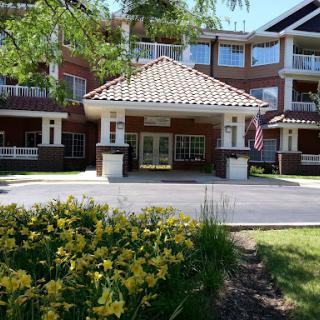
  • Building

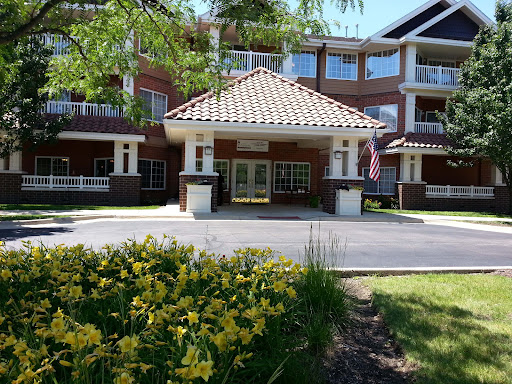
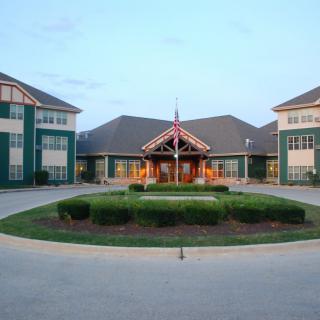
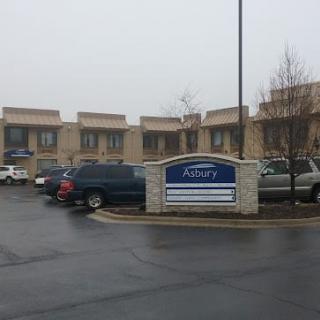
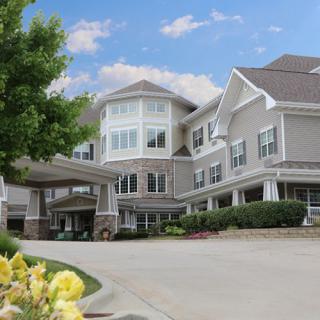
    A welcoming entrance to a residential building surrounded by blooming flowers.
  • Trees

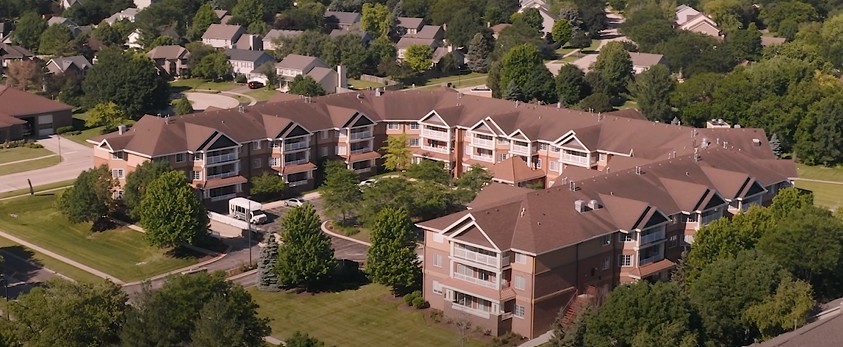
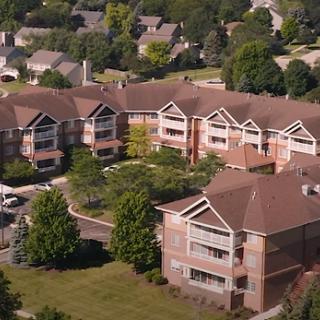
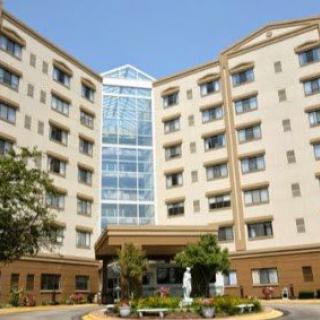
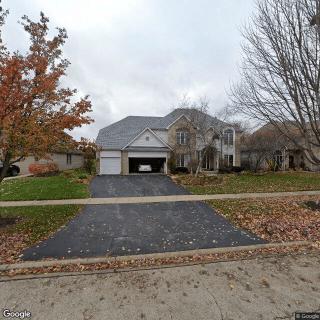
    Aerial view of suburban residential apartments surrounded by greenery.
  • Dining

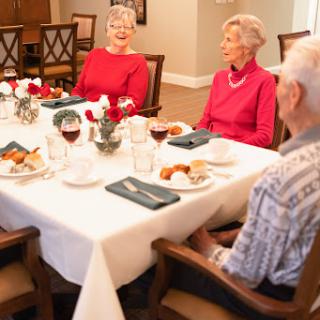
    A cheerful dining scene with seniors enjoying a meal together at a beautifully set table.
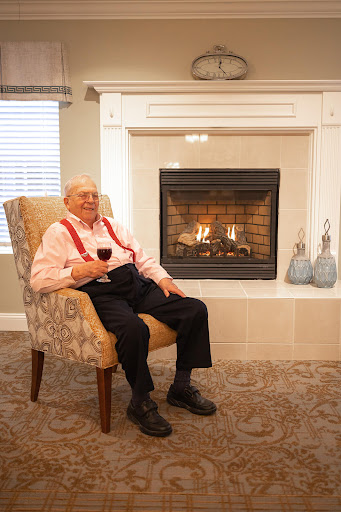
  • Fireplace

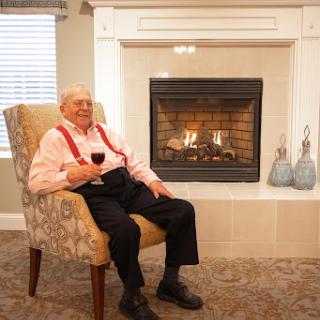
    An elderly man enjoying a glass of wine by the fireplace in a cozy living space.
  • Exercise Equipment

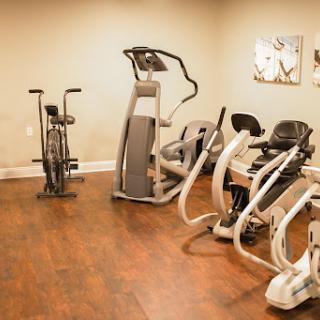
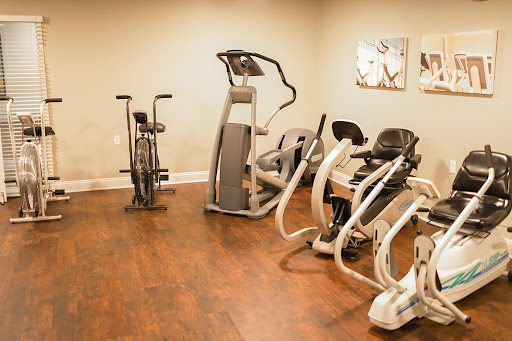
    A well-equipped indoor gym area featuring various exercise machines.
  • Billiards

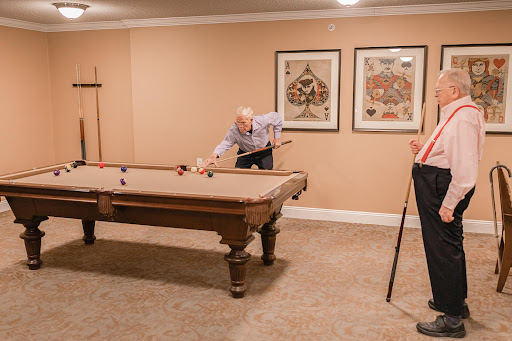
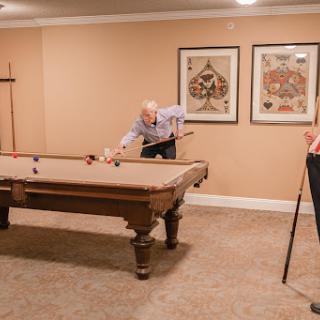
    Two people enjoying a game of billiards in a cozy indoor setting.

The Reserve of Geneva

2508 Kaneville Road, Geneva, IL 60134

For more information about senior living options: (844) 490-3973

4.3 from 90 reviews
5 stars
73
4 stars
2
3 stars
0
2 stars
0
1 stars
15

Assisted Living Independent Living

The Reserve of Geneva Costs & Pricing

The Reserve of Geneva offers competitive pricing for its living accommodations, particularly when compared to both Kane County and the broader state of Illinois. A one-bedroom unit at The Reserve is available for $1,950 per month, significantly lower than the county average of $3,512 and the state average of $3,527. For those seeking more space, a two-bedroom unit is priced at $3,211, which again proves advantageous against Kane County's average of $3,926 and Illinois' statewide average of $4,208. This positioning highlights The Reserve of Geneva as not only an appealing choice for comfortable living but also a financially savvy option for residents looking to balance quality with affordability in their housing decisions.

Floor plansThe Reserve of GenevaKane CountyIllinois
1 Bedroom$1,950$3,512$3,527
2 Bedrooms$3,211$3,926$4,208

Overall Review of The Reserve of Geneva

Pros

  • pro The Reserve of Geneva is a warm, inviting senior community with friendly staff.
  • pro The staff are attentive, helpful, and respectful toward residents.
  • pro Angie, the Executive Director, is professional, kind, and welcoming.
  • pro Residents enjoy a wide range of activities, social events, and amenities that make them feel at home.
  • pro The on-site chef prepares delicious meals that residents look forward to.
  • pro Apartments are spacious with balconies, and the community is well-maintained and beautifully designed.
  • pro The location is convenient, with nearby shopping, medical facilities, and walking trails.
  • pro Transportation services and other conveniences help residents stay independently active.

Cons

  • pro The administration folks think they're more important than everyone and are not very accommodating.
  • pro The staff is rude, uncaring, and very unprofessional.
  • pro The manager is horrible and does not care about the residents' wellbeing, acting like a dictator who profits for the corporate owner.
  • pro Until management changes, one should not consider this facility, as management is focused on profit and residents fear reprisals.
  • pro They have to continue paying the rent (and buy-in) until the unit sells, with little incentive for sale.
  • pro The reviewer warns to steer clear of this facility.
  • pro Elderly residents on the board don't understand the impact of the decisions, which are basically made by the manager.

Review

The Reserve of Geneva is best suited for active, independent-minded adults who want a vibrant 55+ community in Geneva, Illinois, with a strong social calendar, in-house dining, and convenient access to medical facilities and shopping. It works well for couples and singles who enjoy organized activities, friendship-focused living, and the reassurance of transportation and on-site support when needed. Residents tend to value the sense of belonging that comes from a relatively intimate, purpose-built setting where staff are accessible and neighbors form a core social network. The combination of modern apartments, spacious layouts, and accessible amenities underpins a lifestyle that looks less like a traditional retirement home and more like a full, self-contained village.

Those considering alternatives should note that The Reserve is not a continuing care community. For families prioritizing on-site medical care, skilled nursing, or a guaranteed path to escalating care, options with a formal life-care structure may be a better fit. Budget-conscious buyers should also vet the financial model carefully: some reviews reference buy-in terms and ongoing rent, with questions about resale timelines and what happens if living needs evolve. People seeking a quieter, less communal environment or one with stricter eligibility for services may find other options more aligned with their preferences. In short, pre-purchase homework on contracts and long-term cost structure is essential.

The core strengths - strong, personable staff; a genuine, welcoming atmosphere; and a robust activity slate - tend to offset notable concerns. The executive leadership, particularly Angie, the executive director, commonly earns high praise for accessibility, decision-making, and genuine care for residents. Families repeatedly point to Mary, the activities director, and the overall team as responsive and respectful. The social ecosystem - daily events, performances, outings, and on-site amenities - creates organic peer support and keeps residents actively engaged. When paired with well-regarded dining and comfortable living spaces, these pros substantially outweigh the emotional costs of settling into a new community for most families.

Amenities and daily life are well-calibrated for independent living with built-in convenience. Residents enjoy a variety of apartment sizes with features like large closets and balconies, underground parking, a theater, a craft room, a library, and an exercise room. Meal service is a highlight for many, with an in-house kitchen producing meals that residents look forward to, and the option to dine in different settings within the community. Transportation to appointments and local outings further reduces daily stress, while proximity to shops, medical facilities, and walking trails adds practical value. The setting feels intimate enough to know neighbors while offering enough options to stay busy without feeling crowded.

However, reviews also document friction points in governance and consistency of service. A subset of comments expresses concern about management style and accountability, with some past critiques describing a profit-focused approach and limited incentives to move residents when circumstances change. The strongest advice for prospective movers is to verify current leadership dynamics, request clear, up-to-date documentation about buy-in and resale terms, and assess whether the long-term financial model aligns with expectations. For families anxious about potential friction with staff or policy overreach, a thorough conversation during tours or with current residents can illuminate whether the present culture feels stable and resident-centric.

For decision-makers, the takeaway is clear: The Reserve of Geneva delivers a compelling, active, and affectionately curated living experience for those who want independence wrapped in a supportive, neighborly environment. It shines in personal connections, convenient location, and a high-quality social life, with enough customization in apartment options and services to suit a range of preferences. The caveats lie primarily in governance history and the financial structure surrounding buy-ins and ongoing rent, which require careful due diligence. If prospective residents value a warm community, premier staff attention, and a lifestyle rich in activities and amenities, The Reserve stands out as a strong candidate - provided current leadership and contract terms align with expectations.

In sum, this community is a practical, well-rounded choice for active seniors who prize community, convenience, and engagement, and who are comfortable navigating a buy-in/lease framework rather than seeking guaranteed continuing care. Alternatives make sense for those needing higher level care, tighter budgets, or a more restrained social footprint. The prudent path is a deliberate visit with questions about governance, costs, and future service options, followed by conversations with residents to gauge whether the current atmosphere matches the ideal balance of independence and support.

Features

Housing

  • 12 resident community capacity 12 resident community capacity

Types of Care

  • Assisted Living Assisted LivingAssisted living facilities provide crucial support and care for seniors who may need help with daily tasks such as medication management, bathing, and meal preparation. These communities offer a safe and comfortable environment where seniors can maintain their independence while receiving the assistance they need to thrive in their golden years.
  • Independent Living Independent LivingIndependent living communities are important for seniors because they offer a safe and supportive environment where older adults can live independently while still having access to amenities and services that enhance their quality of life. These communities provide social opportunities, recreational activities, and assistance with daily tasks, promoting overall well-being and allowing seniors to maintain their independence for as long as possible.

Pets

  • Cats allowed Cats allowed"Pet friendly" senior living communities are important for seniors because pets provide companionship, reduce feelings of loneliness and depression, promote physical activity and mental stimulation, and offer a sense of purpose and responsibility. Pets can improve overall well-being and quality of life for seniors in many ways.
  • Dogs allowed Dogs allowed"Pet friendly" senior living communities are important for seniors because pets provide companionship, reduce feelings of loneliness and depression, promote physical activity and mental stimulation, and offer a sense of purpose and responsibility. Pets can improve overall well-being and quality of life for seniors in many ways.

Amenities

  • Activities off-site Activities off-siteEngaging in off-site activities is crucial for seniors to maintain social connections, stay active, and stimulate their minds. It promotes overall well-being and helps combat feelings of isolation and loneliness.
  • Activities on-site Activities on-siteActivities on-site are important for seniors because they provide opportunities for socialization, mental stimulation, physical activity, and overall well-being. Engaging in activities can help seniors stay active, maintain their independence, and improve their quality of life.
  • Beautician on-site Beautician on-siteHaving a beautician on-site at a senior living community is important for seniors as it allows them to easily access grooming and personal care services, boosting their self-esteem and overall well-being. It also provides convenience and helps seniors maintain their sense of independence and personal style.
  • Cable or satellite TV Cable or satellite TVCable or satellite TV is important for seniors because it provides entertainment, news, and companionship, helping to combat loneliness and boredom. It also offers a wide range of programming options tailored to different interests and preferences.
  • Devotional services on-site Devotional services on-siteDevotional services on-site provide seniors with spiritual support and a sense of community, as well as an opportunity for reflection and guidance during their senior living experience. This can promote emotional well-being and connection to others, leading to a more fulfilling and enriching lifestyle in their later years.
  • Dining room Dining roomDining rooms are important for seniors as they provide a space for socialization, connection, and nutritious meals. They offer opportunities for residents to bond over shared meals, foster a sense of community, and promote healthy eating habits. Dining rooms also ensure that seniors have access to well-balanced meals tailored to their dietary needs and preferences.
  • Fully furnished Fully furnishedFully furnished senior living communities are important for seniors because they provide convenience, comfort, and a hassle-free moving experience. Seniors can easily settle into their new living space without the stress of having to buy and move furniture. This allows them to focus on enjoying their new home and community.
  • Garden GardenGardens are important for seniors as they provide a peaceful and therapeutic environment for relaxation, physical activity, and socialization. Being in nature has been shown to reduce stress, improve mood, and promote overall well-being. Gardens also offer opportunities for seniors to engage in gardening activities, which can improve mobility, flexibility, and cognitive function. Additionally, gardens create a sense of community and connection with others who share a passion for plants and outdoor spaces.
  • Housekeeping services Housekeeping servicesHousekeeping services are important for seniors because they help maintain a clean and safe living environment, promote independence, and reduce the risk of accidents or illnesses. Additionally, having assistance with household chores can alleviate physical strain and allow seniors to focus on other aspects of their well-being.
  • Indoor common areas Indoor common areasIndoor common areas are crucial for seniors as they provide a space for socialization, recreation, and community engagement, promoting overall well-being and reducing feelings of isolation and loneliness.
  • Move-in coordination Move-in coordinationMove-in coordination is important for seniors because it helps ease the transition into their new living environment. It ensures that all logistics, such as packing, organizing movers, and setting up utilities are taken care of, allowing seniors to focus on settling in and adjusting to their new home. Having a smooth move-in process can alleviate stress and anxiety, making the transition smoother and more enjoyable for seniors.
  • Outdoor common areas Outdoor common areasOutdoor common areas are important for seniors as they provide a space for socialization, physical activity, and relaxation. Being outside in nature can improve mood and overall well-being, while also encouraging movement and engagement with others. These spaces can help combat feelings of isolation and promote a sense of community among residents.
  • Outdoor space Outdoor spaceOutdoor spaces are important for seniors as they provide opportunities for physical activity, social interaction, exposure to natural light and fresh air, and a sense of connection to nature. Having access to outdoor spaces can improve overall well-being and quality of life for older adults living in senior communities.
  • Telephone TelephoneTelephones are important for seniors as they provide a lifeline for communication with loved ones, emergency services, and healthcare providers. They offer a sense of security and independence, enabling seniors to stay connected and access assistance when needed.
  • Wi-Fi/high-speed internet available Wi-Fi/high-speed internet availableWi-Fi/high-speed internet is important for seniors to stay connected with loved ones, access online resources, and participate in virtual activities to combat feelings of loneliness and isolation. It also allows them to easily manage healthcare needs, access entertainment, and engage in lifelong learning opportunities.

Transportation

  • Chicago O'Hare International (24 miles away) Chicago O'Hare International (24 miles away)

Care Services

  • 24-hour supervision 24-hour supervision24-hour supervision is important for seniors to ensure their safety, well-being, and access to immediate assistance in case of emergencies or health issues. This constant support provides peace of mind for both seniors and their loved ones, allowing them to age in place with dignity and security.
  • Activities of daily living assistance Activities of daily living assistanceActivities of daily living assistance are important for seniors because they provide essential support with tasks such as eating, bathing, dressing, and mobility. This assistance helps seniors maintain their independence, dignity, and overall quality of life as they age.
  • Assistance with bathing Assistance with bathingAssistance with bathing is crucial for seniors as it helps maintain personal hygiene, prevents infections, and ensures their overall well-being and comfort. It also provides a sense of dignity and independence for seniors who may struggle with this task on their own.
  • Assistance with dressing Assistance with dressingAssistance with dressing is important for seniors because it helps maintain their independence, promotes personal hygiene, prevents accidents and injuries, and improves overall quality of life. This service ensures that seniors can continue to dress comfortably and confidently, despite any physical limitations they may have.
  • Assistance with transfers Assistance with transfersAssistance with transfers is crucial for seniors as it helps prevent falls and injuries, maintains their independence, and ensures they can safely navigate their living environment. It also provides peace of mind for both seniors and their loved ones.
  • Coordination with health care providers Coordination with health care providersCoordination with health care providers is crucial for seniors to ensure proper medical care, medication management, and overall well-being. This collaboration helps prevent overlapping treatments, track progress more effectively, and provide comprehensive support tailored to individual needs.
  • Diabetes diet Diabetes dietA diabetes diet is crucial for seniors as it helps manage blood sugar levels, reduce risks of complications, and improve overall health and well-being. By following a balanced and nutritious diet tailored to their specific needs, seniors can better control their diabetes and enhance their quality of life.
  • Meal preparation and service Meal preparation and serviceMeal preparation and service are crucial for seniors as they may have limited mobility or energy to cook nutritious meals. Having access to healthy and convenient food options can ensure they are getting the proper nutrition needed to maintain their overall health and well-being.
  • Medication management Medication managementMedication management is crucial for seniors to ensure they are taking the right medications at the correct dosages and times. This helps prevent adverse drug interactions, reduces the risk of medication errors, and promotes overall health and well-being. Proactive management also allows for adjustments as needed based on changing health conditions or new prescriptions.
  • Special dietary restrictions Special dietary restrictionsSpecial dietary restrictions are important for seniors because age-related changes in metabolism and health conditions can make it difficult for their bodies to process certain foods. By following a diet tailored to their specific needs, seniors can maintain their overall health and well-being, manage chronic conditions, and reduce the risk of complications such as malnutrition or food interactions with medications.
  • Transportation arrangement (medical) Transportation arrangement (medical)Transportation arrangements for medical purposes are essential for seniors as they may have difficulty driving themselves to appointments or accessing public transportation. Having reliable and safe transportation options ensures that seniors can receive timely medical care and maintain their health and well-being.
  • Transportation to doctors appointments Transportation to doctors appointmentsTransportation to doctors' appointments is crucial for seniors as it ensures they have access to necessary medical care and support for their health needs. Without reliable transportation, seniors may struggle to attend important appointments, leading to potential delays in treatment and health complications. Providing transportation services helps seniors maintain their overall well-being and quality of life.

Dining

  • Diabetes diet Diabetes dietA diabetes diet is crucial for seniors as it helps manage blood sugar levels, reduce risks of complications, and improve overall health and well-being. By following a balanced and nutritious diet tailored to their specific needs, seniors can better control their diabetes and enhance their quality of life.
  • Kosher KosherKosher options are important for seniors because they adhere to dietary laws that are significant to many Jewish individuals, providing them with peace of mind and an opportunity to maintain their cultural traditions and beliefs while living in a senior living community.
  • Meals provided Meals provided"Meals provided" are crucial for seniors in assisted living communities as it ensures they have access to nutritious, balanced meals without the stress of meal planning and preparation. This can help promote overall health and well-being for seniors who may have limited mobility or cognitive abilities.
  • Special dietary restrictions Special dietary restrictionsSpecial dietary restrictions are important for seniors because age-related changes in metabolism and health conditions can make it difficult for their bodies to process certain foods. By following a diet tailored to their specific needs, seniors can maintain their overall health and well-being, manage chronic conditions, and reduce the risk of complications such as malnutrition or food interactions with medications.
  • Vegetarian VegetarianA vegetarian diet is important for seniors because it can help lower the risk of chronic diseases, maintain a healthy weight, and provide essential nutrients needed for aging bodies. Additionally, plant-based diets are often easier on digestive systems and can contribute to overall well-being in older adults.

Activities

  • Activities off-site Activities off-siteEngaging in off-site activities is crucial for seniors to maintain social connections, stay active, and stimulate their minds. It promotes overall well-being and helps combat feelings of isolation and loneliness.
  • Activities on-site Activities on-siteActivities on-site are important for seniors because they provide opportunities for socialization, mental stimulation, physical activity, and overall well-being. Engaging in activities can help seniors stay active, maintain their independence, and improve their quality of life.
  • Community-sponsored activities Community-sponsored activitiesCommunity-sponsored activities are important for seniors as they provide opportunities for social interaction, mental stimulation, and physical activity. These activities can help improve overall well-being, combat loneliness and isolation, and promote a sense of belonging and purpose among older adults.
  • Devotional activities on-site Devotional activities on-siteDevotional activities on-site provide seniors with a sense of community, spiritual fulfillment, and emotional support, promoting overall well-being and a positive sense of purpose in their lives.
  • Scheduled daily activities Scheduled daily activitiesScheduled daily activities are important for seniors because they provide structure, socialization, mental stimulation, and physical activity. Engaging in regular activities can improve overall well-being and quality of life for seniors living in a community setting.

Description

The Reserve of Geneva in Geneva, IL is an assisted living community that offers residents a comfortable and enriching lifestyle. With a focus on independent living, residents are able to maintain their independence while receiving assistance with daily activities as needed.

Residents at The Reserve of Geneva can enjoy a wide range of amenities and services to enhance their quality of life. On-site activities, such as social gatherings and recreational events, provide opportunities for engagement and companionship. A beautician is available on-site for convenient salon services. Cable or satellite TV is provided for entertainment options, and devotional services are available to meet spiritual needs.

The dining experience at The Reserve of Geneva ensures that residents receive nutritious and delicious meals. With options for kosher, special dietary restrictions, vegetarian choices, and meals provided regularly, residents can enjoy flavorful options that accommodate their individual preferences and health needs.

Care services at The Reserve of Geneva cater to the specific needs of each resident. Assistance with activities of daily living such as bathing, dressing, and transfers is readily available. The community coordinates with health care providers to ensure seamless care management. Medication management is provided to support proper medication administration. Special dietary restrictions are accommodated in meal preparation and service. Transportation arrangements for medical appointments are easily arranged.

Surrounding the community are various conveniences that enhance the overall accessibility for residents. Two cafes nearby offer opportunities for outings or meeting friends outside the community. Three parks provide green spaces for outdoor recreation or relaxation moments. Nine nearby pharmacies ensure easy access to medications and healthcare supplies. Ten physicians in proximity allow residents to choose from a variety of healthcare providers based on their personal preferences or needs. Seven nearby restaurants offer dining options outside the community when desired. Additionally, one transportation service provides convenient transportation options for residents who want to explore the area further or attend off-site appointments or events.

At The Reserve of Geneva in Geneva, IL, seniors can experience a vibrant assisted living community with comprehensive care services, numerous amenities, and nearby conveniences to support their daily needs and overall well-being.

Videos

Nearby Places of Interest

Physicians

  • Fox Valley Family Physicians (0.1 miles)
  • Fox Valley Orthopedics- Geneva South (0.2 miles)
  • Fox Valley Orthopaedic Association - Timothy S Petsche MD (0.2 miles)
  • Mohammed Nasir Md Delnor Cancer Care Center Geneva (0.7 miles)
  • Dreyer Medical Clinic (0.9 miles)
  • Fox Valley Women & Children's Health Partners (2.9 miles)
  • Fox Valley Ear Nose (3.1 miles)

Restaurants

  • McAlister's Deli (0.2 miles)
  • McDonald's (0.6 miles)
  • Portillo's Hot Dogs (1.1 miles)
  • Wendy's (1.8 miles)
  • Preservation Bread & Wine (1.9 miles)
  • McDonald's (2.5 miles)
  • Hardware Sustainable Gastropub and Brewery (4.8 miles)

Cafes

  • Panera Bread (0.2 miles)
  • Graham's 318 (1.9 miles)
  • Moka North Aurora (5 miles)
  • Panera Bread (5.3 miles)
  • Starbucks (5.4 miles)
  • Panera Bread (6.6 miles)
  • Starbucks (9.1 miles)

Pharmacies

  • Walgreens (0.9 miles)
  • Walgreens (1.6 miles)
  • CVS Pharmacy (1.7 miles)
  • Walgreens (2.6 miles)
  • CVS Pharmacy (2.9 miles)
  • Walgreens (3 miles)
  • Walgreens (4.5 miles)

Places of Worship

  • St Peter Catholic Church (1.1 miles)
  • Holy Cross Church (2.1 miles)
  • Blessed Sacrament (4.7 miles)
  • St John Neumann Catholic Church (4.7 miles)
  • Our Lady of Mercy (10.4 miles)

Transportation

  • Metra - Geneva Station (1.8 miles)
  • Aurora Transportation Center (8.2 miles)

Parks

  • Memorial Park (2 miles)
  • Batavia Riverwalk (2.5 miles)
  • Pottawatomie Park (3.4 miles)
  • The Park (9.5 miles)
  • Phillips Park (10 miles)
  • East Street Park (10.1 miles)
  • Waubonsie Lake Park (10.5 miles)

Theaters

  • Cinemark Tinseltown USA (5.9 miles)

Hospitals

  • Provena Mercy Medical Center (6.3 miles)
  • Central Dupage Hospital (9.7 miles)
  • Central Dupage Hospital - Mother & Baby Pavilion (9.7 miles)
  • Northwestern Medicine Central DuPage Hospital Sleep Health Center (9.7 miles)

Frequently Asked Questions

How much does it cost to live at The Reserve of Geneva in Geneva, IL?
Where is The Reserve of Geneva?
Does The Reserve of Geneva allow residents to have pets?
What photos are available for The Reserve of Geneva in Geneva, Illinois?

Nearby Communities

  • Robin Nest Assisted Living

    Robin Nest Assisted Living

    Geneva, IL


    pro Small, intimate community with personalized care and memory care options.

  • Robin's Nest Assisted Living

    Robin's Nest Assisted Living

    Geneva, IL

    4.7 from 14 reviews
    $3,000 to $5,100 / month

  • The Landings

    The Landings

    Batavia, IL

    4.8 from 126 reviews
    $4,000 to $5,000 / month

    pro Beautiful, modern facility with friendly staff and engaging activities.

  • Robin Nest Assisted Living

    Robin Nest Assisted Living

    Geneva, IL

    4.5 from 110 reviews
    $4,000 / month

    pro Homelike, small-resident community with attentive, personalized care from Dr. Robin and her staff.

  • Halina's Residential Care Home

    Halina's Residential Care Home

    Geneva, IL

    4.8 from 20 reviews
    $3,500 to $4,000 / month

    pro Lower-than-average pricing for semi-private ($3,500) and private ($4,000) rooms, plus private en-suite options and extensive on-site/off-site activities and services.

  • Arden Courts of Geneva

    Arden Courts of Geneva

    Geneva, IL

    4.7 from 90 reviews
    $8,150 / month

    pro Compassionate staff, engaging activities, and a warm, homelike atmosphere.

  • Bickford of St. Charles

    Bickford of St. Charles

    Saint Charles, IL

    4.3 from 103 reviews
    $3,042 to $5,100 / month

    pro Caring staff in a warm, home-like environment with engaging activities.

  • Asbury Gardens

    Asbury Gardens

    North Aurora, IL

    4.1 from 116 reviews
    $4,500 / month

    pro Friendly, communicative staff; well-maintained, easy-to-navigate facility with engaging activities.

  • Constitution House

    Constitution House

    Aurora, IL

    4.8 from 16 reviews
    $540 to $3,270 / month

    pro Friendly, courteous staff and a rent structure tied to social security income.

Related Resources

  • assisted living for disabled adultsComprehensive Residential Support and Assisted Living Solutions for Individuals with Disabilities

    The article examines the complexities of assisted living for individuals with disabilities, emphasizing the need for tailored care solutions that enhance quality of life and social inclusion, while addressing financial challenges and advocating for community integration. It discusses various housing options, the importance of financial assistance through public benefits, and highlights trends towards integrated and technology-driven solutions in disability-focused housing.

  • assisted living for disabled adultsComprehensive Supportive Living Arrangements for Adults with Disabilities

    Assisted living for adults with disabilities has transformed to provide personalized care and support services aimed at improving residents' quality of life while balancing independence and assistance. However, low-income individuals often face challenges in affording these services, requiring navigation of various financial resources and advocacy for better policies and solutions.

  • how to pay for assisted livingFunding and Affording Assisted Living: A Thorough Overview
    Assisted living facilities provide support for older adults needing help with daily activities without extensive medical care, but their costs can be high and vary by location and services offered. Families often seek various funding options and financial strategies to manage these expenses effectively while considering future needs and potential price increases.