
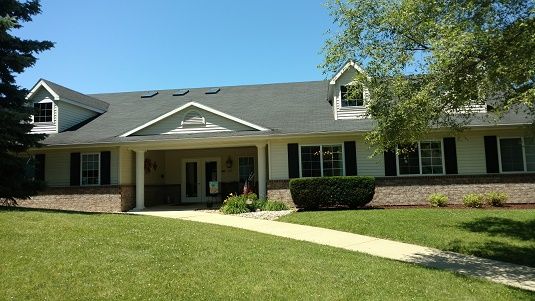
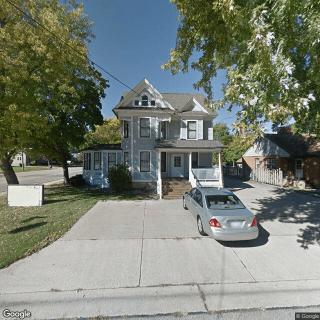
503 Countryside Lane, Dixon, IL 61021
For more information about senior living options: (866) 208-4318
Overall Review of Avonlea Cottage Of Dixon
Pros
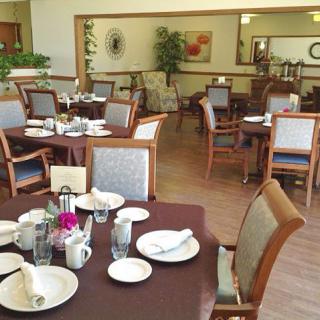
 Shepherd Premier Senior Living is praised for a home-like setting with home-cooked meals and industry-leading caregiver-to-resident ratios.
- It has an award-winning local reputation and is family-owned and operated.
- Brandon, Kelli, and Meranda are described as a team that would care for loved ones as their own parents.
- The memory care facility in Dixon is presented as welcoming, with a warm "Welcome Home" atmosphere.
- The facility is described as a nice home and a great place for assisted living.
- The environment is wonderful, clean, and cheerful, with kind, attentive staff who engage residents.
- The kitchen smells are delightful, adding to a positive, inviting atmosphere.
- Visitors feel comfortable leaving their family there, reflecting trust in the care.
- Avenlea offers a "feels like home" atmosphere, with smiling staff who show genuine care for residents and local ownership noted as a plus.
Review
Avonlea Cottage of Dixon is best suited for families seeking a warm, home-like assisted living or memory care environment in Dixon, with a strong emphasis on personal attention and a locally owned, caregiver-driven approach. The setting itself matters here: residents are treated more like neighbors than residents of a facility, with home-cooked meals and an intimate, family-operated atmosphere that translates into steady, compassionate daily support. The community’ s memory care capability is presented as integrated and practical, not a peripheral add-on, making it a compelling option for families who value familiarity, security, and hands-on oversight over protocol-heavy intensity. In short, it suits those who want safety, ease of daily living, and a feel-good environment that invites engagement rather than detachment.
Those who may want alternatives are those chasing a larger, more dimensional care footprint. If the priority is broad clinical resources, expansive on-site specialty services, or a campus with substantial amenities and a national network, this option might feel too intimate or limited. The reviews underscore a strength in ratios and personal engagement, but that strength can translate into a more streamlined program compared with bigger operators. Families needing aggressive medical coordination, a wide roster of specialists, or highly structured dementia programming across multiple wings may find a larger, more resource-rich provider a better fit.
The strongest pros are tightly aligned with the daily lived experience. A true home-like atmosphere reduces anxiety and supports dignity in everyday activities. Clean, cheerful spaces and genuinely caring staff foster trust, while staff who actively engage residents help preserve social connections and purpose. The memory care approach is framed as a natural extension of the assisted living ethos, not a separate, clinical corridor. The local ownership angle adds a sense of accountability and continuity that families often find reassuring. High caregiver-to-resident ratios mean alerts, personalized reminders, and responsive assistance occur promptly, which can offset concerns about being in a smaller operation.
The potential gaps are not dramatic, but they exist for those who measure care by scale and breadth. Prospective families should verify that the depth of memory care programming aligns with loved ones’ needs, routine, safety protocols, and cognitive-stimulating activities should be clearly described. It is worth confirming the continuity of staff, availability of a chaplain or spiritual support, and the degree to which family involvement is encouraged and facilitated. In practice, conversations with the care leadership team, names surfaced in familial references, can illuminate how care plans are tailored, how transitions are managed, and how resident preferences guide daily schedules. These specifics often determine whether the home-like charm remains consistent as needs evolve.
The reviews reinforce a consistent narrative: a well-regarded, five-star impression across six evaluations, anchored by a welcoming, personable staff and a setting that truly feels like home. Observations about cleanliness, engaging conversations, and the sensory warmth of meals, like the kitchen aromas, are practical reminders of daily life here. The presence of a chaplain and the expressed willingness to treat each resident as family contribute practical layers of support that extend beyond basic caregiving. Such factors translate into residents appearing more at ease, more interactive, and more integrated into a community rather than isolated within a routine. For families, that translates into measurable peace of mind.
Bottom line: Avonlea Cottage of Dixon stands out for families who prize a home-forward, family-owned approach with strong caregiver ratios, meaningful memory care capabilities, and a visibly caring staff. It is a practical, no-nonsense fit for loved ones who will thrive in a intimate setting where daily interactions matter and where meals, routine, and spiritual support are part of the fabric. Those seeking a larger, more clinical or resource-rich program should consider alternatives that lean into scale. For the rest, arranging a tour, asking concrete questions about memory care routines, staff coverage, and how resident preferences shape daily life will quickly reveal whether this community aligns with the family’s goals and the resident’s personality.
 16 resident community capacity
 Assisted Living
 Board and Care Home
 Memory Care
 Cable or satellite TV
 Dining room
 Fully furnished
 Garden
 Housekeeping services
 Move-in coordination
 Outdoor space
 Telephone
 Wi-Fi/high-speed internet available
 24-hour supervision
 Activities of daily living assistance
 Assistance with bathing
 Assistance with dressing
 Assistance with transfers
 Diabetes diet
 Hospice waiver
 Meal preparation and service
 Medication management
 Mental wellness program
 Special dietary restrictions
 Transportation arrangement (medical)
 Transportation to doctors appointments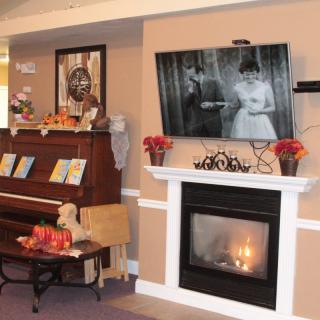

 Understanding Dementia Through Its Seven Stages: A Comprehensive Look at Progression and Expectations
 A Holistic Dementia Care Guide: Effective Strategies for Memory Support
 Memory Care Pathways: A Holistic Guide to Dementia Support