Dixon Rehabilitation & Health Care Center in Dixon, IL

Save

  • Interior

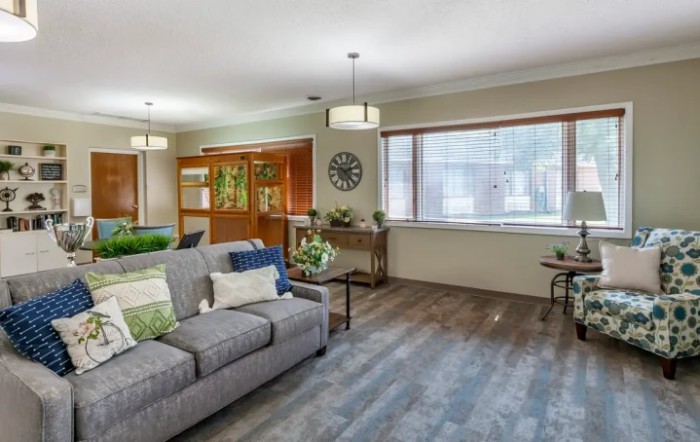
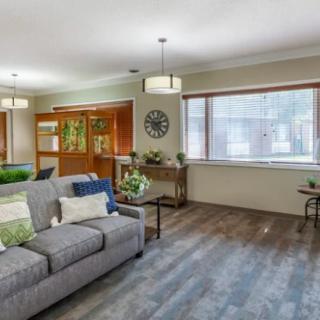
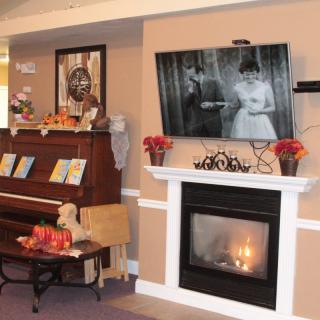
    A modern living room with a comfortable sofa and stylish decor.
  • Decor

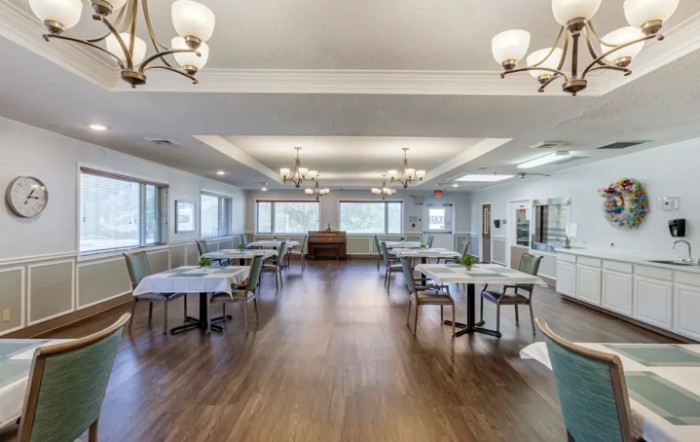
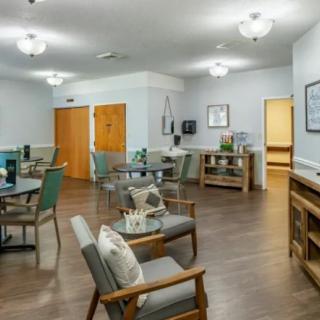
    A spacious and elegant dining room with neatly arranged tables and chandeliers.
  • Building

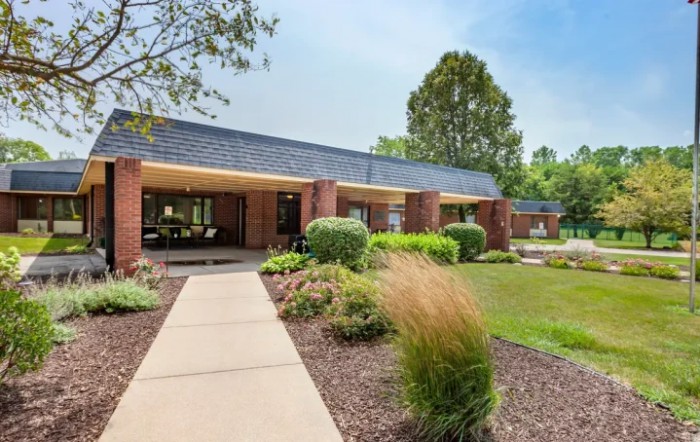
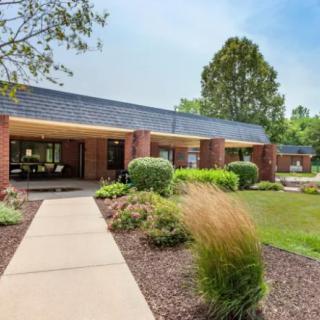
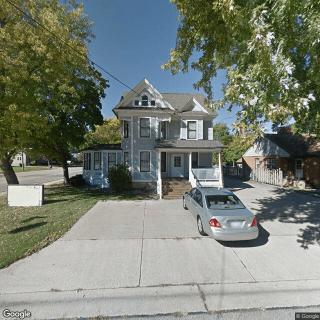
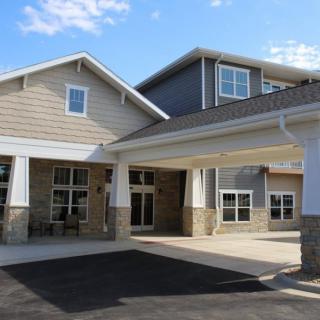
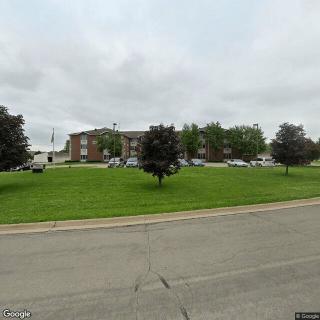
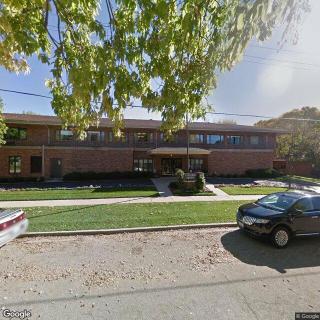
    A modern building with well-maintained landscaping, including grass, bushes, and trees.
  • Bedroom

    A cozy bedroom interior with a bed, wall-mounted TV, desk, and decorative plants.
  • Windows

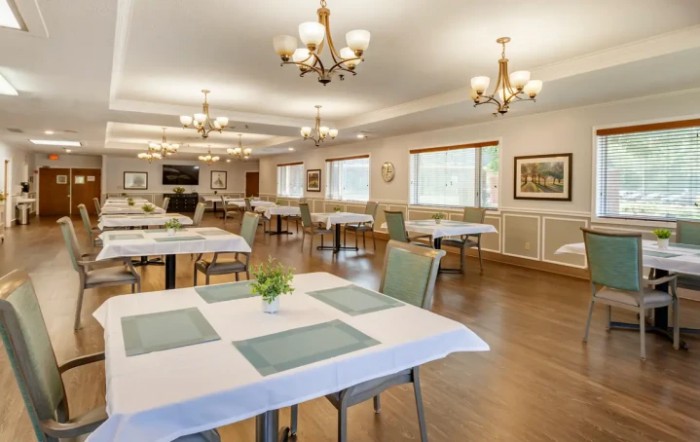
    An empty dining room with neatly arranged tables and chairs, featuring large windows and elegant chandeliers.
  • Lighting

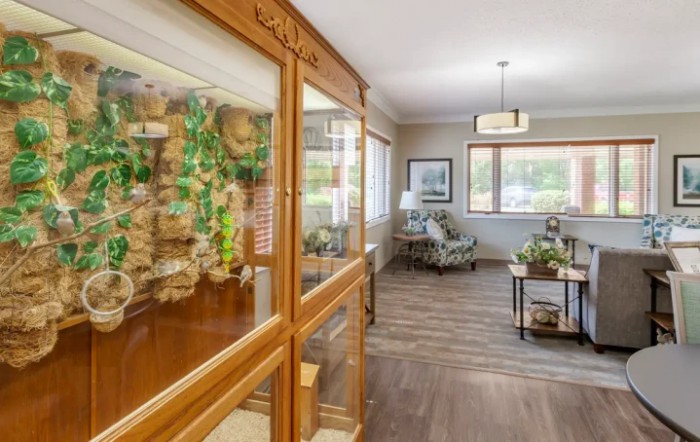
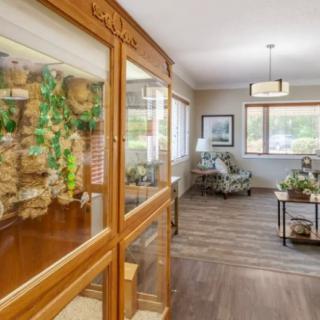
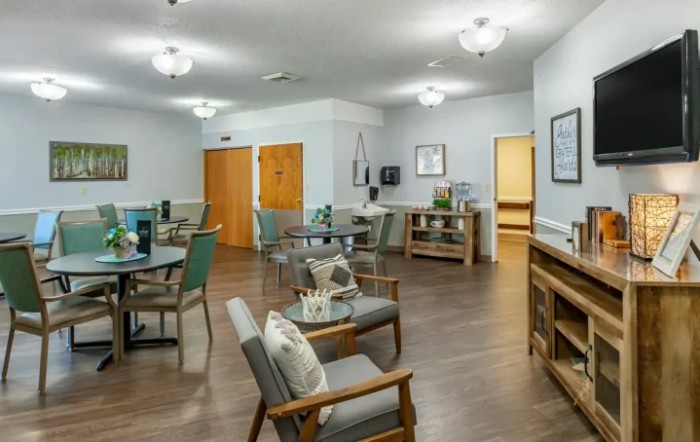
    A modern, well-lit interior room with comfortable seating and wooden flooring.
  • Garden

    A tranquil courtyard with a metal outdoor table and chairs surrounded by greenery and a brick building.
  • Bathroom

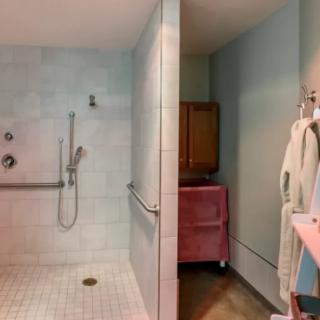
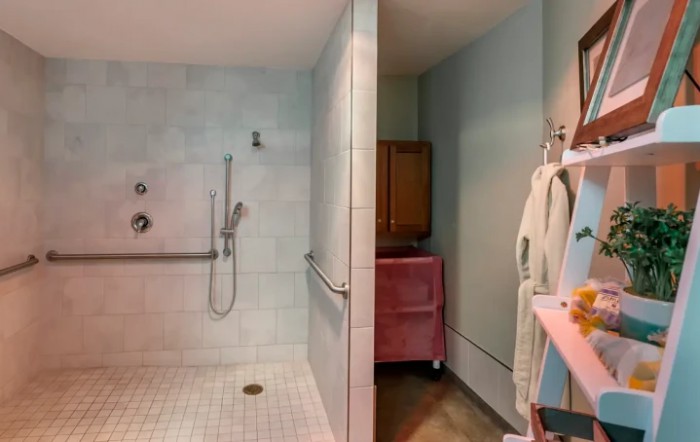
    A bathroom with a walk-in shower featuring grab bars and tiled walls, alongside a bathrobe hanging near pastel-colored decor.
  • Natural Light

    A modern waiting room with wooden furnishings and abundant natural light.
  • Salon

    A hair salon interior featuring a styling chair in front of a mirror and cabinets, with decorative scissors on the wall.

Dixon Rehabilitation & Health Care Center in Dixon, IL

Information last verified:

800 Division Street, Dixon, IL 61021

For more information about senior living options: (844) 490-3973

4.9 from 62 reviews
5 stars
59
4 stars
1
3 stars
0
2 stars
0
1 stars
2

Seniors.FYI Elite Community Awards

Top 5% Senior Living Community in 2023Top 5% Senior Living Community in 2026

Add this award to your website

Overall Review of Dixon Rehabilitation & Health Care Center

Pros

  • pro The staff are friendly, compassionate, and welcoming.
  • pro The team demonstrates excellent teamwork and fosters a joyful atmosphere.
  • pro The staff are excellent, friendly, and dedicated to making residents laugh and smile.
  • pro The facility is clean, well-staffed, and family-oriented with residents' first focus.
  • pro Amalia's work ethic is outstanding.
  • pro Kennedy D. is especially kind and helpful.
  • pro Management and staff are amazing, with residents always coming first.
  • pro The facility maintains a robust quality assurance program focused on safety, hygiene, and personalized care.
  • pro Family communication is excellent, with regular surveys to ensure high quality.
  • pro The staff treat residents like family and care for them as if they were their own.

Cons

  • pro One reviewer warned that the facility is not a rehab place and would give zero stars.
  • pro The reviewer claimed that after six days of rehab for his father, the facility charged private pay for two months despite approval for 100 days of rehab.
  • pro The reviewer stated that they do not recommend anyone go there for rehab.

Review

Dixon Rehabilitation & Health Care Center in Dixon, Illinois is best suited for families seeking a warm, family-oriented long-term care community where daily life centers on care, dignity, and engaged living. The culture is clearly resident-first: staff are repeatedly described as friendly, compassionate, and genuinely devoted to making residents feel at home. Cleanliness and a well-kept environment are not afterthoughts here; they are part of the baseline, creating a reassuring first impression for families and residents alike. The facility’s management and quality assurance framework reinforce this impression, with a visible emphasis on personalized care plans, safety, and regular evaluation. For seniors who value human connection, predictable routines, and an active social calendar, Dixon Rehab presents an appealing blend of homelike atmosphere and professional reliability. This is a community where care feels intentional, and residents are viewed as family members, not paperwork.

Those who may want to consider alternatives are primarily individuals for whom rehab is the sole or primary objective. Several reviews flag a potential mismatch between rehab expectations and what is actually delivered, noting that the site is not a pure rehab facility and that some rehab experiences can be shorter or less clearly defined than anticipated. Prospective residents with a primary need for intensive, long-term rehabilitation under strict, clearly delineated payer arrangements should verify the rehab plan, daily schedule, and coverage details before committing. Families should also assess whether they require a setting with more on-site medical specialization or closer physician oversight, as those needs can influence perceived fit. In short, if rehab intensity and guaranteed, fully structured therapy days are non-negotiable, it pays to compare Dixon with facilities that market themselves as dedicated rehab centers.

The strongest positives at Dixon revolve around the people, process, and atmosphere. The staff consistently earns praise for being approachable, attentive, and genuinely invested in residents’ comfort and dignity. A tightly woven team ethos, where administration, nursing, and therapy work in concert, helps residents feel seen and supported. The environment supports meaningful engagement: activity programming, social interaction, and therapy services are described as robust, with residents frequently appearing engaged and cheerful. The dining and living spaces are noted as bright, clean, and welcoming, contributing to a sense of normalcy and belonging. Importantly, the facility’s communication with families is described as excellent, with administrators and directors who are accessible and focused on transparency and quality improvement.

Where Dixon encounters the occasional critique, the most meaningful one centers on rehabilitation expectations and billing clarity. A minority of reviewers describe experiences where rehab did not align with the assumptions or approvals anticipated, including scenarios that led to questions about the length of therapy or private-pay billing beyond what was expected. While these concerns are not pervasive in the overall feedback, they underscore a practical reality: when rehab is part of the plan, families should enter with explicit, written confirmations about therapy frequency, duration, and payer coverage. The good news is that the facility’s culture of open discussion and the proactive involvement of staff in coordinating care often helps resolve ambiguities quickly, but the onus remains on families to confirm every detail before admission.

Ultimately, the pros at Dixon tend to outweigh the potential drawbacks because the care experience is anchored in trust, consistency, and relationship-building. The combination of meticulous cleanliness, a genuine family atmosphere, a strong quality assurance posture, and a responsive administrative team creates a resilience that carries residents through daily life with dignity and joy. When rehab is a secondary consideration or when a broader, long-term care plan is the goal, Dixon’s strengths, especially the respectful treatment of residents as individuals and the sense of community, offer a compelling value. The occasional rehab caveat becomes a manageable risk once admissions clarify expectations and align them with a documented plan.

For families actively evaluating Dixon, practical steps ensure the strongest fit. Schedule a tour to observe how staff interact with residents and how comfortable the environment feels during a typical day. Request to speak with the Director of Nursing and the admission coordinator about a concrete rehab map if rehab is on the table, including expected days, goals, and how transitions between therapy and living accommodations will occur. Review sample menus, activity calendars, and therapy schedules, and ask to connect with current families to hear firsthand about the continuity of care and responsiveness to concerns. If intensive, clearly defined rehab with predictable coverage is non-negotiable, consider alternatives that market stronger inpatient rehab guarantees. For families prioritizing warmth, safety, and a truly people-centered culture, Dixon Rehabilitation & Health Care Center stands out as a practical, trusted option that often feels less like a facility and more like a well-run, caring home.

Features

Housing

  • 21 resident community capacity 21 resident community capacity

Types of Care

  • Memory Care Memory CareMemory care is crucial for seniors as it provides specialized support and services for individuals with dementia or Alzheimer's disease. These programs offer a safe and secure environment where residents receive personalized care, cognitive stimulation, and help with daily activities. Memory care helps seniors maintain their independence, quality of life, and dignity while also providing peace of mind for their families.
  • Skilled Nursing Facility Skilled Nursing FacilitySkilled Nursing Facilities are crucial for seniors as they provide round-the-clock medical care, rehabilitation services, and assistance with daily activities. These facilities ensure that seniors receive the specialized care they need to maintain their health and well-being as they age.

Amenities

  • Beauty salon Beauty salonBeauty salons are important for seniors because they provide a space for them to feel pampered, socialize, and maintain their personal grooming and hygiene. Regular visits to a beauty salon can help boost seniors' self-esteem and overall well-being.
  • Cable or satellite TV Cable or satellite TVCable or satellite TV is important for seniors because it provides entertainment, news, and companionship, helping to combat loneliness and boredom. It also offers a wide range of programming options tailored to different interests and preferences.
  • Dining room Dining roomDining rooms are important for seniors as they provide a space for socialization, connection, and nutritious meals. They offer opportunities for residents to bond over shared meals, foster a sense of community, and promote healthy eating habits. Dining rooms also ensure that seniors have access to well-balanced meals tailored to their dietary needs and preferences.
  • Fully furnished Fully furnishedFully furnished senior living communities are important for seniors because they provide convenience, comfort, and a hassle-free moving experience. Seniors can easily settle into their new living space without the stress of having to buy and move furniture. This allows them to focus on enjoying their new home and community.
  • Garden GardenGardens are important for seniors as they provide a peaceful and therapeutic environment for relaxation, physical activity, and socialization. Being in nature has been shown to reduce stress, improve mood, and promote overall well-being. Gardens also offer opportunities for seniors to engage in gardening activities, which can improve mobility, flexibility, and cognitive function. Additionally, gardens create a sense of community and connection with others who share a passion for plants and outdoor spaces.
  • Housekeeping services Housekeeping servicesHousekeeping services are important for seniors because they help maintain a clean and safe living environment, promote independence, and reduce the risk of accidents or illnesses. Additionally, having assistance with household chores can alleviate physical strain and allow seniors to focus on other aspects of their well-being.
  • Kitchenette KitchenetteKitchenettes are important for seniors living in senior living communities because they provide the convenience and independence of being able to prepare simple meals and snacks in the comfort of their own living space. This can help promote a sense of autonomy and well-being for seniors, allowing them to maintain some level of control over their dietary choices and daily routines.
  • Move-in coordination Move-in coordinationMove-in coordination is important for seniors because it helps ease the transition into their new living environment. It ensures that all logistics, such as packing, organizing movers, and setting up utilities are taken care of, allowing seniors to focus on settling in and adjusting to their new home. Having a smooth move-in process can alleviate stress and anxiety, making the transition smoother and more enjoyable for seniors.
  • Outdoor space Outdoor spaceOutdoor spaces are important for seniors as they provide opportunities for physical activity, social interaction, exposure to natural light and fresh air, and a sense of connection to nature. Having access to outdoor spaces can improve overall well-being and quality of life for older adults living in senior communities.
  • Telephone TelephoneTelephones are important for seniors as they provide a lifeline for communication with loved ones, emergency services, and healthcare providers. They offer a sense of security and independence, enabling seniors to stay connected and access assistance when needed.
  • Wi-Fi/high-speed internet available Wi-Fi/high-speed internet availableWi-Fi/high-speed internet is important for seniors to stay connected with loved ones, access online resources, and participate in virtual activities to combat feelings of loneliness and isolation. It also allows them to easily manage healthcare needs, access entertainment, and engage in lifelong learning opportunities.

Care Services

  • 24-hour call system 24-hour call system24-hour call systems are important for seniors because they provide peace of mind and immediate assistance in case of emergencies. This technology ensures that help is always available, promoting safety and security for elderly individuals living alone or in assisted living facilities.
  • 24-hour supervision 24-hour supervision24-hour supervision is important for seniors to ensure their safety, well-being, and access to immediate assistance in case of emergencies or health issues. This constant support provides peace of mind for both seniors and their loved ones, allowing them to age in place with dignity and security.
  • Activities of daily living assistance Activities of daily living assistanceActivities of daily living assistance are important for seniors because they provide essential support with tasks such as eating, bathing, dressing, and mobility. This assistance helps seniors maintain their independence, dignity, and overall quality of life as they age.
  • Assistance with bathing Assistance with bathingAssistance with bathing is crucial for seniors as it helps maintain personal hygiene, prevents infections, and ensures their overall well-being and comfort. It also provides a sense of dignity and independence for seniors who may struggle with this task on their own.
  • Assistance with dressing Assistance with dressingAssistance with dressing is important for seniors because it helps maintain their independence, promotes personal hygiene, prevents accidents and injuries, and improves overall quality of life. This service ensures that seniors can continue to dress comfortably and confidently, despite any physical limitations they may have.
  • Assistance with transfers Assistance with transfersAssistance with transfers is crucial for seniors as it helps prevent falls and injuries, maintains their independence, and ensures they can safely navigate their living environment. It also provides peace of mind for both seniors and their loved ones.
  • Coordination with health care providers Coordination with health care providersCoordination with health care providers is crucial for seniors to ensure proper medical care, medication management, and overall well-being. This collaboration helps prevent overlapping treatments, track progress more effectively, and provide comprehensive support tailored to individual needs.
  • Diabetes diet Diabetes dietA diabetes diet is crucial for seniors as it helps manage blood sugar levels, reduce risks of complications, and improve overall health and well-being. By following a balanced and nutritious diet tailored to their specific needs, seniors can better control their diabetes and enhance their quality of life.
  • Meal preparation and service Meal preparation and serviceMeal preparation and service are crucial for seniors as they may have limited mobility or energy to cook nutritious meals. Having access to healthy and convenient food options can ensure they are getting the proper nutrition needed to maintain their overall health and well-being.
  • Medication management Medication managementMedication management is crucial for seniors to ensure they are taking the right medications at the correct dosages and times. This helps prevent adverse drug interactions, reduces the risk of medication errors, and promotes overall health and well-being. Proactive management also allows for adjustments as needed based on changing health conditions or new prescriptions.
  • Mental wellness program Mental wellness programMental wellness programs are essential for seniors as they promote cognitive stimulation, emotional support, and social engagement. These programs help prevent isolation, depression, and cognitive decline, ultimately enhancing the overall quality of life for older adults.
  • Mild cognitive impairment Mild cognitive impairment"Mild cognitive impairment" is important for seniors because it is an early stage of cognitive decline that can potentially progress to more severe conditions such as dementia. Recognizing and addressing mild cognitive impairment can help seniors receive appropriate care and support to maintain their quality of life and independence for as long as possible.
  • Special dietary restrictions Special dietary restrictionsSpecial dietary restrictions are important for seniors because age-related changes in metabolism and health conditions can make it difficult for their bodies to process certain foods. By following a diet tailored to their specific needs, seniors can maintain their overall health and well-being, manage chronic conditions, and reduce the risk of complications such as malnutrition or food interactions with medications.
  • Specialized memory care programming Specialized memory care programmingSpecialized memory care programming is crucial for seniors with cognitive impairments such as dementia or Alzheimer's disease. These programs provide a safe and supportive environment tailored to the unique needs of individuals with memory loss, helping them maintain their independence, dignity, and quality of life.
  • Transportation arrangement (medical) Transportation arrangement (medical)Transportation arrangements for medical purposes are essential for seniors as they may have difficulty driving themselves to appointments or accessing public transportation. Having reliable and safe transportation options ensures that seniors can receive timely medical care and maintain their health and well-being.
  • Transportation to doctors appointments Transportation to doctors appointmentsTransportation to doctors' appointments is crucial for seniors as it ensures they have access to necessary medical care and support for their health needs. Without reliable transportation, seniors may struggle to attend important appointments, leading to potential delays in treatment and health complications. Providing transportation services helps seniors maintain their overall well-being and quality of life.

Dining

  • Diabetes diet Diabetes dietA diabetes diet is crucial for seniors as it helps manage blood sugar levels, reduce risks of complications, and improve overall health and well-being. By following a balanced and nutritious diet tailored to their specific needs, seniors can better control their diabetes and enhance their quality of life.
  • Special dietary restrictions Special dietary restrictionsSpecial dietary restrictions are important for seniors because age-related changes in metabolism and health conditions can make it difficult for their bodies to process certain foods. By following a diet tailored to their specific needs, seniors can maintain their overall health and well-being, manage chronic conditions, and reduce the risk of complications such as malnutrition or food interactions with medications.

Activities

  • Community-sponsored activities Community-sponsored activitiesCommunity-sponsored activities are important for seniors as they provide opportunities for social interaction, mental stimulation, and physical activity. These activities can help improve overall well-being, combat loneliness and isolation, and promote a sense of belonging and purpose among older adults.
  • Scheduled daily activities Scheduled daily activitiesScheduled daily activities are important for seniors because they provide structure, socialization, mental stimulation, and physical activity. Engaging in regular activities can improve overall well-being and quality of life for seniors living in a community setting.

Description

Dixon Rehabilitation & Health Care Center in Dixon, IL is a skilled nursing facility that offers various amenities and care services to its residents. The facility provides a comfortable living environment with fully furnished rooms and access to cable or satellite TV and Wi-Fi/high-speed internet. Residents can enjoy meals in the dining room where special dietary restrictions are taken into consideration during meal preparation and service.

The center offers 24-hour supervision and assistance with activities of daily living such as bathing, dressing, and transfers. It also provides medication management and coordination with health care providers to ensure the well-being of its residents. A mental wellness program is available for those who require it, along with specialized memory care programming for individuals with mild cognitive impairment.

Residents have access to outdoor spaces including a garden, as well as amenities like housekeeping services, kitchenettes, and telephone services. Move-in coordination is offered to assist new residents in transitioning smoothly into the community. Transportation arrangements for medical appointments are also available.

To promote socialization and engagement, scheduled daily activities are organized for residents to participate in. Nearby the facility, there are cafes, parks, pharmacies, physicians' offices, restaurants, transportation options, places of worship, and hospitals conveniently located for easy accessibility.

Overall, Dixon Rehabilitation & Health Care Center provides a comprehensive assisted living community that prioritizes the comfort and well-being of its residents while offering necessary support services.

Videos

Nearby Places of Interest

Restaurants

  • Domino's Pizza (0.3 miles)
  • Los Palmas Authentic Mexican Restaurant (0.3 miles)
  • Arby's (0.4 miles)
  • Fabs (0.6 miles)
  • Wiseguy's Sports Bar & Deli (1.1 miles)
  • Basil Tree Ristorante (1.1 miles)
  • Baker Street (1.1 miles)

Pharmacies

  • Walmart Pharmacy (0.4 miles)
  • Snyder Pharmacy (1.5 miles)
  • Dixon Pharmacy (1.8 miles)
  • Walgreens (2.4 miles)
  • Shopko Dixon Pharmacy (2.7 miles)
  • Walmart Pharmacy (9.1 miles)
  • Walgreens (10.4 miles)

Physicians

  • Basith Osmani MD (0.4 miles)
  • Ksb Medical Group (0.9 miles)
  • Ksb Behavioral Healthcare (1.1 miles)
  • Dixon Dialysis Center (1.1 miles)
  • Bridgette Woodall, NP-C (1.1 miles)
  • KSB Medical Group (1.1 miles)
  • DaVita Dixon Kidney Center (2.2 miles)

Hospitals

  • Ksb Hospital (0.6 miles)
  • Katherine Shaw Bethea Hospital (1.1 miles)
  • KSB Hospital (1.1 miles)
  • KSB Commerce Towers (1.1 miles)
  • Katherine Shaw Bethea Hospital (1.1 miles)
  • CGH Medical Center (9.9 miles)
  • CGH Lynn Boulevard Medical Center (10.1 miles)

Places of Worship

  • First Presbyterian Church (1 miles)
  • Second Baptist Church (1.1 miles)
  • Lincoln Ave Church of God (1.4 miles)
  • Worship Center (1.5 miles)
  • Foursquare Church (1.6 miles)
  • Covenant Life Christian College (1.8 miles)
  • St Annes Convent (2 miles)

Cafes

  • Flynnie's Diner (1.1 miles)
  • Starbucks (9.2 miles)
  • Air Play Espresso and Bakery (11.9 miles)

Transportation

  • Cab (1.1 miles)
  • Ryder Truck Rental One Way (1.4 miles)
  • Ryder (1.5 miles)
  • Alamo (1.8 miles)
  • U-Haul (10.7 miles)
  • Budget Truck Rental (10.7 miles)
  • U-Haul Neighborhood Dealer (11.9 miles)

Parks

  • Abraham Lincoln Statue (1.3 miles)
  • Page Park (1.7 miles)
  • Dixon Park District Maintenance Shop (1.9 miles)
  • Franklin Creek Nature Preserve (7.1 miles)
  • Hennepin Canal Parkway State Park (9.3 miles)
  • Sinnissippi Park (10.3 miles)
  • White Pines Forest State Park (11.3 miles)

Frequently Asked Questions

Where is Dixon Rehabilitation & Health Care Center?
Does Dixon Rehabilitation & Health Care Center provide care for residents with dementia or Alzheimer's disease?
What photos are available for Dixon Rehabilitation & Health Care Center in Dixon, Illinois?

Nearby Communities

  • Avonlea Cottage Of Dixon

    Avonlea Cottage Of Dixon

    Dixon, IL

    5 from 6 reviews
     

    pro Small, personalized care community with memory care and comprehensive services.
  • Shepherd of Dixon

    Shepherd of Dixon

    Dixon, IL

    5 from 7 reviews
    $5,500 to $6,000 / month

    pro Comprehensive memory/high-acuity care with medication management, on-site amenities (beautician, devotional services), accessible design (ground-floor units, wheelchair showers) and diverse dining/activities.

  • Heritage Square

    Heritage Square

    Dixon, IL

    4.7 from 29 reviews
     

    pro Excellent care with a clean, homey environment and good dining.

  • Peak Home Health

    Peak Home Health

    Dixon, IL

    4.7 from 15 reviews
     

    pro Well-connected location with easy access to healthcare, dining, parks, and transportation.

  • Liberty Court

    Liberty Court

    Dixon, IL

    4.7 from 14 reviews
    $4,075 to $4,400 / month

    pro Homey, small-scale memory care with attentive staff and engaging programs.

  • Franklin Grove Living And Rehab

    Franklin Grove Living And Rehab

    Franklin Grove, IL

    3.1 from 32 reviews
     

    pro Amenities-rich community with dining, wellness, and social activities.

  • WinnPrairie Assisted Living and Memory Care

    WinnPrairie Assisted Living and Memory Care

    Freeport, IL

    4.5 from 24 reviews
    $4,730 to $6,700 / month

    pro High-quality, respectful care with a focus on independence and dementia-friendly programming.

  • Liberty Village of Freeport

    Liberty Village of Freeport

    Freeport, IL

    2.7 from 11 reviews
     

    pro Clean, well-maintained facility with attentive floor staff and comfortable rooms.

Memory care in Nearby Cities

Related Resources

  • list of drugs linked to dementiaMedications Associated with Dementia Risk: A Comprehensive Overview

    The article examines the link between certain medications and increased dementia risk, particularly in older adults, emphasizing that long-term or high-dose use of anticholinergics, benzodiazepines, and other drug classes can exacerbate cognitive impairment. It calls for careful medication evaluation and shared decision-making to mitigate these risks while managing treatment efficacy.

  • power of attorney for elderly parentGuiding Your Journey: Understanding Power of Attorney for Elderly Parents

    The article emphasizes the significance of establishing a power of attorney for elderly parents to enable an agent to make decisions on their behalf regarding health and finances, especially during cognitive or physical decline. It outlines various types of power of attorney, the importance of consulting legal professionals, and the responsibilities and challenges faced by agents, while also discussing alternatives and common misconceptions.

  • caregiver support group22 Remarkable Caregiver Support Groups Available Online and In-Person

    Caregiver support groups are crucial for providing emotional and practical assistance to those caring for loved ones, offering resources, coping strategies, and a sense of community through various organizations and platforms. These groups help alleviate isolation and burnout while addressing the unique challenges faced by caregivers of individuals with specific conditions.