
503 Countryside Ln, Dixon, IL 61021
To contact a resident: (847) 750-5411
For more information about senior living options: (866) 208-4318
Shepherd of Dixon Costs & Pricing
At Shepherd of Dixon, the monthly costs for accommodations reflect both the quality of care and the local market dynamics. For a semi-private room, residents can expect to pay $5,500, which aligns with the rate in Ogle County but exceeds the state average of $5,146. Meanwhile, for a one-bedroom unit, the cost is set at $6,000 - significantly higher than both the county rate of $4,019 and the statewide average of $3,527. These figures suggest that while Shepherd of Dixon offers competitive pricing for semi-private arrangements within its region, it positions itself at a premium level for one-bedroom options relative to both local and state benchmarks. This pricing may be reflective of enhanced amenities or services that cater to individual needs in an increasingly personalized care environment.
| Floor plans | Shepherd of Dixon | Ogle County | Illinois |
|---|---|---|---|
| Semi-Private | $5,500 | $5,500 | $5,146 |
| 1 Bedroom | $6,000 | $4,019 | $3,527 |
Overall Review of Shepherd of Dixon
Pros
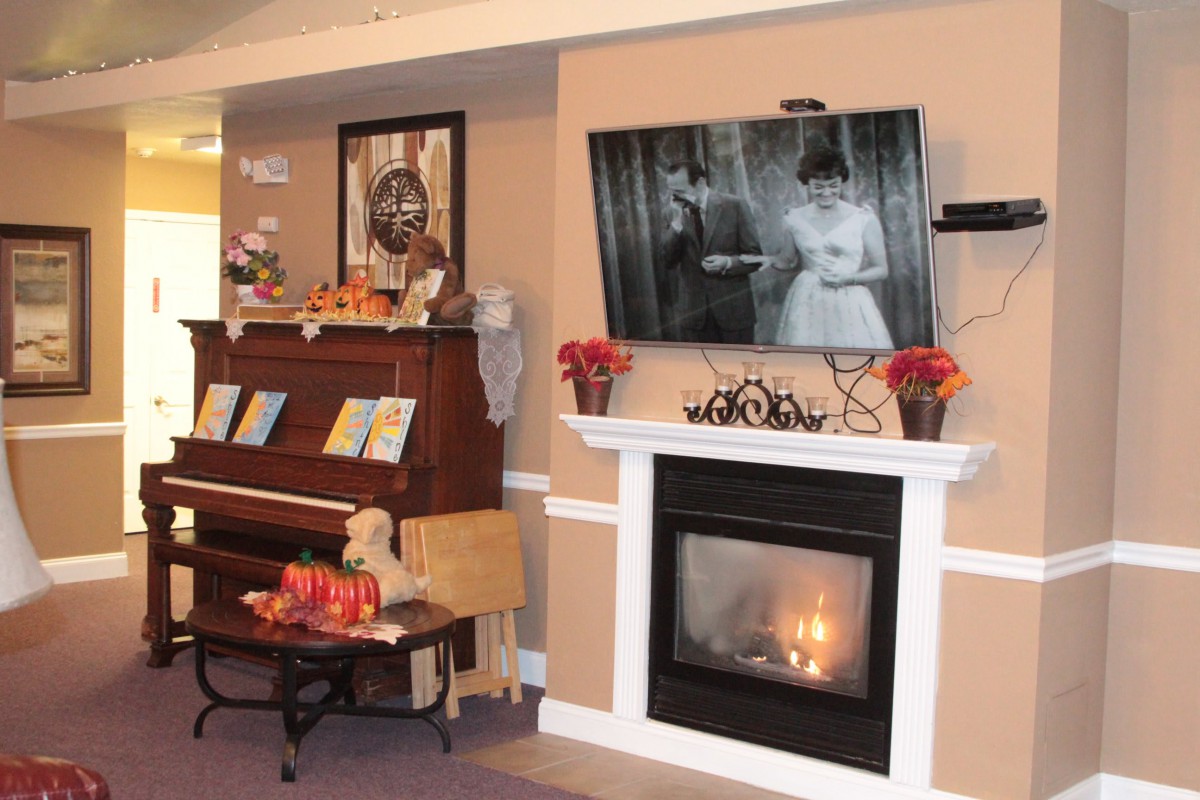
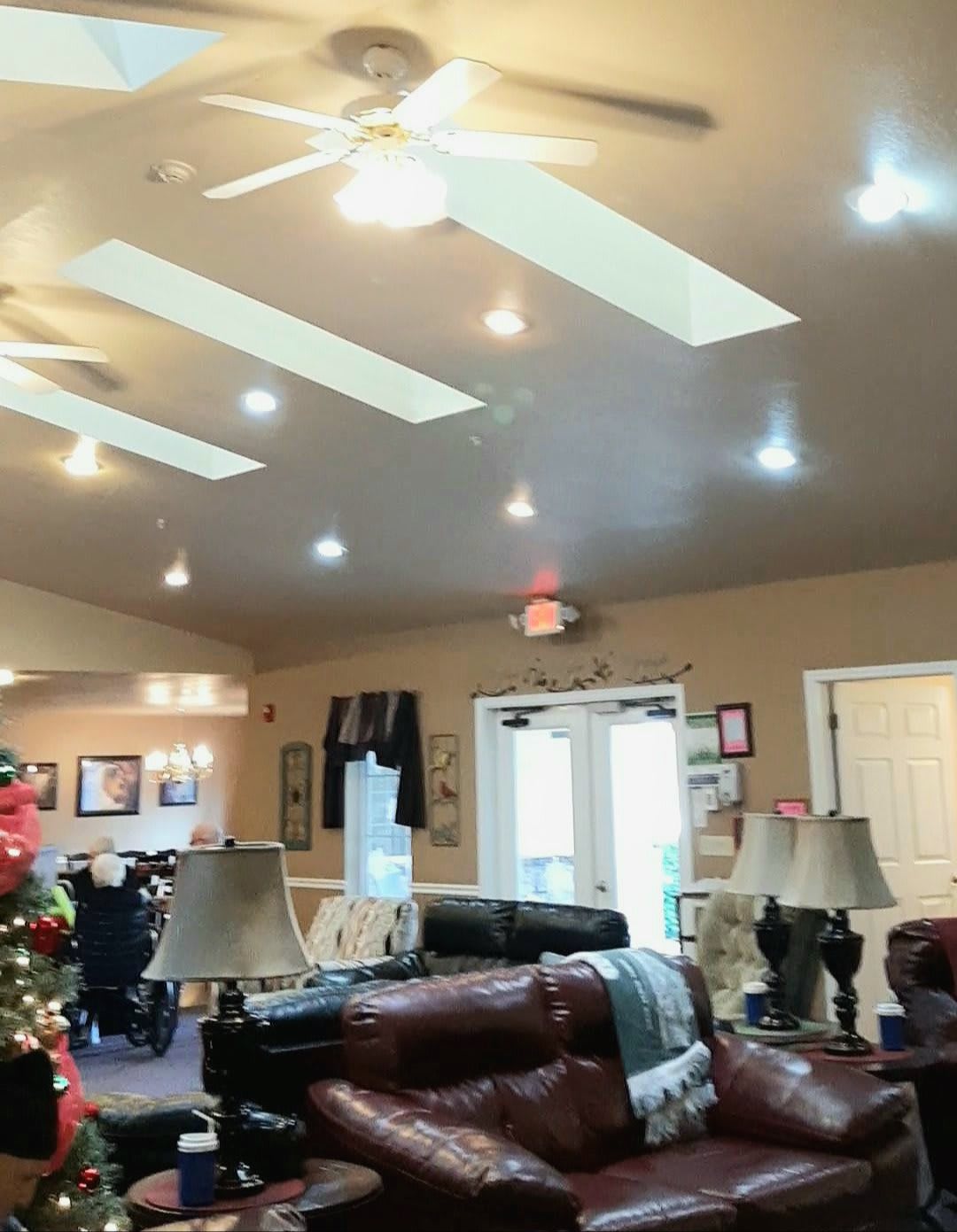
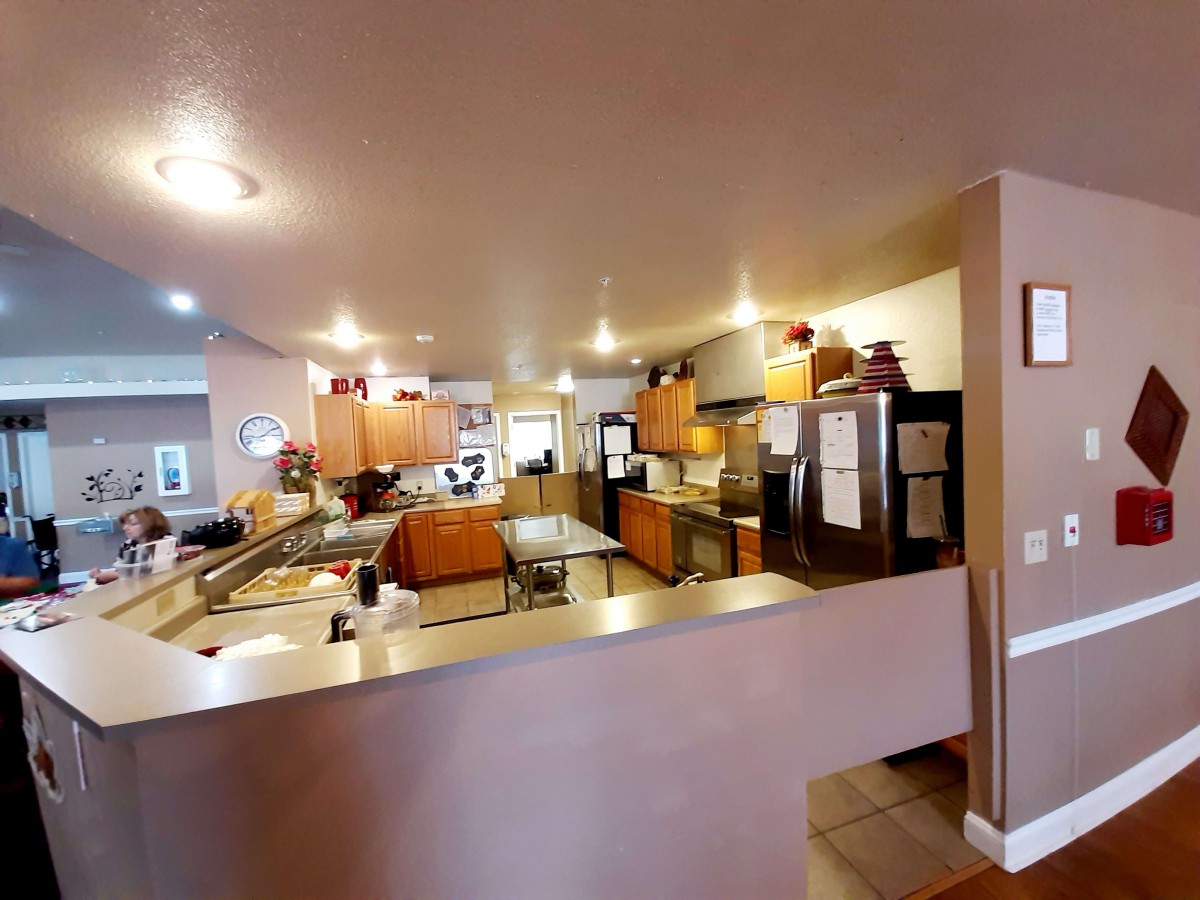
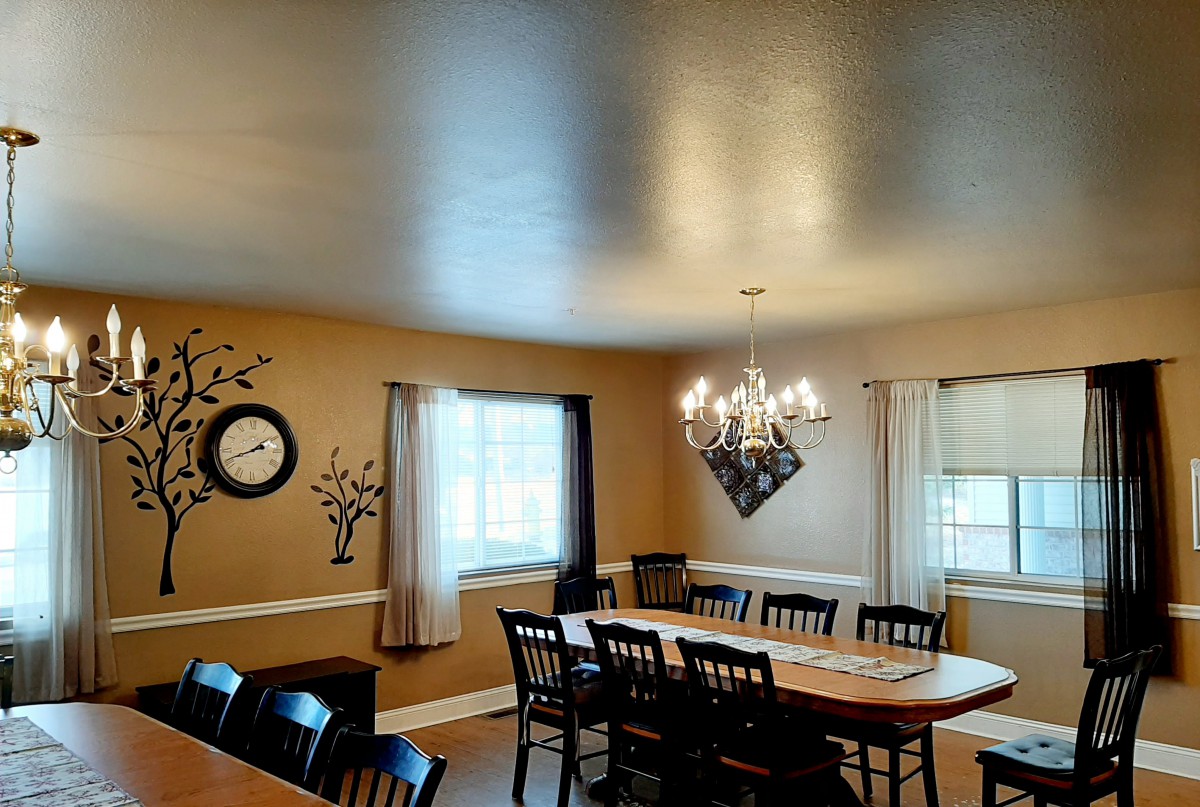
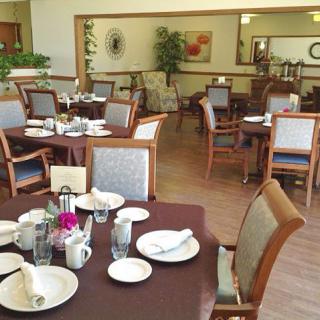
 The facility has an award-winning local reputation for a home-like setting with home-cooked meals and industry-leading caretaker-to-resident ratios.
- It is family owned and operated.
- Shepherd Premier Memory Care is described as a nice home and a great place for assisted living.
- Residents flourish under the care provided by the staff, who are patient and loving.
- A physician visits twice monthly to monitor residents' health.
- The facility supported families by maintaining visits during Covid through FaceTime and door visits.
- The staff are kind, attentive, and genuinely engage with residents.
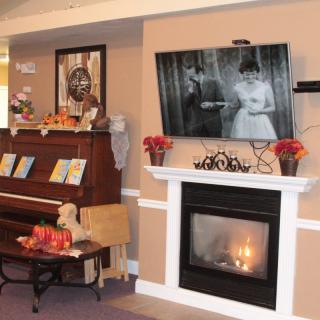
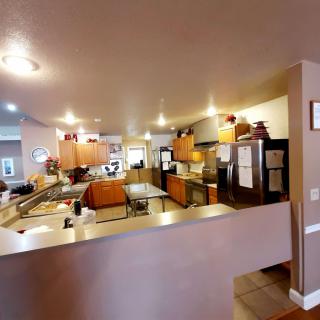
- The environment is wonderful, clean, and cheerful, with kitchen aromas contributing to a welcoming atmosphere.
Review
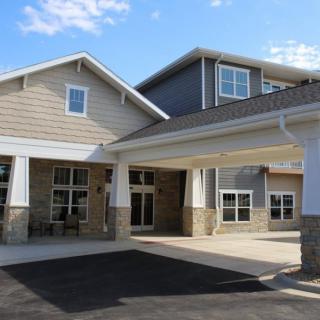
Shepherd of Dixon is best suited for families seeking a memory-care focused option in a small, family-owned setting that feels like home. It appeals to seniors who benefit from routine, warmth, and daily life that centers around home-cooked meals and personal attention, rather than a large institutional environment. For relatives who want direct access to leadership and a team that treats residents as if they were their own family, this community offers a compelling, hands-on approach anchored by local ownership and a reputation built on genuine care.
Those weighing alternatives should recognize that the memory-care landscape in Dixon includes options with more established, multi-site footprints and different medical oversight models. For families prioritizing a long track record across several communities or seeking a facility with more formalized, physician-led medical integration, it makes sense to compare with nearby providers such as Avonlea. Reviews of Avonlea highlight regular physician oversight and proactive medical engagement as a defining feature, a contrast to the newer memory-care tenancy at Shepherd of Dixon. This isn’t a dismissal of Shepherd’s strengths, but a reminder to align care expectations with the care-delivery model that best fits a loved one’s medical needs.
The strongest positives here are tangible and meaningful. The home-like atmosphere is repeatedly described as a standout, with staff who are kind, cheerful, and genuinely engaged with residents. Families note that the care team maintains a warm, attentive demeanor and works to involve residents in meaningful activities, an important factor for memory care where routine and social connection matter. The award-winning local reputation and the claimed industry-leading caregiver-to-resident ratios underpin a sense of safety and personal attention. Being family-owned and operated further reinforces a leadership style that is responsive and accessible to families seeking guidance.
These strengths help offset the absence of a longer, more widely documented track record in memory care. While Shepherd of Dixon presents as a newcomer to the memory-care space in Dixon, the described care culture, hands-on leadership, visible staff engagement, and a community-minded, home-centric routine, produces confidence that residents will be known well and cared for consistently. For families who value a smaller, more intimate setting with the comfort of owners who can make quick adjustments, the pros largely compensate for any perceived gap in a long-standing, multi-site legacy.
Families evaluating Shepherd of Dixon should zero in on practical, in-the-field assurances. Key questions include: who leads the care team on a daily basis, what the care planning process looks like, how daily activities are tailored for memory-impaired residents, how nutrition is managed, and how communication with families is structured. It’s wise to request a tour and to meet the leadership trio mentioned in community materials, Brandon, Kelli, and Meranda, to gauge accessibility and responsiveness. Prospective residents and their families should observe the atmosphere during peak hours, the pace of care, and how caregivers interact with residents one-on-one, as these are the indicators of a truly person-centered program.
In sum, Shepherd of Dixon emerges as a practical, compassionate option for memory care in a warm, home-like environment with strong local support and clear leadership access. For families who prize intimate, hands-on care and value the feeling that residents are treated like family, this community delivers on its promises. Those whose priorities include a deeper medical integration, a longer-standing brand presence, or a model with more formalized clinical oversight may want to compare carefully against alternatives like Avonlea, and use that comparison to shape a final choice. Either way, engaging directly with the community, touring thoroughly, and asking the targeted questions will reveal whether Shepherd of Dixon aligns with the loved one’s day-to-day rhythm and care expectations.
 Memory Care
 Activities on-site
 Air-conditioning
 Bath tubs
 Beautician on-site
 Devotional services on-site
 Ground floor units
 Handicap accessible
 Indoor common areas
 Outdoor common areas
 Respite or short term stays offered
 Wheelchair accessible showers
 Wi-Fi/high-speed internet available
 Ambulatory care
 Diabetic care
 High acuity care
 Incontinence care
 Medication management
 Anytime dining
 Art classes
 Birthday parties
 Catholic services
 Live dance or theater performances
 Live musical performances
 Sensory-based programs
 Stretching classes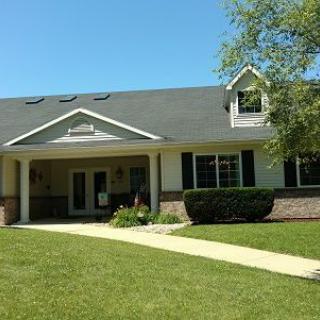
 Nourishing the Mind: Essential Dietary Approaches for Dementia
 Understanding Dementia Behaviors: Practical Insights and Strategies for Caregivers
 When Dementia Sparks Anger and Aggression: Understanding the Connection and Ways to Cope