7716 Crystal Springs Rd, Crystal Lake, IL 60012
To contact a resident: (224) 333-6247
For more information about senior living options: (866) 208-4318
Shepherd Premier Living Crystal Lake II Costs & Pricing
Shepherd Premier Living Crystal Lake II offers semi-private rooms at a monthly rate of $6,000, which is notably higher than the average costs in McHenry County and across Illinois. Specifically, the county's average for semi-private accommodations stands at approximately $4,970, while the state average is around $5,146. For those seeking more privacy, the 1-bedroom units are priced at $6,500 per month - significantly exceeding both McHenry County's average of $3,830 and Illinois' statewide average of about $3,527. This pricing reflects the premium services and amenities provided by Shepherd Premier Living Crystal Lake II, positioning it as a higher-end option within the region's assisted living landscape.
| Floor plans | Shepherd Premier Living Crystal Lake II | McHenry County | Illinois |
|---|---|---|---|
| Semi-Private | $6,000 | $4,970 | $5,146 |
| 1 Bedroom | $6,500 | $3,830 | $3,527 |
Memory care communities with a similar price nearby
-
from -$205 / mo
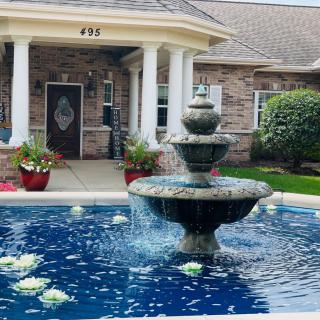
Encore Memory Care at Crystal Lake
$5,795 to $6,795 / month5.2 miles away -
from -$1000 / mo

Waverly Inn Memory Care & Cottages
$5,000 to $9,800 / month19.2 miles away -
from -$750 / mo

The Heathers - Ringwood
$5,250 to $5,750 / month9.2 miles away -
from -$230 / mo

Encore at South Barrington
$5,770 to $6,820 / month15.0 miles away -
About the same
The Heathers Senior Homes
$6,000 to $6,500 / month6.2 miles away
Overall Review of Shepherd Premier Living Crystal Lake II
Pros
 The family felt their concerns were eased immediately by Shepherd Premier.
- They moved from terrified to excited about Dad moving in.
- He found joy in the activities, the care, and the people.
- The dad was happy, and that was all the family wanted.
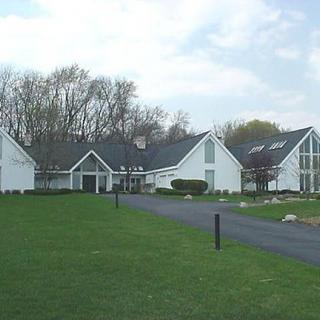
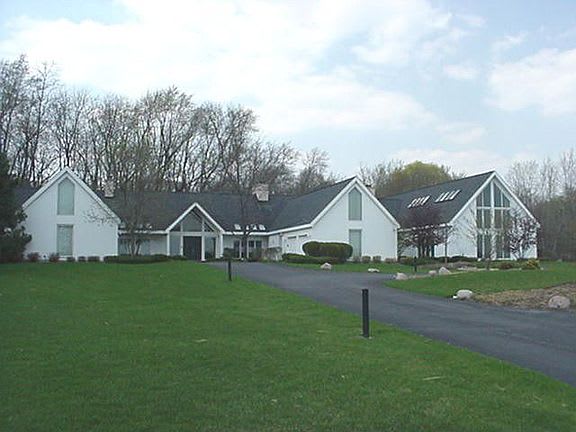
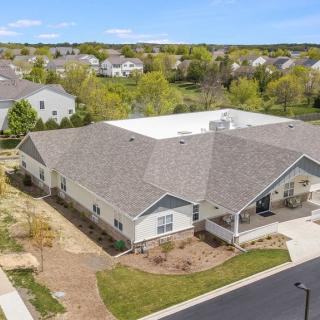
- The facility offers a beautiful, clean environment surrounded by nature, with deer sightings and bird feeders.
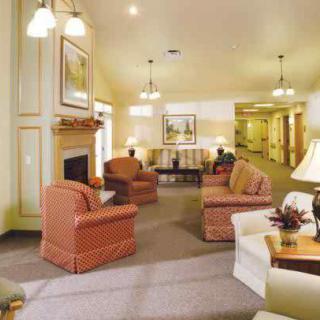
- The home is spacious and decorated seasonally to lift spirits.
- The caregivers treat each resident with dignity, respect, and kindness.
Review
Shepherd Premier Living Crystal Lake II is best suited for families seeking a warm, home-like assisted living experience where dignity, social connection, and peace of mind come first. The reviews depict a community that eases the transition for a loved one who fears moving into care, delivering genuine joy through activities, relational warmth, and a thoughtful environment. It is ideal for seniors who value a quiet, nature-infused setting, where deer sightings and seasonal décor contribute to everyday well-being, and for families who want staff to treat residents with respect, kindness, and individualized attention. In short, this is a solid match for parents who prioritize quality of life, meaningful engagement, and a humane, less institutional living experience.
That said, alternatives should be considered by families whose priorities tilt toward more intensive medical oversight, memory-care specialization, or rehab-focused services. If a loved one requires a dedicated memory-care unit, aggressive clinical management, or frequent skilled-nursing interventions, this community’s offerings may not align with those precise needs. Similarly, households seeking highly structured medical programs, rapid access to on-site therapy, or a location with different urban amenities might prefer facilities known for stronger clinical footprints or broader care continua. For families on tighter budgets or seeking different geographic convenience, it’s prudent to compare pricing and transport options across nearby options to avoid assumptions about value.
The strongest positives here, an attractive, clean environment, and a caregiving culture that prioritizes dignity, tend to offset typical concerns about moving into assisted living. The setting is spacious, bathed in natural light, and purposefully decorated to elevate mood, which helps residents feel at ease and engaged. The emphasis on activities and outings, ranging from outdoor music events to visits to animal shelters and pumpkin patches, translates into steady opportunities for social participation and purposeful days. Most pivotal is the staff ethos: caregivers who treat residents with respect, kindness, and genuine warmth. That combination of atmosphere and interpersonal care makes everyday life more fulfilling and can significantly reduce anxiety for families worried about a loved one’s happiness after the transition.
Because the reviews do not flag concrete drawbacks, the facility appears to deliver on its promises in the most important areas: safety, cleanliness, meaningful activity, and emotional well-being. Nonetheless, discerning families should verify practical specifics that can influence long-term fit. Questions worth pursuing include the exact level of medical oversight available on-site, the availability of memory-care support if cognitive needs evolve, the resident-to-staff ratio during peak hours, and the breadth of services included in monthly fees. Clarify meal quality and flexibility, transportation options for outings or appointments, and the cadence of special events to ensure the calendar aligns with personal routines and preferences.
A purposeful evaluation plan will help translate these strengths into a confident choice. Schedule a visit and observe the tone of interactions between staff and residents, listen for how concerns are addressed, and assess the ease with which a potential move could be framed as a positive, enjoyable transition. Talk to residents if possible, listen for genuine rapport and the sense of community. Review sample activity calendars to confirm that the program offers varied, inclusive options that accommodate different energy levels. Finally, request a transparent summary of costs, what is included, and any anticipated changes as care needs evolve, and compare that against similar communities in Crystal Lake to ensure a well-rounded decision.
The bottom line is clear: Shepherd Premier Living Crystal Lake II stands out as a compelling option for families seeking a nurturing, social, and dignified assisted living home. Its strengths, beautiful surroundings, active programming, and genuinely compassionate caregiving, offer a strong counterweight to common anxieties about moving a parent into care. For families prioritizing a warm, community-oriented experience with high levels of resident respect and engagement, this community delivers. Those with requirements for advanced medical oversight, heavy memory-care needs, or a different logistical fit should explore alternatives with a healthcare-centric focus or different locale, but for most standard assisted-living considerations, this option warrants serious, favorable consideration.
 Assisted Living
 Memory Care
 Activities on-site
 Beautician on-site
 Devotional services off-site
 Indoor common areas
 Respite or short term stays offered
 Ambulatory care
 Incontinence care
 Medication management
 Meals provided
 Light therapy programs
 Sensory-based programs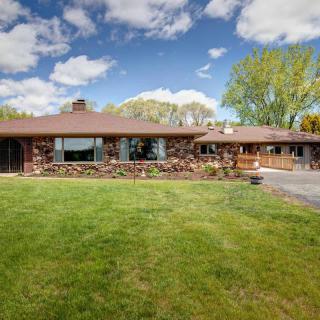






 5 Early Indicators of Dementia and What You Can Do
 8 Important Indicators That Memory Care May Be Necessary
 Delving into the Inner World of Dementia: Insights into Thoughts and Awareness