5430 Hillside Rd, Crystal Lake, IL 60012
To contact a resident: (224) 328-1774
For more information about senior living options: (866) 208-4318
Shepherd of Crystal Lake Costs & Pricing
At Shepherd of Crystal Lake, the monthly costs for residing in their facilities reflect a balance between quality care and competitive pricing within McHenry County and across Illinois. The semi-private room is priced at $5,000, which is slightly above the county average of $4,970 but below the state average of $5,146. This positioning suggests that while residents may be investing a bit more compared to local options, they are still benefitting from a good value relative to broader state trends. For those considering a studio apartment, the cost is set at $6,000, which not only surpasses both the county rate of $5,004 and significantly exceeds the state average of $4,028. This indicates that while Shepherd of Crystal Lake offers unique amenities or services that may justify the higher price point for studio living spaces, potential residents should consider how these features align with their personal preferences and financial considerations.
| Floor plans | Shepherd of Crystal Lake | McHenry County | Illinois |
|---|---|---|---|
| Semi-Private | $5,000 | $4,970 | $5,146 |
| Studio | $6,000 | $5,004 | $4,028 |
Memory care communities with a similar price nearby
-
from -$500 / mo
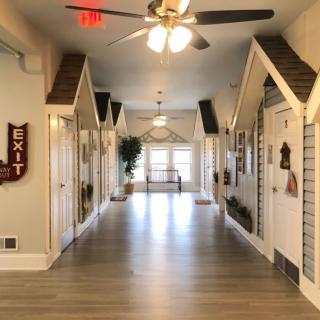
Shepherd of Harvard
$4,500 to $5,000 / month19.0 miles away -
from +$795 / mo
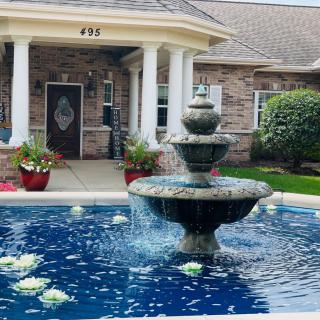
Encore Memory Care at Crystal Lake
$5,795 to $6,795 / month4.9 miles away -
About the same
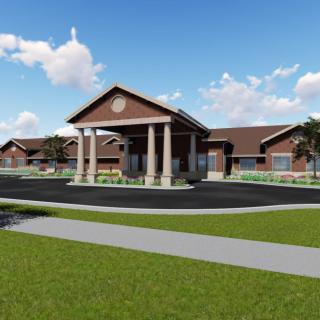
Waverly Inn Memory Care & Cottages
$5,000 to $9,800 / month19.1 miles away -
from +$250 / mo
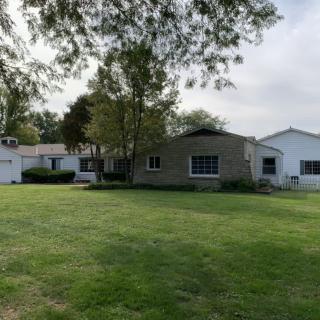
The Heathers - Ringwood
$5,250 to $5,750 / month9.5 miles away -
from +$770 / mo
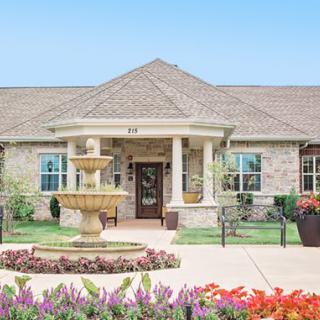
Encore at South Barrington
$5,770 to $6,820 / month14.7 miles away
Overall Review of Shepherd of Crystal Lake
Pros
 They chose Shepherd Premier for their mom and are grateful they did.
- They highly recommend Shepherd Premier.
- The facility, while older, is clean and well-maintained.
- It accommodates a small number of residents, with 3 to 4 caregivers on duty to ensure consistent support.
- Each caregiver, nurse, and the general manager truly cared for the residents and showed genuine passion for their well-being.
- Shepherd Premier is a wonderful place with amazing employees who truly care.
- The experience of their dad living at Shepherd Premier was the best.
- It is a home where seniors can live and receive the care they need.
Cons
 The search to find a place for her mom, who suffers with dementia, was a difficult and heart-rending process.
- The mom was lost in the gap, unable to navigate larger facilities and acutely aware of her difference from other residents.
- Dementia is never easy; there is no solution, and her decline is slow yet steady.
- Memory care was viewed as an unacceptable option.
- She stayed to herself, with no community and no friends.
Review
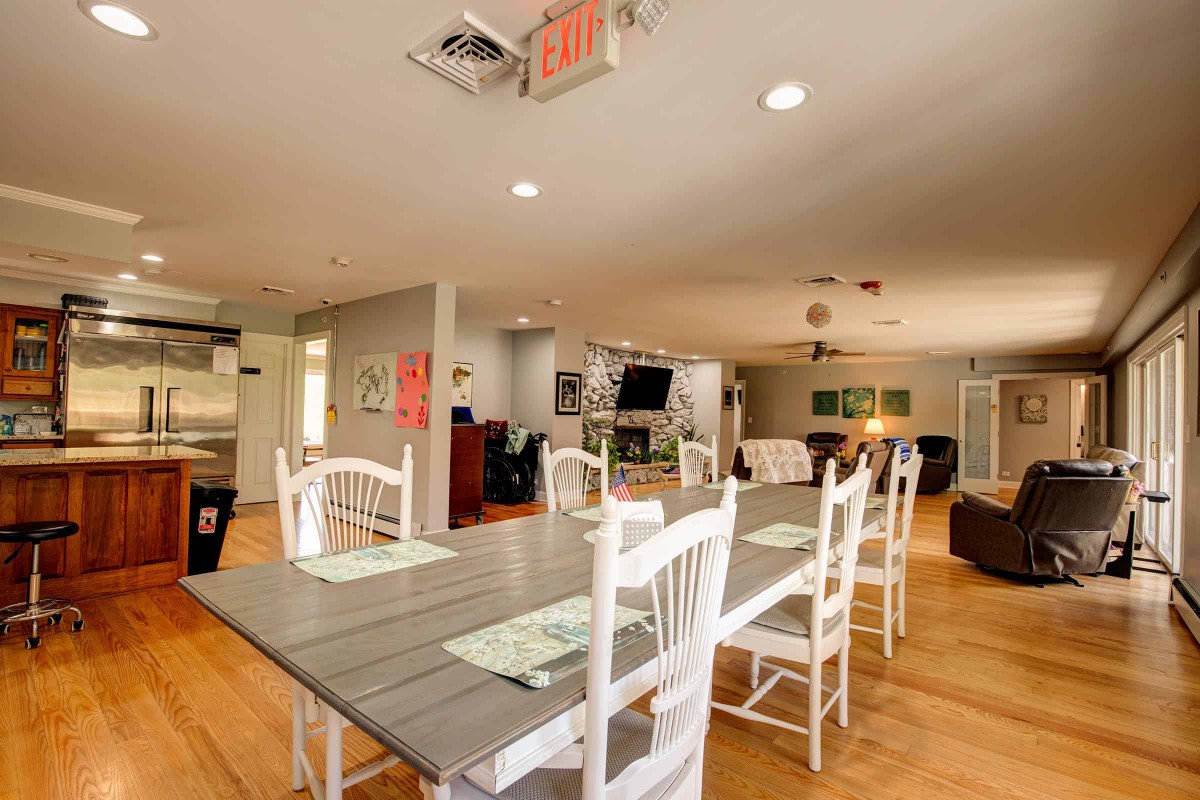
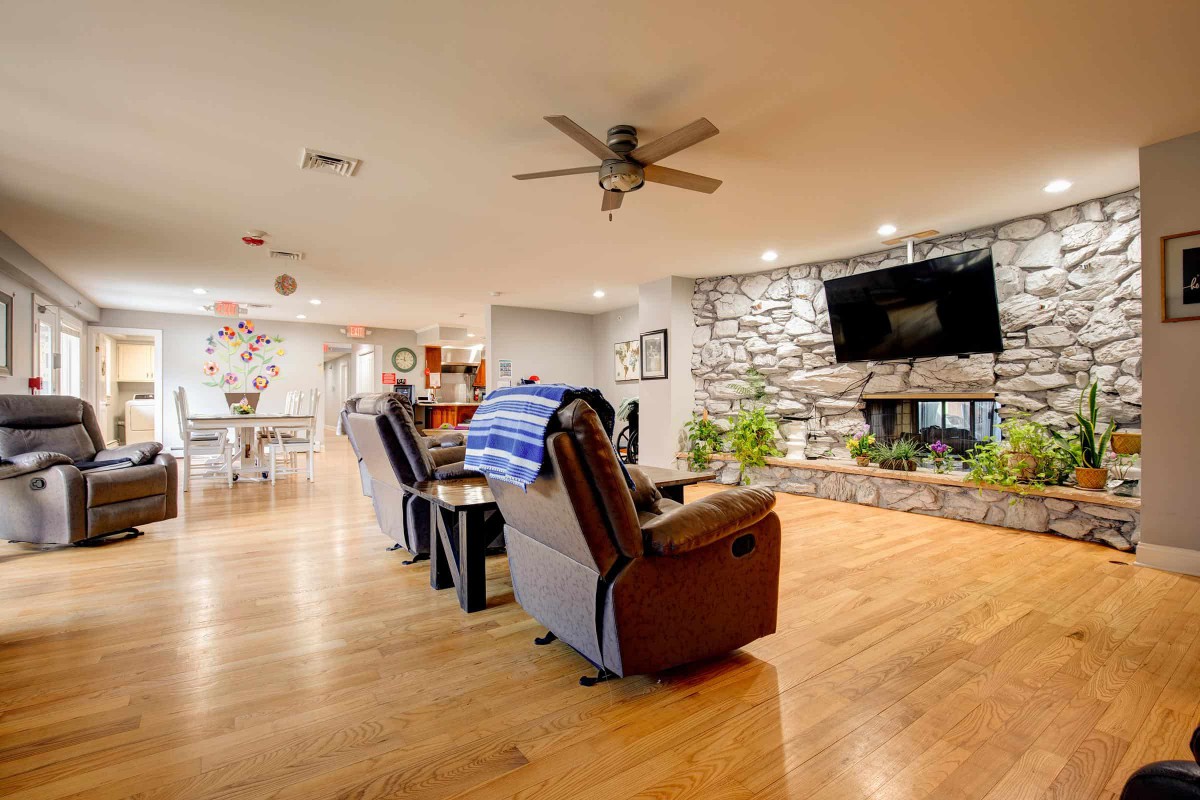
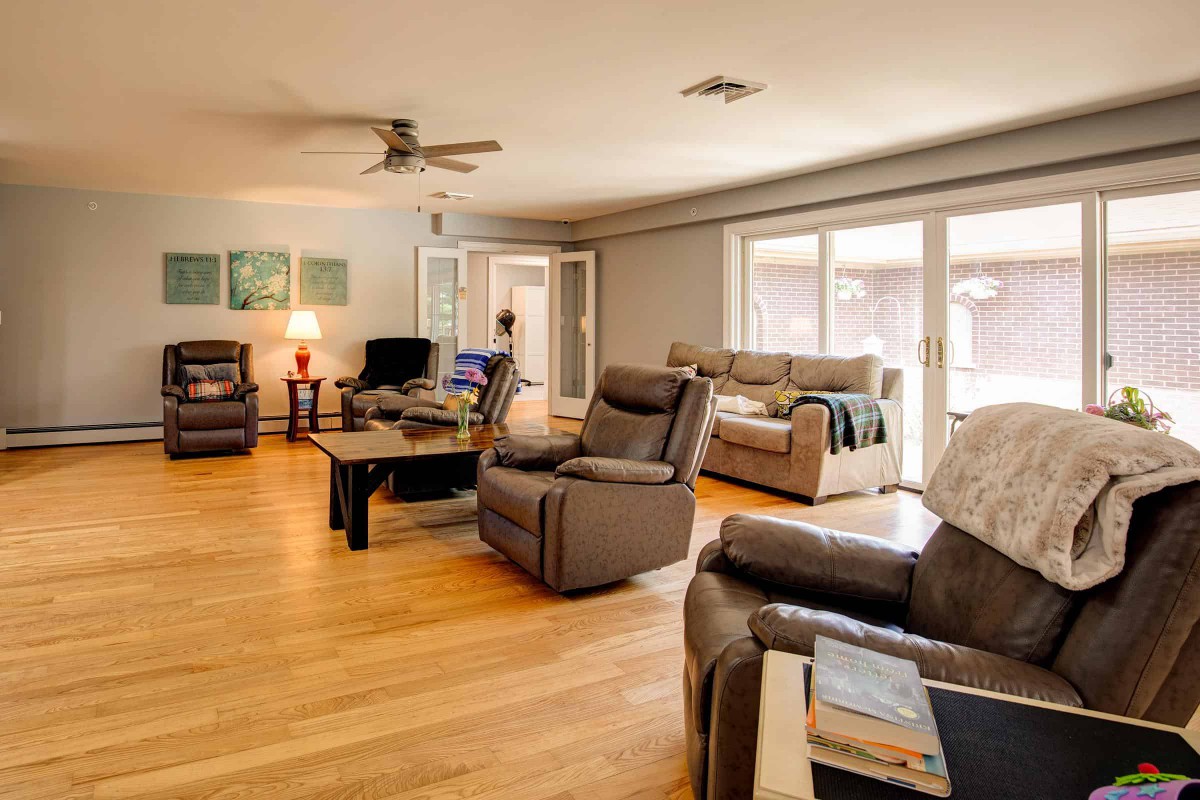
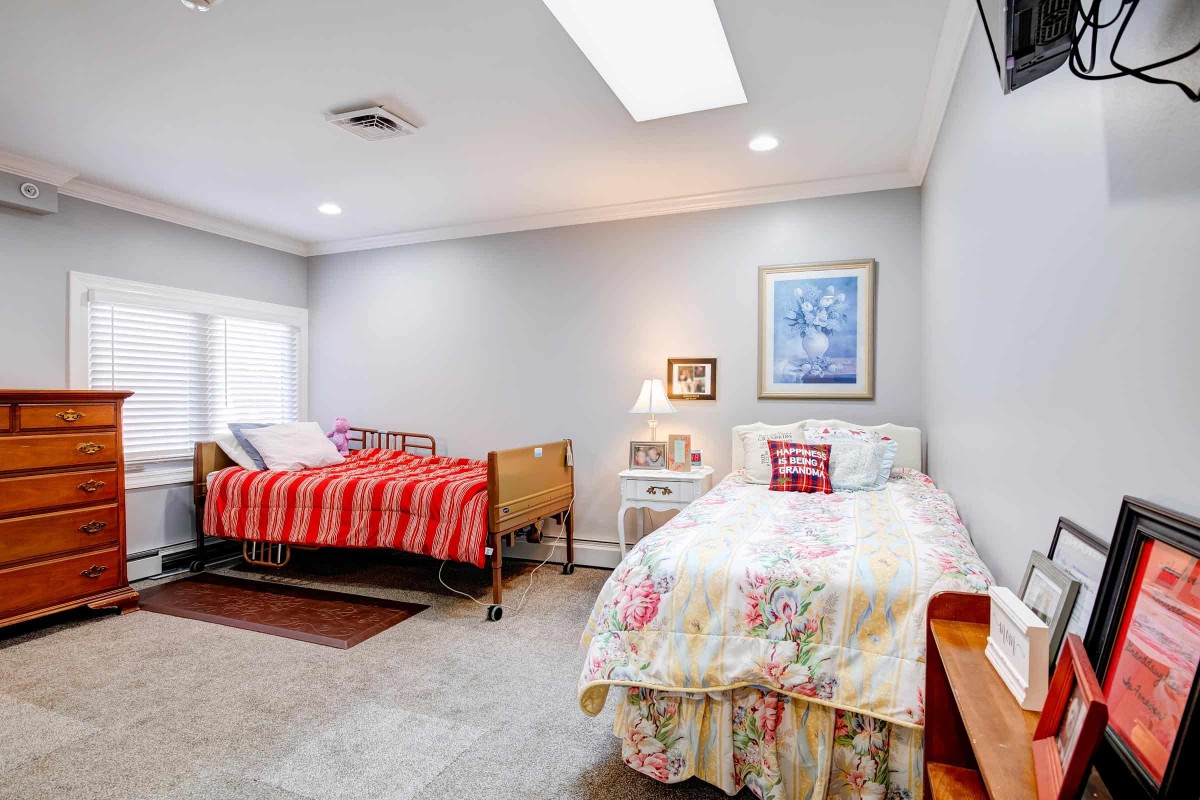
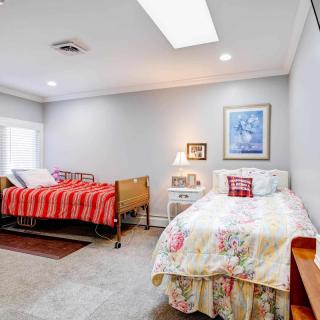
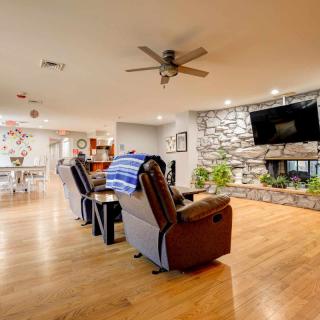
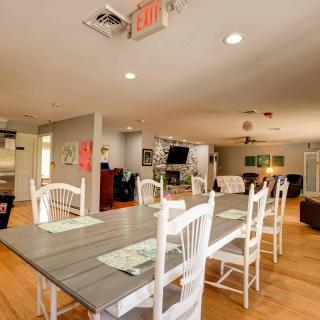
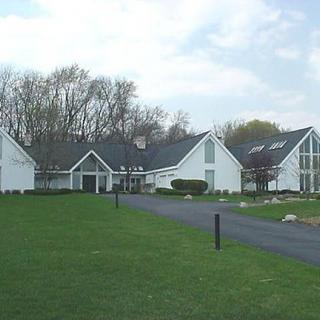
This community is best suited for families seeking an intimate, home-like senior living option where memory care and end-of-life support are delivered with exceptional warmth and hands-on attention. The setting is purposefully small, no more than a dozen residents, so the daily rhythm centers on strong caregiver presence and meaningful, individualized interaction. In practice, that translates to three to four caregivers on duty for most shifts, ensuring timely assistance, steady supervision, and a reassuring sense of safety. The staff and leadership are consistently described as genuinely caring, with nurses and managers who know residents by name and who actively involve families in care planning. For residents with dementia or advanced needs, the environment offers a belonging that larger campuses often struggle to deliver.
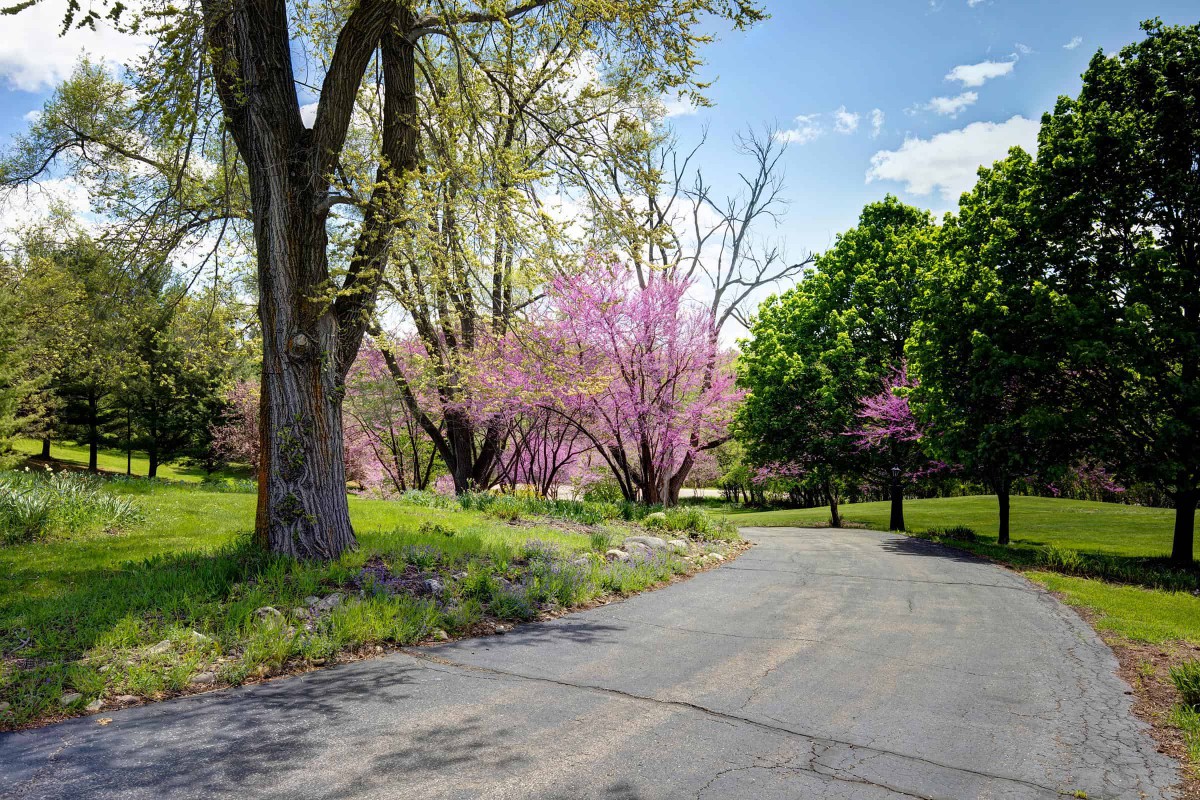
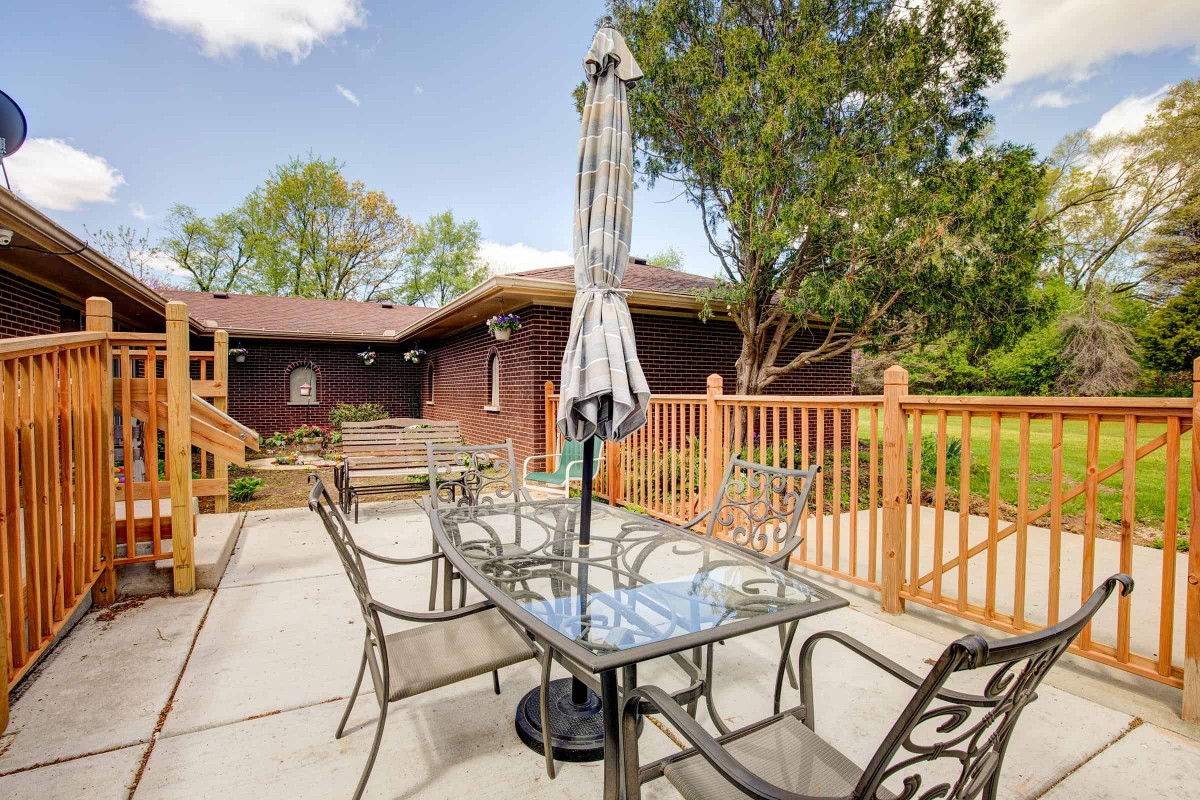
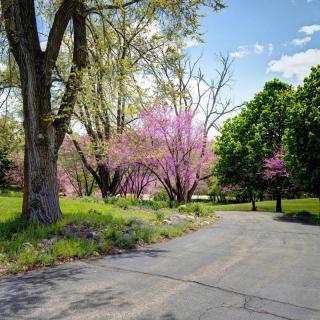
Critically, this is not a facility built for flashy amenities or aggressive social calendars. It is a place for steady, dependable care where routines feel predictable and compassionate. The reviews underscore a robust sense of community: residents are welcomed to meals together, included in activities, and supported in a way that honors dignity and purpose. Outdoor access, home-cooked meals, and participation in meaningful tasks, such as tending to others or joining in trivia, provide a rhythm that sustains morale and cognitive engagement. For families facing dementia progression or end-of-life care, the continuity of care, the presence of a dedicated general manager, and the ability to coordinate transport to appointments through the on-site Shepherd Bus create a tangible sense of stability that larger settings often cannot match.
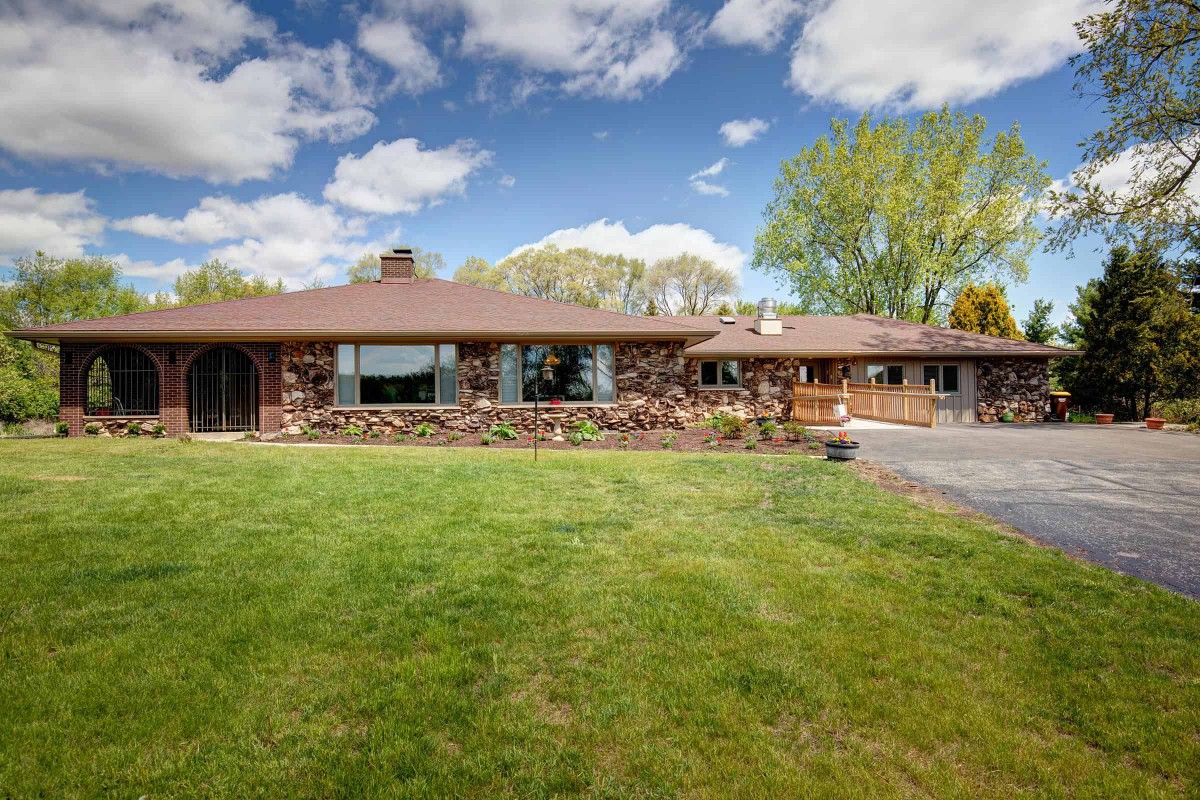
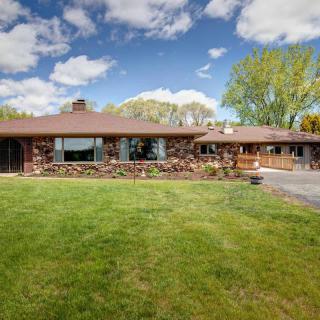
That said, this setting may not be the right fit for every senior’s needs. Alternatives become more attractive for families prioritizing large-scale programming, modern renovations, or a broader range of on-site medical services. The facility’s older structure, while clean and well-maintained, does not pretend to be cutting-edge. For residents who crave a bustling campus with extensive clubs, extensive independent living options, or highly specialized clinical environments, a bigger memory-care or assisted-living community could deliver more in the way of sheer breadth of programming and technology. The key trade-off is simple: the intimate, high-touch care that anchors this community versus the larger, more dynamic ecosystems that some other options offer.
Despite the trade-offs, the compelling pros clearly offset the main drawbacks for the target profile. The markedly low resident census creates a safe, engaging atmosphere where staff can anticipate needs and respond with immediacy. The care model emphasizes inclusion, connectedness, and purposeful activity, attributes that visibly improve quality of life for residents with dementia and for those navigating end-of-life stages. The ability for families to connect with the general manager and to discuss care trajectories openly adds a level of trust seen less often in larger facilities. Transportation support for medical appointments, along with consistent routines and attention to cognition, elevates both resident well-being and family peace of mind.
For families evaluating options, practical steps matter as much as sentiment. Prospective residents should verify current caregiver ratios across day and night shifts, the exact dementia-care approach, and the ease of integrating family input into care plans. Tours should include conversations with the general manager as well as direct staff interactions to gauge daily responsiveness. Inquire about outdoor access and meal traditions, which matter to mood and appetite, and confirm the logistics of appointment transportation and on-site medical coordination. A candid discussion about progression plans, comfort measures, and end-of-life preferences will reveal whether the community’s strengths align with anticipated needs.
In sum, Shepherd of Crystal Lake stands out as a prudent choice for families seeking a tightly knit, caregiver-driven environment that honors memory care and end-of-life needs with dignity, warmth, and continuity. It excels where small size, stable staffing, and a home-like atmosphere translate into meaningful belonging and practical support. It is less suited for those chasing the amenities of a large campus or the breadth of medical services found in bigger institutions. For families prioritizing intimate care, real connection, and a trusted partner in navigating dementia or terminal illness, a visit to this community is strongly recommended to confirm fit and foster confidence in the care plan ahead.
 Assisted Living
 Memory Care
 Activities on-site
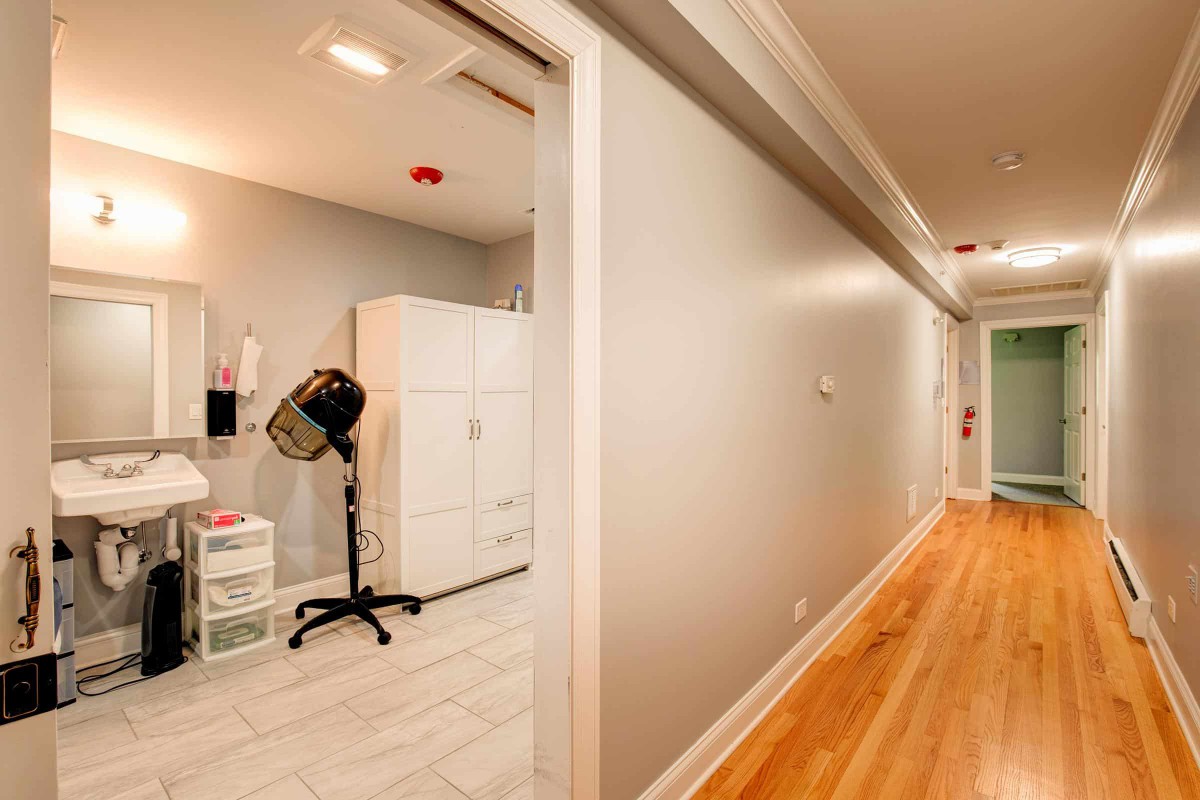
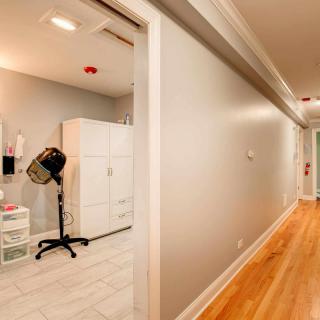
 Beautician on-site
 Cable or satellite TV
 Devotional services off-site
 Ground floor units
 Handicap accessible
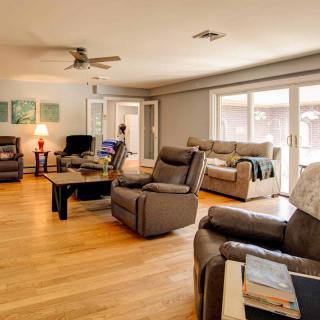
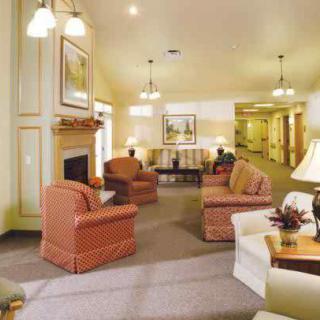
 Indoor common areas
 Respite or short term stays offered
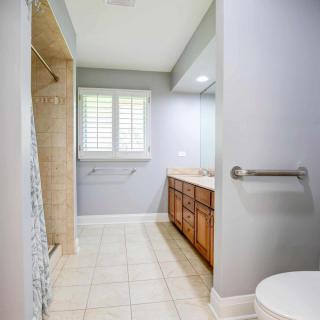
 Wheelchair accessible showers
 Wi-Fi/high-speed internet available
 Ambulatory care
 Diabetic care
 High acuity care
 Incontinence care
 Medication management
 Guest meals
 Art classes
 Cooking classes
 Day trips and outings
 Educational speakers / life long learning
 Happy hour
 Karaoke
 Live dance or theater performances
 Live musical performances
 Stretching classes


 Illuminating Insights About Alzheimer's Disease: Ten Crucial Realities
 A Thorough Discussion of Medications Potentially Linked to Dementia Risk
 Why Do Dementia Patients Sleep So Much? Understanding Oversleeping, Stages, and Care Approaches