
5430 Hillside Road, Crystal Lake, IL 60014
For more information about senior living options: (866) 208-4318
Overall Review of Shepherd Premier Senior Living - Crystal Lake
Pros
 They highly recommend Shepherd Premier.
- They are grateful they chose Shepherd Premier for their mom.
- The facility is clean and well-maintained.
- It accommodates a small resident community with ample caregiver coverage.
- There were always 3 to 4 caregivers on duty, ensuring sufficient support.
- Each caregiver, nurse, and the general manager truly cared for the residents and demonstrated a genuine passion for their well-being.
- Shepherd Premier is a wonderful place with amazing employees who truly care.
- It provides a welcoming community where residents thrive and feel included.
Cons
 The search to find a place for her mother suffering from dementia was a difficult and heart-rending process.
- She was lost in the gap, unable to navigate larger facilities, and acutely aware of her difference from other residents.
- Dementia is never easy; there is no solution, and the family is still coping with the mother's slow yet steady decline.
- For them, memory care was an unacceptable option.
- She stayed to herself, with no community and no friends.
Review
Shepherd Premier Senior Living in Crystal Lake is best suited for families seeking an intimate, homelike setting where seniors receive highly personalized attention. The small scale, roughly a dozen residents at most, delivers a level of hands-on care and constant supervision larger campuses struggle to match. It is particularly well-aligned with residents who need memory-care support within a warm, inclusive community, where participation at meals and activities matters and where caregivers know each resident by name. The model also fits families prioritizing easy coordination with staff and continuity of care through dementia progression or end-of-life support. In short: this community excels when a close-knit, attentive environment is the core goal.
Those weighing alternatives should consider appetite for scale and breadth of services. If a larger campus with extensive programming, more on-site medical resources, or a bustling social calendar is essential, Shepherd Premier may feel constraining. Families needing robust skilled-nursing capabilities around the clock, advanced rehabilitation services, or broader dining and activity options might prefer a bigger community. Additionally, residents who prize expansive campuses, rapid access to a wide array of specialists, or highly varied social opportunities may find the smaller footprint limiting. The Crystal Lake location is convenient for nearby families, but for some care plans, distance from preferred clinics or hospitals could influence suitability.
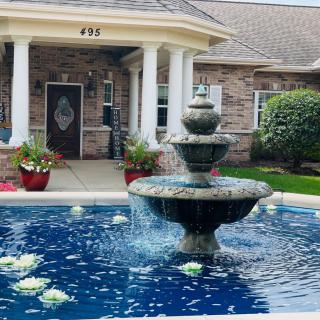
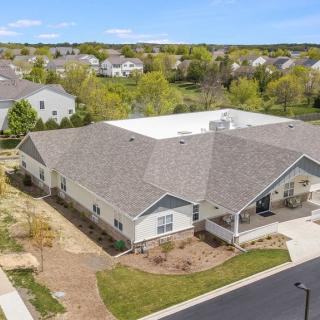
From a practical standpoint, the strongest advantages are the caregiver-to-resident ratio and the clearly compassionate culture. The small team model translates into reliable oversight, timely assistance, and a palpable sense of safety, with 3 to 4 caregivers on duty accompanied by attentive nurses and a hands-on general manager. The facility is clean and well-maintained despite its age, a detail that matters for daily comfort and peace of mind. The memory-care approach is integrated rather than siloed, enabling residents to dine together, engage in meaningful routines, and receive support that reinforces dignity. Outdoor access, home-cooked meals, and steady assistance with daily tasks further anchor residents in belonging and purpose.
However, the compact size and aging footprint do carry caveats. The upside of personalized attention can feel limiting when the social calendar relies on a modest set of staff-led activities rather than campus-wide programming. For residents requiring extensive, high-acuity medical interventions or a broader spectrum of on-site therapies, the smaller footprint may not cover every need. The model’s success hinges on steady, collaborative staff and proactive leadership; potential fluctuations in health acuity or staffing dynamics could necessitate proactive coordination with management. Prospective families should confirm access to specialists and timely urgent-care options within a reasonable distance.
The upside of Shepherd Premier’s model largely mitigates these concerns. The tight-knit environment reduces navigation challenges and social isolation for dementia patients, while the Shepherd Bus eases transportation to medical appointments and alleviates family burden. The visible passion of caregivers, ongoing family communication, and direct access to leadership translate into a trusted, responsive care experience. In this context, the trade-offs of smaller size and an older facility prove worthwhile when measured against residents’ comfort, meaningful engagement, and sense of belonging. The care narrative here is one of consistency, warmth, and intentional inclusion.
In sum, Shepherd Premier Senior Living is a compelling choice for families prioritizing intimate, dementia-informed care anchored in a genuine community. It stands out for residents who benefit from predictable routines, home-like meals, and a small, devoted caregiving team. Those who should explore alternatives are families seeking expansive amenities, aggressive medical oversight, or a bustling campus atmosphere. For the right resident, the advantages, attentive caregiving, meaningful engagement, and a family-focused culture, substantially outweigh the drawbacks of age and scale. Prospective families should arrange a visit to observe staffing patterns, meet the general manager, and discuss a tailored care plan aligned with the specific dementia or end-of-life needs.
 6 resident community capacity
 Assisted Living
 Cable or satellite TV
 Dining room
 Fully furnished
 Garden
 Housekeeping services
 Move-in coordination
 Outdoor space
 Telephone
 Wi-Fi/high-speed internet available
 24-hour supervision
 Activities of daily living assistance
 Assistance with bathing
 Assistance with dressing
 Assistance with transfers
 Diabetes diet
 Meal preparation and service
 Medication management
 Special dietary restrictions
 Transportation arrangement (medical)
 Transportation to doctors appointments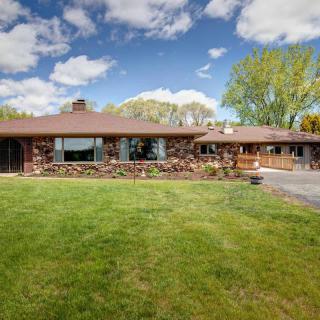



 Assisted Living and Memory Care: Understanding Their Core Differences
 Beyond the Bingo Hall: 50+ Enriching Activities for Seniors in Assisted Living
 Understanding the Distinctions: Assisted Living and Memory Care Explained