
1504 W Van Buren St # 112, Chicago, IL 60607
To contact a resident: (312) 733-6187
For more information about senior living options: (866) 208-4318
Van Buren Place Costs & Pricing
Van Buren Place offers a highly competitive monthly rent for its one-bedroom units at $675, significantly lower than the average costs seen in Cook County, which stands at $3,256, and even more so compared to the state average of $3,527 in Illinois. This substantial difference underscores Van Buren Place's appeal as an affordable housing option within a market that often presents high rental prices. Residents can enjoy the benefits of comfortable living at a fraction of the cost typically associated with other nearby locations, making it an attractive choice for those seeking value without compromising on quality.
| Floor plans | Van Buren Place | Cook County | Illinois |
|---|---|---|---|
| 1 Bedroom | $675 | $3,256 | $3,527 |
Senior living communities with a similar price nearby
-
from +$75 / mo
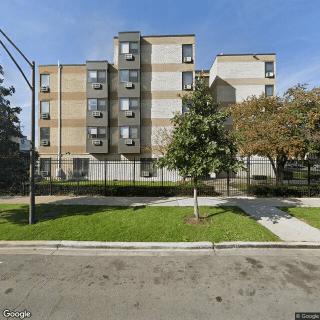
Anathoth Gardens
$750 / month3.4 miles away -
from +$75 / mo
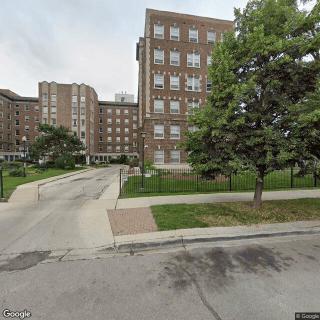
Beth Anne Residence
$750 / month4.7 miles away -
from +$124 / mo

Wood Glen Senior Residences
$799 / month2.8 miles away -
About the same
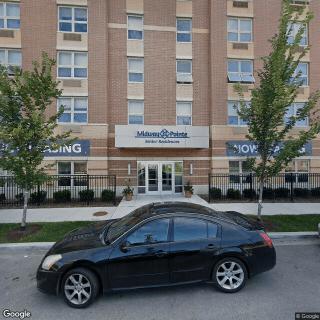
Midway Pointe
$665 to $815 / month6.4 miles away -
from +$75 / mo
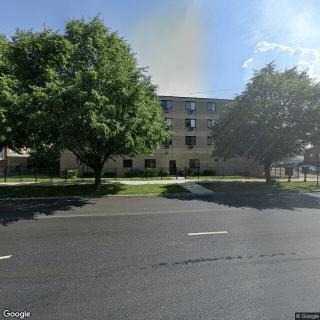
PACE Senior Residence
$750 / month3.6 miles away
Overall Review of Van Buren Place
Pros
 The residents are kind, caring, and look out for one another.
- The West Loop location can't be beat.
- The building is well maintained.
- Oscar is kind and quick to resolve issues.
- It was a fantastic place for her mom to live.
- The neighborhood near Van Buren is friendly.
Cons
 The building manager was not very nice.
- The building manager sometimes lacked in professionalism.
- The residents wished there were more engaging activities sponsored by the building.
Review
Van Buren Place is best suited for active, independent seniors who want a walkable, urban base in Chicago’s West Loop, where everyday life centers on neighborhood access, social connection, and low-maintenance living. It works best for someone who values proximity to Target and transit options, quick rides downtown, and easy access to the city’s medical campus. It is not the right choice for someone needing daily care, ongoing assisted living services, or highly structured programming integrated into the building. Families weighing options should note that this community centers on independence rather than on-site care, with the reality that more care-driven needs will require arranging external services.
Residents consistently describe a warm, neighborly atmosphere. The community feels smaller and intimate, with a shared sense of looking out for one another. The West Loop location amplifies this vibe, offering a lively backdrop where residents can stroll to shops, hop on a bus, or cross the bridge to appointments without a long commute. The building itself is well maintained, and the staff are generally responsive; when issues arise, the operations manager is known for being kind and quick to resolve problems. That combination of congenial peers and reliable maintenance translates into a lived experience that many families value as livable and reassuring.
However, management dynamics can color the experience. The on-site building manager sometimes comes across as less professional and more stressed, which can affect interactions and day-to-day perceptions. While the operations manager offsets this by delivering prompt, friendly service, the uneven tone from leadership at times leaves residents feeling unevenly supported. Another practical consideration is the absence of on-site care services, this is an independent living community, so any needed assistance must be arranged externally. Additionally, while residents are friendly and social, there is a sense that programming and organized activities could be more robust to keep engagement consistently high.
These strengths do not vanish because of the drawbacks; rather, they offset one another in a way that suits a particular profile. The location remains a major asset: easy access to everyday conveniences, transit-driven mobility, and swift connections to medical facilities. A walkable neighborhood enhances independence, reduces transportation friction, and supports spontaneous social encounters, all of which materially improve day-to-day quality of life. The quiet but reliable maintenance and the presence of a caring resident community further cushion the absence of formal care services, since neighbors’ support and a well-kept environment contribute to safety and comfort. In short, for a self-sufficient resident who wants city life without a heavy caregiving burden, the positives largely counterbalance the limitations.
Families should be explicit about their priorities when evaluating this community. Those who prioritize daily care, memory support, or highly structured, activity-rich programming will likely want alternatives, perhaps a community that includes assisted living or more formalized activity planning under one roof. Prospective residents who value neighborly warmth, easy urban access, and a clean, well-run building will find Van Buren Place compelling, provided expectations are aligned with its independent-living model and leadership dynamics. In practice, the decision hinges on whether independence and location trump the desire for more on-site services and consistent administrative warmth.
Bottom line: Van Buren Place delivers a bright, social, city-centered living option for independent seniors who want a walkable West Loop address and a friendly resident community. It shines where mobility, proximity to amenities, and maintenance reliability matter most, and it can compensate for the lack of on-site care with neighborly support and an appealing urban lifestyle. For families prioritizing on-site care, formal programming, or highly consistent administrative engagement, alternatives with integrated services will better meet those needs. The prudent approach is to visit, observe the staff dynamics, and probe how activities are actually scheduled and funded, ensuring the chosen path aligns with the resident’s independence and care expectations.
 Active Adult Communities (55+)
 Cats allowed
 Dogs allowed
 Activities on-site
 Bath tubs
 Devotional services off-site
 Indoor common areas
 Outdoor common areas
 Chicago Midway (8 miles away)
 Ashland
  Ambulatory care
 Diabetic care




 Understanding the Nuances of Palliative Care and Hospice: A Comprehensive Exploration
 Is In-Home Healthcare Tax Deductible? Your Comprehensive Guide
 Nurturing Well-Being Through Gardening: A Detailed Guide for Senior Enthusiasts