

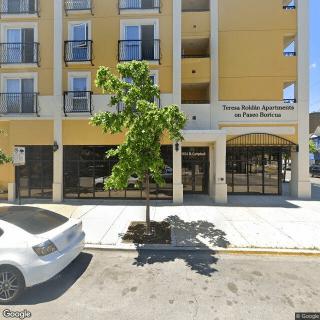
1046 West Polk Street, Chicago, IL 60607
To contact a resident: (312) 468-7575
For more information about senior living options: (866) 208-4318
Overall Review of Seniors Helping Seniors - Chicago Metro
Pros
 The service is particularly fine, with careful oversight at each branch.
- The Chicago branch carefully selects senior caregivers, resulting in reliable care.
- Their work is described as more a calling than a job, evidenced by their care for each individual.
- The staff provide excellent care and amazing bedside manner.
- Seniors Helping Seniors has the most amazing caretakers.
- They provided exceptional care to an elderly father for several years, up to his passing.
Cons
 One review notes concern that each branch is dependent on its own oversight, implying possible inconsistency in care.
Review
Seniors Helping Seniors - Chicago Metro is best suited for seniors who want highly personalized, peer-driven support delivered by caregivers who truly understand the aging experience. The community’s standout strength lies in a careful caregiver selection process, so families can trust that the people providing care are not merely employees but compassionate companions. The message that “care is a calling, not just a job” comes through in every account, with staff taking the time to treat each resident as an individual. For families prioritizing steady, trustworthy, relationship-centered care, this option is particularly compelling.
Those considering alternatives should note that this model may not be ideal for every situation. For seniors who require around-the-clock professional medical management or a highly structured, facility-like program with on-site nursing, another path may be more appropriate. Branch-to-branch oversight can influence results, so it is essential to verify the leadership and track record on the local team. When medical complexity demands constant, formal clinical oversight, traditional assisted living or memory-care facilities with full-time licensed nursing staff often deliver a more predictable medical backbone.
The strongest positives center on care quality and bedside manner. Reviewers repeatedly praise “excelent care” and the remarkable warmth of the caretakers, underscoring a level of compassion that feels almost familial. Longstanding, steady care for a resident over years reinforces the sense of continuity, trust, and deep familiarity with preferences, routines, and personal histories. This is not generic care; residents are known by name, their quirks are understood, and daily life is guided by genuine empathy. Such relational depth reduces anxiety and elevates daily well-being in ways a stricter medical model often cannot.
The trade-off is a lighter formal medical framework. While the praise for personal warmth is justified, potential gaps in on-site clinical resources mean medical management must be coordinated with external providers and family oversight. That reality is offset by proactive communication, consistent routines, and a culture that emphasizes autonomy and comfort. For many seniors, the payoff is substantial: the assurance of being surrounded by caregivers who remember their preferences and treat them with dignity can outweigh the absence of a heavy medical apparatus on site.
Decision-makers should align this option with those who prize a homelike atmosphere, flexibility, and deeply personalized interactions. It is especially suitable for seniors who want familiar faces, predictable routines, and a caregiving approach that respects individuality above rigid protocols. The “calling” ethos translates into dependable daily engagement, thoughtful reminders, and a level of emotional support that can sustain morale and mood. If medical intensity or highly structured, facility-based activities are non-negotiable, alternatives should be pursued.
Overall, Seniors Helping Seniors - Chicago Metro delivers a compelling blend of compassionate care, continuity, and individualized attention that stands out in the care landscape. The strongest evidence is found in the lived experiences of families and the long-term, attentive care described for loved ones who remained supported over extended periods. For families weighing options, the clear takeaway is that this community excels when caregiving is defined by relationships, respect, and a culture that treats residents as real people with unique histories. Alternatives deserve consideration primarily when medical management needs eclipse the value of personalized companionship.
 Chicago Midway (8 miles away)
 Ashland





 Supportive Employee Benefits That Help Caregivers Attain Better Work-Life Harmony
 Top Cars for Senior Drivers and Essential Safety Innovations
 A Closer Look at Private Pay Home Care