
1245 South Wood Street, Chicago, IL 60608
For more information about senior living options: (866) 208-4318
Overall Review of Barton Senior Residences of Chicago
Pros
 Barton was an integral part of the resident’s support system.
- The staff always alerted the family immediately in urgent situations.
- Their procedures for addressing residents’ needs were considerate of each individual.
- The family could maintain balance while caring for their loved one.
- The resident was safe.
- The resident built real community while living there.
- The staff were always kind and professional.
- The front office staff are committed to residents’ needs.
- During the pandemic, the director and social worker helped by shopping for residents’ needs to ease quarantine.
- Rita, the financial officer, goes beyond the call of duty to resolve insurance problems.
Cons
 They would not feel comfortable leaving a loved one there because the nurses are absolutely rude.
- The rent is astronomical and would take roughly 90% of a resident's income, leaving only about $90 back.
- The facility smelled awful and had very unprofessional staff who talked to residents like dogs.
- They terminated a resident's lease during rehab, claiming he needed more care than they provided.
- They refused to release in-house medication administration records to tenants or families, which was described as a red flag.
- Residents were observed with heads down and no activities, implying the facility would lead to deterioration.
- They did not provide incontinent care.
Review
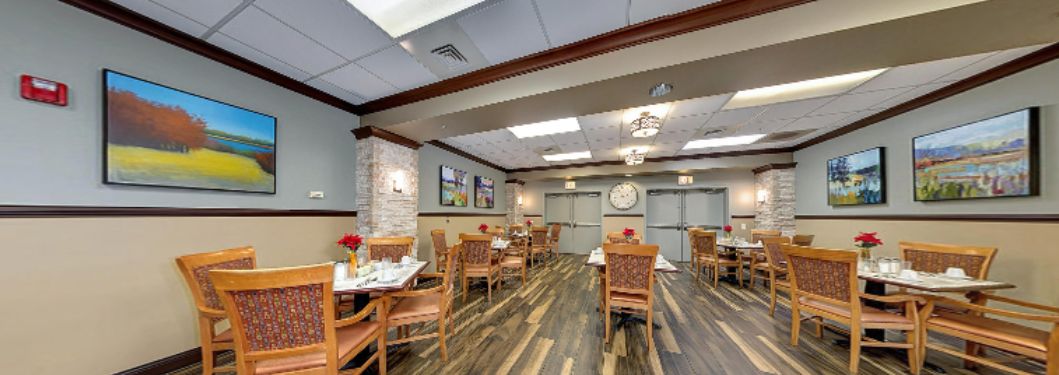
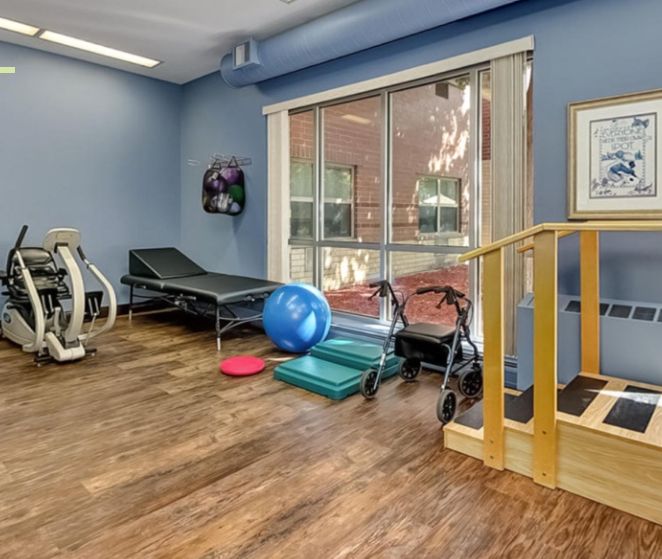
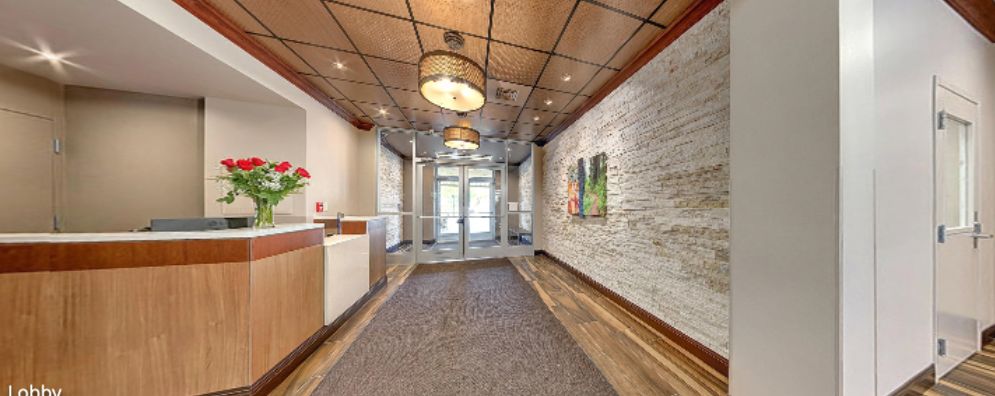
Barton Senior Residences of Chicago is best suited for families seeking a newer, amenity-rich setting where daily nursing oversight and memory-care options are readily available, and where there is an emphasis on safety, responsiveness, and a tangible sense of community. The facility’s on-site doctors and nurses, regular meals, therapy services, and a robust calendar of activities appeal to residents who want structured support and engaging social life without leaving a modern, well-kept environment. It serves well for seniors whose needs sit in the middle of assisted living with dementia care, and for families that prize proactive communication and immediate alerts when concerns arise. Those prioritizing ultra-low cost or requiring very high-acuity rehab should not assume Barton is the fit; this community leans toward a higher-touch model with commensurate costs and contract terms.
Alternatives deserve consideration for several reasons. The price point is consistently described as steep, and prospective residents must scrutinize what is included versus what is charged separately. Some families encounter friction around adherence to care plans and record-keeping, including requests for medication administration records. That combination, high cost plus potential opacity in care documentation, will push families to compare other facilities that offer clearer pricing, stricter rehab policies, or more transparent medical-record access. In addition, concerns about management consistency and staff demeanor signal that those who require uniformly steady interactions across shifts may want to explore facilities with a more predictable culture and fewer reported personnel issues.
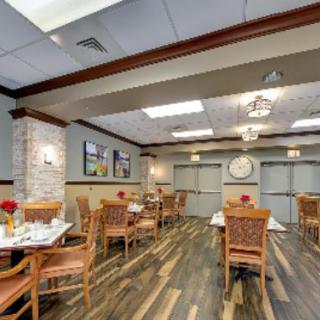
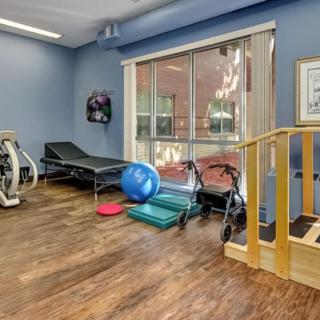
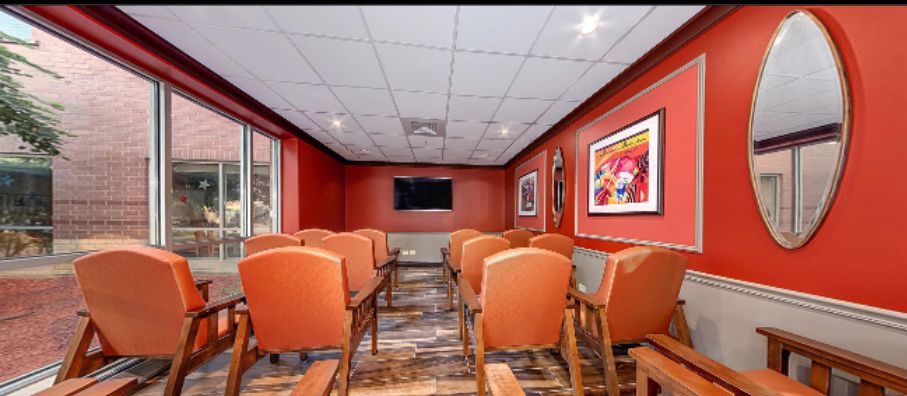
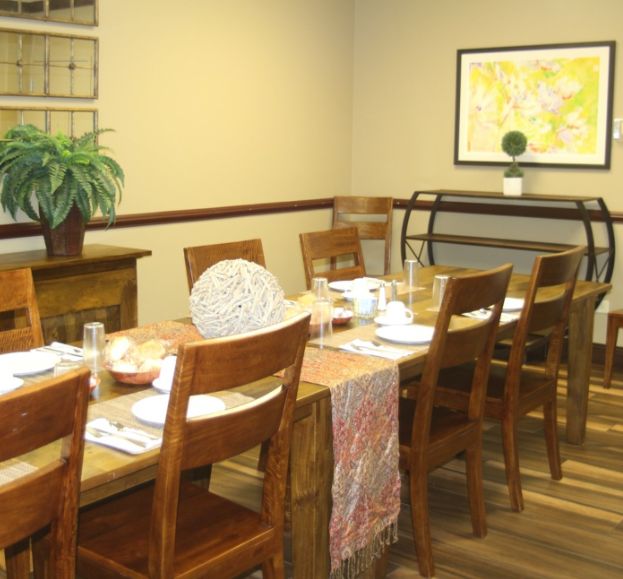
The strongest pros, the immediate family communications during urgent situations, the real sense of community, and the daily medical oversight, often offset considerable concerns. The ability to alert families right away, coupled with staff who treat residents as individuals, creates a trusted safety net for relatives who cannot be on-site constantly. The presence of on-site nurses, daily check-ins, and dementia-capable programming helps residents feel secure and engaged, while amenities such as a fitness room, theater-like spaces, barber and beauty services, and varied meals contribute to quality of life. For families balancing caregiving with work, Barton’s integrated approach to health and wellness can reduce the stress of monitoring a loved one’s daily needs.
Yet the cons cannot be dismissed. Multiple reviews reference uncomfortable staff interactions, with some reports describing rude or unprofessional behavior. Management turnover and policy gaps, most notably around rehab holds and lease termination during recovery, stand out as significant risks for residents who may temporarily require higher levels of care. Privacy concerns around care records, and inconsistent access to medication logs, further complicate trust in administrative processes. Observations about odor, inconsistent activity levels, and doubts about the intensity of incontinent-care support underline that staffing quality and care fidelity may fluctuate in ways that impact day-to-day satisfaction.
Despite these drawbacks, the positives can be leveraged to good effect if careful diligence is applied. Prospective residents should prioritize a thorough tour with a sharp focus on the memory-care environment, menu variety, and the actual cadence of activities that match personal interests. Request a transparent breakdown of the pricing structure, including what is included in the base rent and what incurs extra charges, and insist on seeing sample care plans and medication logs. Ask about record-release policies, and probe how administrative disputes are resolved. If continuity of care and a stable executive team are non-negotiable, obtain current residents’ perspectives on management responsiveness and verify licensure status and compliance history.
In the end, Barton Senior Residences of Chicago offers a compelling package for families seeking a modern, well-equipped community with strong medical oversight and dementia-capable options, provided the price aligns with expectations and the administrative culture can demonstrate reliability. It is less suitable for families on a tight budget, those who require rock-solid rehab holds without question, or anyone who places a premium on uniformly seamless staff behavior and fully transparent record-keeping. For those who want a bright, active environment with professional care and are willing to navigate potential inconsistencies in management, Barton can be a solid choice. For others, exploring alternatives that emphasize predictable pricing, steadier administrative processes, and consistently high staff engagement will likely yield greater long-term peace of mind.
 22 resident community capacity
 Studio apartments
 Assisted Living
 Memory Care
 Skilled Nursing Facility
 Beautician on-site
 Cable or satellite TV
 Dining room
 Fully furnished
 Garden
 Hiking trails
 Housekeeping services
 Kitchenette
 Laundry
 Move-in coordination
 Outdoor space
 Telephone
 Wi-Fi/high-speed internet available
 Chicago Midway (7 miles away)
 Transportation & parking
 18th
18th  24-hour call system
 Activities of daily living assistance
 Assistance with bathing
 Assistance with dressing
 Assistance with transfers
 Diabetes diet
 Meal preparation and service
 Medication management
 Mental wellness program
 Physical therapy
 Special dietary restrictions
 Transportation arrangement (medical)
 Arts and crafts
 Games
Games Live musical performances
 Wii bowling
 English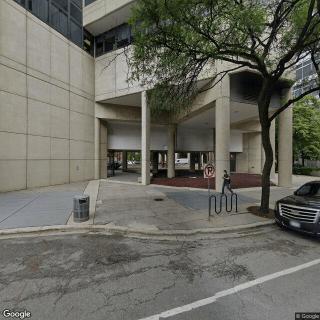




 Understanding the Distinctions: Assisted Living and Memory Care Explained
 How to Communicate with a Loved One Living with Dementia: 10 Supportive Strategies
 Comprehensive Guide to VA Nursing Homes: A Crucial Long-Term Care Resource for Veterans