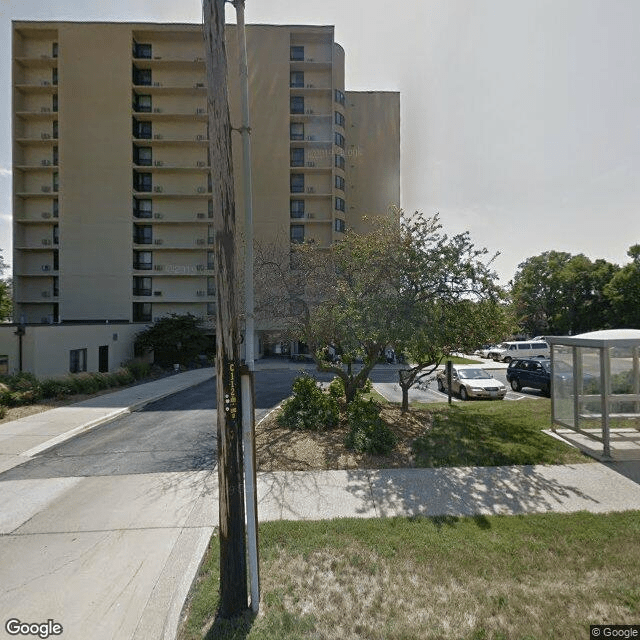
Phoenix Towers

Save
Phoenix Towers

Phoenix Towers

202 W Locust St, Bloomington, IL 61701

For more information about senior living options: (844) 490-3973

2.9 from 16 reviews
5 stars
7
4 stars
0
3 stars
1
2 stars
1
1 stars
7

Active Adult Communities (55+)

Overall Review of Phoenix Towers

Pros

  • pro The staff are professional, friendly, and very helpful.
  • pro They explain every detail and expertly answer questions about the rental process.
  • pro Residents absolutely love their apartments and enjoy living in Phoenix Towers.
  • pro Residents report few complaints, with none about management or maintenance.
  • pro Management communicates changes promptly with advance notice and provides accommodations, such as water bottles during shut-offs.
  • pro Peace Meal delivers free weekday lunches and extra pantry food for residents.
  • pro The property is exceedingly safe, with management handling incidents respectfully and being trained to address mental health issues.
  • pro Historically, Phoenix Towers was well maintained and clean with activities under a marvelous manager.

Cons

  • pro The complex is described as the worst place they have ever lived, with staff described as unprofessional and rude.
  • pro Bed bugs were present on move-in day, and management allegedly failed to treat the infestation adequately.
  • pro Water was shut off with no warning, leading to unsanitary conditions and odors.
  • pro A money-order issue allegedly involved management depositing funds into a personal account and writing a check to cover rent.
  • pro Maintenance and pest-control staff are portrayed as lazy and not doing their jobs.
  • pro A sewer line leak left parts of the building without flooring and carpeting, making it unsafe.
  • pro The property is said to have too many drug users/sellers and an overall unsafe environment.
  • pro Office staff are accused of verbal abuse toward a resident's father.

Review

Phoenix Towers presents a portrait that runs from glowing praise to searing frustration, all threaded through real-life routines of living in a large, senior- and family-oriented community. For a number of longtime residents, the staff are the standout feature: professional, friendly, and extraordinarily helpful. Renters recount that office personnel explain every step of the rental process in detail, answer questions with care, and keep residents informed about changes that affect daily life. The apartment itself is repeatedly described as welcoming, with residents expressing genuine enjoyment of their living space and the surrounding building environment. In many accounts, the satisfaction comes from feeling well-supported by a team that makes navigation of the rental process clear, and from a sense of belonging within a community that seems to value residents' comfort.

Within those positive experiences, a consistent thread is the management's communication style and their willingness to provide advance notice when plans change. Several reviews note that management has been prompt and accurate about outages or renovations, and that they typically issue at least a three-day notice when possible. There are concrete examples of four-day notices for water shutoffs, followed by practical steps like distributing water bottles on the first floor or delivering them to individual doors. And beyond basic maintenance, residents highlight tangible benefits such as Peace Meal lunches on weekdays and extra pantry items that arrive to assist residents in need. Taken together, these details paint a picture of a community that actively tries to support residents' comfort and daily needs while emphasizing a culture of notice and preparedness.

Safety is another pillar in the favorable narrative. One resident emphasizes that the place feels exceedingly safe, noting that an isolated incident involving a resident experiencing a mental episode was managed with care and professionalism. The management is described as respectful, informative, and trained to handle mental health crises, even if they are not miracle workers who can quell every anxiety. For many, these elements - responsiveness, respect, and a proactive approach to safety - contribute to a sense of security and trust in the management team. In this version of the story, Phoenix Towers functions as a place where rules and proper procedures are understood - if you adhere to the rules, you can thrive within a supportive system.

Yet the same property is also a space where tension and conflict surface, sometimes abruptly, when expectations clash or when personal experiences diverge dramatically. Several reviewers point to the more challenging aspect of resident behavior: the "worst" part of living here, in their view, is primarily the behavior of some fellow residents who seem preoccupied with finding fault or complaining. There is also a candid acknowledgment that the environment includes boomer-types and a certain culture that some find hard to navigate. In this sense, the management and the building's social dynamics can feel at odds: a place that offers genuine amenities and careful administration, while also hosting friction among residents that can color daily life.

The most persistent and troubling themes, however, revolve around problems that many residents describe as mishandled or insufficiently addressed. A number of accounts recount water shutoffs without timely or adequate warning, or at least an inability to predict when the water will return. The frustration appears not only in the outages themselves but in the perception that communications about these issues are inconsistent or unreliable. The emotional toll is amplified by the sense that basic comforts - like flushed toilets and functioning plumbing - are compromised for hours at a time, with some residents reporting odors and a general sense of neglect when repairs stretch on.

The bed bug narrative is among the most heated and controversial, featuring allegations that not enough was done to treat infestations once they were identified. Some residents recount assurances that bed bugs were under control, only to encounter real infestations soon after moving in. The documentation of the experience includes a cycle of inspections that failed to treat all affected units, followed by residents taking matters into their own hands with bed-bug bombs, sticky traps, and other preventive measures. Disputes over who bears responsibility for treatment, plus the claim that furniture disposal costs were charged due to infestations, compound the sense that the building's management did not resolve the problem effectively. The stress of moving and the decision to dispose of belongings - only to still face ongoing concerns - highlights a profound sense of mistrust in how pest issues were managed.

Financial and administrative disputes also color the landscape of dissatisfaction. One reviewer describes a troubling incident in which a manager allegedly changed the name on a money order and deposited it into a personal account, followed by a delayed resolution and continued confusion about rent and deposits. There are further complaints about the handling of security deposits and refund timelines, with promises of refunds that stretch into months without fulfillment. These anecdotes contribute to a broader perception that, for some residents, the administrative backbone of the property is fragile, inconsistent, or untrustworthy.

In addition to these structural concerns, residents report frustrating experiences with staff behavior and with the practical realities of living in the building. Terms like "lazy" management and "rude" staff surface repeatedly, along with personal anecdotes about rude or dismissive interactions with the assistant manager and other employees. There are specific grievances about miscommunications around house rules, including 24-hour notice requirements for pest treatments, the perception that notices were not always delivered when residents were away, and accusations that staff performed their duties poorly or appeared disengaged. Some accounts describe encounters where staff behavior felt aggressive or uncaring, including reports of verbal abuse toward family members and residents with mobility challenges. The sense of a deteriorating work culture within the office environment starkly contrasts with the more favorable memories of earlier years and past staff who were described as capable and considerate.

Finally, the state of the property itself is a source of intense concern for some residents. After a wave of deterioration, there are mentions of a ground floor with no flooring due to a sewer line leak and hallways lacking carpeting for extended periods. The overall impression is that health, safety, and sanitation conditions have declined, creating an environment that feels unstable or unsafe to those living through these challenges. In these accounts, the building's amenities - once a selling point - are criticized as something that cannot be fully utilized because of ongoing maintenance problems and safety concerns. The sentiment that the property has "gone downhill" is strong, with one resident urging others to avoid moving there.

Taken together, the reviews sketch a complex, multifaceted picture. On one hand, Phoenix Towers stands out for dedicated staff, community-minded programs, clear communication about some changes, and a sense of safety and belonging for many residents. On the other hand, a sizable and emphatic cohort recounts serious failures: inconsistent notices about outages, unresolved or mismanaged pest issues, conflicts over repairs and finances, and a staff culture that some perceive as dismissive or aggressive. The gulf between these experiences suggests that living here can be a remarkably positive or deeply frustrating experience, depending on whom you encounter, how issues are handled, and which aspects of daily life are most salient to each resident. For anyone weighing a move, the story is a reminder that a building's strengths and its problems can coexist, sometimes in the same corridor, and that personal tolerance for conflict, communication style, and the pace of maintenance will heavily color the overall impression.

Features

Types of Care

  • Active Adult Communities (55+) Active Adult Communities (55+)Active Adult Communities provide seniors with opportunities for socialization, activities, and wellness programs tailored to their needs. These communities offer a sense of belonging and security while promoting an active and independent lifestyle for those aged 55 and older.

Transportation

  • Central Illinois Regional (4 miles away) Central Illinois Regional (4 miles away)

Description

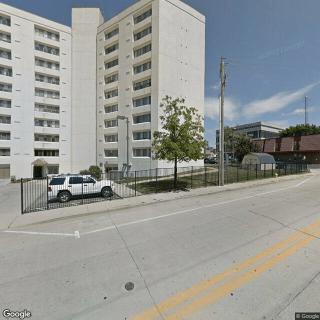
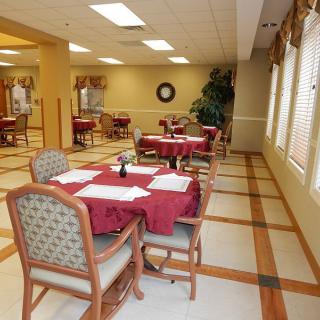
Phoenix Towers is an assisted living community located in the vibrant city of Bloomington, IL. Set amidst a welcoming and bustling neighborhood, our community offers a convenient and accessible location for seniors looking for a comfortable and engaging lifestyle.

Within the vicinity, residents can find an abundance of amenities to suit their needs. There are three charming cafes nearby, perfect for enjoying a cup of coffee or meeting friends for a delightful chat. For those who enjoy spending time outdoors, there are four parks nearby offering serene green spaces, walking trails, and opportunities to connect with nature.

Ensuring the well-being of our residents is paramount at Phoenix Towers, which is why we boast 10 pharmacies in close proximity. This allows easy access to necessary medications and healthcare supplies. Additionally, there are 32 physicians nearby, ensuring that comprehensive medical care is always readily available.

When it comes to dining options, residents will be spoilt for choice with an impressive selection of 41 restaurants within reach. Whether craving local culinary delights or international cuisine, our residents can easily explore different flavors and satisfy their taste buds.

Transportation is made convenient with two transportation options nearby to help residents easily access essential services or embark on outings and adventures around Bloomington. Furthermore, the presence of two places of worship ensures that individuals can continue practicing their faith conveniently.

In terms of cultural experiences and entertainment, one theater is located close by where our residents can enjoy movies or live performances. For any health emergencies or medical needs, five hospitals are situated within proximity to provide immediate care if required.

At Phoenix Towers assisted living community in Bloomington, IL, we strive to provide our residents with a vibrant environment where they can live comfortably while maintaining their independence and enjoying the convenience of various amenities nearby.

Nearby Places of Interest

This part of Bloomington, Illinois offers a convenient and diverse range of amenities for seniors looking to settle in the area. There are several restaurants within walking distance, providing easy access to dining options. Additionally, there are multiple physicians' offices and pharmacies nearby, ensuring health care needs can be met efficiently. The presence of parks and places of worship offer opportunities for recreation and spiritual fulfillment. For more specialized medical care, there are hospitals within a short distance. Transportation options are also available for ease of travel. Overall, this neighborhood provides a well-rounded environment that caters to the needs of seniors considering senior living in Bloomington.

Restaurants

  • Nightshop (0.1 miles)
  • Lucca Grill (0.1 miles)
  • Carl's Ice Cream Factory (0.2 miles)
  • Rosie's Pub (0.4 miles)
  • Mugsy's Pub (0.5 miles)
  • Schooners (0.7 miles)
  • Western Tap (0.8 miles)

Physicians

  • Professional Associates of Illinois (0.2 miles)
  • Specs Around Town (0.2 miles)
  • Chestnut Health Systems (0.3 miles)
  • American Vision Center: Jay Tallis, OD (0.3 miles)
  • Gailey Eye Clinic (0.3 miles)
  • Mclean County Anesthesiology (0.5 miles)
  • Advocate BroMenn Emergency Services (0.9 miles)

Pharmacies

  • Merle Pharmacies (0.2 miles)
  • Walgreens (0.6 miles)
  • Walgreens (0.9 miles)
  • Atrium Pharmacy (0.9 miles)
  • Ryan Pharmacy (1.1 miles)
  • CVS Pharmacy (1.8 miles)
  • Jewel-Osco Pharmacy (2 miles)

Parks

  • Franklin Park (0.3 miles)
  • Franklin Square Historic District (0.3 miles)
  • White Oak Park (1.2 miles)
  • PJ Irvin Park (1.6 miles)

Places of Worship

  • Wesley United Methodist Church (0.5 miles)
  • Epiphany Catholic Church (2.2 miles)

Hospitals

  • Advocate Bromenn H2o (0.9 miles)
  • Advocate Bromenn Medical Center (0.9 miles)
  • Advocate BroMenn Women's Health Center (0.9 miles)
  • OSF St Joseph Medical Center Materials Management (2.1 miles)
  • Osf Healthcare System (2.1 miles)

Transportation

  • U-Haul Moving & Storage (1.7 miles)
  • Amtrak (1.8 miles)

Cafes

  • Starbucks (2.1 miles)
  • Starbucks (2.1 miles)
  • Starbucks (2.3 miles)

Theaters

  • Marcus Theatres (2.1 miles)

Frequently Asked Questions

Where is Phoenix Towers?

Nearby Communities

Assisted Living in Nearby Cities

Related Resources

  • how much does 24/7 in home care cost per monthUnderstanding the Full Cost of 24/7 In-Home Care: A Detailed Overview

    The guide outlines the rising costs of 24/7 in-home care, ranging from $10,000 to over $20,000 monthly, driven by factors such as location and caregiver qualifications. It discusses the limited coverage by Medicare and private insurance, potential Medicaid support, and the emotional and living condition considerations influencing families' decisions on care arrangements.

  • home health nurseExploring the World of Home Health Nurses: Qualifications, Roles, and Hiring Tips

    Home health nursing is an expanding field where licensed professionals provide specialized medical care in patients' homes, addressing the needs of an aging population through personalized services like assessments and medication management. Effective collaboration with healthcare teams, cultural sensitivity, and quality assurance measures are essential for fostering trust and ensuring positive patient outcomes.

  • does medicare cover home health careNavigating Medicare Coverage for In-Home Care Services

    Medicare covers in-home health care services, which are medical and provided by licensed professionals under a physician's supervision, whereas non-medical personal assistance is generally not covered unless part of a broader skilled care plan. Eligibility for benefits depends on being homebound and needing intermittent skilled services from a Medicare-certified agency, with specific coverage limitations and additional resources available for navigating options.