At Generations Assisted Living, the monthly cost for a studio room is $3,570, which reflects a commitment to providing high-quality care and a supportive environment for residents. When compared to the average costs in Kootenai County and across Idaho, which are $3,512 and $3,213 respectively, it is evident that Generations offers a slightly higher price point. This premium can be attributed to the exceptional amenities and personalized services available at Generations, ensuring that residents not only receive necessary assistance but also enjoy a vibrant community experience. Overall, while the costs may be above the local averages, they align with the value of care and quality of life provided in this welcoming setting.
Floor plans
Generations Assisted Living
Kootenai County
Idaho
Studio
$3,570
$3,512
$3,213
Memory care communities with a similar price nearby
Residents and families describe strong help for dementia needs.
Several families mention dementia and memory-care stages, saying the team understands what support is needed and keeps residents comfortable. One reviewer also describes moving within the memory care levels over time and being placed with others at a similar level.
common2 reviews mention this
Facility feels clean and homey
Reviews commonly describe a clean, home-like environment.
Multiple reviewers point to cleanliness and a calm feel when visiting or touring. Others describe it as a homey, safe space, with residents appearing comfortable during visits.
common2 reviews mention this
Food quality comes up often
Dining is frequently mentioned, including improvements and solid meals.
Some reviews highlight the food getting better and describe residents enjoying meals. Another reviewer specifically calls out very good meals and a dining experience that fits the facility’s day-to-day routine.
caveat2 reviews mention this
Communication and follow-through concerns
A few reviews report problems with responsiveness.
A couple of reviewers describe difficulty getting timely responses from management or the billing process, including unanswered calls or follow-up delays. One also describes a tour being canceled after arriving for the appointment, leading to a negative first impression.
caveat2 reviews mention this
Pricing feels high to some
Some families say cost is a concern during decision-making.
At least one reviewer says the cost was higher than expected and was a major factor in their situation. Another mentions the facility focusing on the bottom line, describing concerns during a transport and reimbursement-related situation.
How we summarize
Counts show how many written reviews mention each theme; a review can touch several themes, and only frequently mentioned themes are displayed.
Features
Housing
Studio apartments
Types of Care
Assisted Living
Memory Care
Amenities
Activities off-site
Activities on-site
Air-conditioning
Beautician on-site
Beauty salon
Cable or satellite TV
Computer center
Devotional services on-site
Dining room
Fitness room
Fully furnished
Gaming room
Garden
Housekeeping services
Indoor common areas
Kitchenette
Move-in coordination
Outdoor common areas
Outdoor space
Private bathrooms
Respite or short term stays offered
Restaurant-style dining
Small library
Telephone
Wellness center
Wheelchair accessible showers
Wi-Fi/high-speed internet available
Transportation
Community operated transportation
Transportation arrangement
Care Services
24-hour call system
24-hour supervision
Activities of daily living assistance
Assistance with bathing
Assistance with dressing
Assistance with transfers
Coordination with health care providers
Dementia waiver
Diabetes diet
Diabetic care
High acuity care
Hospice waiver
Incontinence care
Meal preparation and service
Medication management
Mental wellness program
Mild cognitive impairment
Special dietary restrictions
Specialized memory care programming
Transportation arrangement (medical)
Transportation to doctors appointments
Dining
Diabetes diet
Gluten-free
Low / no sodium
Meals provided
No Sugar
Restaurant style dining
Special dietary restrictions
Vegan
Activities
Activities off-site
Activities on-site
BBQs or picnics
Birthday parties
Catholic services
Community-sponsored activities
Concierge services
Devotional activities on-site
Fitness programs
Holiday parties
Planned day trips
Resident-run activities
Scheduled daily activities
Visiting chaplain or priest
Videos
Nearby Places of Interest
Located in Rathdrum, Idaho, this area offers a variety of amenities for senior living. With parks such as Rathdrum Dog Park and Stub Meyer Park nearby, residents can enjoy outdoor activities and socialization opportunities. There are also several restaurants and cafes within a short distance, including Zip's Drive In, Westwood Brewing Co., Jitterz, and Bro-Latte. For spiritual wellness, there are several places of worship nearby, such as Abundant Christian Life Center and Calvary Chapel Light House. In terms of healthcare services, there are pharmacies like Medicine Man Rathdrum Pharmacy and Rathdrum Drug nearby, as well as physicians at Coeur D'alene Pediatrics and North Idaho Direct Primary Care. For transportation needs, Payless Airport Shuttle is available for convenience. Overall, this area provides a range of amenities to support a comfortable and fulfilling senior lifestyle in Rathdrum.
Parks
Rathdrum Dog Park (0.1 miles)
Stub Meyer Park (1.5 miles)
Black Bay Park (6.4 miles)
The Falls Park (6.9 miles)
Atlas Waterfront Park (7.1 miles)
Restaurants
Zip's Drive In (1.2 miles)
Wah Hing Restaurant (1.5 miles)
Taco Bell (1.5 miles)
Westwood Brewing Co. (1.7 miles)
McDonald's (1.7 miles)
One Eyes (1.7 miles)
Paul Bunyan (1.9 miles)
Cafes
Jitterz (1.2 miles)
Bro-Latte (1.5 miles)
Chomper Cafe (4.2 miles)
Starbucks (5 miles)
Awaken Coffee (5.2 miles)
Thomas Hammer Coffee (5.5 miles)
Starbucks (5.6 miles)
Places of Worship
Abundant Christian Life Center (1.5 miles)
Calvary Chapel Light House (3.6 miles)
Mj Guindon Ministry Rathdrum (3.6 miles)
Hayden Lake Friends Church (4.2 miles)
Hayden Bible Church (4.6 miles)
Wels (4.7 miles)
Landmark United Pentecostal (4.7 miles)
Pharmacies
Medicine Man Rathdrum Pharmacy (1.6 miles)
Rathdrum Drug (1.9 miles)
Good Neighbor Pharmacy (1.9 miles)
Pharmacy Services (4.4 miles)
Medicine Man Hayden Pharmacy (4.5 miles)
Medicine Man Prairie Pharmacy (4.9 miles)
Albertsons Pharmacy (5 miles)
Transportation
Payless Airport Shuttle (4.2 miles)
Physicians
Coeur D'alene Pediatrics (4.5 miles)
Richard R Samuel (4.7 miles)
North Idaho Direct Primary Care (4.7 miles)
Foster Sherwin North Idaho Nephrology Associates Hayden (4.7 miles)
At Generations Assisted Living, the monthly cost for a studio room is $3,570, which reflects a commitment to providing high-quality care and a supportive environment for residents. When compared to the average costs in Kootenai County and across Idaho, which are $3,512 and $3,213 respectively, it is evident that Generations offers a slightly higher price point. This premium can be attributed to the exceptional amenities and personalized services available at Generations, ensuring that residents not only receive necessary assistance but also enjoy a vibrant community experience. Overall, while the costs may be above the local averages, they align with the value of care and quality of life provided in this welcoming setting.
Generations Assisted Living offers a comprehensive array of features designed to support residents with dementia and Alzheimer's disease, ensuring their safety and well-being. The 24-hour supervision provides constant oversight, allowing staff to quickly respond to any needs or emergencies. Assistance with daily living activities, such as bathing and dressing, promotes personal dignity while fostering independence. Coordination with healthcare providers ensures that medical needs are met holistically, while medication management helps to maintain strict adherence to prescribed regimens. Specialized memory care programming and mental wellness initiatives address cognitive decline, providing tailored activities that enhance engagement and quality of life. Incontinence care respects residents' privacy while maintaining hygiene, and meal preparation ensures nutritional needs are met in a calming environment. Additionally, transportation arrangements for medical appointments simplify access to necessary healthcare services. Collectively, these features create a supportive atmosphere where residents can thrive despite the challenges posed by their conditions.
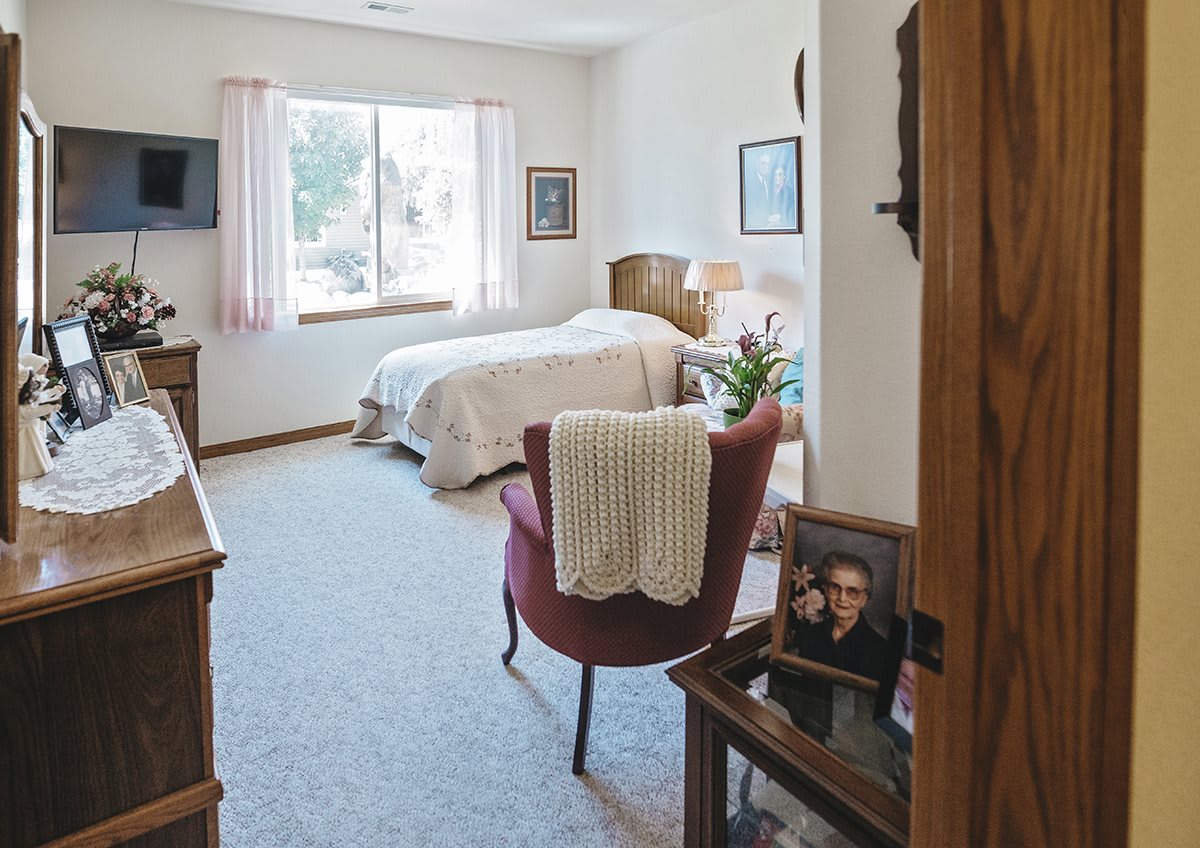
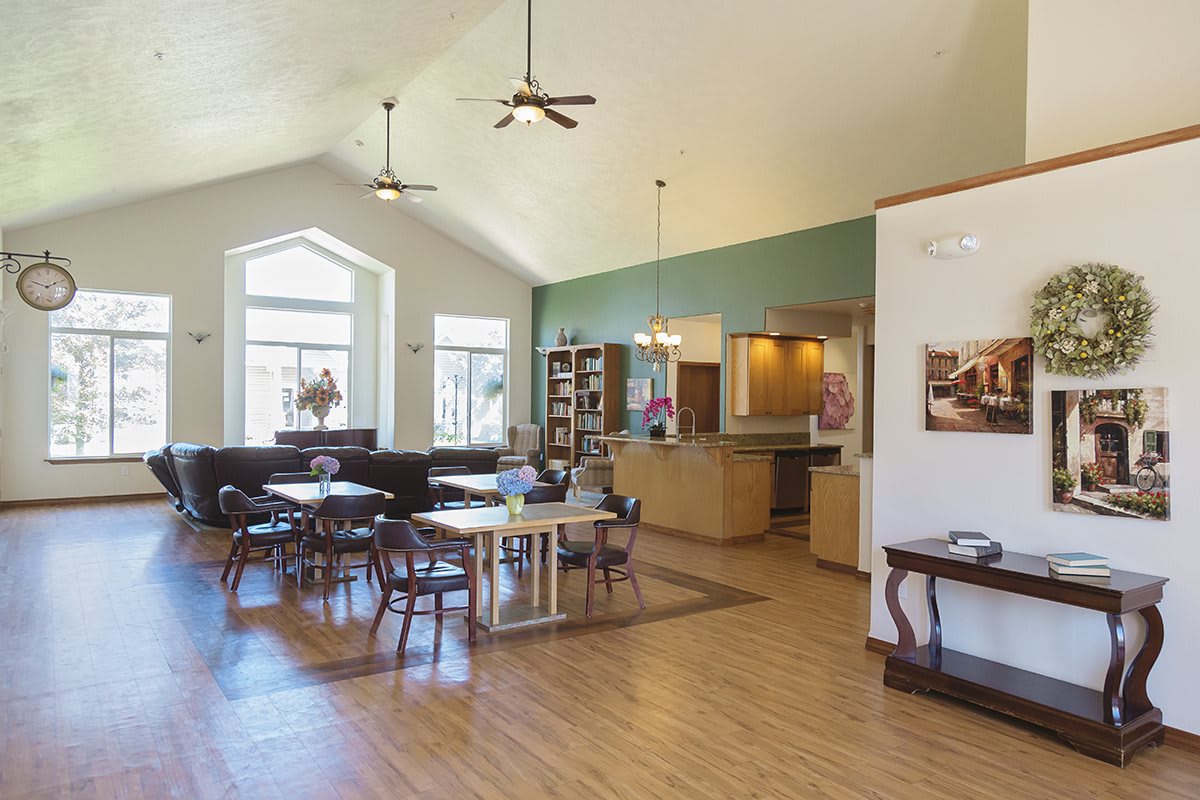
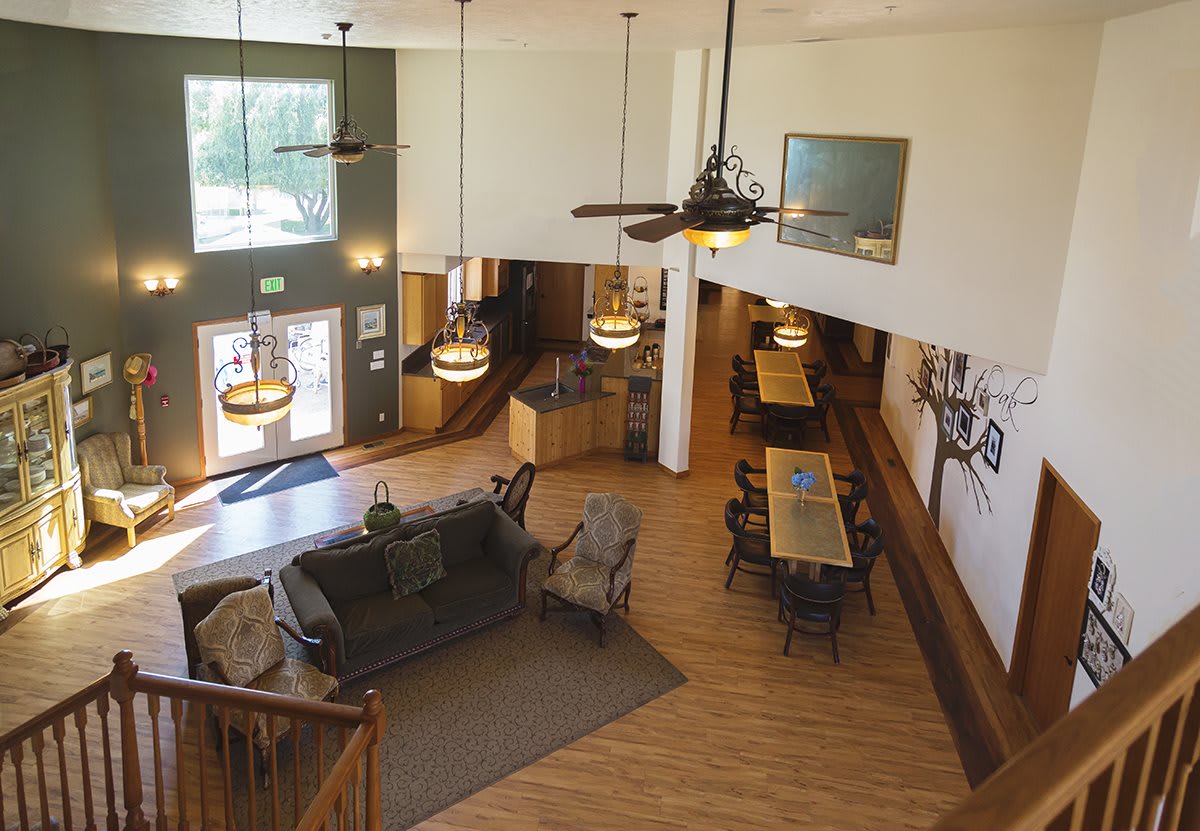
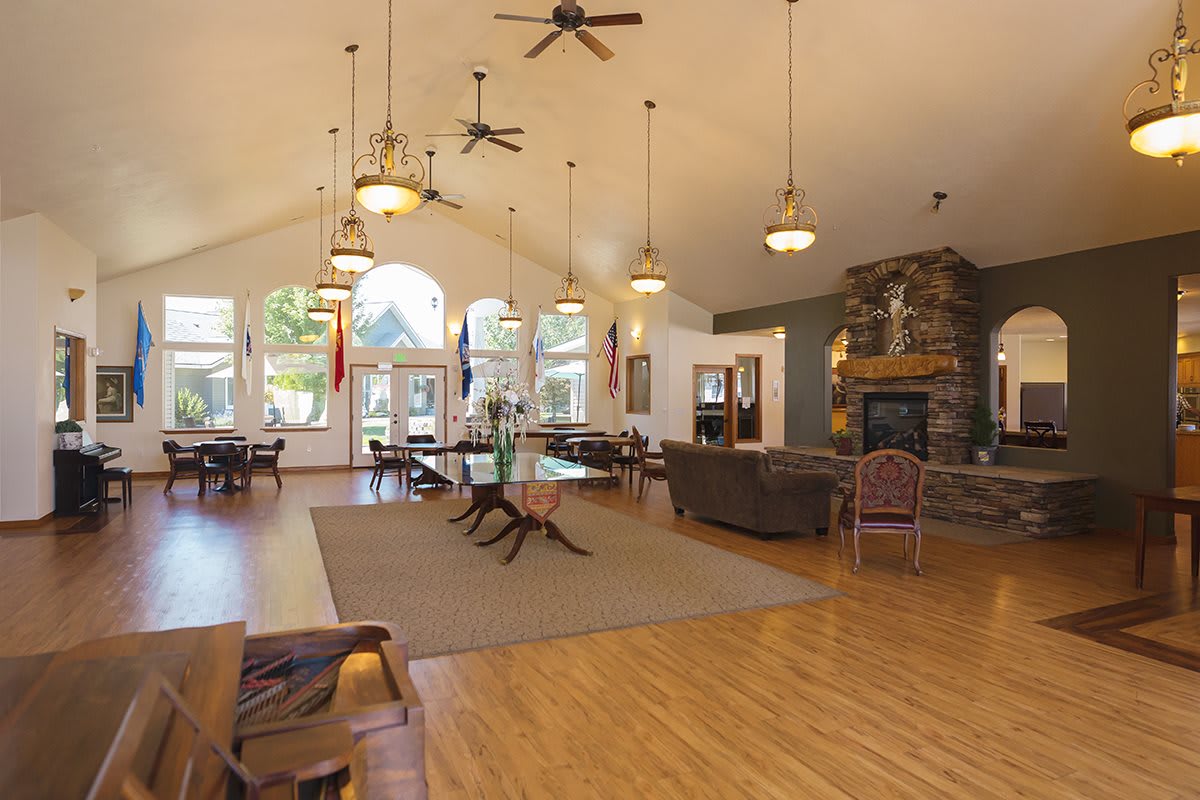
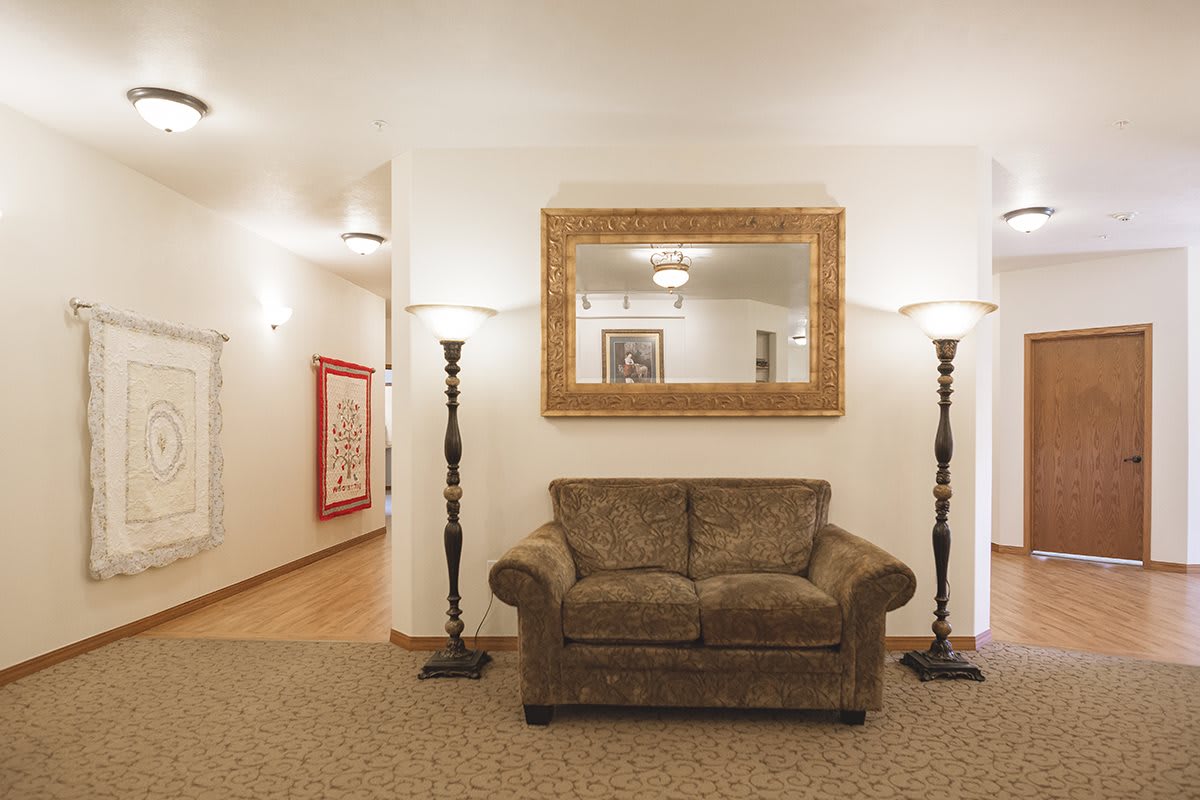
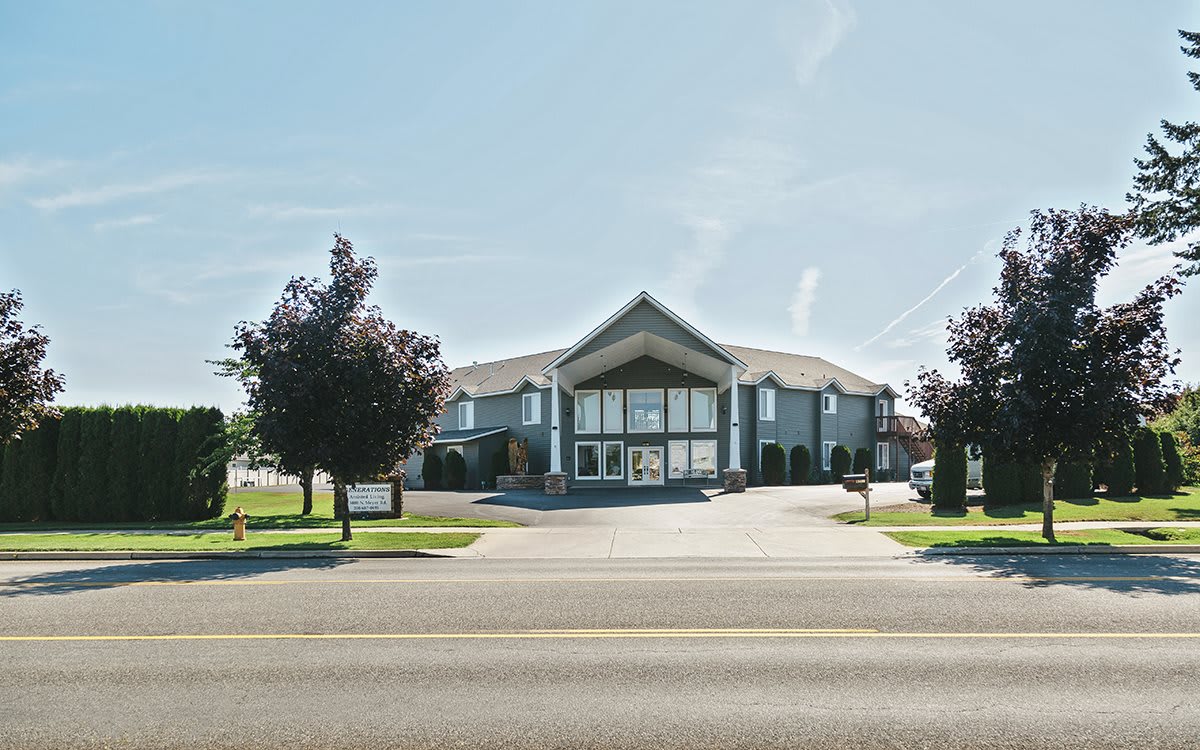
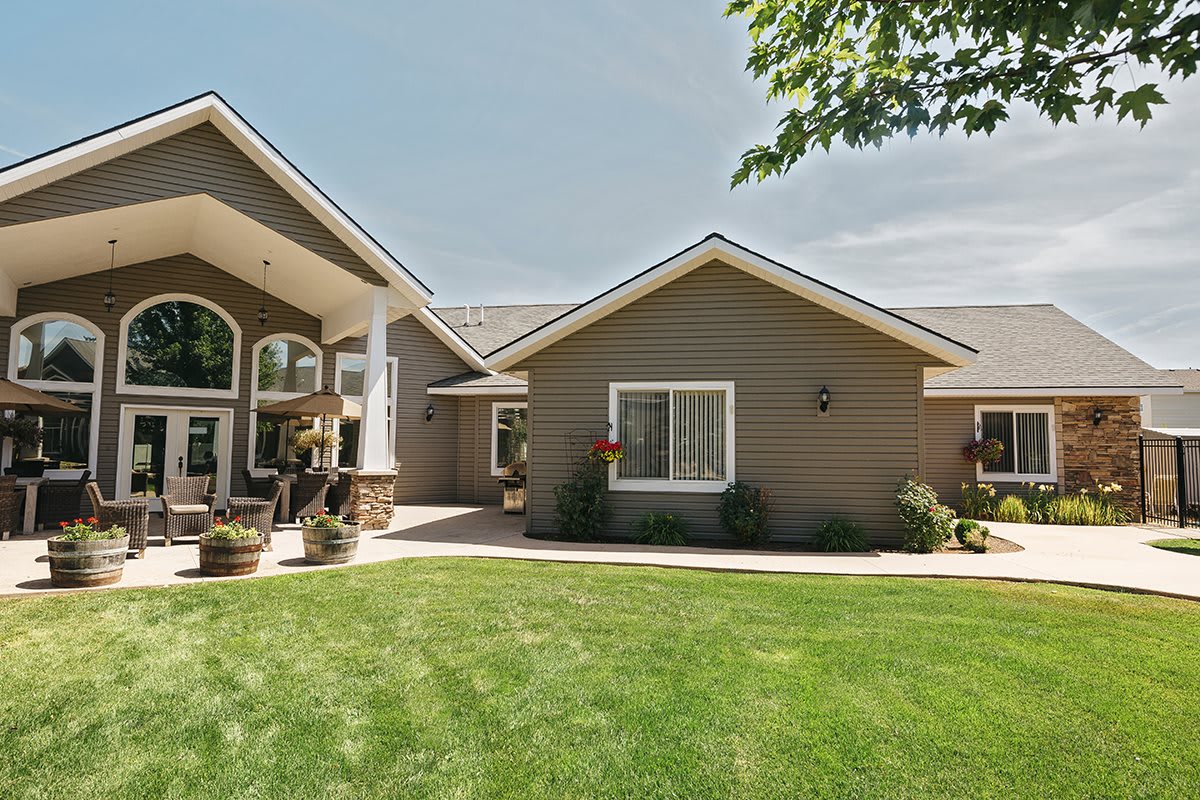
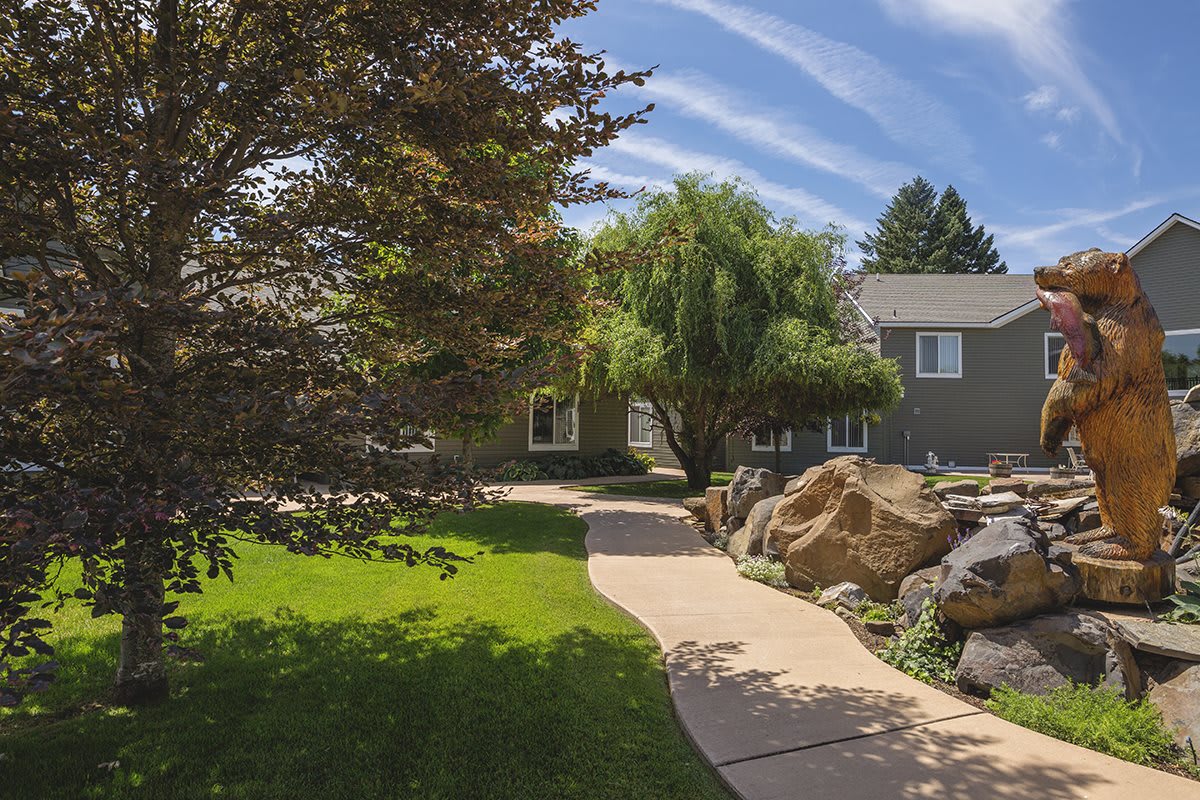
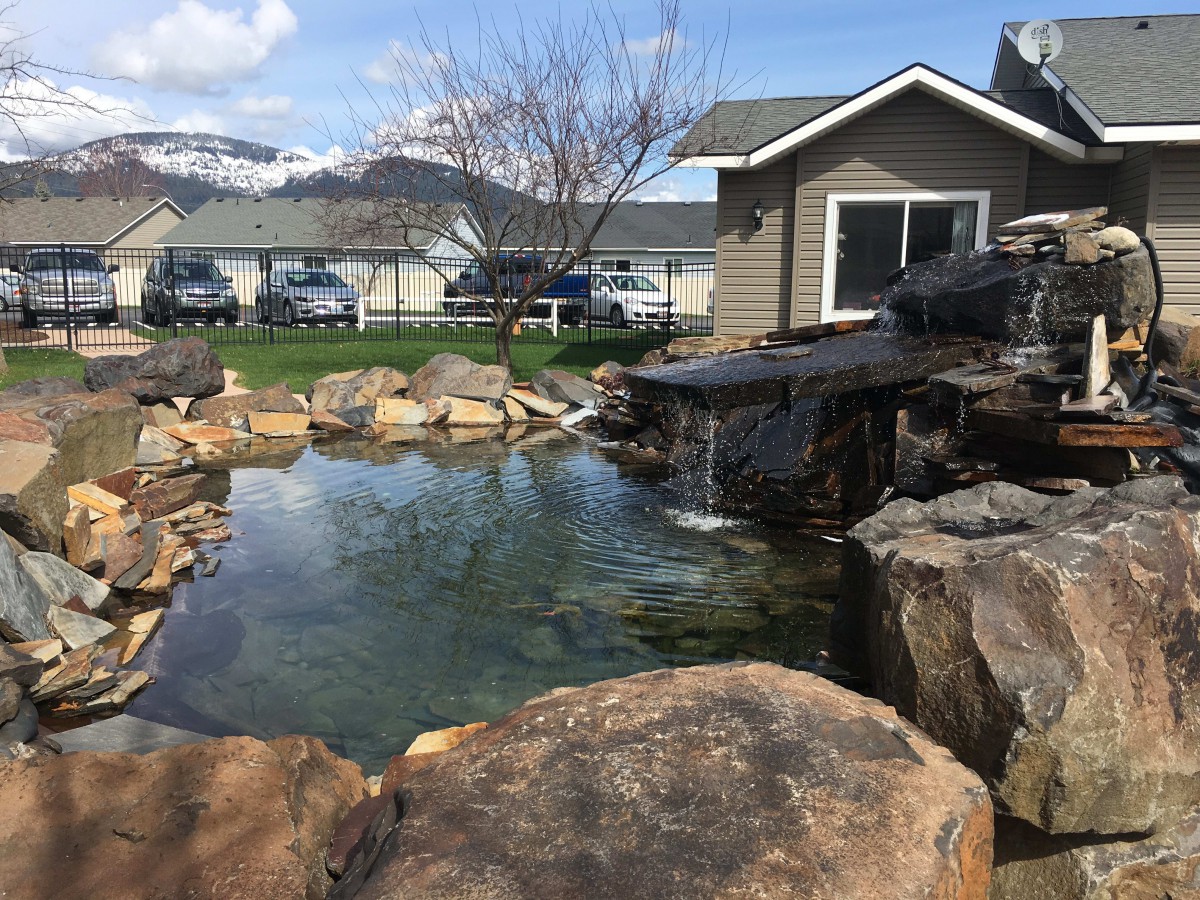
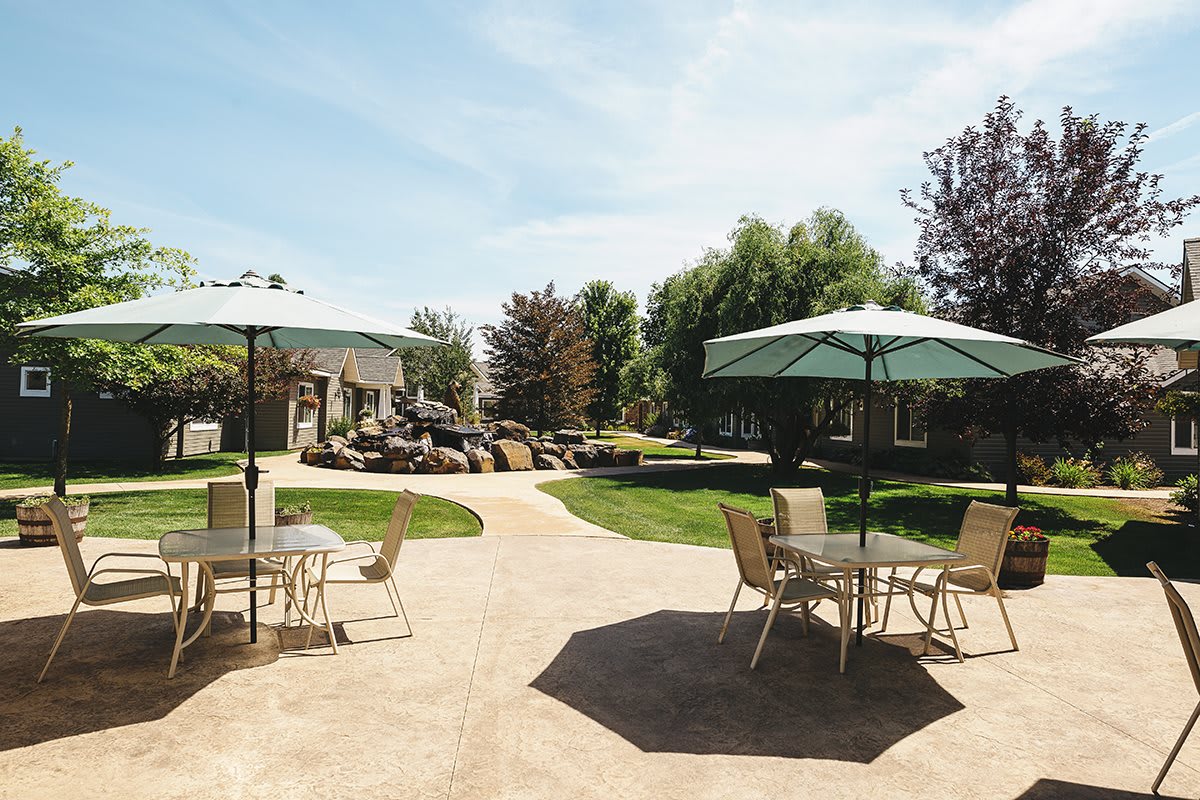
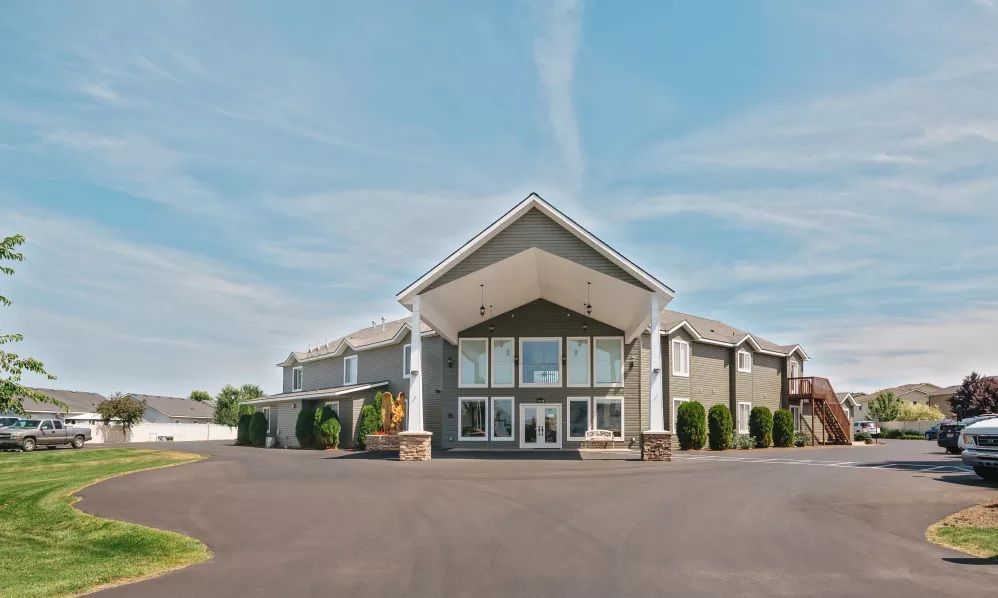
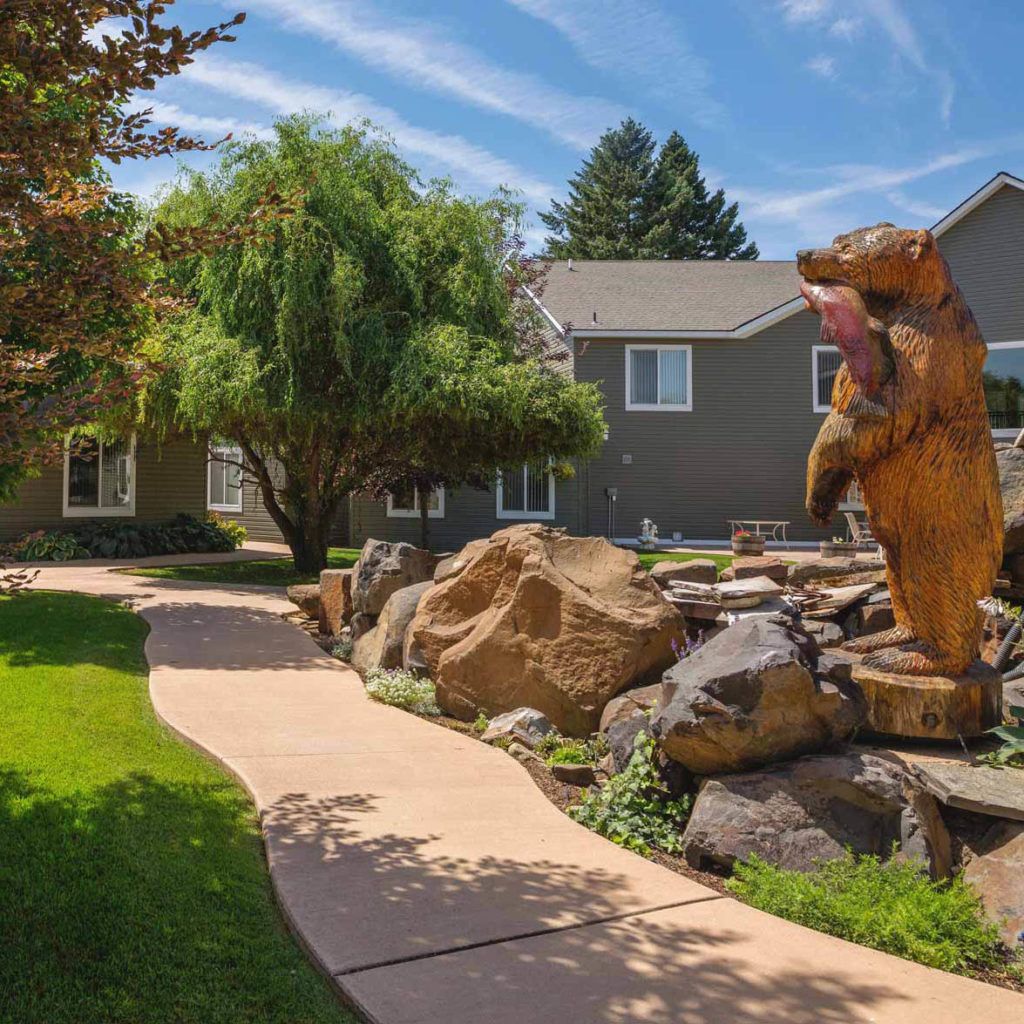
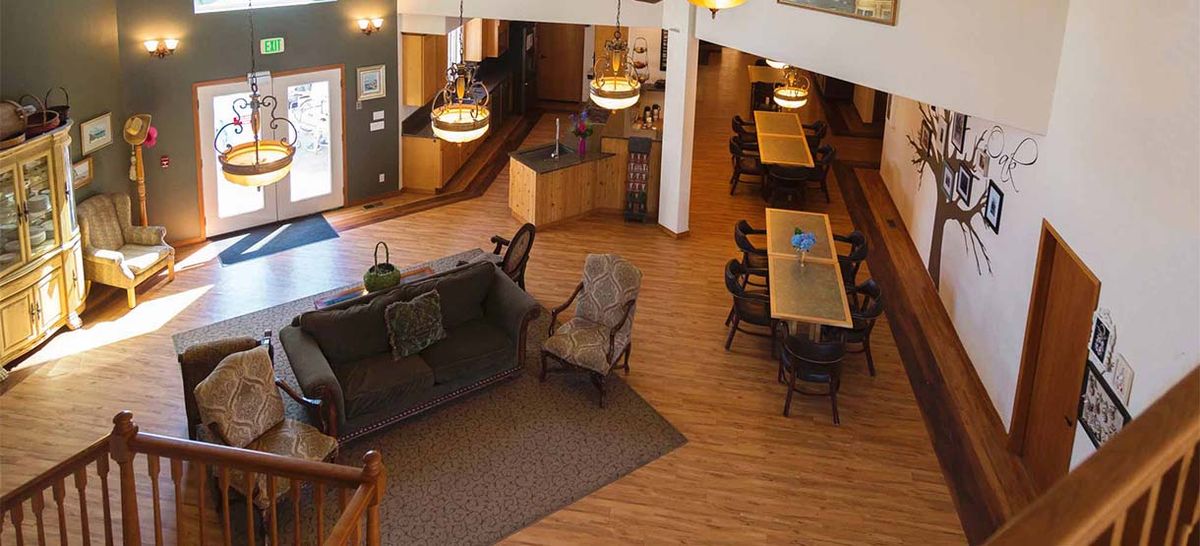
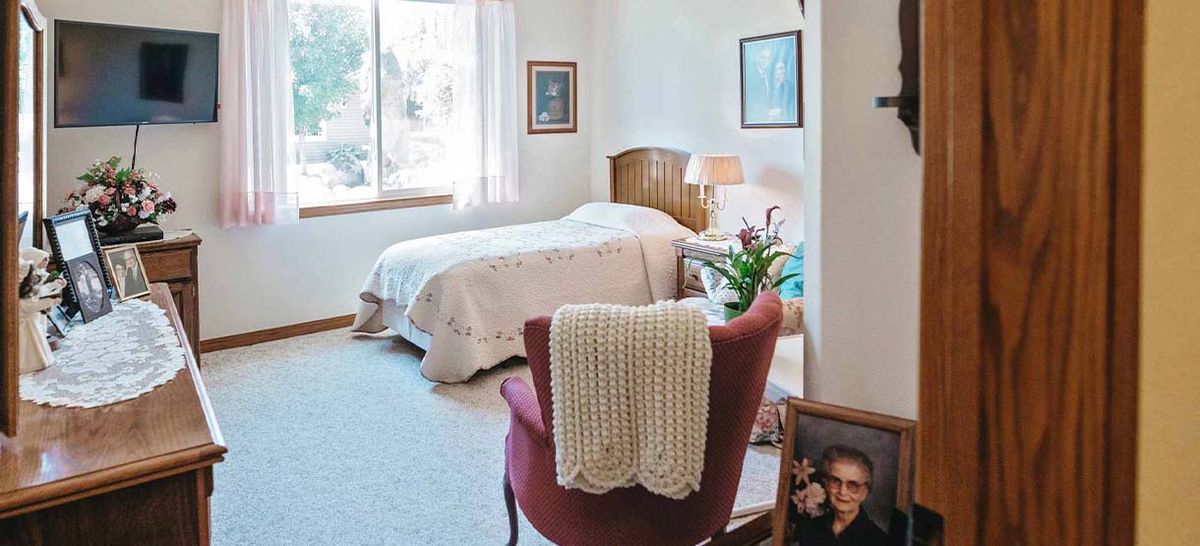
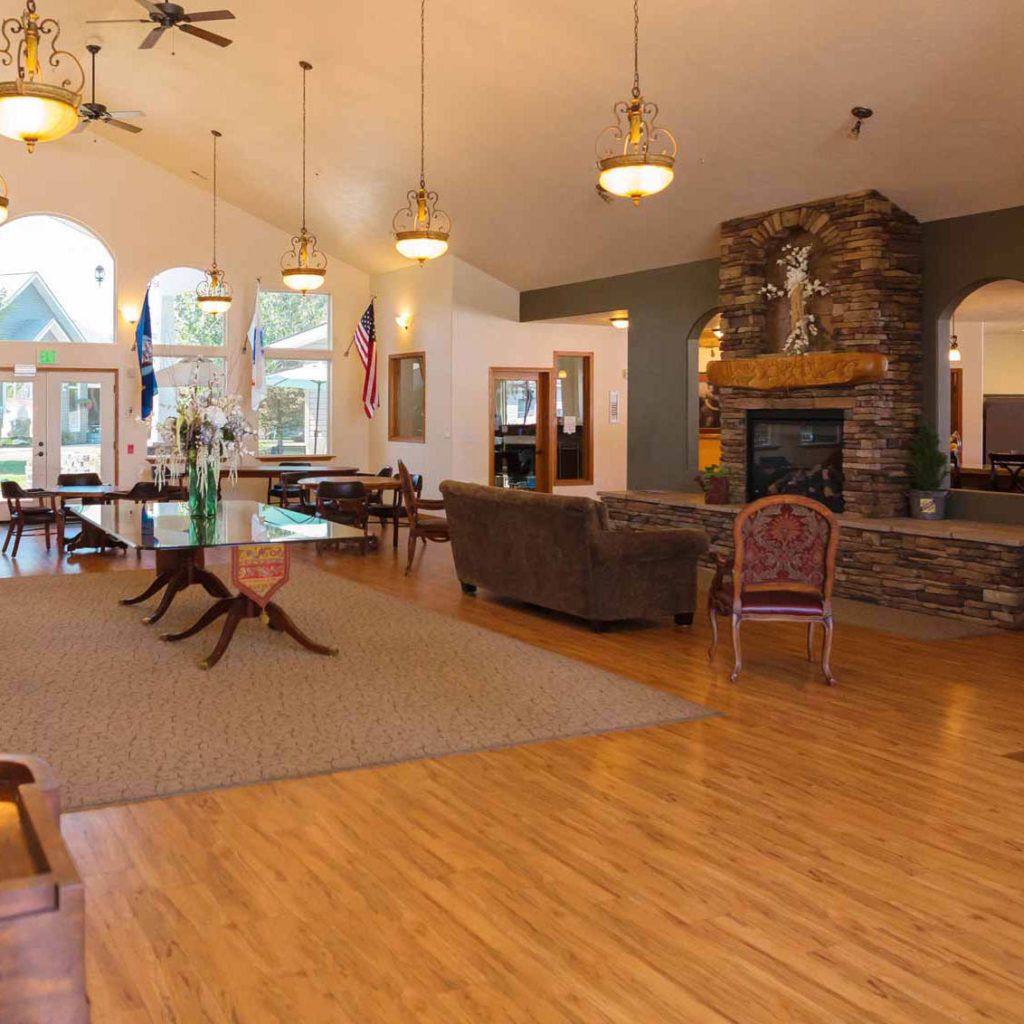
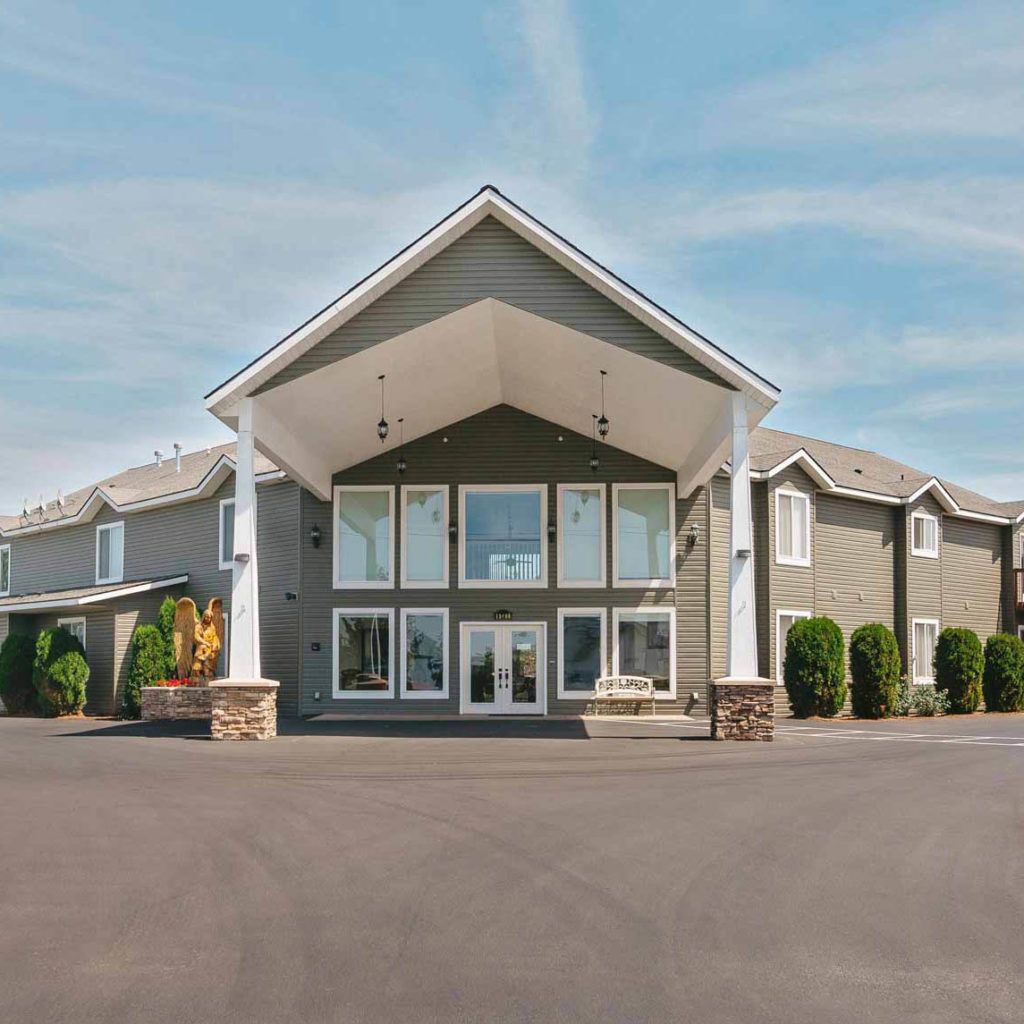
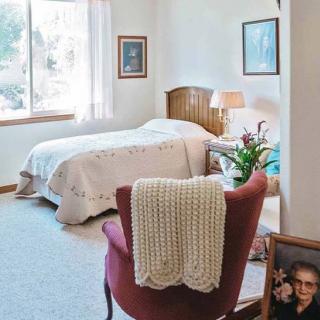
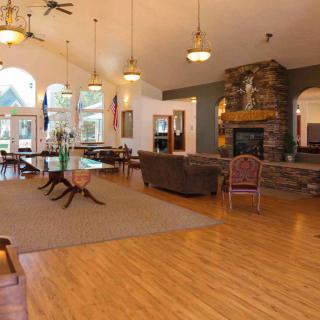
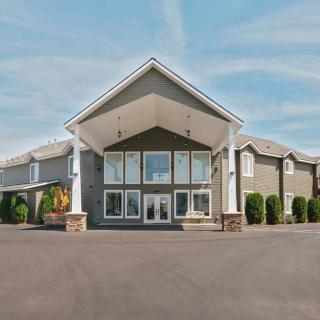
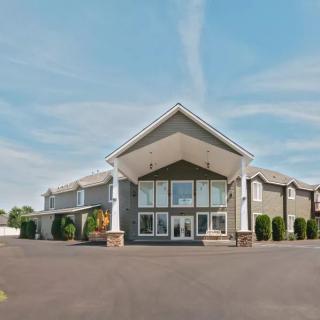
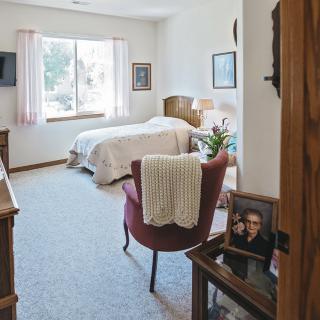
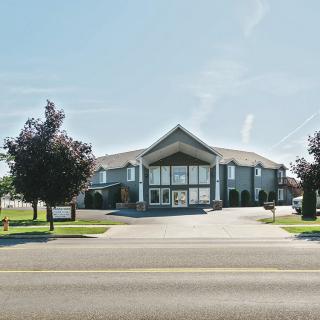
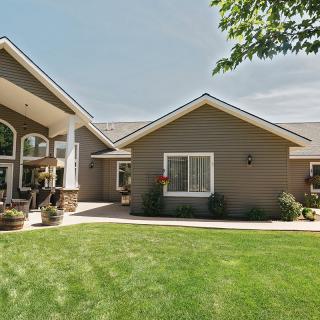
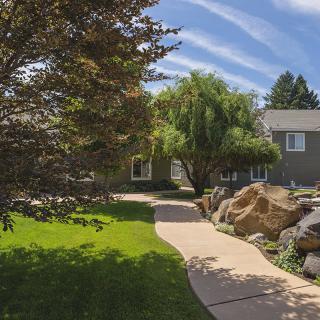
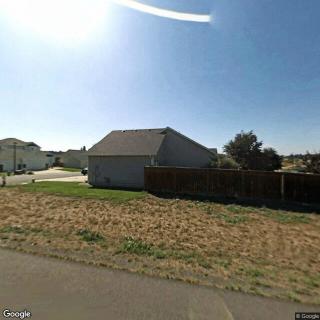
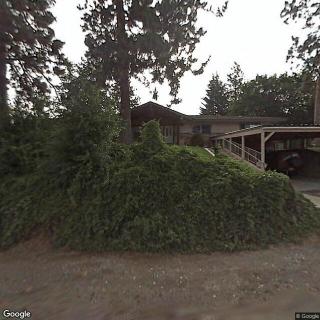
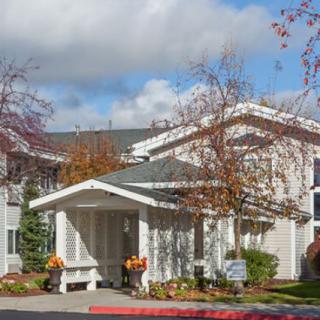
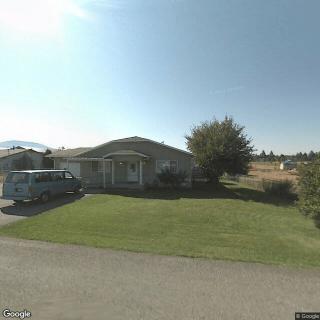
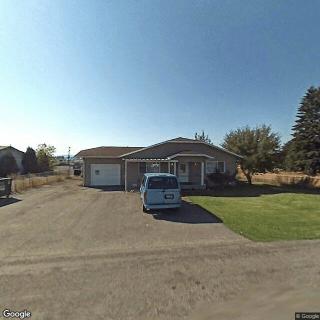
Generations Assisted Living on seniors.fyi includes 17 photos including images showing interior, landscaping, windows, trees, bedroom, decor, garden, living room, and more.
Nearby Communities
Golden Spike Estates
Rathdrum, ID
4.9 from 14 reviews
Independent living with meals, medication management, and Wi-Fi connectivity in a social setting.
Maplewood
Hayden, ID
4.4 from 19 reviews
Friendly staff with on-site owner involvement and willingness to accommodate dietary needs.
Harmony House Assisted Living I
Hayden, ID
24/7 supervision with daily activities and healthcare coordination.
Harmony House Assisted Living
Hayden Lake, ID
Specialized diabetic care with access to nearby pharmacies, physicians, and restaurants enhances health and daily life.
Lacey Assisted Living
Hayden Lake, ID
1 from 2 reviews
Suitable for self-sufficient residents with evening owner presence.
Wellspring Meadows Assisted Living
Hayden, ID
4.7 from 23 reviews
$3,000 / month
Caring staff in a warm, home-like setting.
Leisure Park
Hayden Lake, ID
4 from 10 reviews
Excellent proximity to parks, dining, pharmacies, physicians, and transportation.
Rose Terrace Cottages
Coeur D'alene, ID
3.8 from 16 reviews
$2,500 to $2,900 / month
Caring, supportive staff and a warm, positive atmosphere.
Guardian Angel Homes
Liberty Lake, WA
4.1 from 15 reviews
$1,050 to $2,400 / month
Friendly staff, pleasant decor, and a robust activities calendar.
The article emphasizes the significance of establishing a power of attorney for elderly parents to enable an agent to make decisions on their behalf regarding health and finances, especially during cognitive or physical decline. It outlines various types of power of attorney, the importance of consulting legal professionals, and the responsibilities and challenges faced by agents, while also discussing alternatives and common misconceptions.
Caregiver support groups are crucial for providing emotional and practical assistance to those caring for loved ones, offering resources, coping strategies, and a sense of community through various organizations and platforms. These groups help alleviate isolation and burnout while addressing the unique challenges faced by caregivers of individuals with specific conditions.
The guide outlines the complexities of Medicaid coverage for assisted living, highlighting significant state-to-state variations, limited coverage often restricted to personal care services, and the existence of specialized waivers for certain needs like memory care. It advises families to consult local Medicaid offices for options while emphasizing the importance of understanding state-specific regulations and facility policies.
Get PricingAsk A QuestionSchedule A TourContact Senior Advisor
By clicking submit, you agree to our Partner's Terms of Use. You
also consent to receive calls and texts, which may be autodialed, from our Partner. Your consent is not a condition to
using our Partner's service. Please visit our Partner's Privacy Policy for information about their privacy practices.











 Studio apartments
 Assisted Living
 Memory Care
 Activities off-site
 Air-conditioning
 Beautician on-site
 Cable or satellite TV
 Computer center
 Devotional services on-site
 Dining room
 Fitness room
 Fully furnished
 Gaming room
 Garden
 Housekeeping services
 Indoor common areas
 Kitchenette
 Move-in coordination
 Outdoor common areas
 Private bathrooms
 Respite or short term stays offered
 Restaurant-style dining
 Small library
 Telephone
 Wellness center
 Wheelchair accessible showers
 Wi-Fi/high-speed internet available
 Community operated transportation
 24-hour call system
 Assistance with bathing
 Assistance with dressing
 Assistance with transfers
 Diabetes diet
 Diabetic care
 High acuity care
 Hospice waiver
 Incontinence care
 Medication management
 Mental wellness program
 Special dietary restrictions
 Transportation arrangement (medical)
 BBQs or picnics
 Birthday parties
 Catholic services
 Concierge services
 Planned day trips
 Independent living with meals, medication management, and Wi-Fi connectivity in a social setting.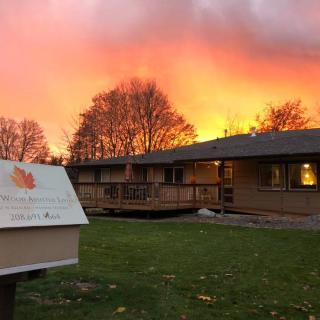


 Guiding Your Journey: Understanding Power of Attorney for Elderly Parents
 22 Remarkable Caregiver Support Groups Available Online and In-Person
 Understanding Medicaid Coverage for Assisted Living: A Comprehensive Guide