
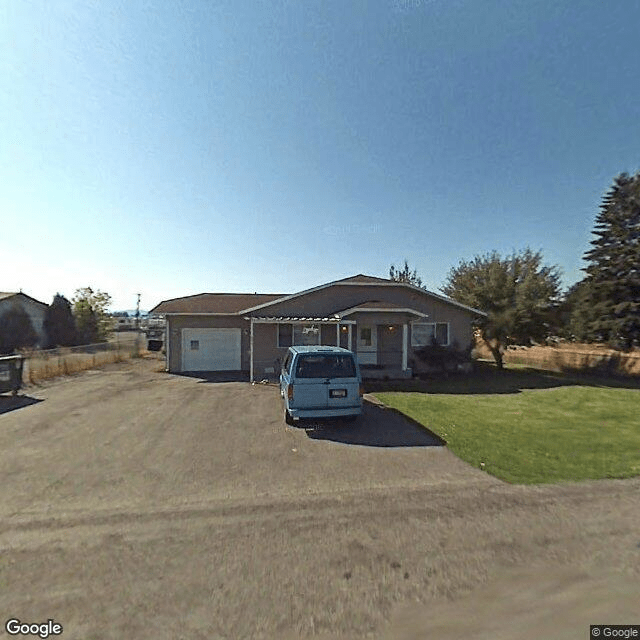
454 W Lacey Ave, Hayden Lake, ID 83835
To contact a resident: (208) 772-6704
For more information about senior living options: (866) 208-4318
Overall Review of Lacey Assisted Living
Pros
 Harmony House is not too bad.
- Harmony House is not too bad when the loved one can care for themselves.
Cons
 Harmony House neglects residents once they become incontinent or cannot bathe themselves.
- The owner neglects residents who can no longer care for themselves.
- The owner does not stay awake at night, creating a potentially dangerous situation.
- The owner goes to sleep downstairs wearing pajamas, away from the residents.
- The reviews strongly discourage anyone from putting a loved one in Harmony House.
Review
Lacey Assisted Living in Hayden Lake is best suited for seniors who are effectively independent and do not require ongoing, hands-on care with daily tasks. The setting, described through concerns in the reviews, functions best as a small, home‑like arrangement where a resident can manage bathing, toileting, and mobility on their own. For families, this means a potentially intimate, straightforward living option that can feel approachable and easy to oversee, provided expectations stay firmly on independence rather than comprehensive, round‑the‑clock care. It is not presented as a full-service solution for declining health or escalating care needs; its appeal rests in simplicity, not in breadth of services.
Anyone evaluating this community should seriously consider alternatives if the loved one will need regular assistance. Residents who require help with bathing, incontinence management, or daily personal care will likely encounter gaps that are not covered by the current staffing model. Memory care, frequent clinicians, or structured nocturnal support are not described as part of the program, and those needs tend to outstrip what is feasible in a small, owner‑operated home. Families should be prepared to pursue communities with clear, 24/7 staffing and formal protocols for nighttime care, fall response, and medical needs.
The most serious red flag rests on the staffing pattern and overnight supervision. The owner is reported to be present only part of the day and to sleep at night rather than remain actively awake with residents. Hours described as 3pm to 7am during the week, plus some weekend coverage, mean there is a long stretch when no trained supervision is guaranteed. In a setting where emergencies, falls, or sudden incontinence episodes can occur, the absence of continuous or reliable overnight presence translates into real safety risk. For families, this is not a marginal concern but a core deal-breaker that undermines the basic expectation of resident safety after hours.
Incontinence and personal care needs, when they arise, are the point at which the risk becomes most tangible. The reviews describe a pattern where needs of this kind may be neglected or inadequately addressed because no one is actively monitoring or awake to respond. Even otherwise pleasant living conditions do not compensate for the potential delay in assistance during nocturnal hours, which can escalate discomfort, dehydration, or injury. This mismatch between resident needs and available staffing creates a coercive pressure toward seeking a different arrangement, one where safety and immediate responsiveness are built into the care model, not left to chance.
The limited advantages of a small, self-directed environment do not meaningfully offset the central drawbacks here. The apparent independence of residents can be attractive, but it loses its value if the resident’s health or safety can deteriorate without timely help. This is not a case where increased companionship or a homelike atmosphere compensates for inconsistent supervision. The prudent conclusion is to prioritize communities with robust overnight staffing, verified care plans, and contingency measures for medical and mobility issues. Family decision-makers should treat this option as a temporary stopgap only if no other viable alternatives exist, and only with a clear plan for escalation if a loved one’s needs evolve.
Bottom line: this community is not a sound long-term home for anyone who requires regular assistance, nocturnal monitoring, or ongoing incontinence support. It suits truly independent seniors whose families can tolerate a possibly minimal overnight safety net, or who are prepared to supplement with external care services. For most families seeking reliable, comprehensive care, alternatives that provide 24/7 awake staff, proactive supervision, and clearly documented care protocols are the rational path. In Hayden Lake, the emphasis should be on identifying facilities where safety and responsiveness are non‑negotiable pillars, not optional add-ons.
 Board and Care Home







 Understanding the Sandwich Generation: Stress and Responsibilities for Multigenerational Caregivers
 8 Essential Assistive Devices for Older Adults
 Navigating the Financial Road to Nursing Home Care: In-Depth Guidance and Resources