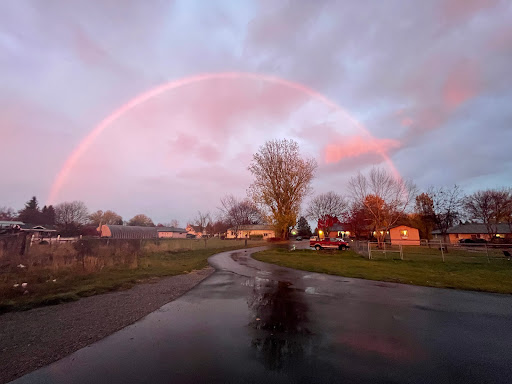


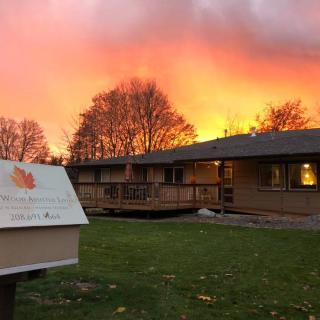


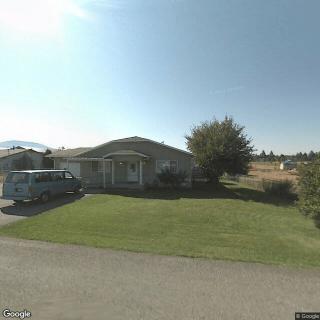
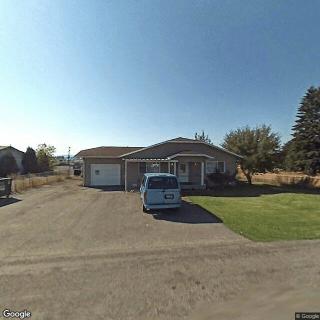
10547 N. Reed Rd., Hayden, ID 83835
To contact a resident: (208) 762-9292
For more information about senior living options: (866) 208-4318
Maplewood Costs & Pricing
At Maplewood, the monthly costs for senior living accommodations are notably higher compared to both Kootenai County and the broader state of Idaho. For a semi-private room, residents can expect to pay $5,000, which significantly exceeds the county average of $3,304 and the state average of $3,026. Similarly, studio apartments at Maplewood are priced at $6,000 each month, surpassing the local median of $3,512 and the state figure of $3,213. While these costs may reflect an elevated level of service or amenities offered by Maplewood, they do position the community at a premium within both regional and state contexts.
| Floor plans | Maplewood | Kootenai County | Idaho |
|---|---|---|---|
| Semi-Private | $5,000 | $3,304 | $3,026 |
| Studio | $6,000 | $3,512 | $3,213 |
Overall Review of Maplewood
Pros
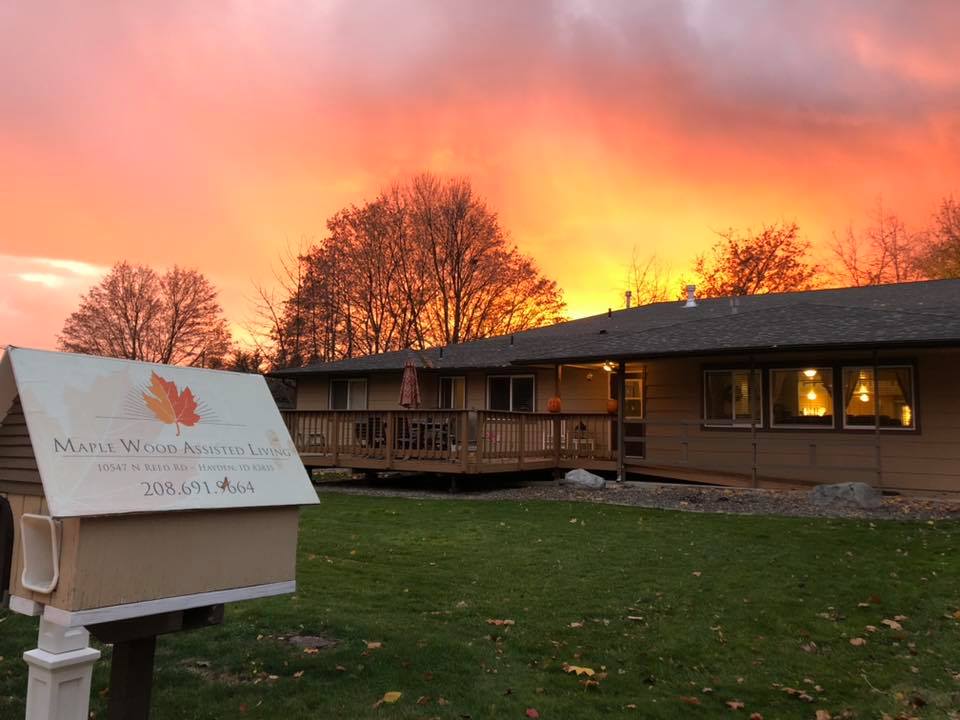
 Maple Wood provides a wonderful, home-like environment that feels like a real home rather than a care facility.
- The staff are pleasant and patient, creating a loving environment for residents.
- The owners, Jake and Jo Ann, ensure staff follow compassionate, Christian-inspired care.
- The food is praised as very good by residents.
- Maple Wood comes highly recommended by families.
- Maple Wood treats the elderly with respect and kindness.
- Caregivers know residents well and regularly go above and beyond to help them.
- The facility feels welcoming and like a true home, with open communication from the owners.
Cons
 MW has no personal assistance, making it unsuitable for residents with limited mobility or health.
- If someone isn’t in very good physical health, there is no place for them at MW.
- A resident with a walker arrived and left the facility on a stretcher.
- An elevator-door incident caused ongoing nerve pain for a resident, with no apology or incident report filed, and others allegedly experienced similar injuries blamed on themselves.
- The setting was not the right fit for their loved one.
- The facility only accommodates dietary restrictions but will not go above and beyond for meal options.
- The facility is alleged to mistreat workers, including an incident where a pregnant employee was punched in the stomach.
- The available room was small.
Review
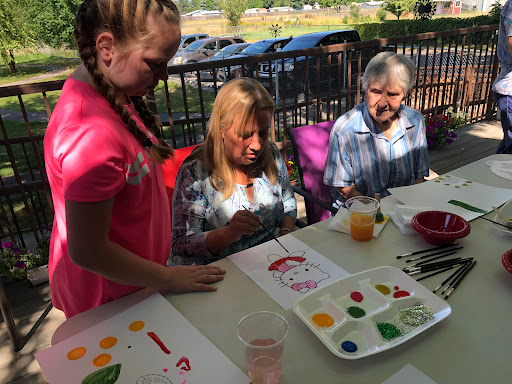
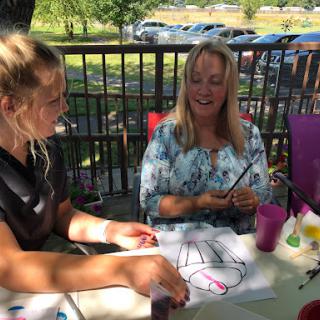
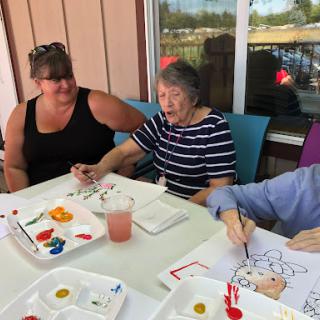
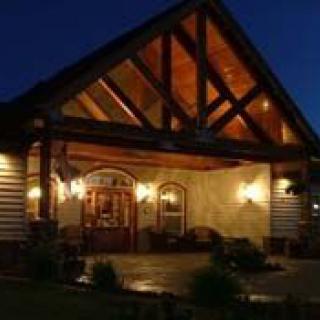
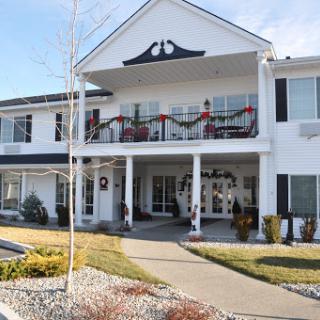
Maplewood in Hayden is best suited for families seeking a small, home-like setting where residents are treated with genuine warmth and personal attention. This community lives up to its family-owned ethos, with Jake and JoAnn on site and staff operating under principles that emphasize kindness and respect. The care environment feels intimate enough for staff to learn residents’ names, preferences, and histories, fostering a sense of belonging rather than a clinical routine. It functions as a true home for many, with a welcoming dining and living space, outdoor access, and enough freedom to feel safe rather than constrained. For families who want to see staff connect with their loved one in meaningful ways, Maplewood stands out.
Who may want to consider alternatives are those needing substantial personal care or round-the-clock medical support. The reviews consistently note that Maplewood does not provide extensive personal assistance, which can leave residents with higher needs underserved unless family or outside services fill the gap. Rooms can feel small, an issue for residents who value more spacious accommodations or private, larger living areas. A few families flagged safety concerns such as an elevator incident and a perception that safety protocols and incident reporting were not fully aligned with expectations. For seniors requiring robust rehabilitation services, continuous nursing, or very flexible meal options, it may be prudent to explore larger or more medically equipped communities.
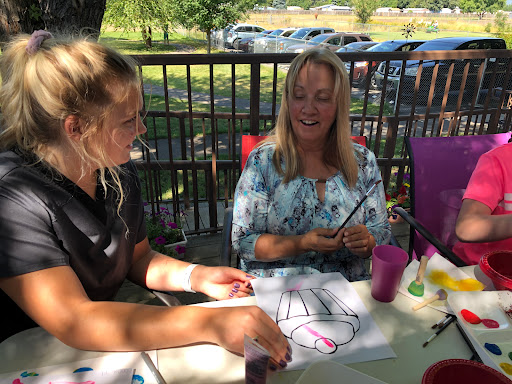
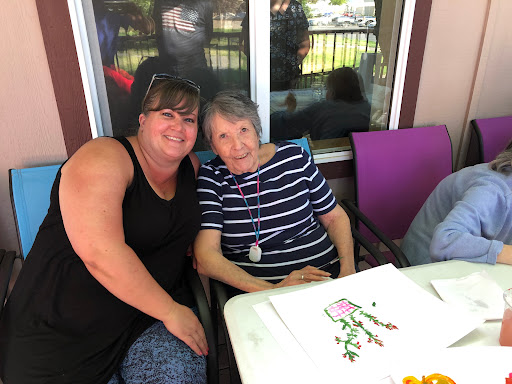
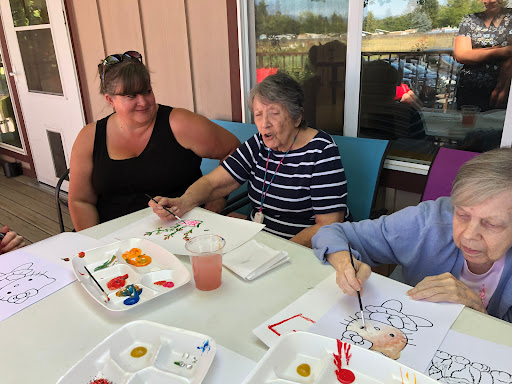
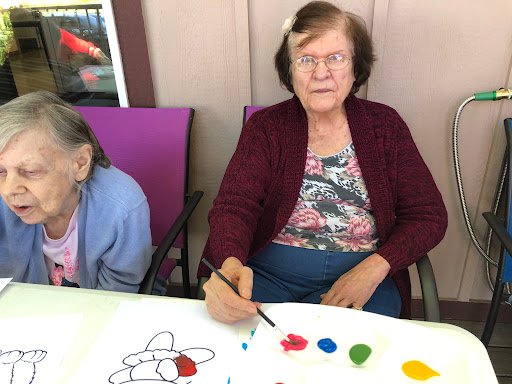
The strongest advantages lie in the homey atmosphere and the depth of personal connection. Residents repeatedly appear content with the environment, and staff are praised for patience, kindness, and going beyond basics to tailor interactions, remembering favorite blankets, recalling dementia histories, and guiding residents through tough moments. The owners’ hands-on involvement translates into accessible leadership and responsive communication; families report open lines of dialogue and timely attention to concerns. Activities and social engagement are frequent, and the facility fosters independence within a secure, small-house setting. In essence, Maplewood trades clinical breadth for intimate quality of life and relational warmth.
Yet the drawbacks deserve clear attention. The absence of broad personal care support means Maplewood is better suited for those who can manage with lighter assistance and who prioritize companionship over medical intensity. The small room size and the occasional safety hiccup, without an explicit, documented apology or incident report, underscore the need for careful due diligence and a blunt assessment of risk tolerance. A single anecdote about staff treatment of workers suggests potential management concerns worth probing during tours, since caregiver morale can influence day-to-day care. Families must weigh whether the charm and connection compensate for these limiters.
For families evaluating options, Maplewood warrants serious consideration for those who prize a homelike feel, meaningful relationships, and visible owner involvement. Prospective residents should verify the level of personal care available relative to needs, question staffing ratios, and observe a dementia-focused day to see how memory-related challenges are addressed. Inquire about meal flexibility and dietary accommodations, as well as how activities adapt to varying energy levels. Tour sample rooms to gauge space and privacy, and request recent safety checks or incident documentation to understand risk management in practice. The right questions will reveal whether life at Maplewood lives up to its promises.
Bottom line: Maplewood is a standout option for families prioritizing warmth, resident-centered care, and a connected, home-like setting. It delivers a sincere, practical alternative to larger, more clinical communities, where the personal touch and stable leadership can yield meaningful days for many residents. The caveat is clear: this is not a one-size-fits-all care solution. If substantial medical support, larger living spaces, or more intensive rehabilitation services are essential, other facilities should be explored. For families who want love as a daily ingredient and a community that feels like home, Maplewood deserves serious consideration.
 Assisted Living
 Memory Care
 Activities on-site
 Devotional services off-site
 Indoor common areas
 Wheelchair accessible showers
 Ambulatory care
 Diabetic care
 High acuity care
 Incontinence care
 Medication management
 Meals provided
 BBQs or picnics
 Birthday parties

 8 Important Indicators That Memory Care May Be Necessary
 Delving into the Inner World of Dementia: Insights into Thoughts and Awareness
 Five Subtle Dementia Indicators to Observe: An In-Depth Guide to Understanding “Does My Mom Have Dementia?”