
Alpine Manor II is an assisted living community in Kimberly, ID.
Information last verified:
100 Polk Street E, Kimberly, ID 83341
For more information about senior living options: (866) 208-4318
 Alpine Manor cared for his dad for many years. The home is cozy and clean. The staff are kind and caring. They feel like a big family in the facility. The staff go above and beyond to ensure visits are comfortable and well arranged. His dad was well taken care of and very loved. Loved ones are in the best hands.
 None. The review is entirely positive.
Alpine Manor II in Kimberly, Idaho is best suited for families seeking a small, home-like assisted living where caregivers become part of the extended family, and where visits can be arranged with ease. The setting is cozy and clean, with staff consistently described as kind and affectionate toward residents. The strongest case comes from families who view the staff as steady, compassionate partners, people who will adjust schedules, arrange visits in private spaces, and even share meals to keep the loved one connected. This is not a transactional care setting; it feels like a home that takes personal responsibility for daily comfort, dignity, and emotional well-being. For seniors who thrive on personal attention and family involvement, Alpine Manor II delivers.
However, this environment may not be the best fit for every senior. Those who require substantial round-the-clock clinical oversight, high-acuity medical therapy, or specialized memory-care programming should compare options with stronger clinical infrastructure. The small scale of Alpine Manor II means fewer formal amenities and a leaner staff roster than larger communities, which can matter when schedules and routines demand more structured oversight. Families seeking abundant on-site therapy services, busy activity calendars, or robust transportation and outside-the-building engagement may find the fit less complete. Additionally, a lower-rating review among the four available signals that experiences can diverge, underscoring the importance of firsthand tours and direct conversations with staff about consistency and responsiveness.
On the positives, the heart of Alpine Manor II is its people. The staff are described as going above and beyond to keep the resident comfortable and the family well-supported, with a proven ability to tailor visits, setting up outdoor time, arranging dinners, or providing private spaces, so that family connections remain central. Residents appear to benefit from a truly home-like atmosphere where care feels relational as much as clinical. The continuity suggested by a caregiver team that cared for a resident for years adds to a sense of safety and trust; families can feel confident that their loved one is known, remembered, and treated with consistent attentiveness. In practical terms, this translates to fewer impersonal, rushed moments and more meaningful interactions.
Still, the trade-offs matter. The most explicit con by a minority of reviewers is the sense that a smaller operation cannot fully replicate the depth of services found in larger communities. When medical needs spike or during staffing shortages, there may be slower adaptation or limited immediate backup. Activity programming can be more subdued simply by virtue of space and staff capacity. Such realities mean careful vetting is essential: ask to see a typical week of activities, solicit a transparent description of the care plan review cadence, and verify how often family updates occur. The presence of a 2-star rating, while not the norm here, should prompt direct questions about what keeps care consistent across shifts and seasons.
Yet the pros substantially offset those potential downsides for residents who value connection, comfort, and a warm, predictable routine. The relational care model reduces the emotional distance often felt in bigger facilities and fosters trust between residents, families, and staff. Being able to arrange visits in a private or semi-private setting, share meals, and know the caregiving team by name all contribute to a sense of security that is hard to manufacture in a larger campus. For many families, this translates into measurable improvements in mood, engagement, and perceived quality of life for a loved one who may otherwise feel adrift in a more impersonal setting. The math favors choosing Alpine Manor II when personal touch is non-negotiable.
Practical steps for families: schedule a guided tour and observe the cadence of care during different shifts; ask to meet the entire caregiving team and request recent examples of care-plan updates; compare a sample day’s schedule with what is offered at similarly sized communities; discuss cost, what’s included, and what triggers added charges; probe memory-care options if needed and clarify what happens with escalation of medical needs. If warmth, continuity, and easy family access take priority, Alpine Manor II is a compelling match. If the decision hinges on advanced clinical services, breadth of programming, or robust memory-care specialization, explore other nearby options to ensure the best fit.
 22 resident community capacity
 Assisted Living
 Board and Care Home
 Beauty salon
 Cable or satellite TV
 Dining room
 Fully furnished
 Garden
 Housekeeping services
 Kitchenette
 Move-in coordination
 Outdoor space
 Telephone
 Wi-Fi/high-speed internet available
 Joslin Field - Magic Valley (7 miles away)
 24-hour call system 24-hour supervision
 Activities of daily living assistance
 Assistance with bathing
 Assistance with dressing
 Assistance with transfers Coordination with health care providers
 Diabetes diet
 Meal preparation and service
 Medication management
 Mental wellness program
 Special dietary restrictions
 Transportation arrangement (medical)
 Transportation to doctors appointments Diabetes diet Special dietary restrictions Community-sponsored activities Scheduled daily activities
Alpine Manor II in Kimberly, ID is a board and care home that provides personalized care and support for seniors. Our community offers a range of amenities to ensure residents' comfort and convenience, including cable or satellite TV, a dining room for communal meals, fully furnished accommodations, a beautiful garden area, housekeeping services, a kitchenette for residents to prepare snacks or light meals, move-in coordination assistance, access to outdoor space for relaxation or activities, telephone service, and Wi-Fi/high-speed internet connectivity.
Our dedicated staff members provide 24-hour supervision and assist residents with activities of daily living such as bathing, dressing, and transfers. We also work closely with health care providers to coordinate medical needs and ensure the wellbeing of our residents. Our team is experienced in managing diabetes diets and can accommodate special dietary restrictions.
At Alpine Manor II, we prioritize the mental wellness of our residents through our tailored mental wellness program. We understand the importance of social engagement and offer scheduled daily activities for residents to enjoy and connect with their peers.
Our community is conveniently located near three parks where residents can take walks or enjoy the outdoors. Additionally, there are four pharmacies nearby to easily fulfill prescription needs. Residents have easy access to four physicians and five restaurants in close proximity. For those seeking spiritual fulfillment, there are six places of worship nearby.
At Alpine Manor II, we strive to create a comfortable and supportive environment where seniors can thrive while receiving personalized care and enjoying various amenities.
Located in Kimberly, Idaho, this area offers a variety of amenities that cater to seniors looking for convenience and recreation. Within a short distance, you can find a range of dining options such as Monterey Jack's Pizza and Tomato Junior Italian Bistro, as well as pharmacies like Ridley's Food & Drug and Walgreens for easy access to medication and healthcare products. There are also multiple physician offices nearby, including St Luke's Clinic and Poppleton Family Dentistry. For outdoor activities, residents can enjoy parks like Dierkes Lake and Shoshone Falls State Park. Places of worship such as Lighthouse Christian Fellowship and transportation services like U-Haul are also easily accessible in this area. Additionally, cafes like Java and theaters like Magic Valley Cinema 13 provide entertainment options for seniors looking to socialize or relax. Overall, Kimberly, Idaho offers a well-rounded community with amenities suitable for senior living.
Alpine Manor II is located at 100 Polk Street E, Kimberly, ID 83341 in Twin Falls County, Idaho

Ashley Manor - Buttercup Trail
Kimberly, ID
Competitive pricing (semi-private $3,100; private $3,600) with comprehensive care and 24/7 supervision.

Oak Creek Rehabilitation Center Of Kimberly
Kimberly, ID
Compassionate, attentive staff that supported recovery and kept residents mentally engaged.
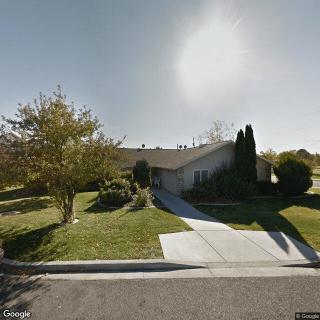
Desert Rose Retirement Estates
Twin Falls, ID
Extensive nearby amenities and healthcare access.
Desert Rose Retirement Estate
Twin Falls, ID
Small 22-bed setting with comprehensive care including meals, housekeeping, medication management, and mental wellness.
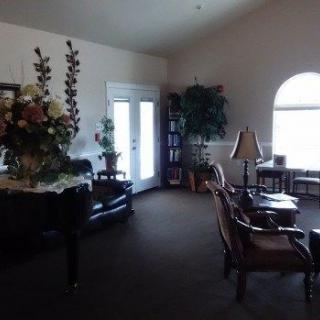
Chardonnay Assisted Living
Twin Falls, ID
Caring staff and well-maintained rooms.
Twin Falls Care and Rehabilitation Center
Twin Falls, ID
Compassionate aides who give residents personal attention.
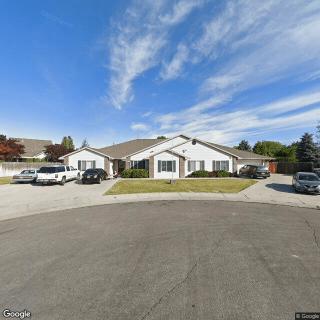
Rosetta Of Twin Falls
Twin Falls, ID
Family-run, close-knit setting with 24-hour supervision and diabetes-focused care.
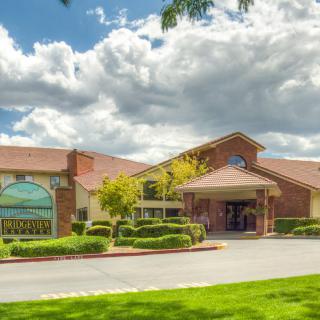
Bridgeview Estates
Twin Falls, ID
Friendly staff, engaging activities, and restaurant-style dining.
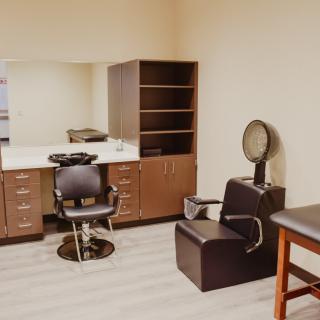
Serenity Healthcare
Twin Falls, ID
Caring staff and a clean, well-maintained environment with visible recovery progress.
 Comprehensive Insights into Activities of Daily Living (ADLs) and Their Assessment
Activities of Daily Living (ADLs) are fundamental tasks vital for an individual's independence, particularly in older adults over 85, and include functions like bathing and dressing; assessing ADLs alongside Instrumental Activities of Daily Living (IADLs) helps determine the level of required assistance due to age-related health challenges. Tailored support plans, involving family and community resources, are essential for maintaining dignity and autonomy in assisted living environments.
 Medicare Coverage for Assisted Living: An In-Depth Exploration
Medicare does not cover assisted living costs, as it focuses on acute medical needs and short-term care, with exceptions for certain medically necessary services like physical therapy. Individuals must explore other options such as Medicaid, veterans' benefits, or long-term care insurance to manage these expenses effectively.
 Choosing the Right Senior Care: A Detailed Exploration of Assisted Living and Nursing Homes
Choosing between assisted living and nursing homes involves evaluating emotional and financial factors, with assisted living offering independence and support for daily activities at a lower cost, while nursing homes provide intensive medical care for individuals with significant health needs. The decision is influenced by personal preferences, health status, cognitive function, and varying Medicaid coverage across states.
