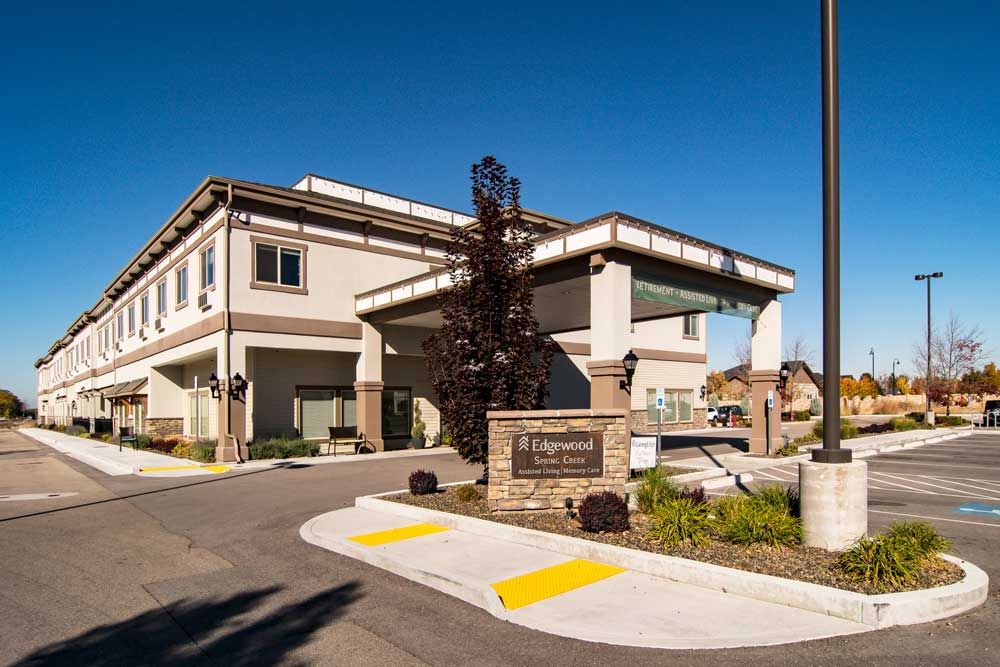












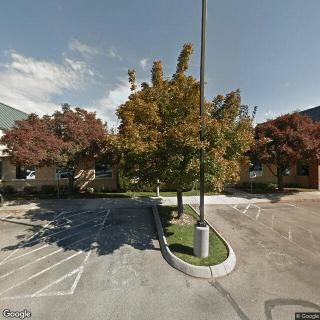
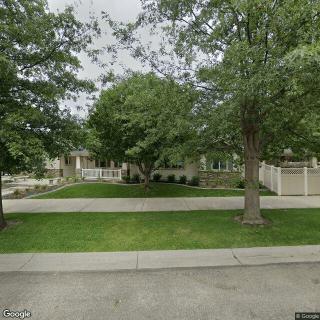
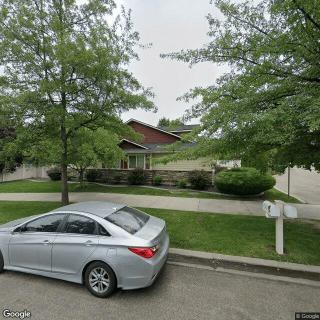
77 North Fisher Park Way, Eagle, ID 83616
For more information about senior living options: (866) 208-4318
Overall Review of Edgewood Spring Creek Eagle Island
Pros
 The staff are patient and caring toward residents.
- The Father's Day car show and lunch was wonderful.
- The mom received the best possible care, with great patience and many outings.
- The care in memory care was above par and met high professional expectations.
- The staff treated residents with dignity, compassion, and humor.
- The executive director is generous with her time, and families would strongly recommend the facility.
- The staff have gone above and beyond to provide compassion and care for residents.
- The facility's outreach to families has brought joy and shows true care.
Cons
 There were too many issues to list.
- Michelle S. was very rude and unprofessional.
- The grandmother was completely neglected at the facility.
- The administration team are bottom-of-the-barrel hacks; they are liars and falsify their records.
- Some memory care staff were very rude and verbally abusive; they did not attend to residents as needed, and at one point a staff member grabbed a resident's arm and pushed her into a recliner.
- The facility’s administrators are described as two-faced liars who misrepresent themselves.
- The caregivers do not get paid enough.
Review
Edgewood Spring Creek Eagle Island is best suited for families seeking a campus-style senior living option that can grow with a loved one who may move from independent or assisted living into a memory care setting. The community blends multiple levels of care, independent, assisted, memory care, and even patio homes, which allows families to stay under one roof as needs evolve. The memory care unit is a centerpiece here, with many residents and families praising a patient, compassionate staff and a program that emphasizes dignity, humor, and meaningful outings.
Those who may want to consider alternatives are families who prioritze a zero-tolerance stance on any negative behavioral report or who require an unusually small caregiver-to-resident ratio. Several reviewers flag concerns about staff conduct and variable responsiveness from administration, including outright accusations of rudeness or neglect. While others defend the campus as well-run and responsive, these contrasting experiences create a safety-margin calculation: if consistent, tightly supervised care with flawless incident reporting is non-negotiable, this community may not be the first choice. Prospective families with heightened risk sensitivity should interview extensively, verify current governance practices, and compare with similarly equipped facilities in the area.
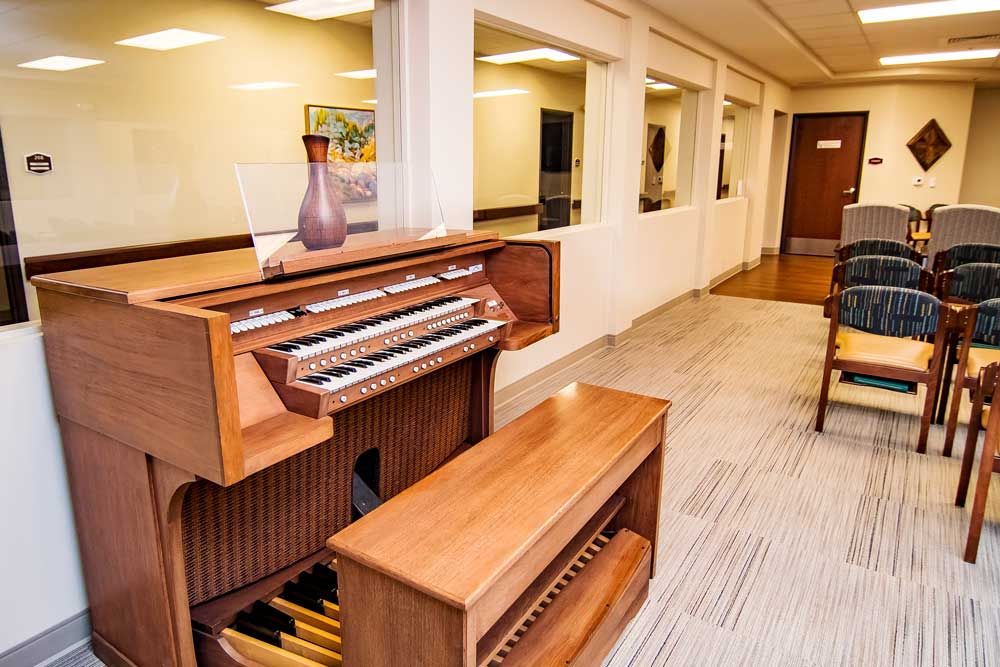
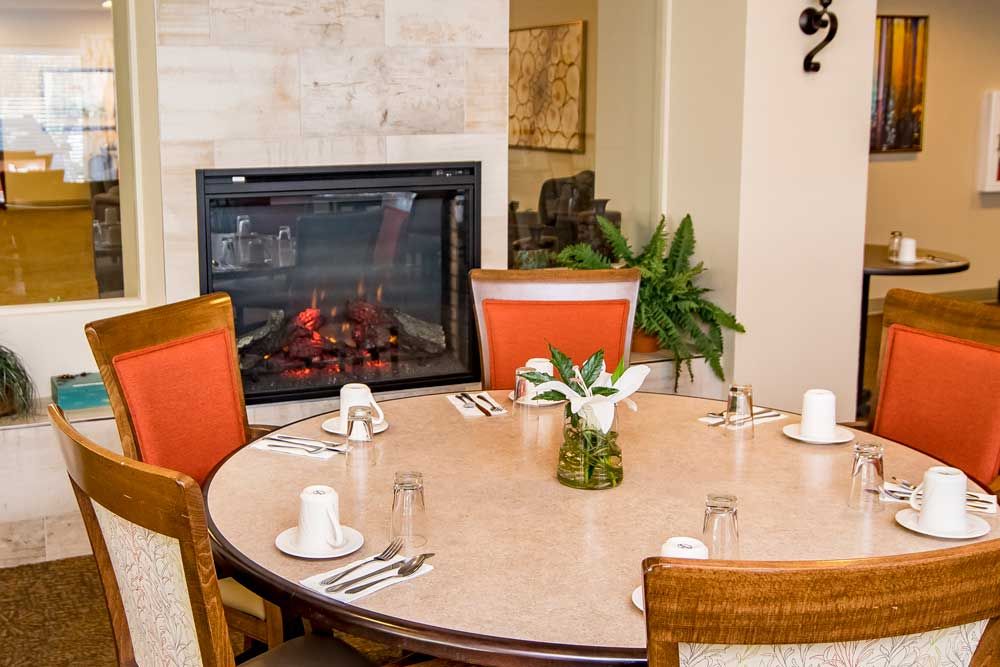
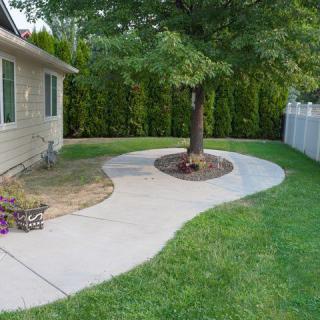
The strongest case hinges on the quality of memory care and the culture families encounter on the ground. Numerous reviews highlight staff patience, warmth, and a genuine willingness to engage residents, sometimes going beyond the call to include outings and social moments that leave a lasting, positive impression. Families repeatedly mention the executive leadership’s accessibility and problem-solving posture, with directors who take questions seriously and take steps to address concerns. The complement of services, on-site fitness, a restaurant, a bistro, a salon, a clubhouse, and well-kept landscaping, creates a supportive environment that can soften the emotional strain of memory loss for both residents and families. When care teams align with family expectations, the result is a strong sense of peace and trust.
Yet the cons cannot be dismissed, and they do not just vanish because several residents are thriving. The most pointed criticisms focus on interpersonal dynamics among staff and residents, with a subset of reviews alleging unprofessional behavior, rude interactions, or even neglect in memory care. Some posts claim missing or inadequately filed incident reports and inconsistent responses from leadership, suggesting that experiences can vary by shift or by unit. While some families report dramatic improvements and high satisfaction, these contradictions underline a real need for prospective residents to verify current staffing patterns, training standards, and governance transparency before committing.
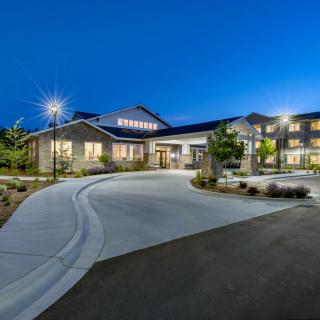
How the pros offset the cons depends on what families value most. For a loved one who benefits from regular engagement, structured activities, and a sense of belonging, paired with a campus that supports independent living and multi-level care, the positives can outweigh the risks. The facility’s modern, comfortable interiors, mountain views, and true sense of community can deliver meaningful quality of life even as memory care demands rise. The presence of proactive leaders and a willingness to address concerns can convert a facility from merely adequate to genuinely supportive for families who invest the time to participate in tours, meet the care team, and request clear accountability practices.
Edgewood Spring Creek Eagle Island is a practical, strong option for families prioritizing robust memory care within a full-service campus, especially when the priority is engagement, dignity, and accessible leadership. It is less well-suited for those who demand flawless consistency across every shift or who need a guaranteed, uniformly exemplary behavior standard from every staff member. For families weighing alternatives, consider facilities with smaller memory care units or more rigid governance protocols, but keep this campus in the short list if the desire is to keep care and residence connected on one campus with a broad array of amenities. Schedule a thorough tour, speak directly with the memory care director, review recent incident reporting practices, and assess whether the current staffing model aligns with the loved one’s needs before deciding.
 52 resident community capacity
 Assisted Living
 Independent Living
 Memory Care
 Air-conditioning
 Beauty salon
 Cable or satellite TV
 Computer center
 Dining room
 Fitness room
 Fully furnished
 Gaming room
 Garden
 Housekeeping services
 Kitchenette
 Move-in coordination
 Outdoor space
 Private bathrooms
 Restaurant-style dining
 Small library
 Telephone
 Wellness center
 Wi-Fi/high-speed internet available
 Boise Air Terminal (13 miles away)
 Community operated transportation
 24-hour call system
 Activities of daily living assistance
 Assistance with bathing
 Assistance with dressing
 Assistance with transfers
 Diabetes diet
 Medication management
 Mental wellness program
 Special dietary restrictions
 Concierge services
 Planned day trips

 Nourishing the Mind: Essential Dietary Approaches for Dementia
 Understanding Dementia Behaviors: Practical Insights and Strategies for Caregivers
 When Dementia Sparks Anger and Aggression: Understanding the Connection and Ways to Cope