
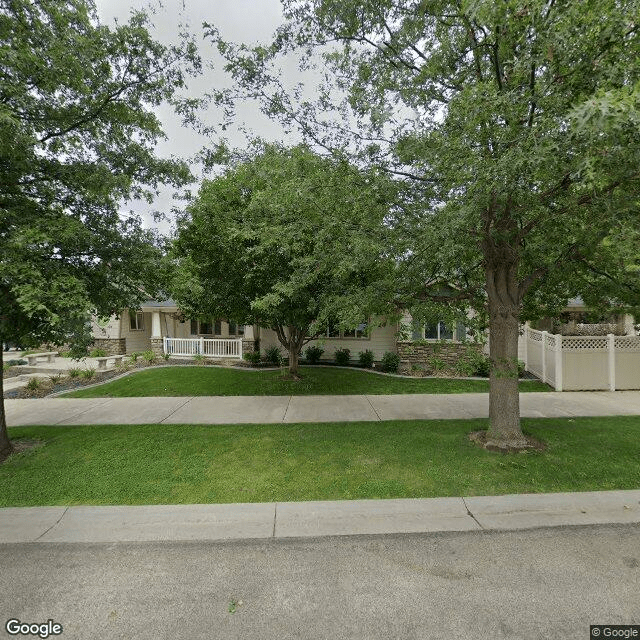
104 N Storybook Way, Eagle, ID 83616
To contact a resident: (208) 939-4602
For more information about senior living options: (866) 208-4318
Ashley Manor - Eagle Costs & Pricing
Ashley Manor - Eagle offers competitive pricing for its accommodations, standing out as an attractive option in the local market. The cost for a semi-private room at Ashley Manor is $2,700 per month, significantly lower than both the Gem County average of $3,214 and the state average of $3,026. Similarly, the studio rate is set at $3,100, which is also more economical compared to Gem County's $3,022 and Idaho's overall average of $3,213. This positioning not only underscores Ashley Manor's commitment to providing quality care but also highlights its affordability relative to nearby facilities and statewide standards.
| Floor plans | Ashley Manor - Eagle | Gem County | Idaho |
|---|---|---|---|
| Semi-Private | $2,700 | $3,214 | $3,026 |
| Studio | $3,100 | $3,022 | $3,213 |
Memory care communities with a similar price nearby
-
from -$300 / mo
The Gables Assisted Living & Memory Care of Caldwell
$2,400 to $3,300 / month17.0 miles away -
About the same

Garden Plaza of Valley View
$2,753 to $4,358 / month7.3 miles away -
from +$300 / mo

Ashley Manor - Orchard
$3,000 to $3,500 / month9.7 miles away -
from -$500 / mo

Foxtail Senior Living
$2,200 to $3,200 / month3.0 miles away -
from +$300 / mo
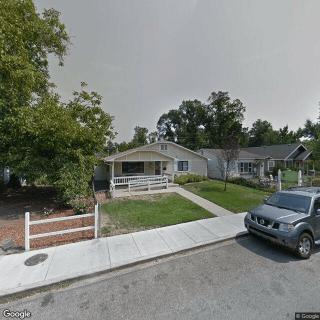
Ashley Manor - Hyde Park
$3,000 to $3,500 / month8.9 miles away
Overall Review of Ashley Manor - Eagle
Pros
 The Eagle 1 facility is described as above reproach in all areas, with staff who stayed by a loved one’s side and went above and beyond.
- The staff treated the resident daily with kindness and respect.
- The Administrator and Supervisor are described as being like family and highly supportive.
- The White Oak Hospice staff are described as angels.
- The staff at Ashley Manor are caring, the facility is very clean, and residents receive excellent one-on-one personal care.
- Ashley Manor is praised for its willingness to hear feedback and to make improvements.
Cons
 Worse place ever to put anyone in cognitive decline and can’t fend for themselves or ask for assistance.
- Serious communication issues with mngmnt and staff and provider.
- Had many falls which weren’t notified to family.
- Hostile roommate which made it impossible for our dad to use his room.
- He slept on the couch for 5 months and often found him laying on the floor.
- Often left in wet and dirty clothes.
- They keep residents medicated to deal with behaviors and set in front of the tv all the time.
- No activities as advertised.
- Always understaffed.
- Wounds not cared for.
- Our dad was severely malnourished when we sent him home on hospice and died 10 days later.
- He suffered terribly from starvation.
Review
Ashley Manor - Eagle is best suited for families seeking an intimate, high-touch assisted living experience in a small, easily navigable setting where every resident can receive very individualized attention. The community’s compact footprint enables unusually close caregiver-resident interactions, making it appealing for those who want one-on-one care, regular personal contact, and a home-like atmosphere. It works best for residents who can tolerate a premium price for personalized support, and for families who value visible caregiver involvement and the potential for highly attentive bedside care, especially when a loved one may require extra comforting and monitoring.
Those weighing alternatives should note that this community may not be ideal for residents who need robust, consistently reliable management oversight, strong safety monitoring, or a broad, structured activity program. Families facing persistent concerns around communication with leadership, frequent turnover in house management, or questionable responses to safety issues should consider facilities with clearer escalation pathways and steadier administrative leadership. For residents with significant cognitive decline, aggression, or complex medical needs requiring aggressive behavioral management, other options offering more specialized memory care or medical supervision may outperform this setting.
The strongest advantages here are palpable: a staff that shows genuine warmth and dedication, a clean environment, and a size that allows for substantial personal attention. When care teams are engaged, especially in hospice contexts, the same administrators and supervisors demonstrate commitment by staying involved during critical moments, which yields meaningful continuity of care. The willingness to hear feedback and make improvements is another meaningful edge, with families noting responsive adjustments and a culture that treats residents with dignity and respect. In a setting this small, the personal touch translates into meaningful daily comfort for many residents.
Yet the most troubling pullbacks cannot be dismissed. Communication gaps with management recur, and reports of understaffing surface as a core pattern, translating into missed notices about falls or changes in a resident’s condition. Stories of hygiene lapses, inadequate assistance with eating, and delays in basic care paint a troubling picture of how quickly a fragile resident’s health can deteriorate without consistent and proactive oversight. High costs compound these concerns, especially when care quality appears uneven, and managerial turnover disrupts continuity. Instances of malnourishment and neglect, even if isolated, stand in stark contrast to the positive moments of compassionate care.
In weighing the pros against the cons, the decision hinges on what a family values most in a home-like setting. If the emphasis is on intimate, individualized attention, kindness from staff, and a facility that can feel like a family, the positives can offset several rough edges, provided there is vigilant ongoing oversight from families and a responsive management team. However, when safety, consistent communication, and reliable, comprehensive care are non-negotiable, the cons may overwhelm the benefits. This community can deliver high-quality, personal care in the right conditions, but those conditions require proactive involvement and careful monitoring by relatives or fiduciaries.
For families pursuing Ashley Manor, a disciplined due-diligence approach is essential. Seek current staffing ratios and turnover data, request recent incident and wound-care histories, and verify a clear plan for falls prevention and nutrition monitoring. Request a concrete, written care plan with escalation steps and a designated point of contact for daily questions. Visit at different times to observe how staff interact with residents and how management responds to concerns. If these checks align with expectations and budget allows, the pathway to a positive outcome exists; otherwise, it makes sense to explore alternatives that offer steadier leadership, more consistent safety protocols, and a broader program of activities that can sustain cognitive and physical engagement day after day.
 Assisted Living
 Memory Care
 Activities on-site
 Devotional services off-site
 Indoor common areas
 Boise Air Terminal (11 miles away)
 Ambulatory care
 Diabetic care
 Meals provided






 5 Early Indicators of Dementia and What You Can Do
 8 Important Indicators That Memory Care May Be Necessary
 Delving into the Inner World of Dementia: Insights into Thoughts and Awareness