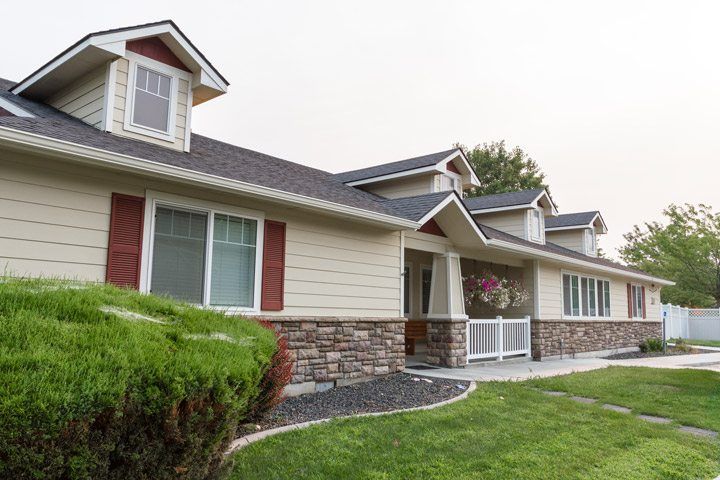
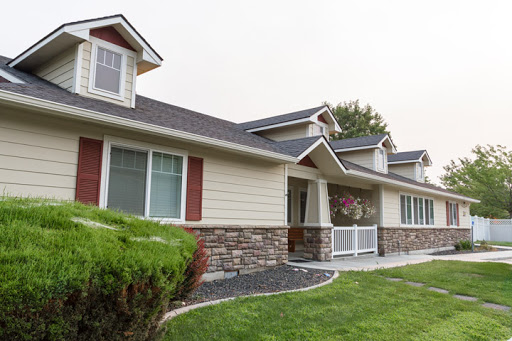
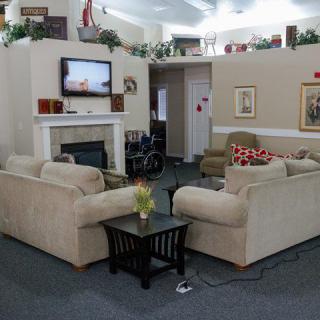




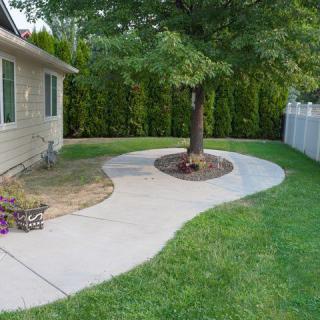
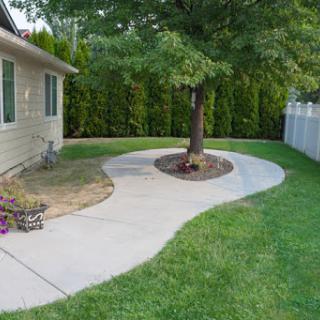

126 North Storybook Way, Eagle, ID 83616
For more information about senior living options: (866) 208-4318
Overall Review of Ashley Manor Storybook Way
Pros
 The Eagle 1 facility would receive all ten stars.
- The Eagle 1 facility is described as above reproach in all areas.
- The staff remained by the resident's side, providing unwavering care.
- The administration and supervisors went above and beyond what was required.
- The resident was treated daily with kindness and respect and was spoiled by the staff.
- The administrators and supervisors became like family to the family.
Cons
 The facility was the worst place to put someone with cognitive decline, as they couldn’t fend for themselves or ask for assistance.
- There were serious communication issues with management, staff, and the provider.
- There were many falls that weren’t notified to the family.
- There was a hostile roommate who made it impossible for the dad to use his room.
- The dad slept on the couch for five months and was often found lying on the floor.
- Residents were left in wet and dirty clothes.
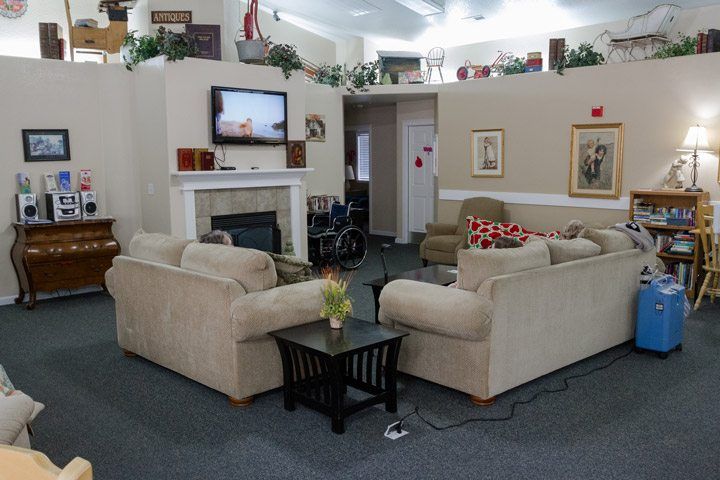
- Residents were medicated to deal with behaviors and kept in front of the TV all the time.
- There were no activities as advertised.
- The facility was always understaffed.
- Wounds were not cared for.
- The food wasn’t good and no alternatives were offered.
- There was no assistance with eating or drinking.
- The dad became severely malnourished and died 10 days after being sent home on hospice, suffering terribly from starvation.
- There was a lot of documentation.
Review
Ashley Manor Storybook Way in Eagle, Idaho is best suited for families seeking a warm, caregiver-driven environment where staff warmth and personal attentiveness are the main strengths. The strongest praise centers on frontline caregivers who treat residents with kindness, respect, and a willingness to go above and beyond. In settings where daily assistance, medication oversight, and a non-clinical atmosphere are primary priorities, this community can deliver a notably personal touch and a sense of family-like continuity. The contrast is real, however: this is not a facility built on clinical reputation alone, and families must weigh the level of medical oversight against what is being promised in everyday care.
Those who should consider alternatives are families facing significant cognitive decline or complex medical needs, or those who require reliable, proactive management and transparent coordination with families. Several reviews highlight communication gaps with administrators and inconsistent responsiveness, plus serious safety concerns such as understaffing, unattended falls, and wounds that did not receive timely care. For residents who need vigilant supervision, rapid escalation of problems, or structured behavioral management, these gaps can translate into real risk and frustration. Additionally, residents who expect consistent, high-quality nutrition and engaging, advertised activities may find those promises unmet in practice.
The main pros, caring, approachable staff and a culture of genuine concern, often offset some daily care friction but do not erase the larger safety and communication gaps. When staff are committed and willing to linger with residents, provide daily encouragement, and advocate for comfort, families notice a meaningful difference in mood, dignity, and overall well-being. That level of dedication can be particularly meaningful in end-of-life situations, where compassionate presence from the team makes a tangible difference. Yet the strongest benefits in warm, person-centered interaction do not fully compensate for inconsistencies in oversight, the potential for unreported incidents, or the risk of inadequate clinical responsiveness.
Significant red flags emerge around medical management and safety. Reports describe situations of understaffing, inaccessible management, and milestones such as uncommunicated falls, wounds not receiving appropriate care, and malnutrition concerns tied to inadequate eating support. Descriptions of hostile roommate dynamics, residents left in wet or dirty clothing, and reliance on medications to manage behaviors with little visible activity or engagement all point to systemic gaps. While some families report that management has improved after a rough patch, the baseline risk remains a critical consideration for those with higher care needs or who prioritize predictable, proactive clinical oversight and clear, timely family updates.
For families considering a tour, approach with a focused checklist: ask for current nurse-to-resident ratios and how schedules handle peak hours; request a detailed outline of wound care protocols, nutrition planning, and monitoring for dehydration or malnutrition; probe how behavioral health is managed without overmedicating, and request recent activity calendars and dining menus to verify what is actually offered. Seek transparency about management accessibility, the process for escalating concerns, and real-time communication practices. These questions help distinguish whether the care culture has truly matured beyond a patchwork response to problems or remains uneven in execution.
Ultimately, Ashley Manor Storybook Way presents a mixed picture that rewards those who prize genuine caregiver warmth and are prepared to live with less-than-perfect clinical oversight. For families with a loved one who is relatively stable, values compassionate daily care, and can tolerate occasional gaps in management communication, the community offers a comforting, respectful environment. For others, especially those with cognitive impairment, frequent needs for escalation, or stringent expectations around nutrition, safety, and activity programming, alternative options with stronger, more consistent clinical infrastructure are worth pursuing. The decision hinges on balancing the solace of exceptional daily kindness against the realities of safety, oversight, and predictable care.
 22 resident community capacity
 Assisted Living
 Board and Care Home
 Memory Care
 Beauty salon
 Cable or satellite TV
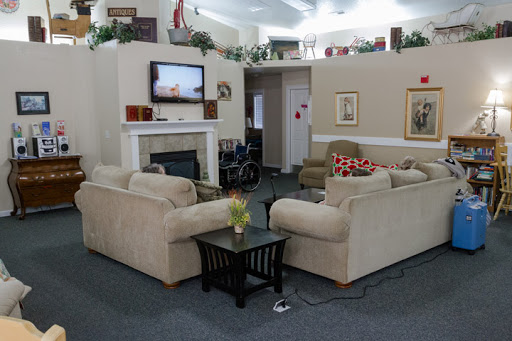
 Dining room
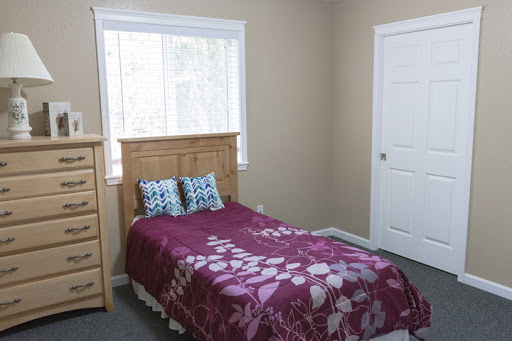
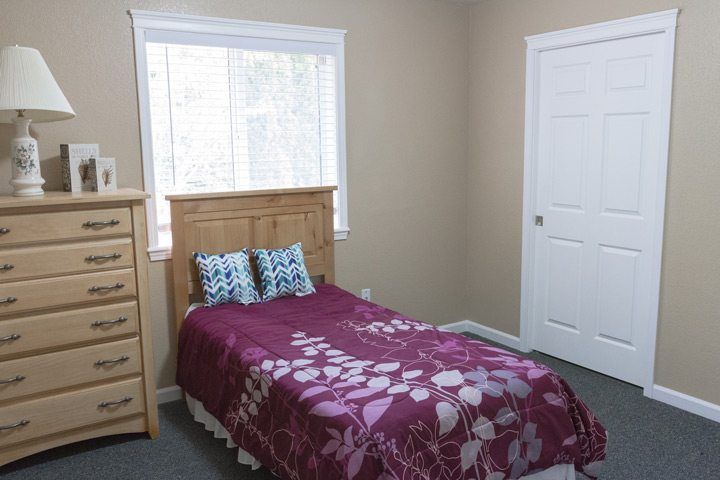
 Fully furnished
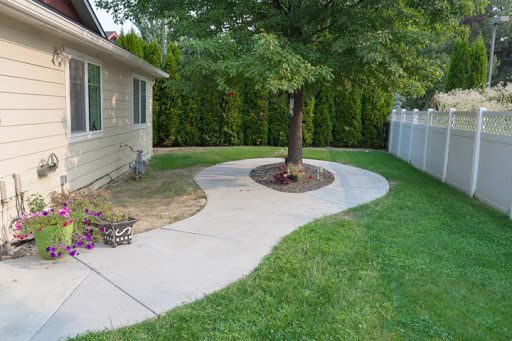
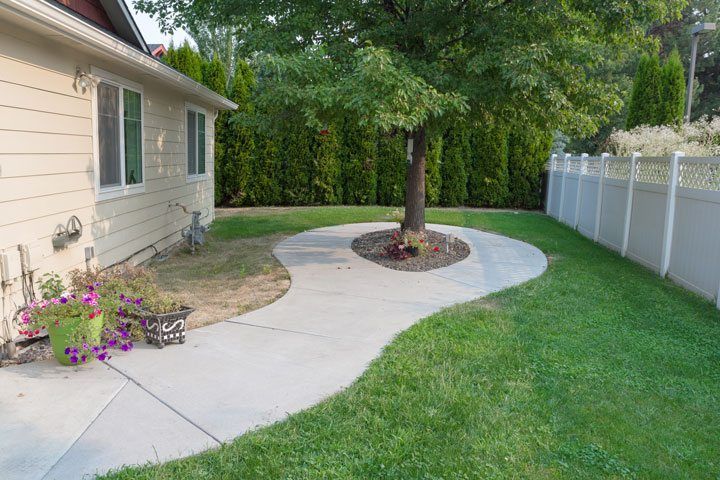
 Garden
 Housekeeping services
 Kitchenette
 Move-in coordination
 Outdoor space
 Telephone
 Wi-Fi/high-speed internet available
 Boise Air Terminal (11 miles away)
 24-hour call system
 Activities of daily living assistance
 Assistance with bathing
 Assistance with dressing
 Assistance with transfers
 Diabetes diet
 Hospice waiver
 Meal preparation and service
 Medication management
 Mental wellness program
 Special dietary restrictions
 Transportation arrangement (medical)
 Transportation to doctors appointments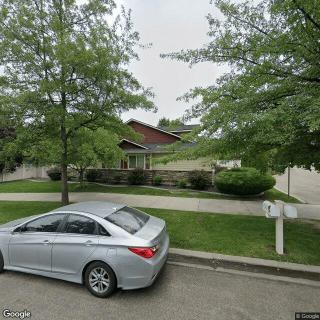




 Vibrant Senior Living: A Comprehensive Guide for Active Older Adults
 Assisted Living and Memory Care: Understanding Their Core Differences
 Choosing the Right Senior Care: A Detailed Exploration of Assisted Living and Nursing Homes