

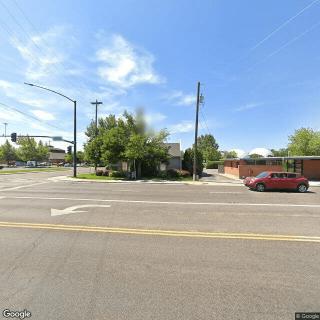
4233 Mountain View Street, Boise, ID 83704
For more information about senior living options: (866) 208-4318

Mountain View Crossing Costs & Pricing
Mountain View Crossing presents a competitive pricing structure for its accommodations, particularly when compared to the broader market in Ada County and the state of Idaho. For a one-bedroom unit, residents can expect to pay $4,500 per month, which is notably higher than the average cost of $3,691 in Ada County and $3,774 statewide. Similarly, the private room option at Mountain View Crossing matches this rate at $4,500, surpassing the county's average of $3,556 and the state's average of $3,906. These figures highlight Mountain View Crossing's positioning as a premium choice in an area where affordability remains a concern for many potential residents.
| Floor plans | Mountain View Crossing | Ada County | Idaho |
|---|---|---|---|
| 1 Bedroom | $4,500 | $3,691 | $3,774 |
| Private | $4,500 | $3,556 | $3,906 |
Memory care communities with a similar price nearby
-
from -$255 / mo
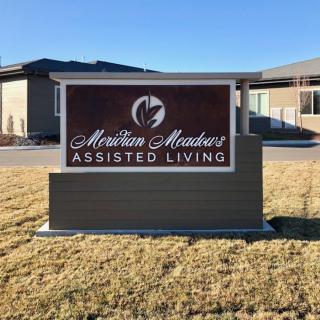
Meridian Meadows Assisted Living and Memory Care
$4,245 to $5,145 / month5.2 miles away -
from -$800 / mo
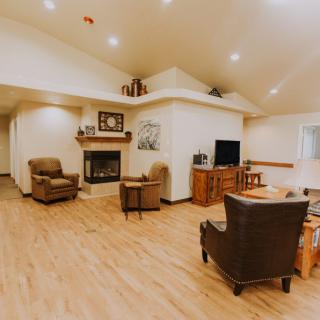
Swan Falls Assisted Living
$3,700 to $3,900 / month12.0 miles away -
from -$600 / mo
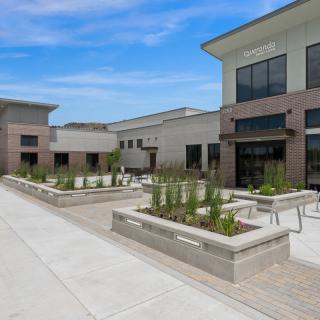
Barber Station Senior Living
$3,900 to $5,500 / month8.1 miles away -
from +$500 / mo
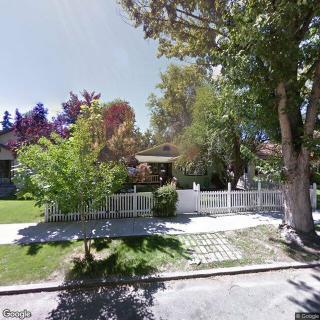
Ivy Place Residence
$5,000 / month2.9 miles away -
from -$750 / mo

Emerson House at Riverpointe
$3,750 to $5,250 / month1.2 miles away
Overall Review of Mountain View Crossing
Pros
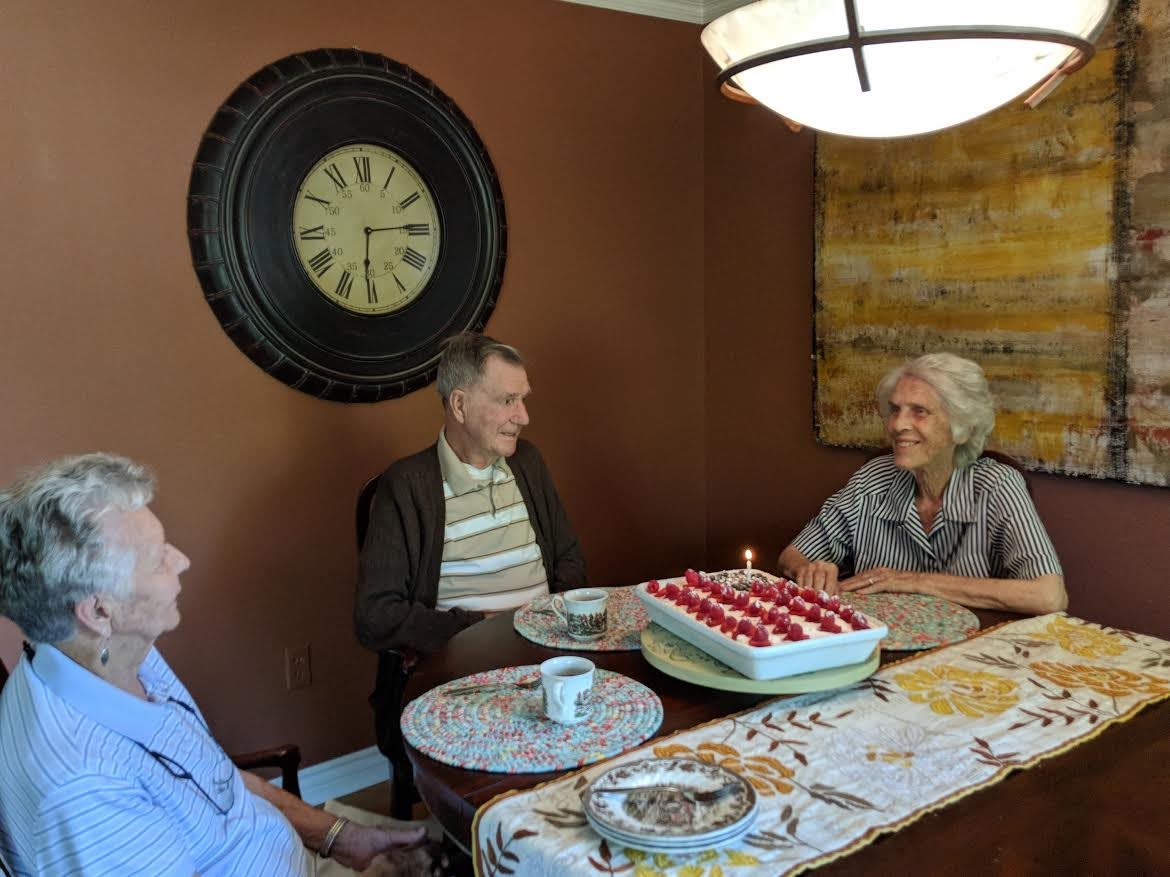
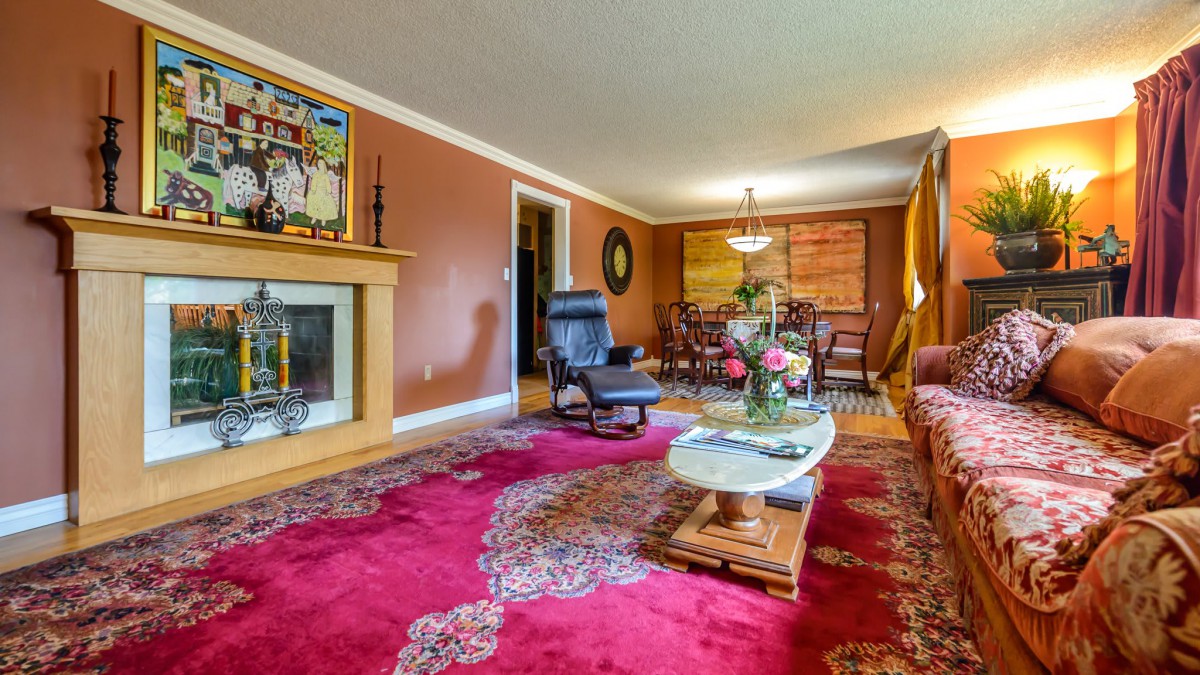
 Mountain View Crossing provides a warm, family-like home atmosphere for residents and their families.
- The staff are welcoming, attentive, understanding, and loving toward residents and their families.
- Mountain View Crossing is described as the most caring, loving, professional private home care facility in the valley.
- Lanae delivers passionate, high-quality care, and is trusted to care for loved ones.
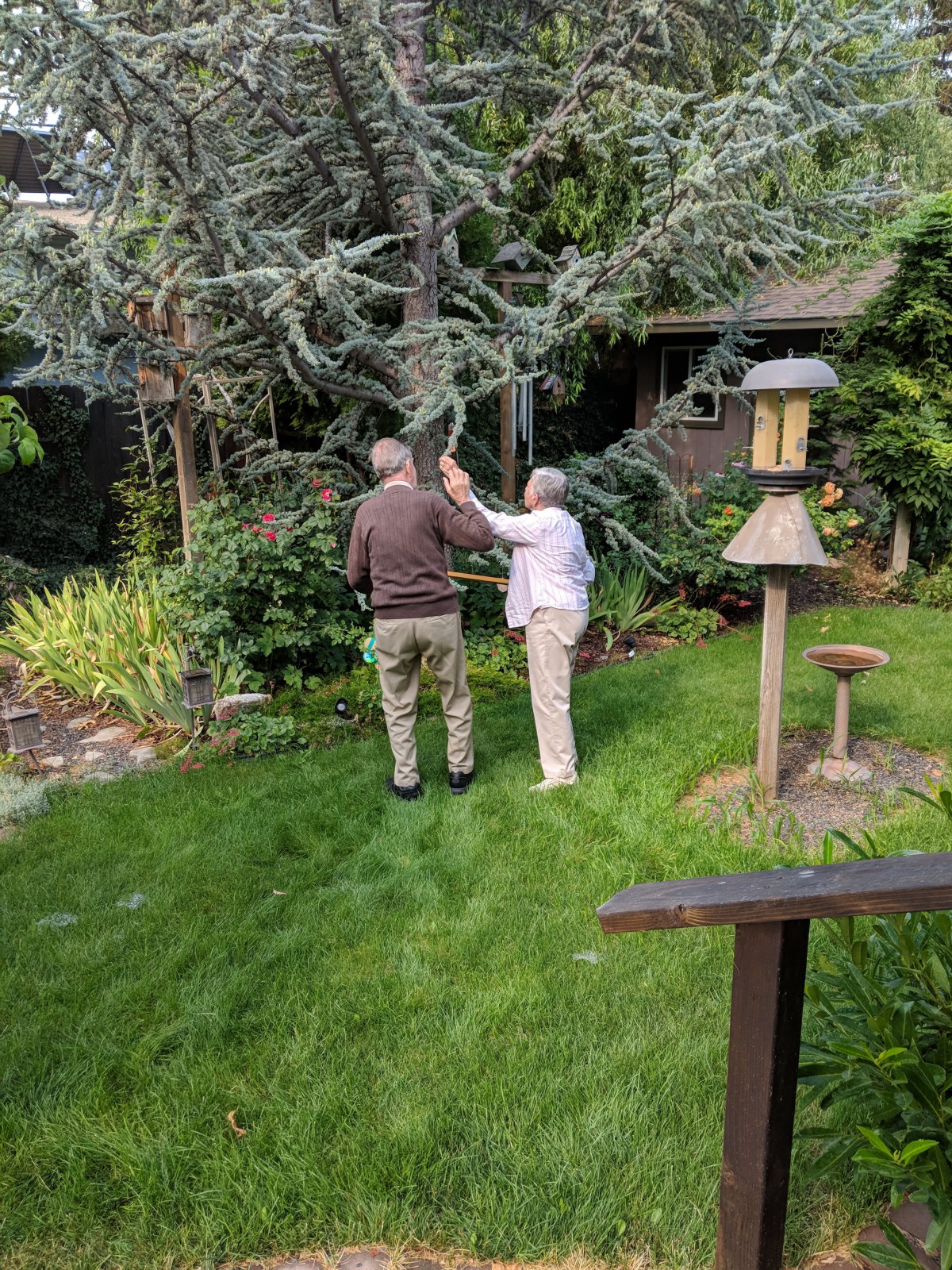
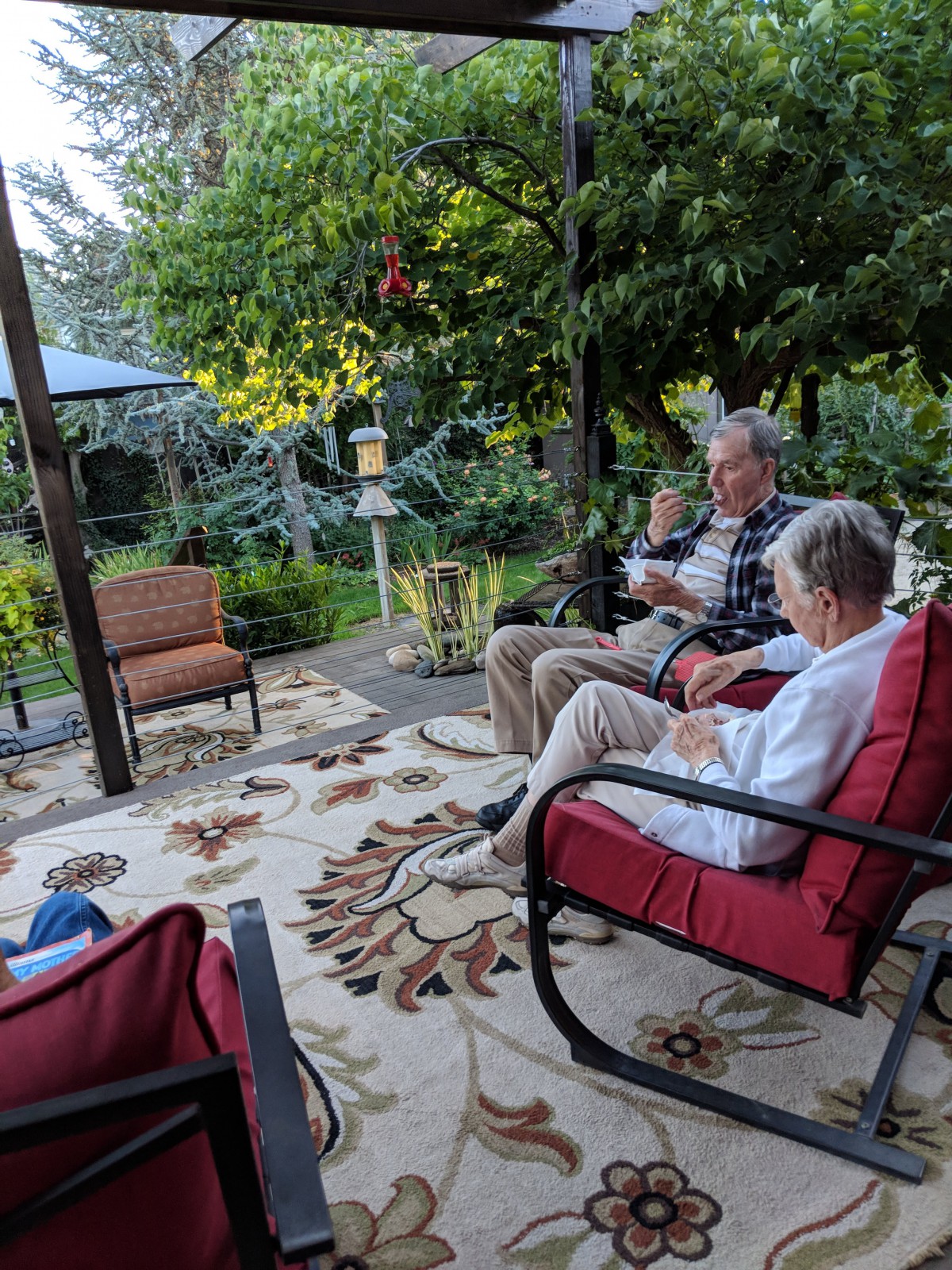
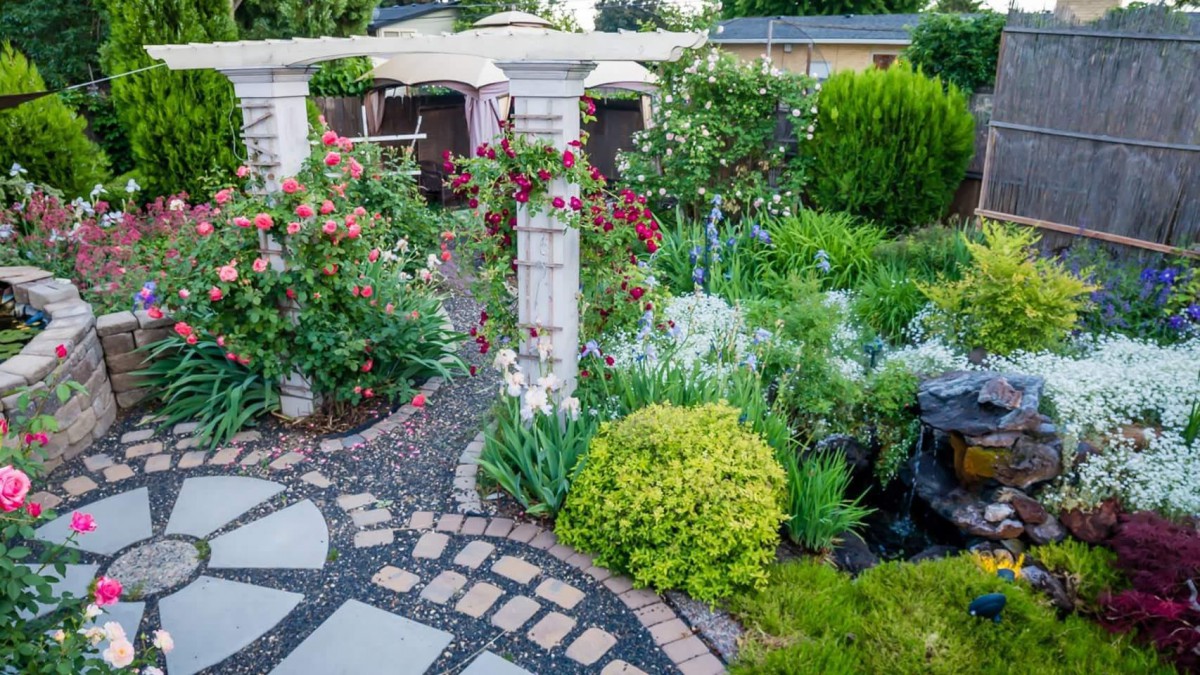
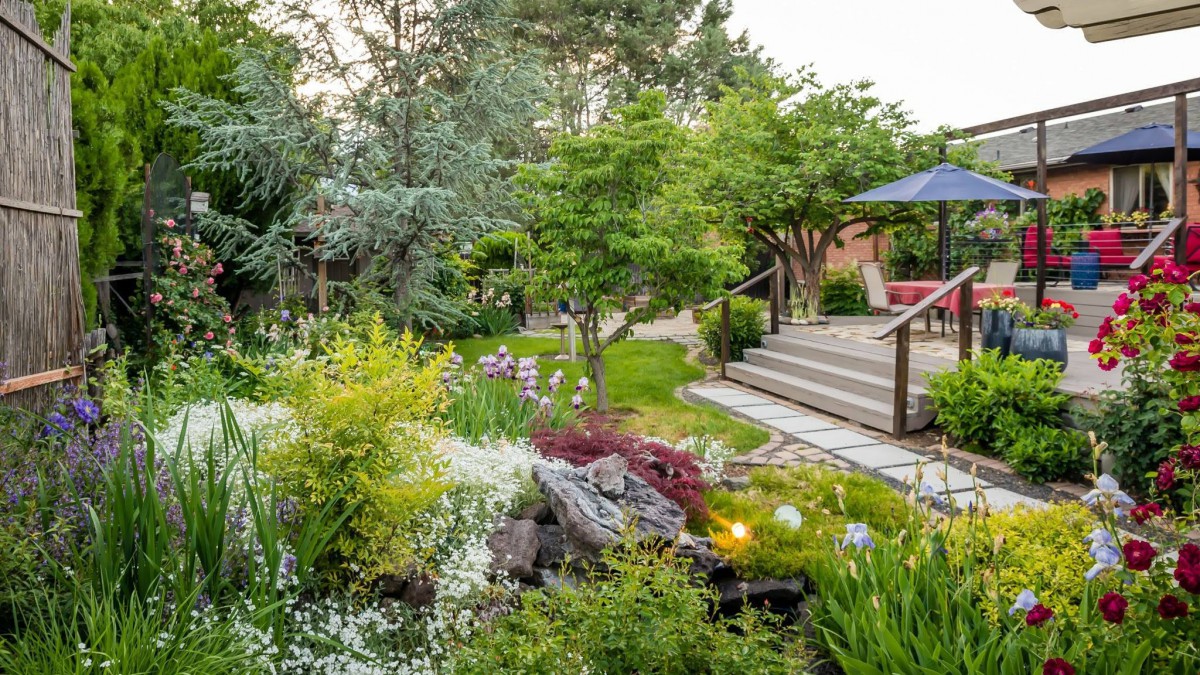
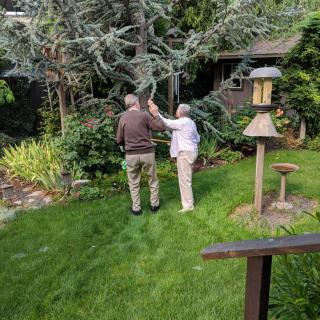
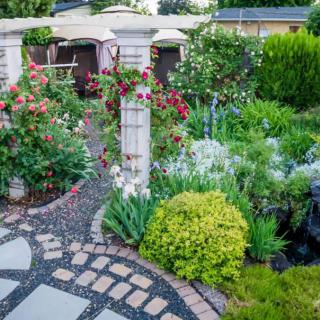
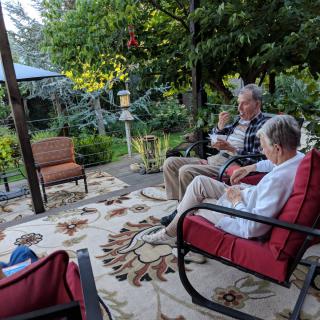
- The home features beautiful gardens, a pond, and a peaceful outdoor setting that enhances resident well-being.
- The owner and caregivers foster a family-like atmosphere, making MVC an ideal place for loved ones to live.
- Residents are treated like family, with 24/7 care in a clean, comfortable living environment.
Review
Mountain View Crossing is best suited for families seeking a genuinely small, home‑like memory care setting in Boise, where five to six residents share a single house and care feels personal rather than institutional. The community shines when the priority is dignity, steady attention, and a sense of belonging. Residents benefit from a layout that prevents anyone from feeling overlooked in a long hallway, with staff who become familiar faces, calm, patient, and tuned into each resident’s routines and preferences. The emphasis on a warm, family‑like atmosphere makes it ideal for seniors with dementia or memory concerns who respond to gentle, individualized care over a large, impersonal operation.
However, alternatives should be considered for families whose loved one’s needs extend beyond what a small private home can sustainably deliver. Those seeking a larger campus with more formal programming, broader medical oversight, or a wider range of on‑site amenities may find a bigger assisted living or dedicated memory‑care community a better fit. The intimate model, while powerful for relationship‑building and continuity of care, inherently has a smaller staff pool and fewer on‑site services at a glance. If a resident requires intensive clinical management, frequent therapy, or a schedule with a highly varied activity calendar, exploring additional options would be prudent.
The strengths at Mountain View Crossing, the consistent, attentive caregivers, the owner‑led culture, and the sense of being treated as family, begin to offset the absence of a large care campus. Families repeatedly notice that staff are not only professional but genuinely loving, and that the care team provides 24‑hour coverage with a level of devotion that translates into calmer days for residents. The “home” setting is more than cosmetic: it reduces anxiety, preserves dignity, and supports meaningful routines. The one‑on‑one attention can mitigate the fragmentation sometimes seen in bigger facilities, while the small house‑scale fosters dependable, steady caregiving during every shift.
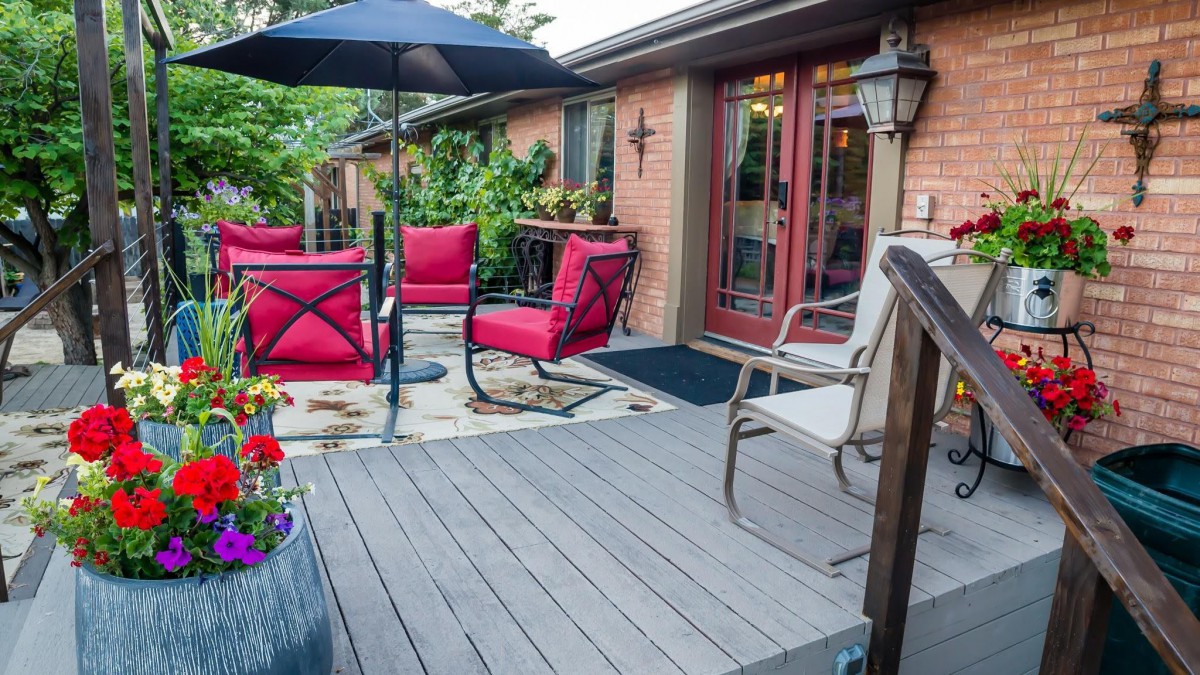
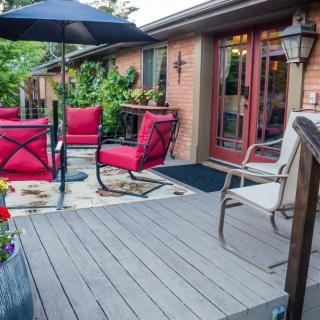
Environment matters here in visible ways. The reviews celebrate well‑kept gardens, water features, and a peaceful backdrop that invites residents to stroll, read, or observe birds and hummingbirds. Those sensory‑rich surroundings complement dementia care by offering purposeful, low‑stress activities that don’t feel contrived. The combination of a cozy interior and a meticulously maintained exterior creates a mood that supports reminiscence, comfort, and engagement. In practice, families report that these elements help residents live with dignity and maintain a sense of normalcy, an outcome often harder to achieve in larger, more clinical settings.
To make a well‑grounded decision, tours should probe how the care plan scales with worsening memory or medical complexity. Inquiries about staffing ratios, training for memory‑care needs, medication management, and emergency responsiveness matter as much as the visible warmth. The narrative around Mountain View Crossing comes with professional endorsements from field observers who call it the best in Boise for patient care, love, and attention to detail, underscoring that the operation is not merely “home‑like” but well‑organized and compliant. Prospective families should confirm the owner’s approach to care, the consistency of caregivers across nights and weekends, and how family involvement is integrated into daily life.
Bottom line: Mountain View Crossing stands out for families who prioritize a smaller, home‑based atmosphere with deeply attentive staff and a sensory‑rich, tranquil setting. It is a compelling choice for memory care and for residents who flourish with routine, personal connections, and dignified privacy. Those who value the security of 24/7 caregiving within a loving, professional team will find MVC aligns with expectations and delivers on promises that residents are cherished. However, for those requiring a more expansive amenity set, more intense clinical resources, or a bustling campus life, alternatives deserve serious consideration to balance personal preference with care needs.
 15 resident community capacity
 Assisted Living
 Board and Care Home
 Hospice Agency
 Memory Care
 Activities on-site
 Beautician on-site
 Cable or satellite TV
 Devotional services off-site
 Fully furnished
 Garden
 Housekeeping services
 Indoor common areas
 Move-in coordination
 Outdoor space
 Private
 Private bathrooms
 Respite or short term stays offered
 Wheelchair accessible showers
 Boise Air Terminal (6 miles away)
 24-hour supervision
 Ambulatory care
 Assistance with bathing
 Assistance with dressing
 Assistance with transfers
 Diabetes diet
 Diabetic care
 High acuity care
 Incontinence care
 Meal preparation and service
 Medication management
 Mental wellness program
 Special dietary restrictions
 Light therapy programs

 Understanding Dementia Through Its Seven Stages: A Comprehensive Look at Progression and Expectations
 A Holistic Dementia Care Guide: Effective Strategies for Memory Support
 Comprehensive Insights into Activities of Daily Living (ADLs) and Their Assessment