Rampart Home Assisted Living

3824 North Rampart Street, Boise, ID 83704

For more information about senior living options: (844) 490-3973

5 from 1 review
Assisted Living Board and Care Home

What level of care are you interested in?

Assisted Living

Memory Care

Independent Living

Skilled Nursing Facility

Continuing Care Retirement Community (CCRC)CCRC

Other


Request a tour at Rampart Home Assisted Living

    Overall Review of Rampart Home Assisted Living

    Pros

    • pro Brightstar Homes was the reviewer's first choice due to the quality of in-home caregivers.
    • pro The Taft home houses about ten residents, providing a small, intimate community.
    • pro All meals are made from scratch as familiar comfort foods, with most dietary needs met.
    • pro There are a minimum of two staff members on each shift, often more.
    • pro Upon acceptance, a resident's POA/Advocate fills out a complete bio, helping with ongoing care and socialization.
    • pro A comprehensive care plan is established at intake and updated as needed based on input from Keystone Health.
    • pro Medical care is provided by the Keystone Health team with oversight by Brightstar nurses and an on-site med-tech.
    • pro Pedicures are provided periodically and included in the monthly fee.
    • pro Family members can furnish guest rooms with familiar furniture and memorabilia.
    • pro Doors to the outside are secured by electromagnetic locks to prevent wandering.

    Cons

    • pro Turnover is a major issue among the care teams, with staff rotating shifts and transferring to other homes or divisions.
    • pro The wife fell at home and has had several falls in memory care.
    • pro Hearing aid support has been an issue.
    • pro The facility does not provide nursing-home?level services such as feeding tubes or infusions.
    • pro The family caregiver often feels that no one besides themselves can properly take care of their loved one.

    Review

    Caregiving is often described as the ultimate act of love, and the path through dementia care tests that love in profound ways. The account that follows begins from a deeply personal place: a spouse watching a beloved partner gradually lose independence, and the difficult decision to move into a Memory Care setting. The writer acknowledges the heavy burden of guilt and grief that can accompany placement, but also makes a candid case that, in many circumstances, moving to a dedicated care home can be the best available option for safety, consistency, and quality of life. This journey reflects both the emotional weight of letting go and the practical realities of securing ongoing, capable support.

    The chosen residence, Brightstar/CMoore Homes, is described as a small, intimate setting designed to resemble a home more than a hospital. Each home holds roughly ten residents, creating a manageable scale that supports familiarity and personal connections. The meals are prepared from scratch, offering familiar comfort foods and the ability to accommodate various dietary needs. Staffing is steady and visible: at least two caregivers are on each shift, with the potential for more depending on the day. This level of staffing is paired with a comprehensive intake and care framework that begins the moment a resident is accepted into the home. A family member or designated advocate completes a detailed bio, which informs ongoing care and socialization strategies, ensuring the individual's preferences and history remain central to decisions about daily life.

    A structured care process governs day-to-day life and long-term planning. Upon admission, a personalized care plan is established and is routinely updated as new information or needs arise, including input from Keystone Health. The system of oversight includes resident status reports issued every six months to the advocate, reinforcing accountability and ongoing communication with families. The homes are self-pay, a practical reality for many families navigating long-term care decisions. The environment is described as fresh and clean, with comfortable patios and dedicated visiting areas that promote social interaction and connection with loved ones. Activities are offered periodically, providing opportunities for engagement without overwhelming residents who may have changing energy and interests.

    The care model is complemented by a medical framework that integrates external and in-house resources. Medical care is provided by the Keystone House Calls Health team, with supervision by Brightstar nurses and an on-site medical technician. This structure allows the on-site staff to monitor vital signs, manage medications, and log changes while coordinating with medical professionals as needed. When significant physical or mental changes occur, they can summon medical support promptly. Hospice services are available through outside agencies for residents who require them, illustrating a collaborative approach that respects patient needs and family choices. For a touch of daily life, the facility offers pedicures periodically and includes them in the monthly fee, while hairdressing services are available for a separate charge. In practical terms, families may need to provide a television for their loved one's room, and rooms can be furnished with family furniture and memorabilia to maintain a sense of home. Bed provisions can come through Medicare via Norco, and disposable underwear is supplied by family members, reflecting a blended model of facility-provided and family-supplied items.

    Safety and security are addressed with thoughtful measures. Doors to the outside are equipped with electromagnetic locks to prevent wandering and unauthorized entry, a common concern for those with memory-related conditions. The writer emphasizes a profound theme that emerges through the narrative: the caregiver's perception that only they can truly care for their loved one is countered by recognizing that the care team is, in fact, an extension of the caregiver's family. This perspective frames the staff as collaborative partners who deserve recognition and appreciation for the daily, often unseen, work that sustains the resident's well-being.

    One recurring challenge highlighted is turnover. While there are many outstanding caregivers who devote substantial time to each guest, staff turnover - whether due to rotating shifts, transfers to other Brightstar facilities, or moves to the in-home division - can disrupt continuity. The author notes that caregivers often invest more time in direct care and emotional support than in socializing with colleagues, a reality that can influence the consistency residents experience. Alongside this honesty about workforce dynamics, the narrative shares practical concerns: falls occurred both at home and within memory care, and hearing aid support proved to be an ongoing issue. The author offers a practical tip - consider an over-the-ear hearing aid with a lanyard to prevent loss - reflecting a thoughtful, hands-on approach to everyday challenges.

    Overall, the experience at Brightstar/CMoore Homes is described as exceptionally positive, with the author expressing strong approval and a clear recommendation to explore these facilities for loved ones who require memory care. The account does not claim perfection - acknowledging that every journey is unique and that experiences may vary - but it communicates a sustained sense of gratitude for the quality of care received, the responsive medical support, and the humane ethos of treating the care team as part of the family network supporting the resident. The writer underscores the importance of evaluating the fit of a given home for each person, while encouraging others to consider Brightstar/CMoore as a credible option worth visiting.

    The update brings a poignant closure to the narrative: after four years of care, the writer's wife passed away on December 3, 2024. The transition was supported by both Brightstar staff and Keystone hospice, who worked to ease the end-of-life process. The final moment - her death marked by a peaceful gesture toward the heavens - captures the emotional arc of caregiving: deep loss tempered by gratitude for compassionate, professional support that accompanied her through the end of life. This lasting impression reinforces the sense that, despite inevitable challenges and the bittersweet nature of saying goodbye, Brightstar/CMoore Homes offered a meaningful, respectful, and loving environment during the most trying chapters of a dementia journey.

    Features

    Housing

    • 22 resident community capacity 22 resident community capacity

    Types of Care

    • Assisted Living Assisted LivingAssisted living facilities provide crucial support and care for seniors who may need help with daily tasks such as medication management, bathing, and meal preparation. These communities offer a safe and comfortable environment where seniors can maintain their independence while receiving the assistance they need to thrive in their golden years.
    • Board and Care Home Board and Care HomeBoard and care homes provide a smaller, more intimate setting for seniors who require assistance with daily tasks but do not need the level of care offered by a nursing home. They offer personalized care, meals, and social activities in a homelike environment, ensuring that seniors receive individualized attention and support in their golden years.

    Amenities

    • Beauty salon Beauty salonBeauty salons are important for seniors because they provide a space for them to feel pampered, socialize, and maintain their personal grooming and hygiene. Regular visits to a beauty salon can help boost seniors' self-esteem and overall well-being.
    • Cable or satellite TV Cable or satellite TVCable or satellite TV is important for seniors because it provides entertainment, news, and companionship, helping to combat loneliness and boredom. It also offers a wide range of programming options tailored to different interests and preferences.
    • Dining room Dining roomDining rooms are important for seniors as they provide a space for socialization, connection, and nutritious meals. They offer opportunities for residents to bond over shared meals, foster a sense of community, and promote healthy eating habits. Dining rooms also ensure that seniors have access to well-balanced meals tailored to their dietary needs and preferences.
    • Fully furnished Fully furnishedFully furnished senior living communities are important for seniors because they provide convenience, comfort, and a hassle-free moving experience. Seniors can easily settle into their new living space without the stress of having to buy and move furniture. This allows them to focus on enjoying their new home and community.
    • Garden GardenGardens are important for seniors as they provide a peaceful and therapeutic environment for relaxation, physical activity, and socialization. Being in nature has been shown to reduce stress, improve mood, and promote overall well-being. Gardens also offer opportunities for seniors to engage in gardening activities, which can improve mobility, flexibility, and cognitive function. Additionally, gardens create a sense of community and connection with others who share a passion for plants and outdoor spaces.
    • Housekeeping services Housekeeping servicesHousekeeping services are important for seniors because they help maintain a clean and safe living environment, promote independence, and reduce the risk of accidents or illnesses. Additionally, having assistance with household chores can alleviate physical strain and allow seniors to focus on other aspects of their well-being.
    • Kitchenette KitchenetteKitchenettes are important for seniors living in senior living communities because they provide the convenience and independence of being able to prepare simple meals and snacks in the comfort of their own living space. This can help promote a sense of autonomy and well-being for seniors, allowing them to maintain some level of control over their dietary choices and daily routines.
    • Move-in coordination Move-in coordinationMove-in coordination is important for seniors because it helps ease the transition into their new living environment. It ensures that all logistics, such as packing, organizing movers, and setting up utilities are taken care of, allowing seniors to focus on settling in and adjusting to their new home. Having a smooth move-in process can alleviate stress and anxiety, making the transition smoother and more enjoyable for seniors.
    • Outdoor space Outdoor spaceOutdoor spaces are important for seniors as they provide opportunities for physical activity, social interaction, exposure to natural light and fresh air, and a sense of connection to nature. Having access to outdoor spaces can improve overall well-being and quality of life for older adults living in senior communities.
    • Telephone TelephoneTelephones are important for seniors as they provide a lifeline for communication with loved ones, emergency services, and healthcare providers. They offer a sense of security and independence, enabling seniors to stay connected and access assistance when needed.
    • Wi-Fi/high-speed internet available Wi-Fi/high-speed internet availableWi-Fi/high-speed internet is important for seniors to stay connected with loved ones, access online resources, and participate in virtual activities to combat feelings of loneliness and isolation. It also allows them to easily manage healthcare needs, access entertainment, and engage in lifelong learning opportunities.

    Transportation

    • Boise Air Terminal (6 miles away) Boise Air Terminal (6 miles away)

    Care Services

    • 24-hour call system 24-hour call system24-hour call systems are important for seniors because they provide peace of mind and immediate assistance in case of emergencies. This technology ensures that help is always available, promoting safety and security for elderly individuals living alone or in assisted living facilities.
    • 24-hour supervision 24-hour supervision24-hour supervision is important for seniors to ensure their safety, well-being, and access to immediate assistance in case of emergencies or health issues. This constant support provides peace of mind for both seniors and their loved ones, allowing them to age in place with dignity and security.
    • Activities of daily living assistance Activities of daily living assistanceActivities of daily living assistance are important for seniors because they provide essential support with tasks such as eating, bathing, dressing, and mobility. This assistance helps seniors maintain their independence, dignity, and overall quality of life as they age.
    • Assistance with bathing Assistance with bathingAssistance with bathing is crucial for seniors as it helps maintain personal hygiene, prevents infections, and ensures their overall well-being and comfort. It also provides a sense of dignity and independence for seniors who may struggle with this task on their own.
    • Assistance with dressing Assistance with dressingAssistance with dressing is important for seniors because it helps maintain their independence, promotes personal hygiene, prevents accidents and injuries, and improves overall quality of life. This service ensures that seniors can continue to dress comfortably and confidently, despite any physical limitations they may have.
    • Assistance with transfers Assistance with transfersAssistance with transfers is crucial for seniors as it helps prevent falls and injuries, maintains their independence, and ensures they can safely navigate their living environment. It also provides peace of mind for both seniors and their loved ones.
    • Coordination with health care providers Coordination with health care providersCoordination with health care providers is crucial for seniors to ensure proper medical care, medication management, and overall well-being. This collaboration helps prevent overlapping treatments, track progress more effectively, and provide comprehensive support tailored to individual needs.
    • Diabetes diet Diabetes dietA diabetes diet is crucial for seniors as it helps manage blood sugar levels, reduce risks of complications, and improve overall health and well-being. By following a balanced and nutritious diet tailored to their specific needs, seniors can better control their diabetes and enhance their quality of life.
    • Meal preparation and service Meal preparation and serviceMeal preparation and service are crucial for seniors as they may have limited mobility or energy to cook nutritious meals. Having access to healthy and convenient food options can ensure they are getting the proper nutrition needed to maintain their overall health and well-being.
    • Medication management Medication managementMedication management is crucial for seniors to ensure they are taking the right medications at the correct dosages and times. This helps prevent adverse drug interactions, reduces the risk of medication errors, and promotes overall health and well-being. Proactive management also allows for adjustments as needed based on changing health conditions or new prescriptions.
    • Mental wellness program Mental wellness programMental wellness programs are essential for seniors as they promote cognitive stimulation, emotional support, and social engagement. These programs help prevent isolation, depression, and cognitive decline, ultimately enhancing the overall quality of life for older adults.
    • Special dietary restrictions Special dietary restrictionsSpecial dietary restrictions are important for seniors because age-related changes in metabolism and health conditions can make it difficult for their bodies to process certain foods. By following a diet tailored to their specific needs, seniors can maintain their overall health and well-being, manage chronic conditions, and reduce the risk of complications such as malnutrition or food interactions with medications.
    • Transportation arrangement (medical) Transportation arrangement (medical)Transportation arrangements for medical purposes are essential for seniors as they may have difficulty driving themselves to appointments or accessing public transportation. Having reliable and safe transportation options ensures that seniors can receive timely medical care and maintain their health and well-being.
    • Transportation to doctors appointments Transportation to doctors appointmentsTransportation to doctors' appointments is crucial for seniors as it ensures they have access to necessary medical care and support for their health needs. Without reliable transportation, seniors may struggle to attend important appointments, leading to potential delays in treatment and health complications. Providing transportation services helps seniors maintain their overall well-being and quality of life.

    Dining

    • Diabetes diet Diabetes dietA diabetes diet is crucial for seniors as it helps manage blood sugar levels, reduce risks of complications, and improve overall health and well-being. By following a balanced and nutritious diet tailored to their specific needs, seniors can better control their diabetes and enhance their quality of life.
    • Special dietary restrictions Special dietary restrictionsSpecial dietary restrictions are important for seniors because age-related changes in metabolism and health conditions can make it difficult for their bodies to process certain foods. By following a diet tailored to their specific needs, seniors can maintain their overall health and well-being, manage chronic conditions, and reduce the risk of complications such as malnutrition or food interactions with medications.

    Activities

    • Community-sponsored activities Community-sponsored activitiesCommunity-sponsored activities are important for seniors as they provide opportunities for social interaction, mental stimulation, and physical activity. These activities can help improve overall well-being, combat loneliness and isolation, and promote a sense of belonging and purpose among older adults.
    • Scheduled daily activities Scheduled daily activitiesScheduled daily activities are important for seniors because they provide structure, socialization, mental stimulation, and physical activity. Engaging in regular activities can improve overall well-being and quality of life for seniors living in a community setting.

    Description

    Rampart Home Assisted Living in Boise, ID is a board and care home that offers a comfortable and supportive environment for senior residents. Our fully furnished facility provides 24-hour supervision and assistance with activities of daily living. Our dedicated staff members are trained to provide assistance with bathing, dressing, transfers, medication management, and coordination with healthcare providers.

    At Rampart Home Assisted Living, we understand the importance of maintaining a healthy lifestyle. We offer a diabetes diet program and can accommodate special dietary restrictions to ensure residents receive nutritious meals prepared by our experienced staff. Additionally, we provide housekeeping services to keep the living spaces clean and organized.

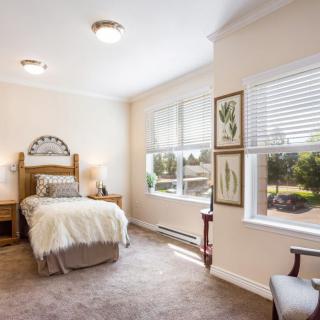
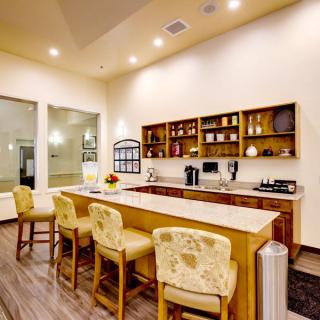
    Our community features various amenities to enhance the quality of life for our residents. Each room is equipped with cable or satellite TV, telephone, and Wi-Fi/high-speed internet access. Residents can enjoy outdoor space in our garden area or relax in the dining room for meals with fellow residents.

    We also prioritize mental wellness and social engagement through scheduled daily activities. Whether it's participating in group games or attending outings to nearby cafes, parks, restaurants, theaters, or pharmacies, there are plenty of opportunities for residents to stay active and connect with others.

    Transportation arrangements are available for medical needs or doctor's appointments to ensure that residents have access to necessary healthcare services. With 44 physicians and 5 hospitals located nearby, residents can feel confident that their medical needs will be met promptly.

    Rampart Home Assisted Living strives to create a warm and welcoming community where seniors can receive personalized care while enjoying an enriching lifestyle. Contact us today to learn more about our assisted living community in Boise, ID.

    Nearby Places of Interest

    Physicians

    • Foot Professional (0.3 miles)
    • Saint Luke's Clinic (0.6 miles)
    • House of Hearing Audiology Clinic (1.1 miles)
    • Omega (1.3 miles)
    • Strong Janet, NP (1.3 miles)
    • Cole Diagnostics (1.4 miles)
    • Directional Hearing Aid Service (1.5 miles)

    Pharmacies

    • Fred Meyer Pharmacy (0.4 miles)
    • CVS Pharmacy (1.4 miles)
    • Walgreens (1.5 miles)
    • Albertsons Pharmacy (1.5 miles)
    • Walgreens (1.8 miles)
    • Albertsons Pharmacy (2 miles)
    • Med Now Pharmacy (2.1 miles)

    Restaurants

    • Jack In The Box (0.4 miles)
    • McDonald's (0.7 miles)
    • Burger King (1.7 miles)
    • Jack In The Box (1.8 miles)
    • Sonic Drive-In (1.8 miles)
    • Wendy's (1.9 miles)
    • Applebee's (2 miles)

    Cafes

    • Starbucks (1.3 miles)
    • Starbucks (1.5 miles)
    • Dutch Bros Coffee (1.8 miles)
    • Push and Pour (2.1 miles)
    • Western Collective (2.1 miles)
    • The Human Bean (2.3 miles)
    • Starbucks (2.5 miles)

    Parks

    • Willow Lane Athletic Complex (1.3 miles)
    • Esther Simplot Park (2.2 miles)
    • Elm Grove Park (2.8 miles)
    • Fairview Park (2.9 miles)
    • Kathryn Albertson Park (3 miles)
    • Dog Island (3.2 miles)

    Hospitals

    • The Caughlin Clinic (2 miles)
    • Surgical Care Affiliates (2.1 miles)
    • Intermountain Hospital Otptnt (2.2 miles)
    • Southwest Idaho Advanced Care Hospital (2.6 miles)
    • Primary Health Urgent Care (2.9 miles)

    Theaters

    • Regal Edwards Boise & IMAX (3.5 miles)

    Frequently Asked Questions

    Where is Rampart Home Assisted Living?

    Nearby Communities

    Related Resources

    • active senior livingVibrant Senior Living: A Comprehensive Guide for Active Older Adults

      Vibrant Senior Living emphasizes active senior living communities that promote independence and engagement through diverse amenities and activities, fostering wellness and social interaction among older adults. These communities range from independent to assisted living, with a focus on personal growth, family involvement, financial planning, and leveraging technology to enhance residents' experiences.

    • when to move from assisted living to memory careWhen to Transition from Assisted Living to Memory Care: Key Indicators, Steps, and Finding the Right Community

      Transitioning from assisted living to memory care is driven by an individual's cognitive decline and specific needs, requiring careful evaluation of indicators like increased confusion and wandering. The process involves consulting medical professionals, researching suitable communities, considering financial and legal aspects, and ensuring effective communication for personalized care plans.

    • assisted living vs memory careAssisted Living and Memory Care: Understanding Their Core Differences

      Assisted living provides moderate support for seniors seeking independence, while memory care offers specialized support for individuals with dementia or cognitive impairments through structured routines and trained staff. Key differences include care approaches, environment security measures, staff training levels, activity types, and cost considerations.


    Get Pricing Ask A Question Schedule A Tour Contact Senior Advisor