
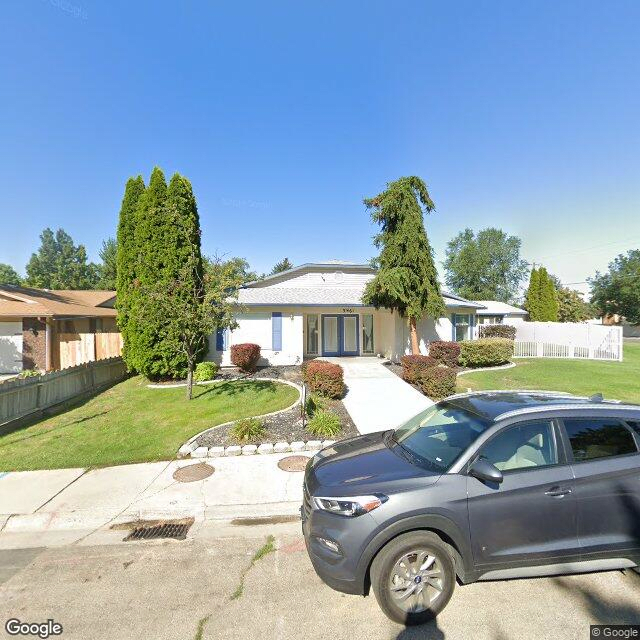
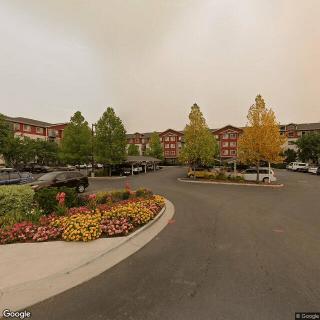
3961 Elgin Way, Boise, ID 83713
For more information about senior living options: (866) 208-4318
Ashley Manor Care Centers - Elgin Way Costs & Pricing
Ashley Manor Care Centers - Elgin Way offers competitive pricing for its services, positioning itself as an appealing option in the Elgin Way area. For semi-private accommodations, residents can expect a monthly fee of $3,000, which is slightly above the state average of $3,026 and comparable to Ada County's rate of $2,996. Similarly, studio units at Ashley Manor are priced at $3,500 - slightly higher than both Ada County's average of $3,387 and Idaho's overall average of $3,213. This pricing strategy reflects the center's commitment to providing quality care while maintaining a value-driven approach within the local market.
| Floor plans | Ashley Manor Care Centers - Elgin Way | Ada County | Idaho |
|---|---|---|---|
| Semi-Private | $3,000 | $2,996 | $3,026 |
| Studio | $3,500 | $3,387 | $3,213 |
Memory care communities with a similar price nearby
-
from -$247 / mo

Garden Plaza of Valley View
$2,753 to $4,358 / month3.2 miles away -
About the same

Ashley Manor - Orchard
$3,000 to $3,500 / month5.5 miles away -
About the same
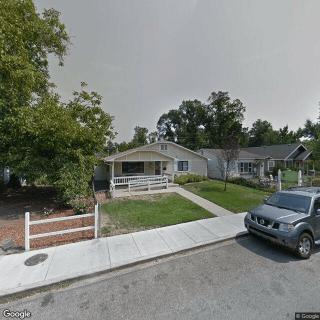
Ashley Manor - Hyde Park
$3,000 to $3,500 / month5.8 miles away -
About the same

Overland Court Senior Living
$2,930 to $3,530 / month3.3 miles away -
from +$300 / mo

Veranda at Paramount
$3,300 to $5,000 / month4.4 miles away
Overall Review of Ashley Manor Care Centers - Elgin Way
Pros
 The house is cute and has an amazing decorated board for each holiday and season.
- The environment is very friendly and home-like, making it feel like home for loved ones.
- The staff treats each resident like family.
- The facility takes great care of its residents and has been supportive during challenging times.
- Jeanie and Shebi are blessings to the facility and its residents.
- The facility is small and home-like, creating a warm, extended-family atmosphere.
- The director is friendly and communicative, and the staff are helpful in the admissions process.
- The food is good and the staff are friendly, and the location allows easy visits.
Cons
 The facility was small (10 residents) and did not have enough personnel to provide all the services needed for the resident's care.
- The reviewer moved the resident to a larger facility because the smaller one lacked sufficient staff to provide adequate care.
Review
Ashley Manor Care Centers – Elgin Way in Boise is best suited for families seeking a small, homey setting where staff cultivate a true family atmosphere. It fits seniors who value regular, personal attention, frequent contact with caregivers, and easy, welcoming visits from loved ones. The environment rewards residents who thrive on familiar routines, warmth, and a strong sense of belonging rather than a bustling campus with extensive amenities. Those with advanced medical needs or a high demand for constant supervision should consider alternatives with larger staffing and broader service lines.
The standout strengths are the intimate, home-like feel and the people who make up the community. The small footprint, often described as a house with around ten residents, contributes to a cozy, predictable daily rhythm and a sense that residents are not just a room number. Decor and holiday touches reinforce a cheerful, family-centered vibe. Staff consistently earns praise for treating residents like family, which translates into meaningful daily interactions and a perception that each person is seen as an individual. The director’s approachable, communicative style helps families feel informed and confident about the care plan from day one.
However, the same small scale that creates comfort also imposes practical limits. Several reviews flag staffing as the limiting factor when needs are more intensive. In particular, one account notes that despite the positive atmosphere, the facility lacks enough personnel to deliver all services a resident may require, prompting a move to a larger center with more robust coverage. Food and overall friendliness are appreciated, but they do not fully offset the reality of a thinner care team and a narrower array of services. A single low rating underscores that expectations can outpace what a tiny operation can reliably provide.
Where Ashley Manor earns its keep is in the culture and relationships, which can significantly reduce family stress and improve a resident’s sense of belonging. For families prioritizing a smooth transition, hands-on admission support, and ongoing companionship, these advantages can translate into real emotional and social benefits for the resident. The community’s approach tends to favor presence and interaction over a broad menu of specialized therapies, which can be precisely what some seniors need to stay engaged and content. In practice, the intimate setting often means more consistent, affectionate care, particularly for residents who draw strength from predictable, familiar routines.
Given the reviews, those needing more robust medical oversight or a fuller activity and therapy slate should carefully weigh alternatives. A larger center nearby with more staff and a broader range of clinical services would be a prudent choice for residents requiring frequent assistance with daily living, complex nursing tasks, or specialized memory-care supports. The Boise location’s proximity is a real asset for families who want frequent, hands-on involvement, but proximity cannot compensate for persistent staffing gaps over time. Consider the trajectory of care when evaluating fit, not just the initial impression.
Practical decision guidance is essential. Start with a thorough visit focused on daily rhythms, how shifts are staffed, and how care plans are executed in real life. Request a transparent view of current activity calendars, meal options, and the process for escalating medical concerns on nights and weekends. Ask about transition plans should care needs increase, and seek references from families with residents at similar levels of independence. If the resident prizes a close-knit, home-like atmosphere and requires moderate assistance with daily living, Ashley Manor Elgin Way can be a strong, emotionally validating choice. If those needs lean toward intensive nursing, complex medical supervision, or a richer program slate, explore alternatives that can reliably meet higher care demands.
 10 resident community capacity
 Assisted Living
 Board and Care Home
 Memory Care
 Cable or satellite TV
 Dining room
 Fully furnished
 Garden
 Housekeeping services
 Move-in coordination
 Outdoor space
 Respite or short term stays offered
 Telephone
 Wi-Fi/high-speed internet available
 Boise Air Terminal (7 miles away)
 24-hour supervision
 Activities of daily living assistance
 Assistance with bathing
 Assistance with dressing
 Assistance with transfers
 Diabetes diet
 Meal preparation and service
 Medication management
 Special dietary restrictions
 Transportation arrangement (medical)
 Transportation to doctors appointments



 22 Remarkable Caregiver Support Groups Available Online and In-Person
 Understanding Medicaid Coverage for Assisted Living: A Comprehensive Guide
 How and When Medicaid May Cover Assisted Living Costs