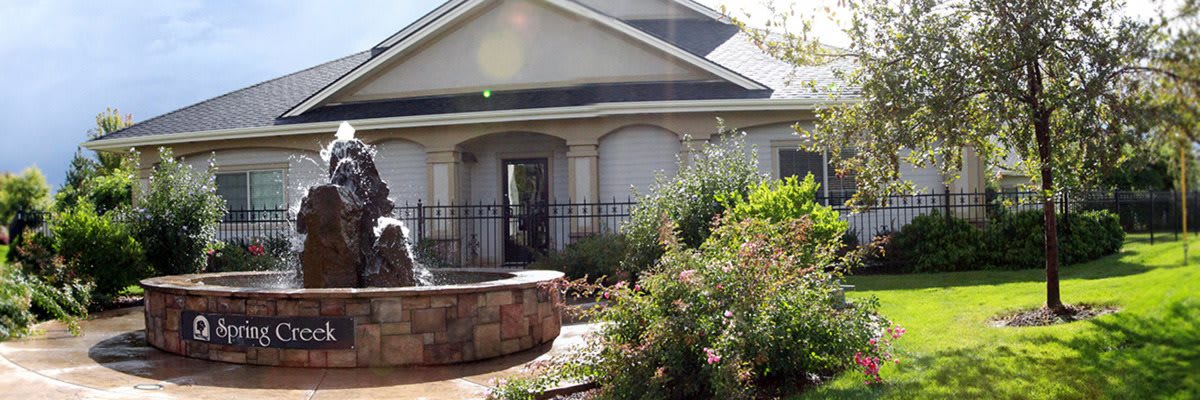
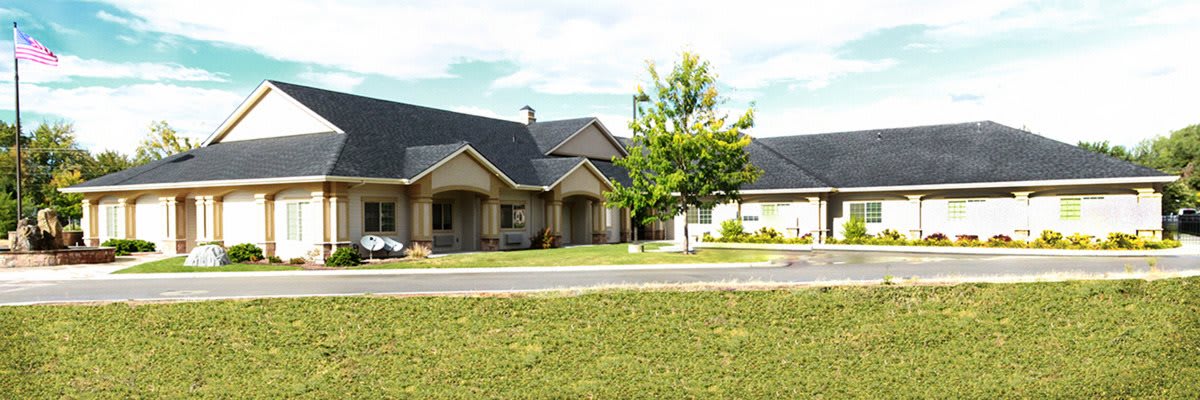
10681 McMillan, Boise, ID 83713
To contact a resident: (208) 954-5660
For more information about senior living options: (866) 208-4318
Spring Creek Boise Costs & Pricing
Spring Creek Boise offers competitive pricing for its residential accommodations when compared to both Ada County and the broader state of Idaho. For semi-private rooms, the monthly cost is set at $3,125, which, while slightly higher than Ada County's average of $2,996 and Idaho's average of $3,026, reflects the premium services associated with Spring Creek. Studio apartments are priced at $4,625; again, this figure surpasses both local ($3,387) and state averages ($3,213), suggesting a focus on enhanced living standards and amenities. Finally, the one-bedroom units come in at $5,775 - significantly above Ada County's average of $3,691 and Idaho's average of $3,774. While these prices may initially seem higher than regional norms, they likely encompass quality care and a range of upscale facilities that contribute to an overall enriching living experience for residents.
| Floor plans | Spring Creek Boise | Ada County | Idaho |
|---|---|---|---|
| Semi-Private | $3,125 | $2,996 | $3,026 |
| Studio | $4,625 | $3,387 | $3,213 |
| 1 Bedroom | $5,775 | $3,691 | $3,774 |
Memory care communities with a similar price nearby
-
from +$575 / mo
Swan Falls Assisted Living
$3,700 to $3,900 / month11.3 miles away -
from -$372 / mo

Garden Plaza of Valley View
$2,753 to $4,358 / month3.4 miles away -
from -$125 / mo

Ashley Manor - Orchard
$3,000 to $3,500 / month5.7 miles away -
from -$125 / mo
Ashley Manor - Hyde Park
$3,000 to $3,500 / month5.7 miles away -
from -$195 / mo

Overland Court Senior Living
$2,930 to $3,530 / month3.8 miles away
Overall Review of Spring Creek Boise
Pros
 The staff provides daily, attentive care to residents.
- The staff is kind, caring, and empathetic.
- The facility is clean, comfortable, and home-like.
- Residents appear happy and content under their care.
- The dining room meals are good and comforting.
- The staff pays close attention to each resident and gets to know them.
- The facility feels like home and is spacious, with engaging activities.
- Taylor Davis and her team provide loving, exceptional care.
Cons
 One reviewer called the facility a horrible and horrific care facility, alleging elder abuse and that residents who couldn’t feed themselves were left to starve.
- They claimed the staff were understaffed and more interested in talking than helping residents, even ignoring a resident needing oxygen.
- They observed dirty clothes on residents and dried-out food, and stated they would not place a relative there.
- They asserted that a grandfather’s rights were trampled, including being told he could not see the NP and being forced to switch providers, which they called illegal.
- They described days with no staff in sight and overall scarce staffing.
- They criticized the hospice company recommended by the facility.
Review
Spring Creek Boise is best suited for families seeking a memory-care-forward community that also offers assisted-living support in a warm, home-like setting. The atmosphere emphasizes personal connections, with residents often described as well cared for by attentive staff who know their routines and preferences. A robust activity calendar, responsive dining experiences, and a sense of daily purpose are common in many positive narratives, making it a compelling option for memory-care residents who benefit from structured day-to-day engagement and careful, neighborly caregiving.
Those considering alternatives should note that this community may not be the right fit for every situation. If the priority is ironclad staffing consistency and a medical model with extremely tight oversight, other options may be preferable. Several accounts point to intermittent staffing gaps or variability in aide availability, which can affect responsiveness. Additionally, serious concerns have been raised by some families about care quality, resident rights, and conflicts around outside medical providers. For families prioritizing absolute, problem-free operation, exploring other communities could be prudent, especially if proximity or cost are secondary considerations.
The strongest offset to these potential drawbacks lies in the core strengths repeatedly highlighted by residents and families: a genuinely caring workforce and a welcoming environment. When staff forms meaningful connections, residents tend to participate more in activities, engage with meals, and display improved mood and vitality. Cleanliness and comfort are frequently cited as standout features, and the dining program often receives praise for tasting like home-cooked meals. Leadership, particularly in memory-care-focused settings, emerges as a critical factor in shaping daily life; in many reviews, dedicated staff and thoughtful engagement translate into a sense of security and belonging.
Still, the record includes troubling voices. At least one review describes severe neglect and abuse concerns, including starvation and delays in assistance, while another volunteer account documents visible staffing gaps and slow responses. Observations about dirty clothing or meals that feel stale at times raise legitimate questions about consistency in care quality. Stories about restrictions on access to outside medical providers or interpreter-like policy tensions add further caution. These episodes are not universal, but they are meaningful red flags that require prospective families to probe directly during tours and to seek recent, verifiable quality metrics.
That said, credible leadership and documented moments of genuine care provide a meaningful counterbalance. The presence of strong advocates and leaders, often cited is a standout administrator or caregiver who inspires trust, can shape a facility’s culture toward accountability and warmth. Prospective residents should push for candid conversations about staffing levels by shift, dementia-specific training, and how care plans are coordinated with families and external providers. Tour insights, direct questions about how memory-care protocols are implemented, and recent input from current residents can reveal how consistently those positive threads translate into everyday practice.
In the end, Spring Creek Boise offers a practical, personable option for families prioritizing a memory-care environment with attentive caregivers and meaningful activities. It is well suited to those who value personal relationships, a homey atmosphere, and active daily engagement as central to quality of life. It may be less suitable for families needing unwavering staffing reliability, ultra-tight clinical governance, or a care model with minimal risk of negative anecdotes. A deliberate tour, frank discussions with leadership, and a review of current resident experiences will determine whether this community aligns with care goals, budget, and expectations for safety and oversight.
 Day Program
 Memory Care
 Bath tubs
 Beautician on-site
 Devotional services on-site
 Indoor common areas
 Outdoor common areas
 Respite or short term stays offered
 Wheelchair accessible showers
 Boise Air Terminal (7 miles away)
 Ambulatory care
 Diabetic care
 Incontinence care
 Medication management
 Meals provided




 Illuminating Insights About Alzheimer's Disease: Ten Crucial Realities
 A Thorough Discussion of Medications Potentially Linked to Dementia Risk
 Why Do Dementia Patients Sleep So Much? Understanding Oversleeping, Stages, and Care Approaches