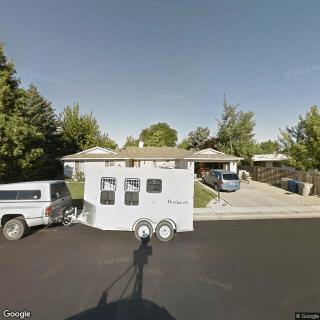
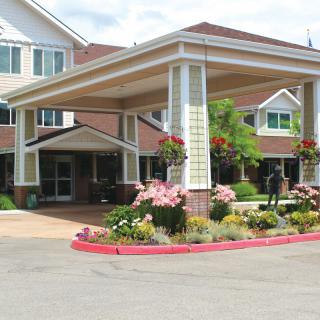
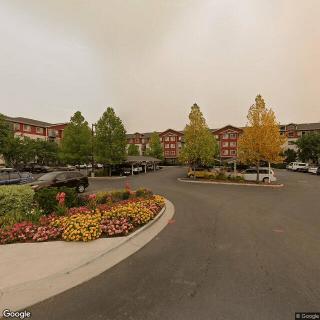
Edgewood Spring Creek Boise

10681 West Mc Millan Road, Boise, ID 83713

For more information about senior living options: (844) 490-3973

3.5 from 13 reviews
5 stars
7
4 stars
1
3 stars
0
2 stars
1
1 stars
4

Assisted Living Board and Care Home

Overall Review of Edgewood Spring Creek Boise

Pros

  • pro The staff took really good care of her in her final days.
  • pro The staff were understanding and supportive, even during late-night visits.
  • pro The staff, including Nicole, Amanda, Bailey, and Sabine, provide attentive daily care.
  • pro The staff were kind and caring during the 2 1/2 years of residence.
  • pro They are a good place for memory care.
  • pro The staff are really nice, and the facility is clean and comfortable.
  • pro The staff are extremely caring and empathetic.
  • pro The facility has a clean, comfortable atmosphere.
  • pro The dining room food is quite good.
  • pro Many residents seem happy and content.
  • pro Taylor Davis and her staff are accomplished and caring.
  • pro The care at Taylor's facility is loving and exceptional.
  • pro The meals taste wonderful, like home cooking.
  • pro The staff truly love each and every resident.

Cons

  • pro The facility was described as a horrible and horrific care facility, with aides who would rather chat than feed residents and alleged abusive conditions.
  • pro A reviewer warned not to send a loved one there, reporting elder abuse and repeated state complaints.
  • pro The hospice company recommended by the facility drew negative reviews from another commenter.
  • pro The facility was said to be understaffed at times, with days when no staff were in sight.
  • pro A visitor noted that residents' clothes were dirty and the food was dried out.
  • pro A family member claimed my grandfather's rights were trampled, involving a forced change of provider and alleged illegal violations.

Review

Families and visitors recount a wide range of experiences at the care community, spanning moments of heartfelt gratitude, steady reassurance, and grave concerns about safety and quality of care. Several writers begin by expressing deep gratitude for the way their loved ones were treated in their final days, noting acts of kindness that provided comfort during vulnerable times. One account thanks the staff for "really good care" during her grandmother's last days and specifically appreciates not being met with trouble when visiting at odd hours, even at 2 a.m. on her birthday. The message is filled with warmth for the people who showed patience, compassion, and dedication when it mattered most.

Another tribute highlights specific individuals who made a difference in daily life for a resident. The writer thanks Nicole, Amanda, Bailey, Sabine, and the rest of the staff for the daily care provided to her mother, underscoring the personal connection and dependable support that she saw every day. The tone is intimate and grateful, underscored by a heartfelt "??" and the signature, Cynthie, who frames the care as something that extended beyond routine tasks to genuine concern for her mother's wellbeing.

There are also reflections on longer-term residence and the overall character of memory care within the facility. One reviewer notes that her mother lived there for two and a half years, praising the kindness and care of the staff and recommending the memory-care environment. There is, however, a caveat: while the reviewer would recommend the place for memory care, she would not necessarily want to combine it with the level of assisted living that her mother needed. The critique is tempered by the recognition that the hospice company recommended to them was the source of the only significant complaint, suggesting that the quality of care can be variable depending on services connected to the facility.

A slightly broader positive picture emerges from another guest who has observed steady improvement and satisfaction over time. The reviewer says their mother has been there for a while and that the facility remains "great." They describe the staff as really nice and the environment as clean and comfortable. This perspective emphasizes consistency, warmth in interactions, and a calm atmosphere that supports daily living.

In contrast, several entries present a more troubled view, detailing serious concerns about understaffing, neglect, and even elder abuse. One highly critical account describes "horrible and horrific care," alleging instances where patients who could not feed themselves were left to starve, with aides reportedly more interested in talking than helping. The reviewer claims their mother died under what they describe as abusive conditions, and they say they contacted the state multiple times with ongoing concerns. This is presented as a stark warning about patient safety and the institutional response, and it is framed as a warning not to place a loved one in the facility.

A related narrative from a volunteer caregiver adds to the concerns with a firsthand account of what was observed on a particular day. The volunteer, visiting with St. Mark's Catholic Church, describes extended periods when no aides were in sight, with residents showing signs of distress and limited access to oxygen. The staff who were present seemed distracted or inattentive, focusing on lotioning their arms rather than tending to a resident in need. The volunteer reports feeling compelled to leave the building before stating anything more that might be said in the moment, underscoring concerns about staffing levels, vigilance, and timely responses to residents' needs.

Other voices recount noticeable declines since before the pandemic. An account describes a shift from "staff everywhere" to "staff scarce but mostly helpful" and then to a day with no staff visible at all. The same writer notes that residents' clothes were dirty and food was dry by 9:30 in the morning, strongly suggesting lapses in basic daily care and nutrition. This reviewer stresses that such conditions would deter them from placing a relative there, reinforcing a narrative of deteriorating standards and missed expectations.

There is also a procedural grievance regarding residents' rights and medical care choices. One family states that their grandfather's rights were trampled when he was moved away from the nurse practitioner he had been seeing and steered toward a provider contracted with the Spring Creek company, apparently for financial reasons. The family contends this move violated known rules about visitation and the right to retain outside physicians, and they vow to file a formal complaint with the state. This account frames the issue as a legal and ethical violation that goes beyond day-to-day care into the realm of residents' rights and informed consent.

Against the backdrop of mixed experiences are several glowing tributes to a single individual whose influence stands out for many families. Taylor Davis is repeatedly celebrated as a cornerstone of compassionate care, with multiple writers expressing profound gratitude for her leadership. One heartening narrative describes Taylor as a "blessing" to residents and staff, noting that her dedication is visible in both daily actions and the prompt responses to questions and requests. Her residents affectionately echo the sentiment, with a husband saying, "I love them and they really love me," which reinforces the sense that Taylor's care creates a loving, reciprocal relationship between staff and residents.

Complementing those high-spirited commendations, other reviews celebrate the overall culture of the facility. A writer proclaims: "I love this place!! They truly and wholeheartedly love each and every resident." They describe the environment as clean and happy, with residents actively participating in daily activities and enjoying meals that taste like home cooking. The recurring themes are warmth, cleanliness, engagement, and a sense that the dining, activities, and social atmosphere contribute to residents' quality of life.

In sum, the collective impressions of the community present a nuanced portrait: moments of extraordinary compassion, personalized attention, and dedicated leadership sit alongside stark warnings about understaffing, neglect, and violations of residents' rights. The facility is praised for its cleanliness, welcoming dining experiences, and an atmosphere of care centered on the people who live there. At the same time, several accounts urge vigilance and accountability, highlighting the need for adequate staffing, consistent oversight, and adherence to residents' rights and safety standards. The thread that ties these views together is a conviction that compassionate, attentive care - especially from standout leaders like Taylor Davis - can make a profound difference in the lives of residents and their families, while lapses in staffing and governance can have serious and lasting consequences.

Features

Housing

  • 22 resident community capacity 22 resident community capacity

Types of Care

  • Assisted Living Assisted LivingAssisted living facilities provide crucial support and care for seniors who may need help with daily tasks such as medication management, bathing, and meal preparation. These communities offer a safe and comfortable environment where seniors can maintain their independence while receiving the assistance they need to thrive in their golden years.
  • Board and Care Home Board and Care HomeBoard and care homes provide a smaller, more intimate setting for seniors who require assistance with daily tasks but do not need the level of care offered by a nursing home. They offer personalized care, meals, and social activities in a homelike environment, ensuring that seniors receive individualized attention and support in their golden years.

Amenities

  • Beauty salon Beauty salonBeauty salons are important for seniors because they provide a space for them to feel pampered, socialize, and maintain their personal grooming and hygiene. Regular visits to a beauty salon can help boost seniors' self-esteem and overall well-being.
  • Cable or satellite TV Cable or satellite TVCable or satellite TV is important for seniors because it provides entertainment, news, and companionship, helping to combat loneliness and boredom. It also offers a wide range of programming options tailored to different interests and preferences.
  • Dining room Dining roomDining rooms are important for seniors as they provide a space for socialization, connection, and nutritious meals. They offer opportunities for residents to bond over shared meals, foster a sense of community, and promote healthy eating habits. Dining rooms also ensure that seniors have access to well-balanced meals tailored to their dietary needs and preferences.
  • Fully furnished Fully furnishedFully furnished senior living communities are important for seniors because they provide convenience, comfort, and a hassle-free moving experience. Seniors can easily settle into their new living space without the stress of having to buy and move furniture. This allows them to focus on enjoying their new home and community.
  • Garden GardenGardens are important for seniors as they provide a peaceful and therapeutic environment for relaxation, physical activity, and socialization. Being in nature has been shown to reduce stress, improve mood, and promote overall well-being. Gardens also offer opportunities for seniors to engage in gardening activities, which can improve mobility, flexibility, and cognitive function. Additionally, gardens create a sense of community and connection with others who share a passion for plants and outdoor spaces.
  • Housekeeping services Housekeeping servicesHousekeeping services are important for seniors because they help maintain a clean and safe living environment, promote independence, and reduce the risk of accidents or illnesses. Additionally, having assistance with household chores can alleviate physical strain and allow seniors to focus on other aspects of their well-being.
  • Kitchenette KitchenetteKitchenettes are important for seniors living in senior living communities because they provide the convenience and independence of being able to prepare simple meals and snacks in the comfort of their own living space. This can help promote a sense of autonomy and well-being for seniors, allowing them to maintain some level of control over their dietary choices and daily routines.
  • Move-in coordination Move-in coordinationMove-in coordination is important for seniors because it helps ease the transition into their new living environment. It ensures that all logistics, such as packing, organizing movers, and setting up utilities are taken care of, allowing seniors to focus on settling in and adjusting to their new home. Having a smooth move-in process can alleviate stress and anxiety, making the transition smoother and more enjoyable for seniors.
  • Outdoor space Outdoor spaceOutdoor spaces are important for seniors as they provide opportunities for physical activity, social interaction, exposure to natural light and fresh air, and a sense of connection to nature. Having access to outdoor spaces can improve overall well-being and quality of life for older adults living in senior communities.
  • Telephone TelephoneTelephones are important for seniors as they provide a lifeline for communication with loved ones, emergency services, and healthcare providers. They offer a sense of security and independence, enabling seniors to stay connected and access assistance when needed.
  • Wi-Fi/high-speed internet available Wi-Fi/high-speed internet availableWi-Fi/high-speed internet is important for seniors to stay connected with loved ones, access online resources, and participate in virtual activities to combat feelings of loneliness and isolation. It also allows them to easily manage healthcare needs, access entertainment, and engage in lifelong learning opportunities.

Transportation

  • Boise Air Terminal (7 miles away) Boise Air Terminal (7 miles away)

Care Services

  • 24-hour call system 24-hour call system24-hour call systems are important for seniors because they provide peace of mind and immediate assistance in case of emergencies. This technology ensures that help is always available, promoting safety and security for elderly individuals living alone or in assisted living facilities.
  • 24-hour supervision 24-hour supervision24-hour supervision is important for seniors to ensure their safety, well-being, and access to immediate assistance in case of emergencies or health issues. This constant support provides peace of mind for both seniors and their loved ones, allowing them to age in place with dignity and security.
  • Activities of daily living assistance Activities of daily living assistanceActivities of daily living assistance are important for seniors because they provide essential support with tasks such as eating, bathing, dressing, and mobility. This assistance helps seniors maintain their independence, dignity, and overall quality of life as they age.
  • Assistance with bathing Assistance with bathingAssistance with bathing is crucial for seniors as it helps maintain personal hygiene, prevents infections, and ensures their overall well-being and comfort. It also provides a sense of dignity and independence for seniors who may struggle with this task on their own.
  • Assistance with dressing Assistance with dressingAssistance with dressing is important for seniors because it helps maintain their independence, promotes personal hygiene, prevents accidents and injuries, and improves overall quality of life. This service ensures that seniors can continue to dress comfortably and confidently, despite any physical limitations they may have.
  • Assistance with transfers Assistance with transfersAssistance with transfers is crucial for seniors as it helps prevent falls and injuries, maintains their independence, and ensures they can safely navigate their living environment. It also provides peace of mind for both seniors and their loved ones.
  • Coordination with health care providers Coordination with health care providersCoordination with health care providers is crucial for seniors to ensure proper medical care, medication management, and overall well-being. This collaboration helps prevent overlapping treatments, track progress more effectively, and provide comprehensive support tailored to individual needs.
  • Diabetes diet Diabetes dietA diabetes diet is crucial for seniors as it helps manage blood sugar levels, reduce risks of complications, and improve overall health and well-being. By following a balanced and nutritious diet tailored to their specific needs, seniors can better control their diabetes and enhance their quality of life.
  • Meal preparation and service Meal preparation and serviceMeal preparation and service are crucial for seniors as they may have limited mobility or energy to cook nutritious meals. Having access to healthy and convenient food options can ensure they are getting the proper nutrition needed to maintain their overall health and well-being.
  • Medication management Medication managementMedication management is crucial for seniors to ensure they are taking the right medications at the correct dosages and times. This helps prevent adverse drug interactions, reduces the risk of medication errors, and promotes overall health and well-being. Proactive management also allows for adjustments as needed based on changing health conditions or new prescriptions.
  • Mental wellness program Mental wellness programMental wellness programs are essential for seniors as they promote cognitive stimulation, emotional support, and social engagement. These programs help prevent isolation, depression, and cognitive decline, ultimately enhancing the overall quality of life for older adults.
  • Special dietary restrictions Special dietary restrictionsSpecial dietary restrictions are important for seniors because age-related changes in metabolism and health conditions can make it difficult for their bodies to process certain foods. By following a diet tailored to their specific needs, seniors can maintain their overall health and well-being, manage chronic conditions, and reduce the risk of complications such as malnutrition or food interactions with medications.
  • Transportation arrangement (medical) Transportation arrangement (medical)Transportation arrangements for medical purposes are essential for seniors as they may have difficulty driving themselves to appointments or accessing public transportation. Having reliable and safe transportation options ensures that seniors can receive timely medical care and maintain their health and well-being.
  • Transportation to doctors appointments Transportation to doctors appointmentsTransportation to doctors' appointments is crucial for seniors as it ensures they have access to necessary medical care and support for their health needs. Without reliable transportation, seniors may struggle to attend important appointments, leading to potential delays in treatment and health complications. Providing transportation services helps seniors maintain their overall well-being and quality of life.

Dining

  • Diabetes diet Diabetes dietA diabetes diet is crucial for seniors as it helps manage blood sugar levels, reduce risks of complications, and improve overall health and well-being. By following a balanced and nutritious diet tailored to their specific needs, seniors can better control their diabetes and enhance their quality of life.
  • Special dietary restrictions Special dietary restrictionsSpecial dietary restrictions are important for seniors because age-related changes in metabolism and health conditions can make it difficult for their bodies to process certain foods. By following a diet tailored to their specific needs, seniors can maintain their overall health and well-being, manage chronic conditions, and reduce the risk of complications such as malnutrition or food interactions with medications.

Activities

  • Community-sponsored activities Community-sponsored activitiesCommunity-sponsored activities are important for seniors as they provide opportunities for social interaction, mental stimulation, and physical activity. These activities can help improve overall well-being, combat loneliness and isolation, and promote a sense of belonging and purpose among older adults.
  • Scheduled daily activities Scheduled daily activitiesScheduled daily activities are important for seniors because they provide structure, socialization, mental stimulation, and physical activity. Engaging in regular activities can improve overall well-being and quality of life for seniors living in a community setting.

Description

Edgewood Spring Creek Boise is a board and care home located in Boise, ID. Our community offers a comfortable and supportive environment for individuals who require assistance with daily living activities.

Residents at Edgewood Spring Creek Boise are provided with fully furnished accommodations equipped with amenities such as cable or satellite TV, Wi-Fi/high-speed internet, and a telephone. Our community also features a dining room where nutritious meals are prepared and served to accommodate special dietary restrictions. Housekeeping services ensure that the living spaces remain clean and organized.

Our dedicated staff provides 24-hour supervision and assistance with activities of daily living, including bathing, dressing, and transfers. We work closely with health care providers to coordinate medical needs and medication management for our residents. A mental wellness program is also available to support emotional well-being.

At Edgewood Spring Creek Boise, we understand the importance of staying active and engaged. Therefore, we offer scheduled daily activities to promote socialization and stimulate the mind. Outdoor spaces such as gardens provide opportunities for residents to enjoy nature.

Conveniently located near several amenities, our community has 6 cafes, 2 parks, 15 pharmacies, 56 physicians' offices, 13 restaurants, and 8 hospitals nearby. Transportation arrangements can be made for medical appointments.

Edgewood Spring Creek Boise is committed to providing a caring environment where residents feel supported and comfortable. Contact us today to learn more about how our board and care home can meet your loved one's needs.

Nearby Places of Interest

Pharmacies

  • Walgreens (0.9 miles)
  • Mirgen Pharmaceutical (1.4 miles)
  • Albertsons Pharmacy (1.9 miles)
  • Sav-On Pharmacy (1.9 miles)
  • Fred Meyer Pharmacy (2 miles)
  • Walgreens (2.2 miles)
  • Walgreens (2.2 miles)

Restaurants

  • Sonic Drive-In (1 miles)
  • McDonald's (1.7 miles)
  • California Mexican Foo (2 miles)
  • Sonic Drive-In (2.1 miles)
  • Jack In The Box (2.2 miles)
  • Jack In The Box (2.3 miles)
  • Firehouse Subs (2.3 miles)

Physicians

  • Pediatric & Adolescent Center (1.6 miles)
  • DeBlieck Dermatology (1.6 miles)
  • House of Hearing Audiology Clinic (1.8 miles)
  • Cole Diagnostics (1.8 miles)
  • Goltry, VL, M.D. – E.N.T. Specialist – Head & Neck Surgeon (1.9 miles)
  • Saint Luke's Clinic (1.9 miles)
  • Primary Health Medical Group West Boise (2 miles)

Hospitals

  • Primary Health Urgent Care (2 miles)
  • St Luke's Imaging Center (2.3 miles)
  • St Lukes Family Health (2.3 miles)
  • Surgical Care Affiliates (2.7 miles)
  • Intermountain Hospital Otptnt (3.6 miles)
  • The Caughlin Clinic (3.7 miles)
  • Southwest Idaho Advanced Care Hospital (4 miles)

Cafes

  • Dutch Bros Coffee (2.7 miles)
  • The Human Bean (2.7 miles)
  • Starbucks (2.9 miles)
  • Starbucks (2.9 miles)
  • Starbucks (3.1 miles)
  • Starbucks (3.4 miles)

Parks

  • Reid Merrill Park (3.2 miles)
  • Willow Lane Athletic Complex (3.4 miles)

Frequently Asked Questions

Where is Edgewood Spring Creek Boise?

Nearby Communities

Related Resources

  • assisted living for disabled adultsComprehensive Residential Support and Assisted Living Solutions for Individuals with Disabilities

    The article examines the complexities of assisted living for individuals with disabilities, emphasizing the need for tailored care solutions that enhance quality of life and social inclusion, while addressing financial challenges and advocating for community integration. It discusses various housing options, the importance of financial assistance through public benefits, and highlights trends towards integrated and technology-driven solutions in disability-focused housing.

  • assisted living for disabled adultsComprehensive Supportive Living Arrangements for Adults with Disabilities

    Assisted living for adults with disabilities has transformed to provide personalized care and support services aimed at improving residents' quality of life while balancing independence and assistance. However, low-income individuals often face challenges in affording these services, requiring navigation of various financial resources and advocacy for better policies and solutions.

  • how to pay for assisted livingFunding and Affording Assisted Living: A Thorough Overview

    Assisted living facilities provide support for older adults needing help with daily activities without extensive medical care, but their costs can be high and vary by location and services offered. Families often seek various funding options and financial strategies to manage these expenses effectively while considering future needs and potential price increases.