
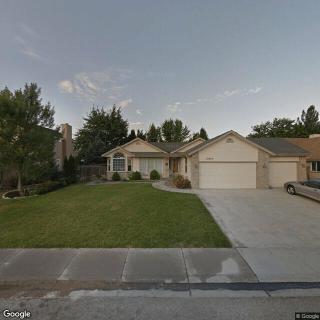
9910 West Pattie Drive, Boise, ID 83704
For more information about senior living options: (866) 208-4318
Overall Review of Jullion House Assisted Living
Pros
 Brooklyn House felt homey and the small group seemed like a good fit.
- Mom felt at home and Brooklyn House worked with her as her dementia grew.
- Kim and Daryl ensured she had someone with her in the hospital.
- The caregivers were kind, making Mom's last seven months comfortable.
- They are hoping to create a wonderful home for women.
- From the moment she arrived, the owner and staff went above and beyond to ensure her comfort, making the transition smooth and peaceful.
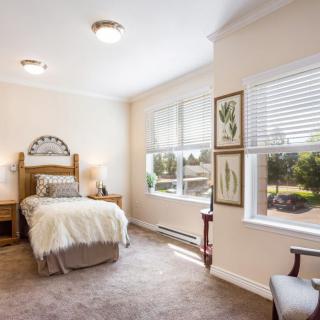
- They customized a beautiful room that felt comforting and like home.
- The level of care and personal attention was unparalleled.
- They treat her as a cherished member of their own family.
- The daughter felt immense peace of mind knowing she was well cared for.
- The owner is amazing, thoughtful, and incredibly considerate.
- The staff make residents feel safe, comfortable, and loved from day one.
Review
These Boise, Idaho reviews describe a small, family-owned, home-like assisted living option that excels for seniors who want personal attention, warmth, and dementia-capable care in a intimate setting. The testimonials emphasize a tight-knit, house-like atmosphere where residents are treated as cherished family members, not as numbers. This model rewards families seeking continuity, individualized room customization, and hands-on involvement from owners and staff. While the facility name in the reviews is Brooklyn House, the core strengths align with what families typically expect from a boutique, resident-centered community: accessible leadership, flexible care planning, and a culture built around comfort, safety, and dignity.
For families weighing alternatives, the key caveat is size and scope. Those who require a larger campus, more formal clinical staffing, or a broader continuum of care may prefer options with bigger medical teams and fixed programming. Communities with robust on-site nursing, extensive memory-care wings, or more expansive activity calendars can offer reassurance for families facing complex medical needs or a desire for a wide range of services under one roof. In short, the intimate, home-first model works best when the priority is personal connection and adaptive, dementia-aware care rather than institutional scale.
The strongest positives in these reviews, an undeniable home vibe, small resident groups, and staff who go the extra mile, generally outweigh potential downsides. The small scale enables rapid problem-solving, highly attentive caregiving, and a level of responsiveness that often feels missing in larger facilities. The ability to age in place, along with customized rooms and a culture that treats residents as family, creates meaningful peace of mind for families navigating progressive care needs. A stated commitment to being locally owned and operated reinforces reliability and a consistent care philosophy that percolates through daily interactions.
Care for memory concerns and evolving dementia appears to be a central strength. The staff’s willingness to adjust as dementia grows, the personalization of living spaces, and the sense that residents are genuinely known and valued all contribute to a sustainable sense of stability for both residents and their relatives. Instances where the owner and team coordinated hospital stays or made sure a loved one was never alone during a crisis underscore a hands-on ethos that is rare in larger settings. This model translates into clear decision advantages for families prioritizing dignity, familiarity, and continuity of care.
In practical decision terms, prospective families should probe staffing specifics, care-planning processes, and aging-in-place capabilities during visits. Ask how care plans adapt to cognitive changes, what on-site medical support exists, and how families participate in ongoing decisions. Request a tour during different times of day to gauge mood, interaction quality, and safety practices. Clarify what is included in rates, any additional fees for higher levels of memory care, and the policy on family involvement. Given the lone one-star review among seven, it is prudent to inquire about that experienc e directly to understand context and ensure expectations align with reality.
The bottom line is clear: for families seeking a warm, intimate, and attentive home-like environment in Boise, where staff pride themselves on treating residents as family and on aging-in-place for those with increasing care needs, this option stands out as a leading choice. It’s less about corporate polish and more about practical, compassionate stewardship of daily life and dementia-forward care. If a larger, more medically oriented campus or a tightly structured activity program is non-negotiable, alternatives should be explored. Otherwise, action should center on a hands-on visit to confirm fit, verify pricing, and ensure alignment with the family’s expectations for comfort, continuity, and close, proactive care.
 22 resident community capacity
 Assisted Living
 Board and Care Home
 Beauty salon
 Cable or satellite TV
 Dining room
 Fully furnished
 Garden
 Housekeeping services
 Kitchenette
 Move-in coordination
 Outdoor space
 Telephone
 Wi-Fi/high-speed internet available
 Boise Air Terminal (7 miles away)
 24-hour call system
 Activities of daily living assistance
 Assistance with bathing
 Assistance with dressing
 Assistance with transfers
 Diabetes diet
 Meal preparation and service
 Medication management
 Mental wellness program
 Special dietary restrictions
 Transportation arrangement (medical)
 Transportation to doctors appointments



 Beyond the Bingo Hall: 50+ Enriching Activities for Seniors in Assisted Living
 Understanding the Distinctions: Assisted Living and Memory Care Explained
 Guiding Elderly Parents Who Refuse Assisted Living: 6 Practical Steps