

45-552 Liula St, Kaneohe, HI 96744
To contact a resident: (808) 235-1637
For more information about senior living options: (866) 208-4318
Aida Care Home Costs & Pricing
Aida Care Home offers competitive pricing for its residential care services, with monthly costs that are generally lower than both Honolulu County and the broader state of Hawaii. For instance, both private and semi-private rooms are available at Aida Care Home for $4,000, which is significantly more affordable than the county rates of $4,664 and $4,228 respectively. Additionally, while Aida's one-bedroom and studio options are priced at $5,045 and $5,795 respectively, these figures still fall short of the average costs in Honolulu County. The two-bedroom option at Aida is similarly positioned at $6,198 compared to county averages that exceed this price point. Overall, Aida Care Home provides a cost-effective alternative for individuals seeking quality living arrangements in a nurturing environment within Hawaii's competitive market.
| Floor plans | Aida Care Home | Honolulu County | Hawaii |
|---|---|---|---|
| Semi-Private | $4,000 | $4,228 | $4,244 |
| Private | $4,000 | $4,664 | $4,689 |
| 1 Bedroom | $5,045 | $4,557 | $4,452 |
| Studio | $5,795 | $4,880 | $4,687 |
| 2 Bedrooms | $6,198 | $5,286 | $5,327 |
Senior living communities with a similar price nearby
-
from +$500 / mo

Home Instead - Kailua, HI
$4,500 / month3.9 miles away -
from +$525 / mo

The Plaza At Punchbowl
$4,525 to $8,675 / month6.6 miles away -
from +$747 / mo
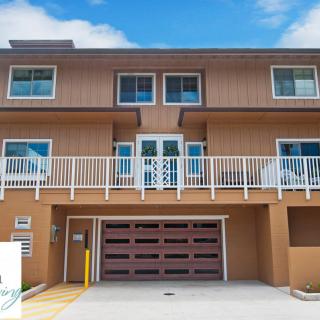
Wilson Senior Living Kailua
$4,747 to $9,900 / month4.1 miles away -
About the same

The Ivy Hawaii Kai
$4,095 to $6,595 / month9.0 miles away -
from -$500 / mo
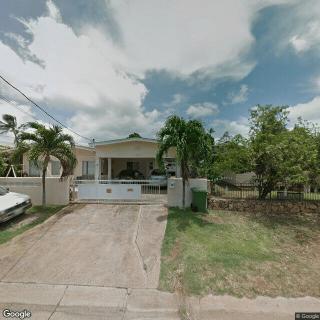
Leslie S Pascual Fostercare Home
$3,500 to $4,000 / month14.2 miles away
Overall Review of Aida Care Home
Pros
 The father is receiving top-notch care from Reina and Bobby.
- The family knew Pili Aloha was the right place from the moment they walked in.
- The owners, Bobby and Reina, treated Edna like royalty.
- Bobby and Reina are always available to answer questions and were very accommodating.
- The staff are very caring and take good care of the residents.
- The husband started eating again after moving to Pili Aloha.
- Nursing Home Partners found Pili Aloha for the family and vetted and reserved a spot for the husband, making the transition seamless.
- Aida and her daughters are very nice and accommodating to the father, and they are very patient with him.
Cons
 The father did not receive enough care or assistance at the Ivy, and his condition declined as a result.
- The Ivy instituted a private caregiver from 7am–6pm daily at an additional out-of-pocket cost.
- During a visit, barking from four dogs was unnerving, with lights off and residents silent and motionless.
- It was advised that the owner walk through before a visit and not allow an aide to lead the visit.
Review
This community is best suited for seniors who want an intimate, home-like environment in Kaneohe and families seeking direct access to a hands-on, family-run caregiving team. Aida Care Home operates as a small, cottage-style setting where care is delivered by a close-knit team, with the owners and their family visibly involved in day-to-day support. Reviewers consistently describe top-tier, attentive care, especially for residents who round into higher needs but still benefit from personal attention and immediate access to those delivering care. For families wary of impersonal institutional care, this model feels like a reassuring, hands-on alternative where caregivers know residents by name, routines, and preferences.
This is not the right fit for every situation. Residents who need ongoing, high-acuity medical oversight, specialized memory care, or the broad programming found in larger campuses may want alternatives. The small scale inherently limits access to formal clinical services and a wide array of activities, so those seeking a bustling activity calendar or extensive on-site medical staff may find this setting insufficient. Additionally, pet presence and the occasional environmental variance noted by reviewers suggest that some families may prefer a more controlled or quieter atmosphere, or a facility with stricter maintenance and policy enforcement.
The strongest pro-modern, practical advantage is the personal, responsive care model. The intimate size keeps staff-to-resident interactions meaningful, with care plans that feel customized rather than generic. Families report caregivers who know residents’ routines, appetites, and habits, an element that translates into better daily functioning, such as improved eating and more consistent, comforting support. The owners’ direct involvement ensures questions are answered quickly and concerns are addressed with a constructive, hands-on approach. This is the core value proposition: a warm, accountable environment where decisions and adjustments happen in real time.
However, the environment can present occasional gaps. A minority of feedback points to issues during visits, including barking dogs and moments of less-than-ideal maintenance (dim lighting, a wet floor in a bathroom). While not representative of the overall experience, these signals matter: they underscore the need for ongoing, visible attention to daily safety, cleanliness, and a plan for pet interactions. Another practical caveat is that in a small home, the range of social programs and formal activities may be narrower than what larger facilities offer, which can matter for residents who crave a busier, more varied day.
The balance of pros and cons, in practical terms, favors families who value authentic, compassionate caregiving delivered with direct family involvement. The care quality and continuity, traits highly prized by those navigating the transition to assisted living, often offset the potential downsides of a smaller operation. The model shines when a resident benefits from stable, personalized attention, predictable routines, and a home-like atmosphere where staff truly partner with families. For many, these elements translate into improved well-being and a smoother adjustment during a challenging life transition.
For families weighing options, begin with a candid view of daily life. Visit at multiple times, meet the owners and key caregivers, and ask pointed questions about pet policies, housekeeping standards, and how care plans are monitored and updated. Clarify pricing structure and what is included versus add-ons, and discuss how transitions from hospitals or other facilities are managed. In sum, Aida Care Home stands out for seniors who want a warm, responsive, family-led setting with high-touch care and a home rhythm that larger communities often cannot replicate. If a resident requires formal memory-care protocols, extensive clinical oversight, or a busier social calendar, exploring larger assisted-living or memory-care options may yield better alignment.
 Board and Care Home
 Activities on-site
 Cable or satellite TV
 Private
 Wi-Fi/high-speed internet available
 Honolulu International (9 miles away)
 Diabetic care
 High acuity care
 Incontinence care
 Medication management
 Meals provided
 Art classes
 Forever fit
 Stretching classes


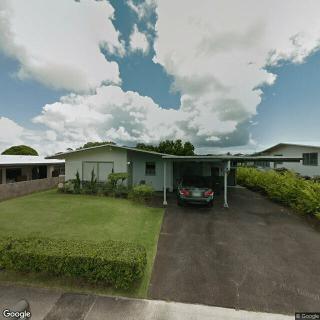
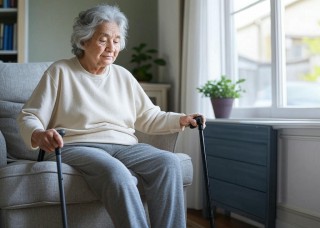 Comprehensive Insights and Practical Strategies to Help Older Adults Avoid Falls
 6 Crucial Ways an Elder Law Attorney Assists Families
 Navigating the Tax Landscape of Caregiving: Credits, Deductions, and Beyond