For more information about senior living options: (866) 208-4318
4.2 from 34 reviews
5 stars
16
4 stars
11
3 stars
5
2 stars
1
1 stars
1
Overall Review of The Plaza at Waikiki
common19 reviews mention this
Staff friendliness is a consistent theme
Residents and families repeatedly describe the staff as friendly and helpful.
Across reviews, residents and visitors describe staff members who are friendly, accommodating, and caring. Several reviews also mention staff patience and competence when residents need help day to day. One review is strongly negative about a specific memory care floor and the ability of staff to keep up with cleanliness and care, while still referencing the facility’s administration and caregiving workflow.
common10 reviews mention this
Dining quality draws mixed reactions
Dining is a frequent topic, with both praise and complaints.
Some reviewers describe meals as restaurant quality or delicious, and others say the community serves three meals a day. At the same time, multiple reviews say the food is bland, very salty, or not what they’re used to. One reviewer also notes that the menu felt adequate, and another mentions getting desserts after meals.
common7 reviews mention this
Activities keep residents engaged
Residents and families describe a full schedule of activities.
Reviews frequently mention on-site activities, including a theater for movies, scheduled programs, and group activities. Several reviewers describe field trips and day-to-day entertainment, and one notes that activities can vary depending on the floor. A few reviews also highlight resident-friendly options like music programs and community group visits.
caveat8 reviews mention this
Price is repeatedly called out
Cost is a recurring concern across multiple reviews.
Many reviews call the community very expensive, with a few saying the price feels prohibitive or not worth the service. One reviewer also notes price increases year over year, and another mentions cost alongside room-sharing as part of their concern. Even when the overall experience is described positively, affordability comes up as a clear limitation.
caveat5 reviews mention this
Rooms and outdoor space have limits
Several reviews mention limits with room size or outdoor access.
A few reviewers describe rooms as small or confined, including comments about limited space for communal areas. One review specifically says there is no patio. Another mentions doors and entry being locked so residents can only get in and out when staff unlock the area.
common6 reviews mention this
Waikiki location is convenient
Reviewers often describe the location as convenient for daily life.
Several reviews describe the community as being in the heart of Waikiki, easy to access, and convenient for getting around. Some also connect the resort-area setting to keeping residents from feeling bored, while one reviewer says the location wasn’t great for them. Nearby options reviewers may run into include places like Honolulu Coffee Experience Center and Carp Dori within about a tenth of a mile.
How we summarize
Counts show how many written reviews mention each theme; a review can touch several themes, and only frequently mentioned themes are displayed.
Features
Housing
153 resident community capacity
Types of Care
Assisted Living
Independent Living
Memory Care
Respite Care
Amenities
Air-conditioning
Beauty salon
Cable or satellite TV
Computer center
Dining room
Fitness room
Fully furnished
Gaming room
Garden
Housekeeping services
Kitchenette
Move-in coordination
Outdoor space
Private bathrooms
Restaurant-style dining
Small library
Telephone
Wellness center
Wi-Fi/high-speed internet available
Transportation
Honolulu International (6 miles away)
Community operated transportation
Transportation arrangement
Transportation arrangement (non-medical)
Transportation to doctors appointments
Care Services
12-16 hour nursing
24-hour call system
24-hour supervision
Activities of daily living assistance
Assistance with bathing
Assistance with dressing
Assistance with transfers
Diabetes diet
Meal preparation and service
Medication management
Mental wellness program
Mild cognitive impairment
Special dietary restrictions
Specialized memory care programming
Dining
Diabetes diet
Special dietary restrictions
Activities
Community-sponsored activities
Concierge services
Fitness programs
Planned day trips
Resident-run activities
Scheduled daily activities
Videos
Nearby Places of Interest
Cafes
Honolulu Coffee Experience Center (0.1 miles)
Brew & Foam (0.2 miles)
Hiking Hawaii Cafe (0.3 miles)
Starbucks (0.4 miles)
Goofy Cafe & Dine (0.4 miles)
Mariposa at Neiman Marcus (0.6 miles)
Island Vintage Coffee (0.9 miles)
Restaurants
Carp Dori (0.1 miles)
Waikiki Brewing Company (0.2 miles)
Katsumidori Sushi (0.4 miles)
Tropics Bar & Grill (0.4 miles)
McDonald's (0.5 miles)
Pagoda Floating Restaurant (0.5 miles)
Goma Tei Ramen (0.5 miles)
Pharmacies
ECO Office Furniture (0.2 miles)
Times McCully Pharmacy (0.5 miles)
Times Supermarket - McCully (0.5 miles)
Happy Pharmacy (0.6 miles)
Homeo Health (0.6 miles)
G M Graphics (0.6 miles)
Longs Drugs (0.7 miles)
Physicians
Dr. Trinh Pham & Associates (0.5 miles)
Waikiki Health Center Pharmacy (0.5 miles)
Waikiki Health Makahiki Dental & Medical Clinic (0.6 miles)
Honolulu Dermatology (0.6 miles)
Hawaii Diagnostic Radiology Services (0.6 miles)
Artesian Women's Health (0.6 miles)
Aesthetics Hawaii (0.6 miles)
Parks
Magic Island (0.7 miles)
Makiki District Park (1 miles)
Hospitals
Kapiolani Medical Center for Women & Children (0.7 miles)
The Plaza at Waikiki offers a comprehensive suite of features designed to enhance the quality of life for residents living with dementia or Alzheimer's disease. Assistance with dressing and bathing ensures that individuals maintain personal hygiene and dignity, which can boost their self-esteem and comfort. Medication management is critical for these residents, as accurate medication administration helps manage symptoms effectively and reduces confusion. Meal preparation and service provide nutritious, well-balanced meals tailored to residents' dietary needs, promoting overall health while fostering social interaction during communal dining experiences. Activities of daily living assistance aids residents in maintaining independence in familiar tasks, while support with transfers enhances mobility and reduces the risk of falls. The 24-hour supervision guarantees constant monitoring for safety and security, addressing the unique challenges faced by those with memory impairments. Additionally, a mental wellness program along with specialized memory care programming offers cognitive stimulation through tailored activities that engage residents meaningfully, ultimately supporting their emotional well-being and enhancing connections with caregivers and peers. Mild cognitive impairment strategies are integrated throughout these services to ensure that care is appropriate regardless of where individuals may fall on the cognitive spectrum.
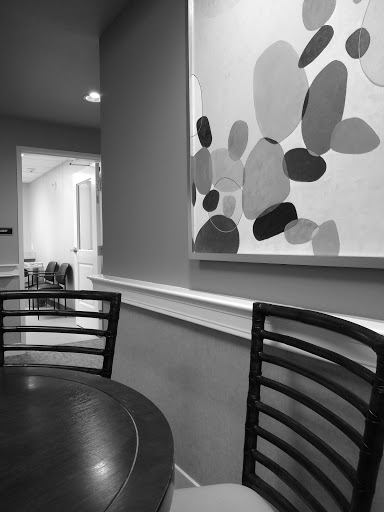
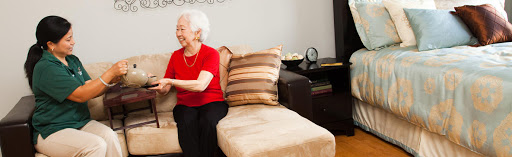
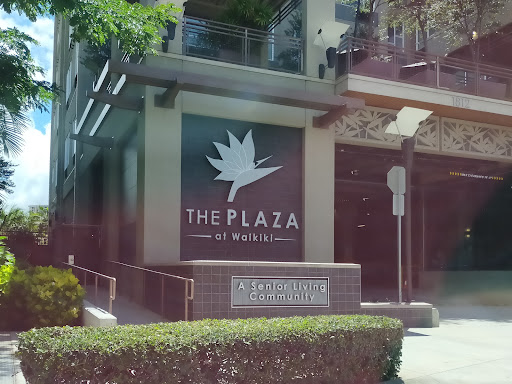
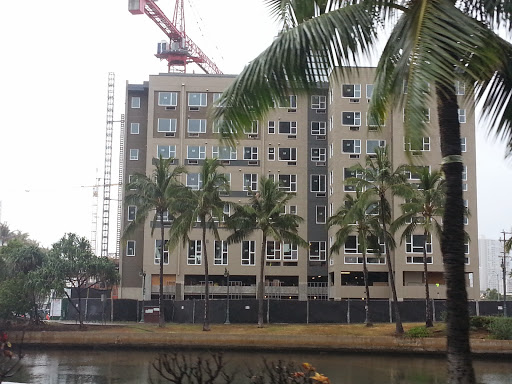
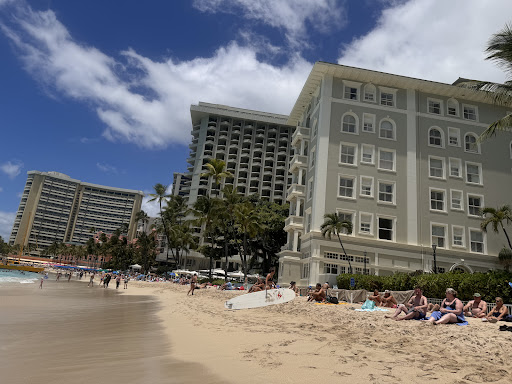
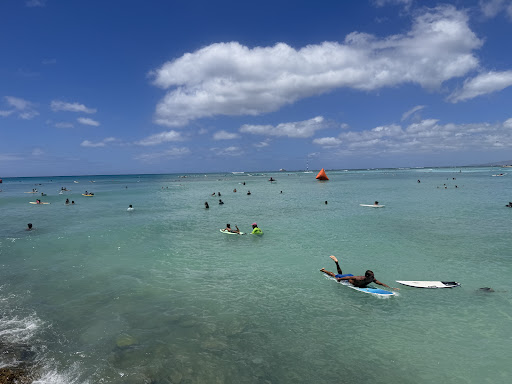
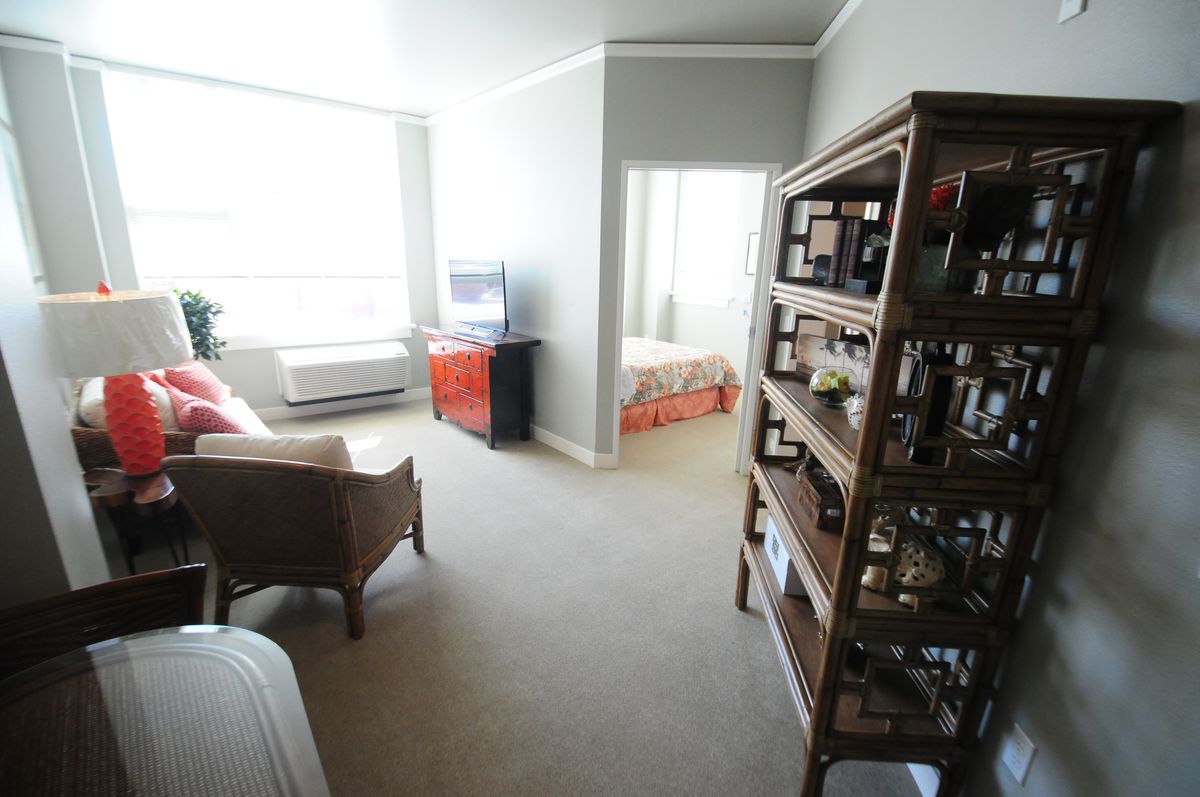
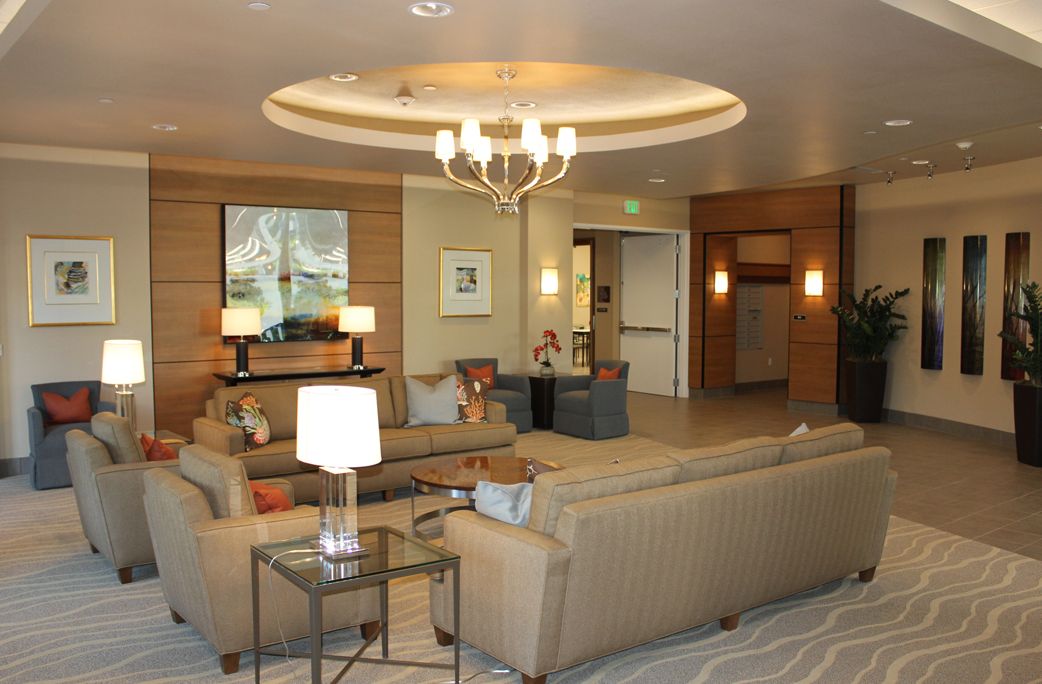
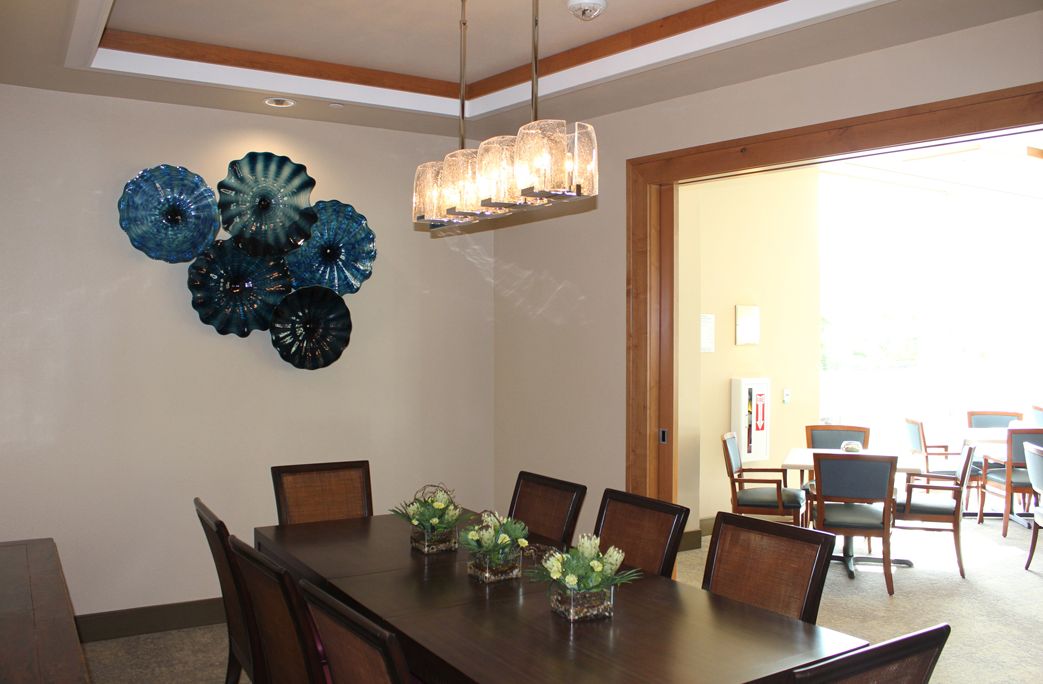
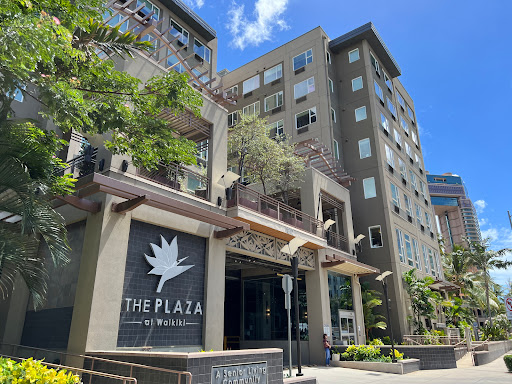
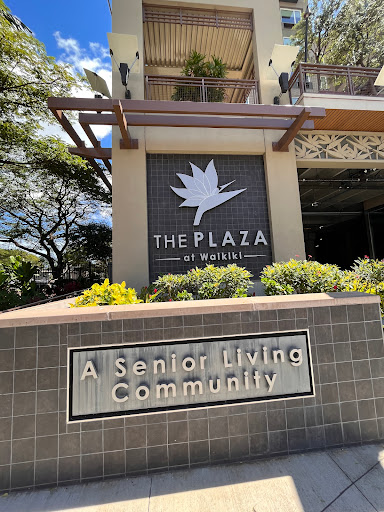
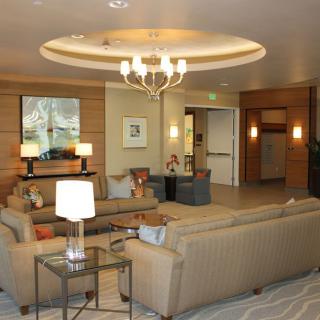
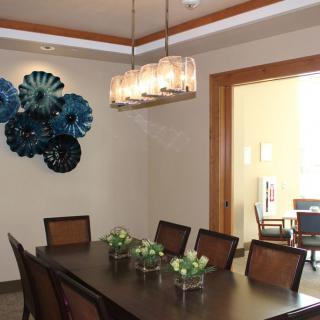
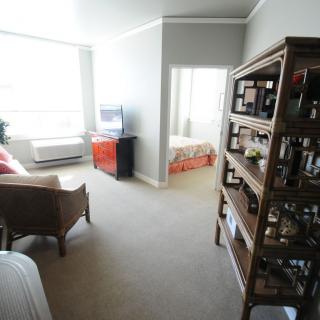
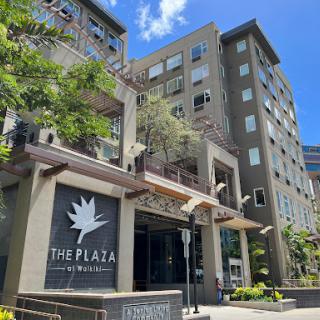
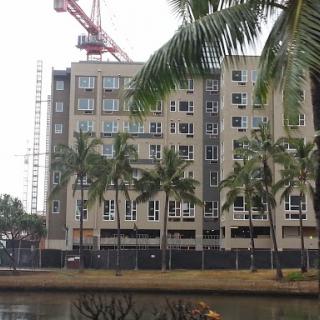
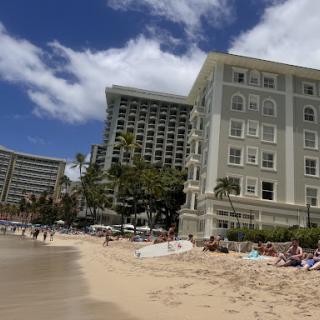
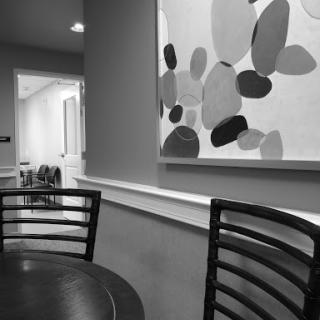
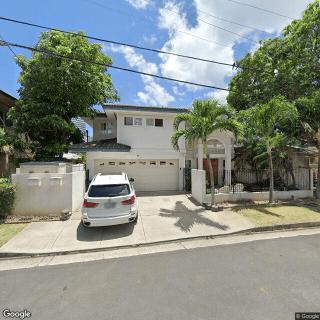
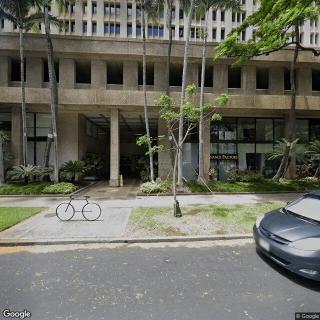
The Plaza at Waikiki on seniors.fyi includes 12 photos including images showing building, urban, clouds, interior, chandelier, decor, living room, palm trees, and more.
Nearby Communities
The Plaza at Waikiki
Honolulu, HI
4 from 27 reviews
$4,950 to $6,150 / month
Beautiful, well-maintained facility with friendly staff and engaging activities.
Kalakaua Gardens
Honolulu, HI
4.4 from 19 reviews
Comprehensive care options (independent to skilled nursing) with strong dining, therapy services, and engaging amenities.
Gaylord's III
Honolulu, HI
1 from 1 review
Comprehensive care package (24-hour supervision, ADL support, medication management) with diabetes-friendly meals, healthcare coordination, and furnished accommodations, plus dining and outdoor spaces in a convenient Honolulu location.
Gaylord's
Honolulu, HI
1 from 1 review
Small, intimate community offering personalized care
Gaylord's II
Honolulu, HI
1 from 1 review
Fully furnished, 24/7 supervision with diabetes-friendly dining and convenient access to nearby healthcare.
Mc Cully Circle Apartments
Honolulu, HI
3 from 3 reviews
Extensive nearby amenities and healthcare options.
Home Instead - Honolulu, HI
Honolulu, HI
4.8 from 22 reviews
Excellent access to nearby amenities and healthcare.
Hale Nani Rehabilitation & Nursing Center
Honolulu, HI
3.9 from 113 reviews
$2,515 to $3,040 / month
Clean facility with attentive staff, engaging activities, and effective rehabilitation programs.
The Plaza At Punchbowl
Honolulu, HI
4.8 from 12 reviews
$4,525 to $8,675 / month
Comprehensive care options (IL, AL, Memory Care, Respite) with on-site amenities and engaging activities.
Dementia is characterized by cognitive decline, with nutrition playing a vital role in brain health; while no specific diet can prevent or reverse it, a nutrient-dense diet rich in antioxidants and healthy fats may support cognitive function. The MIND diet, which emphasizes beneficial foods and limits processed items, along with proper hydration and individualized meal strategies, can enhance the well-being of dementia patients.
Dementia affects memory and cognitive function in older adults, presenting challenges for caregivers due to behavioral changes such as confusion and mood swings. Compassionate, person-centered care that considers individual history and preferences, along with effective communication and environmental modifications, is essential for supporting both patients and their caregivers.
Dementia leads to cognitive impairment and can cause emotional and behavioral changes, including aggression that arises from frustration, confusion, or fear. Effective coping strategies for caregivers include understanding dementia's nature, recognizing triggers, using empathetic communication, and employing non-pharmacological interventions like music and art therapy.
Get PricingAsk A QuestionSchedule A TourContact Senior Advisor
By clicking submit, you agree to our Partner's Terms of Use. You
also consent to receive calls and texts, which may be autodialed, from our Partner. Your consent is not a condition to
using our Partner's service. Please visit our Partner's Privacy Policy for information about their privacy practices.




 153 resident community capacity
 Assisted Living
 Independent Living
 Memory Care
 Respite Care
 Air-conditioning
 Beauty salon
 Cable or satellite TV
 Computer center
 Dining room
 Fitness room
 Fully furnished
 Gaming room
 Garden
 Housekeeping services
 Kitchenette
 Move-in coordination
 Outdoor space
 Private bathrooms
 Restaurant-style dining
 Small library
 Telephone
 Wellness center
 Wi-Fi/high-speed internet available
 Honolulu International (6 miles away)
 Community operated transportation
 12-16 hour nursing
 24-hour call system
 Activities of daily living assistance
 Assistance with bathing
 Assistance with dressing
 Assistance with transfers
 Diabetes diet
 Medication management
 Mental wellness program
 Special dietary restrictions
 Concierge services
 Planned day trips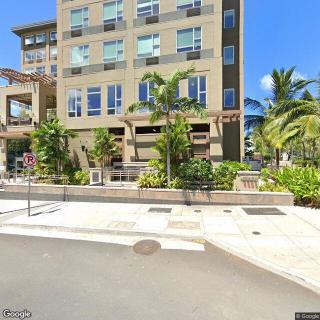
 Beautiful, well-maintained facility with friendly staff and engaging activities.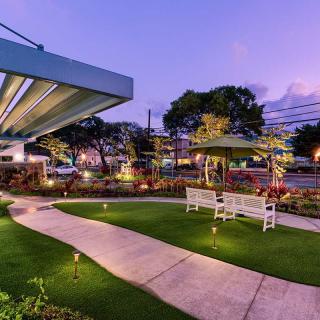


 Nourishing the Mind: Essential Dietary Approaches for Dementia
 Understanding Dementia Behaviors: Practical Insights and Strategies for Caregivers
 When Dementia Sparks Anger and Aggression: Understanding the Connection and Ways to Cope