
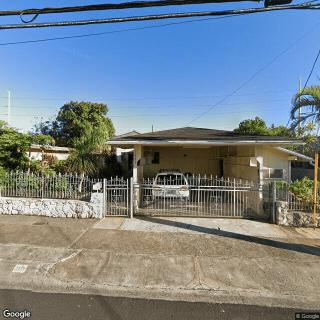
4229 Keaka Drive, Honolulu, HI 96818
For more information about senior living options: (866) 208-4318
Precious Moment Adult Residential Care Home Costs & Pricing
At Precious Moment Adult Residential Care Home, the monthly cost for a private room is competitively priced at $4,000. This rate not only reflects the quality of care and personalized attention residents receive but also places it below the average costs in both Honolulu County and the state of Hawaii, which stand at approximately $4,664 and $4,689 respectively. By choosing Precious Moment, families can access essential support services in a nurturing environment while enjoying significant savings compared to other local facilities. This combination of affordability and high-quality care makes it an appealing option for those seeking residential services for their loved ones.
| Floor plans | Precious Moment Adult Residential Care Home | Honolulu County | Hawaii |
|---|---|---|---|
| Private | $4,000 | $4,664 | $4,689 |
Assisted Living communities with a similar price nearby
-
from +$525 / mo

The Plaza At Punchbowl
$4,525 to $8,675 / month6.1 miles away -
from +$747 / mo
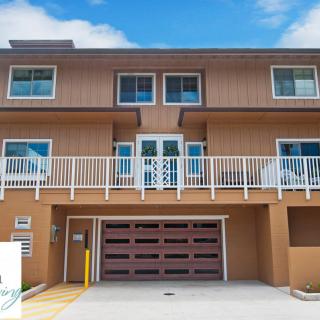
Wilson Senior Living Kailua
$4,747 to $9,900 / month12.0 miles away -
About the same

The Ivy Hawaii Kai
$4,095 to $6,595 / month14.1 miles away -
from +$525 / mo
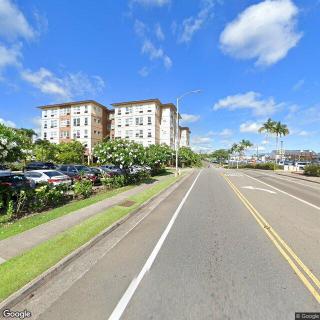
The Plaza At Pearl City
$4,525 to $5,875 / month4.4 miles away -
from +$500 / mo
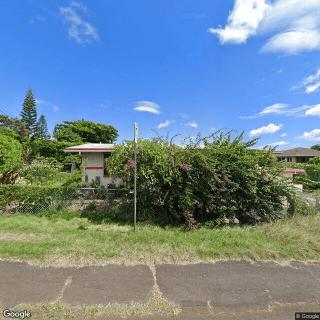
Prime Health Services Care Home
$4,500 to $6,000 / month2.1 miles away
Overall Review of Precious Moment Adult Residential Care Home
Pros
 He enjoyed the conversation with staff.
- He found the day care community welcoming, including a very friendly couple.
- There is a specialized outdoor program for a 94-year-old man who is oriented and active.
- He loves the outdoors and is gardening with a bountiful harvest.
Review
This community is best suited for an active, outdoors-loving senior who wants a small, home-like setting where staff relationships feel personal and life routines revolve around meaningful activity rather than a distant, impersonal schedule. The review highlights a warm, conversational staff dynamic and a vibe that includes a welcoming couple who participates in the day-care milieu, suggesting a tightly knit atmosphere. A standout feature is a specialized outdoor program that engages a 94-year-old resident who is oriented and energized by gardening, producing tangible results. Taken together, these elements point to a setting where purpose, social connection, and outdoor engagement drive daily life more than formal programming alone.
Those weighing this option against alternatives should consider that this setting may not be ideal for residents needing intensive medical oversight, memory-care specialization, or the breadth of services found in larger campuses. Families seeking a facility with full-time nursing on site, comprehensive dementia care, or a wide roster of on-demand therapies may want to explore more expansive options. Similarly, if independence is the benchmark and a bustling, amenity-rich environment is desired, a larger assisted living community could offer a different balance of services and social opportunities.
The most compelling positives here are not cosmetic but practical: genuine staff connection, opportunities for social interaction through a resident-friendly day-care dynamic, and a clearly defined outdoor program that turns gardening and outdoor activity into meaningful, productive work. These strengths help offset the potential trade-offs that come with a small, intimate home, namely, limited on-site medical resources and a quieter calendar compared with bigger campuses. When a resident’s identity and daily rhythm revolve around outdoor life, personal attention, and a sense of contribution, these advantages translate into sustained motivation, mood stability, and a clear sense of purpose.
Families evaluating this option should verify several practical details to ensure alignment with a resident’s needs. Confirm the level of daily assistance available and whether the outdoor program can accommodate varying mobility levels, safety concerns, and weather contingencies. Inquire about staffing patterns, how consistent the caregivers are, whether there is 24/7 coverage, and how quickly staff can respond in emergencies. Understand how the day-care component is scheduled, who can participate, and whether the resident can maintain or grow personal routines within this small-community framework. Finally, ask about the capacity to accommodate couples or co-residents who wish to stay together and participate in activities side by side.
For families considering alternatives, this setting should be weighed against options offering stronger medical support or memory-care specialization, or against environments with broader, campus-like amenities. If a resident requires steady on-site nursing, regular access to skilled therapies, or a dedicated memory-care unit, those needs may be better met elsewhere. Conversely, for an elder who values intimate attention, a home-like atmosphere, active outdoor living, and a sense of meaningful contribution, Precious Moment can outweigh the absence of larger-scale services with its personalized touch and lifestyle alignment.
Ultimately, Precious Moment Adult Residential Care Home in Honolulu represents a compelling choice for a precise resident profile: someone who thrives on outdoor activity, personal attention, and social engagement within a small, intimate setting. For families seeking a warm, purpose-driven home where staff know residents well and residents can actively participate in outdoor projects, the decision becomes straightforward. For others, especially those needing extensive medical oversight or a bustling, service-dense environment, a candid contrast will be essential. A well-timed tour, direct questions about service levels, and a careful read of the resident’s goals will reveal whether this home aligns with long-term care priorities and daily living expectations.
 5 resident community capacity
 Assisted Living
 Cable or satellite TV
 Dining room
 Fully furnished
 Garden
 Housekeeping services
 Move-in coordination
 Outdoor space
 Telephone
 Wi-Fi/high-speed internet available
 Honolulu International (3 miles away)
 24-hour supervision
 Activities of daily living assistance
 Assistance with bathing
 Assistance with dressing
 Assistance with transfers
 Diabetes diet
 Meal preparation and service
 Medication management
 Special dietary restrictions
 Transportation arrangement (medical)
 Transportation to doctors appointments

 Understanding the True Cost of Assisted Living in 2025: A Comprehensive Guide
 Understanding Medicaid Coverage for Assisted Living: A Comprehensive Guide
 How and When Medicaid May Cover Assisted Living Costs