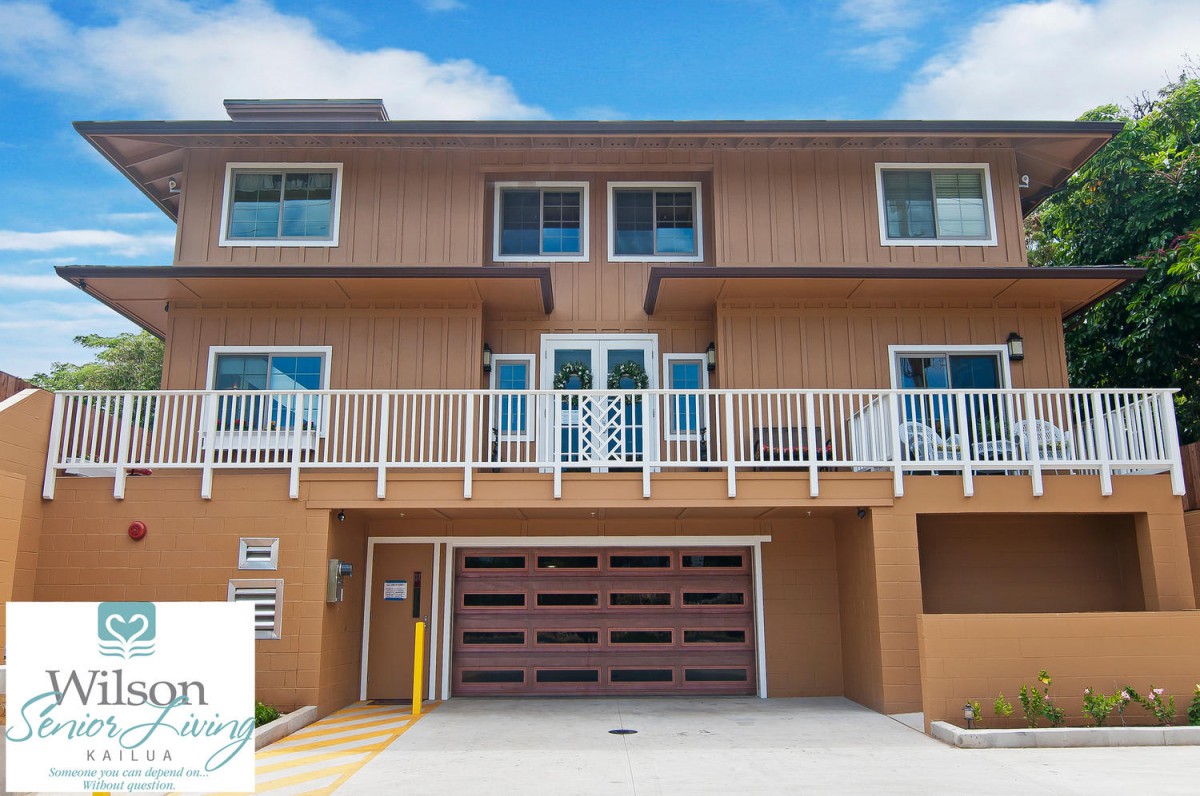

96 Kaneohe Bay Drive, Kailua, HI 96734
For more information about senior living options: (866) 208-4318
Wilson Senior Living Kailua Costs & Pricing
Wilson Senior Living Kailua offers a range of accommodation options reflective of the local market. For those considering a private room, the monthly cost is $4,747, which is slightly higher than the average in Honolulu County at $4,664 and the state average of $4,689. However, the facility also features studio apartments at a significantly higher rate of $9,900 per month, well above both county and state averages - $4,880 and $4,687 respectively. This pricing may indicate premium services or amenities that differentiate Wilson Senior Living Kailua from other senior living options in the area. Overall, while private room costs remain competitive within the region, studio accommodations stand out as a notable investment for potential residents seeking an elevated lifestyle experience.
| Floor plans | Wilson Senior Living Kailua | Honolulu County | Hawaii |
|---|---|---|---|
| Private | $4,747 | $4,664 | $4,689 |
| Studio | $9,900 | $4,880 | $4,687 |
Overall Review of Wilson Senior Living Kailua
Pros
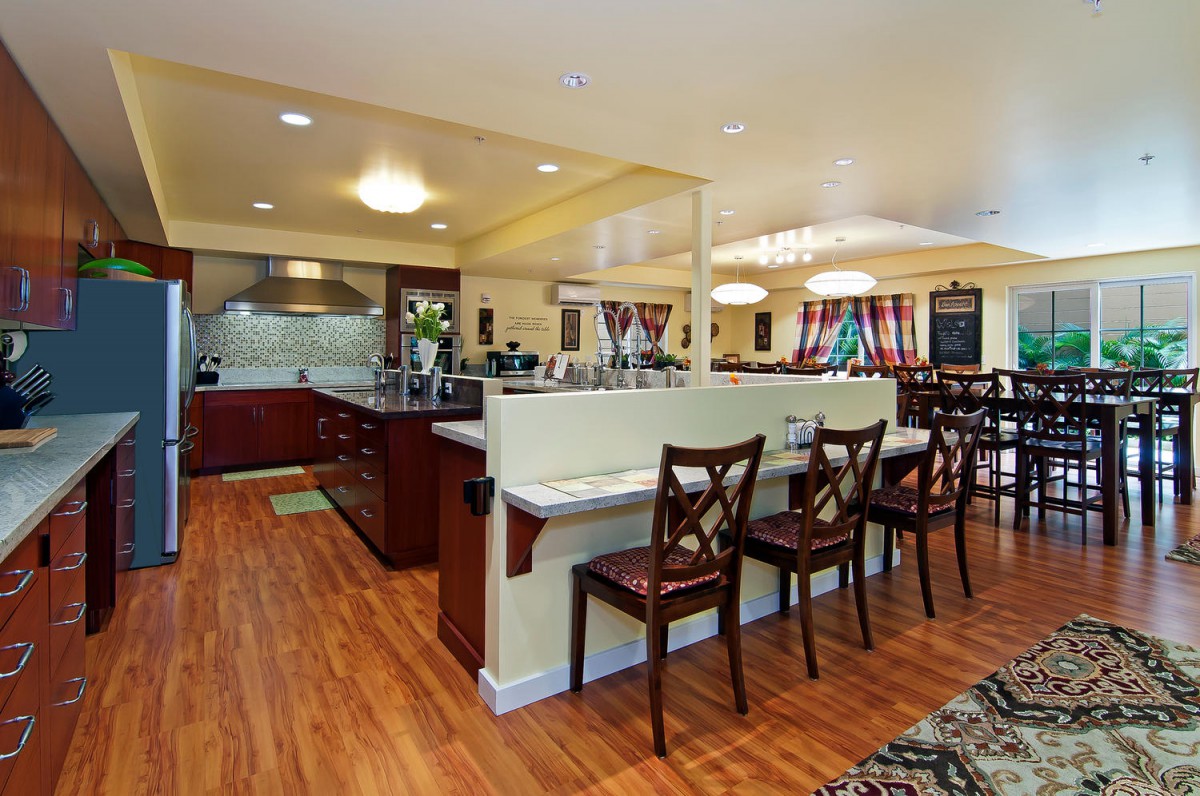
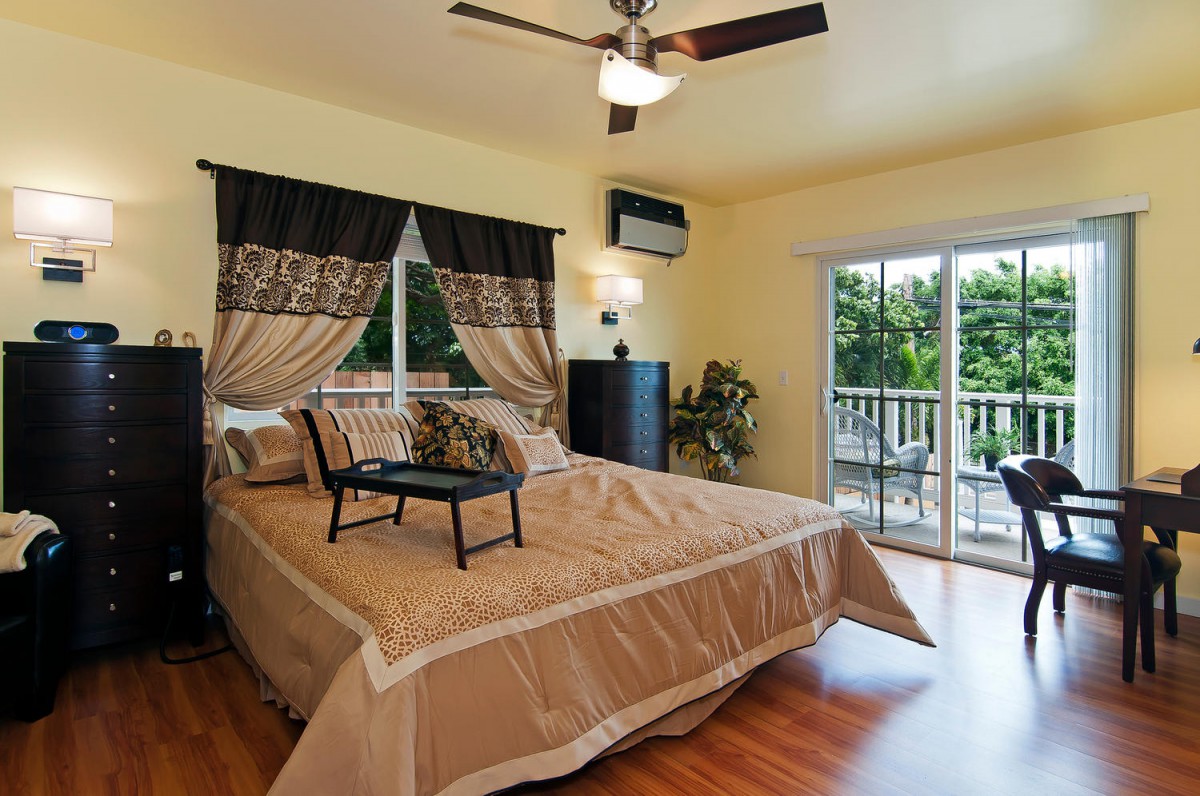
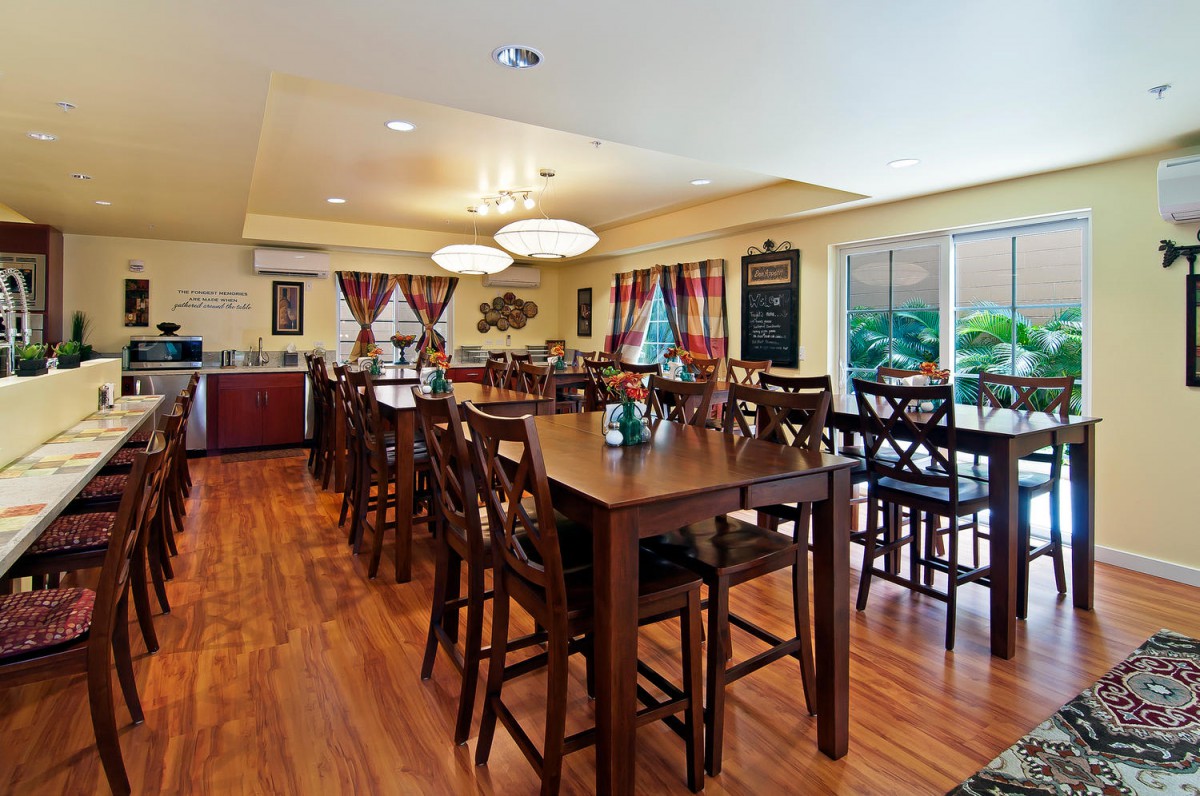
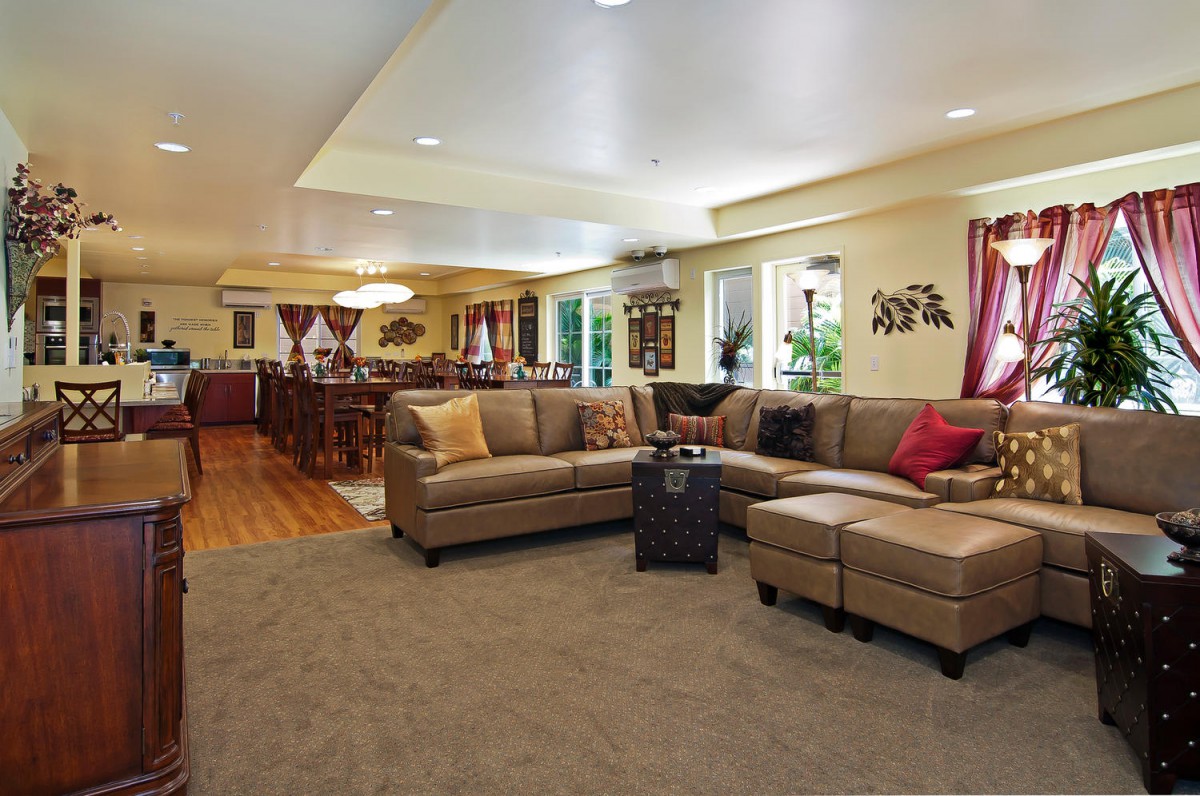
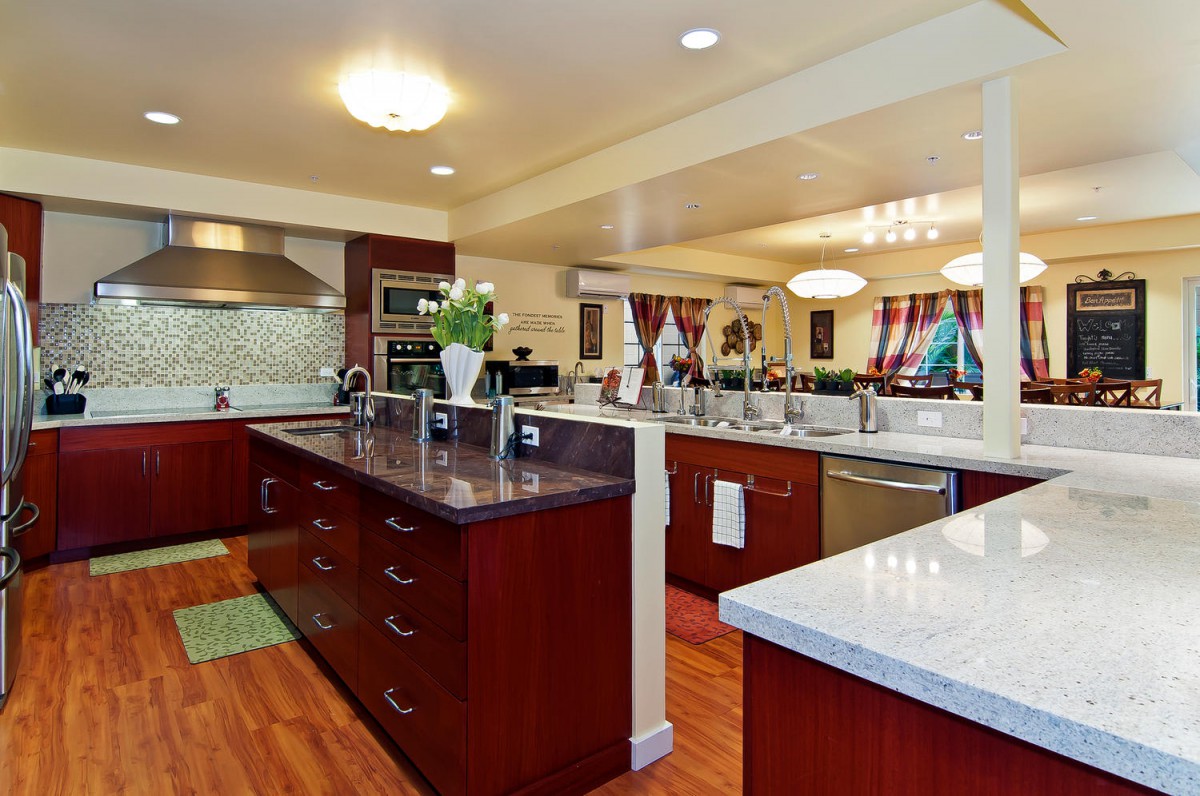
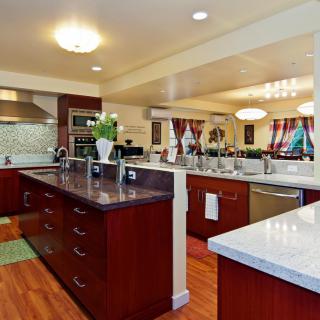
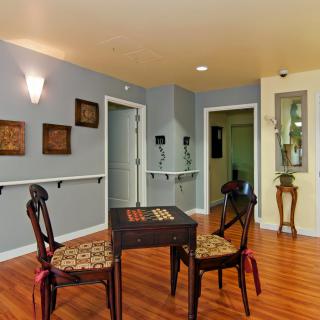
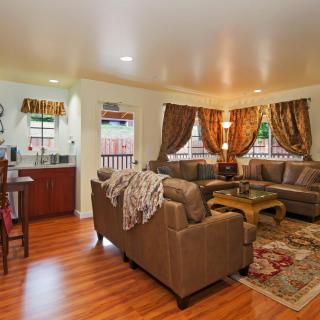
 The facility is beautifully decorated and features an on-site chef in a well-equipped kitchen.
- The staff are caring and well-trained, including dedicated nurses.
- Wilson Homecare is a great place to work, where staff feel they make a difference for the kupuna of Oahu.
- Families express mahalo for the excellent care given to their aunts.
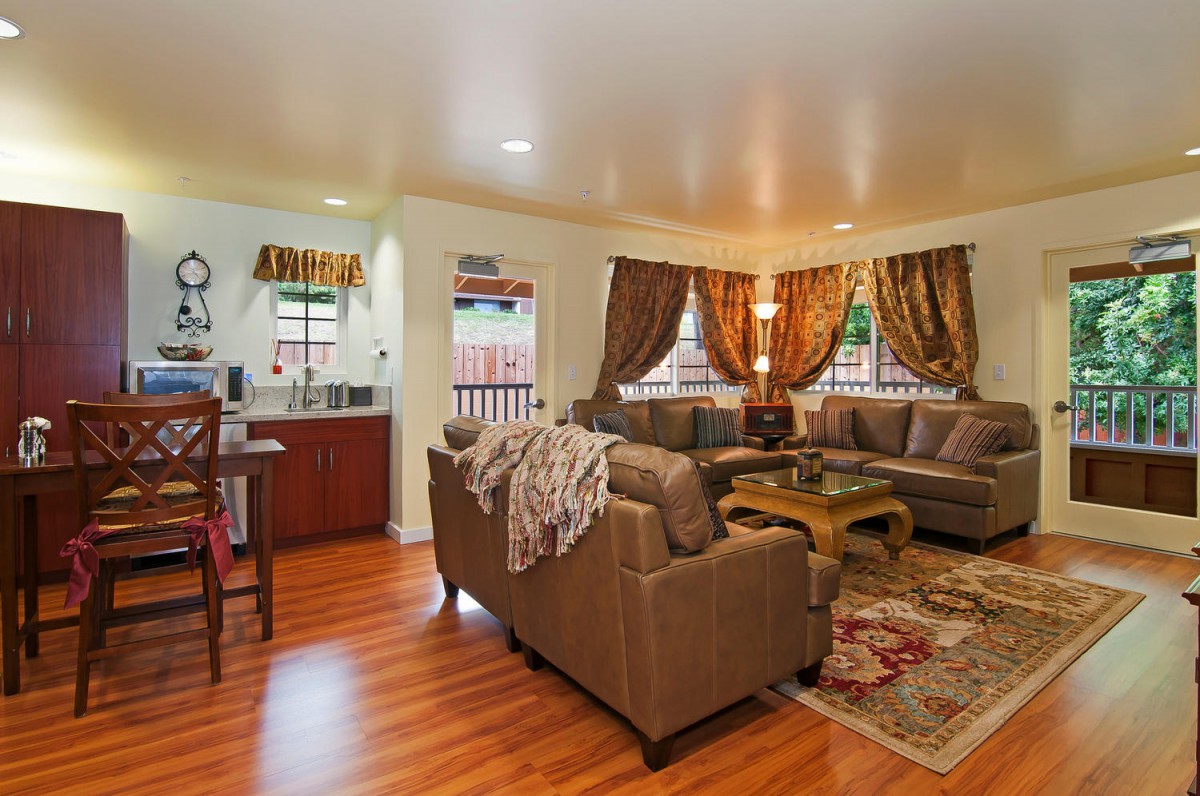
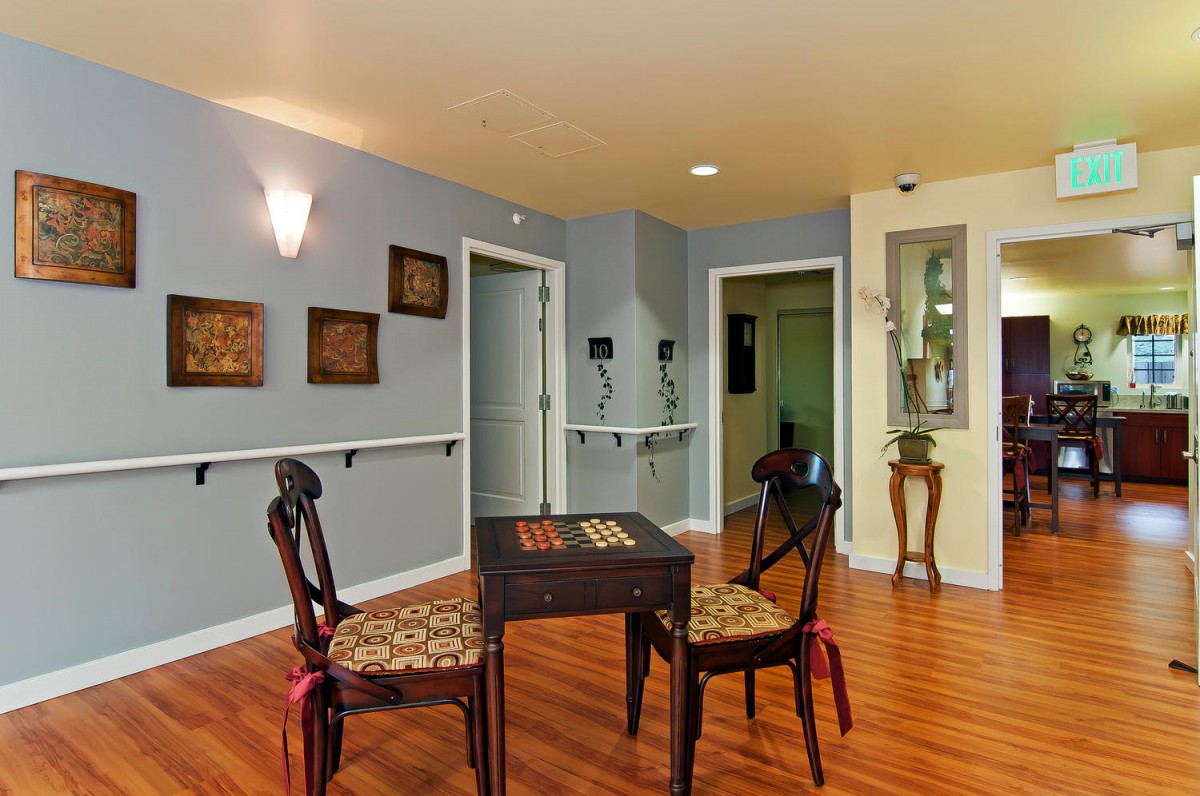
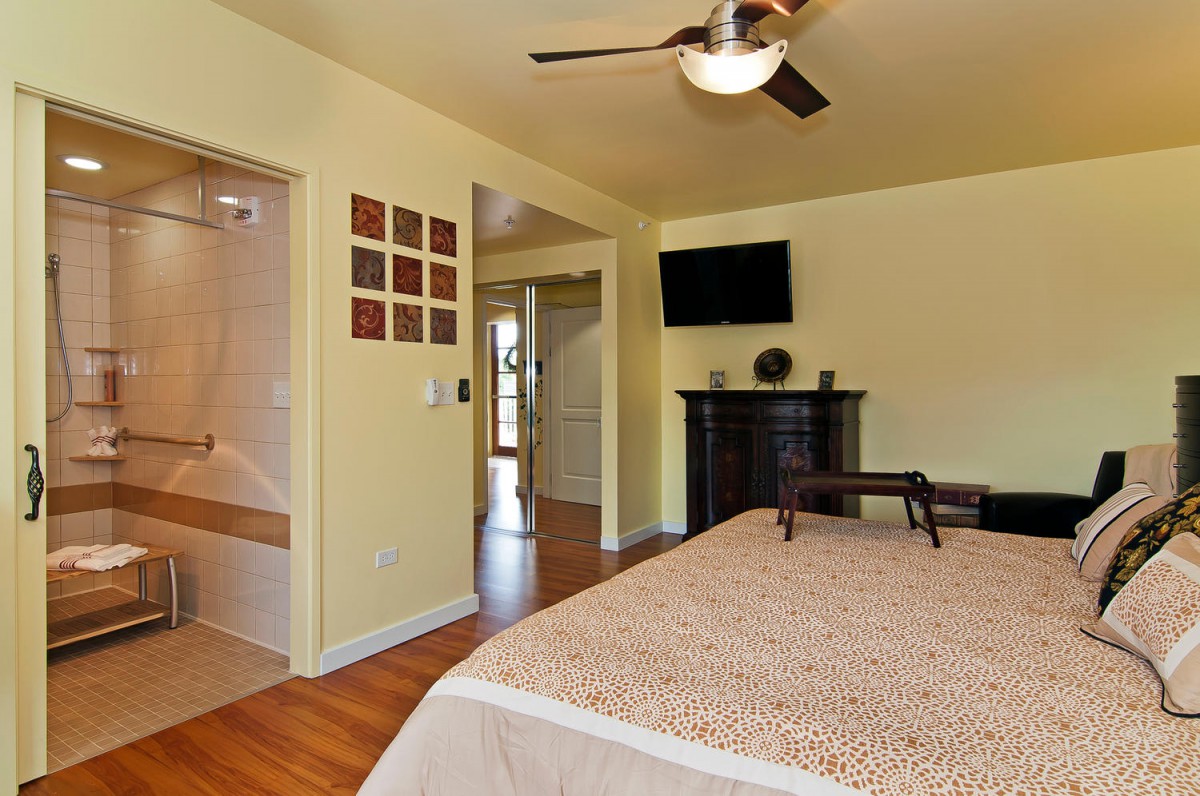
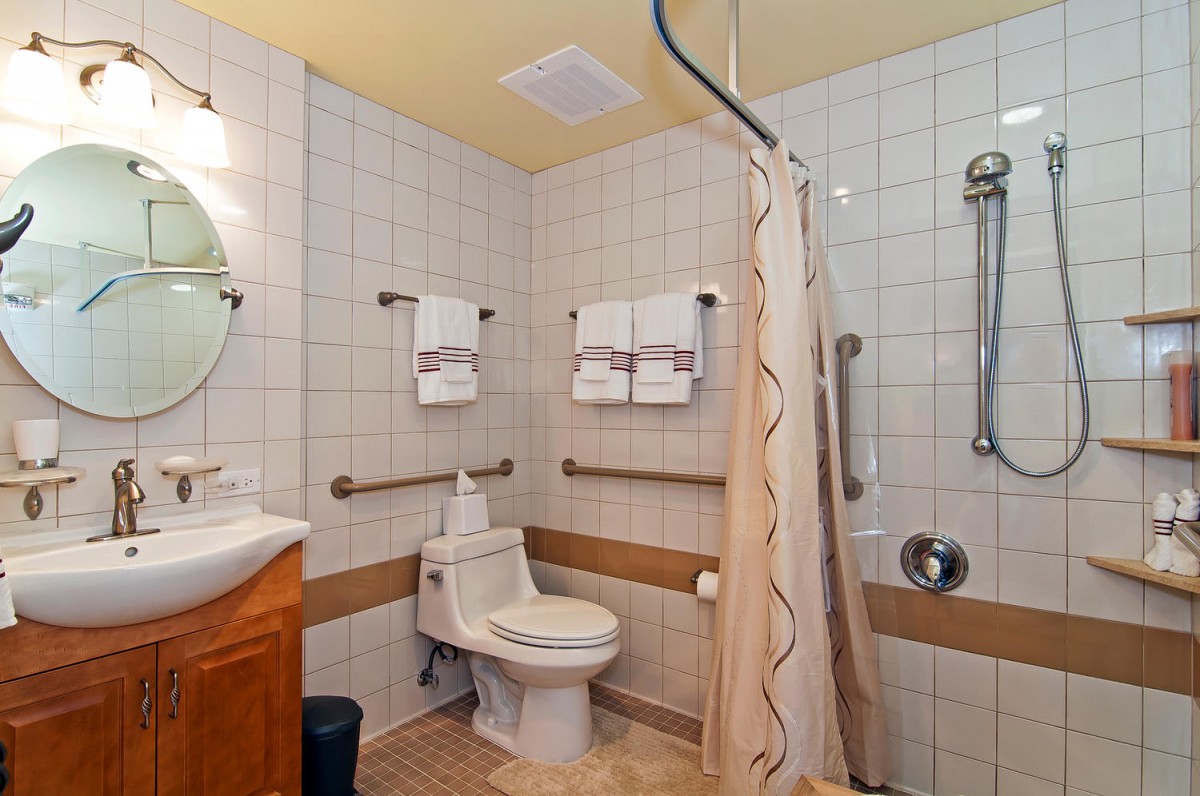
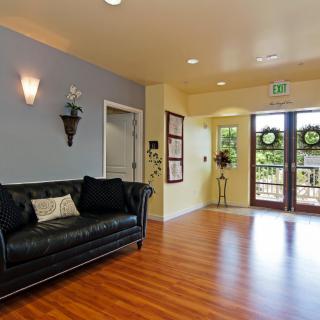
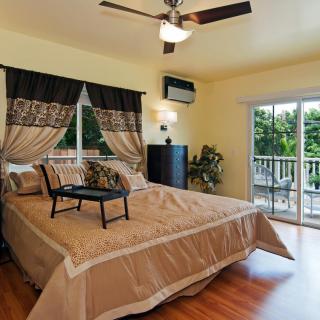
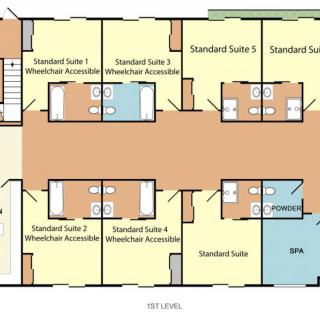
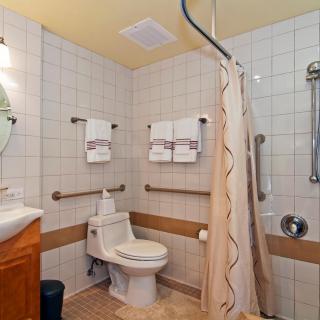
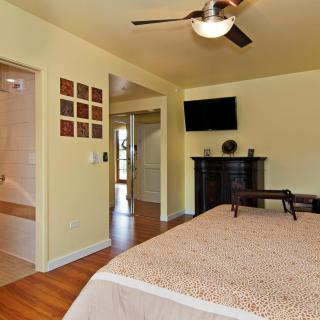
- The community is very clean, with private rooms and accessible baths, contributing to a home-like environment.
- The facility provides a wide range of care options from independent living to 24-hour nursing care in a secure, home-like setting.
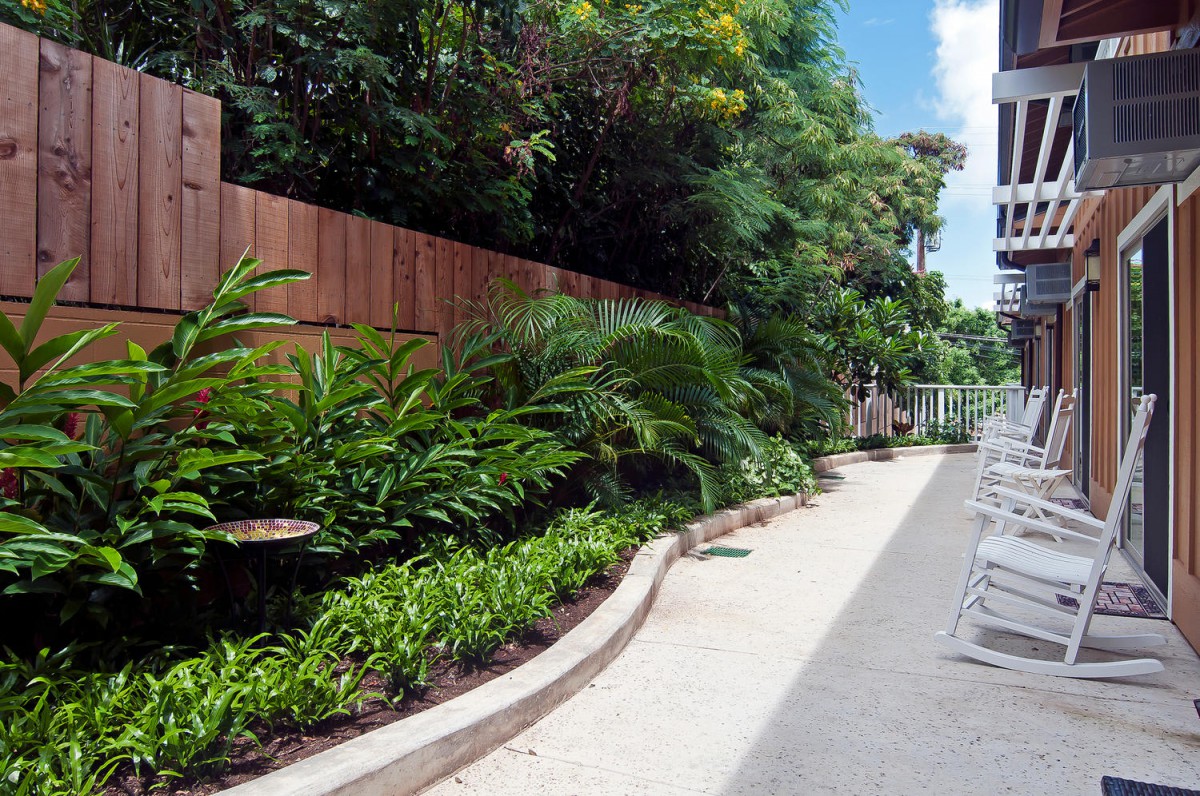
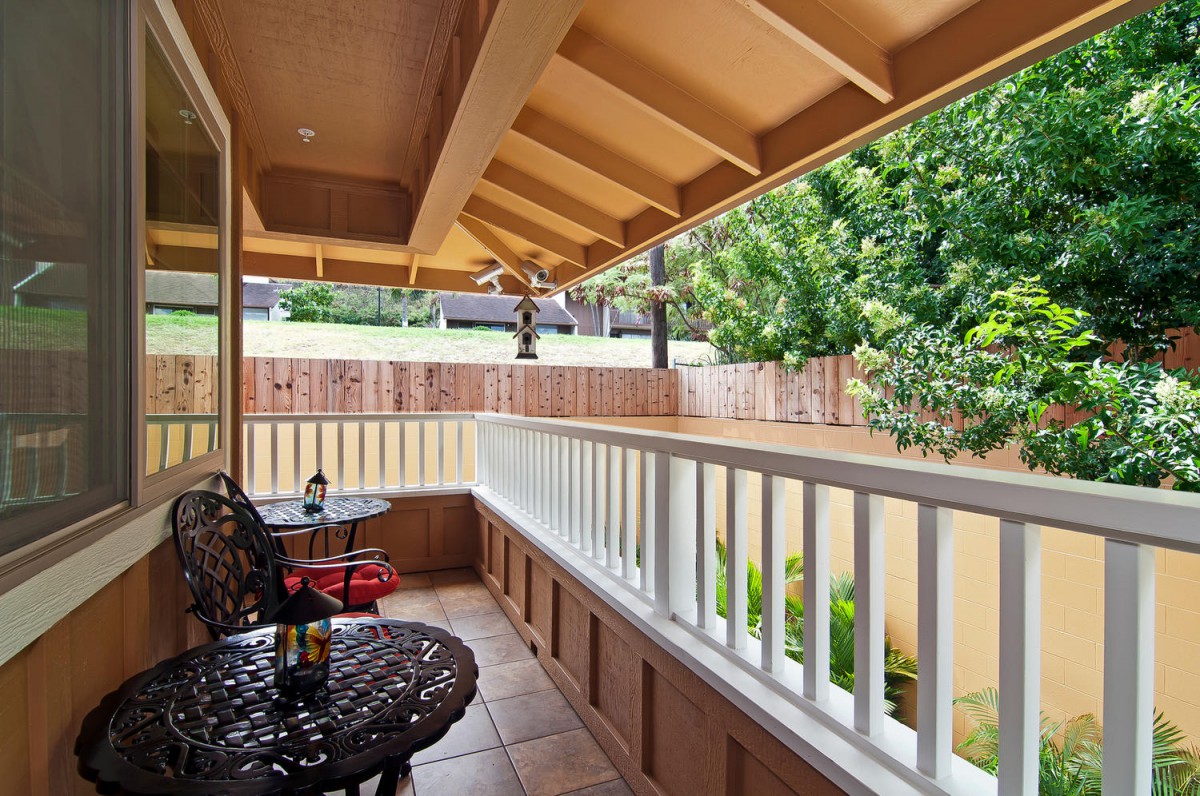
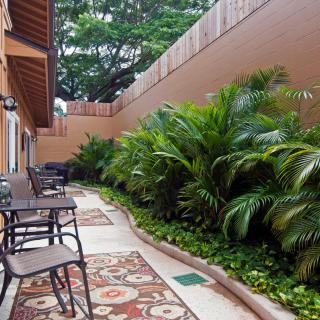
- The environment is lush, green, and pet-friendly, adding to a peaceful living atmosphere.
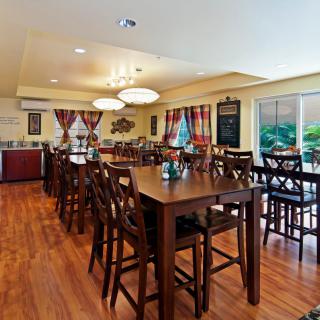
- The meals are varied and well-liked, with residents noting they haven't eaten the same thing twice.
Cons
 The facility had staffing problems.
- Some staff members appeared to be temporary and not very caring.
- The food was terrible and often arrived cold.
- The facility seemed geared toward residents who did not require social interaction.
- They ended up moving their loved one to a different facility.
- It was more like a group home and would not appeal to his father.
- It is not a place for independent living.
Review
Wilson Senior Living Kailua is best suited for seniors who require meaningful hands-on care and oversight yet still want a warm, home-like setting. The community shines for residents who need consistent medication management, daily assistance, and reliable nursing support, all delivered in a clean, welcoming environment with visible attention to hospitality. It is an especially strong fit for families prioritizing safety, routine, and a continuum of care that can adapt as needs evolve. Those who prize independence, larger living spaces, or a bustling social calendar may find that this property’s smaller scale and focus on care may not align perfectly with every borrowing family’s wishes.
Alternatives are worth considering for anyone who places a premium on independent living, extensive campus options, or a broader array of social activities. Several reviews flag that Wilson feels more like a close-knit group home than a bustling senior village, and that the footprint, private rooms with limited common spaces, may not meet expectations for residents who want more room to study, entertain, or spread out. If a resident’s goals include robust, program-driven social life, frequent outings beyond weekly excursions, or greater architectural variety, families may want to explore other communities with larger campuses and more dynamic programming.
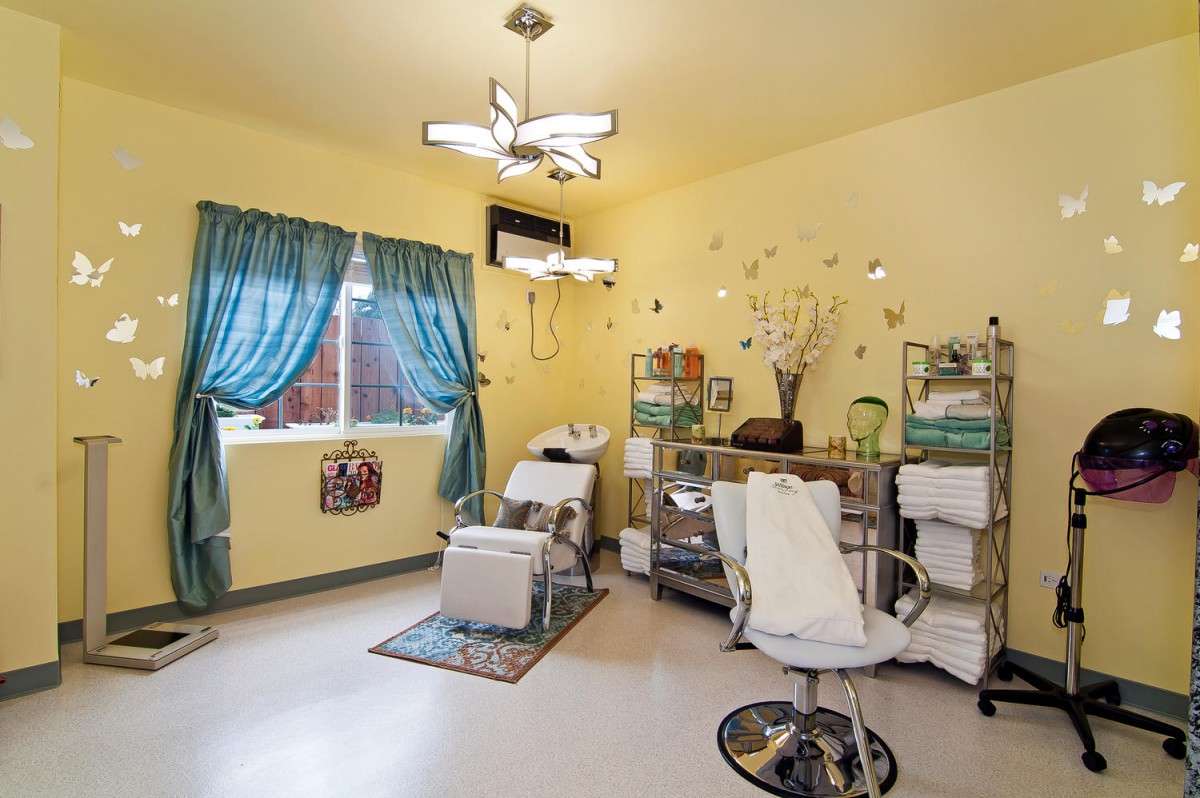
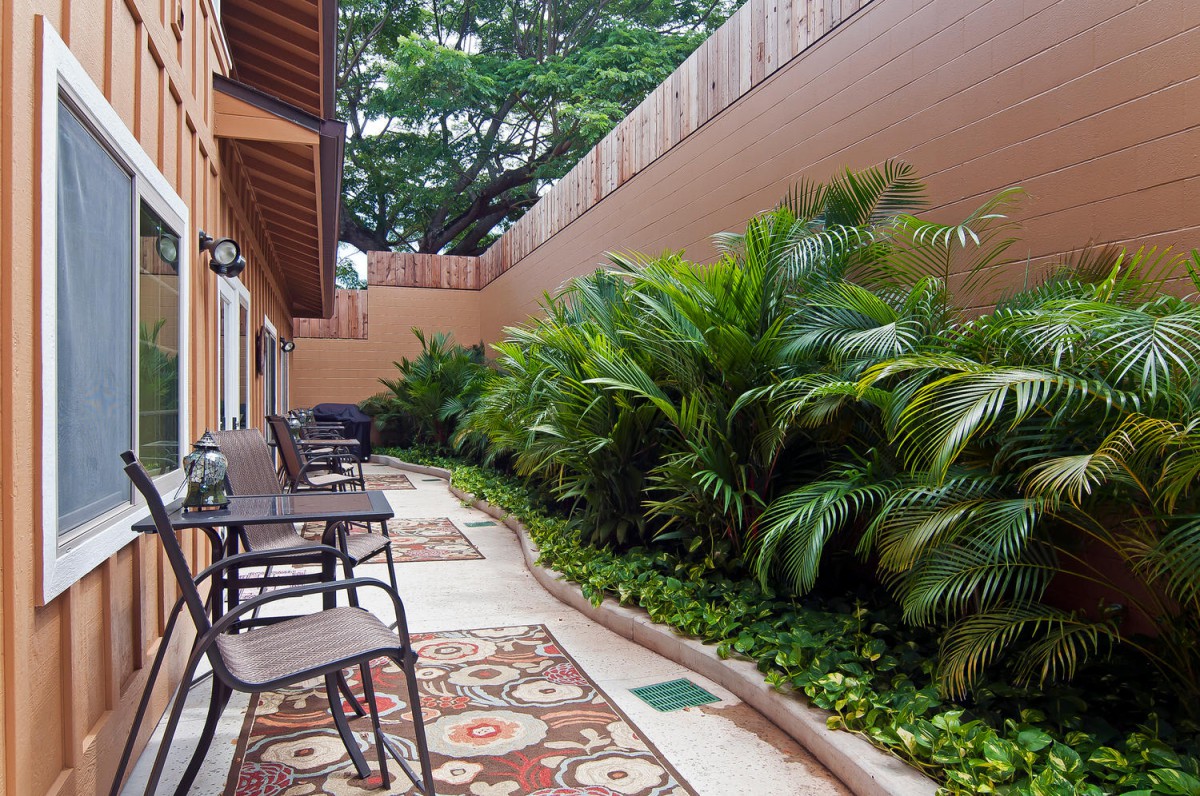
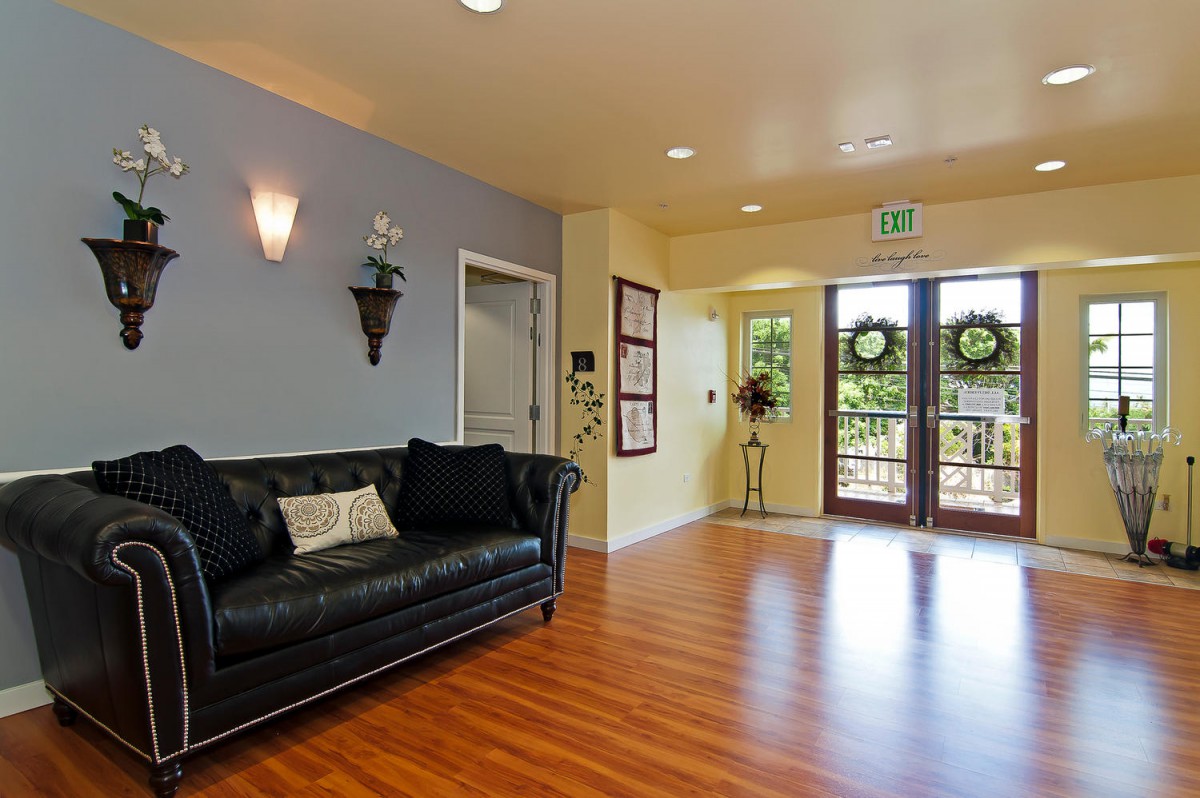
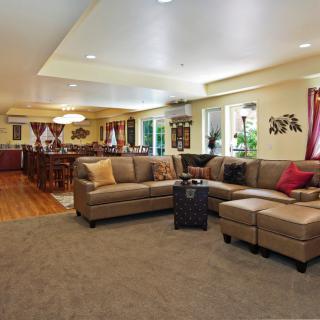
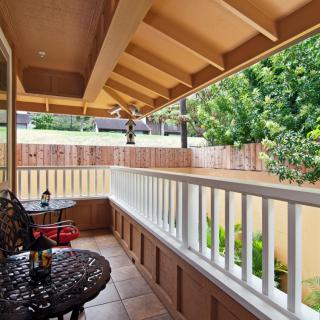
The strongest positives center on care quality and the care environment. Families consistently praise attentive, warm staff and a deep sense of dedication from nurses and caregivers. The presence of an on-site chef and the opportunity to observe cooking in a bright kitchen contribute to a dining experience that many residents and families find reassuring and satisfying. Private rooms with accessible baths, a clean and tidy atmosphere, and thoughtful touches such as a salon and inviting outdoor lounge spaces reinforce a home-like ambiance that supports dignity and comfort. Residents frequently report responsive communication from staff when concerns arise, and a reassuring overall level of attentiveness.
These strengths, however, must be weighed against the realities noted by several families. Staffing consistency emerges as the most persistent concern: occasional temps or turnover can dilute continuity of relationships, and some reviewers describe moments of care that feel less personalized. Meal variety, while praised by some, is flagged by others as an area for improvement, with calls for more menu diversity or options. The small, documented capacity (roughly 18–22 residents) and the group-home feel mean fewer opportunities for large-scale activities or dramatic social calendars, which can be a drawback for residents who crave constant engagement or have higher independent living expectations.
In practice, the positive care focus, combined with a warm, well-maintained environment and a genuine emphasis on resident well-being, can offset several of the practical downsides for the right resident. For families prioritizing secure care, quick access to nursing attention, and a comforting, intimate setting, Wilson’s strengths, caring staff, private accommodations, and a continuum of care, often outweigh staffing hiccups or modest activity offerings. The all-hands-on-deck culture, pet-friendly policy in some reviews, and the visibility of specialized care options contribute to a sense of reliability that matters when a loved one’s daily needs are substantial.
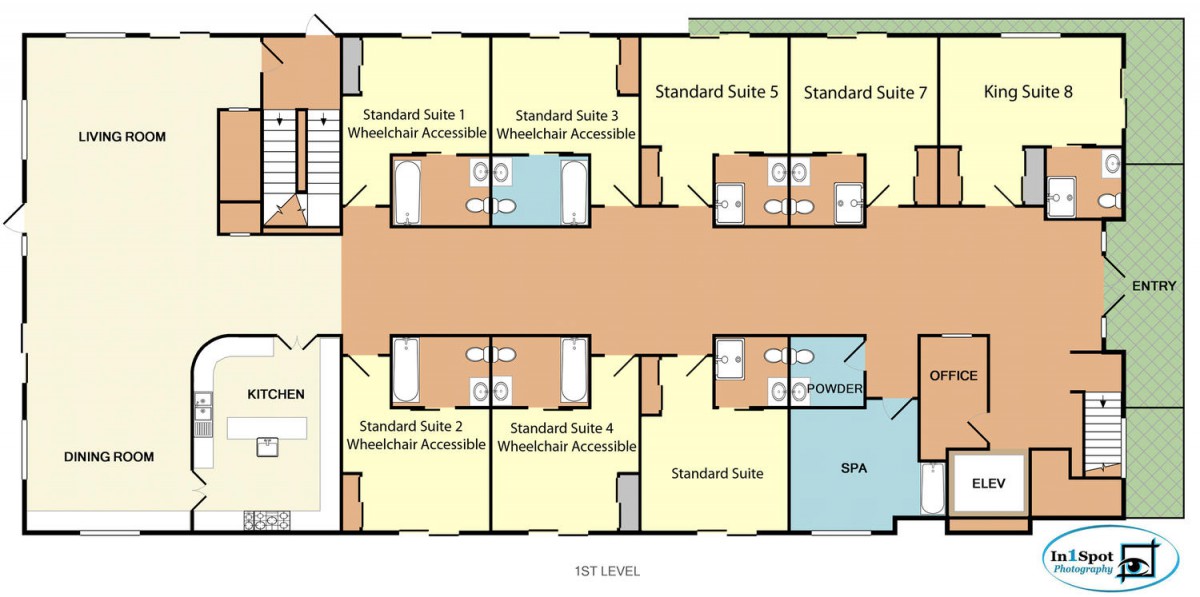
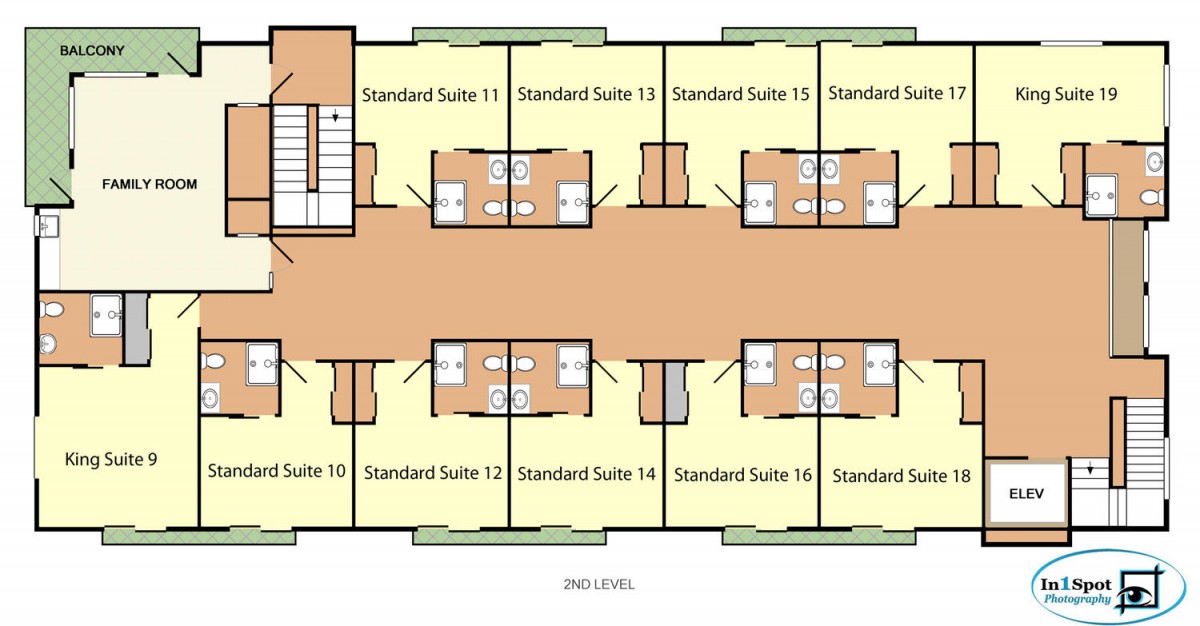
To decide decisively, prospective families should tour with a focused checklist: observe caregiver interactions during peak hours, ask about staff mix and turnover rates, sample a meal with attention to temperature and variety, and verify the range of activities and outings beyond weekly events. Confirm the level of independence the resident will enjoy in daily routines, review room layouts and shared spaces, and inquire about respite and short-stay availability to gauge flexibility. If a resident’s goals include a strong social life, broad programming, or larger-scale amenities, explore alternatives; if the priority is high-quality care in a serene, home-like setting with dependable staff, Wilson Senior Living Kailua stands out as a sound, practical choice.
Overall, Wilson Senior Living Kailua delivers commendable care in a tasteful, comfortable setting that resonates for families seeking dependable nursing support within a warm community. It is particularly well-suited for residents who need substantial assistance, value a continuous care footprint, and appreciate an on-site culinary element and intimate, well-kept surroundings. For those whose preferences tilt toward independence, expansive campuses, or richer social programming, it remains prudent to compare other nearby options. Informed decisions will hinge on aligning the resident’s care needs, social goals, and preferred living space with what this community can reliably provide day to day.
 22 resident community capacity
 Studio apartments
 Assisted Living
 Memory Care
 Skilled Nursing Facility
 Activities off-site
 Air-conditioning
 Beauty salon
 Cable or satellite TV
 Devotional services off-site
 Dining room
 Full kitchen
 Fully furnished
 Garden
 Ground floor units
 Guest parking
 Handicap accessible
 Housekeeping services
 Indoor common areas
 Laundry
 Move-in coordination
 Outdoor common areas
 Private bathrooms
 Respite or short term stays offered
 Spa
Spa Swimming pool / hot tub
 Telephone
 Wheelchair accessible showers
 Wi-Fi/high-speed internet available
 Honolulu International (13 miles away)
 Transportation & parking
 24-hour call system
 Assistance with bathing
 Assistance with dressing
 Assistance with transfers
 Diabetes diet
 Diabetic care
 High acuity care
 Incontinence care
 Meal preparation and service
 Medication management
 Mental wellness program
 Special dietary restrictions
 Transportation arrangement (medical)
 Art classes
 Birthday parties
 Cooking classes
 Day trips and outings
 Fitness programs
 Live musical performances
 Pet-focused programs
 English



 Comprehending Evening Confusion in Dementia: Causes, Manifestations, and Support
 Delirium and Dementia: Unraveling the Key Differences
 Are Dementia and Alzheimer's Disease Lethal? A Comprehensive Exploration