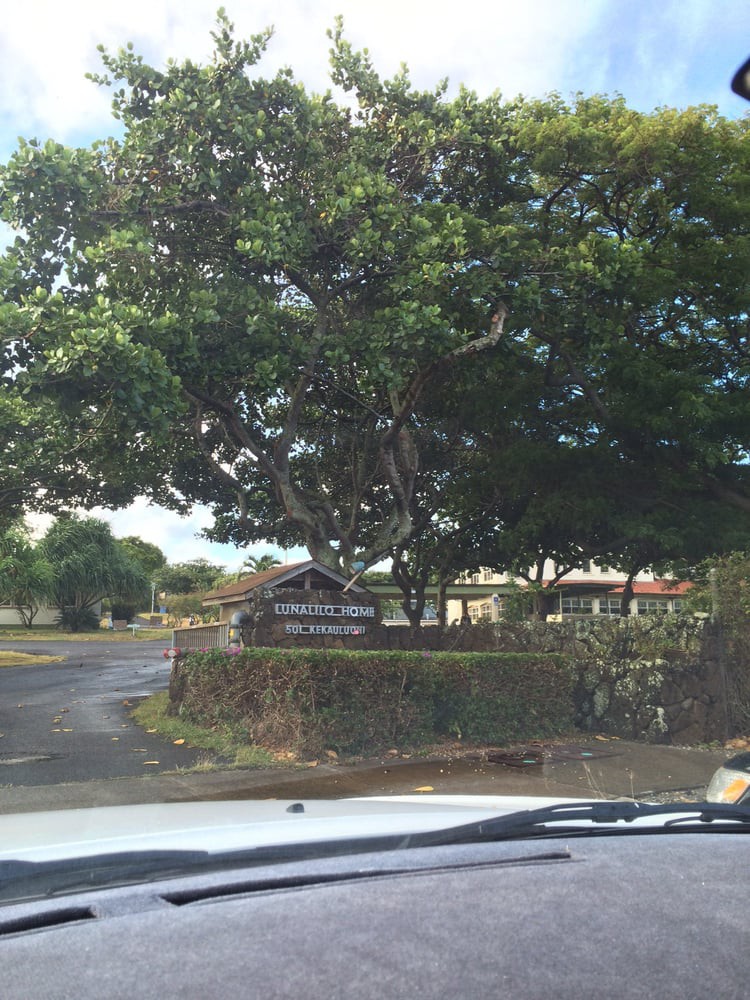












501 Kekauluohi Street, Honolulu, HI 96825
For more information about senior living options: (866) 208-4318
Lunalilo Home Costs & Pricing
Lunalilo Home offers a unique and specialized living environment, reflected in its monthly costs that exceed those of both Honolulu County and the broader state of Hawaii. For a semi-private room at Lunalilo Home, residents can expect to pay $6,475 per month, which is significantly higher than the county average of $4,228 and the state's average of $4,244. Similarly, private room accommodations are priced at $6,693, again surpassing the local county rate of $4,664 and the state's $4,689. These figures highlight Lunalilo Home's commitment to providing exceptional care and tailored services that justify its premium pricing compared to other facilities in the region.
| Floor plans | Lunalilo Home | Honolulu County | Hawaii |
|---|---|---|---|
| Semi-Private | $6,475 | $4,228 | $4,244 |
| Private | $6,693 | $4,664 | $4,689 |
Assisted Living communities with a similar price nearby
-
About the same
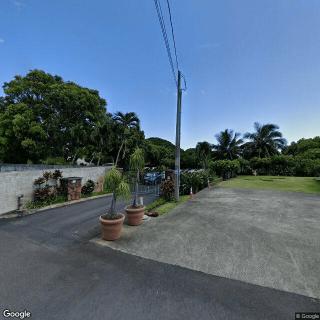
Hale Kuike
$6,557 to $7,900 / month10.4 miles away -
from -$696 / mo

Jesusa Quinabo Arch II
$5,779 to $7,512 / month18.9 miles away -
from -$475 / mo
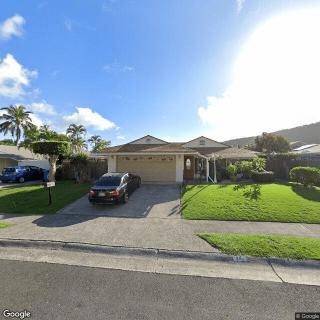
Knight's Victoria House
$6,000 / month2.4 miles away
Overall Review of Lunalilo Home
Pros
 He would choose this home as his preferred place to be.
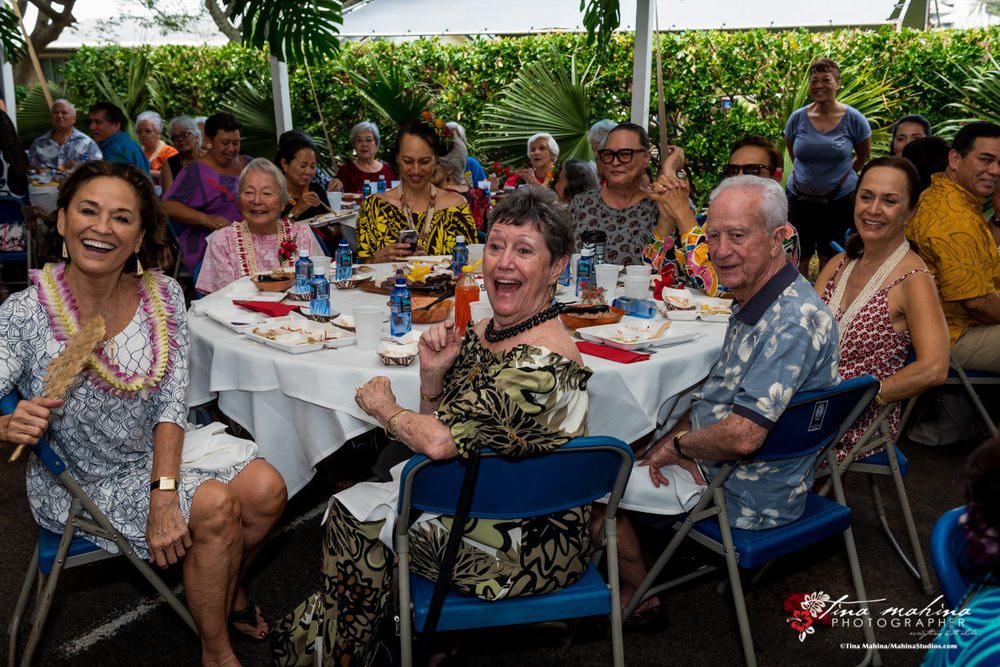
- Lunalilo Home is charming and feels like a family-oriented place with locally involved staff.
- The staff are helpful and cheerful, from the medical director on down.
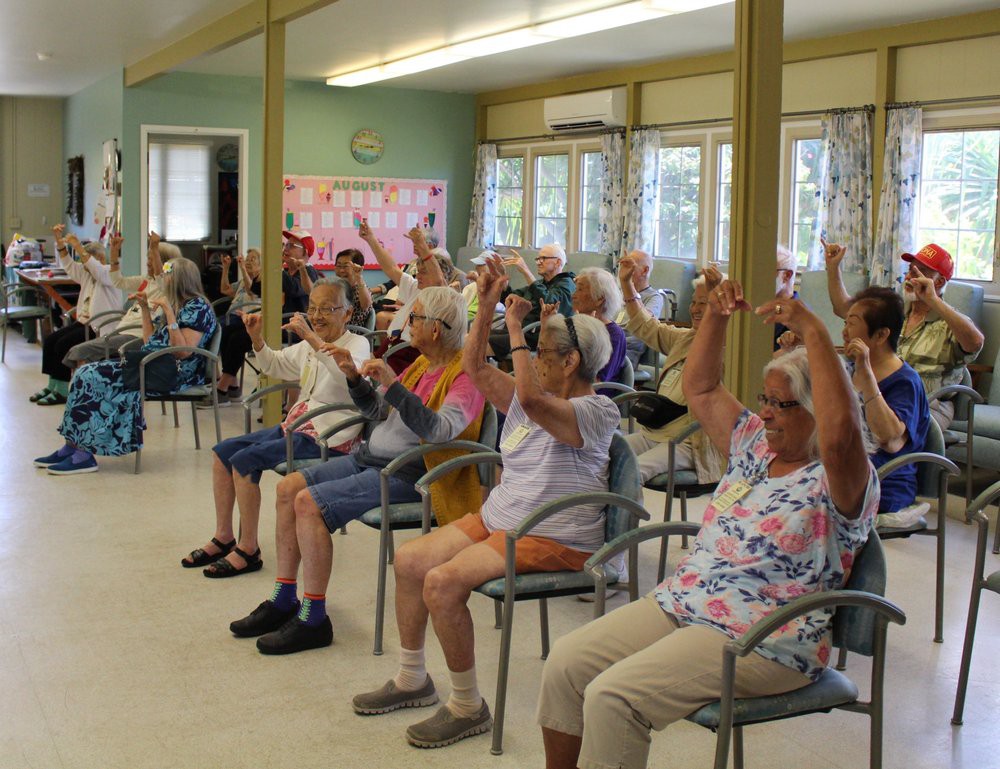
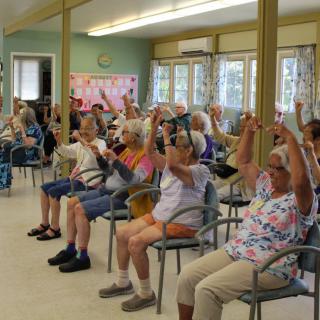
- The facility offers walking facilities and chair exercises for residents.
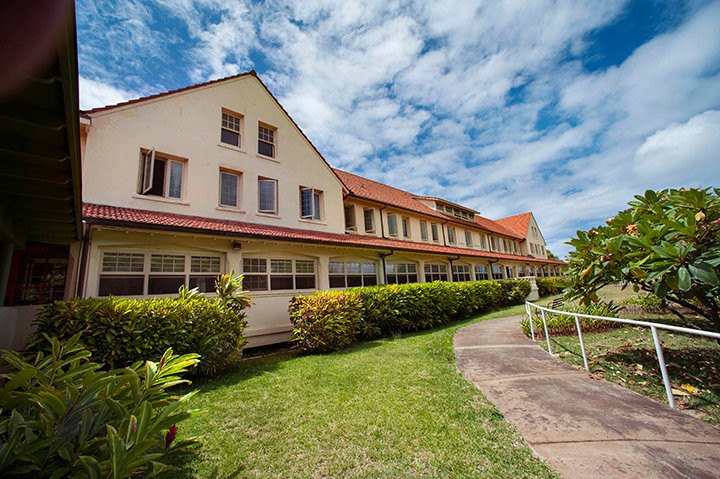
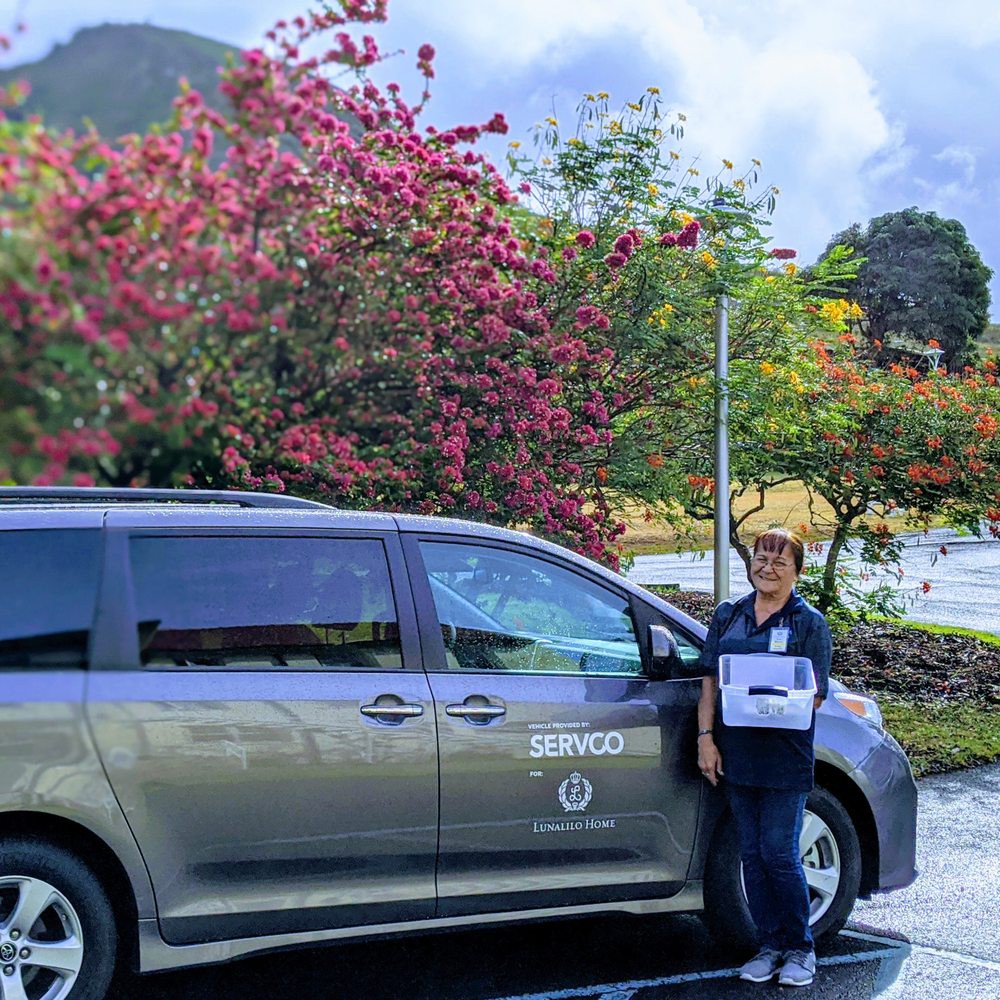
- The property features nice gardens and a lawn.
Cons
 During heavy storms on New Years' Eve, there were several leaks in the lanai ceiling and roof.
Review
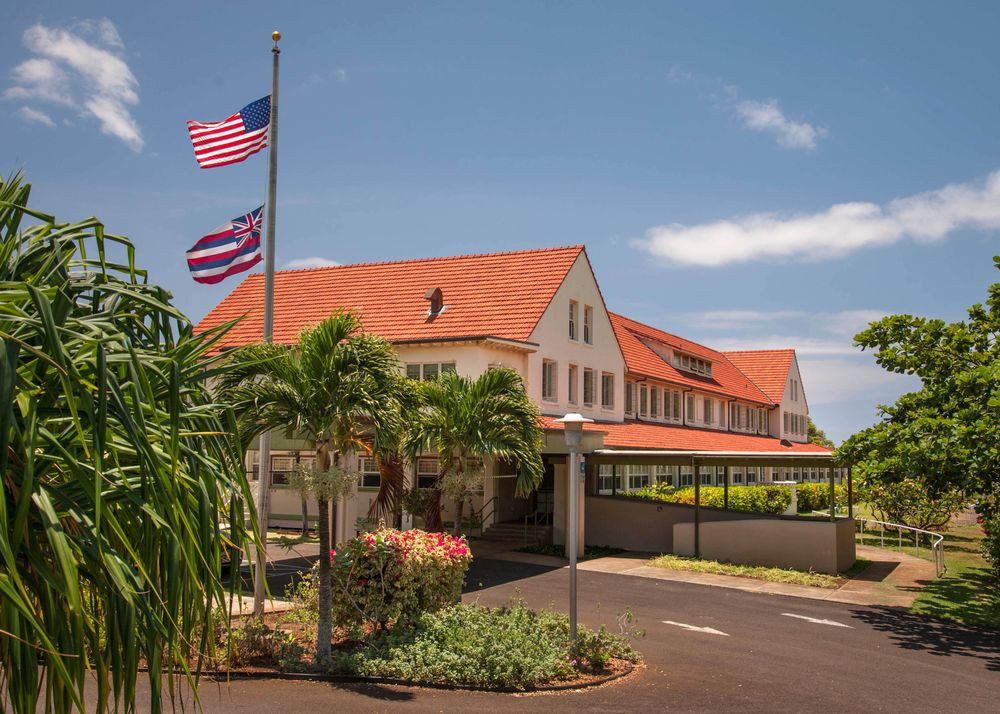
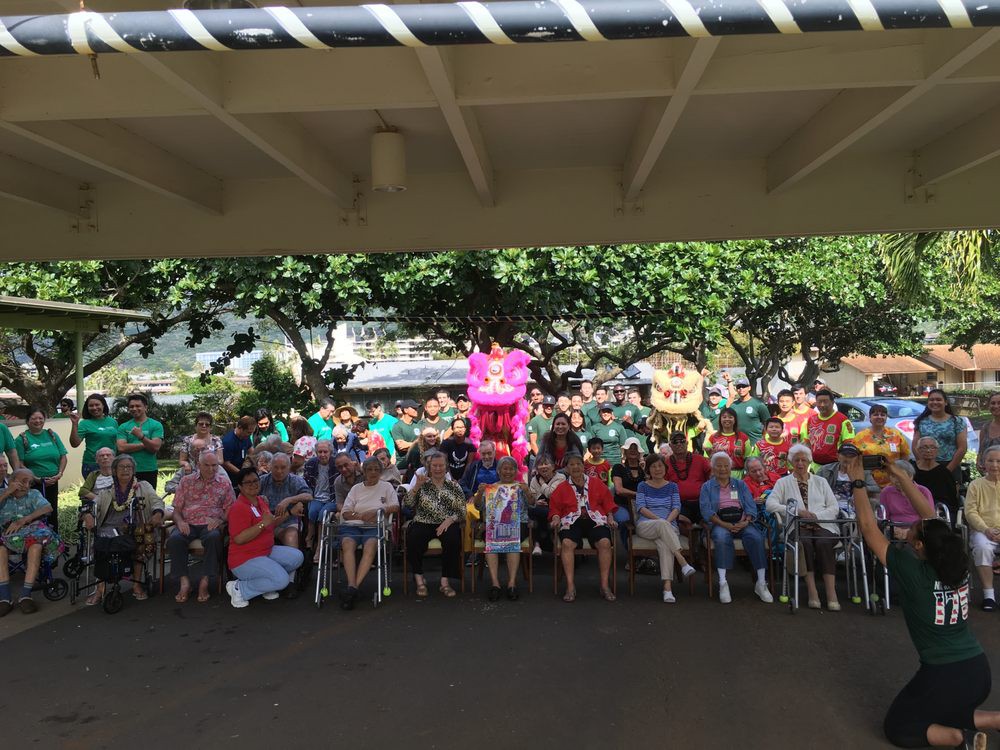
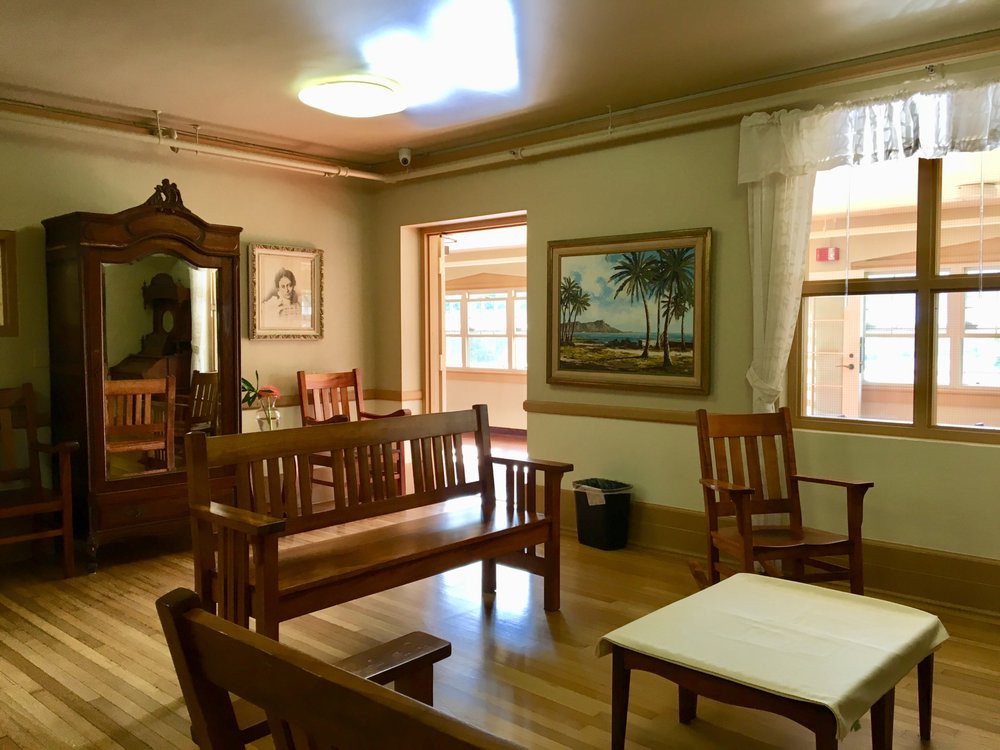
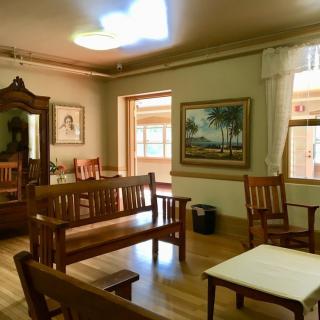
Lunalilo Home is best suited for families seeking a small, locally rooted, culturally integrated elder-care option in Honolulu. With roughly 30 residents, the community long ago shed an institutional feel in favor of a family-style atmosphere. Local staff and Kupuna-focused programs foster a sense of belonging, with dining together, a cultural hall, and group activities that feel personal and meaningful. The environment supports connection and tradition, not just routine care, making it a good fit for seniors who value neighborhood ties, familiar routines, and a strong sense of community.
Alts to consider if deeper medical coverage or modern amenities are priorities. The staffing level is lean, about one nurse and three aides on duty, which can challenge timely responses during busy periods or when more skilled care is needed. For families prioritizing robust rehabilitation programs, easier access to skilled nursing, or a newer, more contemporary footprint, larger campuses with higher staff-to-resident ratios may offer greater peace of mind. Lunalilo excels as a homey, culturally rich choice, but it may fall short for residents who require intensive medical management or up-to-date facility infrastructure.
Key advantages offset the drawbacks in meaningful ways. The charm and local flavor stand out: caregivers and staff are involved with the Kupuna community, and leadership‑level responsiveness, especially from the medical director and team, contributes to a positive, collaborative care climate. The grounds are welcoming, with gardens and lawn space that enable outdoor time, while dining and cultural spaces support socialization and a sense of place. Gentle, accessible exercise programs, chair yoga and similar activities, help maintain mobility and engagement for many residents. The primary downside remains the lean staffing and the older facility footprint, which can translate into slower responses or maintenance hiccups. Taken together, the pros create a setting that works well for residents who are largely independent or lightly dependent but still crave daily social connection and cultural immersion.
Decision criteria center on personal priorities. If cultural immersion, a warm, community‑oriented environment, and close staff connections matter most, Lunalilo delivers strongly. If medical intensity, rapid access to nursing, and a contemporary facility environment are non‑negotiables, alternatives with higher staffing levels and newer infrastructure may be safer. An older design can influence comfort, accessibility, and perceived modernization, tipping the balance for some toward more modern campuses. Families should weigh how much daily social programming and cultural alignment matter against the need for ongoing skilled care and facility updates.
Practical guidance for families evaluating options. For residents who thrive on local culture and neighborly interaction, Lunalilo is compelling. For those prioritizing robust medical oversight, consider other choices. When touring, observe how staff interact with residents, ask about shift coverage and typical response times, and request specifics on how emergencies and maintenance issues are handled. Inquire about rehab service availability, daily routines, and access to dining and cultural spaces. The overall tenor from leadership is positive, but the clarity of staffing plans and the persistence of maintenance improvements should influence the decision as much as the atmosphere.
Bottom line: Lunalilo Home delivers a warm, culturally resonant option for seniors with moderate care needs who value community and tradition. It is less suited for families seeking strong clinical oversight, aggressive rehab programs, or very modern facilities. The strongest positives, local ties, a family atmosphere, supportive leadership, and pleasant grounds, offset the main drawbacks when the resident’s needs align with a smaller, culture‑rich setting. Prospective residents should plan an in‑person visit, observe staff-resident dynamics, and verify staffing schedules and maintenance practices before deciding.
 42 resident community capacity
 Assisted Living
 Board and Care Home
 Activities on-site
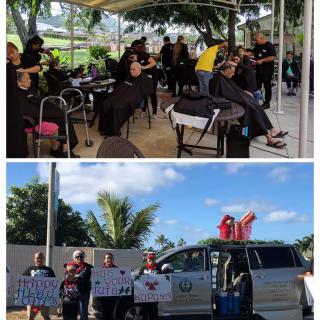
 Beauty salon
 Cable or satellite TV
 Devotional services off-site
 Dining room
 Fully furnished
 Garden
 Housekeeping services
 Indoor common areas
 Kitchenette
 Move-in coordination
 Outdoor common areas
 Private
 Private bathrooms
 Respite or short term stays offered
 Telephone
 Wheelchair accessible showers
 Wi-Fi/high-speed internet available
 Honolulu International (15 miles away)
 24-hour call system
 Ambulatory care
 Assistance with bathing
 Assistance with dressing
 Assistance with transfers
 Diabetes diet
 Diabetic care
 High acuity care
 Incontinence care
 Meal preparation and service
 Medication management
 Mental wellness program
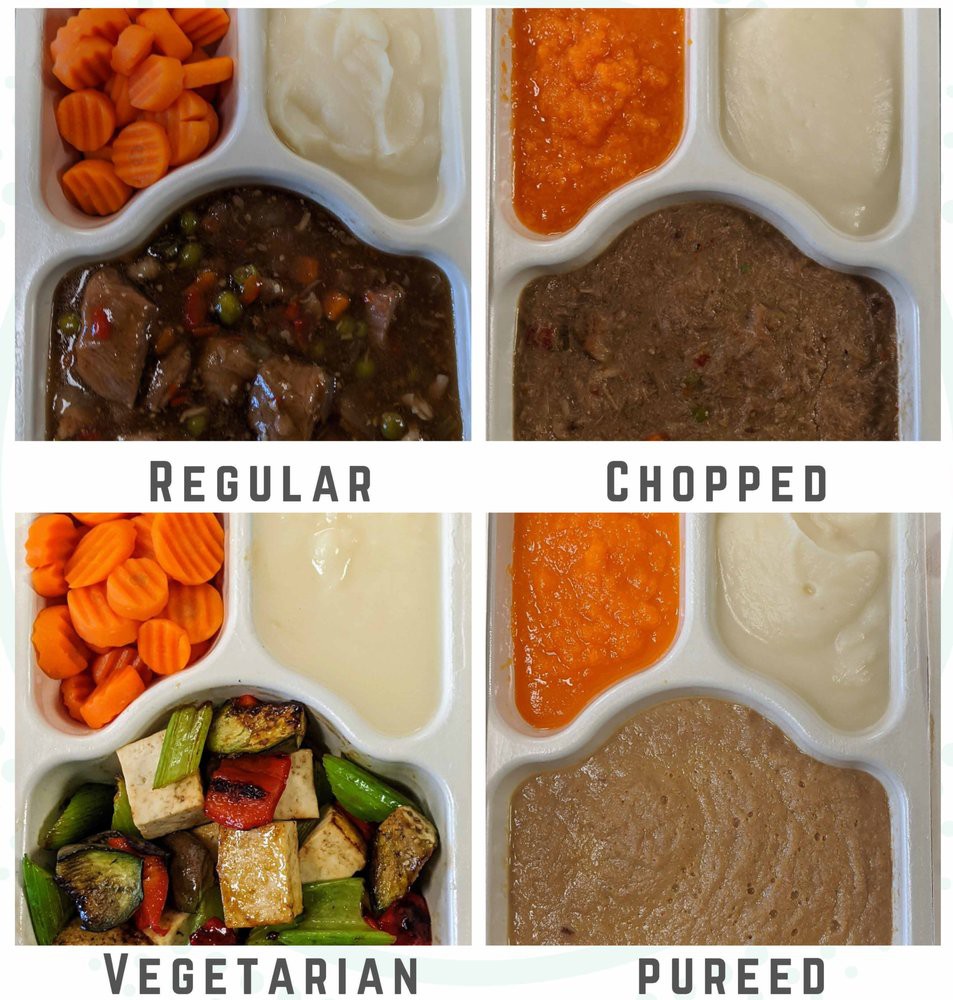
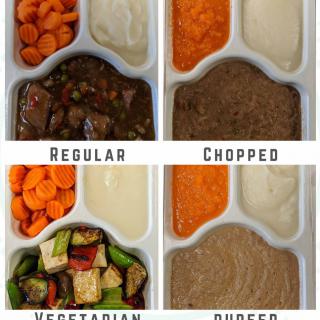
 Special dietary restrictions
 Transportation arrangement (medical)
 Transportation to doctors appointments
 Art classes
 Catholic services
 Cooking classes
 Karaoke
 Live musical performances
 Live well programs




 Beyond the Bingo Hall: 50+ Enriching Activities for Seniors in Assisted Living
 Understanding the Distinctions: Assisted Living and Memory Care Explained
 Guiding Elderly Parents Who Refuse Assisted Living: 6 Practical Steps