
1119 Kahauiki Place, Honolulu, HI 96819
For more information about senior living options: (866) 208-4318
Overall Review of Family Ties Adult Residential Care Home
Pros
 Yaying is extremely knowledgeable.
- Yaying cares for all her residents.
- The care home is clean and well maintained.
- The environment is cozy, friendly, and feels like home.
- The staff are amazing.
- The food is authentic and tasty.
- The care provided here is top-notch and professional.
Review
Family Ties Adult Residential Care Home in Honolulu is best suited for families seeking a truly home-like, intimate setting where a dedicated caregiver can deliver highly personalized attention. The reviews collectively underscore a atmosphere that feels cozy, welcoming, and deeply focused on individual residents. Yaying, who goes by Amy, leads with strong knowledge and hands-on care, and the staff are consistently described as amazing. For seniors who value a predictable daily routine, authentic hospitality, and a sense of belonging over a clinical or impersonal vibe, this community hits the mark in a way larger facilities often cannot.
Those with more intensive medical needs or a desire for expansive campus amenities should consider alternatives. A few situations deserve caution: residents who require around-the-clock medical supervision, frequent on-site therapies, or a wide array of structured activities and social programs may find a small home setting less capable of meeting every requirement. Leaders should evaluate whether the cadence of care at Family Ties aligns with current health needs, especially if there is a risk of evolving medical complexity or a need for more robust on-site support.
The most compelling pros here are the near-constant availability of caring, capable staff and the home-like atmosphere that pervades daily life. The environment being clean and well-maintained reinforces a sense of safety and dignity, while meals described as authentic and tasty contribute to overall quality of life and independence. These strengths tend to offset the limitations implicit in a smaller operation: residents are not just numbers but individuals whose preferences and routines are honored by a hands-on team. The combination of knowledgeable caregiving and a warm setting translates into genuine peace of mind for families.
Another clear advantage is the trust factor conveyed by the staff. The repeated emphasis on “professional,” “caring,” and “comfortable” interactions suggests a level of reliability that reduces relocation anxiety for families and minimizes the emotional strain on residents. When care feels like being surrounded by people who genuinely know and respect personal history, the risk of disorientation or withdrawal diminishes. In practice, this translates to smoother transitions for new residents and steadier mood and engagement for those already settled.
While the strengths are meaningful, a prudent family should confirm practical details that influence day-to-day life. Inquire about caregiver-to-resident ratios across shifts, availability of emergency response and on-call medical support, and the process for coordinating with external doctors and specialists. Ask how meal planning accommodates dietary restrictions and cultural preferences, and whether there is a predictable activity framework that still leaves room for individualized interests. Understanding these operational piano keys helps ensure the home’s warmth is matched by dependable continuity of care.
Ultimately, this Honolulu option stands out for families prioritizing a trusted, intimately attentive setting where care feels like a personal commitment rather than a service. It excels at delivering homelike comfort, professional caregiving, and a clean, welcoming environment that honors residents’ dignity. For those whose priorities align with a close-knit, caregiver-led experience and readiness to adapt expectations to a smaller footprint, Family Ties is a compelling choice. If medical complexity or a broad spectrum of on-site amenities is non-negotiable, exploring alternatives with larger capacity and more formalized clinical resources is a wise next step. Schedule a visit, observe the daily routines, meet Yaying in person, and assess whether the cadence of care matches the resident’s needs.
 5 resident community capacity
 Assisted Living
 Cable or satellite TV
 Dining room
 Fully furnished
 Garden
 Housekeeping services
 Move-in coordination
 Outdoor space
 Telephone
 Wi-Fi/high-speed internet available
 Honolulu International (3 miles away)
 24-hour supervision
 Activities of daily living assistance
 Assistance with bathing
 Assistance with dressing
 Assistance with transfers
 Diabetes diet
 Meal preparation and service
 Medication management
 Special dietary restrictions
 Transportation arrangement (medical)
 Transportation to doctors appointments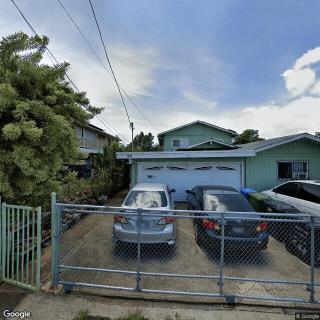


 How and When Medicaid May Cover Assisted Living Costs
 A Detailed Exploration of Assisted Living Medicaid Waivers Across the United States
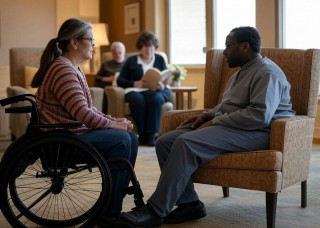 Comprehensive Residential Support and Assisted Living Solutions for Individuals with Disabilities