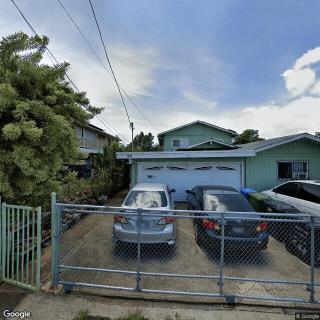
Family Ties

1103-A Kahauiki Place, Honolulu, HI 96819

For more information about senior living options: (844) 490-3973

3.3 from 7 reviews
5 stars
4
4 stars
0
3 stars
0
2 stars
0
1 stars
3

Assisted Living

Overall Review of Family Ties

Cons

  • pro The nephew's family lived six years in a one-bedroom despite promises of a larger unit.
  • pro They were repeatedly assured a two-bedroom would become available, but nothing materialized.
  • pro They were told a two-bedroom would be ready by July 10, 2025, only to have that unit awarded to another family.
  • pro The handling of their housing needs appeared unfair and possibly discriminatory.
  • pro The situation reflects poor management and a lack of transparency from the housing office.
  • pro They may need legal counsel to pursue their complaint.

Review

I understand you're trying to navigate a stressful situation about a potential 2-bedroom unit for your nephew's family and whether there may be discrimination involved. Below is a thorough overview of what to know and what to do next. It covers how housing allocations commonly work, how to document and pursue your concerns, and how to seek help if you suspect unlawful discrimination. This is general information and not legal advice.

First, how waitlists and allocations typically work for 2-bedroom units In many housing programs - whether public housing, project-based housing, or programs like Section 8 - the process for moving a family from a smaller unit to a larger one is governed by occupancy standards, availability, and policy specifics of the housing authority or private management company. Important things to understand: - Occupancy standards vary by program. They determine how many bedrooms are considered appropriate for a given household size. Some programs will require a larger unit for a family with five people; others may have more flexible standards. The exact rule can depend on local regulations and the specific property's policy. - Turnover and waitlists are unpredictable. Even when a unit is advertised as available, the timing can shift due to applicants currently in the pipeline, eligibility verifications, or required internal approvals. If a unit is claimed by another family, it could be because that family met the program's priority rules or because a different unit ultimately met their needs. - Promises and miscommunications happen. Management staff may tell interested applicants that a unit will be released, only to need to adjust due to changing eligibility or other applicants in the queue. It's common to request formal written confirmation of any offers, deadlines, and the next steps to avoid confusion.

What to do right away to protect your nephew's interests - Gather and document everything. Create a clear log of all interactions: dates, names of staff you spoke with, what was promised (e.g., a specific 2-bedroom unit becoming available by a certain date), and the actual outcomes. Save emails, text messages, and any letters. - Request a written status update. Ask the property manager or housing authority for a formal, written update on the availability of the 2-bedroom unit, the date it would be or would have been available, and where your nephew's family stands on the waitlist. If there are specific eligibility criteria, request those in writing as well. - Clarify unit eligibility and occupancy needs. Ask for the official occupancy standards used by the program, including how many bedrooms are designated for a family of five and whether exceptions can be made for overcrowding (if applicable). This helps you understand whether your nephew's family should indeed be prioritized for a 2-bedroom versus a larger unit. - Document any discrepancies between promises and actions. If you were told a unit would be held or reserved for your nephew's family and then it was allocated to someone else, note the dates and the exact statements made. This can be important if you need to pursue a formal complaint later.

Discrimination concerns: what could be involved and what protects you Under the federal Fair Housing Act, it is illegal to discriminate in housing on the basis of protected characteristics, including familial status (families with children). If a housing provider treats your nephew's family differently because they have children, that could be unlawful discrimination. Other protected bases include race, color, national origin, religion, sex, disability, and more, depending on state law. - Signs that discrimination may be at play include inconsistent treatment of similar families, different eligibility criteria being applied without a legitimate, neutral reason, or repeated delays and denials that align with the presence of children in the household. - However, there can be legitimate, non-discriminatory reasons for decisions (e.g., a family with a larger or different eligibility profile qualifying for the 2-bedroom sooner, or a unit being reassigned due to safety, accessibility, or policy constraints). It's essential to gather clear documentation and understand the policy before concluding discrimination.

How to pursue a potential discrimination claim if you believe it's warranted - Seek a formal grievance or complaint process first. Many housing authorities have internal complaint procedures for residents and applicants. File any internal complaints in writing and keep copies. - File with the U.S. Department of Housing and Urban Development (HUD). HUD can investigate alleged discriminatory acts under the Fair Housing Act. You can file a complaint within one year of the discriminatory act, and the process often involves a determination of whether there was discrimination and, if so, remedies. You can file online, by mail, or by phone. - Contact your state or local fair housing agency. Some states administer their own fair housing laws and offer additional protections or faster processes. They can provide guidance and assist with investigations at the state level. - Consider legal counsel. A fair housing attorney can help assess whether discrimination may have occurred, guide you on the best route (internal processes, HUD complaint, or court action), and help preserve deadlines and evidence. If cost is a concern, look for legal aid organizations or a state bar association's lawyer referral program that may offer low-cost or pro bono services. - Preserve evidence and timelines. Keep all communications, outreach attempts, and responses. Note dates when promises were made, when units were advertised as available, and when families were given different outcomes. Documentation is critical to a possible complaint or legal action.

What you can do to strengthen your position while you wait - Request clarification on next steps. Ask for the official waitlist status, the process to upgrade to a 2-bedroom, any required documentation, and the expected decision timeline. Written confirmation helps prevent future delays. - Explore alternate paths for housing if needed. If a 2-bedroom is not immediately available, ask about interim options (e.g., other properties in the same program, a different unit type with a move-in timeline, or temporary housing arrangements if supported by the program). This keeps momentum and safety nets in place for the family. - Seek tenant advocacy or community resources. Tenant associations, housing rights groups, or community organizations can provide guidance, help with communications, and connect you with fair housing resources. They can also help ensure the family's rights are protected during the process.

Key resources and next steps - If you suspect discrimination, you can contact HUD's Office of Fair Housing and Equal Opportunity to file a complaint. They provide information and support in multiple languages and can guide you through the process. - Your state or local fair housing agency can offer additional avenues for investigation and remedies under state law. They may have faster intake or more specific local rules. - A fair housing attorney can provide tailored advice, help with strategy, and represent the family in hearings or court if necessary. Look for programs that offer free legal clinics or sliding-scale services if affordability is a concern. - Keep a running timeline and all communications. This makes it easier to show patterns of treatment or delays if you decide to pursue formal action.

In sum, the situation involves both practical housing policy considerations and potential civil rights protections. It's reasonable to request clear, written information about the availability of the 2-bedroom unit, understand the policy on occupancy and waitlists, and document any inconsistencies between what was promised and what actually occurred. If there's evidence of unequal treatment based on having children or other protected characteristics, you have recourse through HUD, state fair housing agencies, and potentially legal action. Whenever possible, seek written confirmations, maintain thorough records, and consult with a fair housing professional to determine the best course of action for your nephew's family.

Features

Housing

  • 5 resident community capacity 5 resident community capacity

Types of Care

  • Assisted Living Assisted LivingAssisted living facilities provide crucial support and care for seniors who may need help with daily tasks such as medication management, bathing, and meal preparation. These communities offer a safe and comfortable environment where seniors can maintain their independence while receiving the assistance they need to thrive in their golden years.

Amenities

  • Cable or satellite TV Cable or satellite TVCable or satellite TV is important for seniors because it provides entertainment, news, and companionship, helping to combat loneliness and boredom. It also offers a wide range of programming options tailored to different interests and preferences.
  • Dining room Dining roomDining rooms are important for seniors as they provide a space for socialization, connection, and nutritious meals. They offer opportunities for residents to bond over shared meals, foster a sense of community, and promote healthy eating habits. Dining rooms also ensure that seniors have access to well-balanced meals tailored to their dietary needs and preferences.
  • Fully furnished Fully furnishedFully furnished senior living communities are important for seniors because they provide convenience, comfort, and a hassle-free moving experience. Seniors can easily settle into their new living space without the stress of having to buy and move furniture. This allows them to focus on enjoying their new home and community.
  • Garden GardenGardens are important for seniors as they provide a peaceful and therapeutic environment for relaxation, physical activity, and socialization. Being in nature has been shown to reduce stress, improve mood, and promote overall well-being. Gardens also offer opportunities for seniors to engage in gardening activities, which can improve mobility, flexibility, and cognitive function. Additionally, gardens create a sense of community and connection with others who share a passion for plants and outdoor spaces.
  • Housekeeping services Housekeeping servicesHousekeeping services are important for seniors because they help maintain a clean and safe living environment, promote independence, and reduce the risk of accidents or illnesses. Additionally, having assistance with household chores can alleviate physical strain and allow seniors to focus on other aspects of their well-being.
  • Move-in coordination Move-in coordinationMove-in coordination is important for seniors because it helps ease the transition into their new living environment. It ensures that all logistics, such as packing, organizing movers, and setting up utilities are taken care of, allowing seniors to focus on settling in and adjusting to their new home. Having a smooth move-in process can alleviate stress and anxiety, making the transition smoother and more enjoyable for seniors.
  • Outdoor space Outdoor spaceOutdoor spaces are important for seniors as they provide opportunities for physical activity, social interaction, exposure to natural light and fresh air, and a sense of connection to nature. Having access to outdoor spaces can improve overall well-being and quality of life for older adults living in senior communities.
  • Telephone TelephoneTelephones are important for seniors as they provide a lifeline for communication with loved ones, emergency services, and healthcare providers. They offer a sense of security and independence, enabling seniors to stay connected and access assistance when needed.
  • Wi-Fi/high-speed internet available Wi-Fi/high-speed internet availableWi-Fi/high-speed internet is important for seniors to stay connected with loved ones, access online resources, and participate in virtual activities to combat feelings of loneliness and isolation. It also allows them to easily manage healthcare needs, access entertainment, and engage in lifelong learning opportunities.

Transportation

  • Honolulu International (3 miles away) Honolulu International (3 miles away)

Care Services

  • 24-hour supervision 24-hour supervision24-hour supervision is important for seniors to ensure their safety, well-being, and access to immediate assistance in case of emergencies or health issues. This constant support provides peace of mind for both seniors and their loved ones, allowing them to age in place with dignity and security.
  • Activities of daily living assistance Activities of daily living assistanceActivities of daily living assistance are important for seniors because they provide essential support with tasks such as eating, bathing, dressing, and mobility. This assistance helps seniors maintain their independence, dignity, and overall quality of life as they age.
  • Assistance with bathing Assistance with bathingAssistance with bathing is crucial for seniors as it helps maintain personal hygiene, prevents infections, and ensures their overall well-being and comfort. It also provides a sense of dignity and independence for seniors who may struggle with this task on their own.
  • Assistance with dressing Assistance with dressingAssistance with dressing is important for seniors because it helps maintain their independence, promotes personal hygiene, prevents accidents and injuries, and improves overall quality of life. This service ensures that seniors can continue to dress comfortably and confidently, despite any physical limitations they may have.
  • Assistance with transfers Assistance with transfersAssistance with transfers is crucial for seniors as it helps prevent falls and injuries, maintains their independence, and ensures they can safely navigate their living environment. It also provides peace of mind for both seniors and their loved ones.
  • Coordination with health care providers Coordination with health care providersCoordination with health care providers is crucial for seniors to ensure proper medical care, medication management, and overall well-being. This collaboration helps prevent overlapping treatments, track progress more effectively, and provide comprehensive support tailored to individual needs.
  • Diabetes diet Diabetes dietA diabetes diet is crucial for seniors as it helps manage blood sugar levels, reduce risks of complications, and improve overall health and well-being. By following a balanced and nutritious diet tailored to their specific needs, seniors can better control their diabetes and enhance their quality of life.
  • Meal preparation and service Meal preparation and serviceMeal preparation and service are crucial for seniors as they may have limited mobility or energy to cook nutritious meals. Having access to healthy and convenient food options can ensure they are getting the proper nutrition needed to maintain their overall health and well-being.
  • Medication management Medication managementMedication management is crucial for seniors to ensure they are taking the right medications at the correct dosages and times. This helps prevent adverse drug interactions, reduces the risk of medication errors, and promotes overall health and well-being. Proactive management also allows for adjustments as needed based on changing health conditions or new prescriptions.
  • Special dietary restrictions Special dietary restrictionsSpecial dietary restrictions are important for seniors because age-related changes in metabolism and health conditions can make it difficult for their bodies to process certain foods. By following a diet tailored to their specific needs, seniors can maintain their overall health and well-being, manage chronic conditions, and reduce the risk of complications such as malnutrition or food interactions with medications.
  • Transportation arrangement (medical) Transportation arrangement (medical)Transportation arrangements for medical purposes are essential for seniors as they may have difficulty driving themselves to appointments or accessing public transportation. Having reliable and safe transportation options ensures that seniors can receive timely medical care and maintain their health and well-being.
  • Transportation to doctors appointments Transportation to doctors appointmentsTransportation to doctors' appointments is crucial for seniors as it ensures they have access to necessary medical care and support for their health needs. Without reliable transportation, seniors may struggle to attend important appointments, leading to potential delays in treatment and health complications. Providing transportation services helps seniors maintain their overall well-being and quality of life.

Dining

  • Diabetes diet Diabetes dietA diabetes diet is crucial for seniors as it helps manage blood sugar levels, reduce risks of complications, and improve overall health and well-being. By following a balanced and nutritious diet tailored to their specific needs, seniors can better control their diabetes and enhance their quality of life.
  • Special dietary restrictions Special dietary restrictionsSpecial dietary restrictions are important for seniors because age-related changes in metabolism and health conditions can make it difficult for their bodies to process certain foods. By following a diet tailored to their specific needs, seniors can maintain their overall health and well-being, manage chronic conditions, and reduce the risk of complications such as malnutrition or food interactions with medications.

Activities

  • Community-sponsored activities Community-sponsored activitiesCommunity-sponsored activities are important for seniors as they provide opportunities for social interaction, mental stimulation, and physical activity. These activities can help improve overall well-being, combat loneliness and isolation, and promote a sense of belonging and purpose among older adults.
  • Scheduled daily activities Scheduled daily activitiesScheduled daily activities are important for seniors because they provide structure, socialization, mental stimulation, and physical activity. Engaging in regular activities can improve overall well-being and quality of life for seniors living in a community setting.

Description

The Family Ties assisted living community in Honolulu, HI offers a wide range of amenities and care services to provide a comfortable and supportive environment for its residents. The community features a spacious dining room where residents can enjoy delicious meals prepared by the staff. Each living unit is fully furnished, allowing residents to feel at home right from the start. Additionally, the community boasts a beautiful garden and outdoor space where residents can relax and enjoy the fresh air.

Housekeeping services are provided to ensure that each resident's living space is clean and tidy. Move-in coordination is also available to assist new residents with the transition process. For communication needs, telephone and Wi-Fi/high-speed internet access are provided.

Care services at Family Ties include assistance with activities of daily living such as bathing, dressing, and transfers. The staff also coordinates with healthcare providers to ensure that residents receive appropriate medical attention when needed. Special dietary restrictions, including diabetes diets, are accommodated during meal preparation and service.

Transportation arrangements for medical purposes, as well as transportation to doctors' appointments, are available for convenience. Medication management is provided to ensure that residents take their medications correctly and on schedule.

To keep residents engaged and active, scheduled daily activities are offered for them to participate in. There are also three cafes nearby for socializing or enjoying a cup of coffee with friends or family members. The community is conveniently located near parks, pharmacies, physicians' offices, restaurants, transportation options, places of worship, theaters, and hospitals.

Overall, the Family Ties assisted living community in Honolulu offers a comfortable living environment with a range of amenities and care services designed to meet the individual needs of its residents while promoting their overall well-being.

Nearby Places of Interest

Cafes

  • The Bishop Museum Café by Highway Inn (0.8 miles)
  • Starbucks (2.3 miles)
  • Starbucks (3.7 miles)

Pharmacies

  • Times Supermarkets (0.8 miles)
  • Longs Drugs (0.9 miles)
  • Walgreens (0.9 miles)
  • Times Pharmacy - Liliha (1.8 miles)
  • Longs Drugs (2.1 miles)
  • CVS Pharmacy (2.1 miles)
  • Walgreens (2.3 miles)

Restaurants

  • McDonald's (0.8 miles)
  • Sakana Grill (1 miles)
  • Wendy's (1.3 miles)
  • McDonald's (1.8 miles)
  • Liliha Bakery (1.9 miles)
  • McDonald's (2.1 miles)
  • McDonald's (2.1 miles)

Physicians

  • McKoy, James Dr-Kaiser Mapunapuna Clinic (1 miles)
  • Maluhia Health Center (1.4 miles)
  • Community Living Center (Formerlly Center for Aging) (1.7 miles)
  • Orthopedic Care (1.7 miles)
  • Dr Jason Lam's Office (1.7 miles)
  • Cataract & Vision Center of Hawaii (1.8 miles)
  • Honolulu Diagnostic Imaging (1.8 miles)

Hospitals

  • Tripler Orthopedics (1.6 miles)
  • Sparks M. Matsunaga VA Medical Center (1.6 miles)
  • Hmce (1.9 miles)
  • Kuakini Medical Center (2 miles)
  • Kaiser Permanente Hospital (2.1 miles)
  • Kaiser Permanente Moanalua Medical Center (2.1 miles)
  • Asn Consulting Services (2.1 miles)

Theaters

  • Regal Dole Cannery ScreenX, 4DX, IMAX & RPX (1.7 miles)

Places of Worship

  • Izumo Taishakyo Mission of Hawaii (2 miles)
  • St Philomena Church (2.2 miles)
  • Community Lutheran Church Wels (3.4 miles)

Parks

  • Salt Lake District Park (2.1 miles)

Transportation

  • Diamond Head Concourse (2.4 miles)
  • United Club (2.4 miles)
  • Hertz Rent A Car (2.5 miles)
  • TSA Security Check Point (2.6 miles)
  • Central Concourse (2.6 miles)
  • Daniel K. Inouye International Airport (HNL) (2.6 miles)
  • United Airlines (2.7 miles)

Frequently Asked Questions

Where is Family Ties?

Nearby Communities

Related Resources

  • assisted living for disabled adultsComprehensive Supportive Living Arrangements for Adults with Disabilities

    Assisted living for adults with disabilities has transformed to provide personalized care and support services aimed at improving residents' quality of life while balancing independence and assistance. However, low-income individuals often face challenges in affording these services, requiring navigation of various financial resources and advocacy for better policies and solutions.

  • how to pay for assisted livingFunding and Affording Assisted Living: A Thorough Overview

    Assisted living facilities provide support for older adults needing help with daily activities without extensive medical care, but their costs can be high and vary by location and services offered. Families often seek various funding options and financial strategies to manage these expenses effectively while considering future needs and potential price increases.

  • assisted living insuranceAssisted Living Expenses and Long-Term Care Insurance: A Comprehensive Exploration

    The article discusses assisted living expenses, the importance of long-term care insurance in covering these costs, and various financing options, highlighting the need for careful policy review and early planning to address potential needs. It also clarifies common misconceptions about Medicare and private health insurance limitations regarding long-term care coverage.