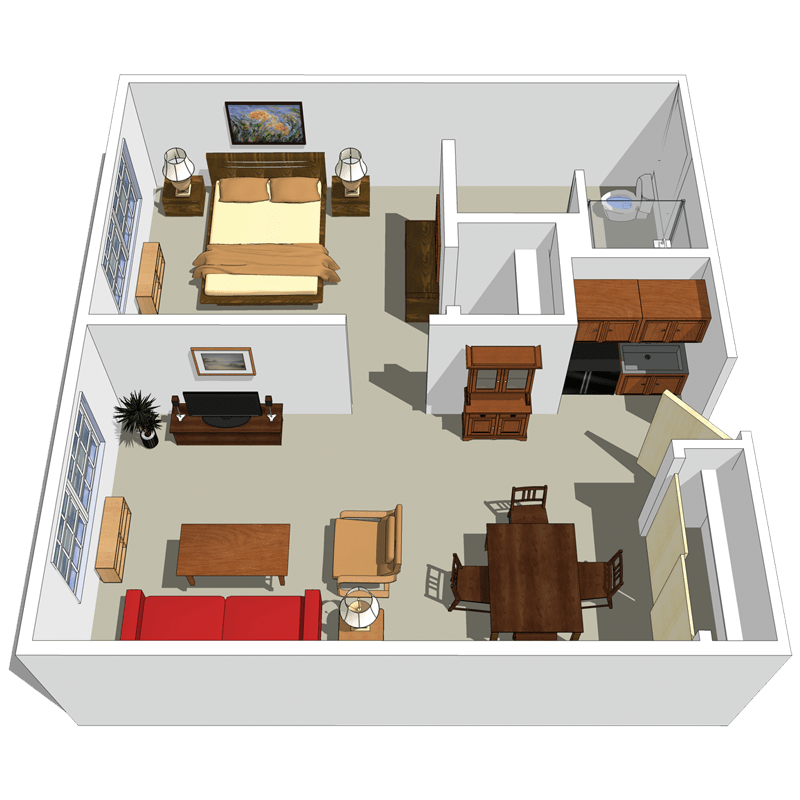
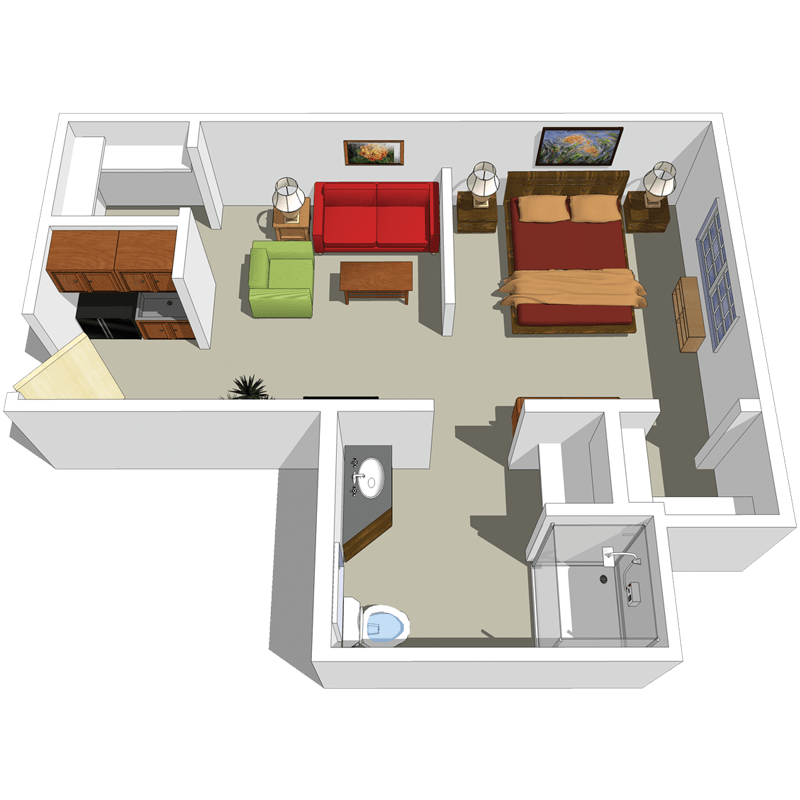
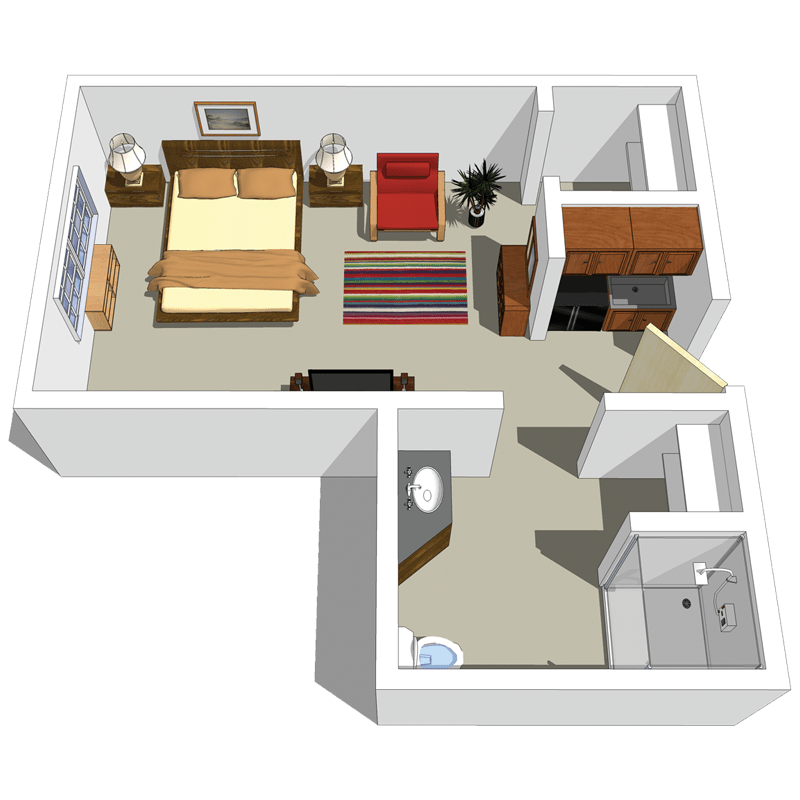
Benton House of Woodstock presents a range of monthly costs that reflect its commitment to quality care and comfortable living. For a studio, residents can expect to pay $3,540, which is slightly higher than the average in Cobb County at $3,482 and aligns closely with the state average of $3,520. The semi-private rooms, priced at $4,320, significantly exceed both county and state averages - $2,367 and $2,529 respectively - indicating a premium experience that sets Benton House apart in terms of amenities or services offered. Lastly, the one-bedroom option comes in at $4,770, again above local and state figures of $3,303 and $3,412. Overall, these costs suggest that Benton House aims to provide superior offerings that may justify the higher pricing in comparison to surrounding alternatives.
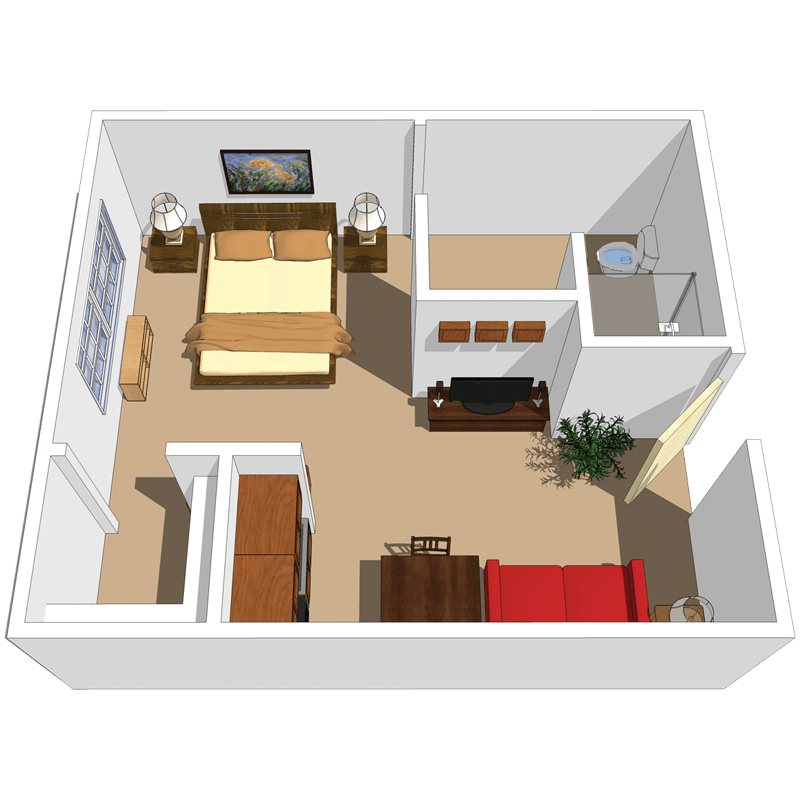
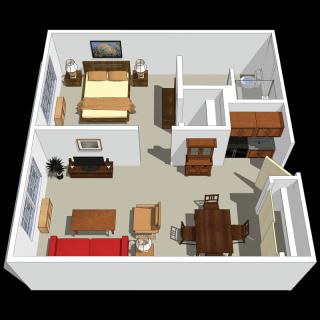
Floor plans
Benton House Of Woodstock
Cobb County
Georgia
Studio
$3,540
$3,482
$3,520
Semi-Private
$4,320
$2,367
$2,529
1 Bedroom
$4,770
$3,303
$3,412
Memory care communities with a similar price nearby
Dining quality is inconsistent, with some meals arriving cold or described as not hot.
Several families mention meal timing or temperature issues, including meals being late and cold or served cold more than once. One reviewer says the breakfast stands out as the best meal, even though other meals are a concern. Another review calls the food “horrible,” noting differences for public events versus regular meals. A different reviewer mentions the food is good and another says a family found the food excellent, suggesting outcomes can depend on what and when you’re served.
caveat4 reviews mention this
Pricing feels steep for some
Pricing is a frequent concern, with multiple reviews calling it more expensive than expected.
Some reviewers directly describe the community as too expensive or note that it costs higher than others they toured. A couple of families also point to price as a concern even while still finding other parts of the experience positive, like staff and activities. One reviewer mentions being cautious about multiple price levels if additional care is needed. Overall, residents and families may find the month-to-month cost harder to justify when compared with alternatives.
common5 reviews mention this
Activities help residents stay engaged
Activities are a real focus and help many residents stay involved.
Multiple reviews describe activities as a steady part of day-to-day life, including entertainment, work-outs, games, and opportunities to socialize. One resident/family says planned activities keep a loved one engaged and happy, including favorites led by the activities director. Several reviewers also mention the community provides an activity-rich experience, including for memory care. One review adds a limitation that no exercise class had started at the time of their feedback, though they said it was being looked into.
common4 reviews mention this
Memory care is discussed
Memory care programming and support come up often in reviews.
Families mention memory care specifically, including seeing residents thriving and enjoying the environment. One reviewer says the community has a dementia care team that comes in for residents and describes training as a strength. The memory care setup is also tied to environment details like courtyard access in at least one review. At the same time, one family reports a care needs mismatch due to not offering thickened liquids, which was the reason they chose a different facility.
caveat4 reviews mention this
Communication and inquiry experience varies
Communication during tours and care inquiries is inconsistent across reviews.
Some reviewers praise responsiveness and communication with family members, while others describe problems when trying to get information or arrange respite. One family reports leaving messages without a return call and being given contradictory statements about whether respite was provided. Another review describes a tour experience that felt unprepared and not focused, with the reviewer waiting and not receiving the kind of information packet they expected. A separate review also mentions challenges with communication and coordination at a particular time.
How we summarize
Counts show how many written reviews mention each theme; a review can touch several themes, and only frequently mentioned themes are displayed.
Features
Housing
72 resident community capacity
1-bedroom apartments
Studio apartments
Types of Care
Assisted Living
Day Program
Memory Care
Pets
Cats allowed
Dogs allowed
Amenities
Activities off-site
Activities on-site
Air-conditioning
Beautician on-site
Beauty salon
Cable or satellite TV
Computer center
Devotional services off-site
Devotional services on-site
Dining room
Fitness room
Fully furnished
Gaming room
Garden
Ground floor units
Guasts at mealtime
Handicap accessible
Housekeeping services
Indoor common areas
Kitchenette
Laundry
Move-in coordination
Outdoor common areas
Outdoor space
Party space
Private bathrooms
Respite or short term stays offered
Restaurant-style dining
Small library
Telephone
Wellness center
Wheelchair accessible showers
Wi-Fi/high-speed internet available
Transportation
Community operated transportation
Transportation arrangement
Transportation arrangement (non-medical)
Transportation to doctors appointments
Care Services
12-16 hour nursing
24-hour call system
24-hour supervision
Activities of daily living assistance
Ambulatory care
Assistance with bathing
Assistance with dressing
Assistance with transfers
Diabetes diet
Diabetic care
High acuity care
Incontinence care
Meal preparation and service
Medication management
Mental wellness program
Mild cognitive impairment
Special dietary restrictions
Specialized memory care programming
Dining
Diabetes diet
Guest meals
Low / no sodium
Meals provided
No Sugar
Professional chef
Restaurant style dining
Room service
Special dietary restrictions
Activities
Activities off-site
Art classes
Community-sponsored activities
Concierge services
Cooking classes
Day trips and outings
Devotional activities offsite
Devotional activities on-site
Educational speakers / life long learning
Fitness programs
Happy hour
Karaoke
Live well programs
Other religious services
Planned day trips
Religious services
Resident-run activities
Scheduled daily activities
Visiting chaplain or priest
Wine tasting
Languages Spoken
English
Videos
Nearby Places of Interest
This area of Woodstock, Georgia offers a convenient and diverse range of amenities for seniors. With multiple restaurants nearby such as McDonald's, Sonic Drive-In, and Guston's Grille, there are plenty of dining options to choose from. For spiritual needs, there are several places of worship within a few miles, including First Baptist Church Woodstock and Transfiguration Catholic Church. Additionally, the presence of parks like Dupree Park and Woofstock Park provides opportunities for outdoor recreation and relaxation. Accessibility to healthcare is also good with various physicians' offices located nearby, such as Georgia Eye Partners Woodstock and Pinnacle Orthopaedics. There are also several pharmacies in the vicinity for easy access to medications. For entertainment, theaters like Movie Tavern Sandy Plains are within reach. Overall, this area offers a well-rounded living environment for seniors with its combination of amenities and services available in close proximity.
Benton House of Woodstock presents a range of monthly costs that reflect its commitment to quality care and comfortable living. For a studio, residents can expect to pay $3,540, which is slightly higher than the average in Cobb County at $3,482 and aligns closely with the state average of $3,520. The semi-private rooms, priced at $4,320, significantly exceed both county and state averages - $2,367 and $2,529 respectively - indicating a premium experience that sets Benton House apart in terms of amenities or services offered. Lastly, the one-bedroom option comes in at $4,770, again above local and state figures of $3,303 and $3,412. Overall, these costs suggest that Benton House aims to provide superior offerings that may justify the higher pricing in comparison to surrounding alternatives.
Benton House of Woodstock enhances the quality of life for residents with dementia or Alzheimer's disease through a comprehensive suite of features designed to address their unique needs. The 24-hour supervision ensures a safe environment where residents receive constant attention, which is crucial for maintaining security and peace of mind. Assistance with activities of daily living, including bathing, dressing, and transfers, promotes dignity while helping individuals maintain their independence as much as possible. Incontinence care is provided discreetly to foster comfort and reduce anxiety about personal hygiene. Meal preparation and service are tailored to meet dietary needs and preferences, encouraging proper nutrition essential for overall well-being. Medication management alleviates concerns around adherence to prescribed regimens, which can be particularly challenging for those experiencing cognitive decline. Additionally, the mental wellness program, along with specialized memory care programming aimed at mild cognitive impairment, engages residents in meaningful activities that stimulate cognitive function and encourage social interaction, ultimately contributing to improved mental health and emotional satisfaction.
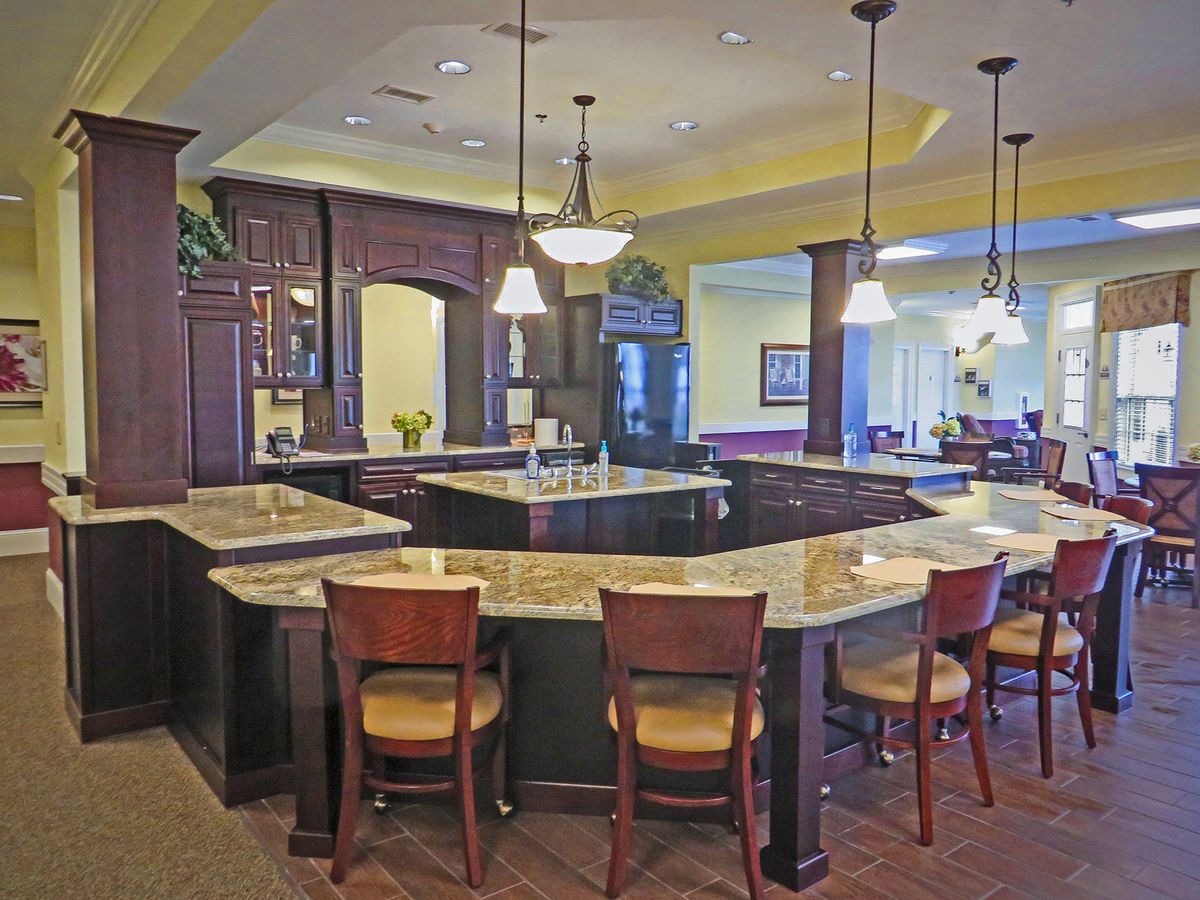
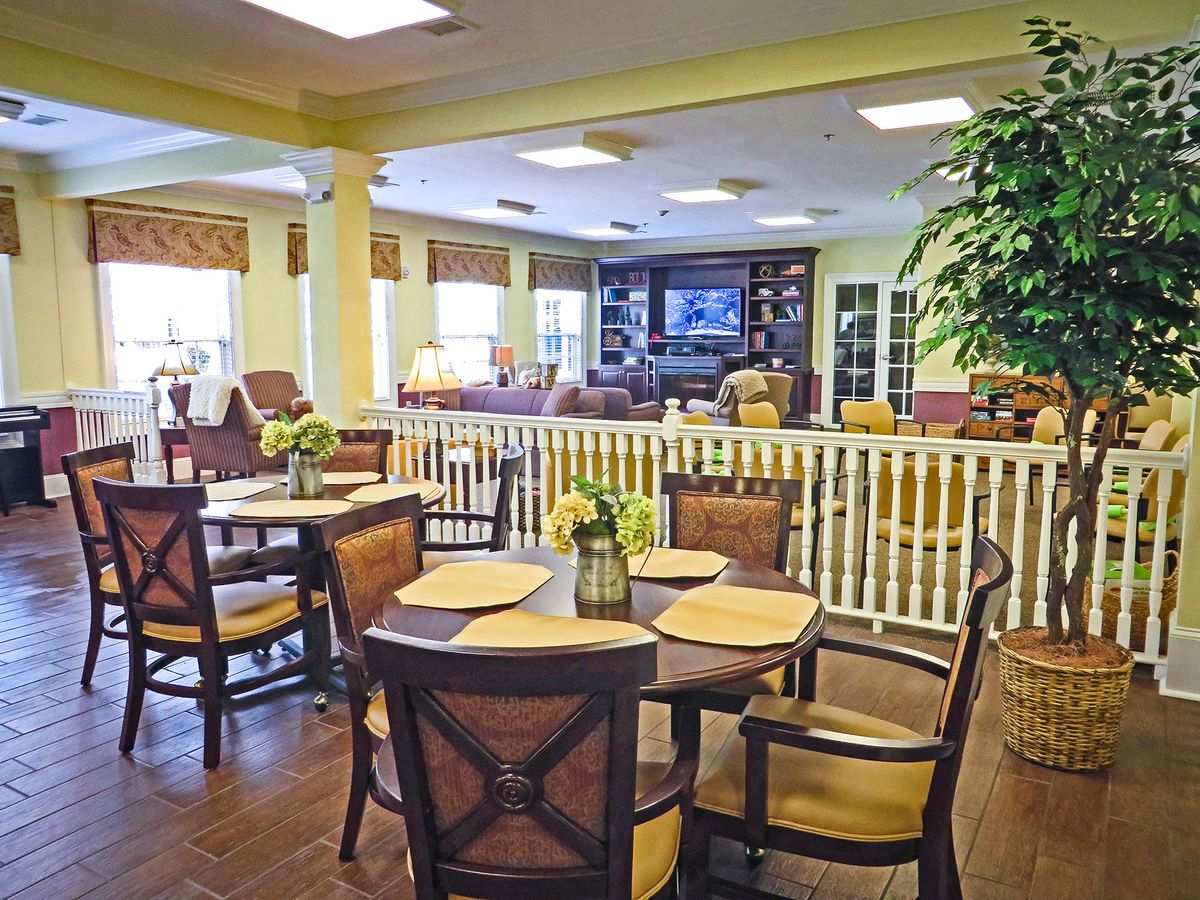
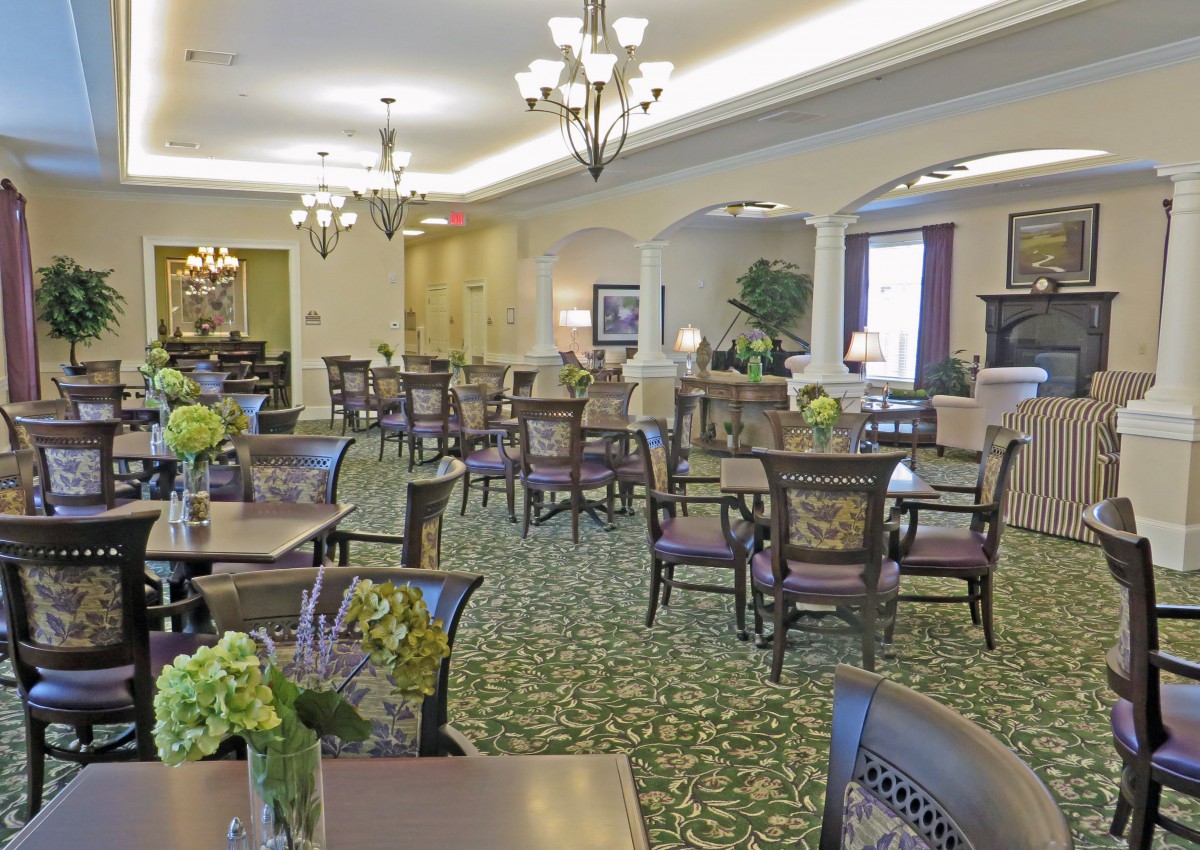
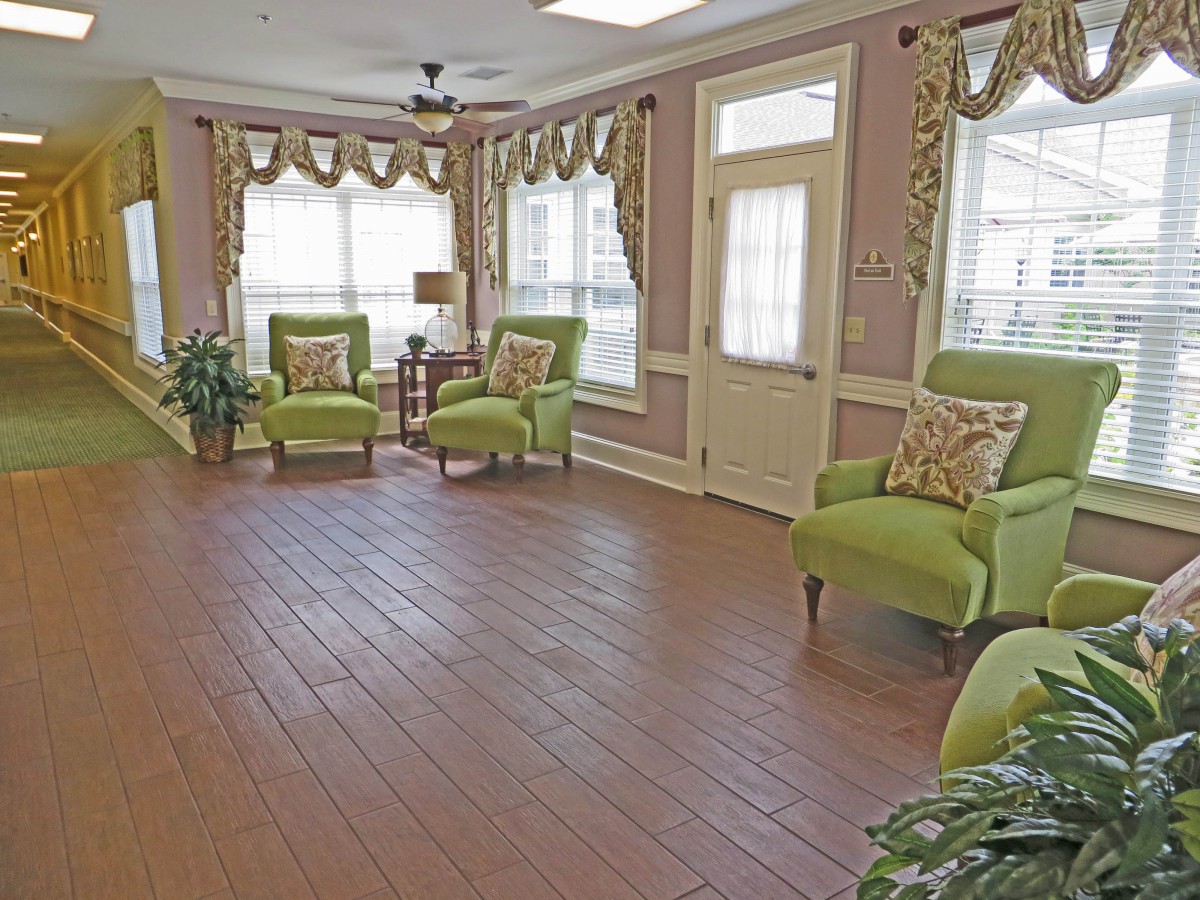
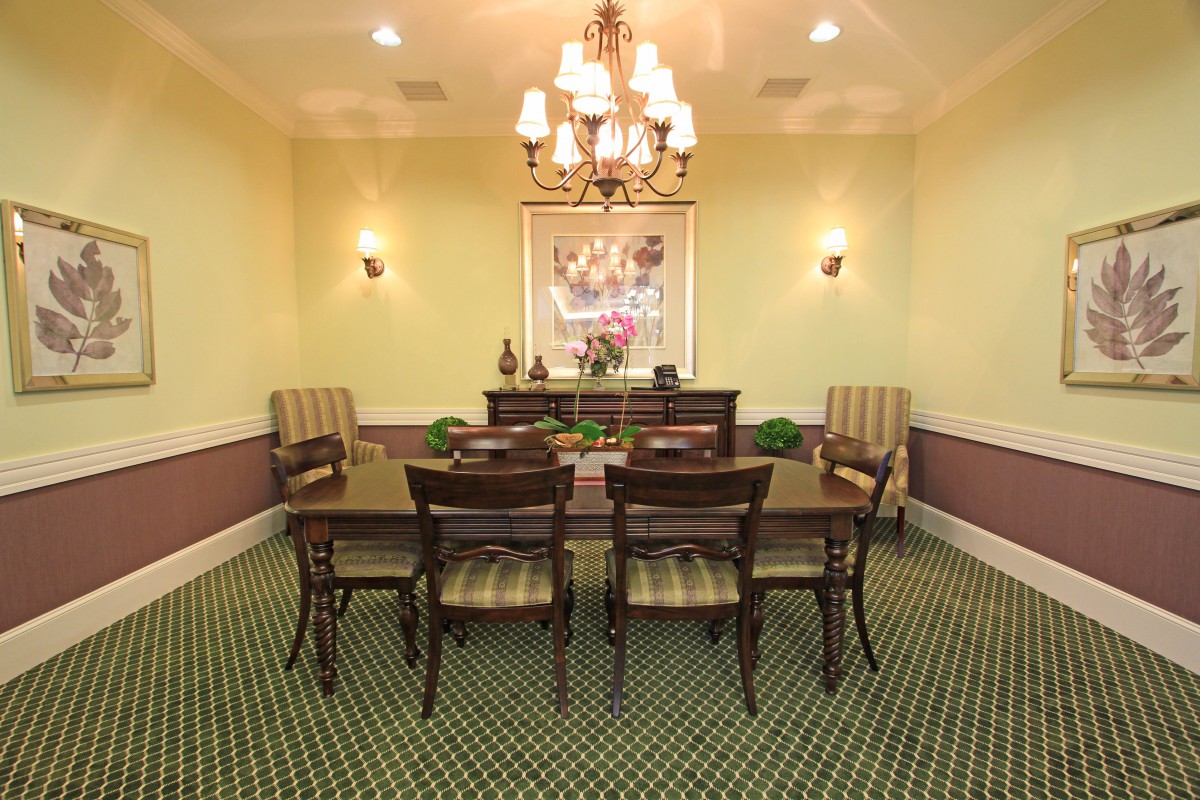
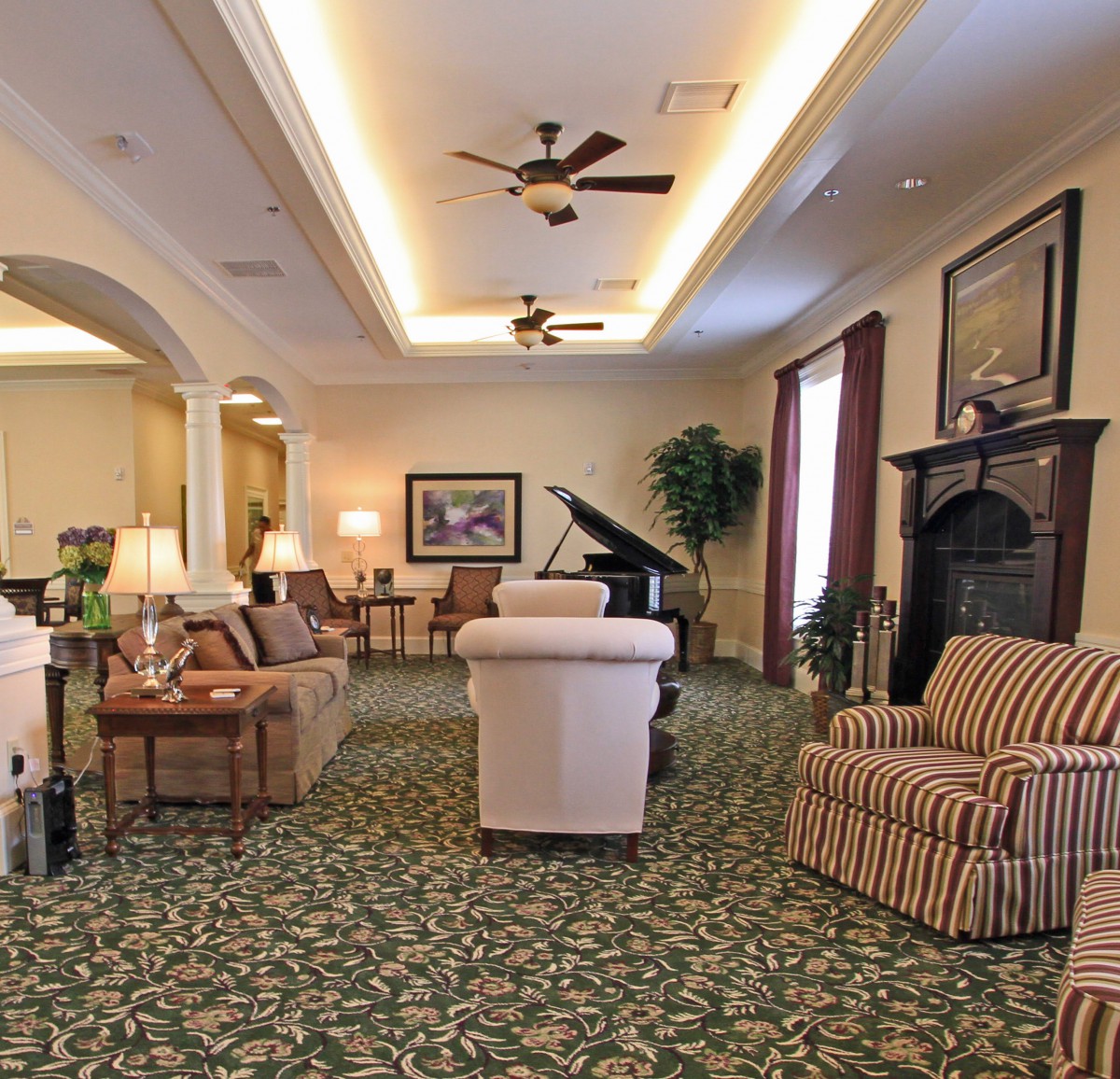
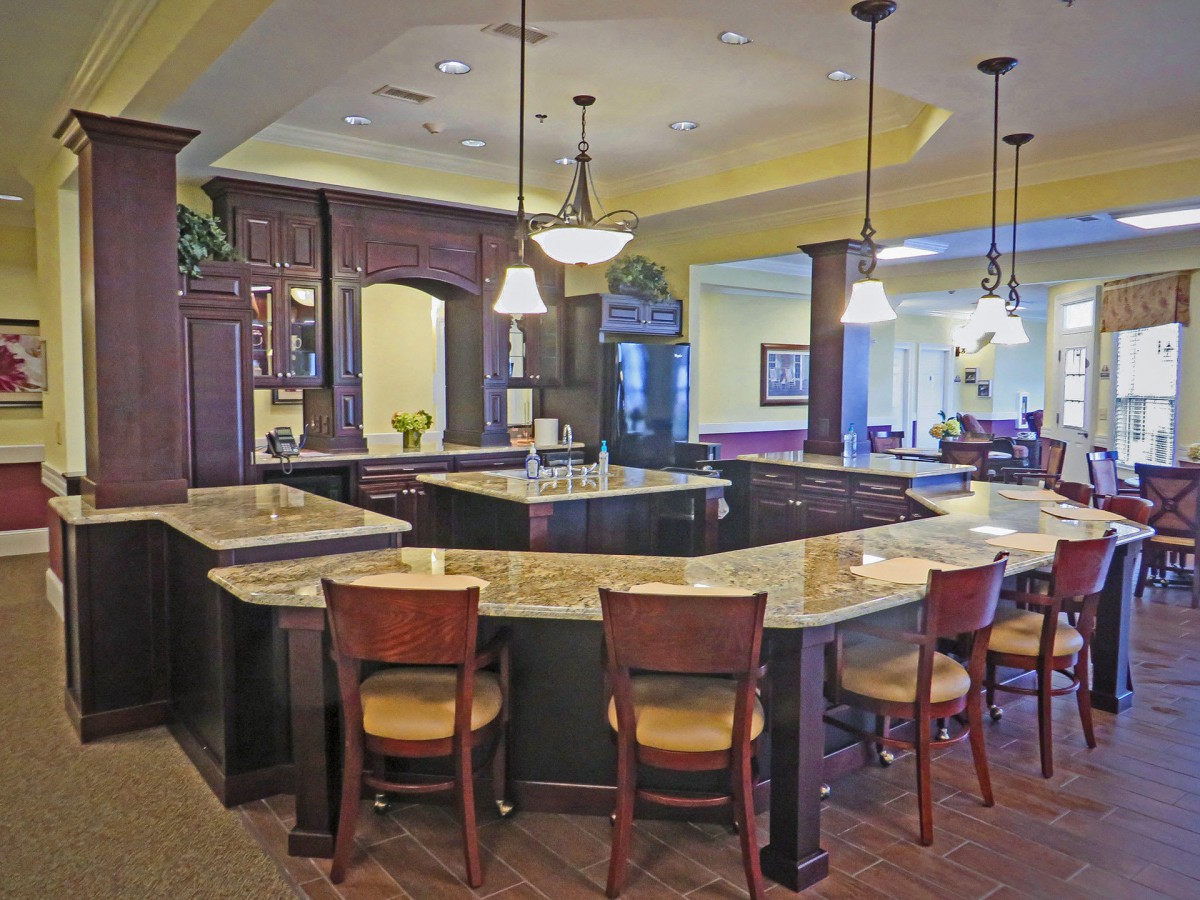
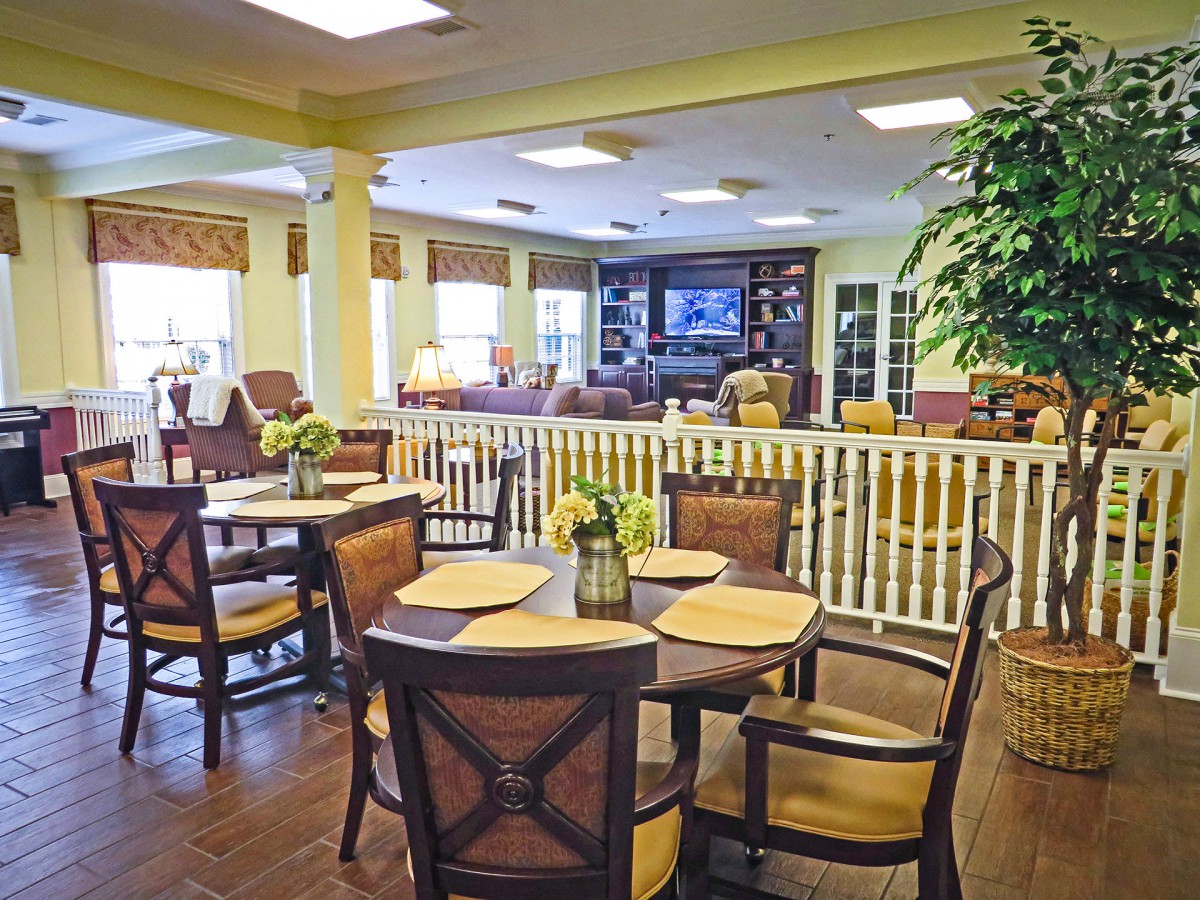
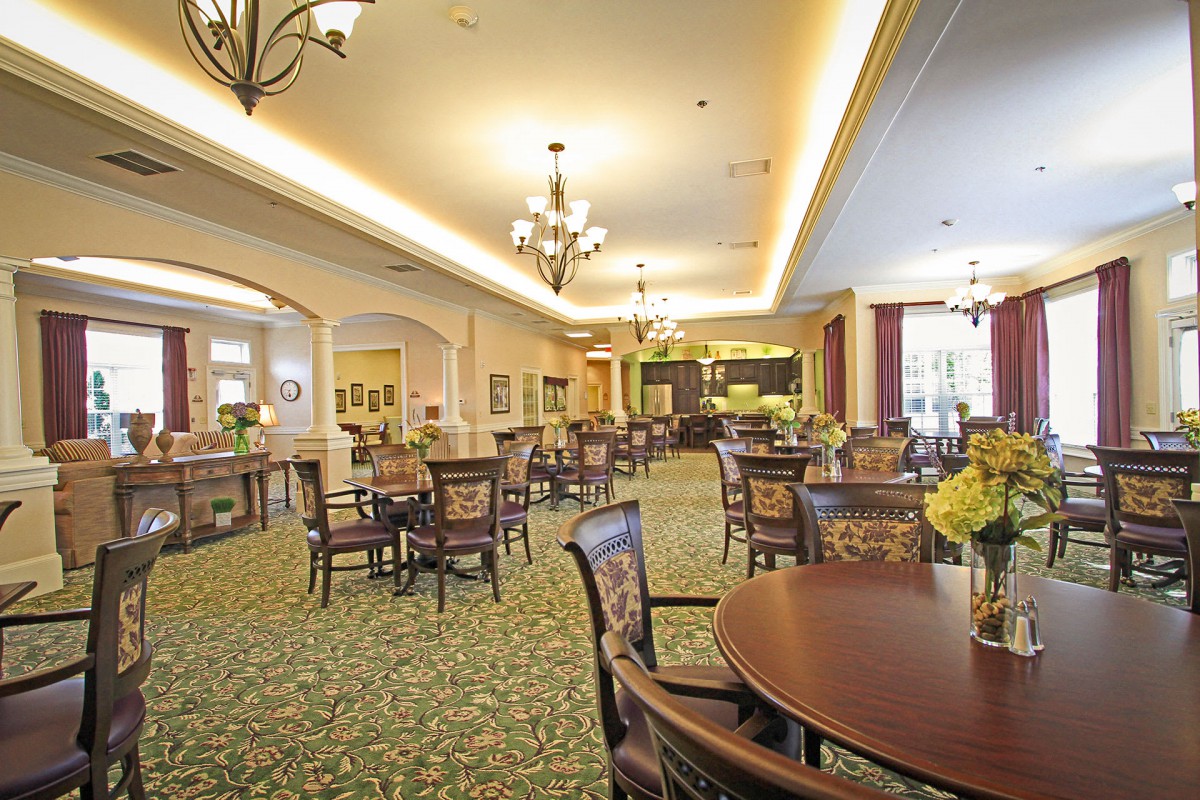
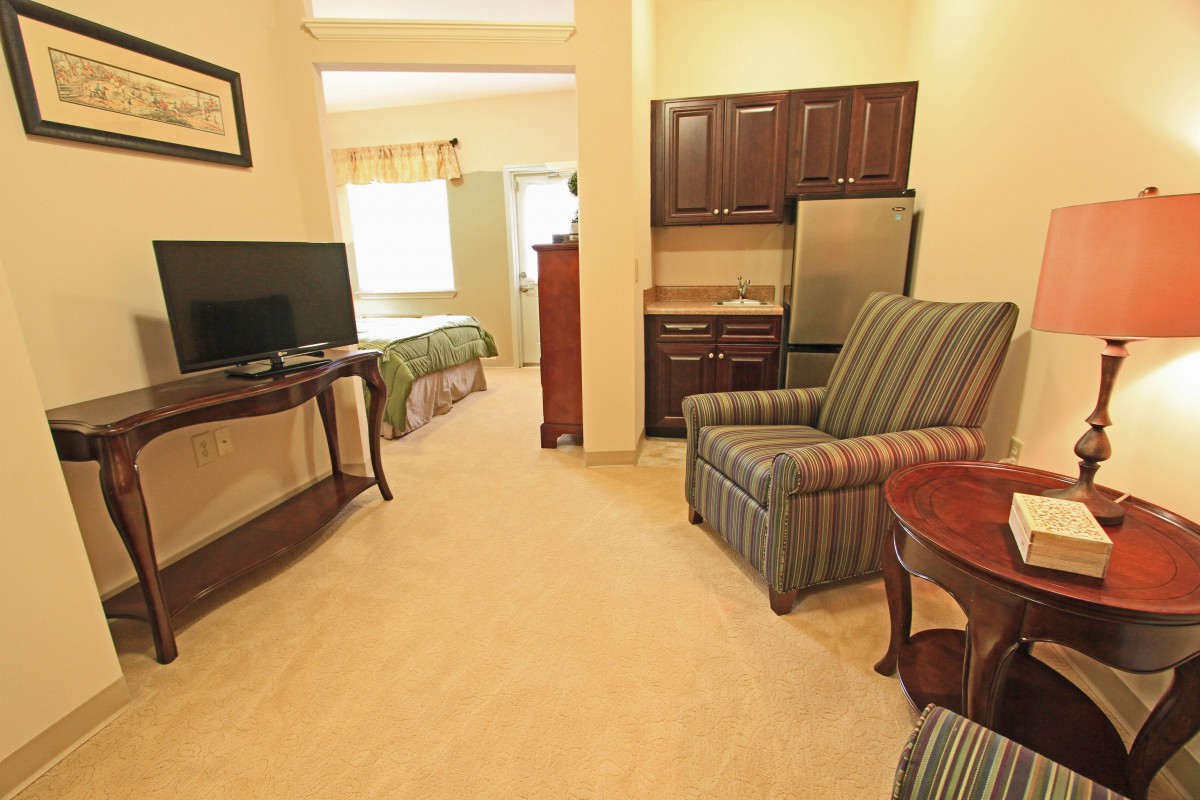
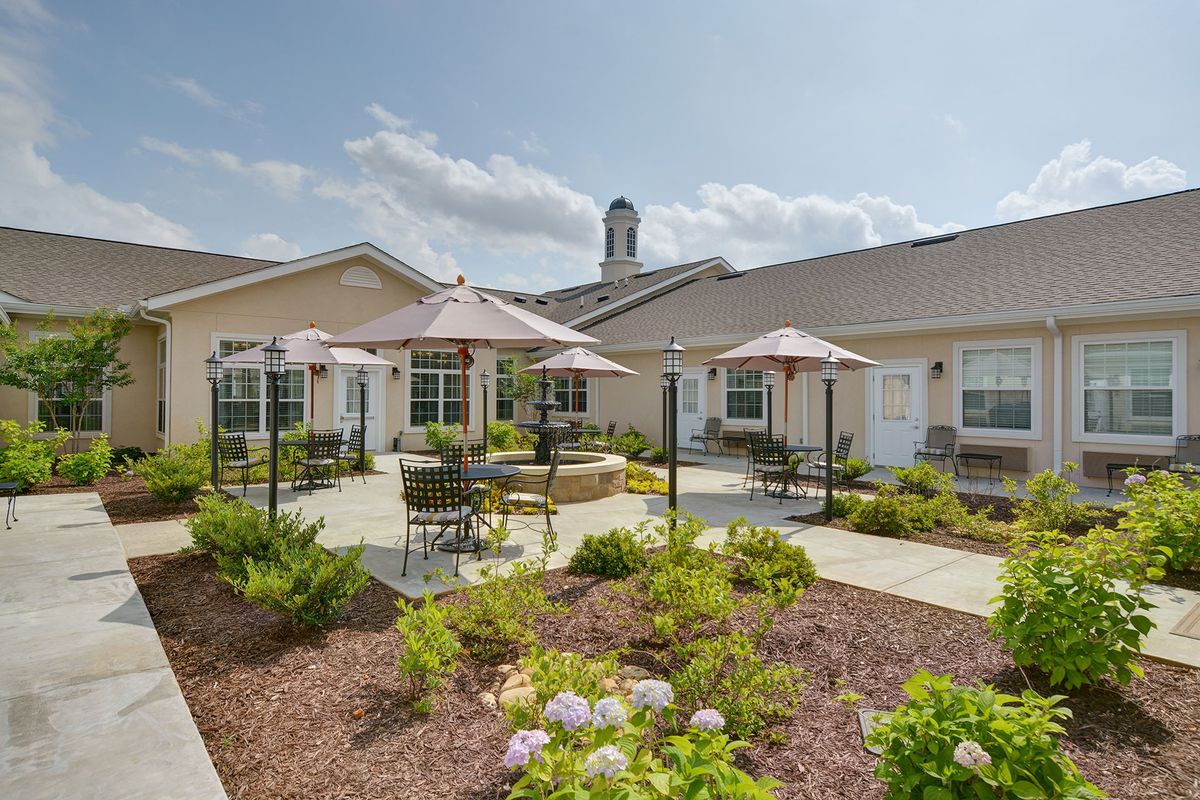
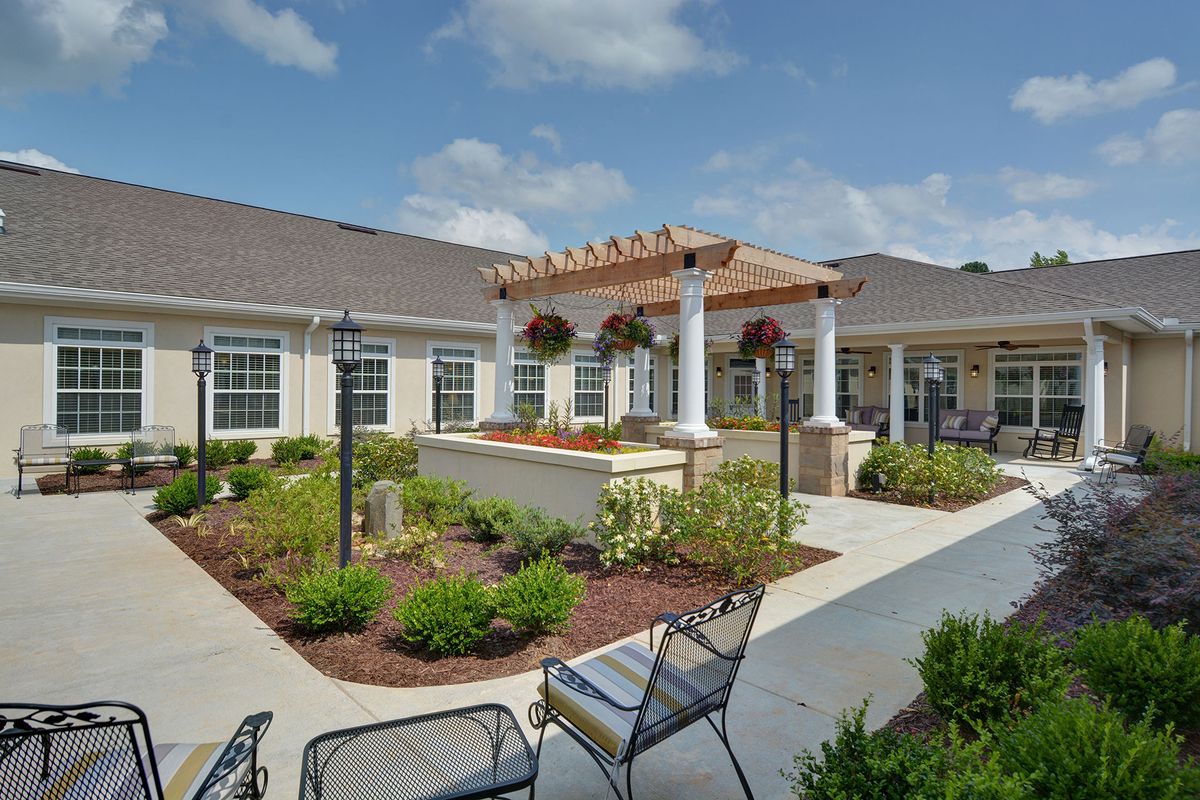
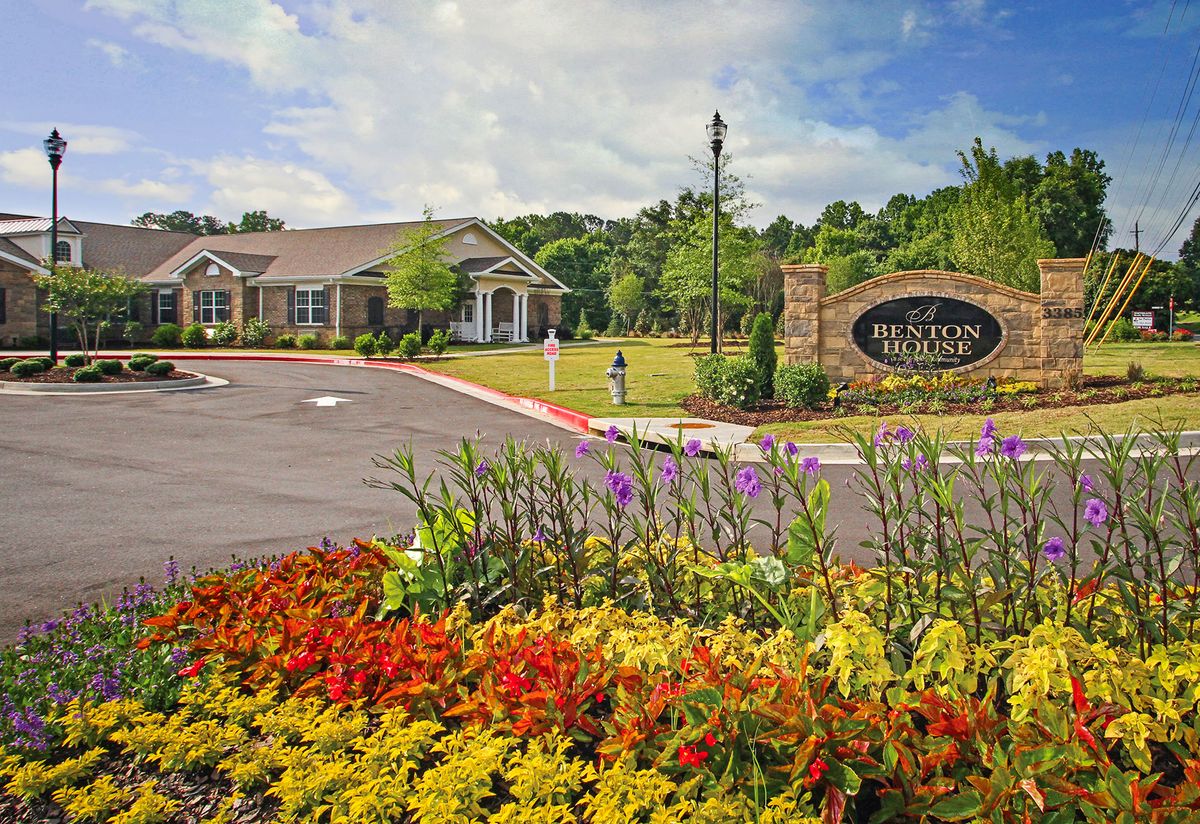
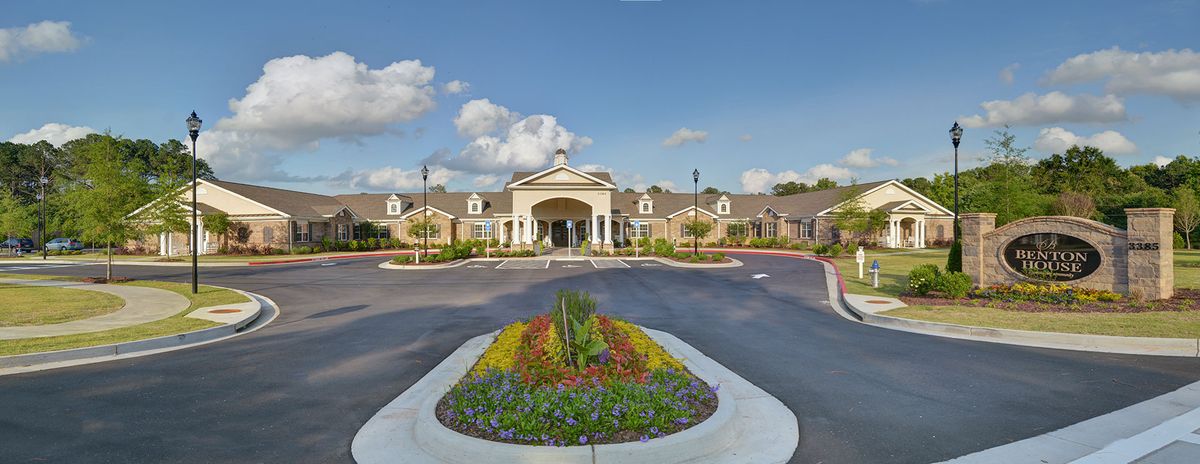
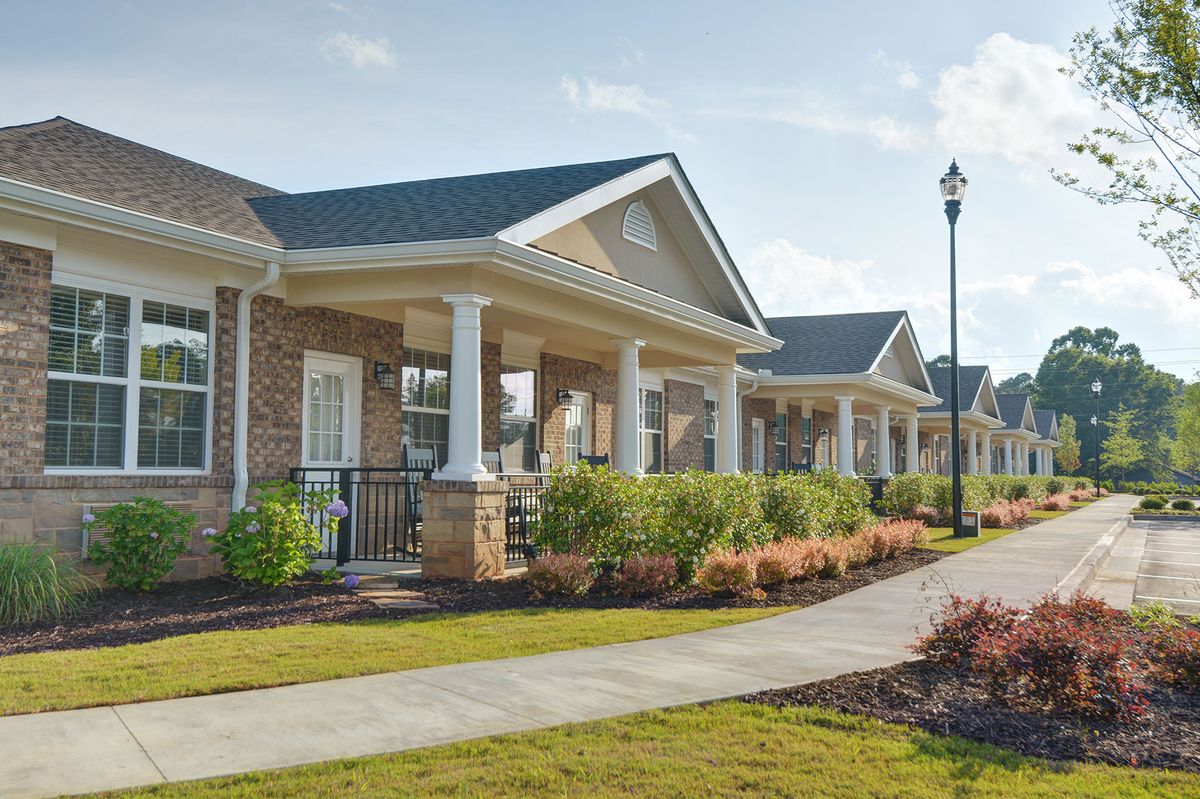
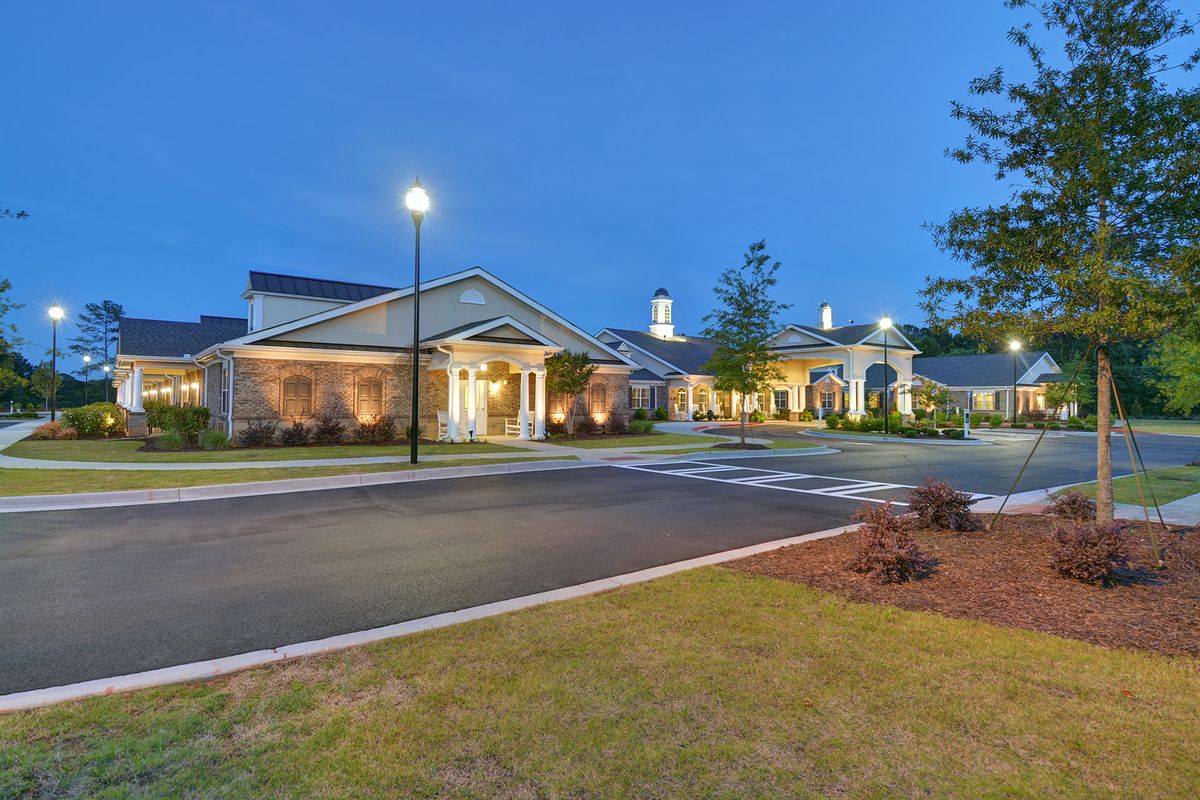
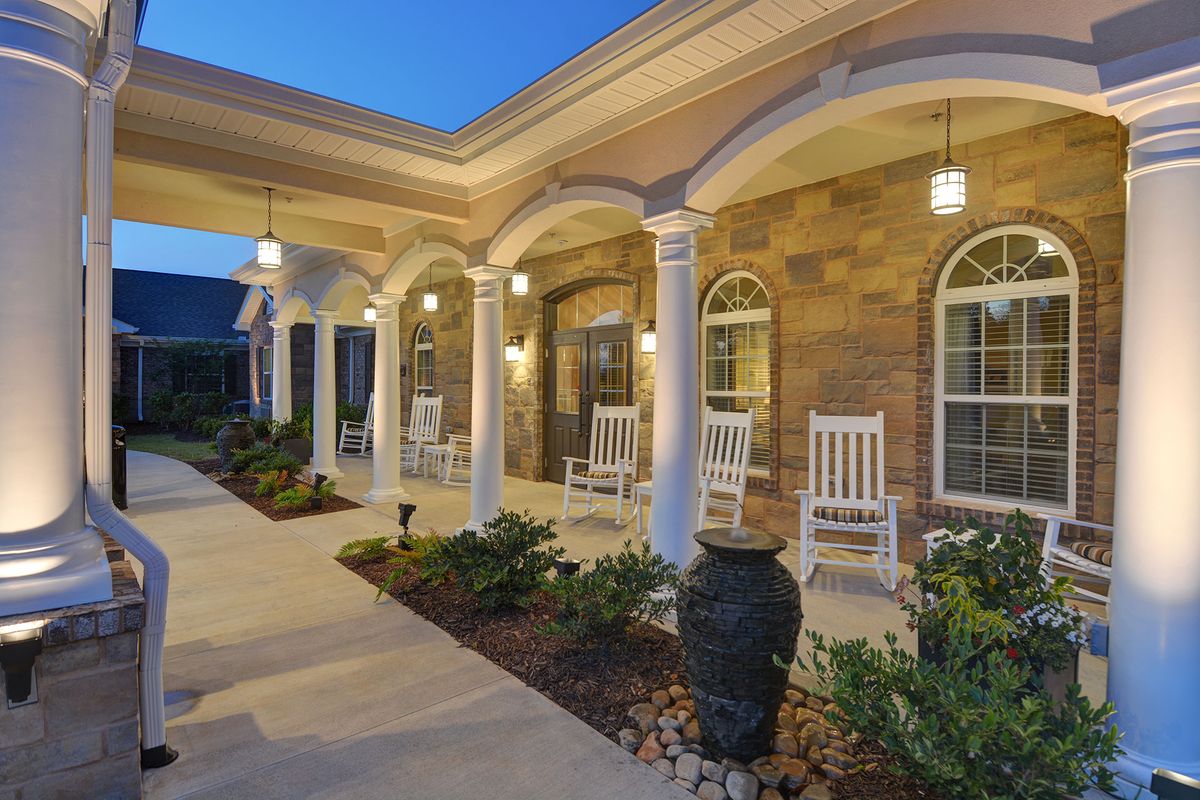
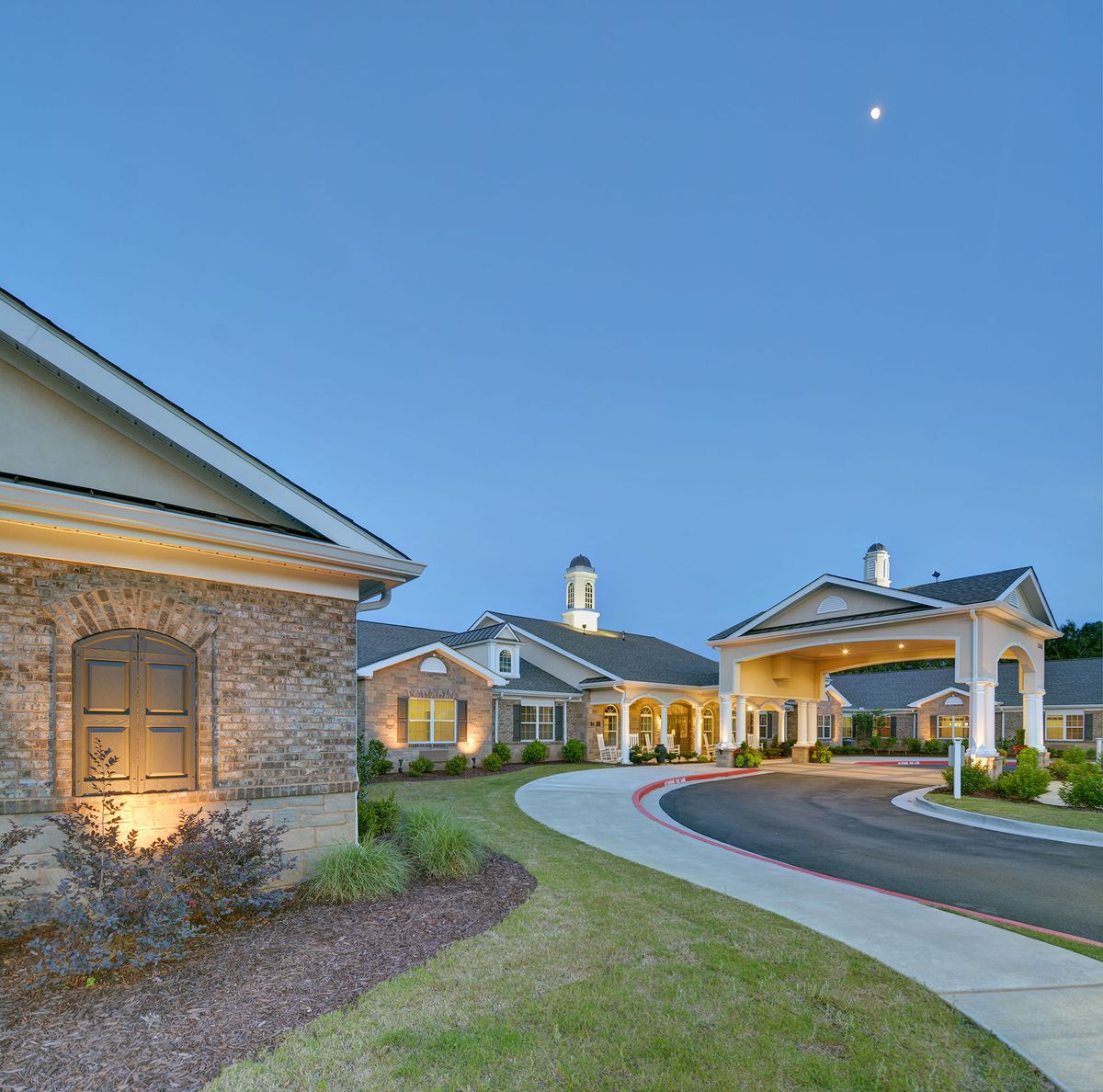
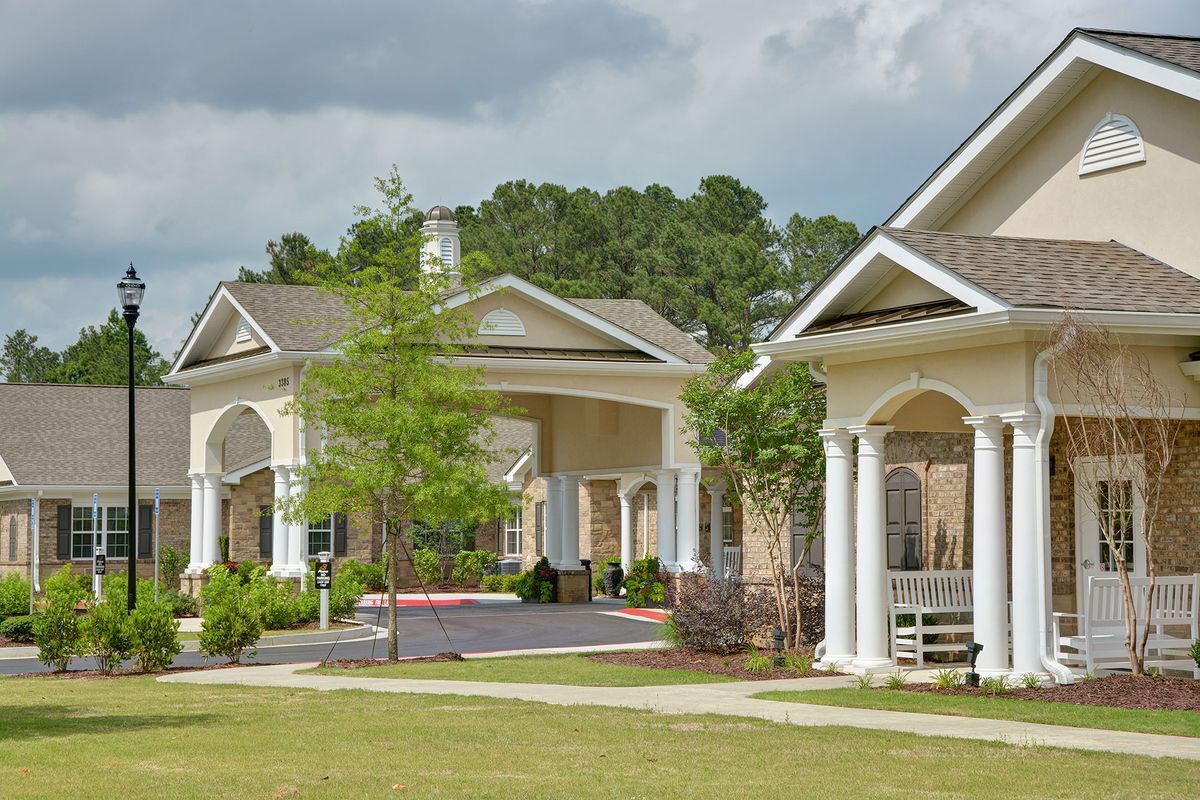
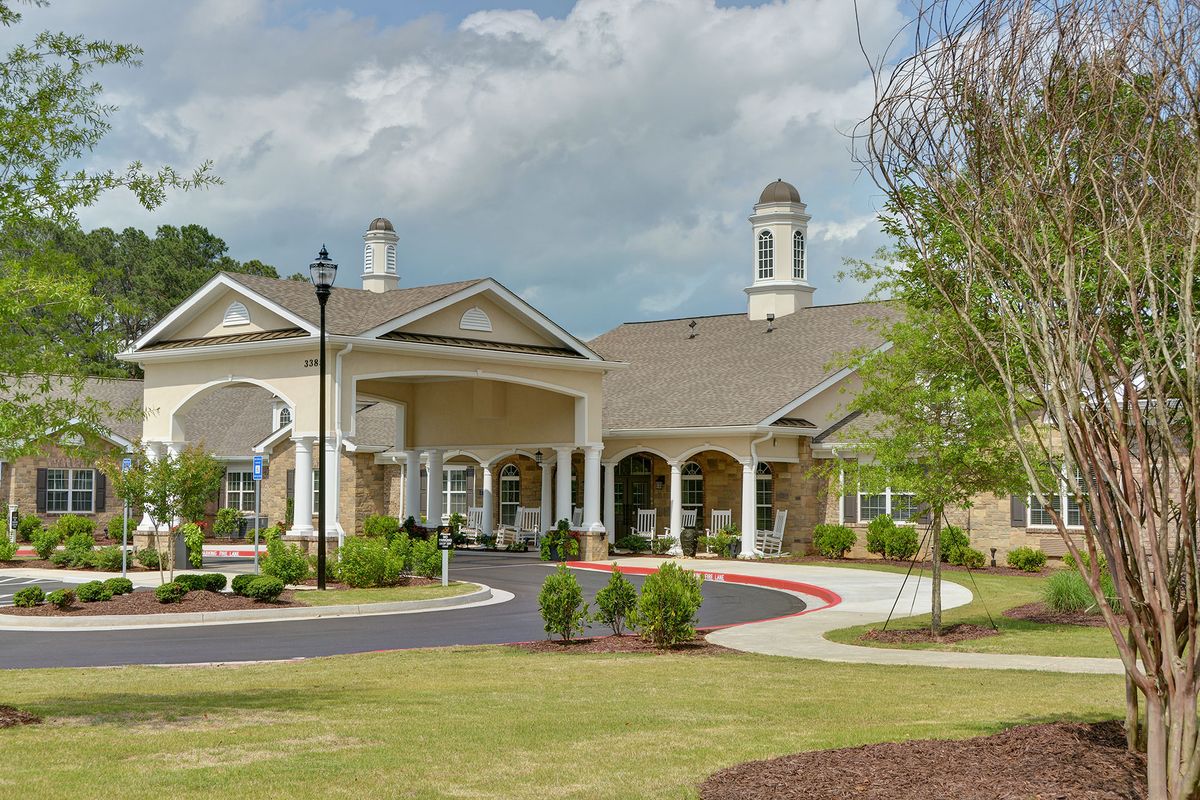
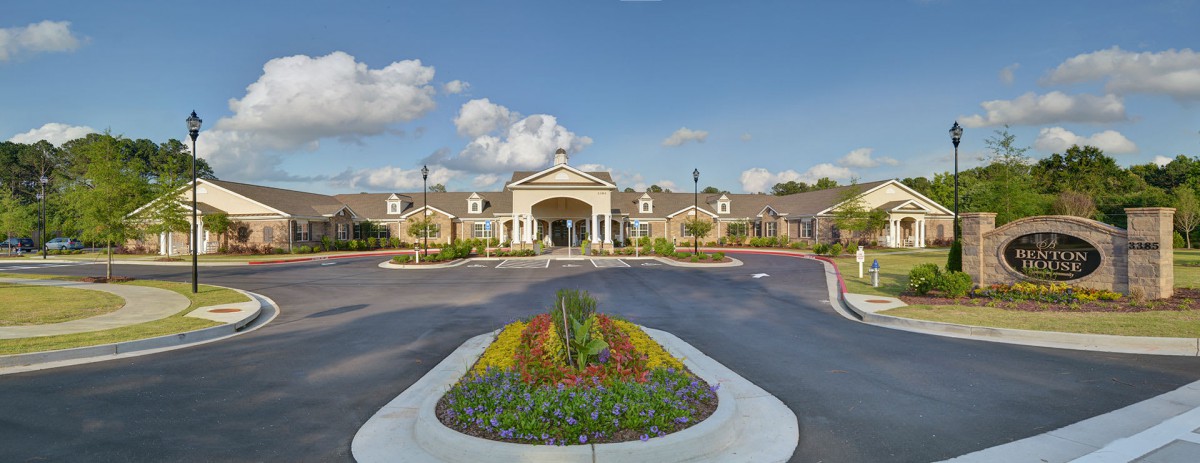
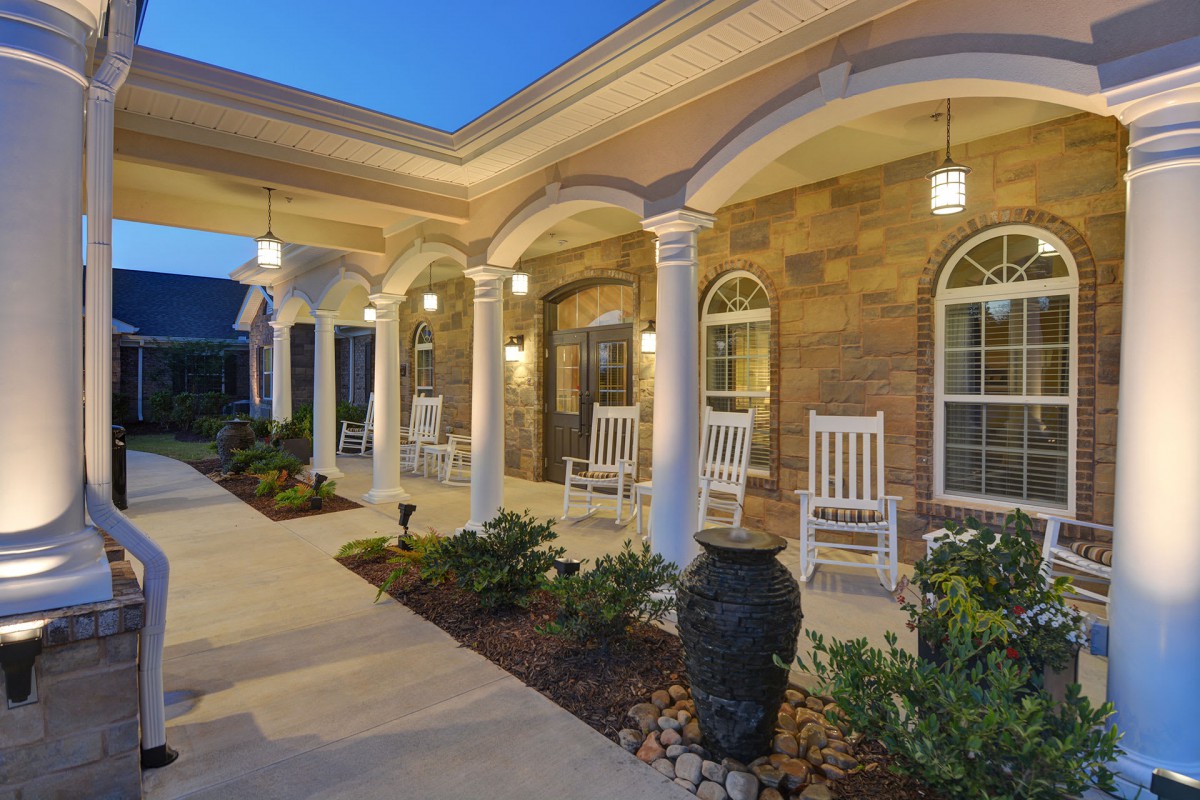
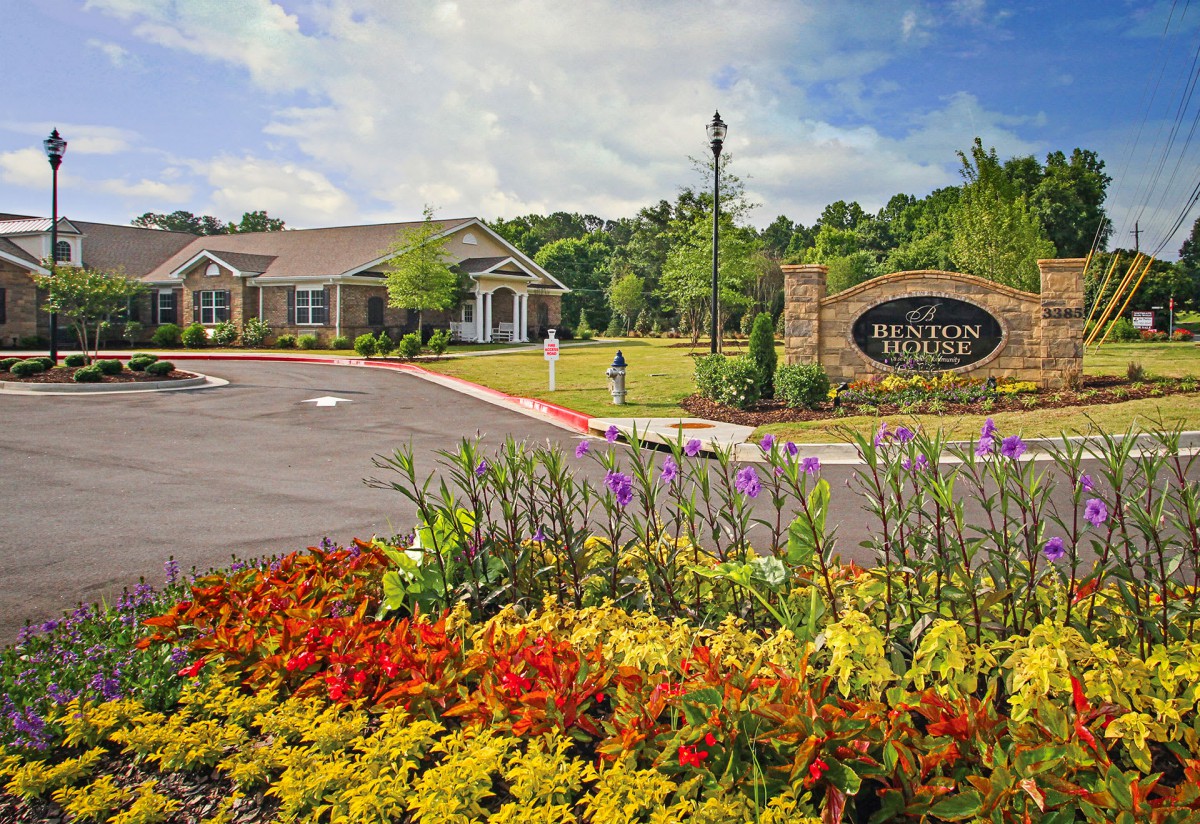
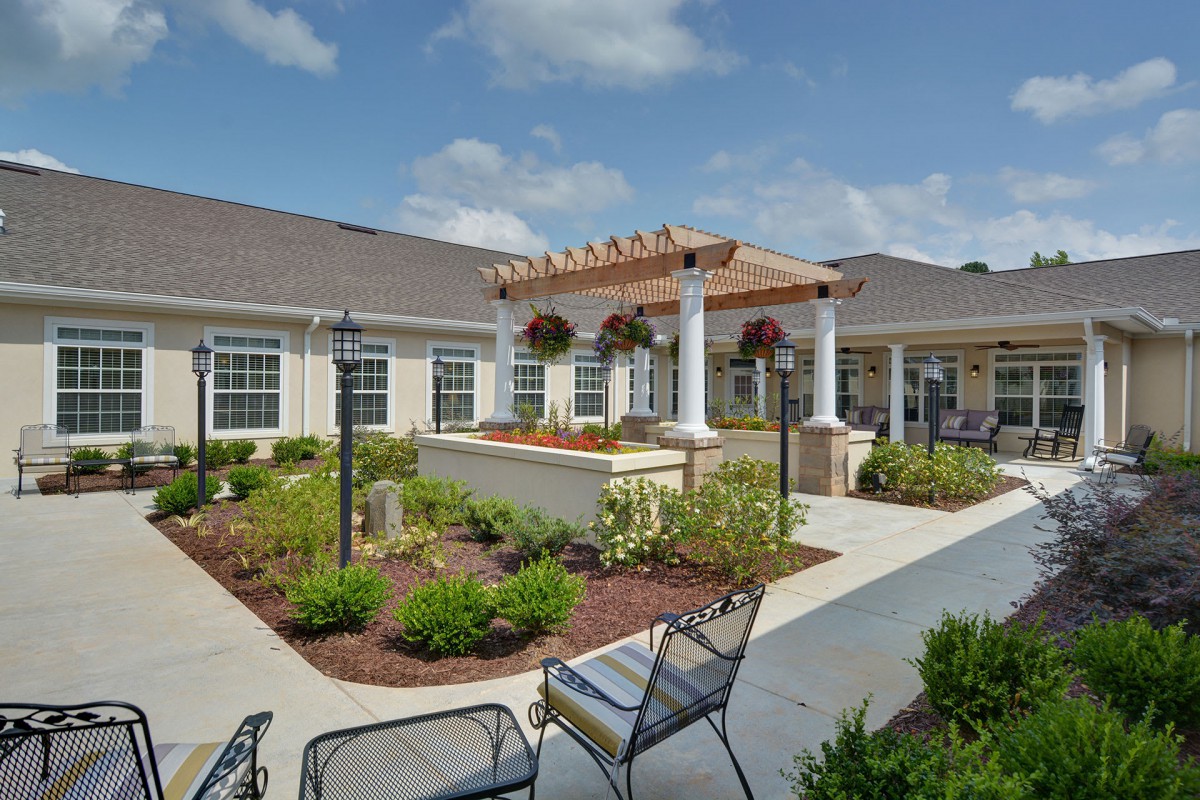
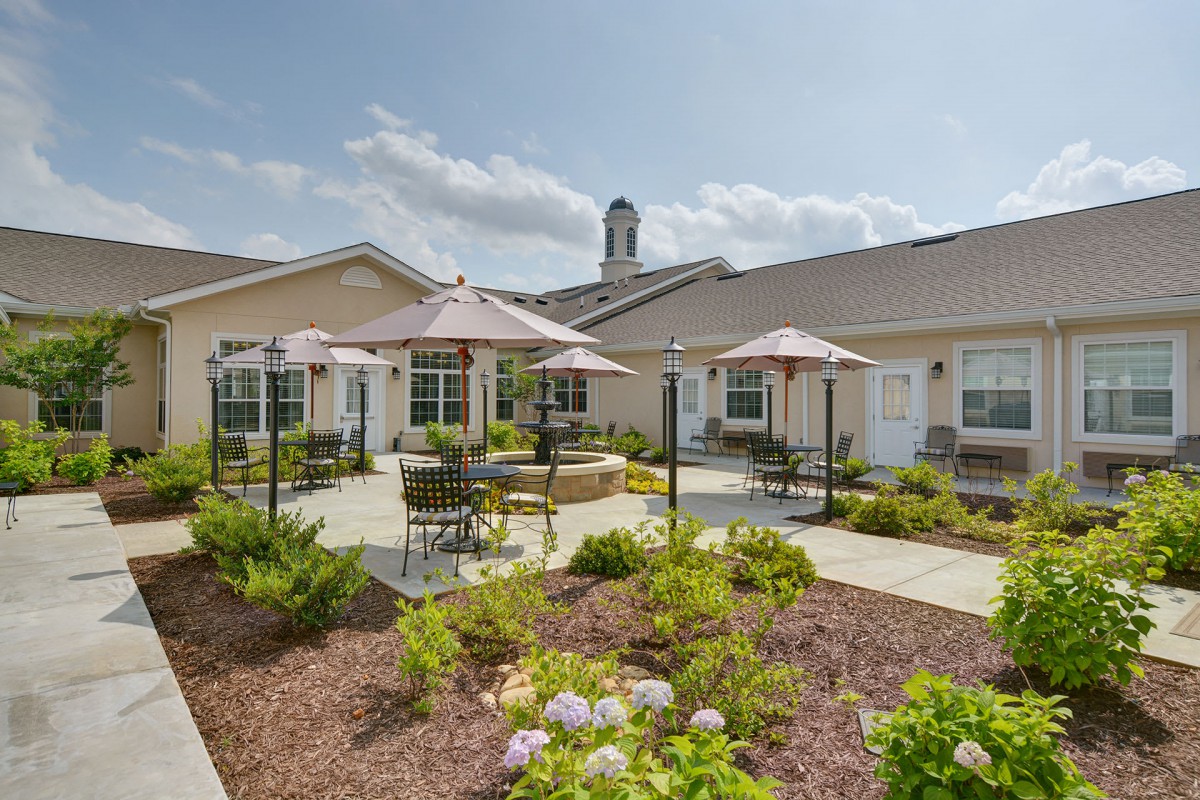
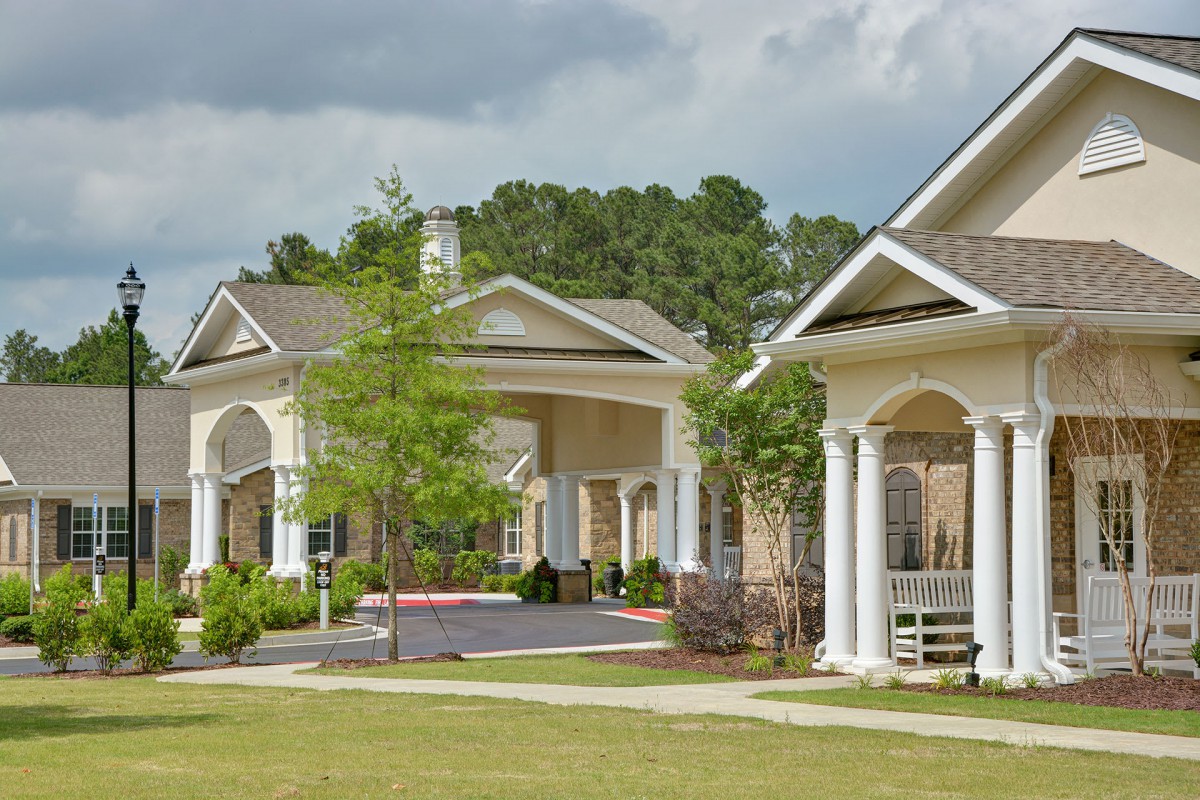
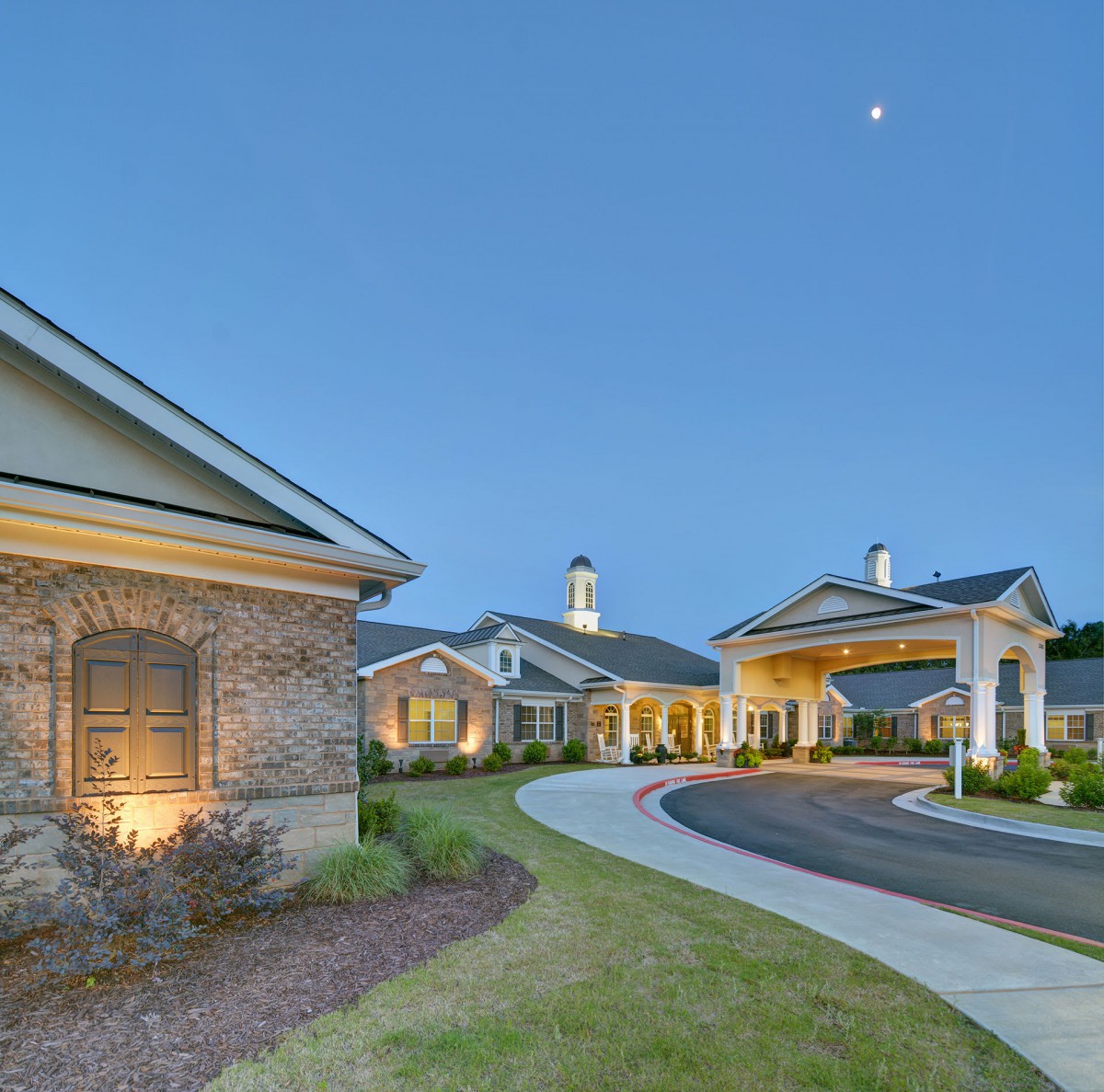
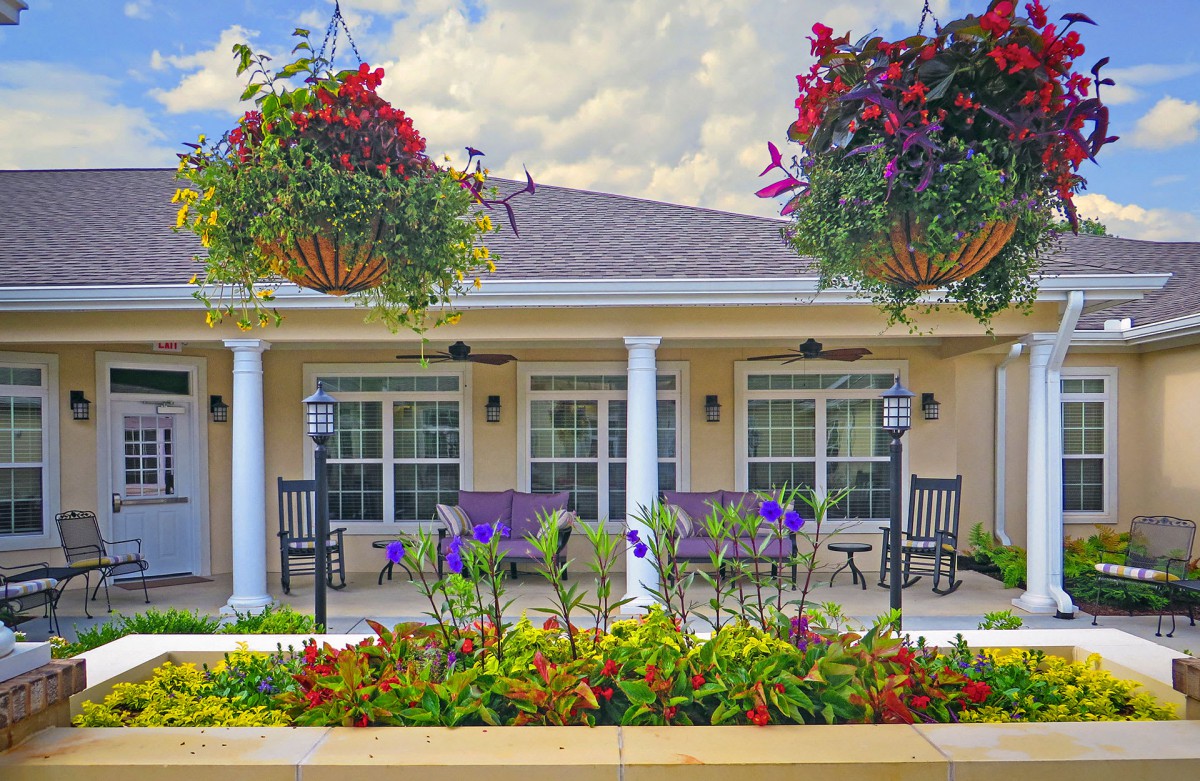
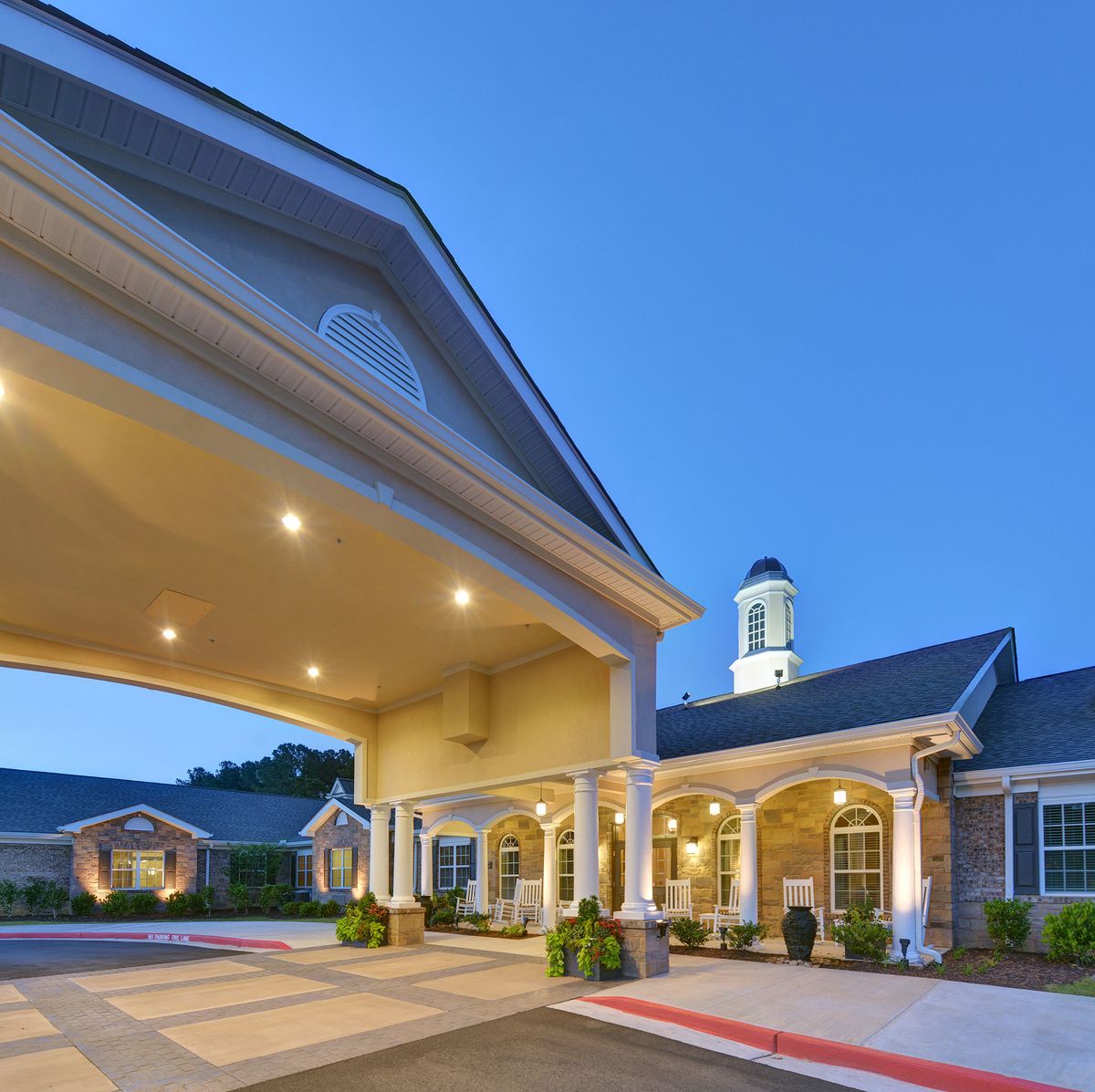
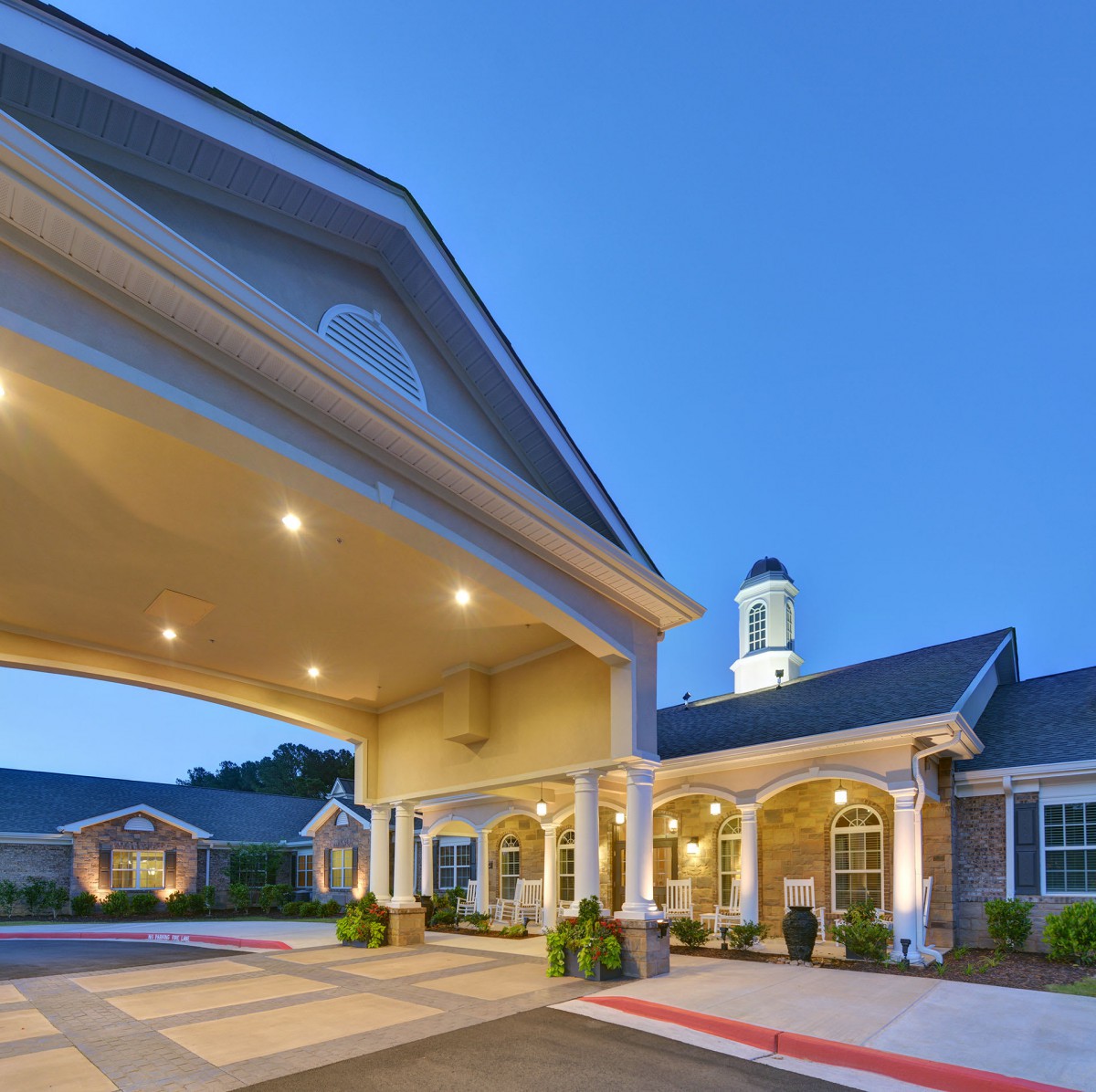
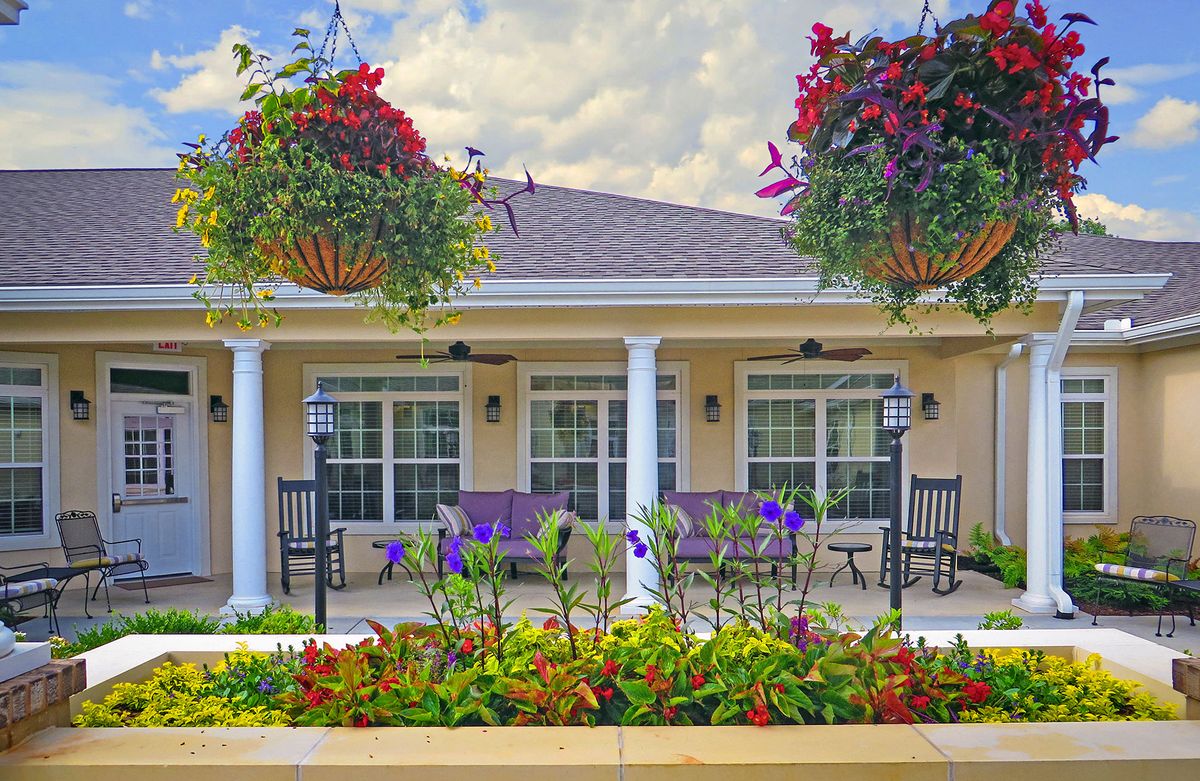
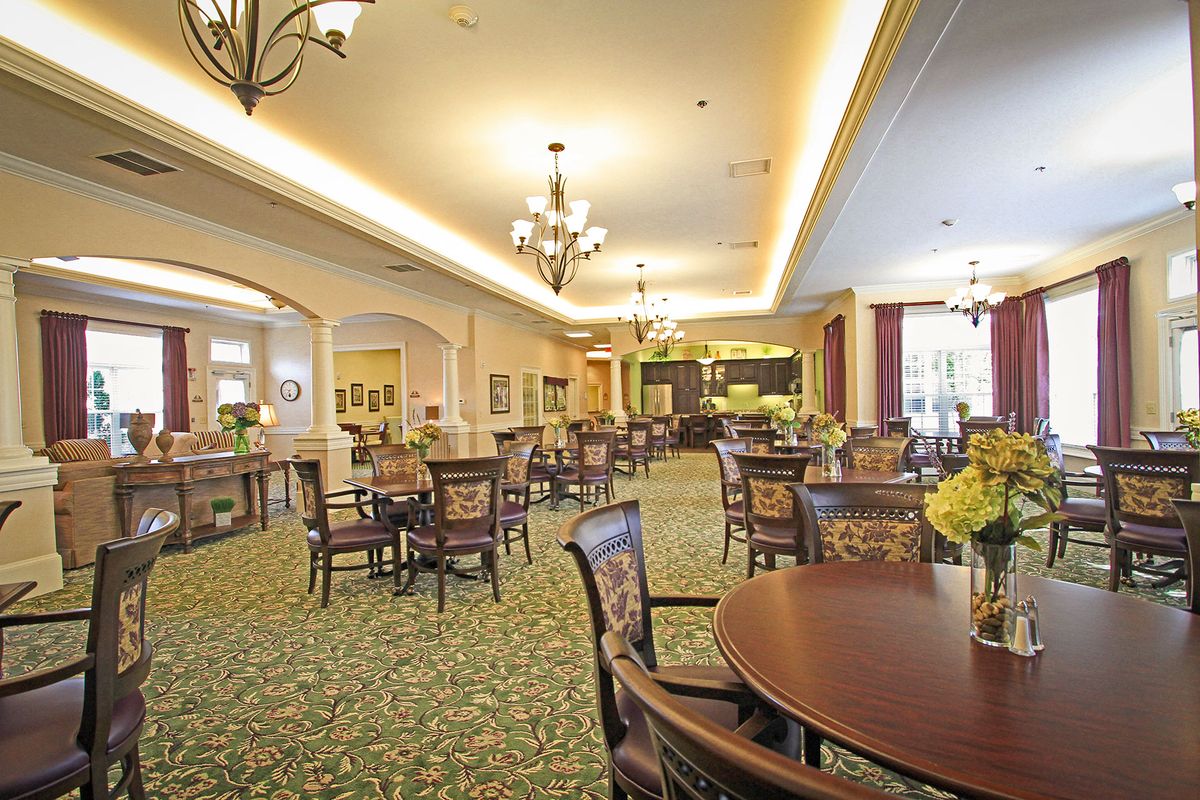
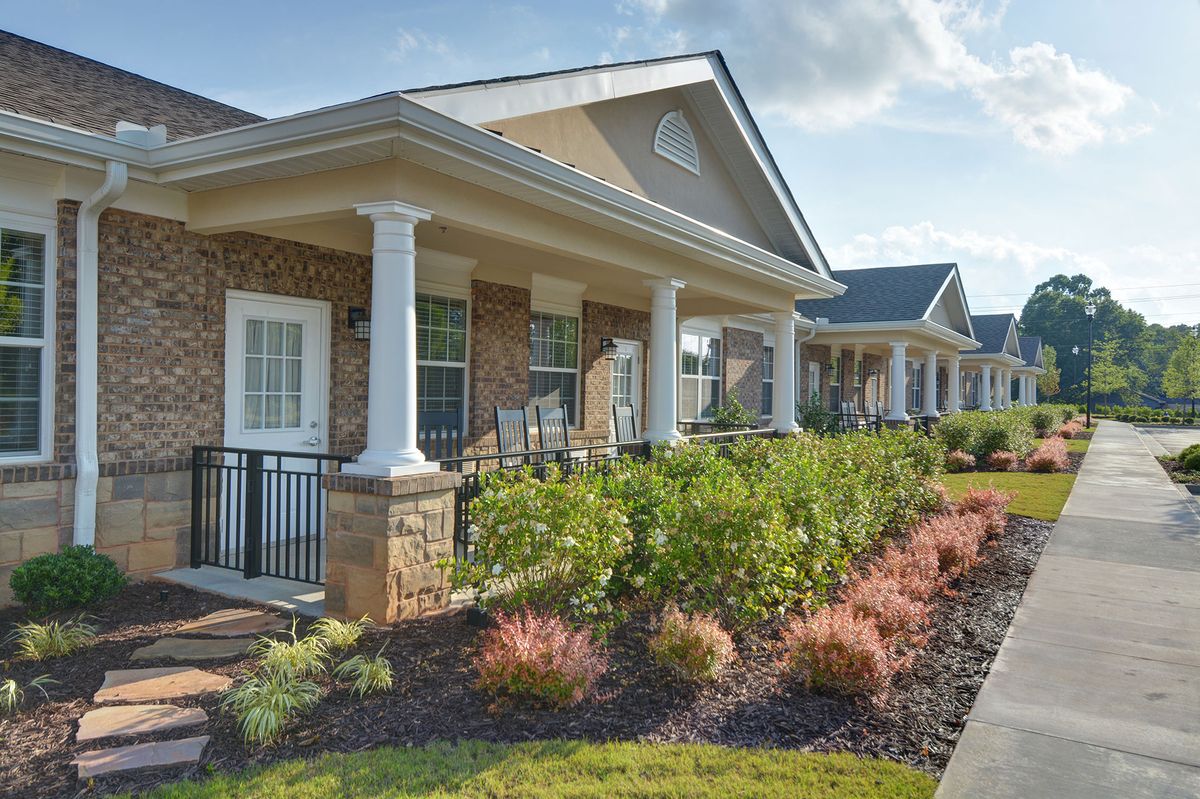
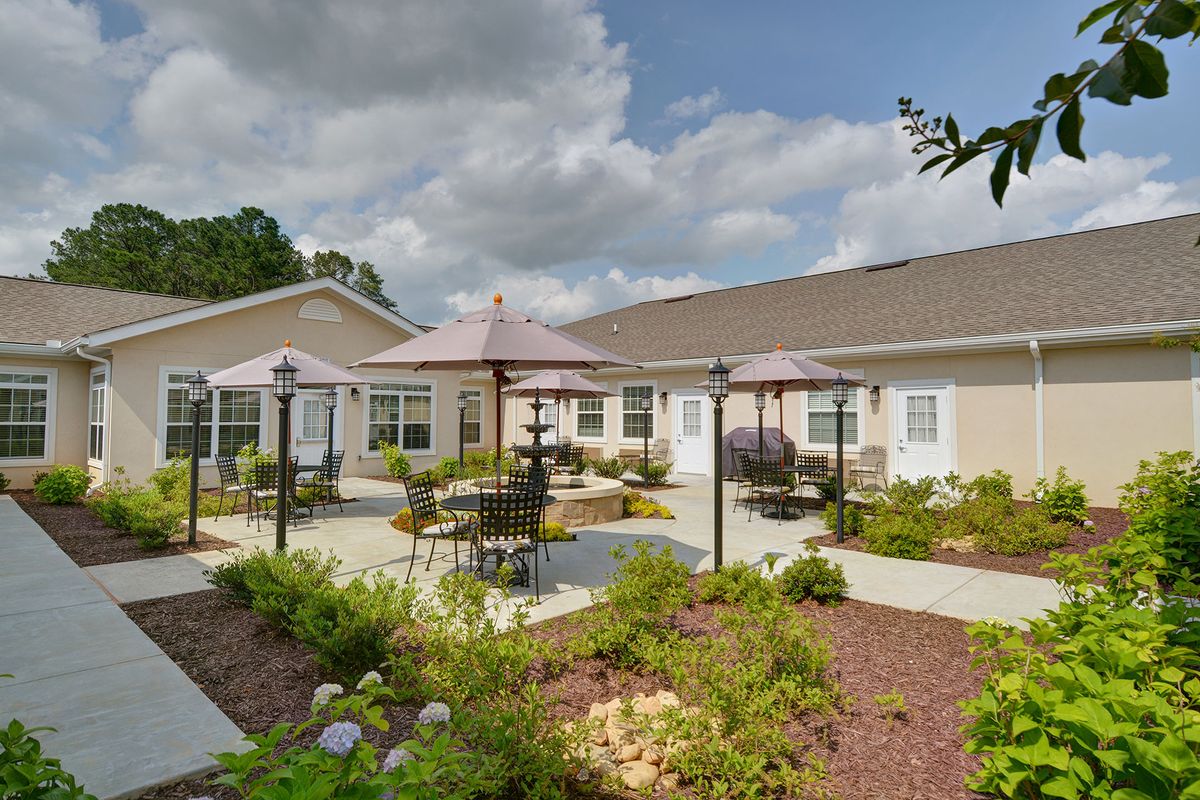
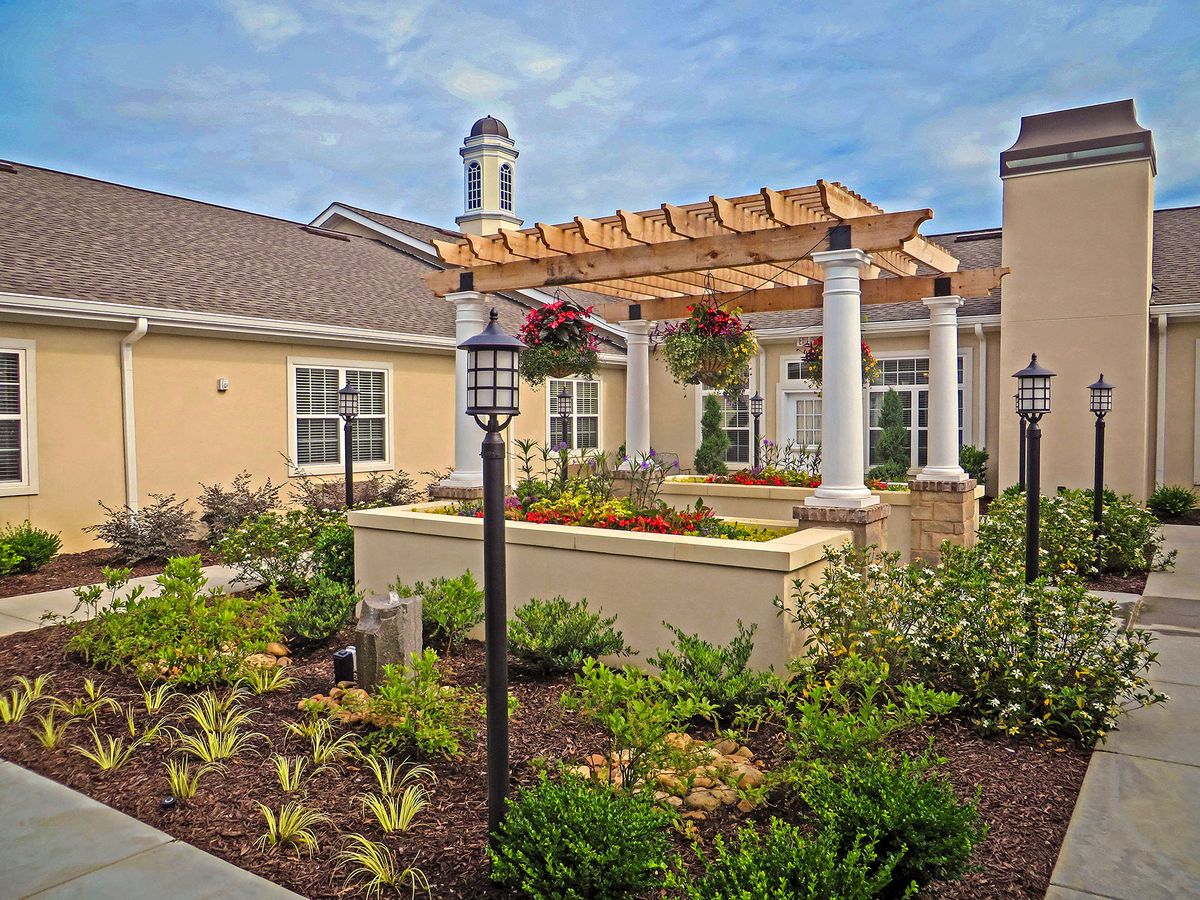
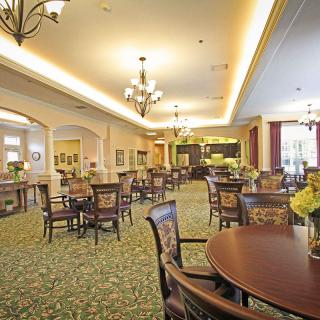
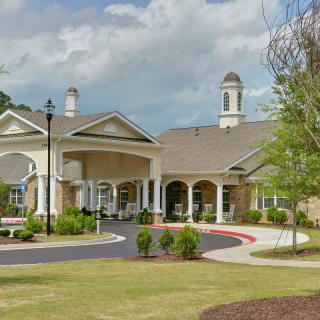
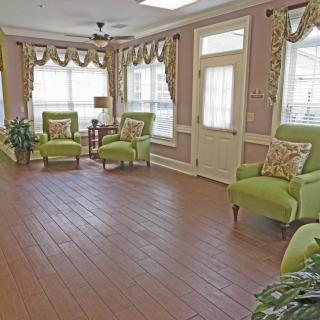
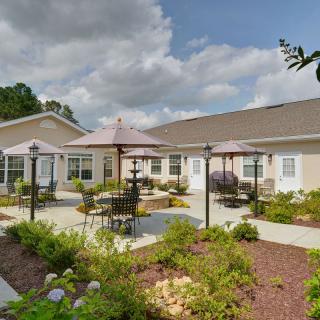
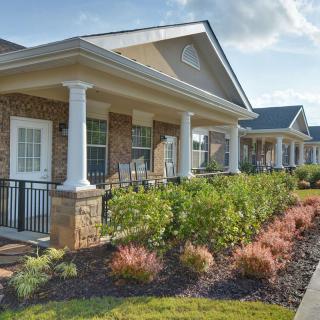
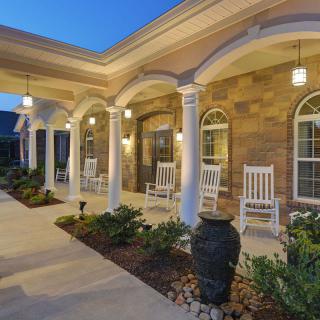
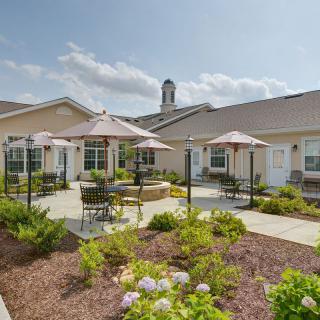
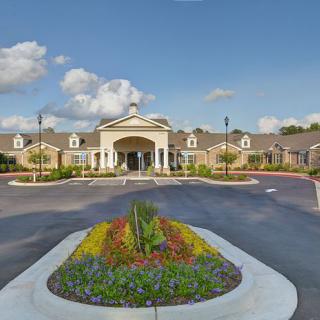
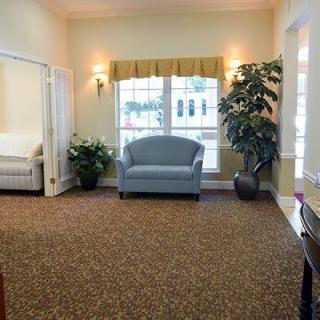
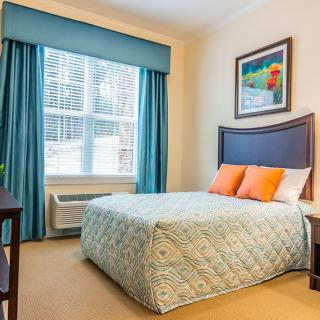
Benton House Of Woodstock on seniors.fyi includes 41 photos including images showing landscaping, building, architecture, interior, floor plan, garden, dining, exterior, and more.
Nearby Communities
Merrill Gardens at Woodstock
Woodstock, GA
4.5 from 137 reviews
$1,646 to $5,595 / month
Caring staff, anytime dining, and spacious apartments.
Right at Home - Woodstock
Woodstock, GA
4.5 from 22 reviews
Reliable, punctual, and compassionate caregivers with easy scheduling.
Legacy Ridge At Neese Rd
Woodstock, GA
4.2 from 93 reviews
$2,650 to $5,500 / month
Caring, attentive staff and a warm, welcoming atmosphere with well-maintained common areas and engaging activities.
Love Touch Personal Care Home
Woodstock, GA
4.8 from 12 reviews
$2,500 / month
Attentive staff, clean environment, and quality meals.
Brickmont Woodstock
Woodstock, GA
3.9 from 126 reviews
$2,800 to $6,000 / month
Bright, clean, well-maintained facility with caring staff and engaging activities.
The Glens at Mountain Brook
Woodstock, GA
Small, intimate community with personalized care, meal preparation, medication management, Wi-Fi, and dietary accommodations.
Holbrook Of Woodstock
Woodstock, GA
4.7 from 89 reviews
$4,850 to $5,600 / month
Resort-like setting with attentive staff, modern amenities, and engaging activities.
Woodstock Nursing & Rehab Center
Woodstock, GA
4.3 from 139 reviews
Friendly, caring staff with solid rehabilitation progress and engaging activities.
Amelia Gardens Pch Of Marietta II
Marietta, GA
4.1 from 62 reviews
Small, personalized setting with 24/7 staff and comprehensive care.
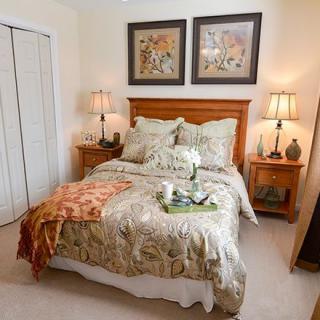
Sundown syndrome, or sundowning, is a phenomenon in dementia patients characterized by increased confusion and agitation during late afternoon and evening, influenced by factors like disrupted circadian rhythms and fatigue. Effective caregiver strategies include establishing routines and managing environmental light while addressing caregiver stress through support services.
Delirium is a rapidly onset, reversible cognitive disturbance often caused by acute medical issues, while dementia is a gradual and irreversible decline due to chronic neurodegenerative diseases. Accurate differentiation between the two is essential for appropriate treatment and management in older adults.
Dementia, including Alzheimer’s disease, is often mischaracterized in terms of lethality as it leads to complications that can be fatal rather than being a direct cause of death; it causes a progressive decline in cognitive and physical health, making patients vulnerable to infections and other health crises. Effective management of nutrition, hydration, and communication is crucial in patient care, with palliative care becoming vital in advanced stages to enhance comfort and quality of life while caregivers play a key role amidst the challenges posed by the disease.
Get PricingAsk A QuestionSchedule A TourContact Senior Advisor
By clicking submit, you agree to our Partner's Terms of Use. You
also consent to receive calls and texts, which may be autodialed, from our Partner. Your consent is not a condition to
using our Partner's service. Please visit our Partner's Privacy Policy for information about their privacy practices.












 72 resident community capacity
 1-bedroom apartments
 Assisted Living
 Day Program
 Memory Care
 Cats allowed
 Dogs allowed
 Air-conditioning
 Beautician on-site
 Cable or satellite TV
 Computer center
 Devotional services off-site
 Dining room
 Fitness room
 Fully furnished
 Gaming room
 Garden
 Ground floor units
 Handicap accessible
 Housekeeping services
 Indoor common areas
 Kitchenette
 Laundry
 Move-in coordination
 Outdoor common areas
 Party space
 Private bathrooms
 Respite or short term stays offered
 Restaurant-style dining
 Small library
 Telephone
 Wellness center
 Wheelchair accessible showers
 Wi-Fi/high-speed internet available
 Community operated transportation
 12-16 hour nursing
 24-hour call system
 Ambulatory care
 Assistance with bathing
 Assistance with dressing
 Assistance with transfers
 Diabetes diet
 Diabetic care
 High acuity care
 Incontinence care
 Medication management
 Mental wellness program
 Special dietary restrictions
 Art classes
 Concierge services
 Cooking classes
 Day trips and outings
 Educational speakers / life long learning
 Happy hour
 Karaoke
 Visiting chaplain or priest
 Wine tasting
 English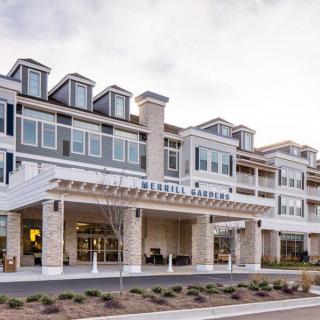
 Caring staff, anytime dining, and spacious apartments.



 Comprehending Evening Confusion in Dementia: Causes, Manifestations, and Support
 Delirium and Dementia: Unraveling the Key Differences
 Are Dementia and Alzheimer's Disease Lethal? A Comprehensive Exploration