
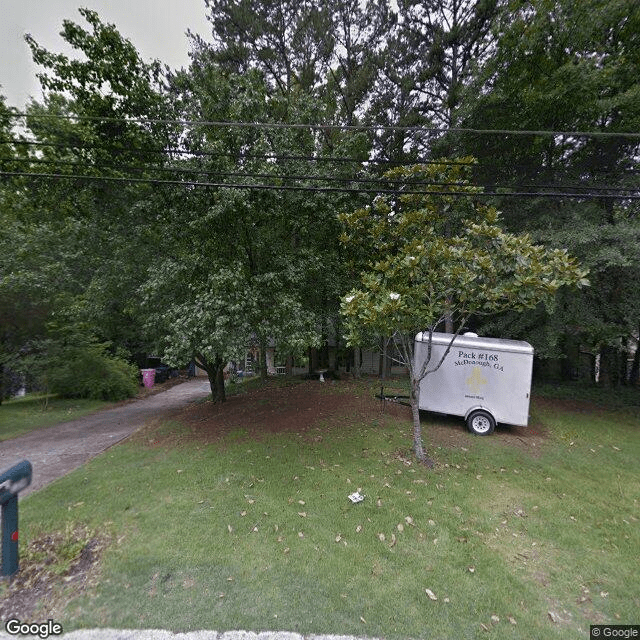
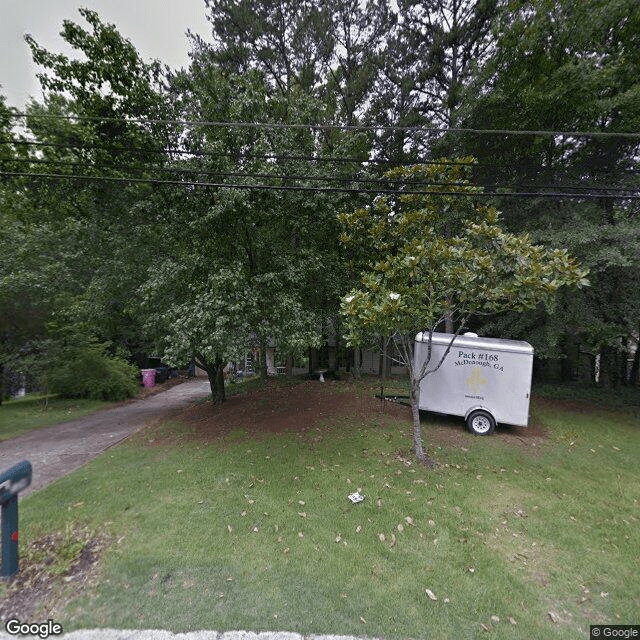
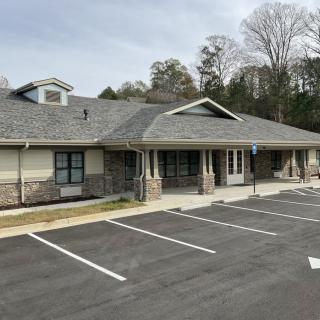
124 Apple Valley Dr., Woodstock, GA 30188
To contact a resident: (770) 726-7974
For more information about senior living options: (866) 208-4318
Love Touch Personal Care Home Costs & Pricing
At Love Touch Personal Care Home, the monthly cost for a private room is $2,500, which positions it as an affordable option compared to both Cobb County and the broader state of Georgia. In Cobb County, the average cost for similar accommodations is approximately $2,788, while across Georgia, the expense rises to around $2,864. This pricing structure reflects Love Touch's commitment to providing quality care while ensuring that financial considerations remain manageable for families seeking personal care services. With its competitive rates and focus on individualized attention, Love Touch Personal Care Home stands out as a compelling choice for those in need of supportive living arrangements.
| Floor plans | Love Touch Personal Care Home | Cobb County | Georgia |
|---|---|---|---|
| Private | $2,500 | $2,788 | $2,864 |
Senior living communities with a similar price nearby
-
from -$400 / mo
Premium Personal Care Home
$2,100 to $2,850 / month16.6 miles away -
About the same
Green Park at Kennesaw
$2,500 to $5,500 / month7.7 miles away -
About the same

Fite Living Center
$2,500 / month19.7 miles away -
About the same
Grace Living Personal Care Home Of Marietta
$2,500 to $3,500 / month6.6 miles away -
from +$310 / mo
Vitality Living Milton
$2,810 to $5,515 / month11.3 miles away
Overall Review of Love Touch Personal Care Home
Pros
 The staff is loving and caring.
- Life Balance Personal Care Home is an awesome place for a loved one to call home.
- The environment is warm and home-like.
- The care is thoughtful and professional.
- The owner and caregiving staff consistently stay positive and go above and beyond.
- The small home-type community is a perfect fit for residents.
- The staff is kind to residents and very helpful to families.
- The facility is a well-run place of care.
- The care is individualized for each resident.
- Melanie Felton is a professional caregiver who puts love into her work.
- Melanie Felton is compassionate and senior-care focused.
- The facility and its professionals are highly recommended.
Cons
 found. The reviews are all positive and do not contain negative statements in the third person.
Review
This community is best suited for families that want a genuinely home-like, intimate caregiving environment where residents receive highly personalized attention from a closely connected staff. It works well for seniors who flourish with routine, meaningful interaction, and hands-on support, delivered in a small-household setting rather than a large campus. The tone in practice is warm, nonclinical, and family-centered, with staff who cultivate a sense of belonging and familiarity that makes the home feel like a true extension of the family. For families prioritizing dignity, continuity of care, and ongoing warmth, this is a compelling match.
Those who may want to consider alternatives are primarily individuals seeking a larger, more programmatic campus or someone needing extensive medical oversight or memory-care infrastructure. A big, multi-wing facility often comes with broader activity calendars, more on-site professionals, and a wider array of amenities. If the priority is a wide social scene, frequent structured programming, or highly specialized clinical services, a larger community could deliver more of those elements. In short, for residents with complex medical needs or a desire for a bustling campus, this smaller setting may fall short of expectations.
The strongest pros are the unmistakable quality of care, the consistently loving staff, and a home-style atmosphere that translates into daily reassurance for families. Caregivers are described as genuinely caring and going above and beyond, while the owner remains hands-on, professional, and communicative with families. The environment is repeatedly cited as safe, well-maintained, and organized, with clear attention to individual preferences and routines. The combination of a small, intimate setting and a professional, attentive team translates into reliable, continuous care that many families come to trust deeply.
These strengths offset potential trade-offs inherent to smaller homes. The intimate scale naturally means more personalized attention and easier, frank communication, which reduces family stress and fosters trust. While the pace may be quieter and the social calendar less sprawling than in larger facilities, residents still engage in meaningful activities and enjoy a sense of companionship with nearby peers. Cleanliness and safety are highlighted as consistent strengths, reinforcing a sense of security that is often decisive for families weighing options. In this context, the “home-like touch” is not decorative; it shapes every day’s routines and interactions.
During a decision-making visit, key questions should center on care planning and daily life. How are individualized care plans created and updated? What does a typical day look like for a resident, including meals, activities, and rest periods? How is family communication handled, how often are progress updates provided, and through what channels? What options exist for respite care or short-term stays, and how are transitions managed when a loved one returns home? And most importantly, how flexible is the staff in accommodating changing needs as health or preferences evolve? The responses to these inquiries will reveal whether the home’s strengths align with the resident’s priorities.
Taken as a whole, Love Touch Personal Care Home in Woodstock presents a compelling choice for families who value warmth, personalized attention, and a sense of being part of a small, well-run extended family. The combination of a loving staff, a capable and engaged owner, and a home-like environment creates a strong case for those prioritizing dignity, continuity, and intimate connections over scale. For families seeking a broader array of clinical services, more structured programming, or a larger social milieu, alternatives should be explored. A visit to observe daily life, meet the caregivers, and assess meal times and activity options will confirm whether this intimate setting truly fits the senior’s needs.
 Board and Care Home
 Activities on-site
 Air-conditioning
 Bath tubs
 Cable or satellite TV
 Devotional services off-site
 Handicap accessible
 Indoor common areas
 Outdoor common areas
 Private
 Private bathrooms
 Respite or short term stays offered
 Wi-Fi/high-speed internet available
 Ambulatory care
 Diabetic care
 High acuity care
 Incontinence care
 Medication management
 Gluten-free
 Art classes
 BBQs or picnics
 Birthday parties
 Educational speakers / life long learning
 Gardening club
 Karaoke
 Live well programs
 Trivia games




 A Comprehensive Exploration of Common Misunderstandings about Powers of Attorney
 Senior Move Management: Understanding the Role, Value, and Associated Costs
 Weight Training for Seniors: Building Strength and Vitality